
Julia Kelley
For hundreds of years, the Maori people of New Zealand have shared a powerful and intimate relationship with the land, designating several sites throughout the country as important parts in their history.
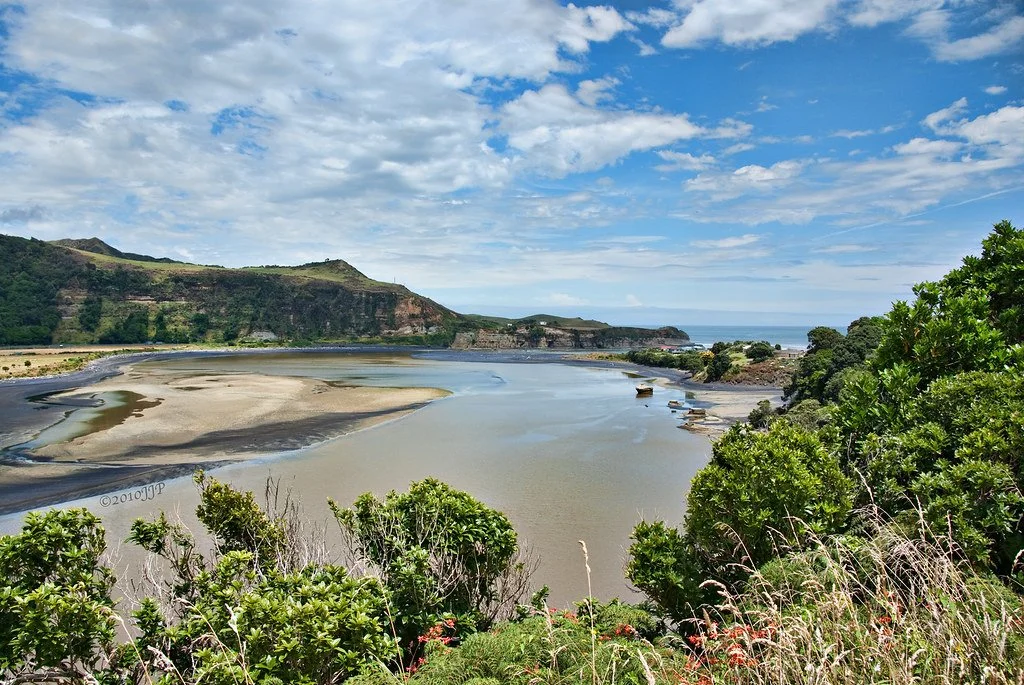
Bay in Aotearoa. J J. CC BY-NC-ND 2.0.
Although the exact date of the Maori people’s first arrival in New Zealand, or what they refer to as Aotearoa, is debated, it is commonly believed that early settlements began between A.D. 1250 and 1300. According to Maori tradition, these communities traveled across a vast ocean from Hawaiki, the primordial ancestral homeland for many Polynesian cultures, by canoe. In addition to being the physical origin of Maori life, Hawaiki remains spiritually significant in all their traditions. It is seen as the place from which humans are born and rest after death, acting as an unbreakable link between contemporary Maori and their genealogies that connect them with distant lineage and tribal stories. Moreover, it lays the foundation for the Maori people’s deep connection to New Zealand’s landscape.
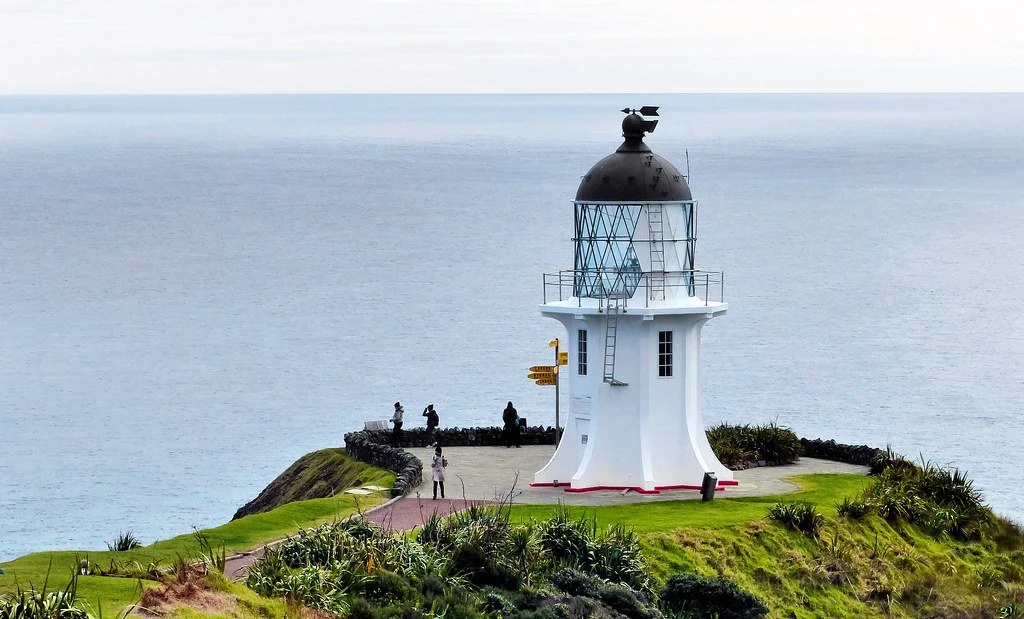
Cape Reinga Lighthouse. Bernard Spragg. CC0.
Hawaiki serves a fundamental role in Maori tradition as the place where Io, the supreme being, brought forth the different parts of the universe, including the Sky Father and the Earth Mother. It was this pair that created every aspect of the natural world, originating the fundamental belief that the Maori are closely aligned with nature. This special connection manifests as many pieces of landscape in New Zealand today, the most spiritually significant of which is Te Rerenga Wairua in the far north. Marked by an ancient pohutukawa tree and a lighthouse, it is believed that Maori spirits travel to this site after death, where they slide down a tree root into the sea. From here, they travel underwater to the Three Kings Islands and climb to the highest point, Ohaua, to return to the land of their ancestors. Legend states that this cape is where Kupe, the great navigator, first discovered Aotearoa after traveling from Hawaiki and subsequently established the first settlements.
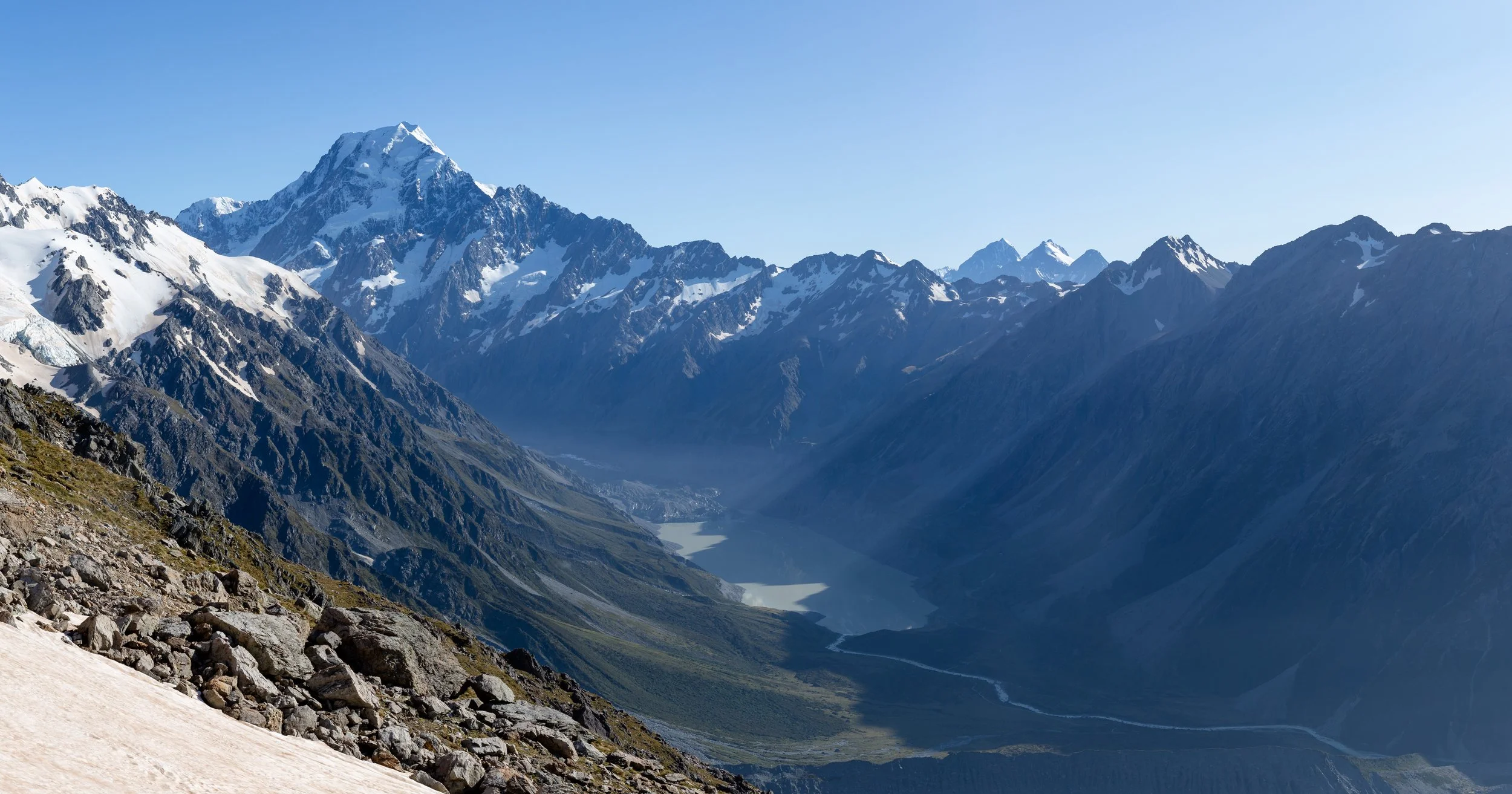
Mount Cook National Park. Michal Klajban. CC BY-SA 4.0.
Many places across New Zealand foster a similar significance to the Maori. The Mount Cook National Park, for example, represents the story of how Aoraki, the son of the Sky Father, and his brothers became the first mountains in the country, a significant narrative in the Ngai Tahu tribe. According to the legend, when trying to return to the heavens after going on a journey, Aoraki lost his courage while attempting an incantation to launch him and his brothers home and could not complete the words. As a result, the brothers remained on Earth and eventually became mountains, with Aoraki being the tallest one, and their canoe became the South Island. Located further north is Lake Taupo, of which legend describes how the priest Ngatoro-i-rangi and his followers tried to settle at the summit of Mount Tauhara. When throwing a totara tree into the large dustbowl below, Ngatoro-i-rangi missed the mark and hit a bank, where the tree landed upside down, piercing the earth and filling Taupo Moana, or “the sea of Taupo”, with fresh water.
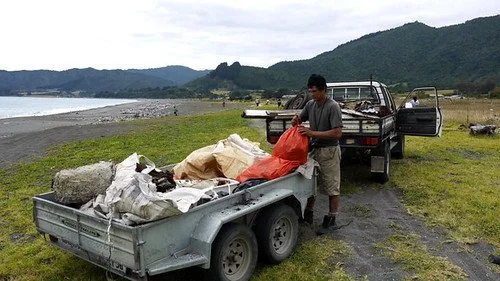
Practicing Kaitiakitanga. Love your Coast. CC BY-NC 2.0.
In these spiritually important sites and many others, the Maori remember not only their history but also their culture and deeply interwoven relationship with the landscape. This worldview is expressed through the concept of Kaitiakitanga, a belief that humans are an integral and equal part of nature. This idea calls the Maori to care for and protect the environment as part of their reciprocal relationship. Moreover, as the tangata whenua, or “the people of the land”, they are seen as one with the land, putting further emphasis on these sacred sites as places for valuable cultural knowledge.
Julia Kelley
Julia is a recent graduate from UC San Diego majoring in Sociocultural Anthropology with a minor in Art History. She is passionate about cultural studies and social justice, and one day hopes to obtain a postgraduate degree expanding on these subjects. In her free time, she enjoys reading, traveling, and spending time with her friends and family.