
Tropea lies on the Calabrian coast as a perfect jewel of tranquility.
Read MoreBezos Protestors Reject Venice as a Billionaire Playgroun
Venetians call their protests a success as the Bezos-Sanchez wedding relocates to the outskirts of the city following the inflatable crocodile threat.
Read MoreGo Snorkeling Amongst Archaeological Ruins
At Gaiola Underwater Park in Naples, ancient Roman ruins meet vibrant marine ecosystems. Explore this treasure trove beloved by locals.
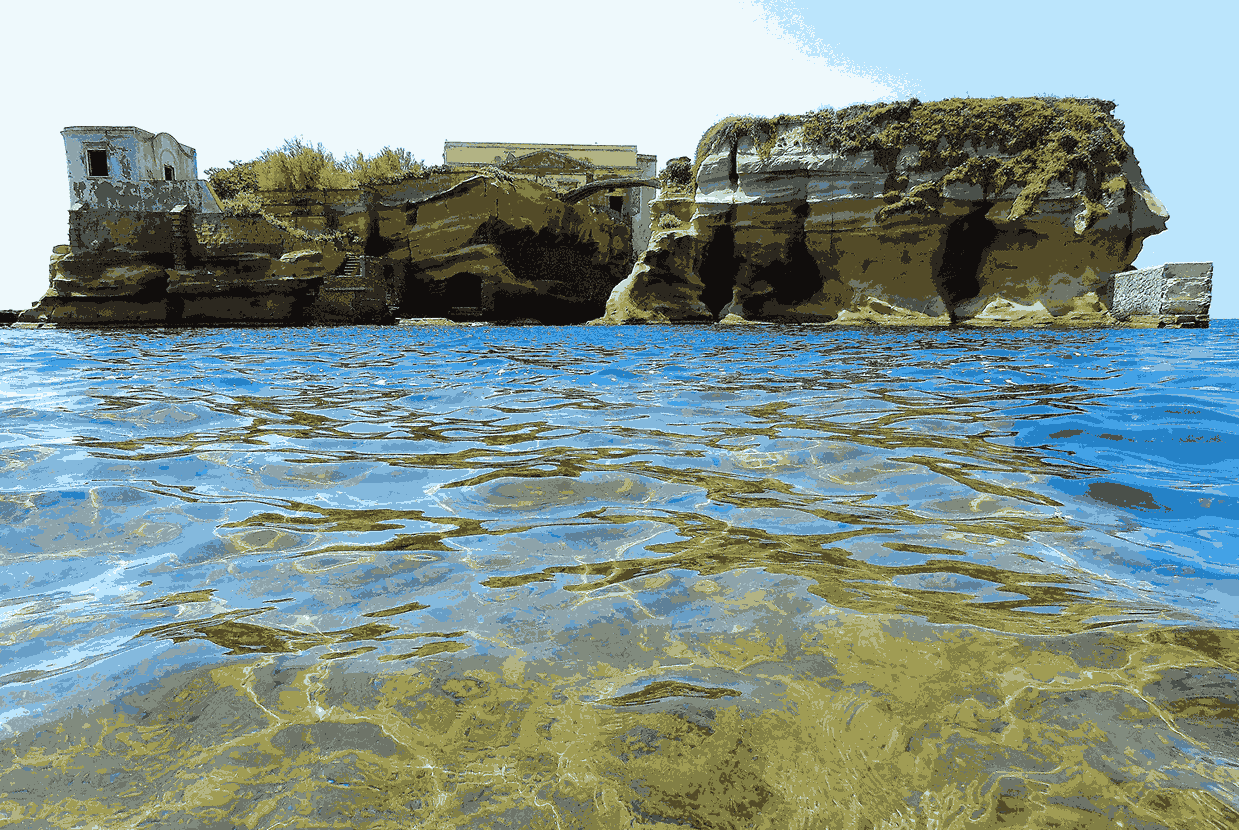
Gaiola Island. Gianfranco Vitolo. CC BY 2.0
At the foot of Posillipo Hill in Naples, Italy, is a protected marine area stretching over 103 acres. Gaiola Underwater Park was founded in 2002 by Interministerial Decree and is managed by the Gaiola Onlus Interdisciplinary Study Center. Extending from the village of Marechiaro to the Bay of Trentaremi, the park is a treasure trove of biological, historical, and archaeological wonders in one of the most evocative coastal landscapes in the Gulf of Naples.
Renowned for its rich marine biodiversity, the park's waters are home to a range of species, some of which are unique to the Mediterranean. The landscape of the seabed and the favorable circulation of marine currents has allowed the settlement of a rich and varied biological community. It provides a habitat for various fish, crustaceans, and algae, contributing to the overall health of the Mediterranean. Octopuses, white breams, damselfish and moray eels swim amongst ancient ruins, polychrome sponges, and beautiful walls of sea daisies. The park's protection ensures that these species can thrive without the pressures of commercial fishing and pollution.
Beyond marine life, the underwater park is also home to archaeological remains dating back to ancient Roman times. Inspired by Posillipo’s beauty, the Roman aristocracy settled along the coast in 100 BCE. The most significant structure was the Villa of Pausilypon, built by the Imperial official Publio Vedio Pollio. The Villa occupied much of the coastal stretch of the current Park. Remains of the Villa’s maritime structures, such as majestic tuff quarries, landings, mosaic floors, nymphaeums, and fish ponds, are still visible along the coast and below the sea surface, thanks to a local volcano-tectonic phenomenon of slow lifting and lowering of the earth's crust known as “bradyseism.”
The Gaiola Underwater Park is a center for scientific research and environmental education. The park plays a vital role in marine conservation efforts, offering a space for researchers to study marine life and ecosystems. Educational programs and workshops are regularly conducted to raise awareness about marine conservation and the importance of preserving the Bay of Naples’ natural and cultural heritage.
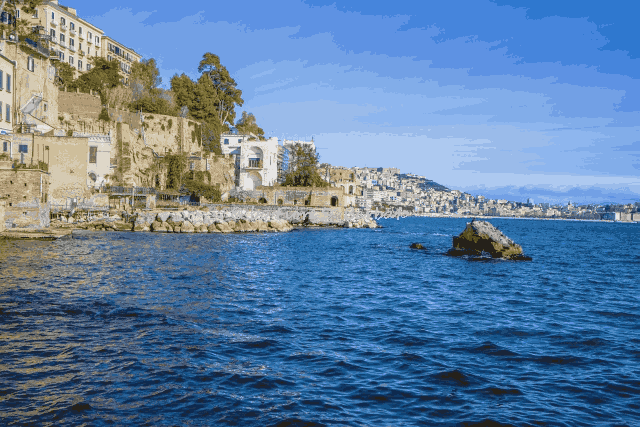
Posillipo Naples. Fiore Silvestro Barbato. CC BY-SA 2.0
Once, Gaiola was considered a cursed island. According to local legend, the lives of the island’s previous owners ended in suicide, financial disaster or shipwreck. In 1911, a shipskipper, Captain Gaspare Albenga, crashed his boat into the rocks of the island and drowned while he was examining it for potential purchase, although locals say neither body nor ship was ever found.
In the 1920s, a Swiss businessman, Hans Braun took possession of the island and was subsequently found murdered and wrapped in a rug. Not long after, his wife drowned at sea. The island was then purchased by Otto Grunback, a German perfume dealer. He suffered a heart attack and instantly died at the Villa. These are only a few examples of the many stories that exist about the misfortune that befalls those who attempt to purchase the island.
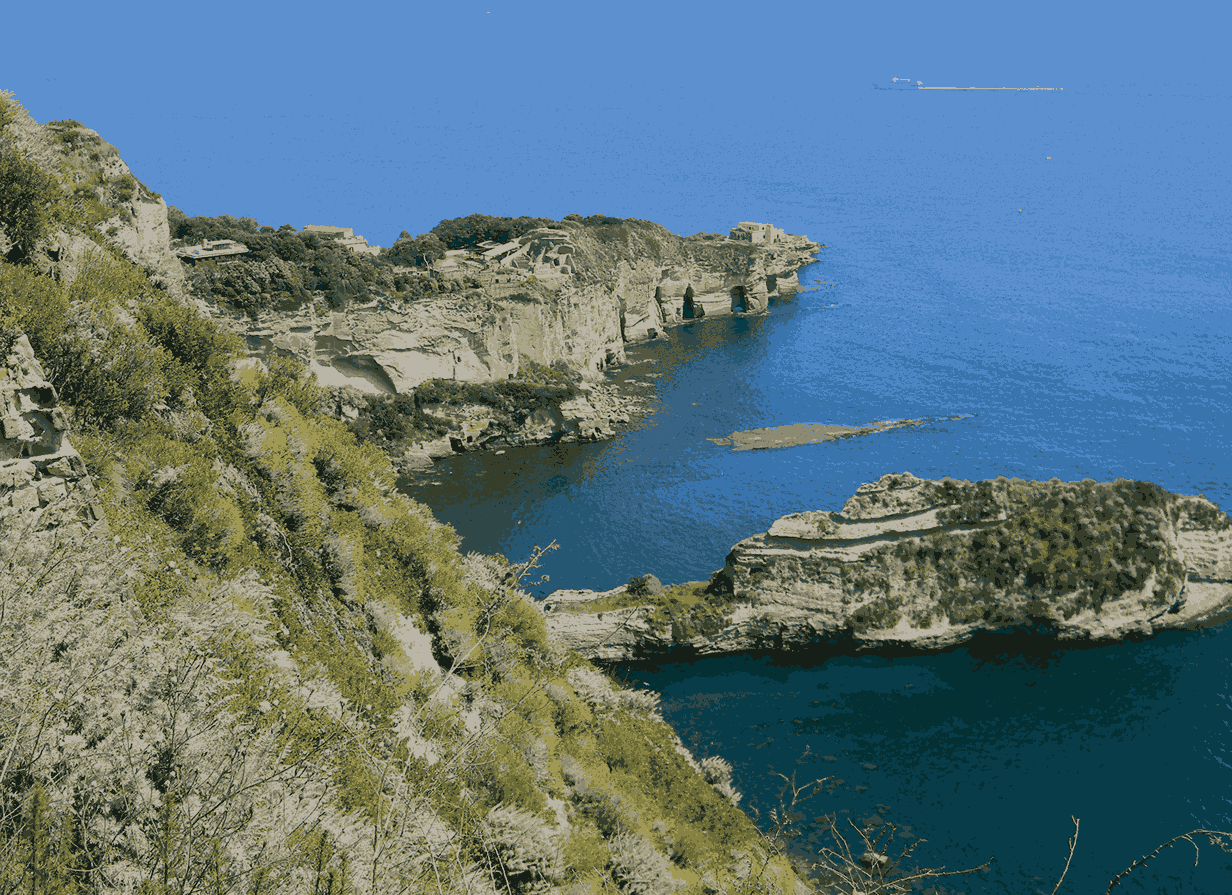
Bay of Trentaremi. Giuseppe Guida. CC BY-SA 4.0
After these tragedies, more legends about the area were born. One of the most famous is that the ghost of a faceless woman haunts the area. According to local fishermen, it is the spirit of a woman who died during the San Giorgio cruiser's shipwreck in 1911. Others believe the specter to be the ghost of Hans Braun's late wife.
The origin of the name “Gaiola” is debated. Officially, the namesake derives from two small islands located in the park off the coast of Posillipo. Some think that the name Gaiola comes from the Latin cavea, meaning cave, corral or grotto. In Neapolitan, the word gajola means cage, recalling the cage-like shape of the archipelago. Cavea can also mean amphitheater. Gaiola hosts its own amphitheater in the ancient Villa.
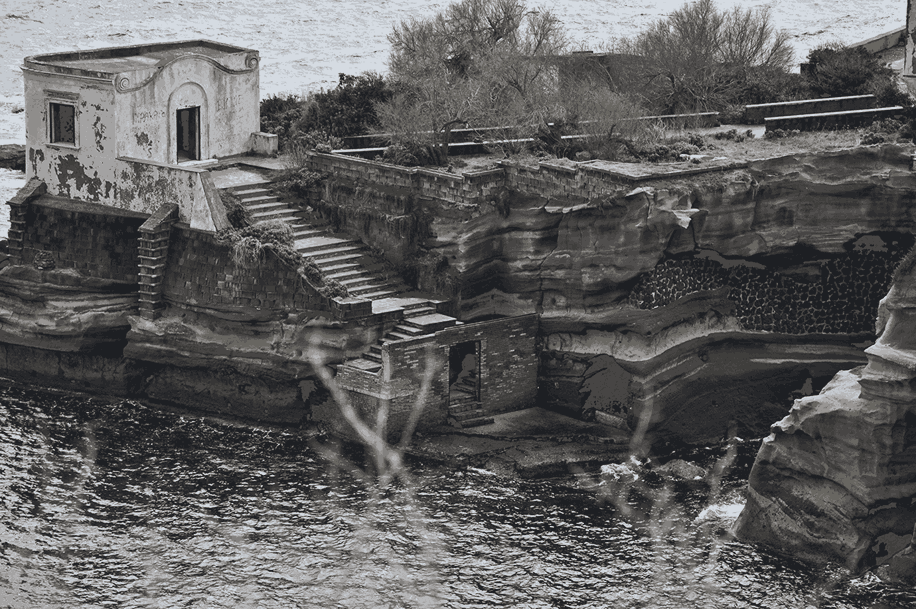
Archaeological Park of Pausilypon. Armando Mancini. CC BY-SA 2.0
Visitors can participate in guided tours that offer exciting activities and insight into the park's ecological and historical significance. To visit the Gaiola Underwater Park, it is essential to make a reservation in advance due to the park's commitment to preserving its delicate ecosystems by maintaining a controlled number of visitors. You can enter the park any day with an online reservation, although hours and restrictions vary depending on the season. Aside from guided tours, there are many activities for visitors to take part in, such as glass-bottomed boats, snorkeling, scientific diving, and kayaking.
GETTING THERE
The park is accessible from Naples’ city center by metro, car or bus. The park’s website features detailed information on activities, visitor guides, and the park’s history.

Rebecca Pitcairn
Rebecca studies Italian Language and Literature, Classical Civilizations, and English Writing at the University of Pittsburgh. She hopes to one day attain a PhD in Classical Archeology. She is passionate about feminism and climate justice. She enjoys reading, playing the lyre, and longboarding in her free time.
Italian Women Take Action Against Femicide
A family tragedy turns into a political movement in Italy, a country that saw over 100 femicides in 2023.
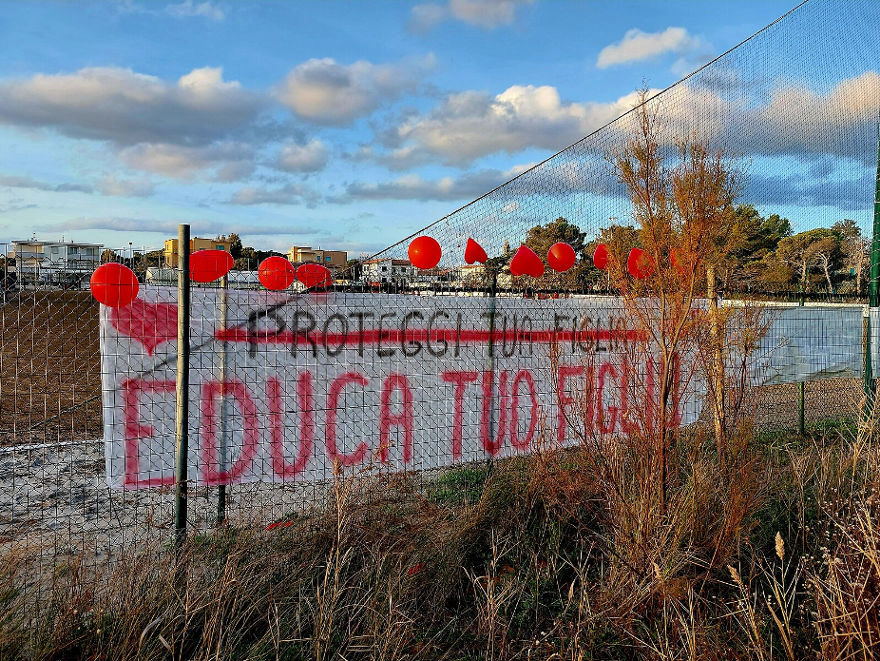
Statement for the femicide of Giulia Cecchetin and for all women victims of femicide. "Instead of protecting your daughter, educate your son." Anna Massini. CC BY-SA 4.0
Giulia Cecchettin was 22 years old and only days away from attaining her college degree when her life was brutally ended by her ex-boyfriend, Filippo Turetta. Turetta was enraged that Cecchettin had decided to end their romantic relationship. He had been controlling while the two were together, to the extent that he had installed a spy app on Cecchettin’s phone to monitor her movements. On November 11th, 2023, Cecchettin disappeared after going to buy her graduation outfit with Turetta. After a search that lasted a week, her body was found wrapped in black plastic bags and covered in more than twenty stab wounds. A week later, Turetta was arrested near Leipzig, Germany. He was extradited to Italy to face trial for the murder and is now serving time in prison.
The murder gained international coverage thanks in part to the efforts of Giulia’s sister, Elena Cecchettin, who turned her family tragedy into a political movement. The day that Turetta was extradited from Germany, Elena posted a letter on social media. In the letter, Elena condemned the culture of violence against women that pervades Italy. “Turetta is often referred to as a monster, but he is not a monster,” she says in the letter. "A monster is an exception, a person outside society. The ‘monsters’ are not sick, they are healthy children of patriarchy, of rape culture. Don't take a minute's silence for Giulia, burn everything for Giulia.”
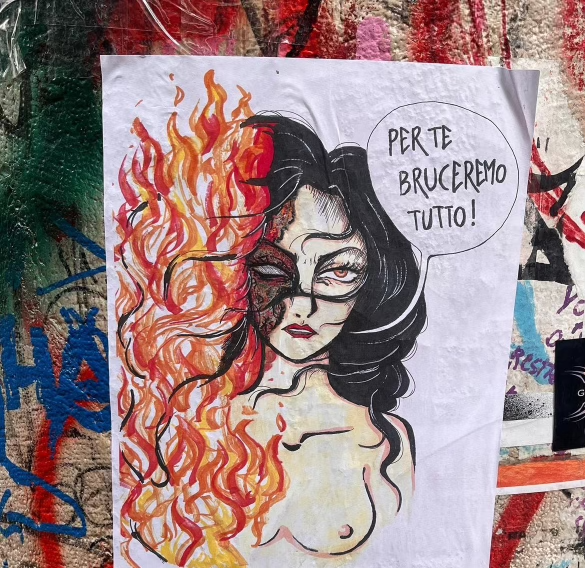
Poster for Giulia Cecchettin in Naples, "For you we will burn everything." Rebecca Pitcairn.
A video of Elena reading her statement received millions of views. Elisa Ercoli, director of Differenza Donna, a women’s rights organization, told BBC that the killing was "the last straw, after a string of high-profile cases of femicides,” and that “Italy is a deeply patriarchal country.” Until 1981 honor killings were punished less stringently than other murders, and only in 1996 did rape start to be considered a crime against the person assaulted rather than a crime against “public morality.” As of 2024, only 58 percent of Italian women own a bank account, and in 2022, 44,669 women left their jobs due to the challenge of reconciling working and family life. According to statistics, a woman is murdered in a femicide every 72 hours. Giulia Cecchettin’s murder was the 105th of 120 femicides that occurred in Italy in 2023.
After Giulia’s murder, women took to the streets and the piazzas of Italy in massive numbers to defend their right to live and to create awareness about Italy’s epidemic of violence against women. More than 500,000 people attended a protest in Rome by the Non Una Di Meno, (Not One Less) women’s rights movement, which hosted marches all across Italy in 2023. Students at the University of Padua (where Giulia studied), when asked to hold a minute of silence in Giulia’s honor, instead spent the minute making noise, clapping, reading poetry and singing.
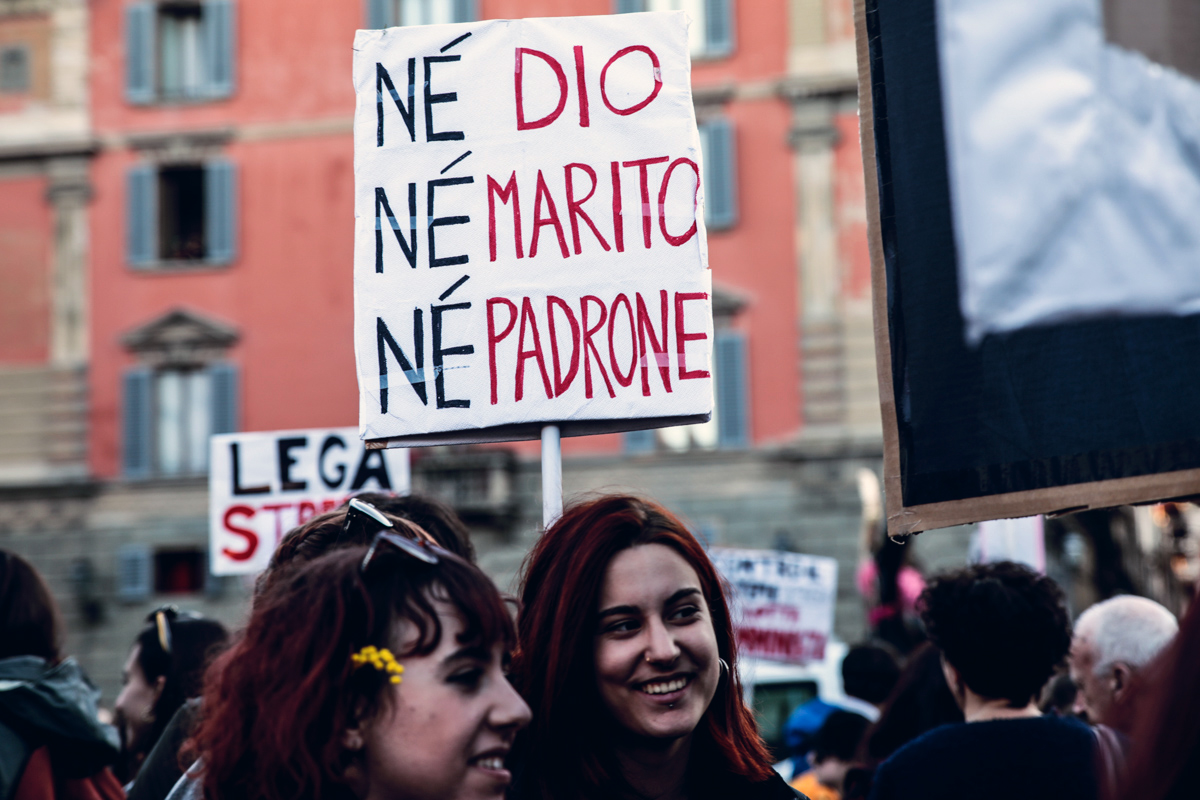
Protest Organized by Non Una di Meno, Firenze, "Neither God, nor husband, nor master." Valentina Ceccatelli. CC BY-NC-SA 2.0
Feminists and student collectives in other cities organized torchlight walks and “angry walks” in response to the moments of silence requested by schools in a culture where insidious silence already envelops the topic of violence against women. Non Una di Meno led students from multiple universities and hundreds of thousands of protestors across Italy in a “moment of noise” for Giulia on November 25, 2023, the International Day for the Elimination of Violence Against Women.
Many women, inspired by Elena Cecchettin, adopted the poem “Si manana me toca, quiero ser la ultima” (“If it's my turn tomorrow, I want to be the last”) by Peruvian poet and activist Cristina Torres Cáceres. The poem was written in 2011 to honor women and the victims of violence in Latin America after the murder of Mara Castilla. “If tomorrow it’s me, if I don’t come back tomorrow, mother, destroy everything./If it’s my turn tomorrow, I want to be the last,” Castilla wrote.
Thousands attended Giulia’s funeral, which was broadcast live on television. In a eulogy delivered by Giulia’s father, Gino Cecchettin, he called for men to stand against patriarchy. “We should be the first to show ourselves as agents of change against sexual violence,” he said as he addressed the crowd, “Let us speak to other men we know, let us challenge the culture that tends to play down violence by men who appear to be normal.” As Giulia’s coffin was taken out of the church, members of the crowd shook their keys in a symbolic call for violence against women to not be tolerated in silence.
TO GET INVOLVED
Non Una di Meno: This organization’s website has information about demonstrations and campaigns against violence against women that are currently active in Italy.
Differenza Donna: This organization provides legal assistance, a hotline and shelter for victims of gendered violence. Their website includes a link to donate to their fight to protect women.
Centro Antiviolenza Artemesia: A shelter for victims of domestic abuse that accepts donations and volunteers.
Rebecca Pitcairn
Rebecca studies Italian Language and Literature, Classical Civilizations, and English Writing at the University of Pittsburgh. She hopes to one day attain a PhD in Classical Archeology. She is passionate about feminism and climate justice. She enjoys reading, playing the lyre, and longboarding in her free time.
Italian Night Life Thrives in Abandoned Buildings
Thanks to self-managed social centers, Italians have found a space to enjoy concerts, dinners, movie nights and more
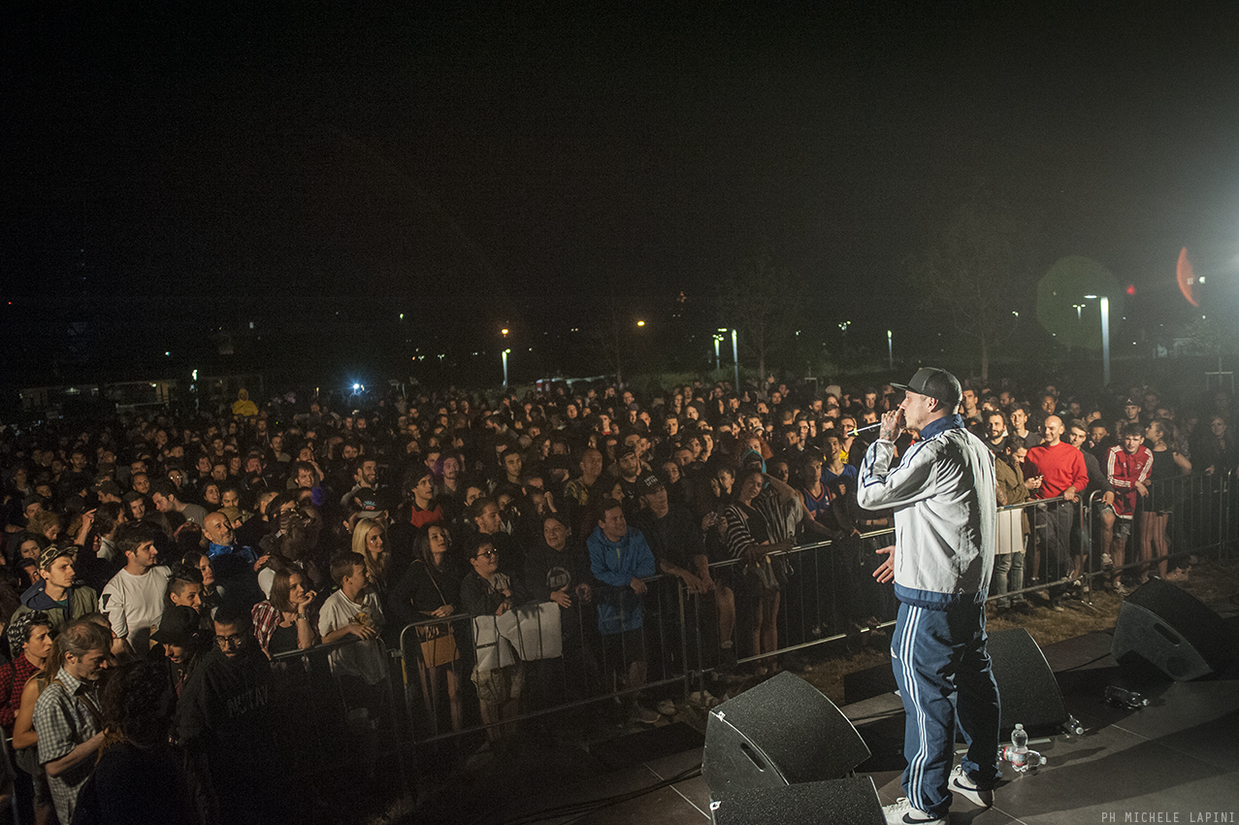
Concert at XM24. Zeroincondotta. CC BY-NC-SA 2.0
Since the 1970s, self-managed social centers have offered a place for Italians to gather as a community. Usually located on the outskirts of cities, these centers are established and operated entirely by locals. They are often formed as a direct response to social issues such as lack of affordable housing, drug addiction and marginalization. Members of the community occupy buildings that have fallen into disuse, such as schools, apartment complexes, forts and even farms.
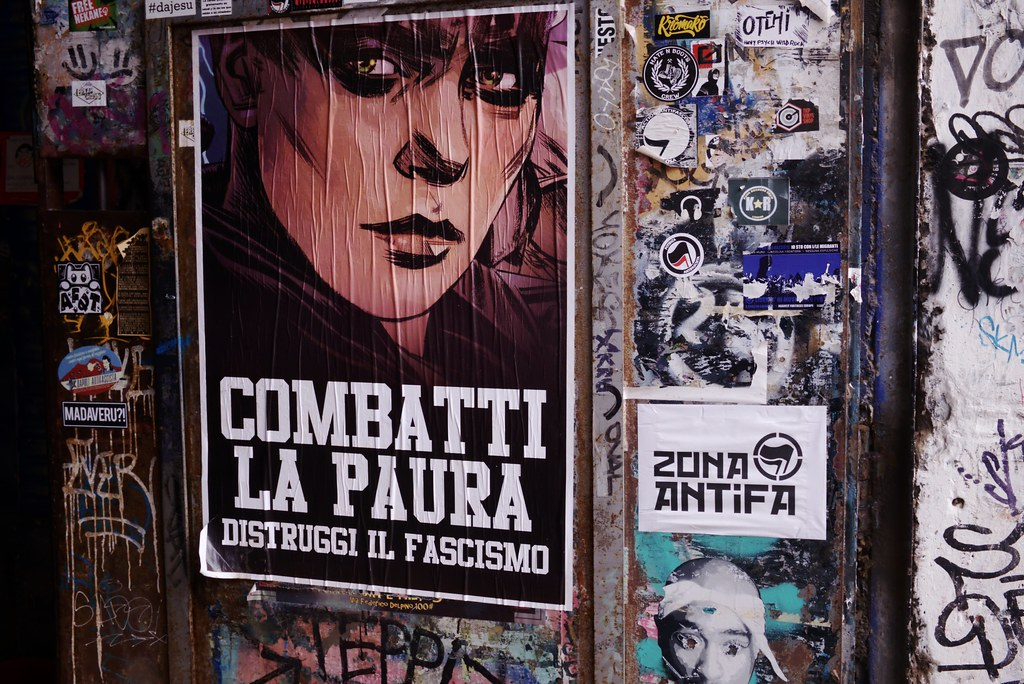
CSOA Forte Prenestino. boklm. CC0 1.0
The legal status of these centers varies, and some face eviction by authorities despite their value to the community. Many of the centers take a strong political stance, defining themselves as anti-fascist, anti-sexist, anti-racist and anti-capitalist. These spaces serve as important refuges for members of the community and a place for diverse groups of people to meet and collaborate.

Concert at XM24. Zeroincondotta. CC BY-NC-SA 2.0
One of the most famous of these self-managed social centers was XM24, or ExMarket, of Bologna. It emerged during a period of repression as the mayor of the city engaged in a campaign against social housing and squatter movements. The center established itself in several abandoned spaces, including a former fruit and vegetable market from which it took its name. It offered a number of services to the community, including a cafe, a bike shop, a vegetable garden, live concerts, a gym, and a dormitory for migrants, refugees and the houseless. It was run by a general assembly of local volunteers.

XM24 Graffiti, Against those who close our spaces, let’s ignite our rage. Zeroincondotta. CC BY-NC-SA 2.0
In 2013, XM24 was able to reach an agreement with the local government, allowing the center to operate independently and utilize the abandoned spaces. However, the agreement expired in 2017. Members of the community attempted to protest the eviction in a struggle with the city that lasted two years, but in 2019 the space was evicted and bulldozers arrived to clear it out. As of 2024, the center no longer exists.
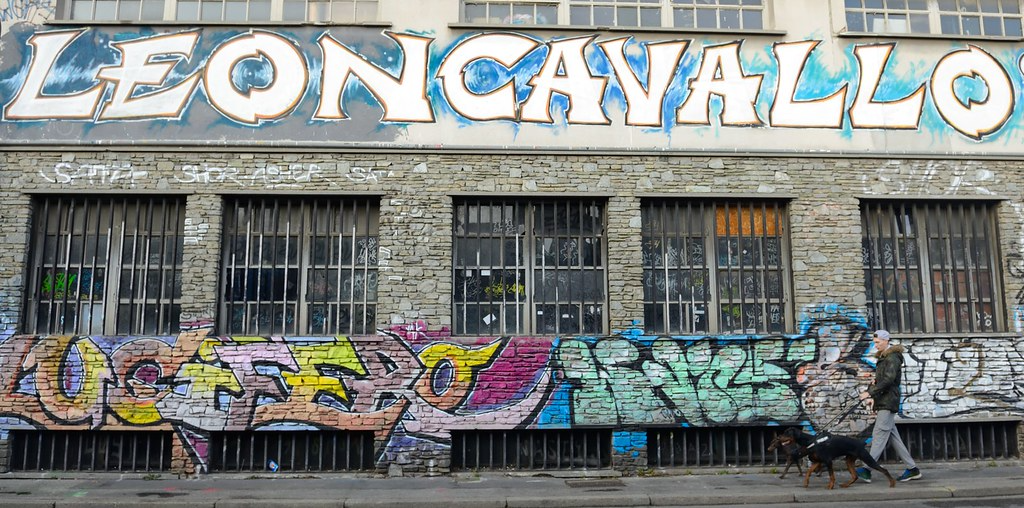
Leoncavallo Spazio Pubblico Autogestito. Robertino Radovix. CC BY-NC-SA 2.0
XM24 was not the only self-managed center to be evicted by the government, but many centers have still found a way to thrive. The Leoncavallo Spazio Pubblico Autogestito of Milan still offers jazz concerts, stand-up comedy, dinners, English lessons and more to locals. It is currently open Thursdays through Sundays in the afternoon and evening, although they face eviction on June 18th, 2024 by the bailiff and the property’s lawyers.
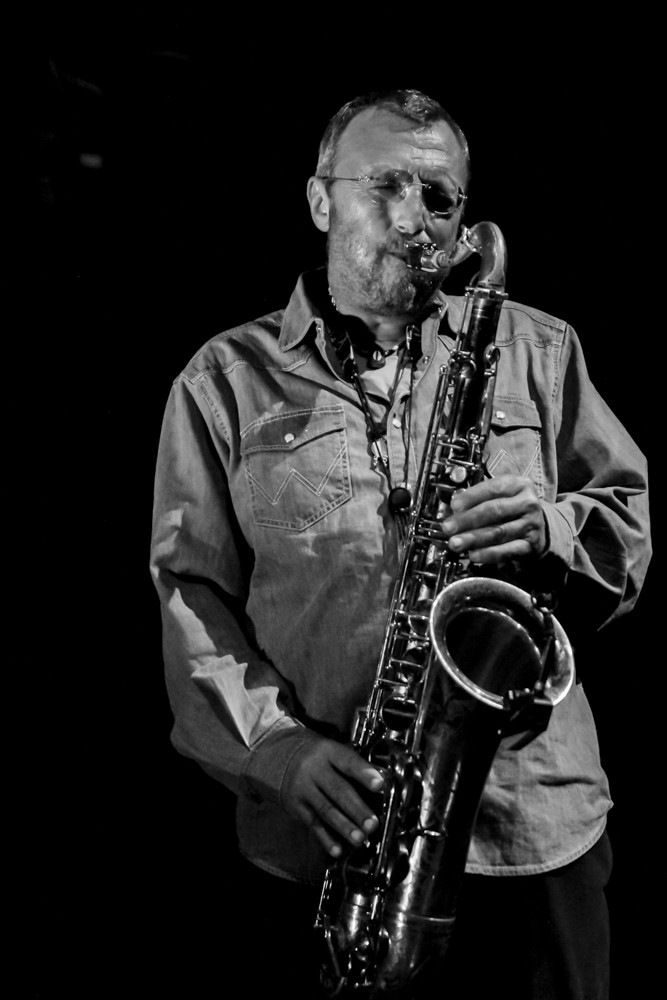
Daniele Sepe & Aldolà Chivalà. L’Asilo. CC BY-NC-SA 2.0
Je So’ Pazzo is a self-managed center in the Marterdei district on the outskirts of the city of Naples in a former asylum for the criminally insane. When it was occupied in 2015, it was managed by the Penitentiary Police. Volunteers collaborate with local associations to house, collect clothing for and distribute meals to the houseless. Their services include medical clinics, psychiatric support and migrant aid. They also offer a number of recreational activities, such as Naples’ only indoor rock climbing wall, a football pitch, a gym, a theater, a bar, social dinners, concerts, and so much more. It is still active and open 24 hours a day, six days a week. Like most places in Italy, it is closed on Sundays.

Concert at CPA, Firenze. GothEric. CC BY-SA 2.0
The Centro Popolare Autogestito Firenze Sud and LaPolveriera SpazioComune are both self-managed centers located in Florence. Like other social centers, they offer a variety of recreational activities during the days and the evenings, such as ceramics classes and concerts, as well as important social services for the community.
Whether you are looking to participate in a ukulele workshop, enjoy a dinner and movie, discuss politics with local Italians, or let loose at a heavy metal concert, self-managed social centers are the perfect place.
Rebecca Pitcairn
Rebecca studies Italian Language and Literature, Classical Civilizations, and English Writing at the University of Pittsburgh. She hopes to one day attain a PhD in Classical Archeology. She is passionate about feminism and climate justice. She enjoys reading, playing the lyre, and longboarding in her free time.
A 4-day Guide to Exploring Rome
Rome is a city full of must-see sites, but it can be overwhelming to plan for. Here is a 4-day itinerary to make sure you see all the top spots, while getting the atmosphere of a unique European summer.
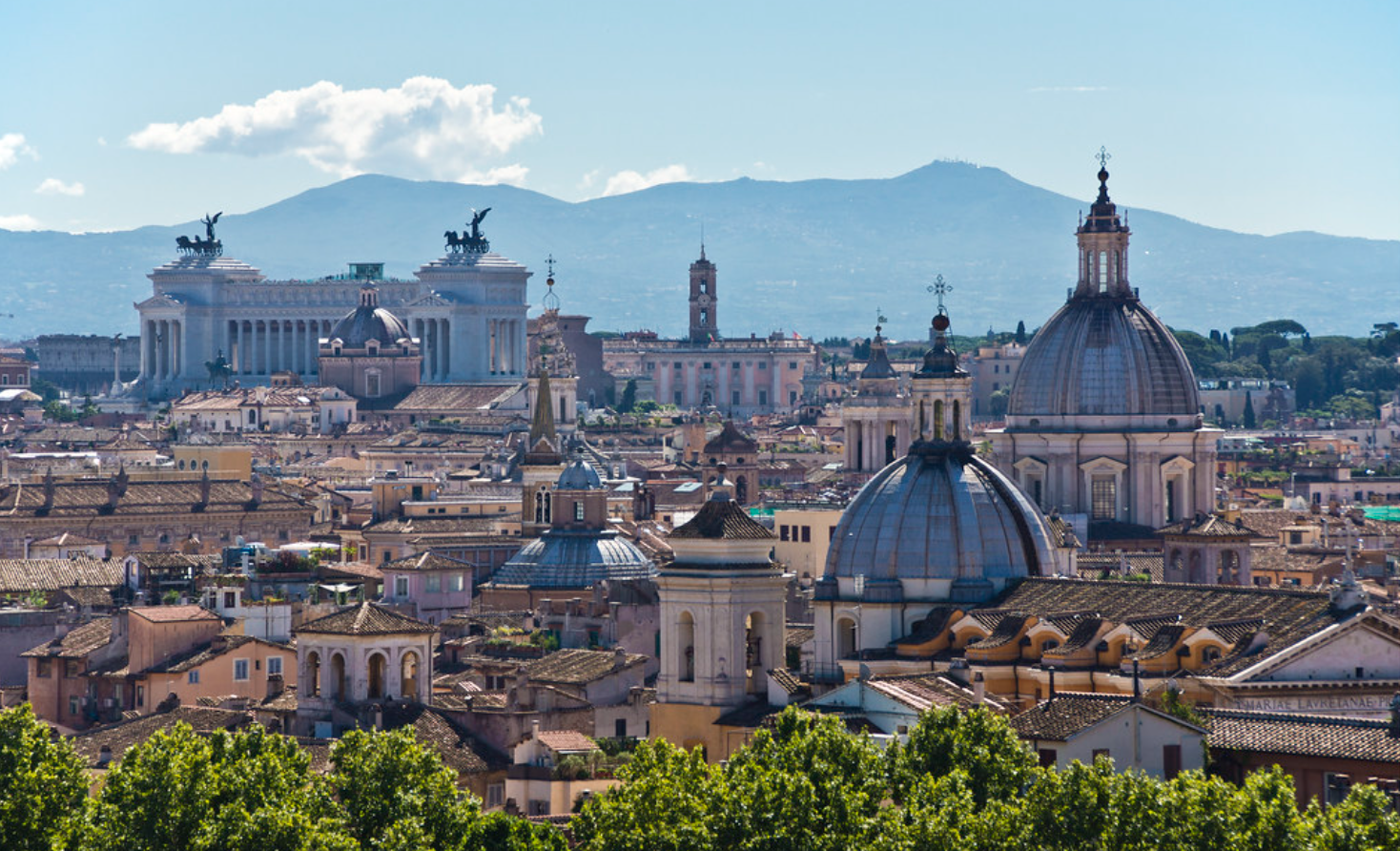
Rome, Italy. @Bert Kaufmann. CC BY-SA 2.0
“A European Summer” is now the aesthetic of the season, spurred on by Gen Z and Millennial creators on TikTok. It’s a fashion statement, and young American women are obsessed with flowing white dresses, gold jewelry, maxi skirts, and more. The romanticization of European cities is a perfect escape from the monotonous urban environment Stateside.
Over the past month I was lucky enough to travel to Rome, Italy and experience a taste of the European summer that influencers have been talking about nonstop. But a trip to the Eternal City takes a lot of planning and, while it was only my first time exploring the history-rich city, I feel as though I know enough to compose an ideal 4-day itinerary — so travelers can experience every aspect of the European summer.
Day 1
As your feet touch the streets of Rome, it’s important to keep two things in mind: firstly, your primary means of transportation will be by walking, especially if your hotel accommodations are in the heart of the city itself, something I definitely recommend. So, pack footwear accordingly. Second, temperatures will be soaring. Expect around 100 degrees Fahrenheit, particularly in mid-summer.
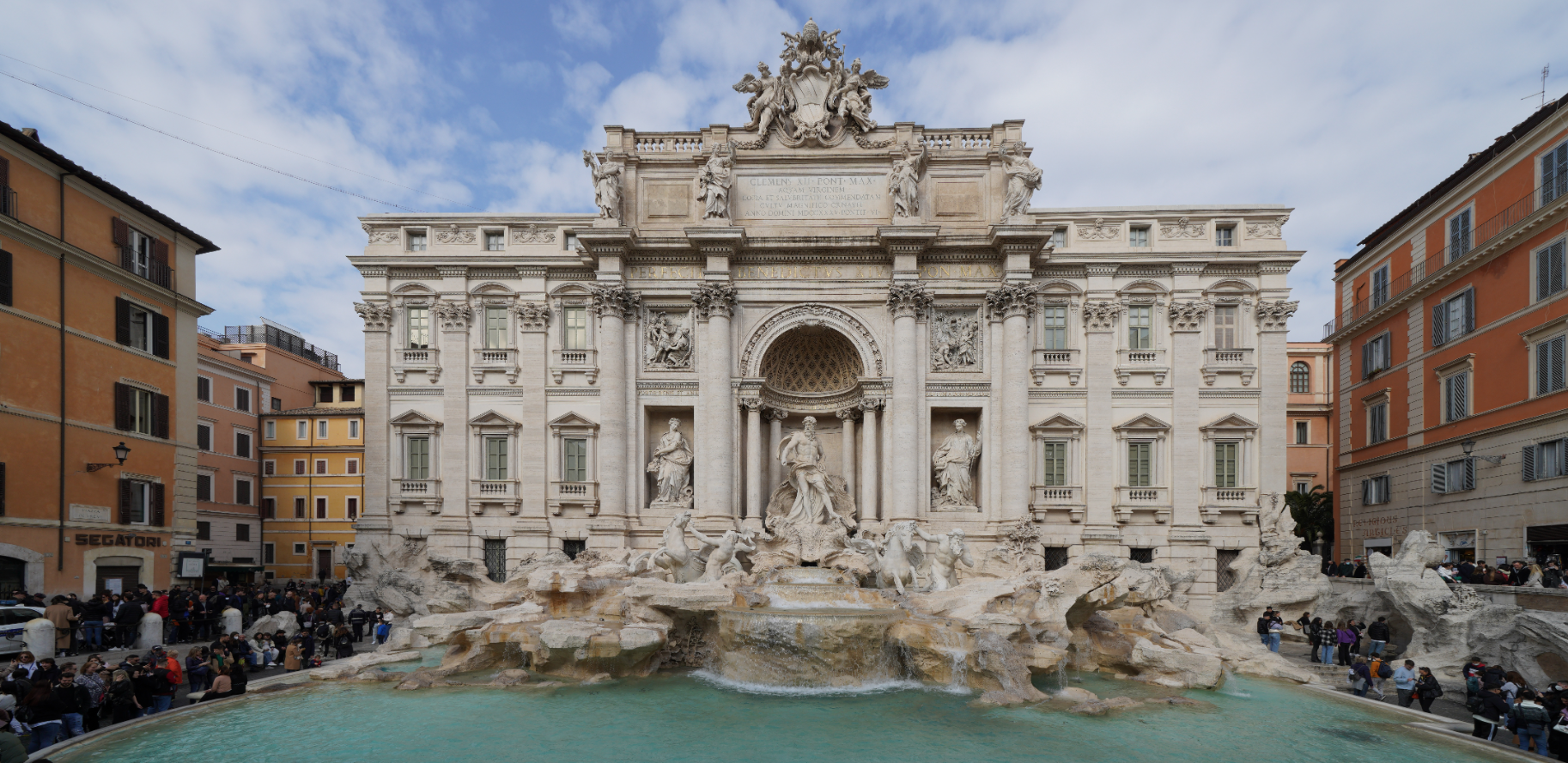
Trevi Fountain. @NikonZ711. CC BY-SA 4.0
I recommend getting familiar with the main tourist sites on the first day. These include the Spanish Steps and Trevi Fountain, which are located relatively close to one another. Both are beautiful in the daylight and won’t eat up too much of your time. Throughout the streets it’s common to find small stores that sell gelato or souvenirs — pop into one and notice that prices are surprisingly cheap, especially compared to costs in the US.
One of the things I enjoyed about my time in Rome was the vibrant nightlife, so make sure to take advantage of all the city has to offer when the sun sets. The temperatures are much more bearable and the streets are filled with small, lively alleyways that offer restaurants and more stores. Live music is usually always playing, especially in places where tourists are likely to flock. If you’re looking for an opportunity to wear that white flowy dress you bought just for the sake of fitting the Italian summer aesthetic, now’s the time.
Enjoy the unique scenery and environment, and make sure to visit the Spanish Steps once more — while a great place to visit in the daytime, this tourist site comes to life at night and brings that perfect feeling of that “European Summer” the TikToks show so often.
Day 2
Hopefully you got a full night’s rest, because day two is the perfect day to visit Vatican City — a landlocked independent country within the borders of Rome itself. It’s important to dedicate an entire day to this because, while you’ll most likely only spend a few hours exploring, the exhaustion will set in quickly.
If interested in the Vatican Museums, I strongly recommend buying tickets weeks beforehand and selecting an earlier time. The tourists that were hoping to get tickets on the day of had to wait in line for hours on end in the burning heat. Make sure to arrive early, since the museum is a little further than expected from the main entrance to Vatican City.
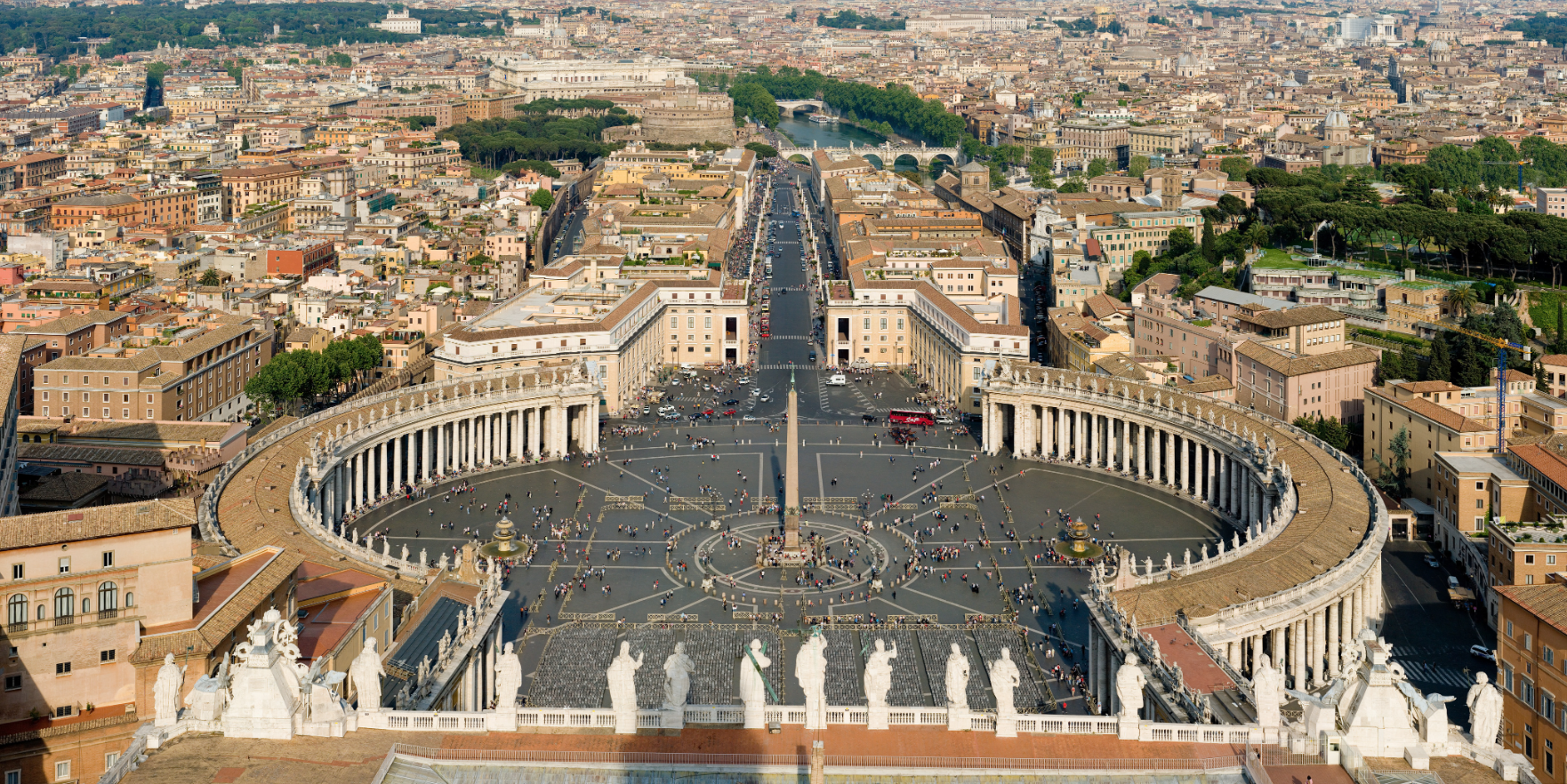
Vatican City. @Diliff. CC BY-SA 3.0
Once in the museum, you can either follow your tour guide or explore at your own pace, depending on the ticket you bought. You’ll get a glimpse of St. Peter’s Basilica — a famous church built in Renaissance style — from a viewing platform and get to visit the Sistine Chapel, a Catholic church located inside the Vatican Museums home to some of Michelangelo’s finest work.
Because Vatican City is a Theocratic city-state, most websites will advise you to wear a certain type of outfit. But because it’s so hot in the summer months, it’s alright to push the rules a little. Showing up in shorts and a T-shirt is completely acceptable.
Take the rest of the day to recharge. Walking to, from and around Vatican City can get very tiring, especially if it’s hot out. Stay close to your hotel for dinner, and day two will shoot past in the blink of an eye.
Day 3
Depending on whether or not you’re fascinated by Roman culture, Day 3 is dedicated to the rest of the places you weren’t able to see. For me, this included the Pantheon and Piazza Navona, which are both very close to one another. Shopping in Rome was also a pleasant experience, with such cheap prices, so I recommend it if you’re able to fit it in.
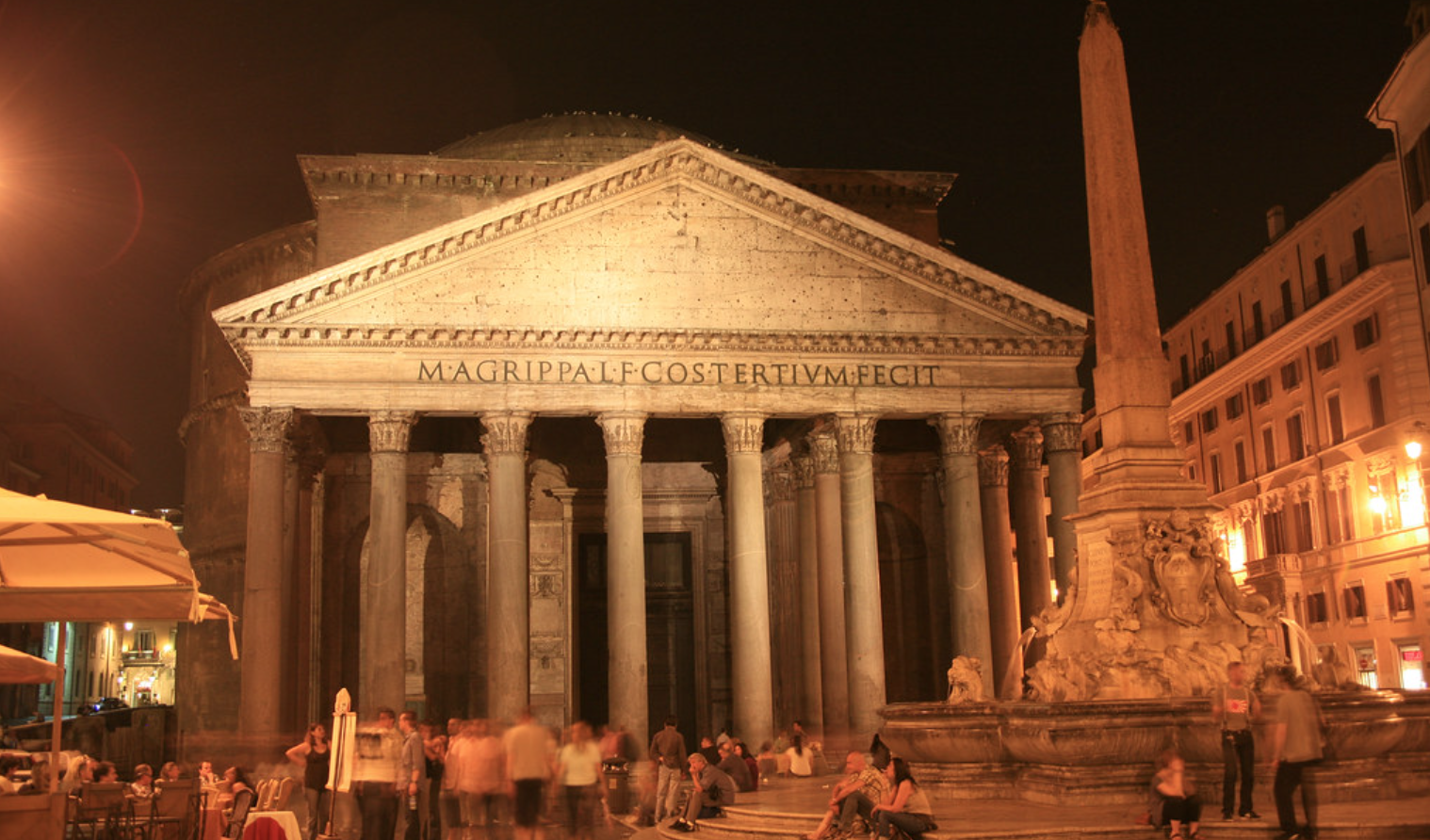
Pantheon. @laszlo-photo. CC BY 2.0
For dinner, venture on over to Trastevere — a neighborhood filled with authentic Italian restaurants, located just across the Tiber River. The pasta and pizza is, of course, something every visitor should try. Paired with a drink of your choice, it’s hard to question why Rome is a city that attracts so many people from all over the world. The constant chatter of customers, the lights hung up as decoration, and the comfortable temperature combine to make a perfect getaway.
Day 4
Your last day in Rome should be dedicated to doing whatever you want. After three full days of so much walking, your body is bound to be tired, so just take this day as a time to relax and soak this experience in.
I know I haven’t mentioned the Colosseum — and it isn’t because it’s been forgotten. During my trip, I visited the Colosseum at night on my last full day in Rome, and it was the right decision. Of course, depending on the kind of traveler you are, this might not be your ideal itinerary but I loved seeing one of the most iconic landmarks in the world at night. I didn’t have to worry about the heat, and there is something so special about seeing the Colosseum lit up with hundreds of lights as it towers above you. It’s a great image to part Rome with, and along the road you’ll most likely pass the Roman Forum, which is impossible to miss.
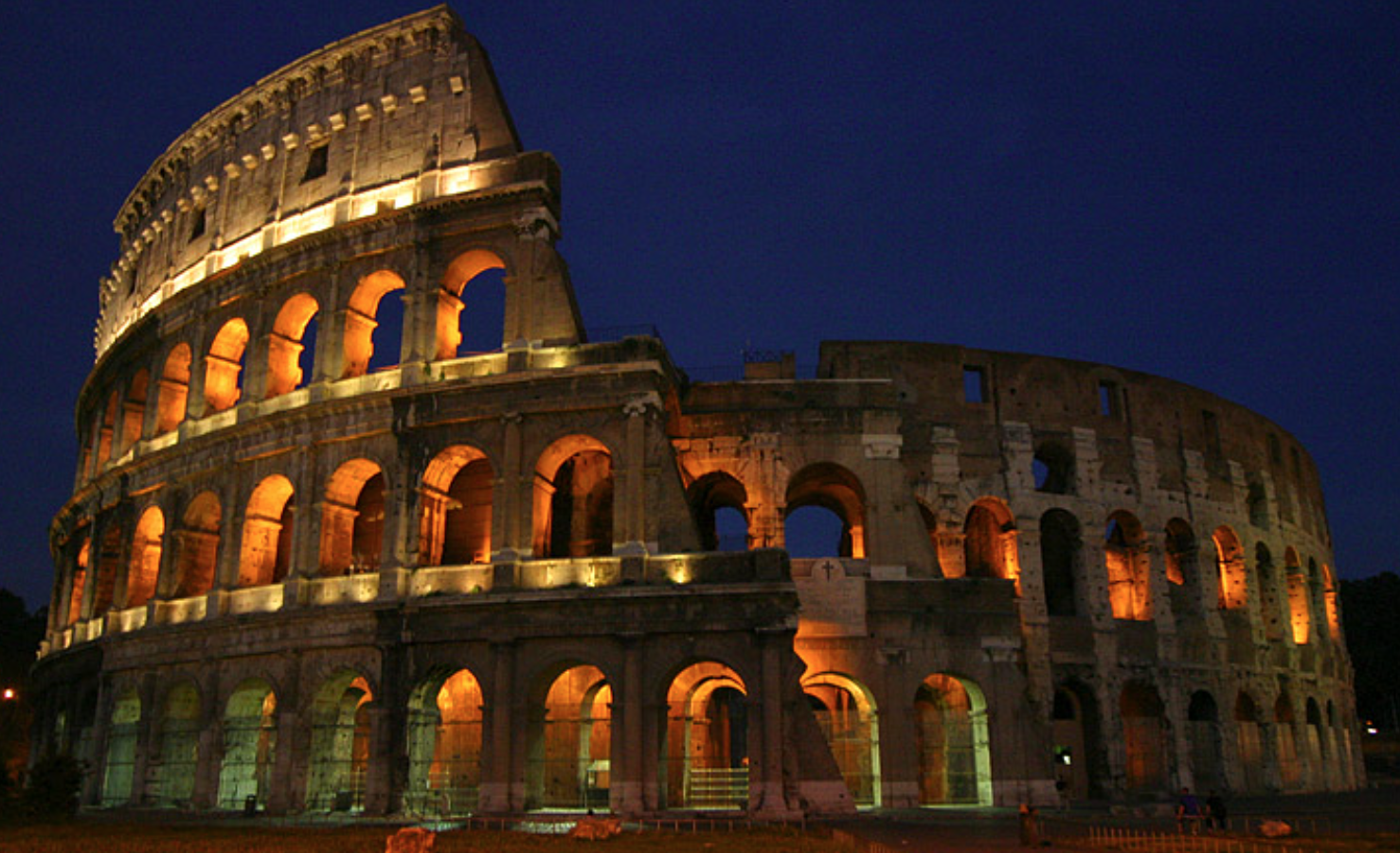
A night view of the Colosseum. @Aaron Logan. CC BY 1.0
Personally, this 4-day itinerary helped me get the feel of every aspect of the “European Summer” — from its nightlife to its famous sites, it didn’t disappoint. Depending on the type of person you are, this itinerary is bound to change but as someone who loves spontaneity and surprises, I followed this rough guide and was able to soak in all the wonders of this eternally beloved city.
Michelle Tian
Michelle is a senior at Boston University, majoring in journalism and minoring in philosophy. Her parents are first-generation immigrants from China, so her love for different cultures and traveling came naturally at a young age. After graduation, she hopes to continue sharing important messages through her work.
The Efforts to Rid Italy of Organized Crime
Images of the Mafia are ingrained in the public imagination of Italy. However, steps have been taken to eliminate it, making the country safer than in prior generations.
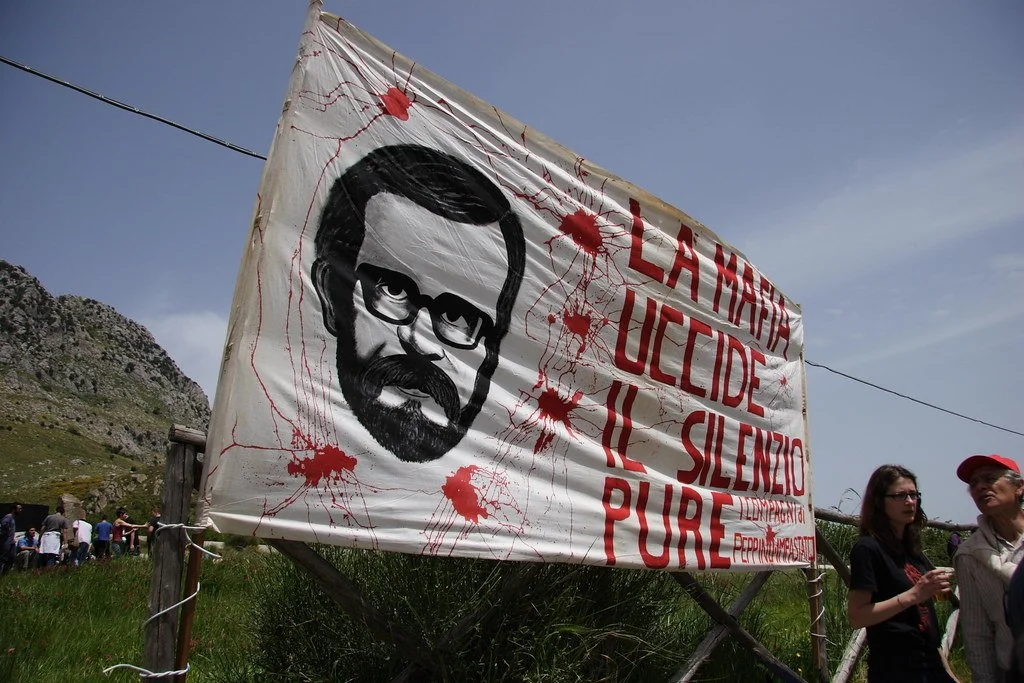
A protest banner erected after the murder of Peppino Impastato that says, “The mafia kills; so does silence.” ragnagne. CC BY-SA 2.0.
The proliferation of movies and television shows on the subject have caused some Americans to associate Italy with the Mafia. While it is true that organized crime is still causing headaches to law enforcement today, organized crime in the country is much more than just the Mafia, which is confined to Sicily. Other criminal organizations exist, such as the ‘Ndrangheta in Calabria and the Sacra Corona Unita in Apulia. The Camorra, which is based in the region of Campania and the city of Naples, is notable for using illicit methods to gain control of building contracts and garbage disposal, allowing them to control a large portion of Neapolitan society. Their negligence has also resulted in a lack of garbage collection services, causing large piles of trash on the streets to the ire of many residents of Naples.
Each of these organizations operate somewhat differently, but they are all powerful players in the international drug trade. However, great strides have been made to eliminate their threat.
Some of the criminal organizations have their roots in the 18th century, when southern Italy was under Spanish rule. They prospered in the 19th and early 20th century, bribing politicians to ignore their activities. Sporadic but well-intentioned efforts emerged in the late 20th century to curb their influence. In the 1970s, Peppino Impastato emerged as a lone voice in questioning the tight grip the Sicilian Mafia held on his hometown of Cinisi, mocking them in his radio show, but it resulted in his murder in 1978. The Maxi Trials, the largest trial to occur in history, lasting from 1986 to 1992, resulted in the conviction and sentencing of 338 Mafia members. However, the aftermath of the trial showed that there was still a long way to go; the two judges leading the trial, Giovanni Falcone and Paolo Borsellino, were killed shortly after its conclusion.
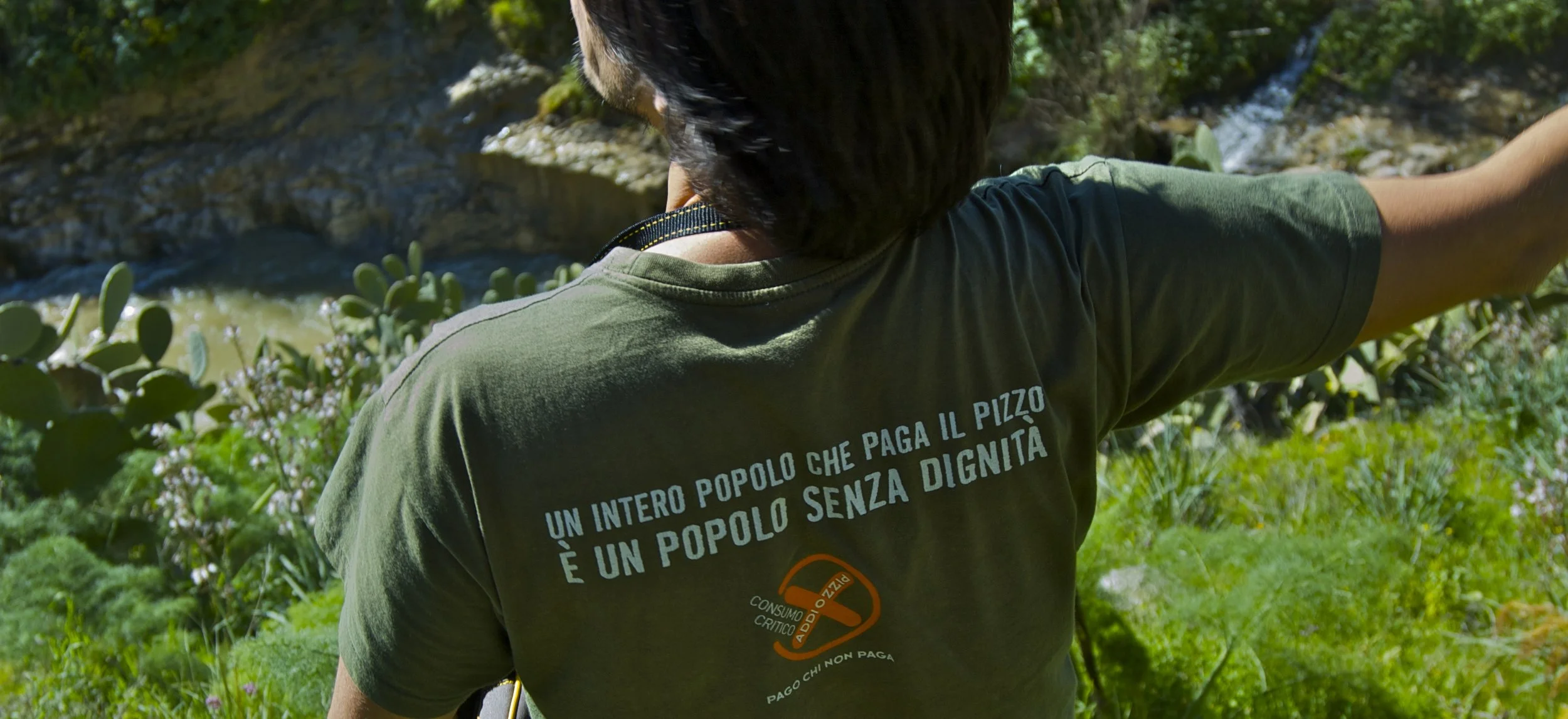
An Addiopizzo branded T-shirt, encouraging critical consumption by only supporting businesses that do not pay extortion money to the Sicilian Mafia. Addiopizzo Travel. CC BY-NC 2.0.
Today, interventions with widespread community support have been more successful in limiting the reach of organized crime. A more recent push includes more grassroots efforts, such as Addiopizzo, which is the movement for businesses to refuse to pay extortion money, called “pizzo,” to the Mafia. Businesses had traditionally paid the Mafia money to be left alone, but in 2004, a group of young university graduates started the campaign to end the practice. Soon, the entire Palermitan community was in solidarity with them, causing untold misery to the Mafia bosses still operating by cutting their main source of income. Relying on the slogan, “An entire population that pays the pizzo is a population without dignity,” Addiopizzo has galvanized Sicilian society to push back against paying the Mafia.
Now based in several organizations in both Palermo and Catania, two major cities in Sicily, Addiopizzo is encouraging ordinary people to only buy from places that do not pay the pizzo. Stores that refuse to pay the protection money are labeled with a sign that says, “Pago chi non paga [I pay those who do not pay].” The organization Addiopizzo Travel also provides visitors to Sicily with sustainable accommodations and encourages them to frequent those businesses.
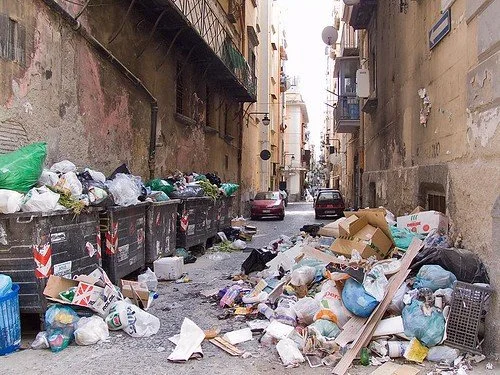
Negligence by the Camorra, the criminal organization of Naples, has caused trash to pile on the streets. chrisjohnbeckett. CC BY-NC-ND 2.0.
The government is also taking action against organized crime. With the public getting tired of the control over garbage disposal by the Camorra in Campania, the governments of some cities are taking action. In the city of Castellammare, near Naples, the government is cutting off all contracts with the Camorra, while insisting it “will not stop the city” by doing so. The city prefect is going even further by declaring that “unwelcome people are not even candidates” for mayor.
To fully eliminate the threat of organized crime in Italy, however, their effects must be addressed. The organization Libera. Associazioni, nomi e numeri contro le mafie works to invest in education to spread knowledge of the extent of the networks of organized crime. It also repurposes property confiscated from criminal organizations for social uses by the community, helping to mitigate the effects of organized crime. The combination of grassroots, governmental and nonprofit movements ensure all aspects of organized crime are being eliminated.

Bryan Fok
Bryan is currently a History and Global Affairs major at the University of Notre Dame. He aims to apply the notion of Integral Human Development as a framework for analyzing global issues. He enjoys hiking and visiting national parks.
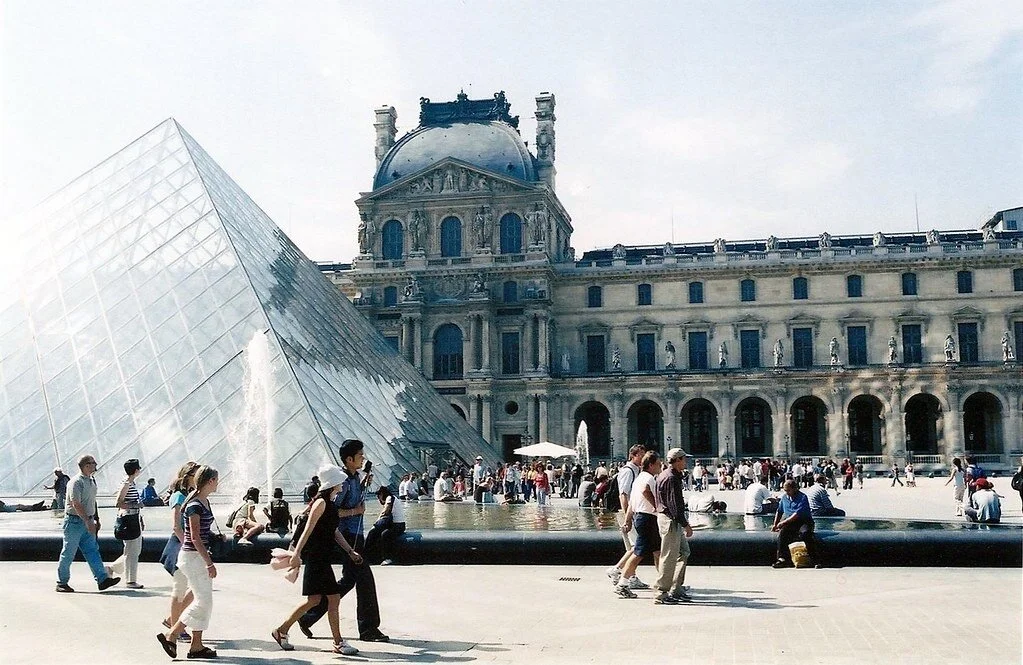
The Louvre Museum in Paris. BY-NC-SA 2.0
8 Museums from Around the World to Visit Virtually from Home
The coronavirus pandemic has seen many facets of daily life change. Many are working or taking classes from home, limiting their contact with the outside world, and finding new methods to ward off the fear of missing out on travel. With no clear end in sight, the trend of virtual living, working and playing is likely to carry on into next year.
In recognizing this unique opportunity, many museums around the world have opened up their collections to be viewed online for free. With exhibits ranging from science to rare art to historical demonstrations, there truly is something for everyone to enjoy. Below is a guide to eight museums whose exhibitions are available to be viewed from home.
1. Prado Museum — Madrid, Spain
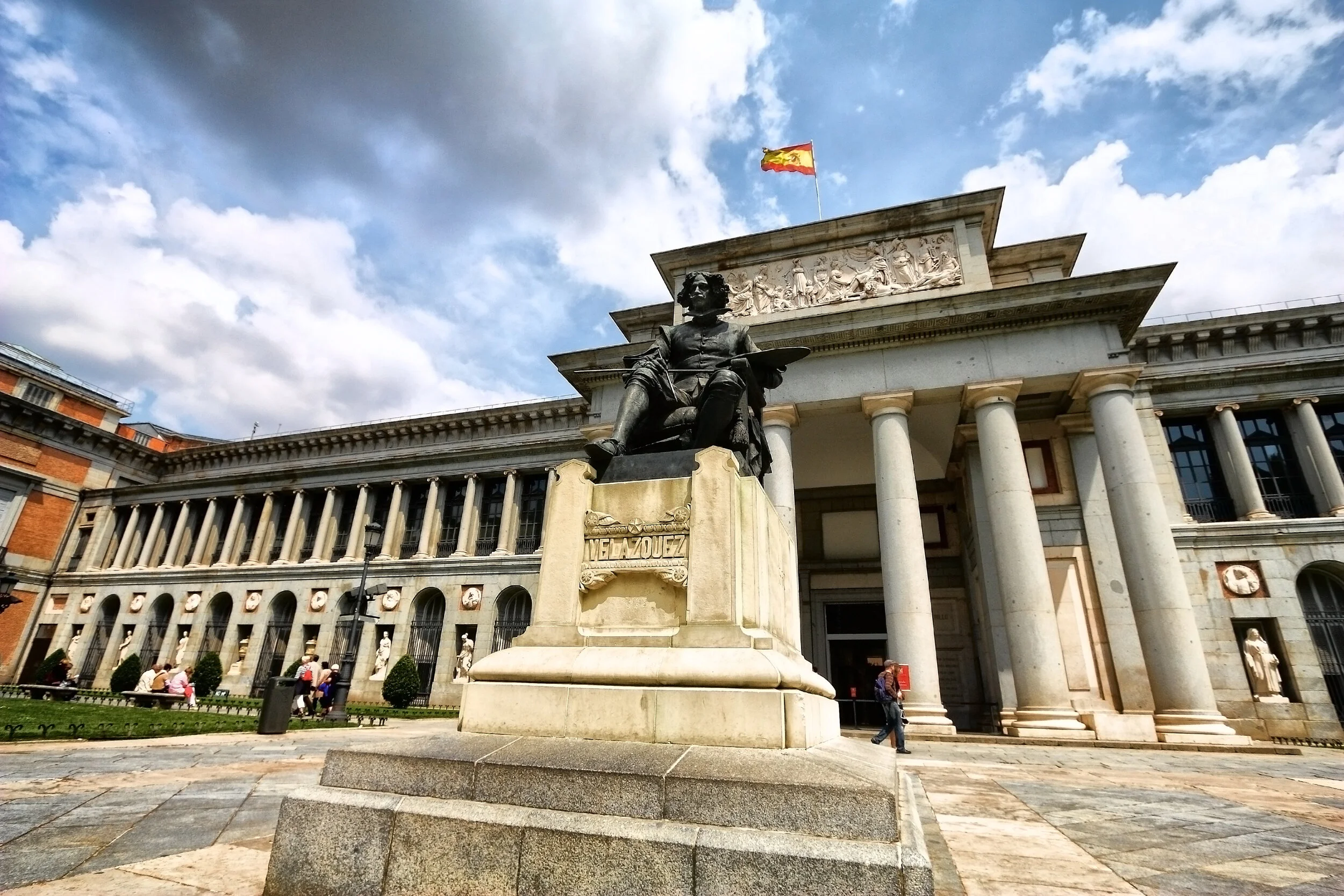
Wenji Zhang. CC BY 2.0.
The Prado Museum is Spain’s most important art museum and is world-renowned for its extensive collections of European and Spanish artwork. The museum’s collection is home to approximately 8,200 drawings, 7,600 paintings, 4,800 prints and 1,000 sculptures, and features the work of artists like Diego Velazquez, Francisco de Goya and El Greco.
According to Miguel Falomir, director of the Prado Museum, “Since its foundation in 1819, the Museo del Prado has played a key role in the evolution of art history. It has been crucial for the rediscovery of the Spanish Primitives and emblematic figures such as El Greco, and for positioning Velazquez as the greatest figure in the Spanish pictorial Parnassus, while its galleries have inspired some of the most avant-garde painters of the past 150 years. We are proud to show visitors this great artistic patrimony.”
The online collection, which is available here, showcases over 10,000 works of art. Additionally, the museum’s Instagram account, @museoprado, uploads daily mini-tours of different pieces which discuss their history and meaning.
2. National Museum of African American History and Culture — Washington, D.C.
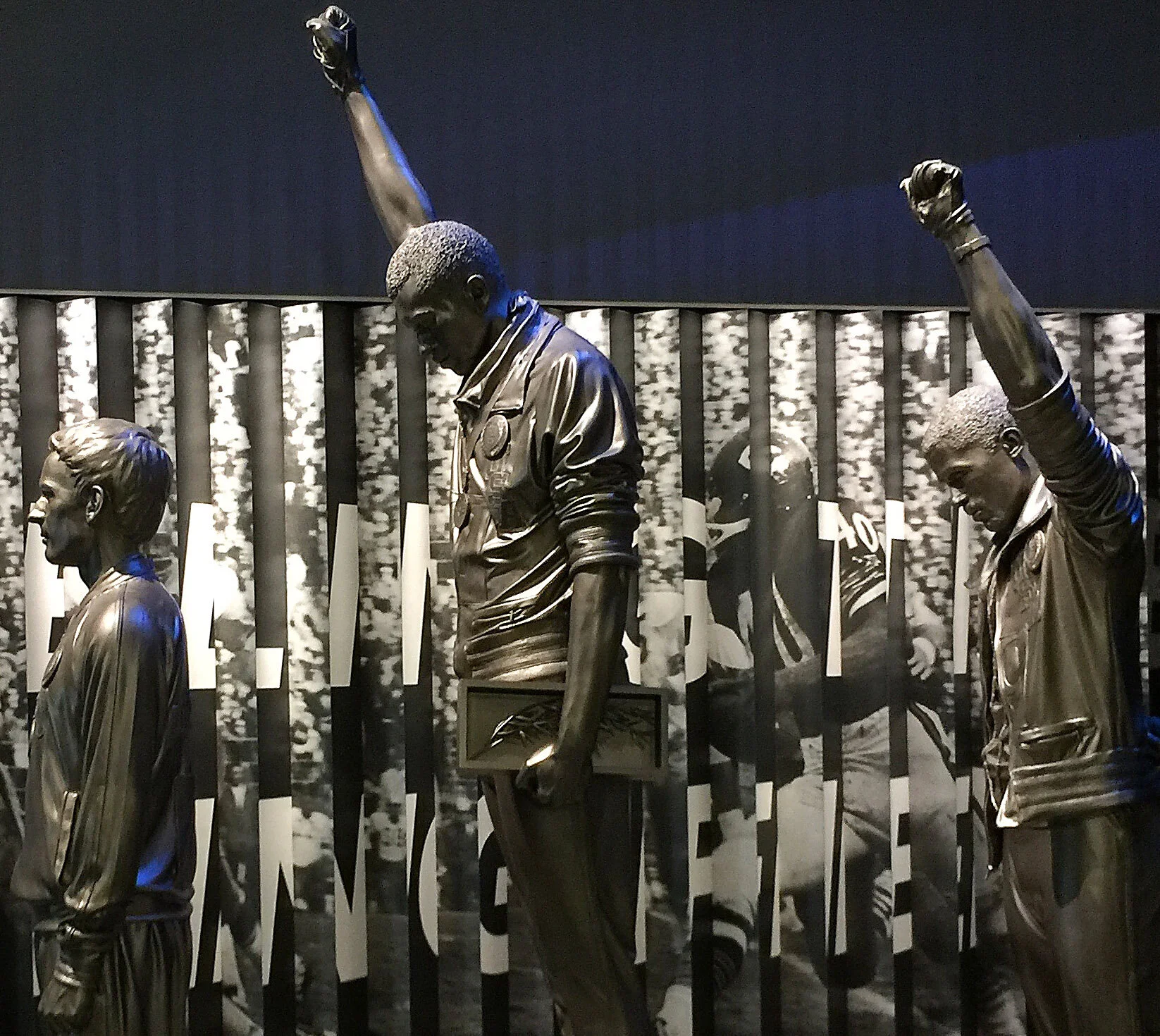
Ron Cogswell. CC BY 2.0.
The newest addition to the Smithsonian Institution’s National Mall campus, the National Museum of African American History and Culture is the sole national museum in the United States dedicated to documenting African American life, culture and history. The museum was widely popular when it opened in 2016, and has only continued to gain prominence with the resurgence of the Black Lives Matter movement.
The museum offers a number of virtual exhibitions and resources, including permanent and past special exhibition galleries, publications for further research into African American history, and a “Curator Chats” series which features museum curators providing information on the museum and various upcoming projects.
3. Georgia O'Keeffe Museum — Santa Fe, New Mexico
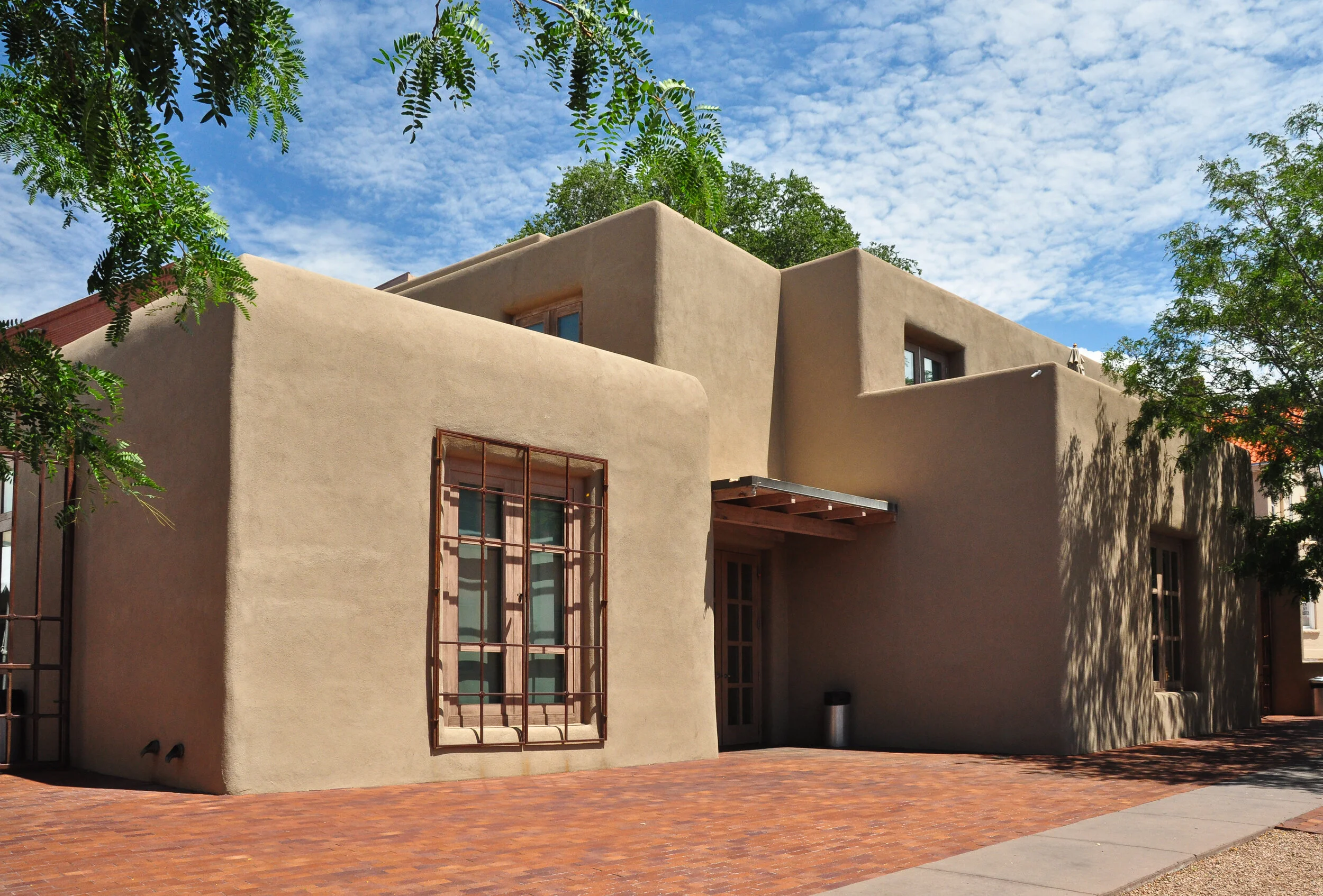
Kent Kanouse. CC BY-NC 2.0.
The Georgia O’Keeffe Museum is a small gallery located in New Mexico’s capital city which is dedicated to the life and work of Georgia O’Keeffe, one of the most influential American modernist painters. Since its opening in 1997, the museum’s collections have grown to house nearly 1,200 pieces of the late artist in its Santa Fe gallery and in the Abiquiu Home and Studio, where O’Keeffe resided and created many of her most popular pieces.
While the museum has since reopened with a limited capacity for visitors, art lovers across the globe can still enjoy the museum’s virtual collections, which include digital versions of her art, various online programs and creative activities to create art at home inspired by O’Keeffe’s legacy.
4. Kahlo Museum — Mexico City, Mexico
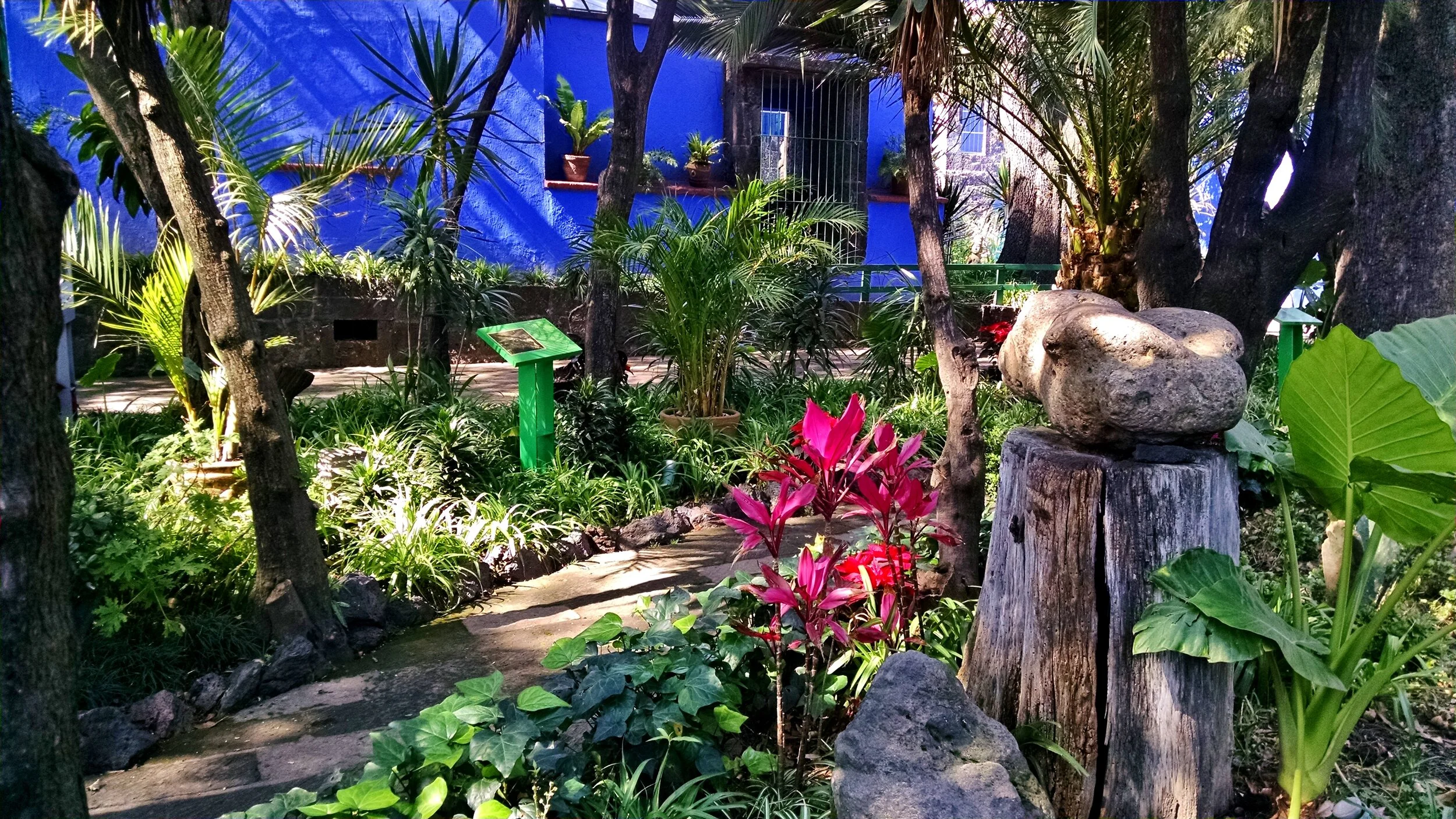
Kyle Magnuson. CC BY 2.0.
Located inside Frida Kahlo’s lifelong home, the Frida Kahlo Museum features a number of the artist’s paintings, as well as her home studio and garden. The site is famous for its vibrant blue walls which have given the building the nickname “La Casa Azul,” or “the Blue House.”
Hilda Trujillo, one of the museum’s curators, stated that: “As one explores Frida Kahlo’s work more deeply and enjoys the privilege of getting to know her home, one begins to discover the intense interrelations between Frida, her work and her house. Her creative universe is to be found in the Blue House, the place where she was born and where she died.”
Via Google Arts & Culture, visitors to the museum’s virtual gallery can view the “Appearances Can Be Deceiving” exhibit, a number of photos and paintings, and immersive virtual viewings of four rooms within the museum.
5. Emperor Qinshihuang’s Mausoleum Site Museum — Xi’an, China
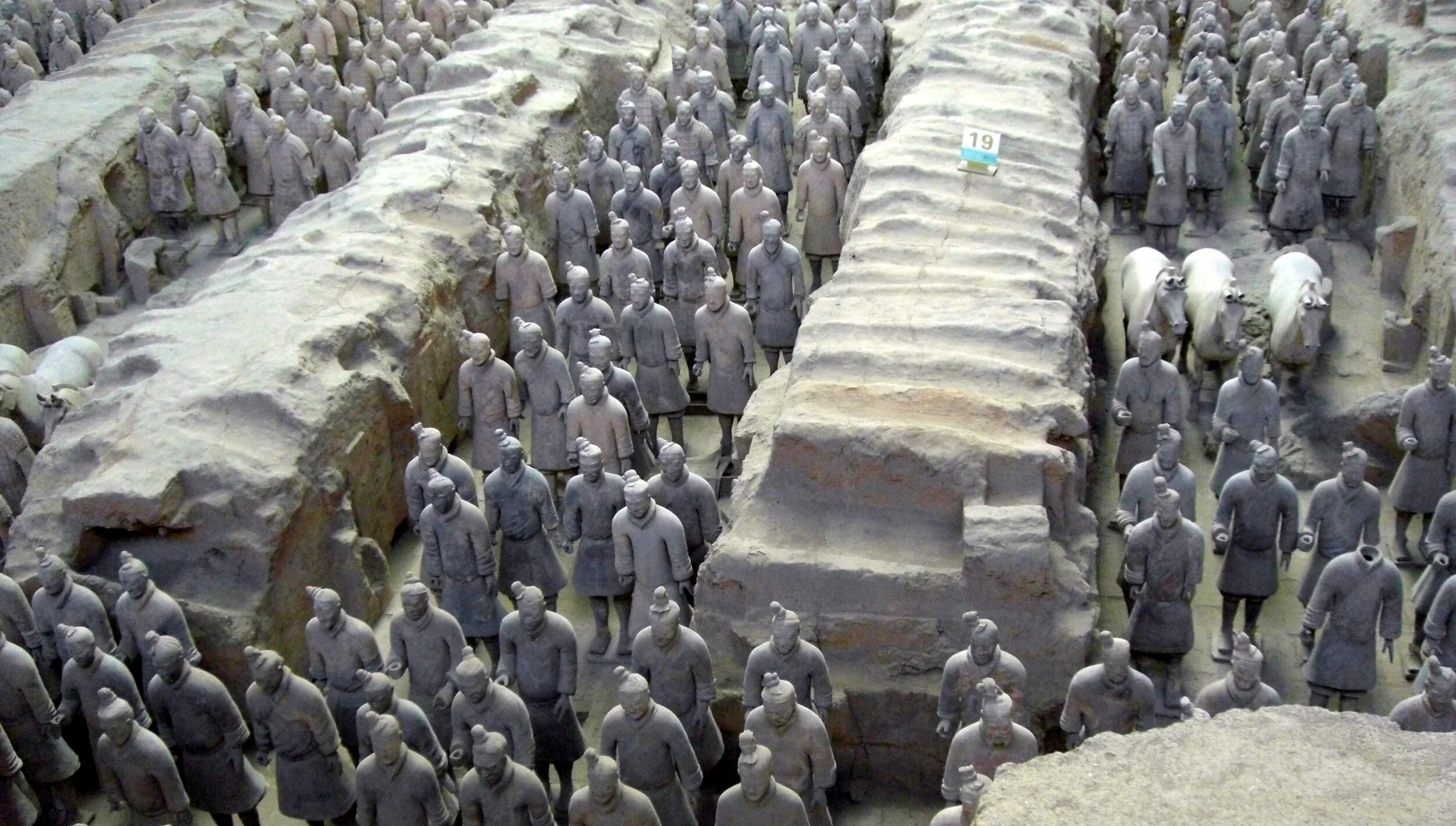
Larry Koester. CC BY 2.0.
One of the most famous archaeological sites in the world, the Emperor Qinshihuang’s Mausoleum Site Museum is home to the terra-cotta army, a collection of several thousand sculptures depicting the army of Qin Shi Huang, China’s first emperor. All of these sculptures surround the emperor’s mausoleum in formations meant to guard the site from invaders.
The site in Xi’an was discovered by local farmers in 1974, and numerous excavations have uncovered more than 8,000 individual sculptures buried in the site.
The museum offers a broad online collection with a number of selections. Likewise, the virtual experience allows viewers to learn more about the history of the terra-cotta army, as well as detailed information on individual sculptures.
6. National Gallery of Victoria — Melbourne, Australia
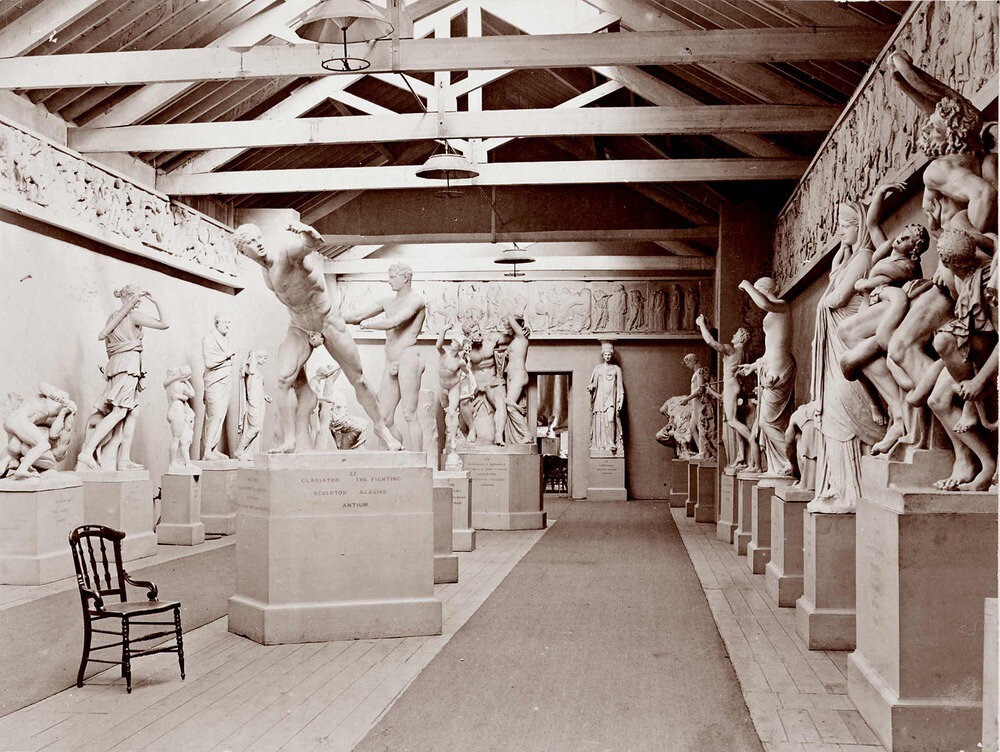
State Library Victoria Collection. CC BY-NC 2.0.
The National Gallery of Victoria is the oldest and largest art museum in Australia. Featuring thousands of pieces of Australian Indigenous art, Asian art and international art, the museum has grown to become the most visited art museum in the country.
The museum offers an extensive list of virtual experiences which will keep any stuck-at-home art lover captivated for days. Digital tours like “20th Century Australian Art,” “Japanese Modernism” and “Marking Time: Indigenous Art from the NGV,” short documentary films, explanatory articles, podcasts and the museum’s bimonthly magazine are all available for free on the museum’s website.
7. National Museum — New Delhi, India
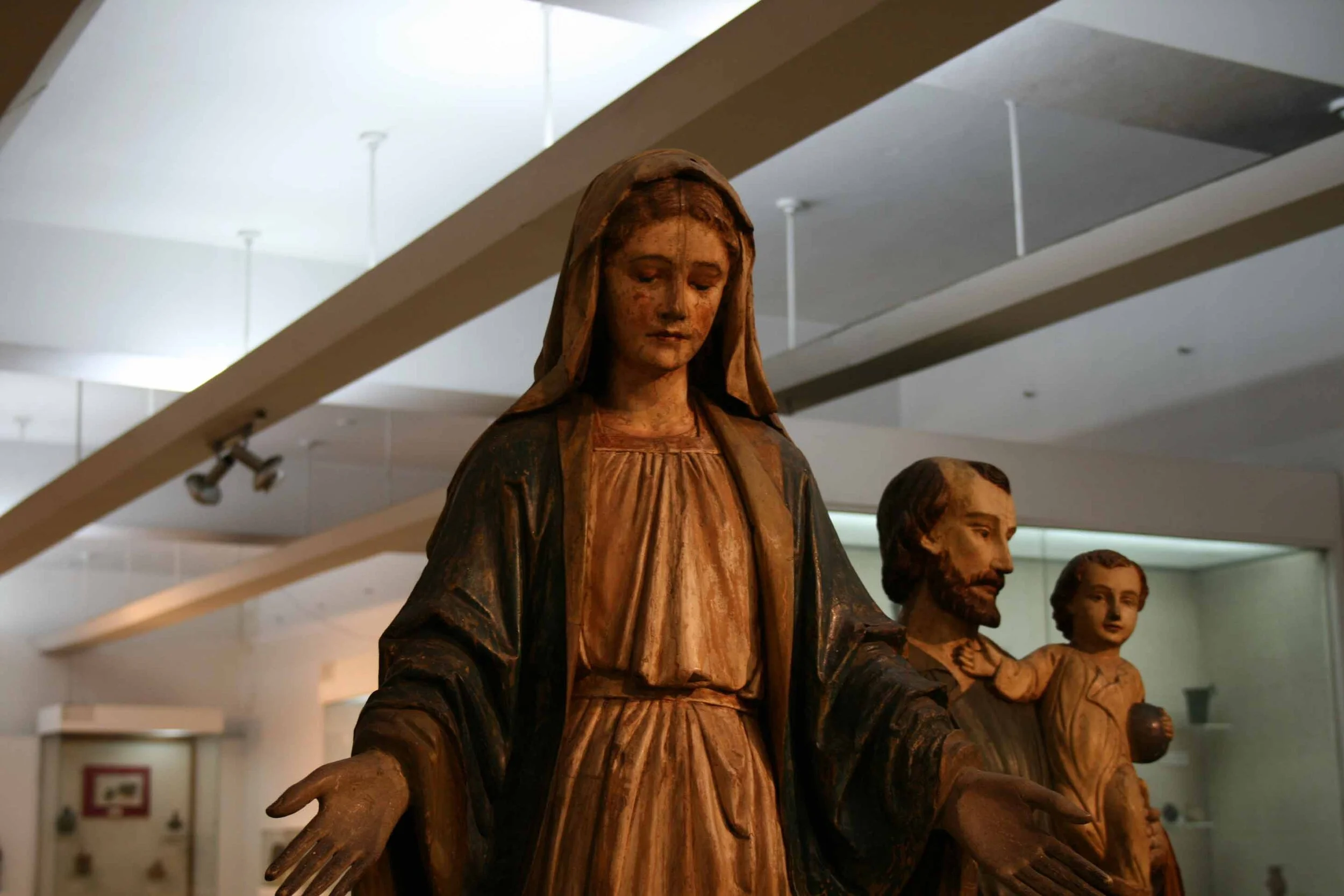
Tom Thai. CC BY 2.0.
The National Museum in New Delhi is one of the most prominent art institutions in India. Inaugurated in 1949, the museum’s collections have grown to house over 2 million diverse pieces of Indian and foreign artwork which represent over 5,000 years of Indian cultural history. The museum has also become known as a center for art history and cultural research in recent years.
The museum’s online collection, which is available via Google Arts & Culture, showcases hundreds of pieces from the institution and features seven 360-degree room viewings.
8. Galileo Museum — Florence, Italy
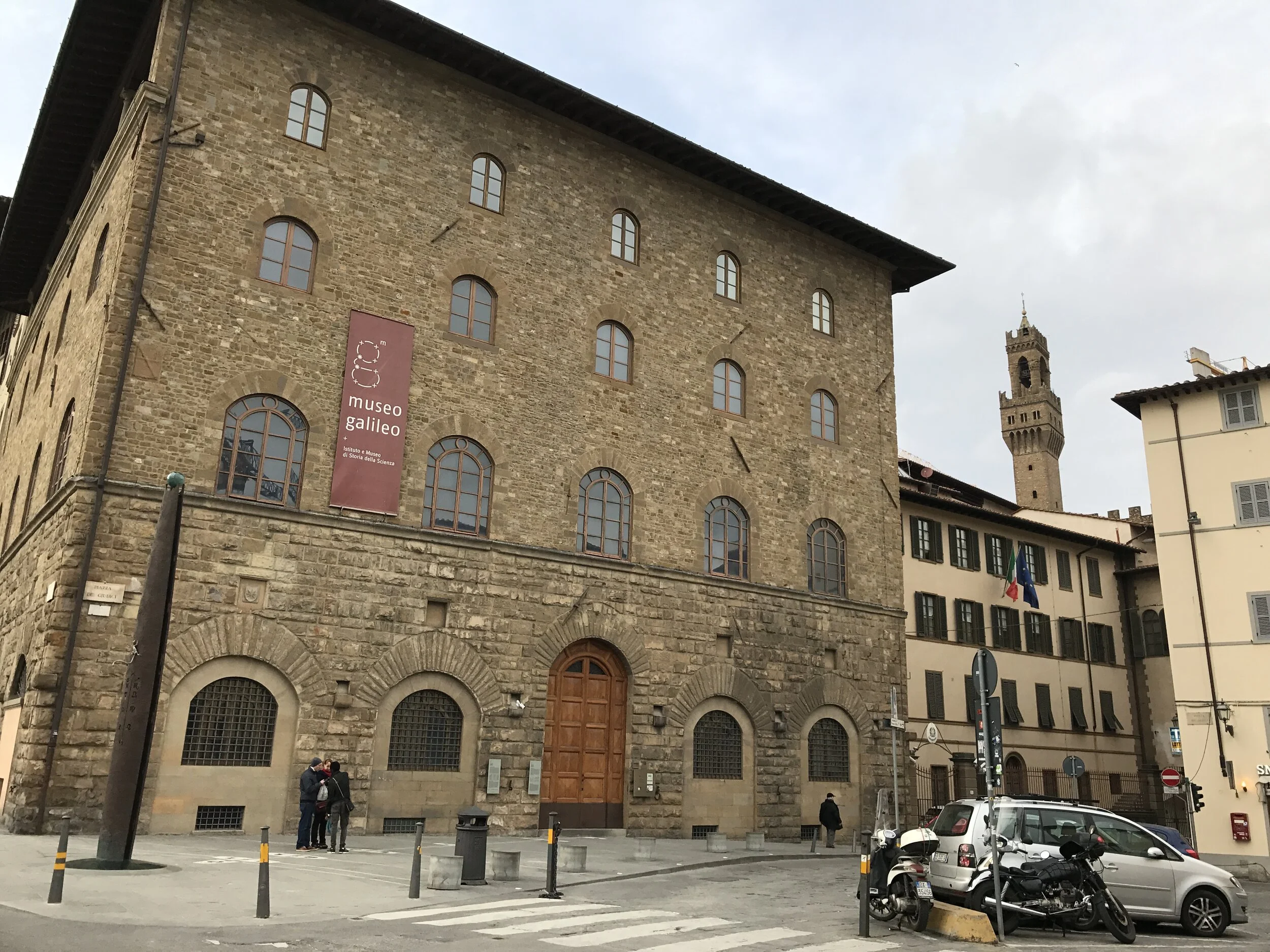
Elias Rovielo. CC BY-NC-SA 2.0.
Dedicated to highlighting the contributions from scientist and astronomer Galileo Galilei, the Galileo Museum is one of the most popular science museums in the world. The museum’s collection includes a number of scientific instruments dating back to the 13th century, including Galileo’s telescope which was used to discover the existence of Jupiter. Curators at the museum also undertake a number of research projects and activities, including the publication of several research journals and catalogs.
Visitors to the virtual exhibition are able to view a number of the museum’s rooms and pieces via in-depth videos ranging from rooms dedicated to astronomy and physics to an interactive space titled “Galileo and the Measurement of Time.”

Jacob Sutherland
Jacob is a recent graduate from the University of California San Diego where he majored in Political Science and minored in Spanish Language Studies. He previously served as the News Editor for The UCSD Guardian, and hopes to shed light on social justice issues in his work.
10 National Parks to Visit Outside the US
While most people associate National Parks with the US, there are amazing National Parks to visit around the world. Check out glaciers, tropical wetlands, the oldest desert in the world in these parks in Iceland, Namibia, Thailand, India and more.
Read MoreHut-to-Hut: Hiking in the Italian Dolomites
Mountain Huts, called Rifugios, make multiple day treks through the Italian Alps accessible to hikers.
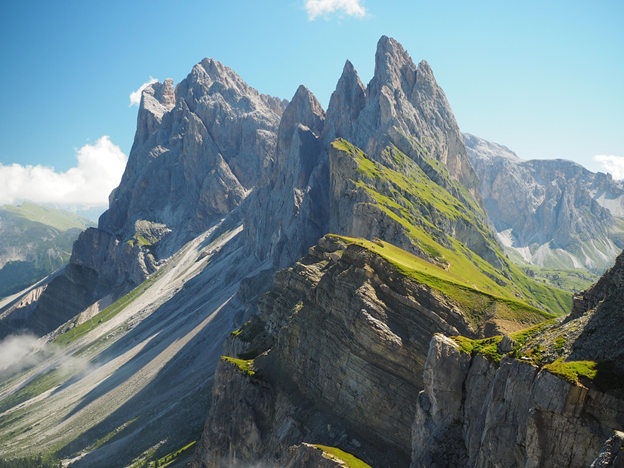
Puez-Geisler nature park in the Dolomites. Dmitry Djouce. CC BY 2.0
The mountain range located in northern Italy has 18 major peaks and uniquely diverse mountain landscapes. The Dolomites have sharp peaks in varying shapes, along with alpine meadows and valleys that have drawn hikers for years. Mountain huts, also known as rifugios, are placed throughout the Italian mountain range, all within a day’s hike of the next hut. The trek to visit each hut is a total of 75 miles, and typically takes hikers ten days to complete. The huts are stocked with food, and offer basic bedding for travelers. While not every rifugio offers places for hikers to stay overnight, many only serve food, so travelers can stop for lunch before continuing to the next hut. The huts allow hikers to do multiple day-treks without having to pack much. All they will need is personal items and sleeping bag linings. The rifugios are open starting in June and often draw travelers of varying hiking experience.
The Dolomites first started attracting hikers during the ‘golden age of mountaineering’ in the late 19th century. Many mountaineers who first summited the peaks wrote early travel guides for the region, drawing more explorers. Then, in World War One, the Dolomites became the front line for the Italian and Austro-Hungarian armies to pass through. As a result, there are still visible remnants of the war, one being an open-air museum of Mt. Lagazuoi. The ‘castle of rock’ has complex systems of tunnels dug into the mountainside during the war. The tunnels are open for people to walk through and learn more about World War One’s impact on the region.
Additionally,a museum is dedicated to World War One on the range’s highest peak, Marmolada. The summit stands at over 10,000 feet, making the museum the highest in Europe. The locals of the region often speak Italian, German and Ladin, a Rhaeto-Romaniclanguage that is recognized as an official language of the region. Roughly 30,000 people speak Ladin, and there are considerable efforts to preserve the region’s language and the culture.
RELATED CONTENT:

Dana Flynn
Dana is a recent graduate from Tufts University with a degree in English. While at Tufts she enjoyed working on a campus literary magazine and reading as much as possible. Originally from the Pacific Northwest, she loves to explore and learn new things.
Climate Change is Shrinking Italy’s Lake Como
Many major landmarks are now visibly facing the consequences of climate change. Because there is no water from rainfall, ice, or melted snow, water levels in Lake Como are now lower than ever recorded before.
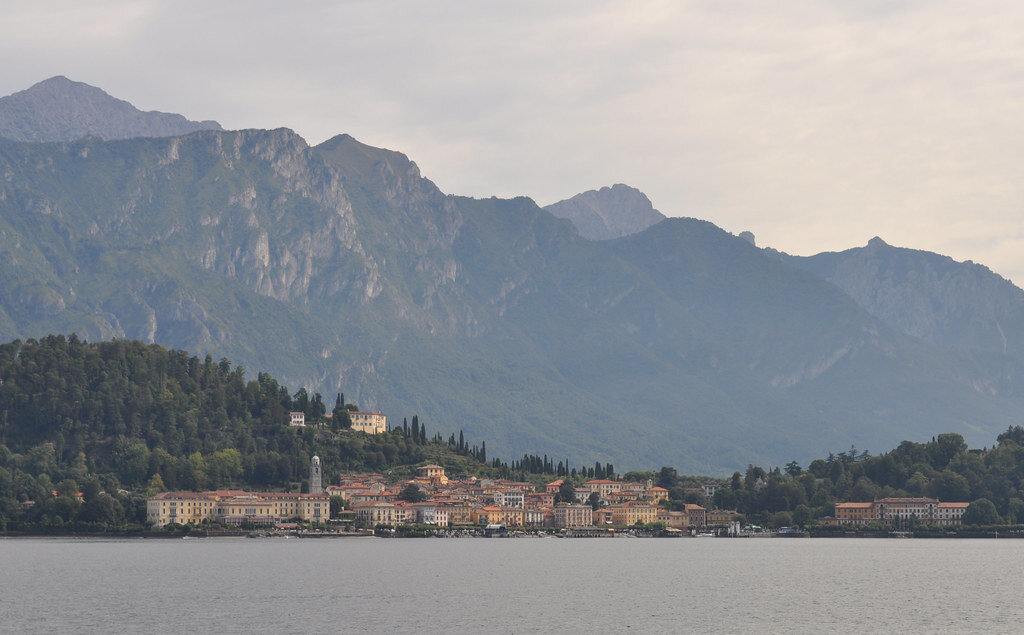
Lake Como, Italy. Harshil Shah. CC BY-ND 2.0.
Lake Como is an extremely popular destination for travelers due to its natural beauty and stunning landscape. However, climate change is threatening its future and hurting the local economy.
The water level in Lake Como is unprecedentedly low due to lack of rainfall and melted ice or snow. There is even a gap of more than three feet between the old waterline and where the water currently sits.
Lake Como has an area of 56 square miles, which means that this low water level is due to the loss of 4.6 billion gallons of water. According to local geologists, the rapidly-shrinking Fellaria glacier is the largest contributing factor to the decreased water levels.
Climate change has greatly affected the glacier, as not much of it remains. Since the late 1800s, the Fellaria glacier has lost two-thirds of its total mass, which translates into an average of more than 20 feet per year.
The lake’s lack of water is enough to cause dangerous erosion and even rockslides. When water recedes, the base of the mountain starts to collapse because the water along the shore can no longer help the rocks stay in place.

Varenna, Lake Como, Italy. Harshil Shah. CC BY-ND 2.0.
Yet another detrimental effect of climate change is that the lack of water in the lake has begun to kill off fish. Many locals rely on fishing for their livelihoods, and they say that the fish level is already 50 percent less than it was 10 years ago.
As one of Europe’s deepest lakes at 1,345 feet deep, Lake Como is not in danger of drying up anytime soon. However, losing its most consistent water source—the Fellaria glacier—will place new pressure on those who rely on the lake. This will have widespread effects, from affecting hydropower reservoirs located upstream to irrigated farms located downstream.Roads and walls that border the lake are also at risk of fracturing or collapsing due to low water levels.
GET INVOLVED
Nonprofits like the Environmental Defense Fund are dedicated to solving environmental challenges from many different angles with the help of scientists and experts. They offer opportunities to make donations, take action, sign petitions and even ways for companies to get involved. Anything helps.
Another nonprofit is Conservation International, which works to protect the land and sea in over 70 countries. They combine fieldwork with innovations in science, policy and finance to secure the benefits that nature provides us with. Conservation International encourages people to donate, fundraise, or become a member.
RELATED CONTENT:
Isabelle Durso
Isabelle is an undergraduate student at Boston University currently on campus in Boston. She is double majoring in Journalism and Film & Television, and she is interested in being a travel writer and writing human-interest stories around the world. Isabelle loves to explore and experience new cultures, and she hopes to share other people's stories through her writing. In the future, she intends to keep writing journalistic articles as well as creative screenplays.
High Schools in Rome Increase Support for Transgender Students
In the Roman Catholic stronghold of Italy, Rome’s high school students have sped up the city’s journey toward acceptance of transgender individuals.

Transgender flag. User:torbakhopper. CC BY-SA 3.0.
Despite the challenges of the COVID-19 pandemic, the high school community of Rome has been making strides toward the advancement of LGBTQ+ rights. Recently, a handful of high schools in the city have decided to allow transgender students the right to go by their chosen name. This is a stark change from the previous method of using a transgender person’s name given at birth, known as their “dead” name. The high schools that have made this change lag behind the city’s universities, with some colleges already having given transgender students the right.
Although the act itself seems small, it is a substantial gesture within the context of the transgender community. Upon hearing the news, students have expressed great relief; many see this step as a beacon of hope toward full transgender visibility in Italy. The country’s LGBTQ+ community currently deals with hate crimes, some of which have been so violent that victims have required reconstructive surgery. For Italy, the flaw is in the law; there is a law prohibiting crimes based on religion and race, but none exists for acts based on gender or sexual orientation. The largest change benefiting the transgender community occurred in 1982, when the Sex Reassignment Act legalized that procedure.
School officials in Rome believe that this change will help to protect students by creating a sense of security and peace in their learning environment. The first students to experience the change in rules hope that they will pave the way for an easier education for future transgender individuals, many of whom face large-scale bullying.
In a study on LGBTQ+ tolerance conducted by the Williams Institute, Italy fell quite far behind some of its European counterparts. Italy sat at 30th place in the ranking while Iceland and the Netherlands snagged the first two slots. The prevalence of the Roman Catholic Church, which does not condone LGBTQ+ behavior, has much to do with the country’s lower score.
This step has been a significant one for Italy, but much work remains to be done. With a smoother education now in store, these students hope that they are just the group to bring about further change.

Ella Nguyen
Ella is an undergraduate student at Vassar College pursuing a degree in Hispanic Studies. She wants to assist in the field of immigration law and hopes to utilize Spanish in her future projects. In her free time she enjoys cooking, writing poetry, and learning about cosmetics.
I Tendopoli: The Tent Cities of Italy
Orange season brings thousands of seasonal migrant workers to the Calabrian coast during the winter months. The men live in intimidation from the ‘Ndrangheta, the Calabrian mafia, and were the target of media attention in 2010 when riots broke out between the Italians and the Africans after two migrant workers were shot. This photo series follows Ibra, a man originally from Burkina Faso, who has lived in Italy since 2001 and was living in the tent city for six months when these photographs were taken, working towards his dream of making enough money to return home and provide for his family.
The men living in the tendopoli, which literally translates to “tent city,” pick tomatoes in Naples in the spring and oranges in Calabria during the winter. In the winter months, as many as 2000 migrants live in temporary settlements along the Calabrian coast. That number shrinks to several hundred during the off-season. Some of the men, like Ibra, first traveled to larger cities in the north of Italy and slowly made their way south as job prospects for African migrants became grim. Ibra first set foot on Italian soil in Milan, and has worked in Sicily as well as Naples and Calabria. Occasionally, Ibra takes odd jobs in surrounding towns from Italians he is friendly with. The shantytown where these migrants live lies between Gioia Tauro and Rosarno, two small towns that hug Calabria’s western coast. Residents of Rosarno and the neighboring migrants entered the national Italian spotlight following the killing of two migrants by resident Italians in January 2010. Riots ensued, stirring a national dialogue concerning the treatment of seasonal African workers living in intimidation and squalor. Ibra, a six-month resident of the tendopoli, is often sought out for advice by fellow migrant workers. Fluent in Italian and well-connected in neighboring towns, Ibra helps men living in the camp obtain legal working papers and permessi di soggiorni, “permits to stay” in the country for an allotted period of months to work. He also coordinates the local branch of Caritas, a worldwide Catholic charity aimed at mitigating poverty, serving food to the residents of the tendopoli twice a week. Italy, like all of Europe, is saturated with the same anti-immigrant rhetoric that has fueled the election of far-right leaders across a swath of nations. The future of Ibra, and seasonal migrant workers like him, will be determined by what steps these nations take in restricting their borders, and the official response to informally tolerated discrimination.

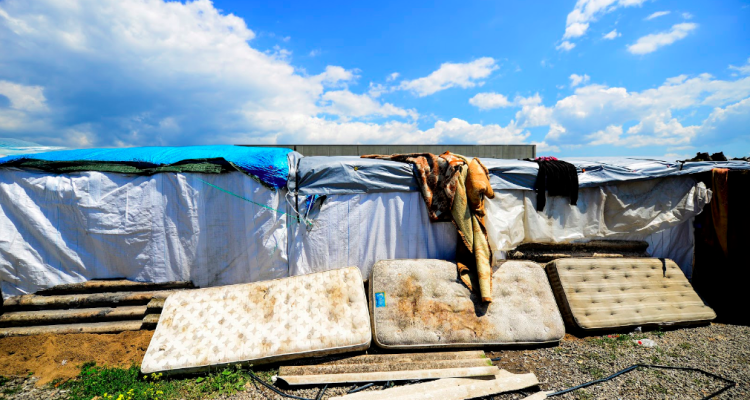
Tendopoli. | Located in the deep south of the Calabrese coast about an hour outside Reggio Calabria, this shoddy settlement housing West African migrants was never intended to last long. Hand-erected tents stand next to government-donated ones, housing West African migrants hailing primarily from Mali, Burkina Faso, Nigeria, and Ghana. Promises of permanent housing from local Italian governments have proved empty. Meanwhile, the encampment continues to grow in population. This particular tendopoli reached national notoriety in January 2010 following the death of two migrants at the hands of local Italians and subsequent riots.

Emergence. | This tendopoli was slated for destruction following violent attacks on the West African population by local Italians that made international headlines in 2010, in favor of more permanent housing. No progress has been made to construct these permanent homes, and Tendopoli remains active as a settlement.

Accendeva una sigaretta. | Ibra is my guide through the tendopoli. Ibra is originally from Burkina Faso, and unlike most of the men who arrived in Italy from Libya through the perilous Mediterranean sea route, he arrived by plane. He is a polyglot, speaking French, Italian, Igbu, and several bantu languages. Ibra spoke to me only in Italian, and was instrumental in helping with translations during interviews that were conducted partially in French.
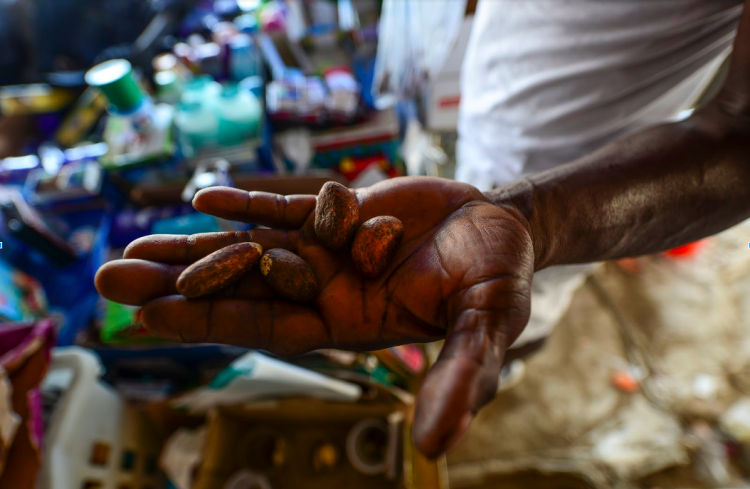
La Frutta. | Ibra shares dried fruit from his native Burkina Faso.
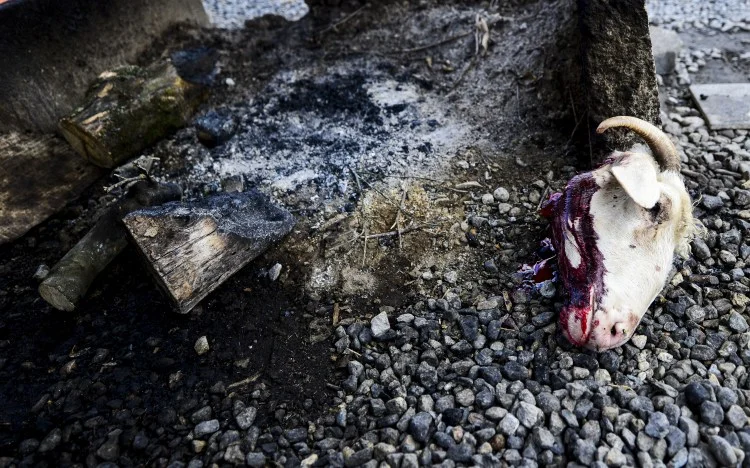
Il lavoro del macellaio. | Assan, the butcher, leaves behind a sheep’s head after slicing up a carcass.

Materassi bagnati. | Mattresses dry out following a three-day hail and rain storm.
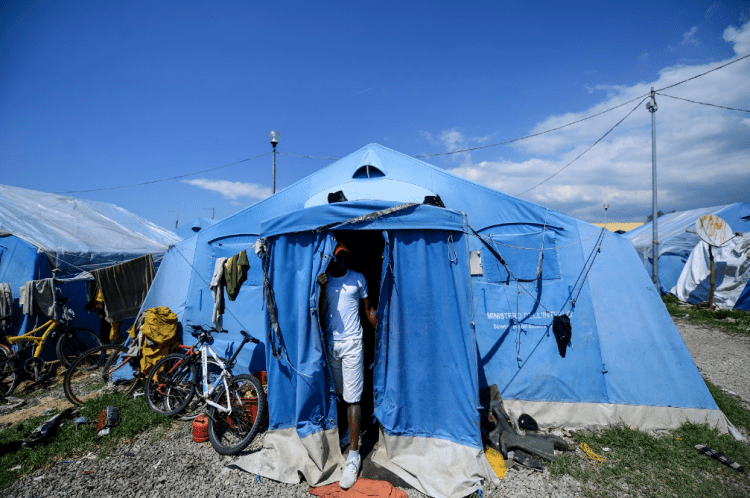
La tenda d’Ibra. | The blue tents were donated by the government as a temporary measure before permanent housing could be secured. However,the tendopoli encampment has been active for years. What was meant to be a short-time bandaid is currently having to function as a long-term solution.

L’uomo e figlio. | The tendopoli is home almost entirely to men, with only three women and two children recorded as residents. The men follow the seasonal fruit picking terms, Naples for tomatoes in the spring and Calabria for oranges in the summer.
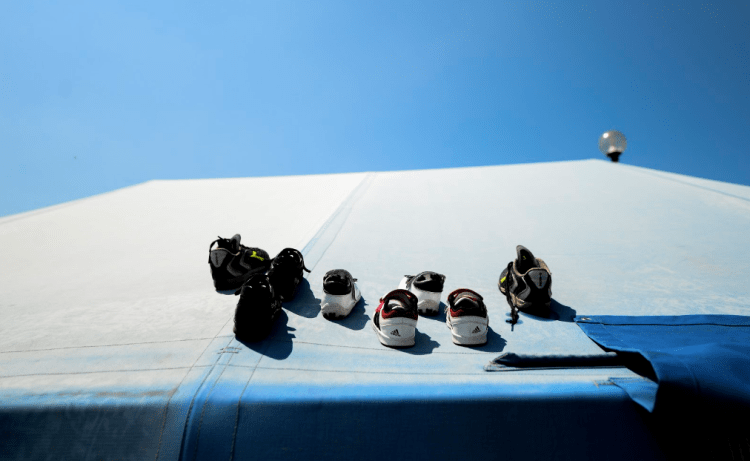
Le scarpe. | Shoes dry on the top of a tent following a three-day rain and hailstorm. Because of its proximity to the ocean, the tendopoli floods consistently in the springtime rainy season.
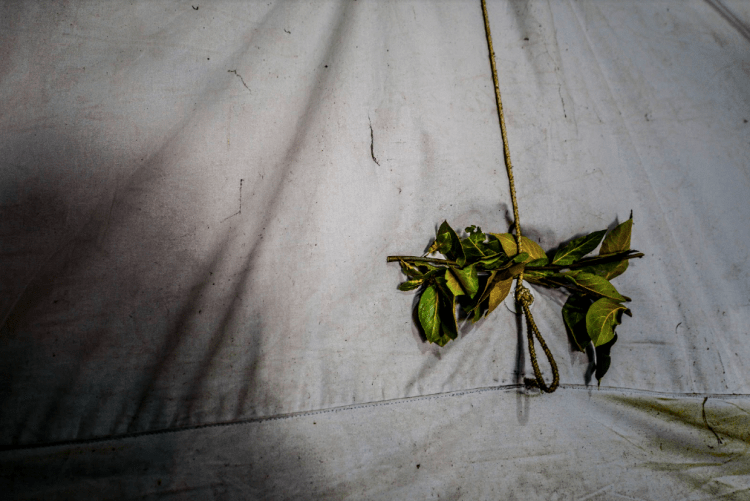
La salvia d’Ibra. | Ibra keeps fresh sage in his tent for cooking. The electricity in the tendopoli is unreliable at its best; at its worst, it can go out for days or weeks at a time. Cooking on Ibra’s tiny stovetops requires no small measure of creativity and patience.
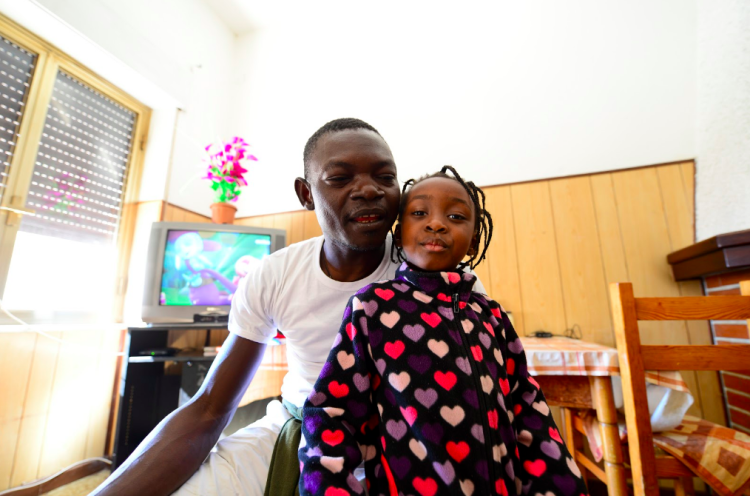
La bambina. | Leila is the daughter of a woman known to most as Mama Africa. The two live in an apartment in the nearby town of Rosarno, gifting residents of the shantytown supplies when they can afford it. Ibra functions as a liaison between Mama Africa and those living in the tendopoli. He brings Leila gifts when he can.

The Calabrese regional government continues to ignore the conditions of confinement they have created in the tendopoli. With no end of the occupation in sight, the men of the tendopoli are forced to continue living in these atrocious circumstances until administrative compliancy ends.
THIS ARTICLE WAS ORIGINALLY PUBLISHED ON FREELY MAGAZINE.
MAGGIE ANDRESEN
Maggie Andresen is a recent graduate of the Temple University Klein College of Media and Communications, where she studied photojournalism and international reporting. She has worked for newspapers in New York, New Orleans, and Denver. Currently, she is a Princeton in Africa fellow working in communications at Gardens for Health International, a small Rwanda-based non-profit working to end childhood malnutrition.
ITALY: Rainbow Warriors
The idea to sleep in a hammock suspended hundreds of feet above the ground in such an incredible place was born back in 2012 at the very first Highline Meeting held on Monte Piana, a peak of 2.324 meters.
The event was founded by Alessandro d‘Emilia and Armin Holzer, two highliners who wanted to share the spectacular scenery of Monte Piana (Misurina) in the Dolomites, giving professionals and enthusiasts from all over the world the chance to slackline between mountain peaks, hang out in hammocks strung high in the sky, and meet like-minded people.
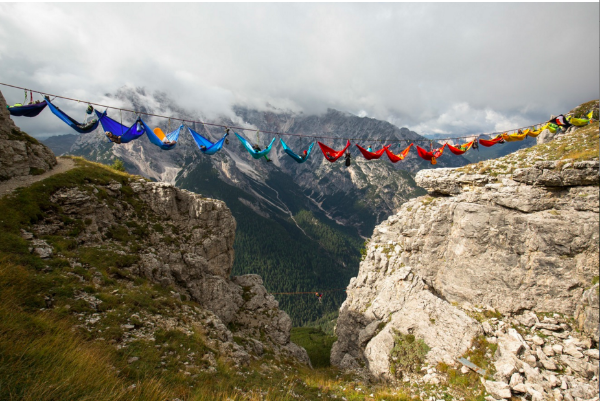
This year the place where d‘Emilia, Holzer and action coordinator Igor Scotland from Ticket to the Moon hammocks built their set up was memorable not only for its natural beauty but for its particular historical importance. One century ago, fierce battles broke out in the shadow of Monte Piana in the Italian Dolomites as WWI began, and today the area is an open air museum to honor the memory of the 18.000 young soldiers who lost their lives here. The seven kilometers of trenches are still visible.
“Just a hundred years ago, winters up here were characterized by bombs, grenades, and lots of pain,” d’Emilia and Holzer explain in the video from the event. “Our idea was to re-experience Monte Piana in friendship and peace with each other, accompanied by kindhearted feelings during the day, and lulled to sleep at night by magical silence.”
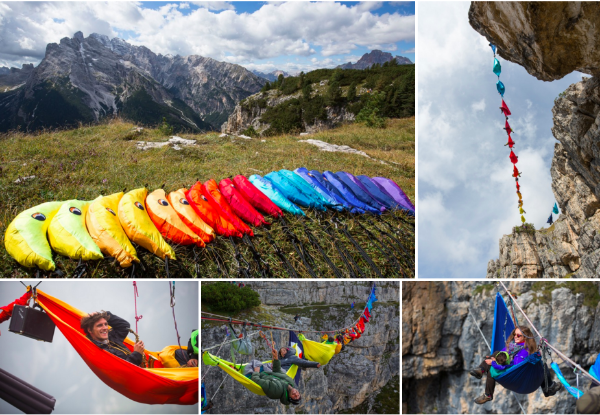
On September 10th 2015 this idea came to life and their unique project took place for the third time. 26 athletes came together to sing, laugh, and relax in 17 specially designed rainbow hammocks strung high in the sky between the peaks — a symbol of peace and a tribute to the past.
The stunt, named “Rainbow Warriors”, was performed and designed by a professional team of athletes and riggers, and the set up has a breaking strength of greater than 150 kN (15.000 kg) for the main line, along with a redundant back up. The maximum force at any one time on the line during the event was 32 kN (3.200 kg).
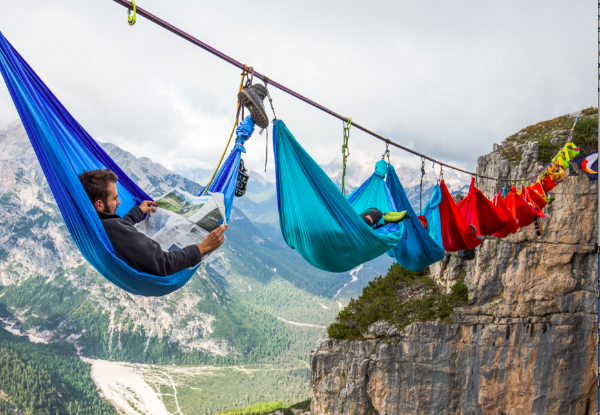
The values and principles of d’Emilia and Holzer — a non-competitive spirit and practicing respect for the mountain so that they can be in harmony with the location — are also shared by all of the participants.
Today Monte Piana has become a meeting point for young people from all over the world who want to share more than a passion for the sport of highlining, who come to share a philosophy and a way of life.
ORIGINALLY PUBLISHED ON MAPTIA

SEBASTIAN WAHLHUTTER
Sebastian Wahlhútter is a photographer and anthropologist from Vienna, Austria.