• Travel Features
  • Global Action
  • Take A Trip
  • Travel Guides
    • Podcast
    • Courses
    • Bookshop
  • About
  • Sign Up
Menu

CATALYST PLANET

  • Travel Features
  • Global Action
  • Take A Trip
  • Travel Guides
  • Discover
    • Podcast
    • Courses
    • Bookshop
  • About
  • Sign Up

Clifton 4th Beach, in Cape Town. Warren Rohner. CC BY-SA 2.0.

Fresh Wounds: Incident at Beach is Newest Example of Strained Race Relations in South Africa

January 12, 2019

Recently a group of protesters took to the shores of the Clifton 4th beach, one of the more popular beaches in Cape Town, to complain about what they perceived to be racial profiling at the hands of a local security firm. Professional Protection Alternatives, or PPA, was apparently hired by local residents to clear out all black visitors to the beach shortly before Christmas of last year. The security company responded to these allegations, claiming that they were simply trying to protect nearby residents from crime. The incident has stirred up tensions in Cape Town that still linger from South Africa’s recent history with Apartheid.

Apartheid, which means “separateness” or “apartness” in Afrikaans, was a system of institutionalized racism that pervaded in South Africa from 1948 until the early 1990s. Also known as “White Minority Rule,” it was primarily used to ensure the dominion of white South Africans over their black counterparts. Policies included the segregation of parks, beaches, and other public places. The system was dismantled by activists like former president Nelson Mandela but the visitors who were removed from the beach felt that the actions of PPA were reminiscent of the Cape Town of old. Dan Plato, the current mayor of Cape Town, spoke publicly about the incident, claiming that PPA had no right to remove anyone from the beach, but also defended the security firm, stating that the removals were not racially motivated. Meanwhile, Patricia de Lille, the former mayor of Cape Town, joined in the protests, encouraging all who were removed from the beach to press charges against PPA. De Lille stated that actions of the firm went against “hard-won constitutional rights.” In a country with such a recent history of racial conflict, it doesn't take much to re-open old wounds.
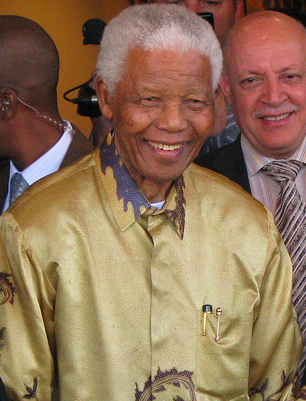
Former president Nelson Mandela was instrumental in the ending of Apartheid. South Africa The Good News / www.sagoodnews.co.za. CC BY 2.0.

The incident at Clifton is the latest in a series of racial altercations that have occurred in South Africa. In 2016, real estate agent Penny Sparrow described black South Africans as “uneducated monkeys” in a Facebook post. Sparrow was charged with Crimen Injuria, the willful impairment of another person’s dignity. At her hearing, Sparrow said that she would “strive to be a better citizen, respecting others and working toward making our country a better place.” In August of 2018, Johannesburg businessman Adam Catzavelos caused an uproar on social media when he posted a video of himself at a beach in Greece and expressed his relief that there were no black people there. Catzavelos’ family promptly fired him from their food manufacturing company and expressed outrage over his comments before going into hiding to avoid potential backlash. Despite South Africa’s recent steps toward tolerance, racism is still an overarching issue that hinders relations between the many ethnicities that make the country their home.

Protesters at the Clifton 4th beach marched, chanted, and even sacrificed a sheep in their demonstrations against racism in Cape Town. They claimed the guards employed by PPA were specifically briefed to keep blacks from other townships from patronizing the beach, claims which have yet to be substantiated. Their protests have drawn the support of the Economic Freedom Fighters, or EFF, an organization devoted to humanitarian issues in South Africa. Other organizations, such as the Black Land First group have also voiced their support for the protesters on Clifton beach, though their views are considered by many to be more radical from those of the EFF. Meanwhile, some citizens of Cape Town plan to press animal cruelty charges against the protesters for slaying the sheep. These events are a prime example of how quickly recently formed ties can unravel.


JONATHAN ROBINSON is an intern at CATALYST. He is a travel enthusiast always adding new people, places, experiences to his story. He hopes to use writing as a means to connect with others like himself. 

Tags Africa, race, racism, Cape Town, Nelson Mandela, Race and Racism
Comment

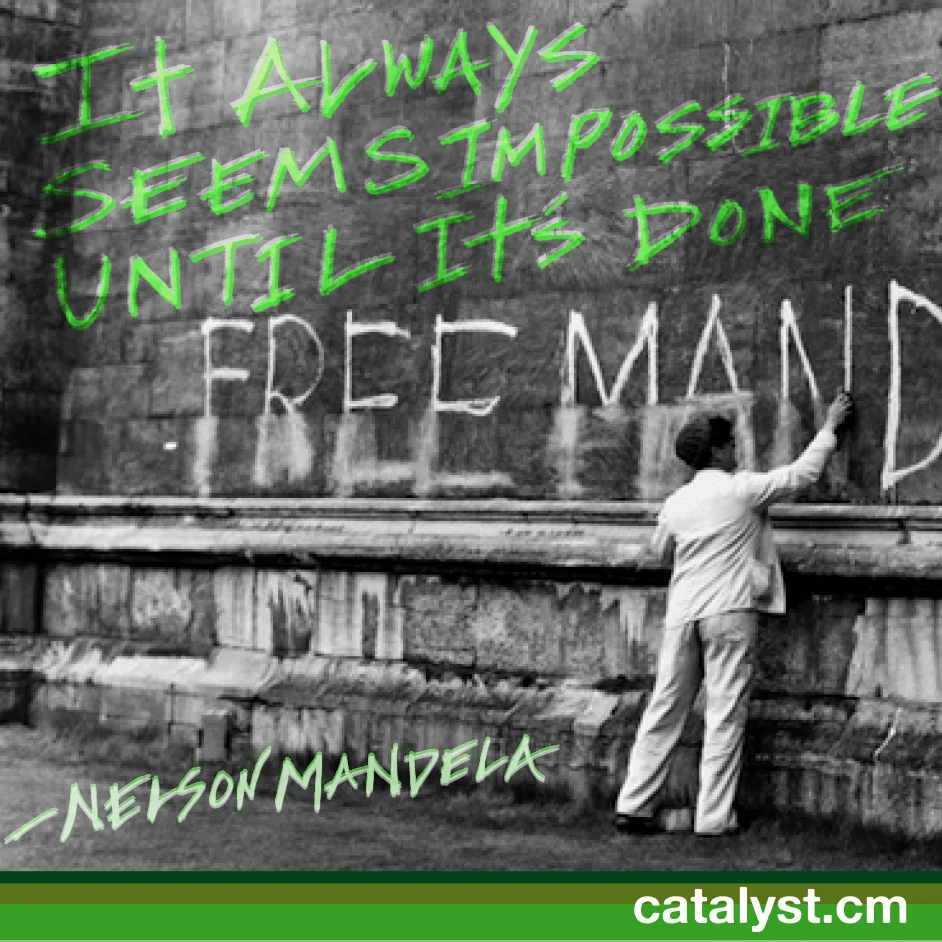
It always seems impossible until it’s done.

May 31, 2017
In Nelson Mandela, World and Travel Tags quotes, quote, just do it, Nelson Mandela, Mandela, photo, pictures, Travel
Comment

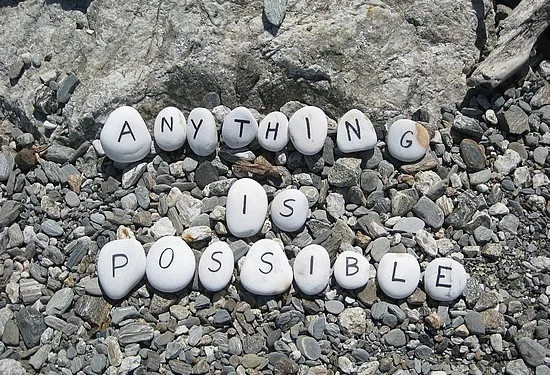
Anything is Possible: Removing 'NO' from your Vocabulary

July 23, 2015

When I think about what it takes to change the world, I think that the most important thing is being able to ignore the word no. You’ll be hit with no all the time as a shameless idealist, and each time you dust it off, you get one step closer to making the difference that you want to make. People will say that you aren’t old enough, don’t have enough money, there aren’t enough of you, there is too much to be done, that you won’t reach your goals, that your contribution isn’t going to make an impact. You’ll hear doors slam, people will walk right past you, some will even laugh at you. In their own way, each of these people will be saying no to your vision — your dream for a better world.

Don’t listen to them.

When I was in high school, I saw the first Invisible Children DVD a couple weeks after it was released. As the credits rolled, I knew that my life would be forever changed by what I had just become a witness to. I started spreading the word around, but raising awareness amongst the people I knew just wasn’t enough — I wanted to contribute, to do something for those kids that I now felt I knew.

I wrangled two of my friends into helping me with a half-baked idea, and soon, we had turned a room in my house into a home-base of sorts, with maps of Uganda, Invisible Children swag, posters, pamphlets and a mini fridge. From there, we decided we wanted to throw a benefit concert to raise money and awareness for “The Rescue”, Invisible Children’s campaign to rescue child soldiers from Joseph Kony.  This is when we began to hear the word no.

We went to our principal with a pitch – she told us that we were too young, too inexperienced, and that there weren’t enough of us to run a concert. She suggested a bake sale. I sat on the steps in front of my school and cried, in despair that I would never be old enough or important enough to make the difference I wanted to make, the one I knew I could make if I was given a shot. However, in what I now look back on as the most defining moment of my short life, I decided that her no was not going to stop me. We would have our benefit concert, and she would see what kids can do when they put their hearts and minds to it.

Three months later, I was standing on stage behind City Hall, shaking hands with the Mayor, who had given us the space for free, watching 50 Starbucks volunteers hand out coffee, proceeds from which would join their $2000 donation and the donations of the many attendees and other sponsors. Bands were backstage, getting ready to perform, and my friends and I had just finished a front-page interview for the local paper.  At the end of the night, I handed Invisible Children’s representatives a cheque for $9,452 dollars. Months after that, we ran a full day festival on Victoria Day, raising even more for the incredible cause. My principal attended the concert.

Years later, with new challenges and new nos coming at me every day, I always remember that day — the day I decided that I would never let anyone else, or their opinions of what I am capable of, define me. World changers for centuries have come to the same conclusions – Nelson Mandela spent 20 years in prison, denying the word no, inspiring the world as he sought freedom and equality as South Africa’s first black President. Amelia Earhart shook off the word no and became the first female pilot. Gandhi ignored no and led his country out of oppression with non-violent protest. Jane Goodall ignored no and faced countless danger to follow her passion. Everyday, world changers shake up their communities and the global landscape by striding past every no, with their heads high, and doing what others believe cannot be done. So if anyone out there tells you that you can’t do something — you can’t win that race, you’re not smart enough to be a lawyer, you can’t raise enough money, you can’t make an impact, you’re not strong enough to change the world — deny them the power of defining what you choose to try. Do what everyone thinks you can’t, and show them that you can. 

ORIGINALLY PUBLISHED ON THE CHANGE HEROES BLOG


NATASHA BEITMAN

@NatashaBeitman

Natasha Beitman is a fourth year International Development Studies major at York University. She aspires to attend law school in the fall, to pursue a career in criminal law. She is passionate about philanthropy and issues of global development and environmental sustainability, and strives to be a positive role model and mentor to high school student and university freshmen. She is also currently involved as Co-President of the Mosaic Institutes 2013-2014 Dialogue Series, which aims to create peaceful relationships between historically opposed groups on Toronto campuses. She is an avid foodie who enjoys old vinyl records, good books, and wrestling with her Doberman, Gracie.

In News and Social Action Tags Natasha Beitman, Social Justice, Social Good, Nelson Mandela, Joseph Kony, Jane Goodhall, Gandhi, Activism, Children and Youth
Comment

Also check out...

Featured
Vietnam’s Floating Markets Are Disappearing
The Supernatural Role of Masks in Nigeria’s Yoruba Tribal Culture
Opening the World to Deaf Travelers with Lily Yu

Featured trips

Featured
Offer NGO Support While Visiting Quito
Experience Life as a Mongolian Nomad
Help Grow Organic Costa Rican Coffee

Sign up for the CATALYST newsletter

Sign up for our newsletter to get the scoop on international travel, global social impact insights, our latest podcast releases, and more from around the world, all delivered right to your inbox!

We respect your privacy.

Thank you!
Newsletter Sign Up | Advertise | Careers + Internships | Privacy Policy | Submissions | Contact Us

Copyright © 2025, MISSION MEDIA LLC. All rights reserved.