
By Kathleen Shepard
With over 60% of its land covered by ice, the archipelago of Svalbard is home to Arctic wonders.
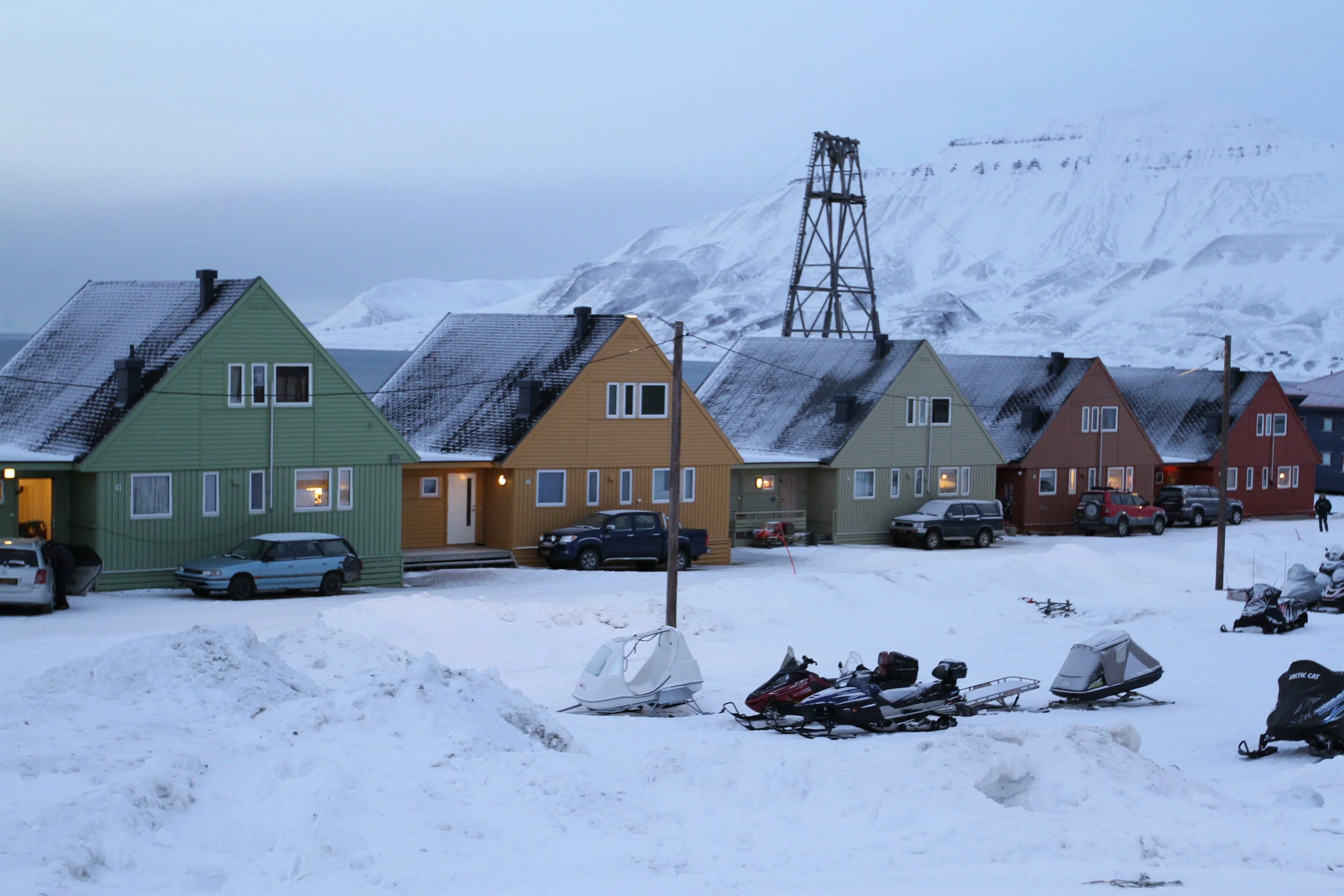
Svalbard. Naerings-og fiskeridepartementet. CC BY-NC-ND 2.0.
The Norwegian archipelago of Svalbard is home to many of the world’s Arctic wonders.
From October to February, Svalbard experiences the Northern Lights Winter, that time when the aurora borealis, or northern lights, shines over Svalbard. Translating from Latin as “northern dawn,” the northern lights are a colorful light display of green, pink, red, purple and blue illuminating the sky as a result of energetic space particles interacting with molecules in Earth’s atmosphere.
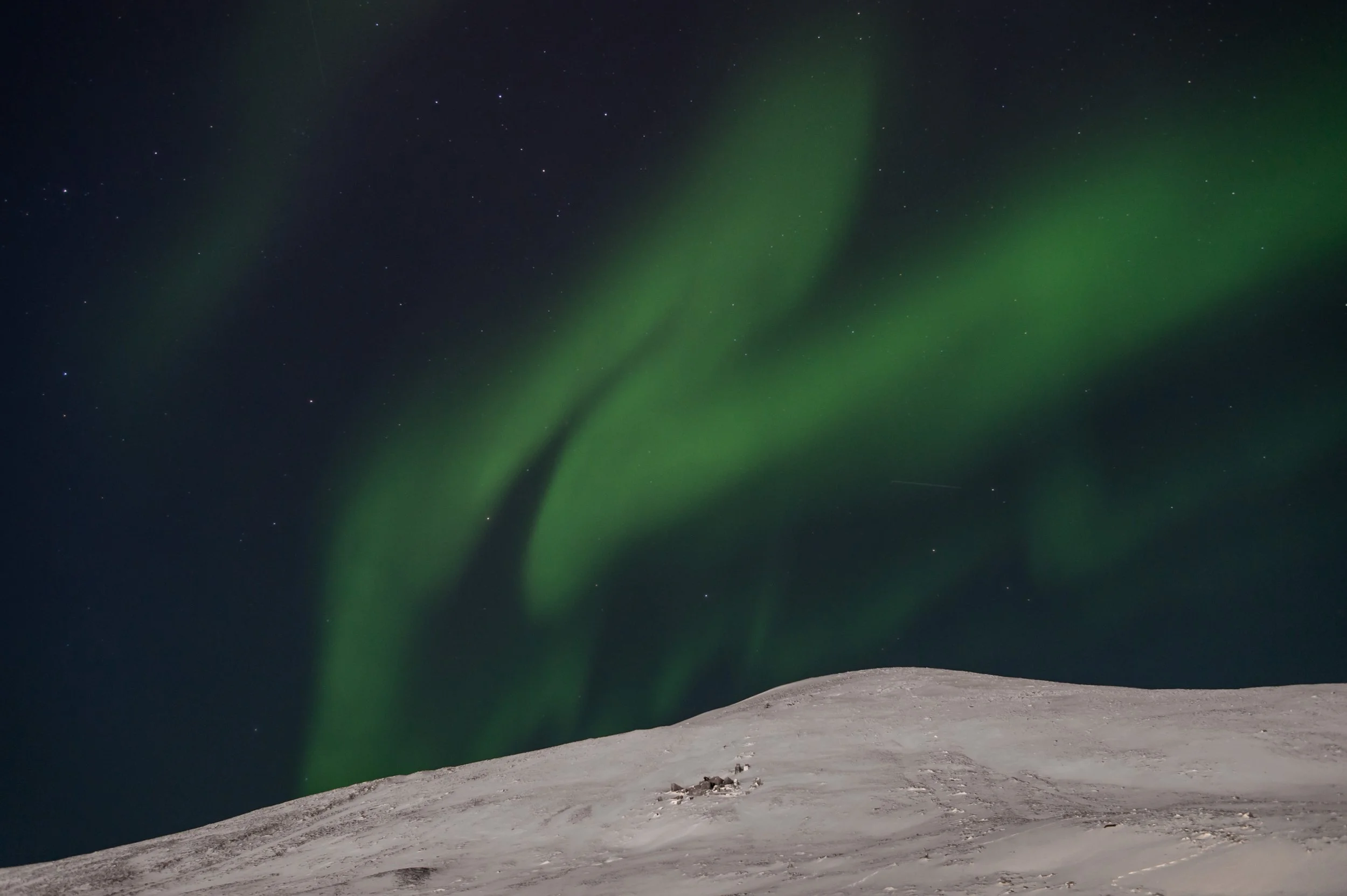
Aurora borealis over Longyearbyen. Sigurd Rage. CC BY-NC-ND 2.0.
In the Polar Summer, from May to September, thousands of migratory birds find their home in this tundra, and even more wildflowers bloom. And despite the entire region being covered in permafrost, over 170 plant species call Svalbard home. The most famous is Svalbard’s official flower, the Svalbard poppy.
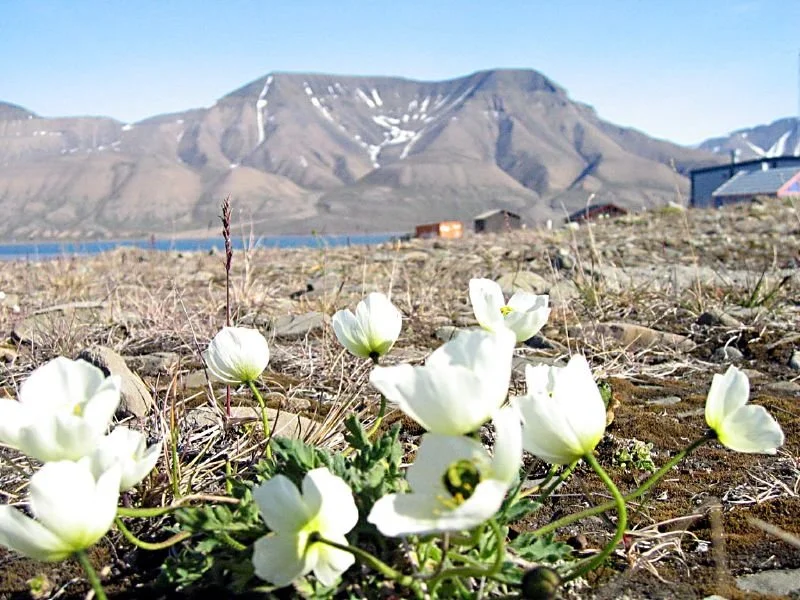
Svalbard poppy. Alastair Rae. CC BY-SA 2.0.
Finally, in the Sunny Winter, from March to May, one can explore the frozen fjords, glaciers and snowy Newtontoppen, the highest mountain in Svalbard.
Most notable, however, is the town of Longyearbyen. Located around 800 miles from the North Pole, Longyearbyen is the world’s most northern urban center, housing a little over 2,100 residents.
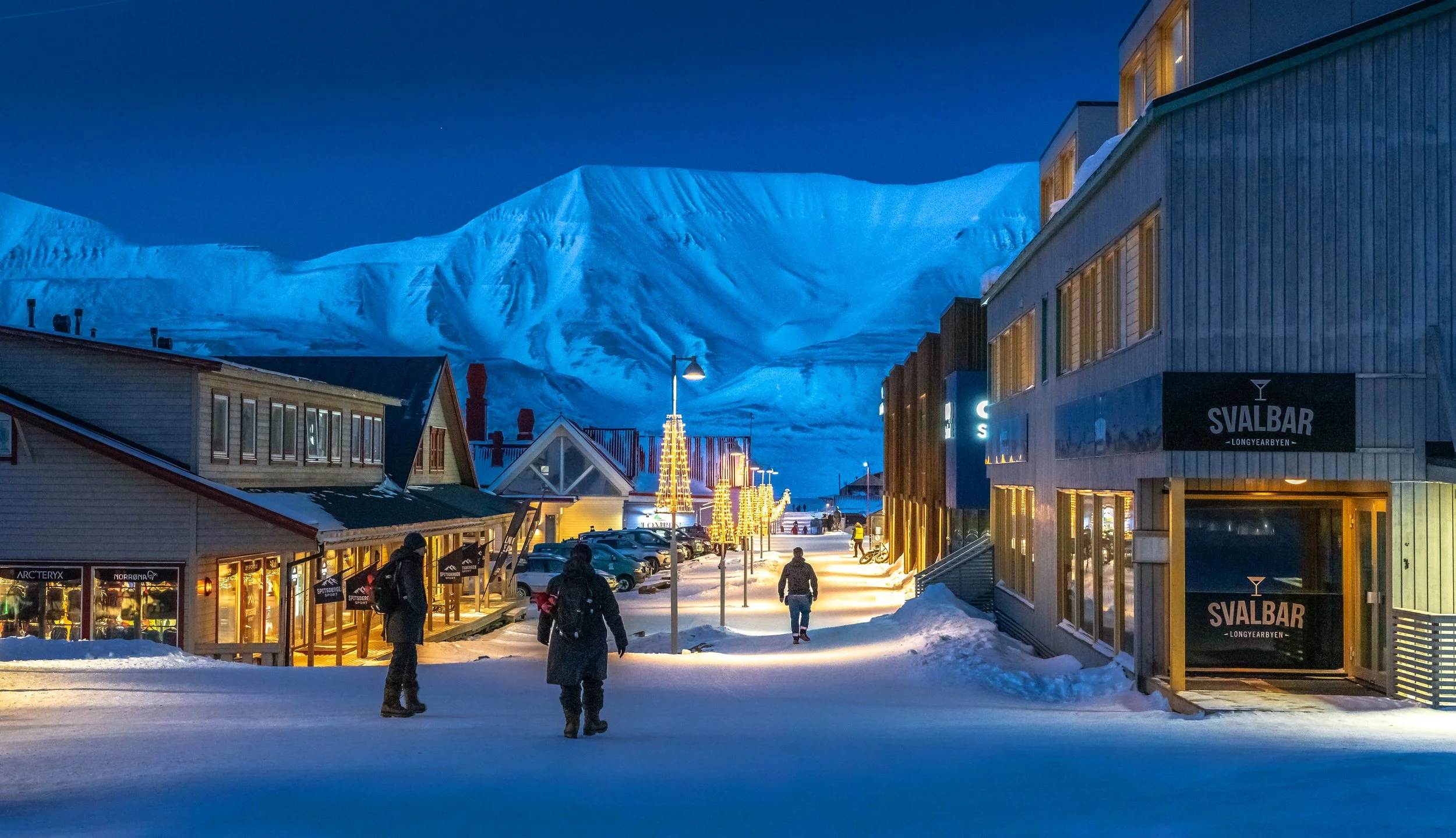
Longyearbyen, Svalbard. Nick M. CC BY-NC-SA 2.0.
Most of these residents are Norwegians, as Svalbard is under Norwegian sovereignty. However, Russian, Ukrainian and Polish people also reside there in the mining community of Barentsburg and the almost abandoned Pyramiden. Ny-Alesund and Hornsund act as Arctic research stations.
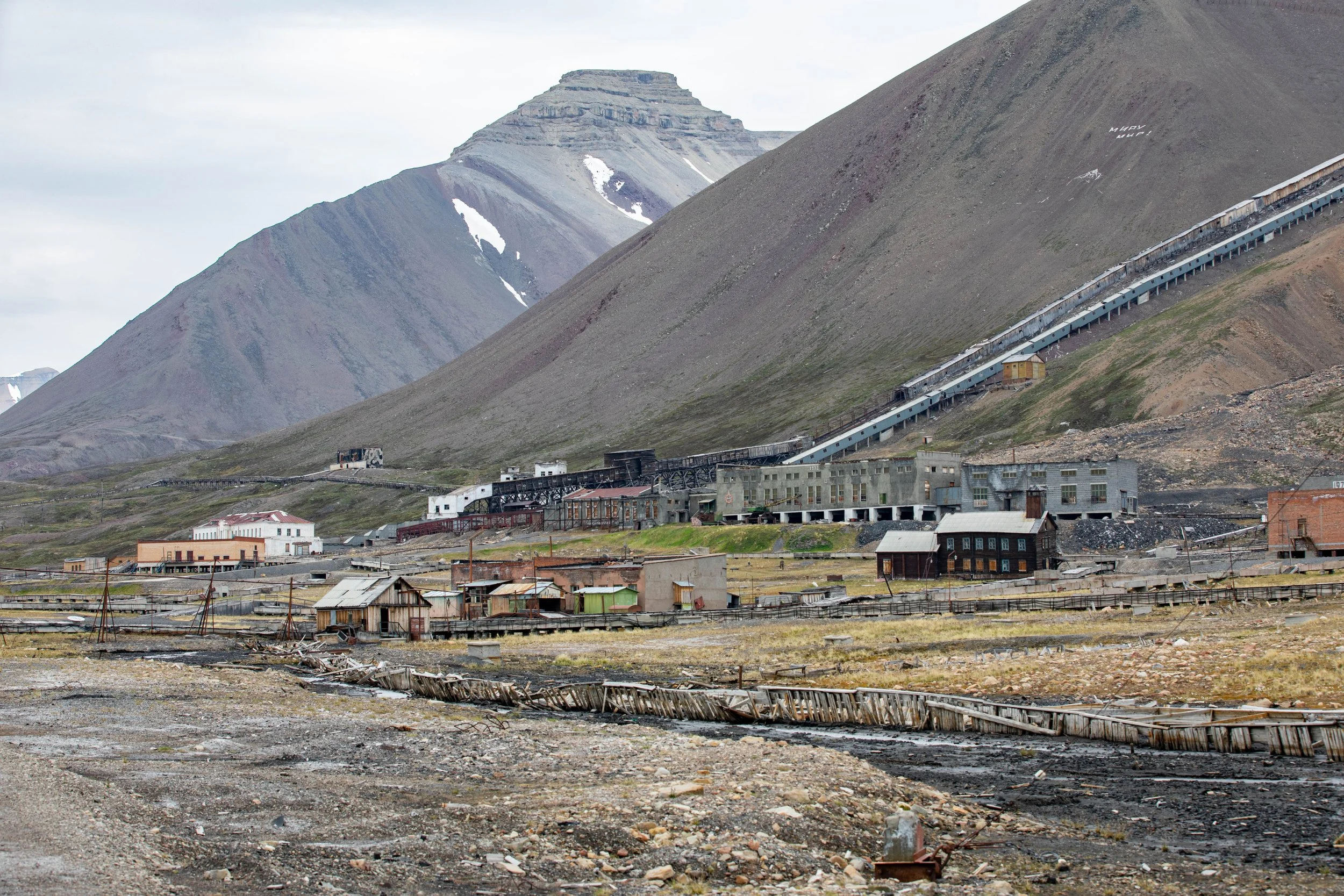
Pyramiden, Svalbard. Jussi Toivanen. CC BY-NC-ND 2.0.
Svalbard also houses many animal “residents.” One of the most researched is the polar bear. In fact, polar bears are so common in Svalbard that almost everyone carries a firearm, understanding that as soon as they step outside the settlements, they are in the polar bears’ habitat.
Any feeding, pursuing, trapping and hurting of a polar bear has been illegal since 1973.
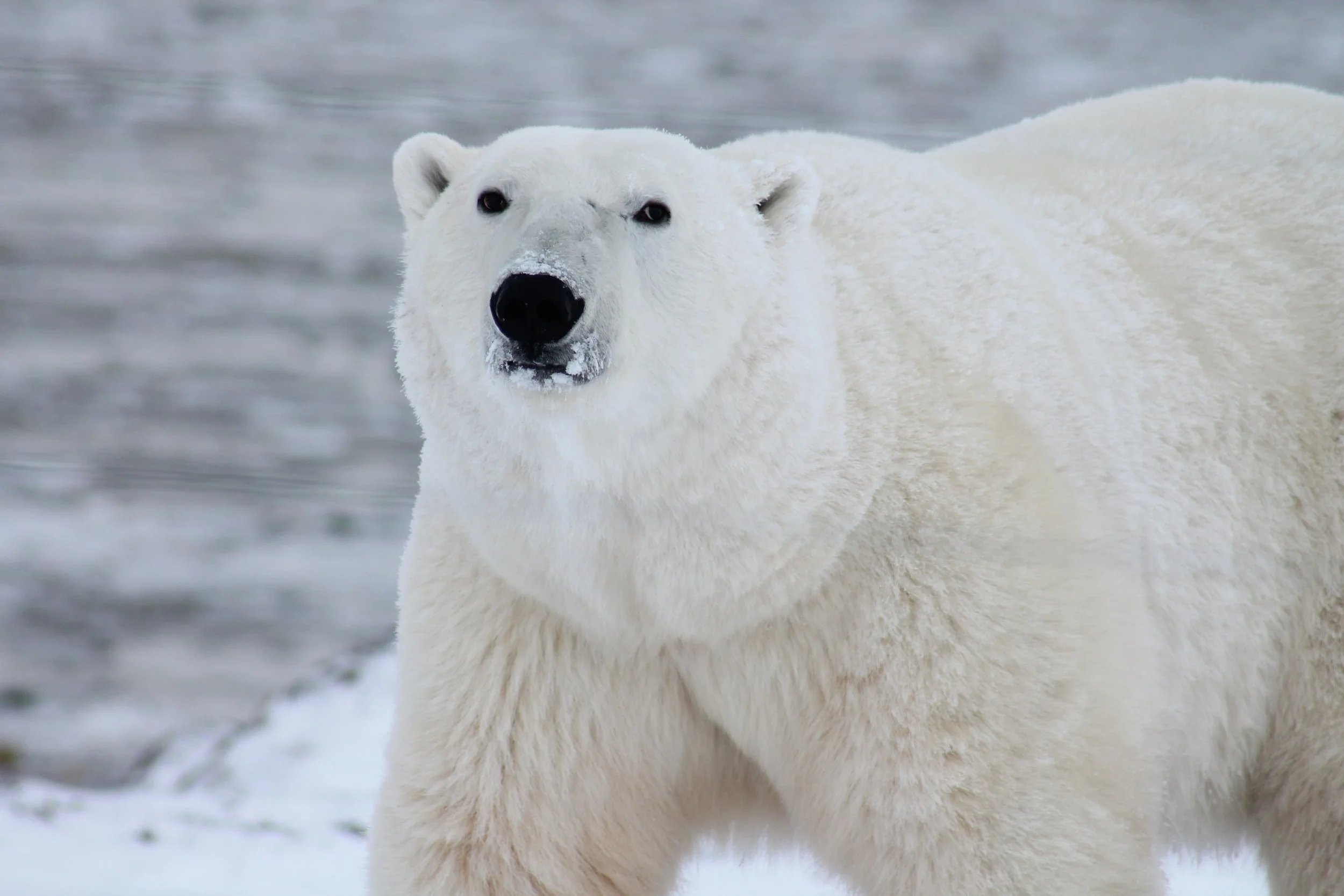
Polar bear in the Artic. 358611. Pixabay.
Originally, people were driven to Svalbard by international whaling. Dutch, British and German whaling companies fought for whale blubber, hoping to make it big in the oil industry. By the late seventeenth century, Dutch whalers hunted between 750 and 1,250 whales annually, eventually hunting Svalbard’s bowhead whale to extinction.
To this day, the foundations of 50 different whaling stations remain, and the most common whale spotted around Svalbard is the beluga.
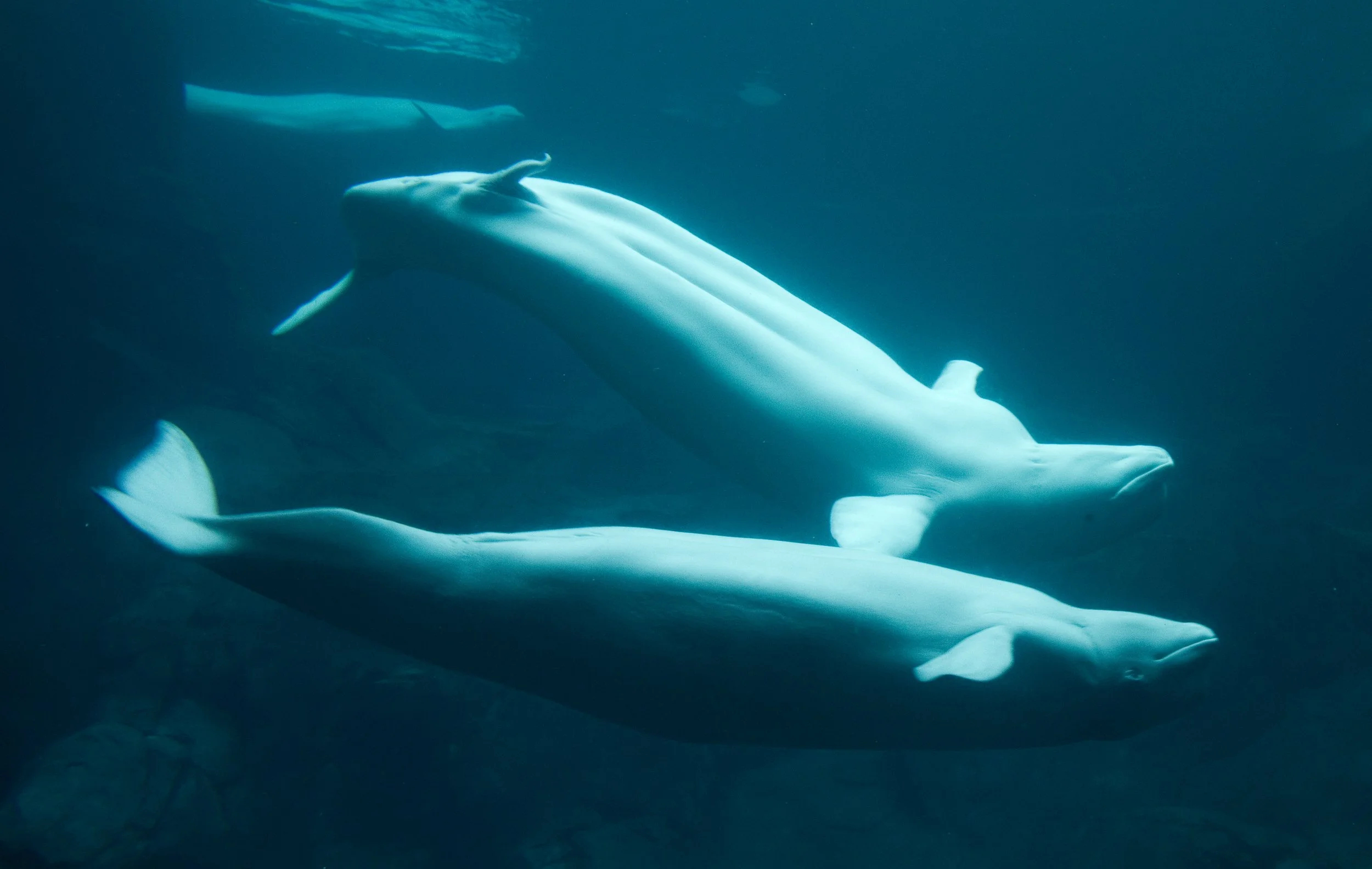
Beluga, or white whale. Brian Gratwicke. CC BY 2.0.
Russian and Norwegian trappers were also driven here by the fur trade. Lasting from the 18th to the 19th centuries, many of these individuals hunted both for sustenance and sale. They poached seals, reindeer and birds for trade and consumption. However, some of the most valuable animals were the walruses, Arctic foxes and polar bears.
But the most striking thing for scientists, specifically geologists, is Svalbard’s rocks. According to Visit Svalbard, this is “one of the only places on earth where rocks from practically every geological period may be found within a limited area.”
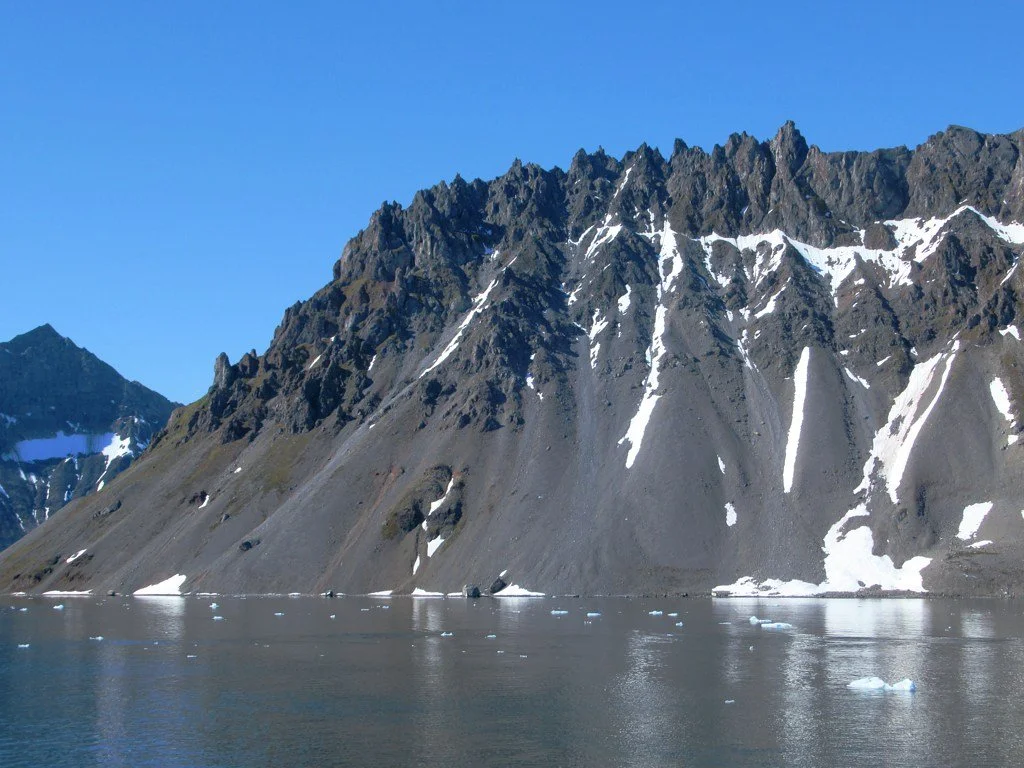
Sor-Spitsbergen National Park, Svalbard. David Stanley. CC BY 2.0.
Svalbard’s mountains were originally sea beds. But upon crashing into Greenland, these 60-million-year-old deposits are now exposed and hikable. Many fossils, especially of reptilian species, are routinely excavated.
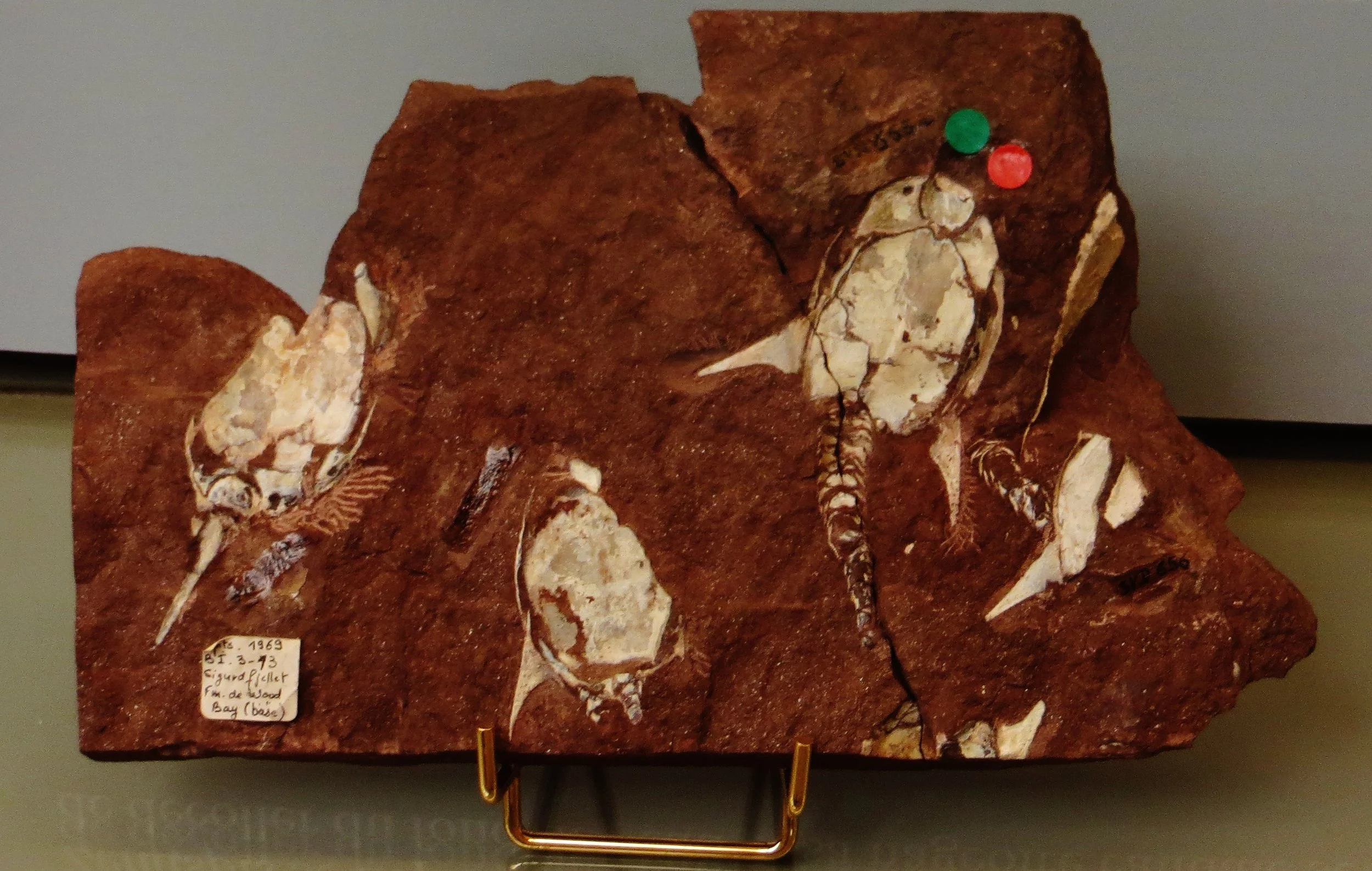
Doryaspis Fossil, Spitsbergen, Svalbard. Ghedo. CC BY-SA 4.0.
Most famous is a 30-foot Ichthyosauria fossil, the largest such fossil recorded in Svalbard.
TRAVELING THERE:
Svalbard possesses only one commercial airport, Svalbard Airport, built in 1975. Though small, Scandinavian Airlines and Norwegian Air Shuttle routinely fly through, ensuring visitors easy access to and from the archipelago.
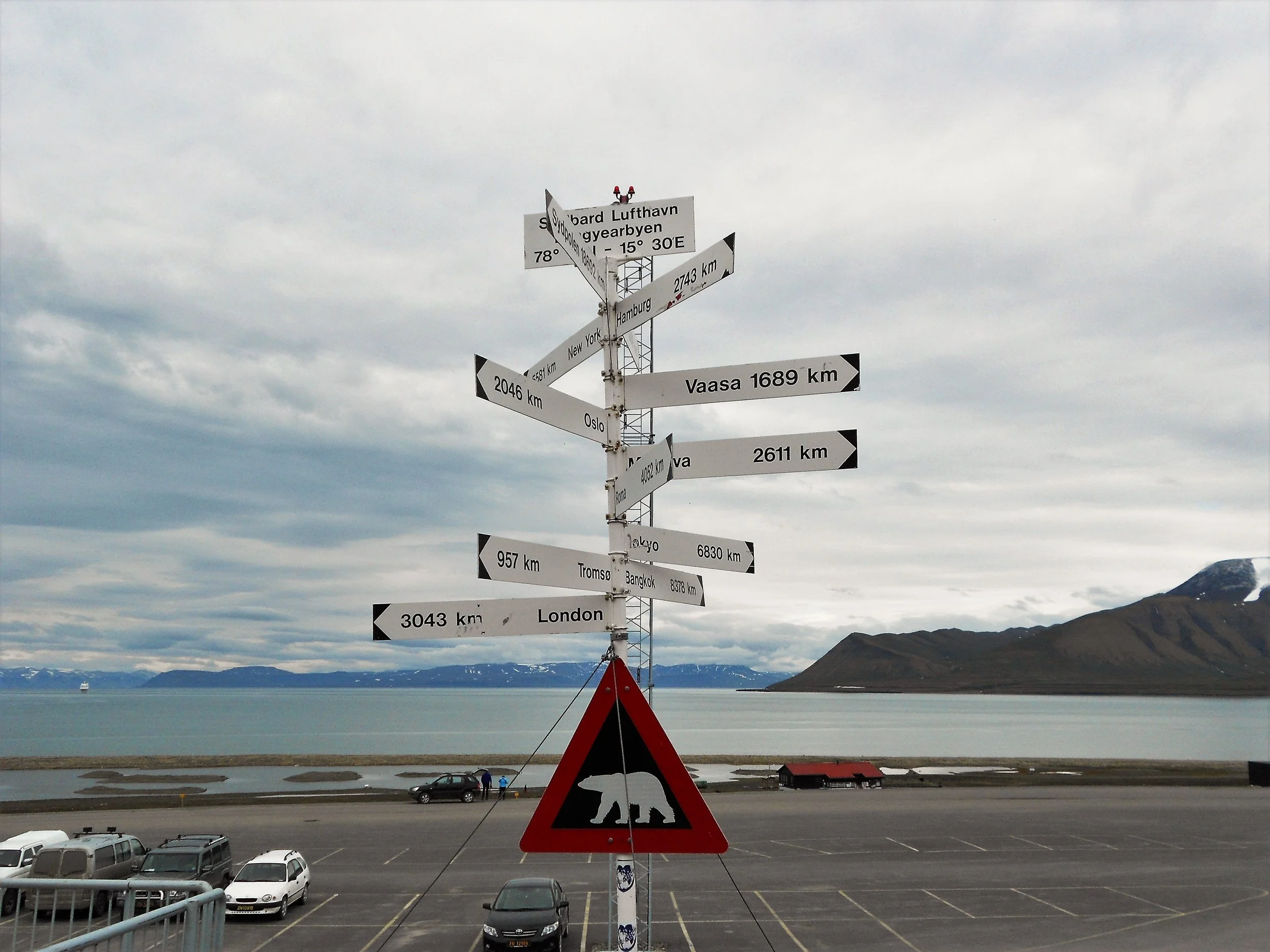
Svalbard Airport. Ignacio Gallego. CC BY-NC-SA 2.0.
Once there, visitors can partake in a plethora of activities, both outdoor adventures and more mellow, indoor activities.
Visitors can excavate some of their own plant fossils on Svalbard’s various fossil hunting trips, drive a snowmobile, hike ice caves, kayak, go on wildlife and photography tours, mush on dog sleds, accompany a glacier tour and ski on snowy mountains.
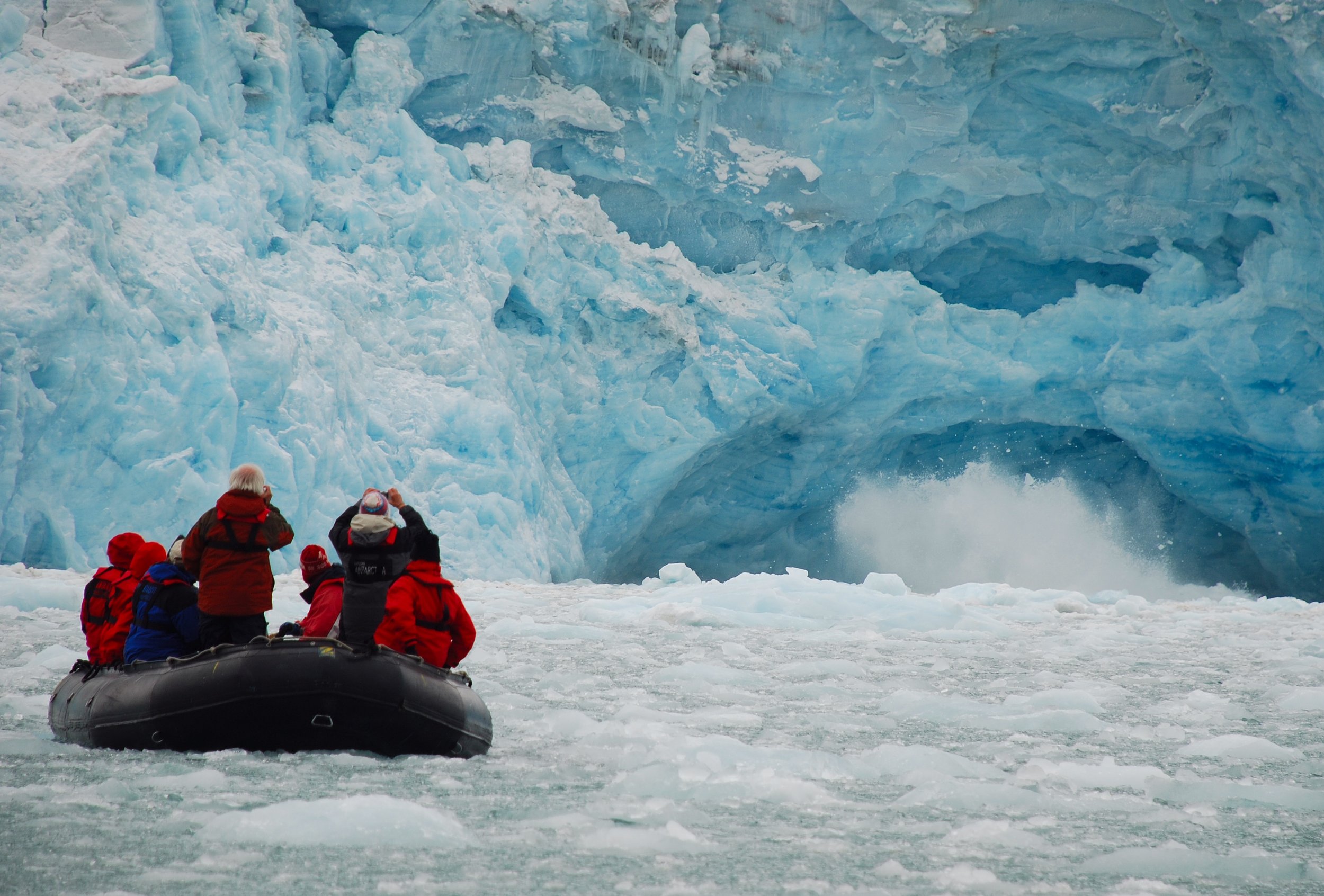
Ecotourism in Svalbard. Woodwalker. CC BY-SA 3.0.
If indoor activities are more your speed, the town of Longyearbyen is incredibly lively. You can visit its many shops and restaurants, one of the most popular being Cafe Huskies. As the northernmost cafe in the world and with husky pups to pet and play with, this business is a fan favorite.
The shops are also tax-free, so buy up!
You can explore the Svalbard Museum and the archipelago’s history of mining, hunting and research. Or you can get a drink at the northernmost brewery, Svalbard Brewing, and watch the Northern Lights during the Northern Lights Winter from the coziness of your hotel room. Lastly, check out the North Pole Expedition Museum and its icy history.
Whichever way you choose, this northernmost town is worth the trek.

Kathleen Shepard
An English and Art History Major at Boston College, Katie loves all things writing, culture, and travel. When not canyoneering across the Swiss Alps, snorkeling in the Galápagos, or photographing wildlife throughout Botswana, you’ll find her documenting about it in her latest story. She believes that every place is uniquely, wonderfully beautiful, and she’s grateful to be a travel and social action writer for CATALYST PLANET. Whether it be promoting a new trail or advocating for what matters, she hopes to continue making her words count!