
By Grace Lagerholm
Discover the best places to see koalas, kangaroos and more on your next trip to Australia.
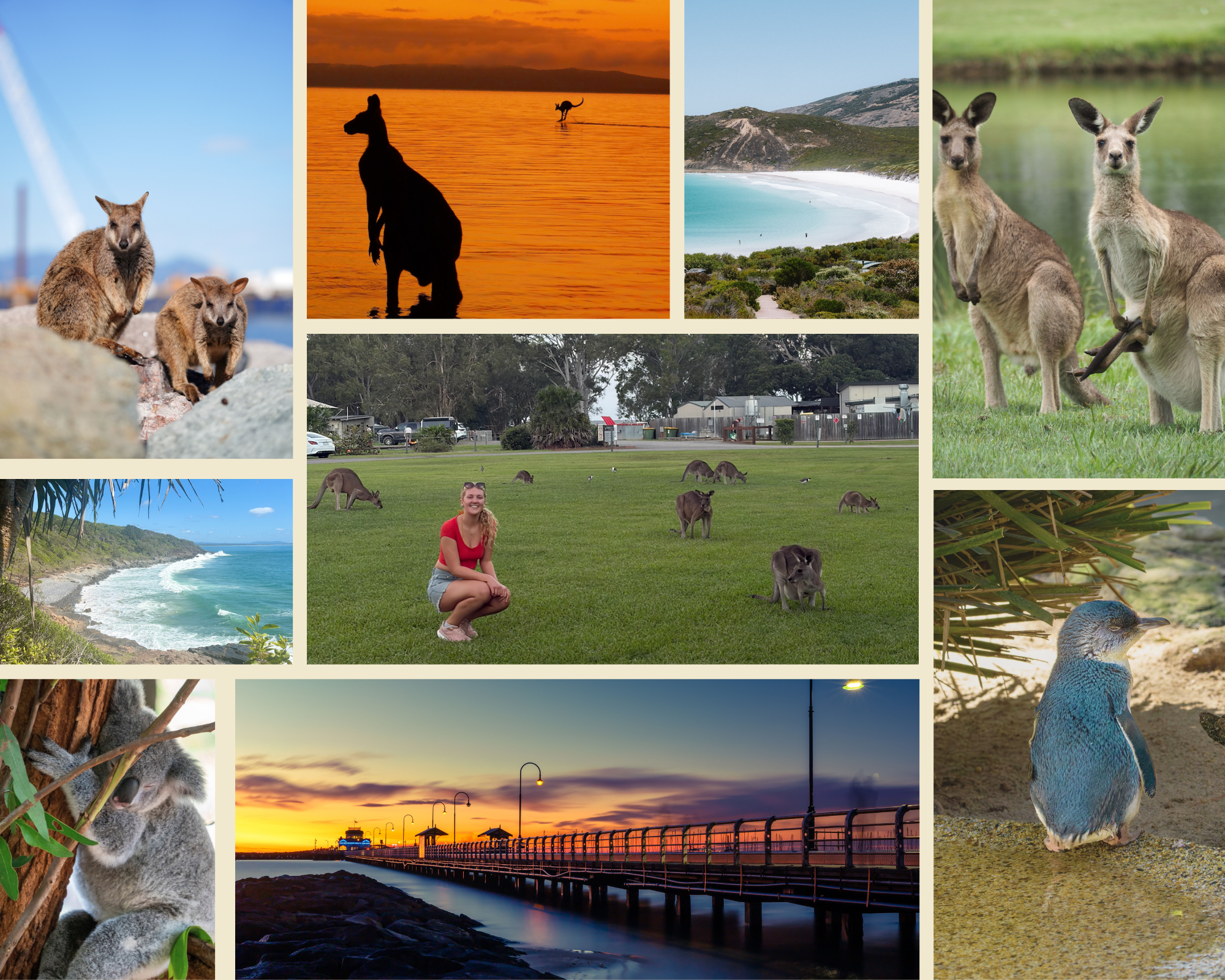
Australian wildlife. Grace Lagerholm, and Pexels.
It’s no secret that Australia is a bucket-list destination for wildlife lovers hoping to spot kangaroos and koalas, but knowing where to spot these beloved locals can feel like inaccessible insider knowledge for travelers visiting for the first time. On top of that, Australia has so much more wildlife than people tend to think. It’s not just dingoes and crocodiles in this beautiful country; Australia is also home to the world’s smallest species of penguin and the extremely adorable quokka, dubbed “the world’s happiest animal” for its trademark smiling face. After living in Sydney, Australia, for five months and traveling up and down the east coast, I can finally say that I know the best spots to find these five animals native to Australia through my own adventures and tips from friends and neighbors alike.
Kangaroos
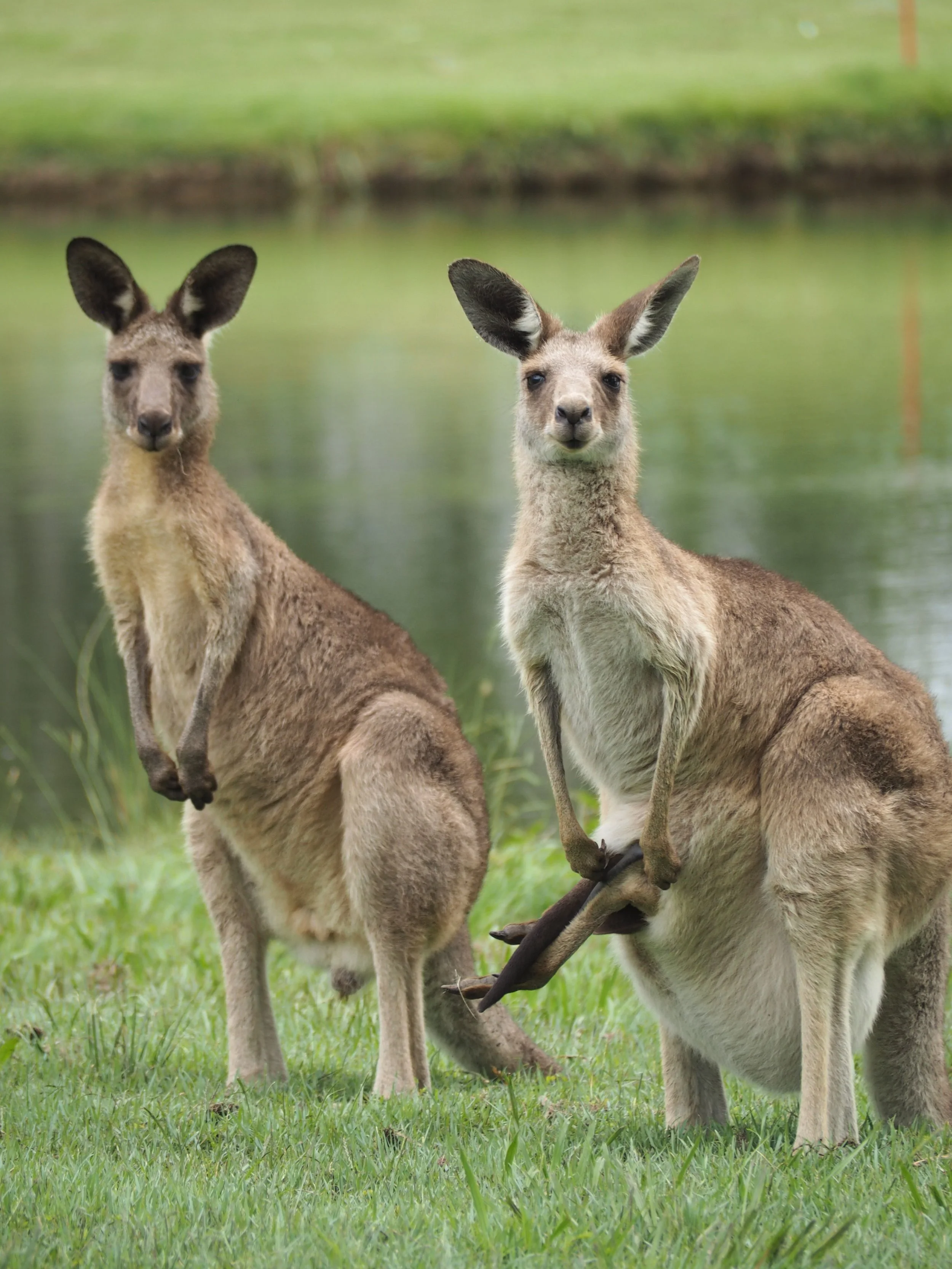
Kangaroos in Queensland, Australia. Lenka Kosova. Pexels.
Kangaroos are the largest members of the macropod family of marsupials native to Australia, New Guinea and nearby islands. Known for the pouches that baby kangaroos, or joeys, live in for up to 11 months, red kangaroos are the world’s largest marsupial and the largest animal to use hopping as a primary form of transport. There are four main species of Australia’s most iconic animal: the red kangaroo, the eastern grey kangaroo, the western grey kangaroo and the antilopine kangaroo.
Lucky Bay
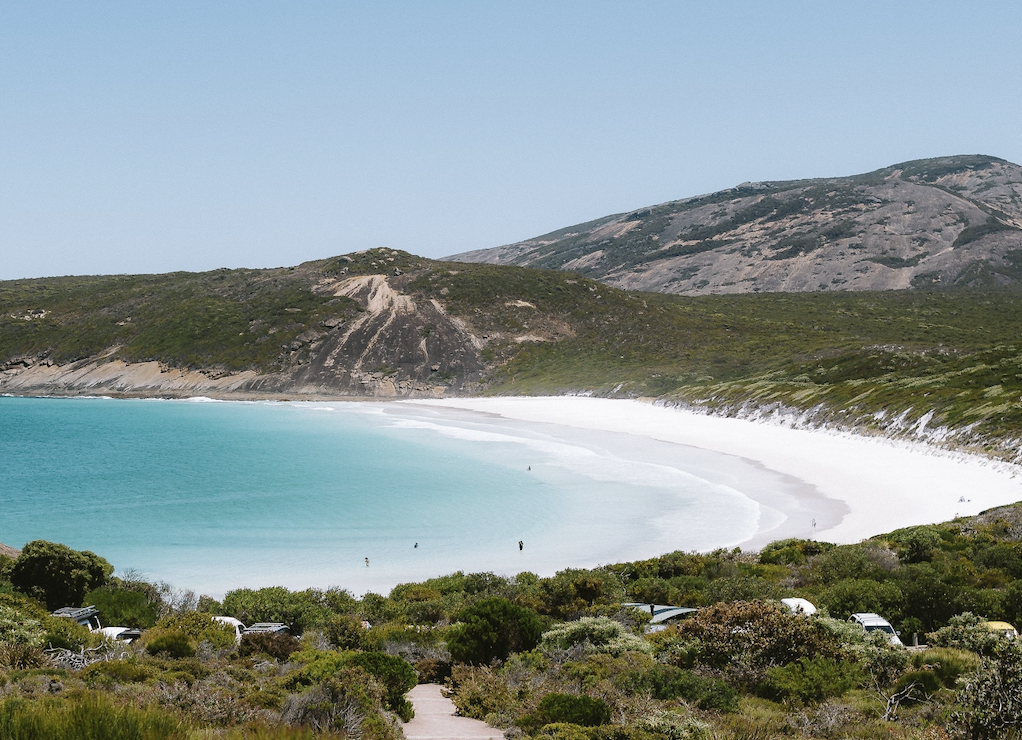
View of the beach in Esperance, WA. Line Knipst. Pexels.
Lucky Bay is known for its stunning white sands and turquoise waters, but it’s also home to a colony of western grey kangaroos. Hit the beach in the early morning or close to dusk when it’s cooler out to see them on the beach! Lucky Bay can be visited from the nearby town of Esperance, which sits on the southern coast of Western Australia. To get here, fly to Perth and connect to Esperance or take a road trip down the coast and break up the eight-hour drive with stops at other beautiful beaches.
Noosa Everglades
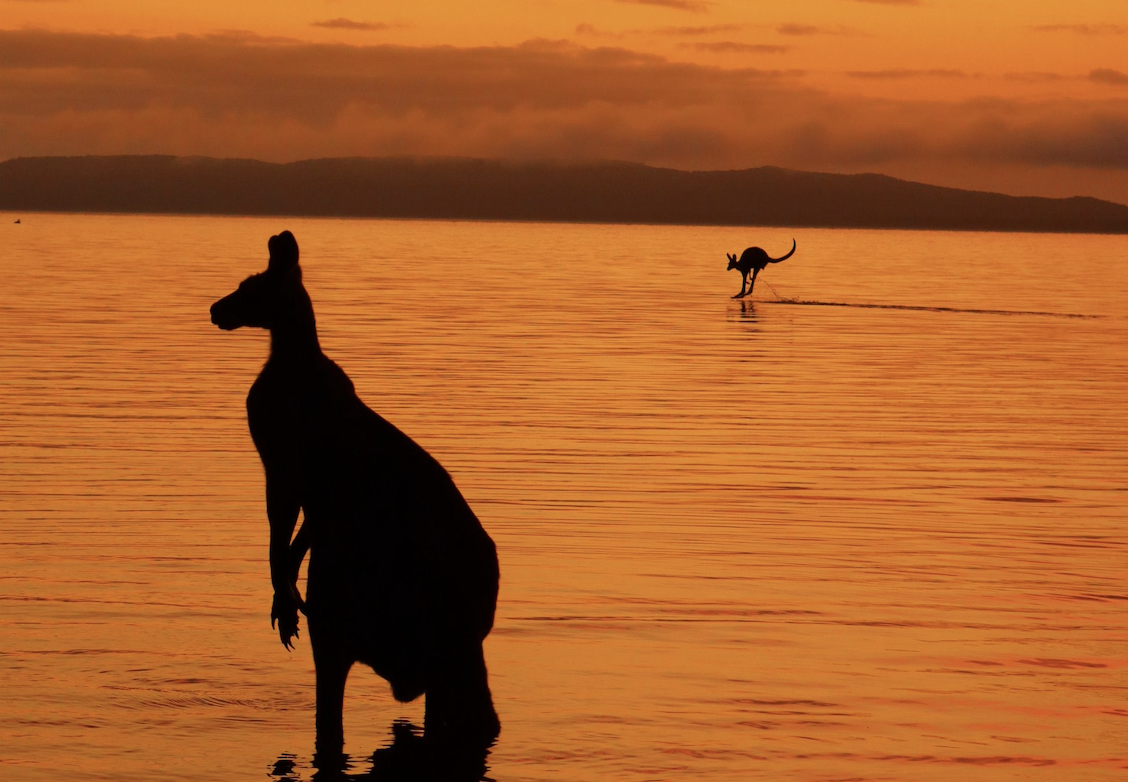
Kangaroos in the Noosa Everglades. Juliana Mora Rangel. Pexels.
Outside the beautiful seaside town of Noosa in southern Queensland is often described as one of the world’s only two everglades systems. The Noosa Everglades are both a wonderful ecotourism escape and a prime spot to see eastern grey kangaroos. Stay the night at Kangarooms, which offers campsite and hostel-style accommodation, to see the kangaroos hop in the surrounding fields and right through the camp itself; they’re not shy! Most importantly, wake up before dawn and head to the beach of Lake Cootharaba at the campsite, where kangaroos hop through the water in front of a beautiful orange sunrise most mornings.
Cape Hillsborough
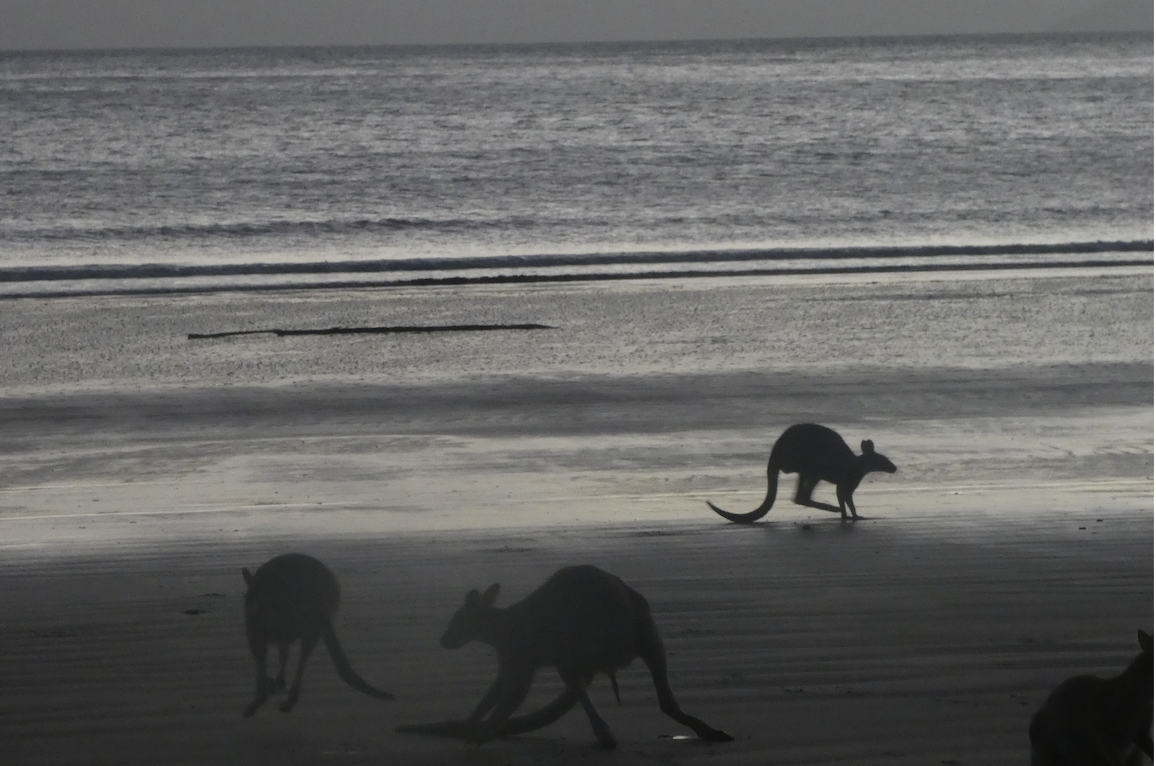
Kangaroos on Casuarina Beach, Queensland. Grace Lagerholm.
Visit Casuarina Beach in Cape Hillsborough, which is between Airlie Beach and Mackay in Queensland, to see kangaroos and wallabies forage on the sands at sunrise. This spot is part of Cape Hillsborough National Park, and park rangers come out to the beach at sunrise to share information about the animals with visitors at dawn.
Batemans Bay

Kangaroos on the beach in Batemans Bay, NSW. Frank Schrader. Pexels.
About two hours east of Australia’s capital, Canberra, are Batemans Bay and its surrounding beaches. The area is famous for its mobs of kangaroos, which can usually be found on the sand or grazing in the grassy areas near Pebbly Beach and Depot Beach. Always visit at dawn or dusk for the best chance at seeing active kangaroos.
Koalas
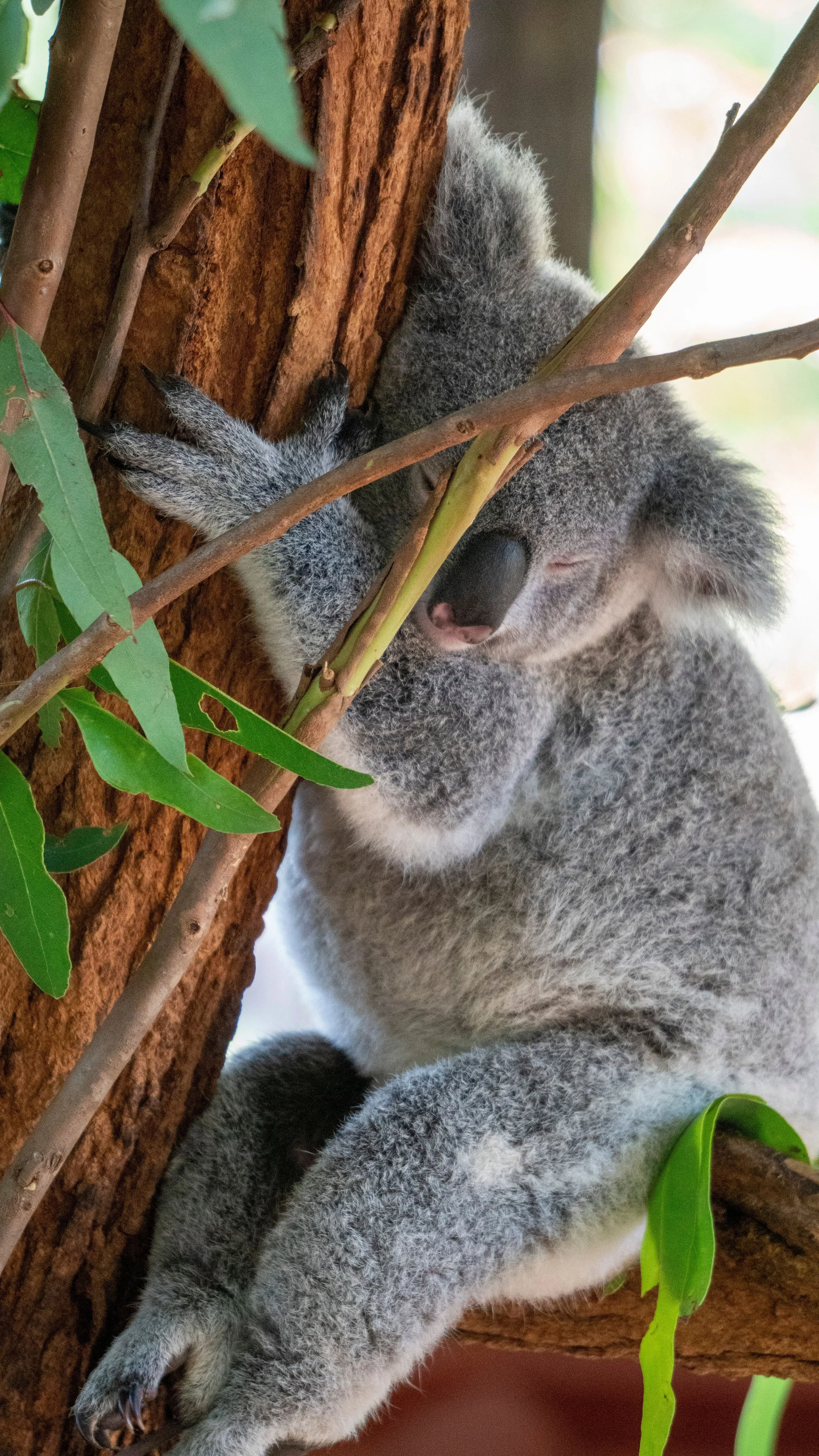
Koala resting in a tree. Jake Heinemann. Pexels.
Koalas are marsupials native only to Australia that are known for living in eucalyptus trees. Koalas eat around two pounds of eucalyptus each day, which is low in nutrients and contains toxins. To process these toxins, koalas sleep for 18 hours every day and have a special organ called a caecum made to ferment toxic oils and digest eucalyptus.
Magnetic Island
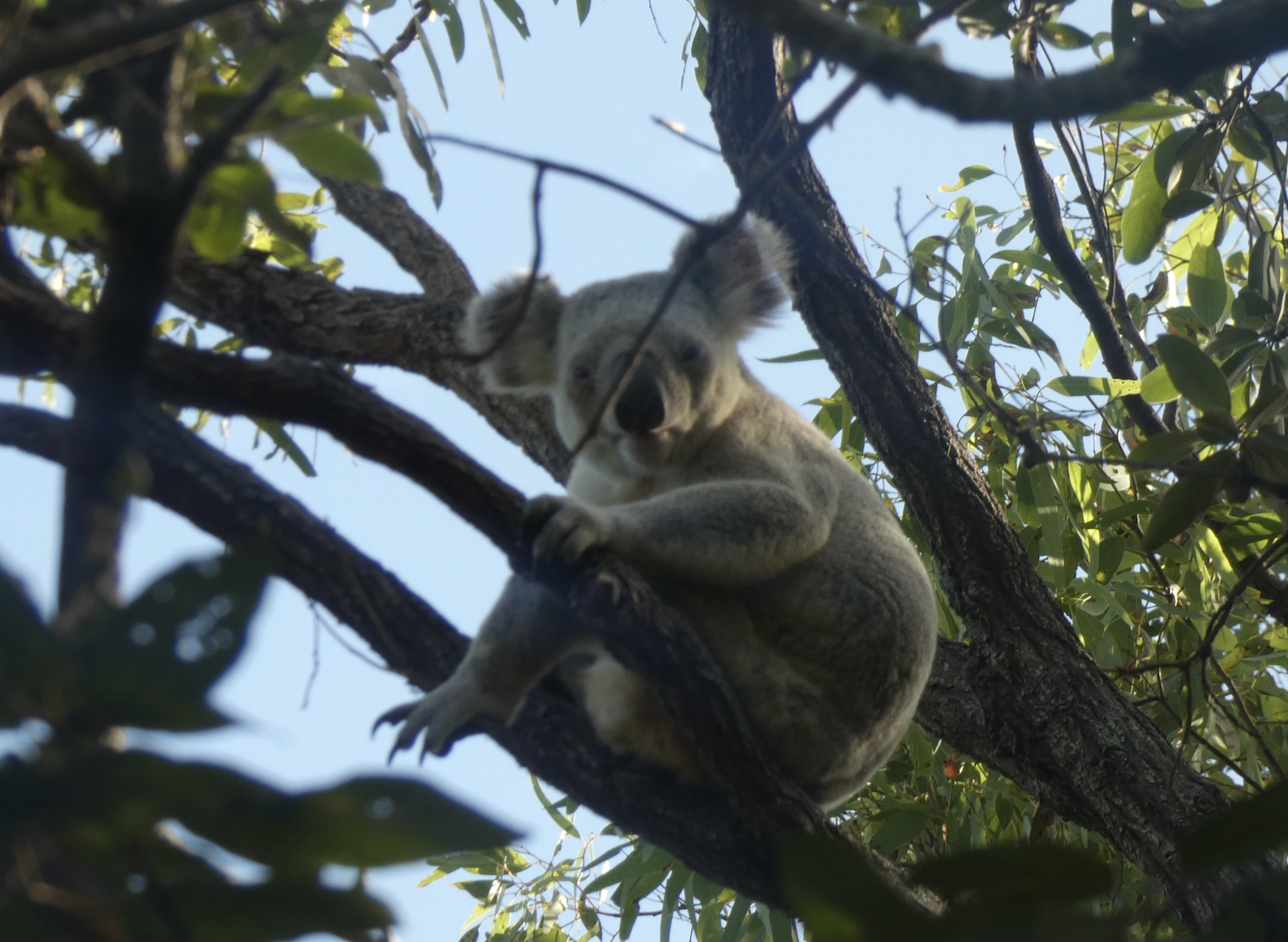
Koala in a tree on Magnetic Island, Queensland. Grace Lagerholm.
Magnetic Island is a short ferry ride away from Townsville in northern Queensland and is a wildlife lover’s dream destination. The island has one of the largest wild koala populations in Australia, and they’re frequently spotted along the Forts Walking Track. Hike the route in the cooler hours of the day and look high up in the eucalyptus trees that surround the path while you walk. Look out for arrows made from sticks and rocks on the path too because hikers often make them to show you where they’ve spotted one. If you have time, hike and look out for koalas on the trail to Endeavour Falls too.
Kennett River
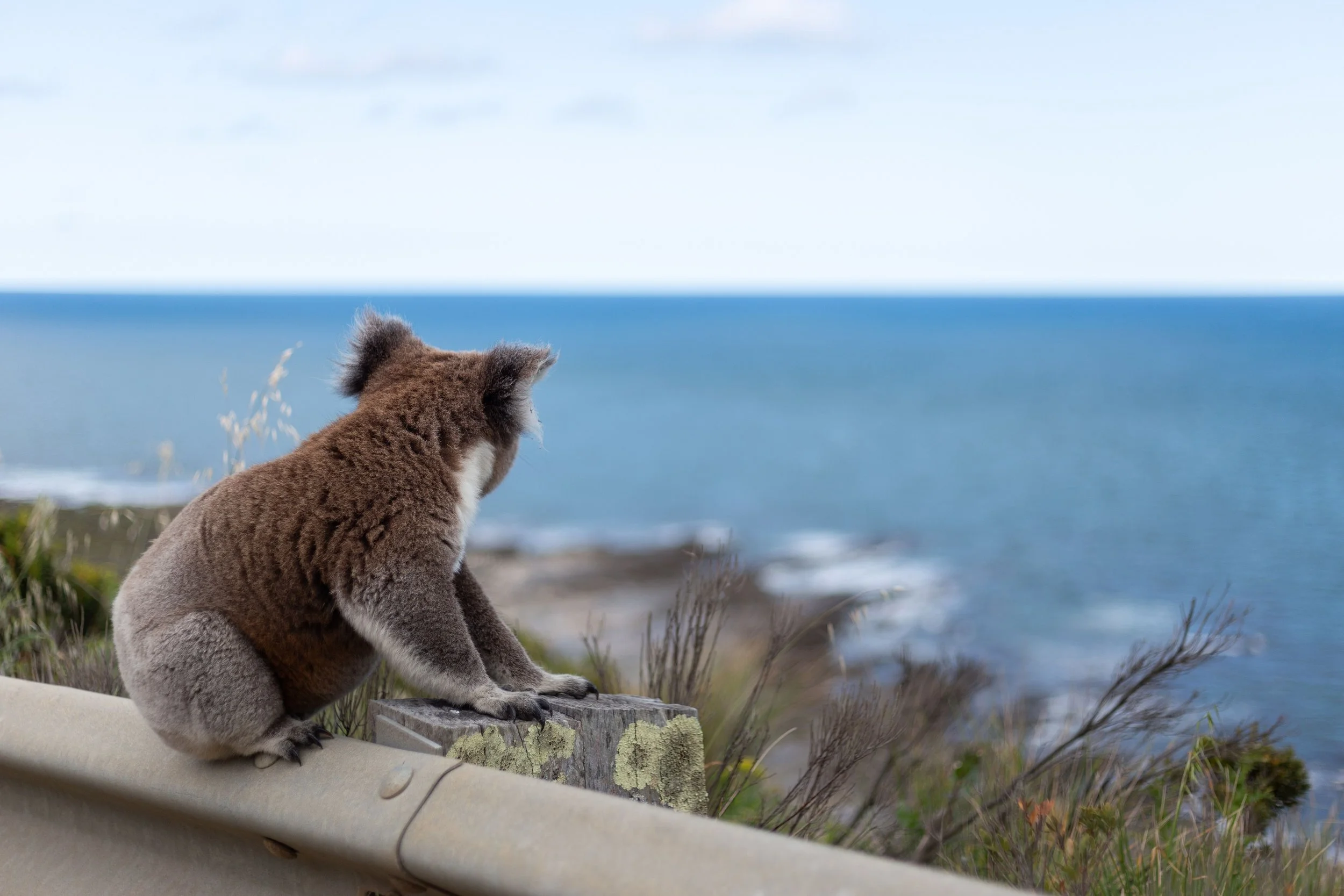
Koala along Great Ocean Road in Victoria. Isaak Cole. Pexels.
The Great Ocean Road is a stretch of road west of Melbourne, Victoria, famous for its stunning coastline views and active wildlife. Stop along the way in Kennett River to see the area’s colony of koalas. They live in the eucalyptus trees around Grey River Road, which you can walk up or drive to get a bit further in and pass the crowds. As always, go early in the morning or late in the afternoon to see the most active koalas and look high up in the branches.
Noosa
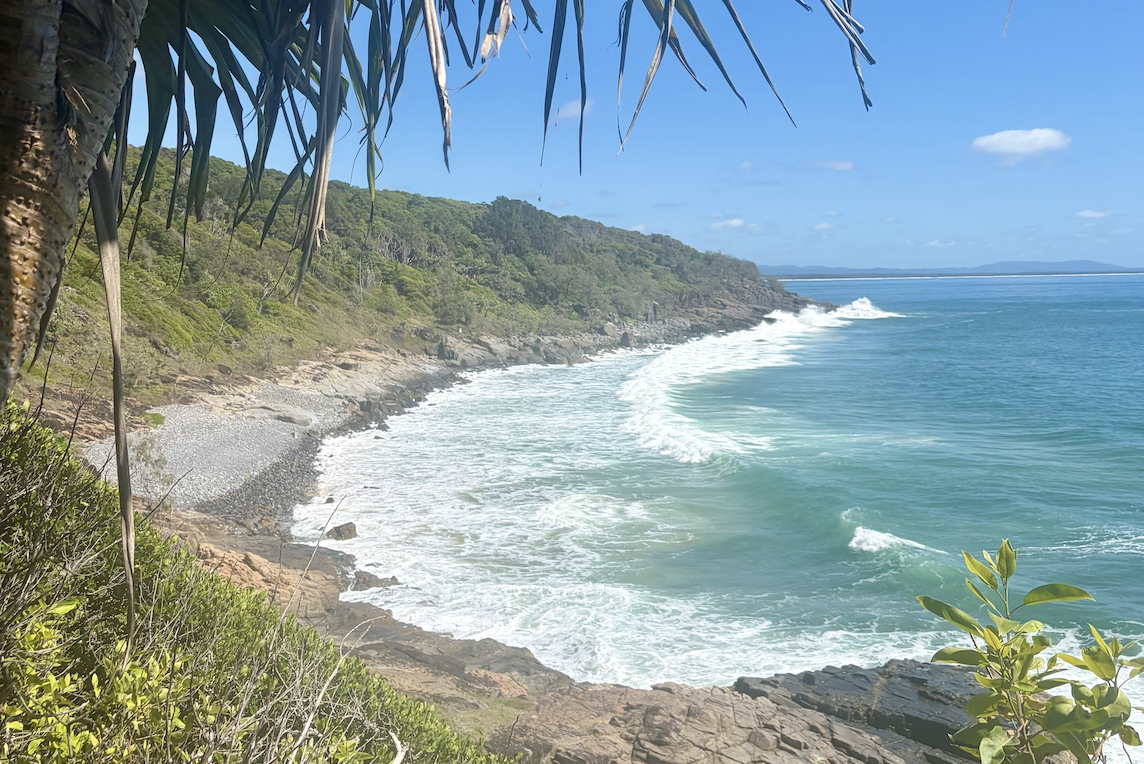
View of Noosa National Park, Queensland. Grace Lagerholm.
Noosa is a charming surf town two hours north of Brisbane in Queensland, and Noosa National Park has some of the most stunning views on the east coast of Australia. Take the Noosa Coastal Walk, which begins right next to Noosa Heads Beach, and look out for koalas in the trees lining the path once you get to Tea Tree Bay Beach.
Wallabies
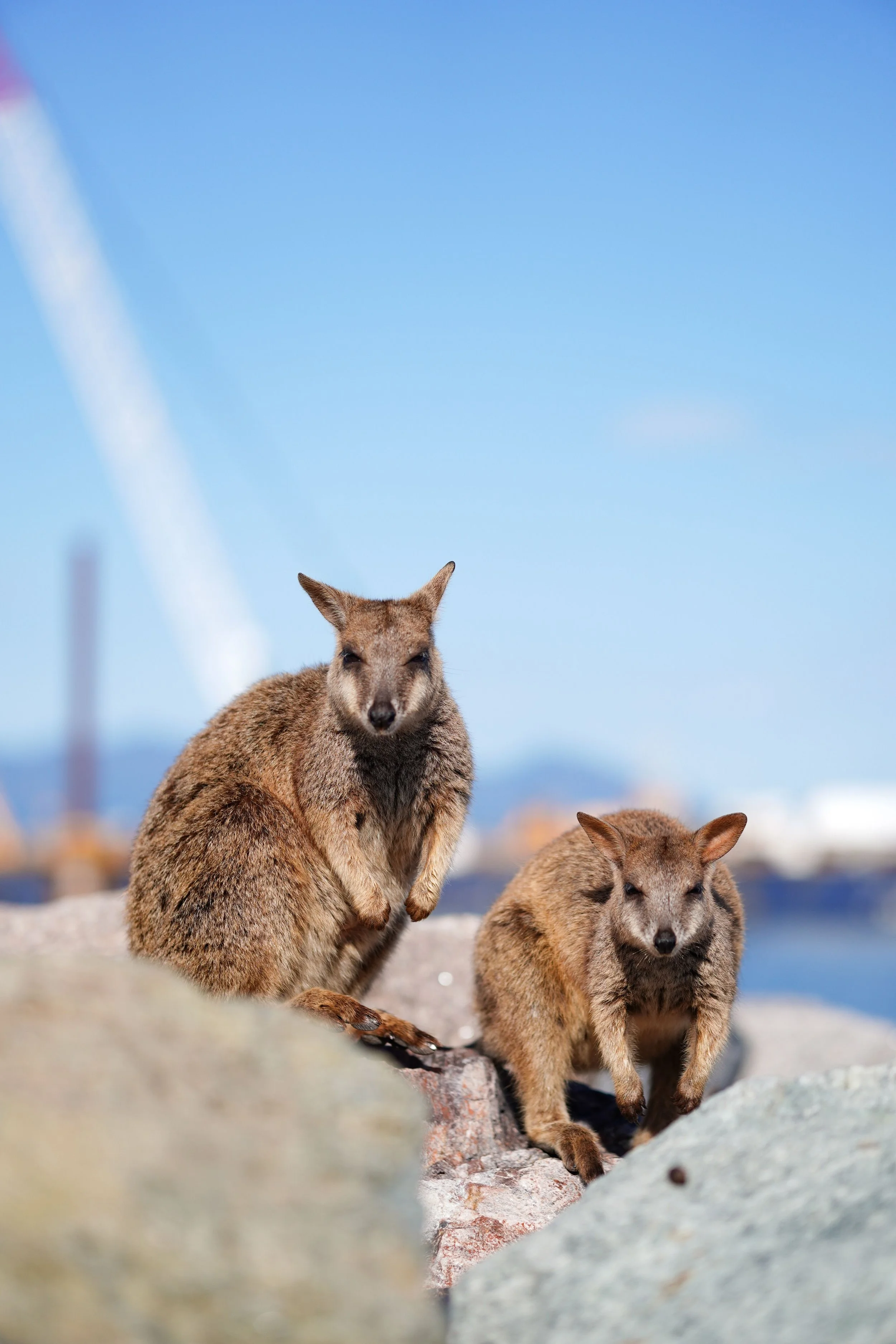
Wallabies on a rock. Paul Pulimoottil. Pexels.
Wallabies are smaller relatives of kangaroos, and over 30 different species are differentiated and grouped by the various habitats they live in across Australia. Agile wallabies are one of the most common species and live in the same grassy habitats as kangaroos, while rock wallabies, a group of smaller species that are my personal favorite, are much more likely to be found in rocky gorges along the coastline. Rock wallabies use their amazing ability to scale near-vertical rock faces and jump up to 13 feet from rock to rock to live in this habitat.
Magnetic Island

Wallaby eating on a boulder on Magnetic Island, Queensland. Grace Lagerholm.
You have a high chance of seeing wallabies in spots like Cape Hillsborough and the Noosa Everglades, but if you’re looking for an unforgettable experience specific to wallabies, head to Magnetic Island. The beautiful island in northern Queensland is home to two colonies of rock wallabies. The more well-known colony lives in the boulders at the end of the Geoffrey Bay Snorkel Trail, which can be reached by car, and is very active at dawn and dusk. Make sure to also visit the second, and very friendly, colony that lives in the rocks east of the Nelly Bay Ferry Terminal, right where you’ll arrive on the island!
Penguins
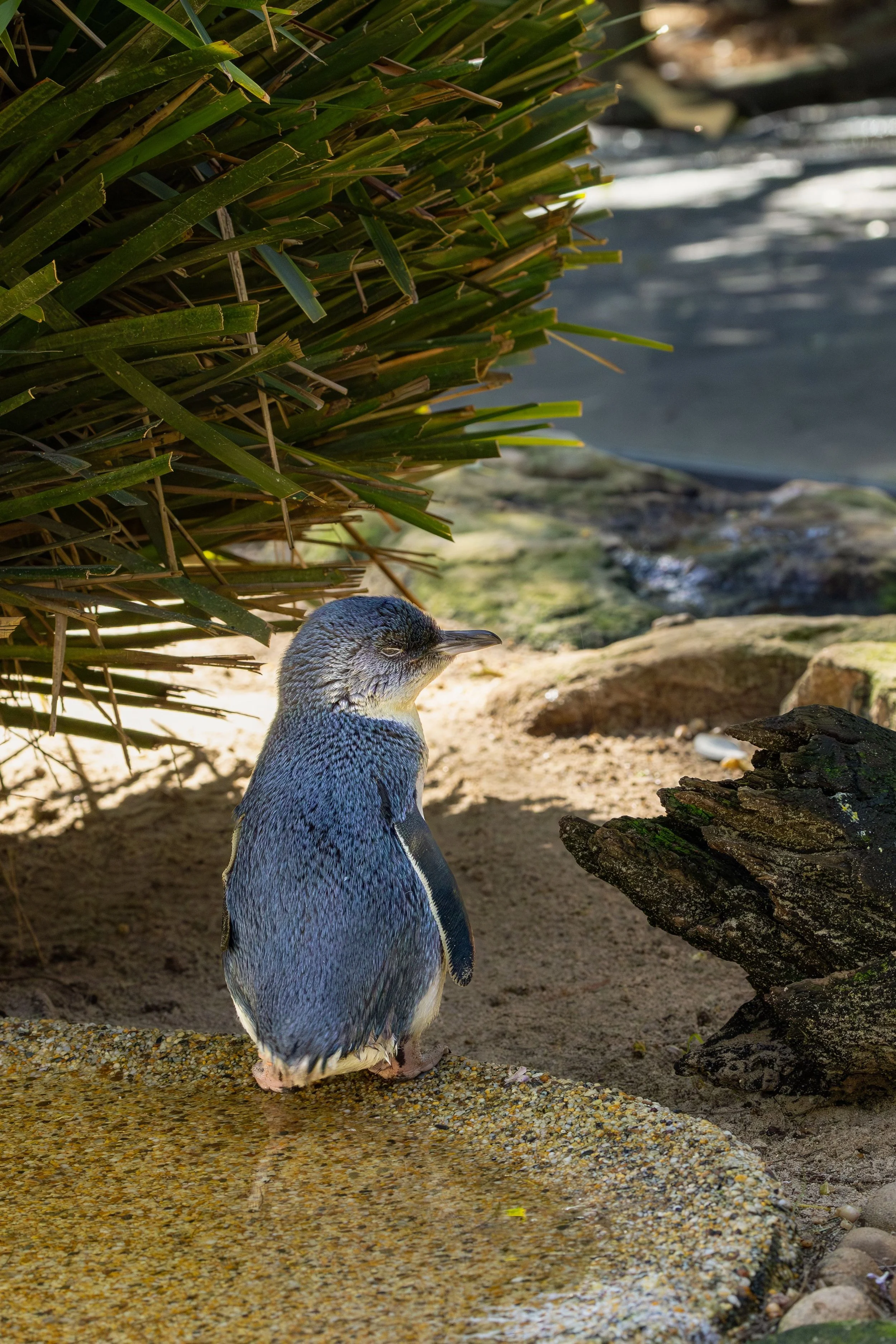
Little penguin in NSW, Australia. Stuart Robinson. Pexels.
Little penguins, also known as fairy penguins or blue penguins, are the world’s smallest species of penguin and are native to Australia and New Zealand. They’re known for being the only species of penguins in the world to have blue plumage, which camouflages them from predators while swimming. Little penguins stand at only one foot tall and spend most of their time out at sea, coming back to land only at night.
Phillip Island
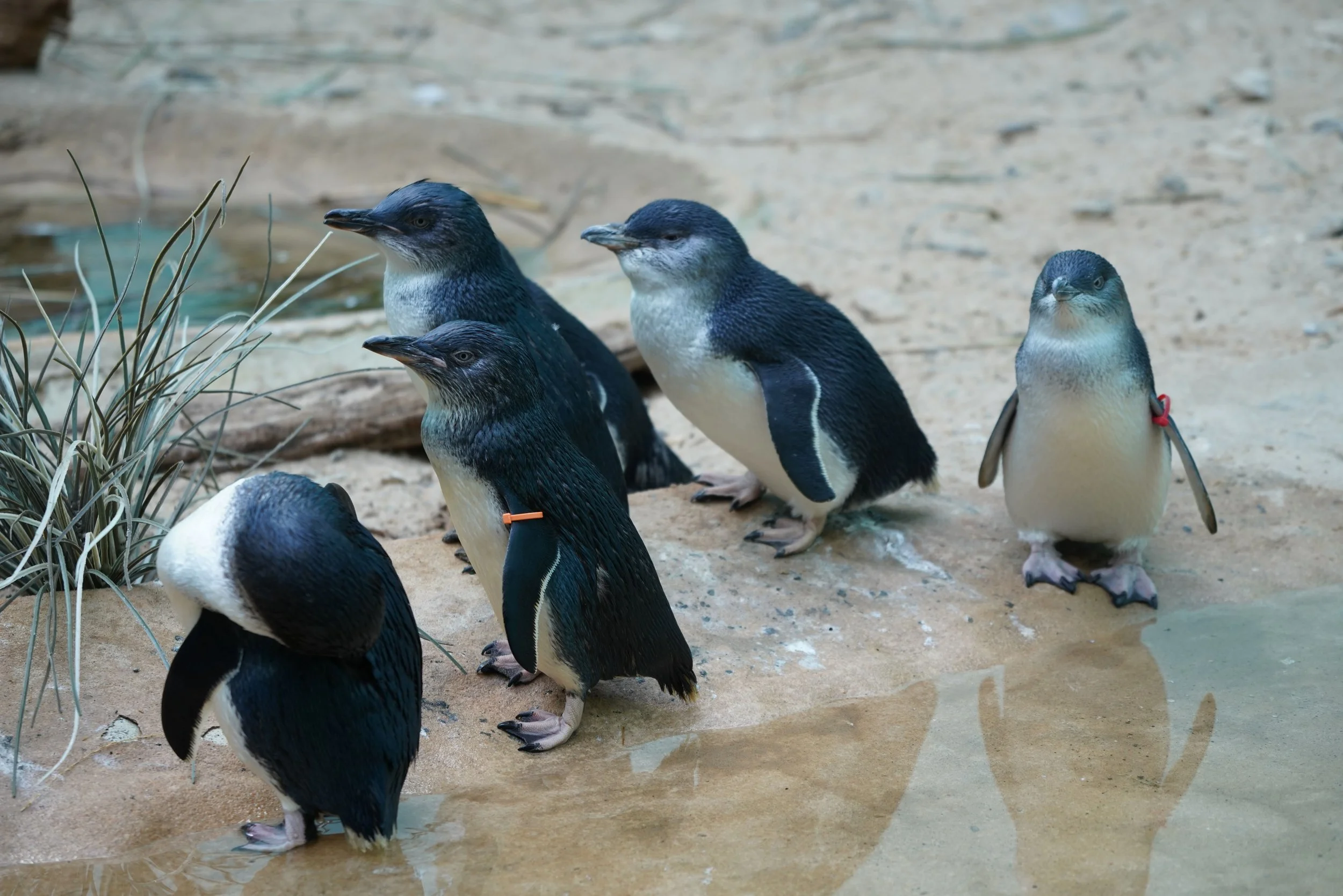
Group of little penguins on sand. Enchanted Earth. Pexels.
Phillip Island is home to the largest colony of little penguins in the world and is just 90 minutes from Melbourne. Little penguins make their way onto the shore each night after sunset in what has come to be known as the “Penguin Parade.” While the penguins are wild, they live in the protected habitat managed by Phillip Island Nature Parks, where travelers can buy tickets to view the Penguin Parade.
St Kilda
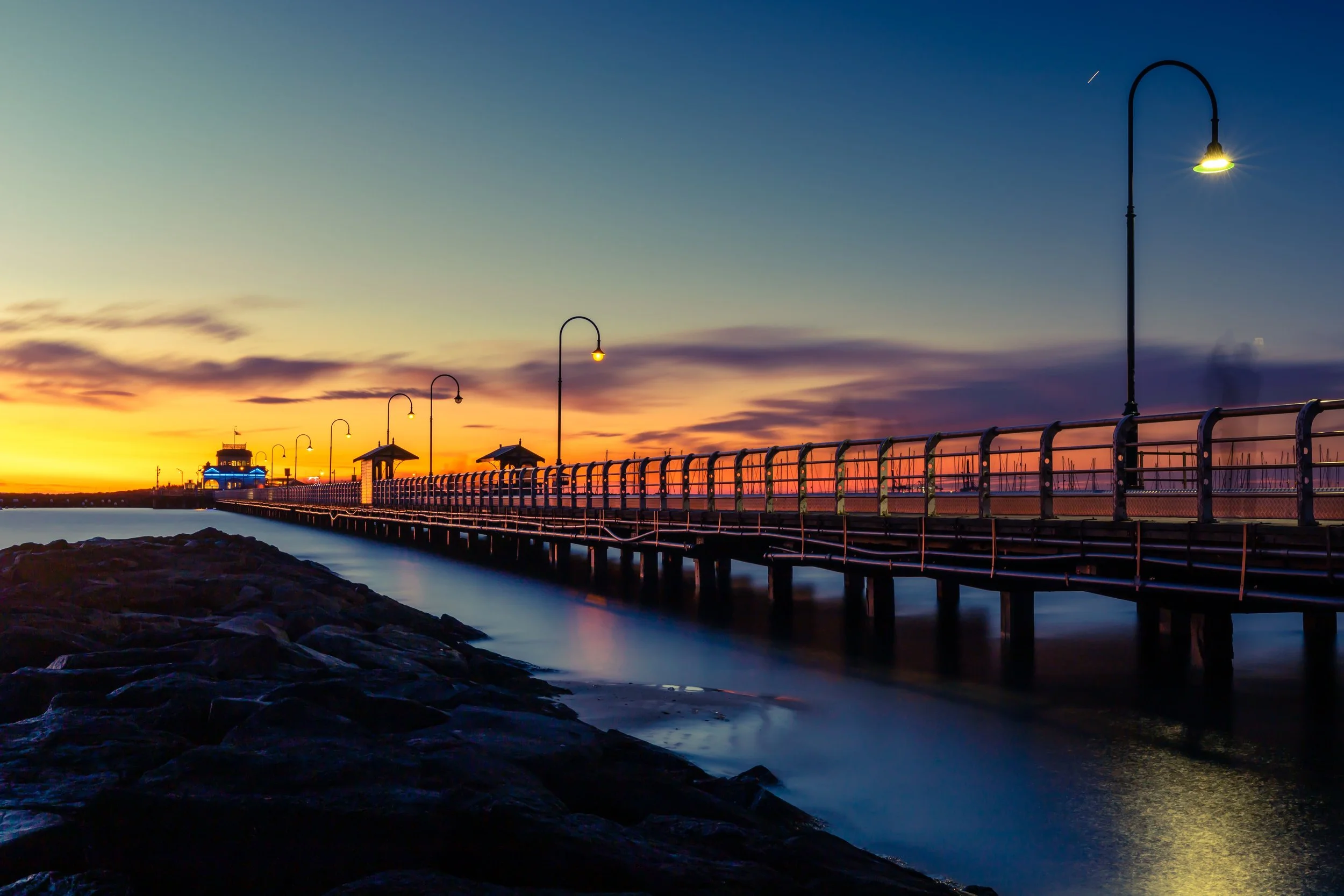
St Kilda Pier in Melbourne, Victoria. Mitchell Luo. Pexels.
Greater Melbourne is home to another colony of little penguins in St Kilda, a neighborhood in the south of Melbourne, which is just a short tram ride from the city center. The penguins live in the rocks at the end of St Kilda Pier and return to their burrows each night after dusk. The penguins can be viewed from a dedicated platform during free, ticketed evening sessions. Tickets can be reserved for free on the website and are released each week on Tuesday at 10 a.m. AEST.
Quokkas
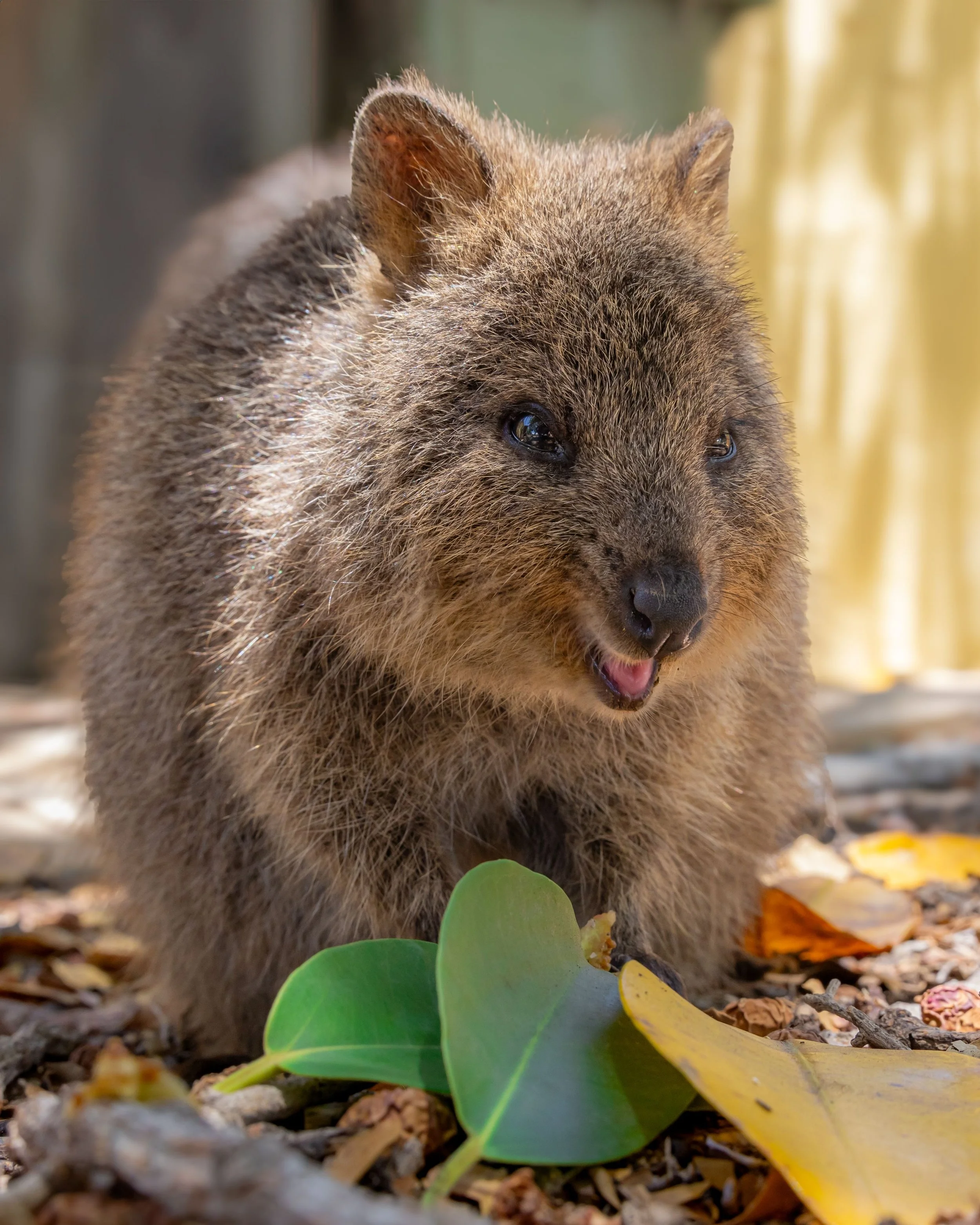
Smiling quokka. Sergey Guk. Pexels.
Quokkas are one of the smallest members of the macropod family of marsupials and are native only to a small region of southwestern Australia. While introduced predators such as foxes have made it hard for quokkas to live on mainland Australia, quokka populations thrive on offshore islands such as Rottnest Island, where over 10,000 quokkas live. Quokkas are famous for their face shape that makes it look like they’re always smiling and are known as “the world’s happiest animal.”
Rottnest Island
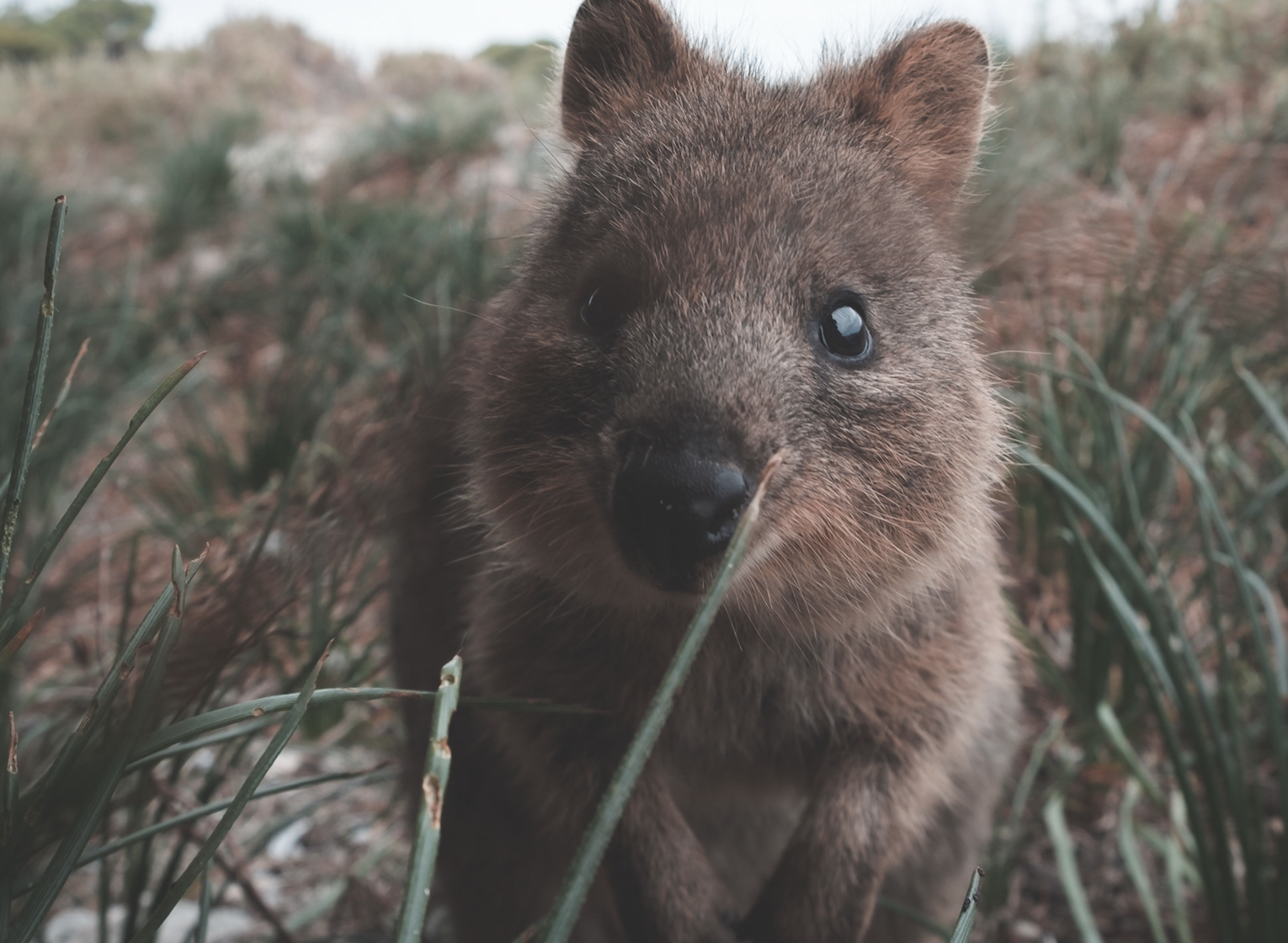
Quokka standing in grasses. Lachlan Ross. CC0
Rottnest Island is a picturesque seaside escape only a 45-minute ferry ride from Perth in Western Australia. The island is also home to the largest colony of wild quokkas in the world. These adorable locals are easy to spot all over the island, but they especially like the areas around the main Thomson Bay Settlement and Garden Lake.
My Experience
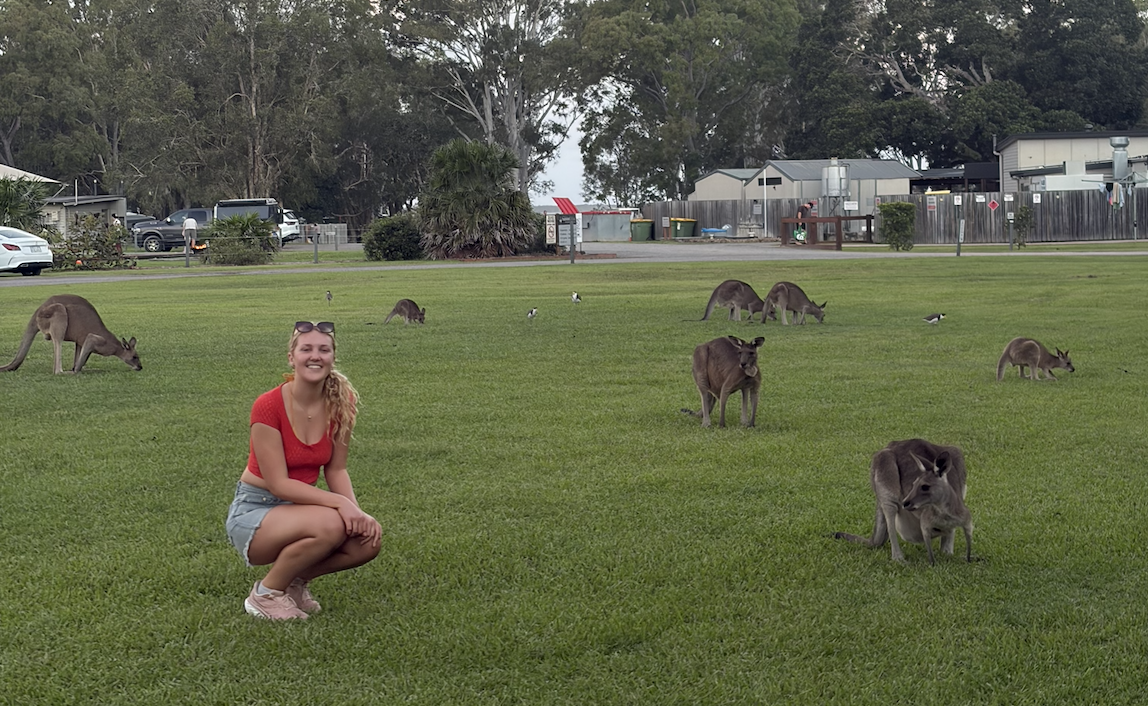
Camping with kangaroos in the Noosa Everglades. Courtesy of Grace Lagerholm.
From January through June 2026, I studied at the University of Sydney and spent long weekends and breaks from school traveling along Australia’s east coast from the northernmost areas of Queensland to the southern tip of Victoria. Seeing Australia’s wonderful and unique animals in the wild was truly one of the highlights of my entire time living there, and I hope these tips and tricks both inspire you to visit this beautiful part of the world and help you as you navigate your own Australian adventure.
Experience the Best of Australia’s East Coast
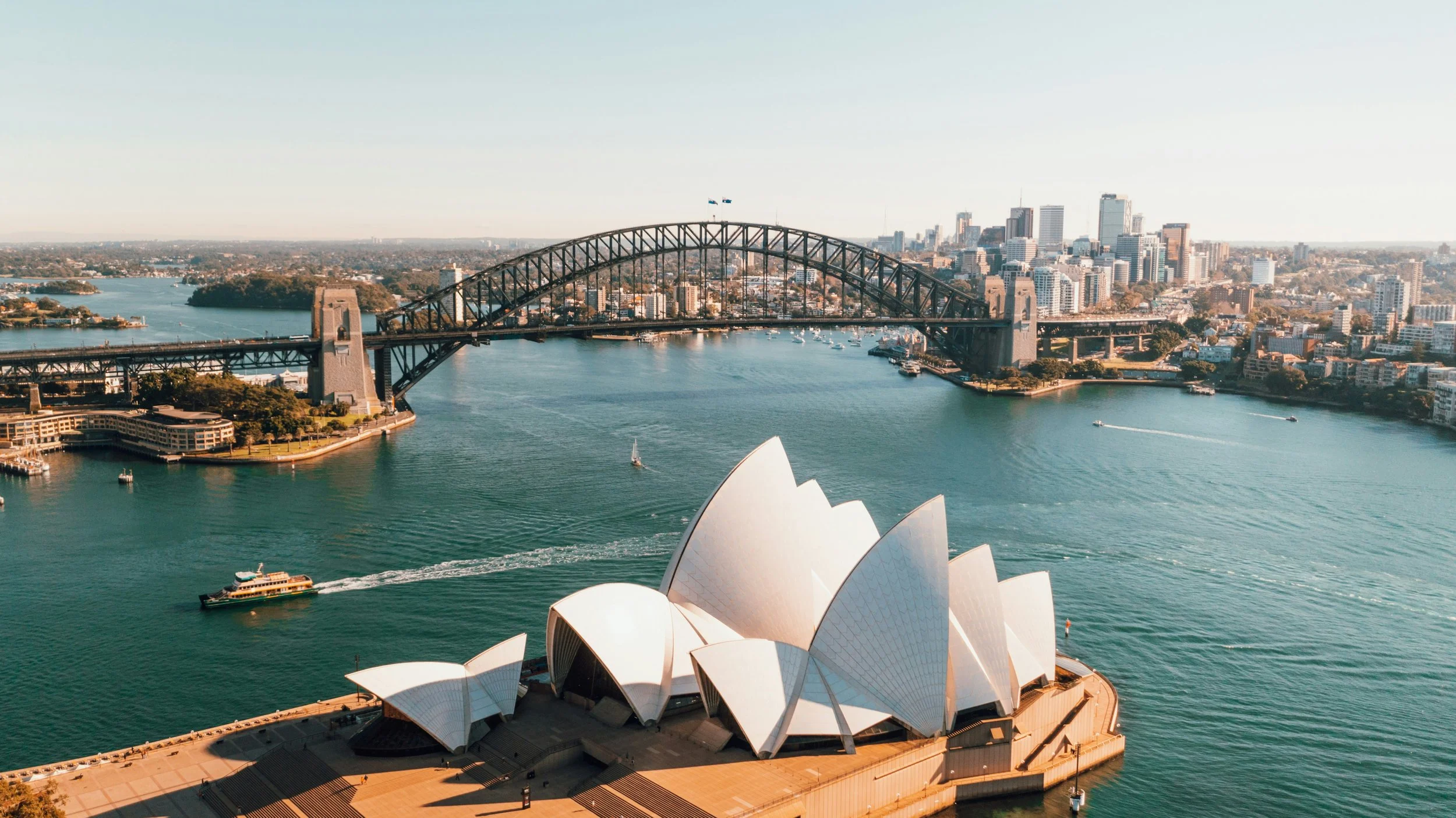
Sydney Harbor from above. Caleb. Unsplash
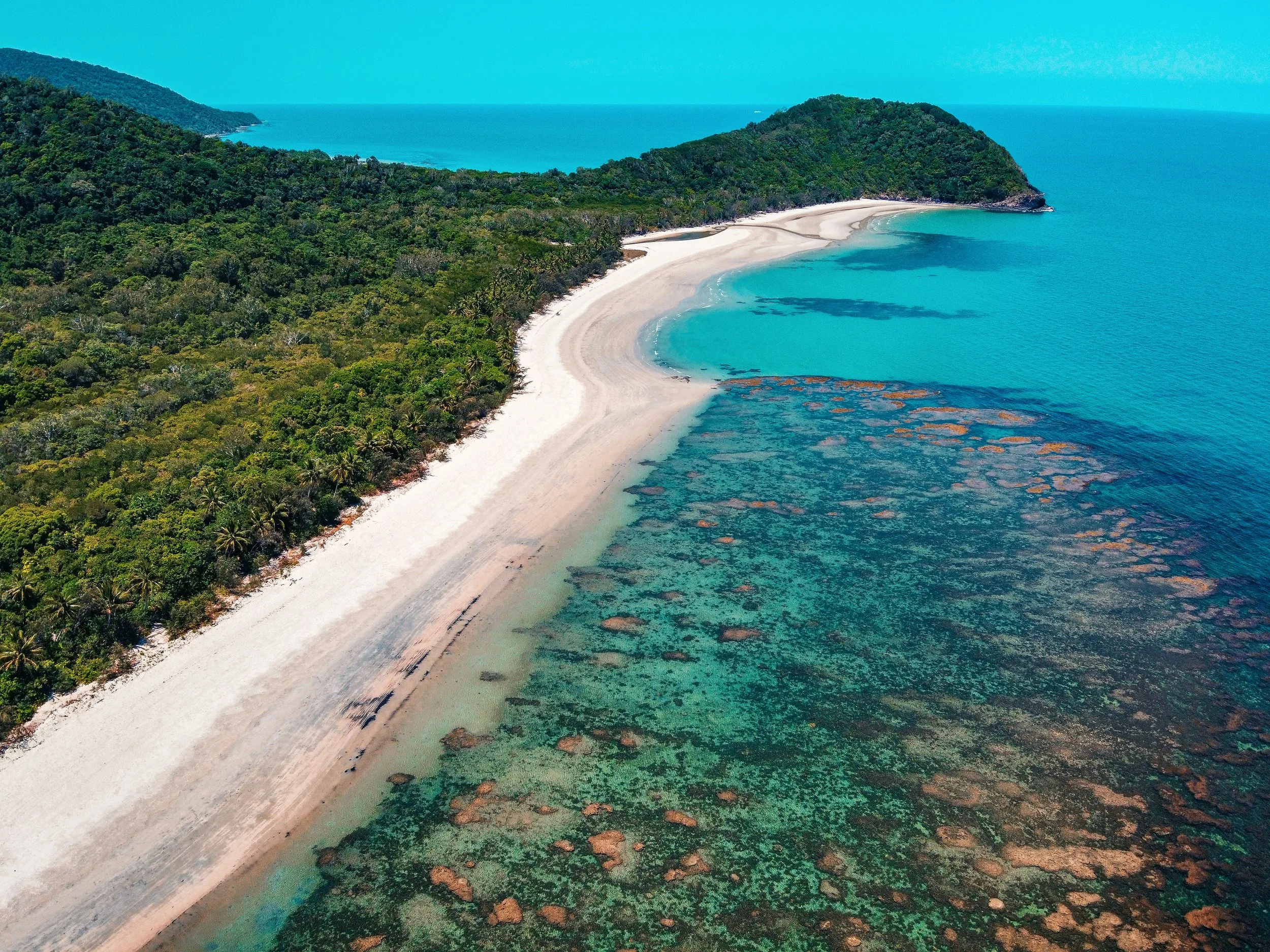
Daintree Rainforest. Manny Moreno. Unsplash
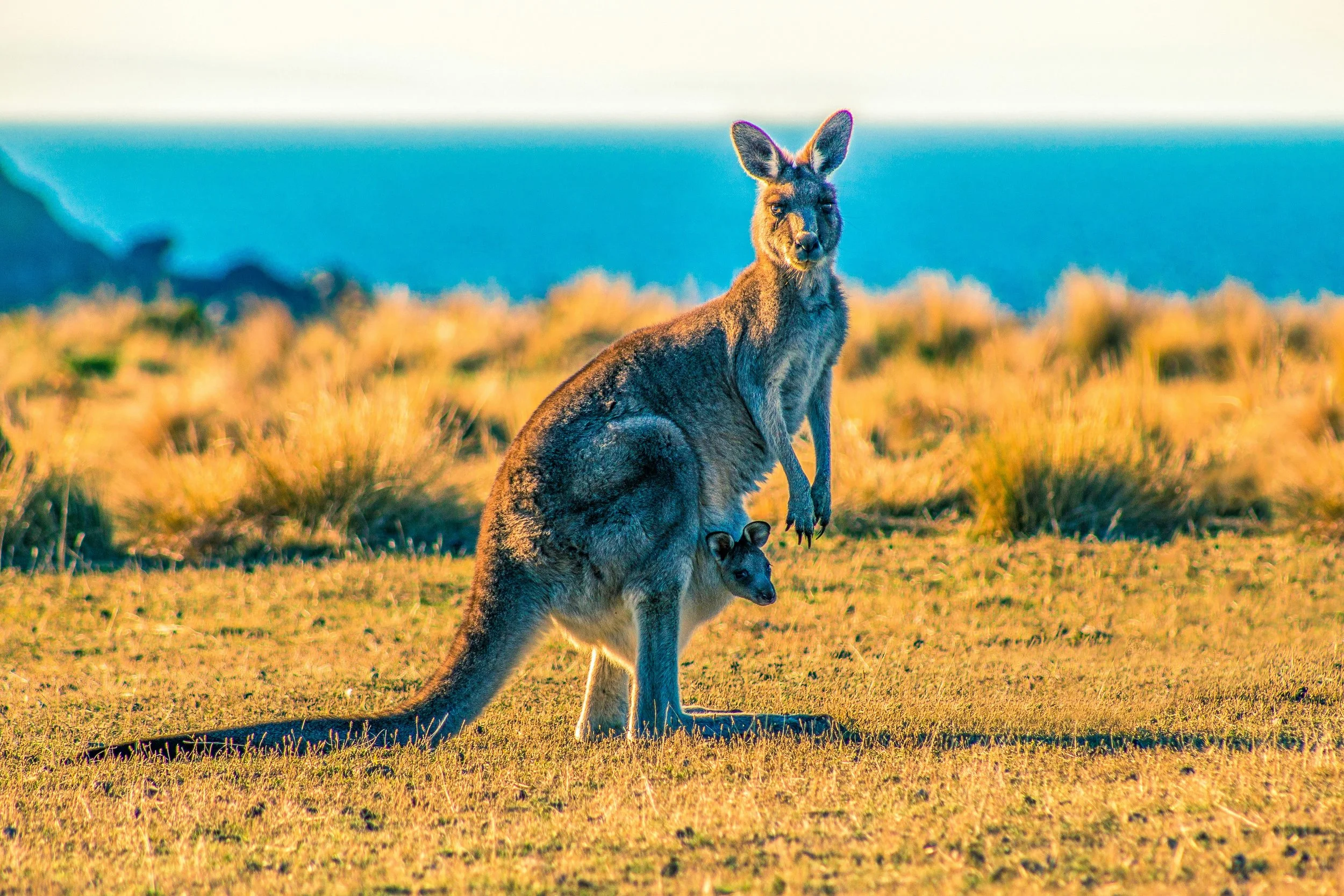
Mother kangaroo with a joey. Ondrej Machart. Unsplash
Travel across Australia’s East Coast from the Daintree Rainforest to Sydney. Stop along some of the country’s most iconic beaches, participate in a Dreamtime Walk with Indigenous Australians, and spot wild koalas and kangaroos in National Parks and beaches.
Ready to book your trip? Learn more at
https://www.catalystplanet.com/trip-finder/the-best-of-australias-coast
Grace Lagerholm
Grace is a junior at the University of North Carolina at Chapel Hill, where she is studying Creative Writing, Journalism, and Music. She is an avid traveler and loves to write about her experiences around the world. In her free time, Grace can be found writing songs, running, and going to the beach.