
By Charles Costal
UNESCO unveiled 25 new World Heritage Sites in late July 2026, bringing global attention to lesser-known ecosystems and raising questions about the ethics of tourism.
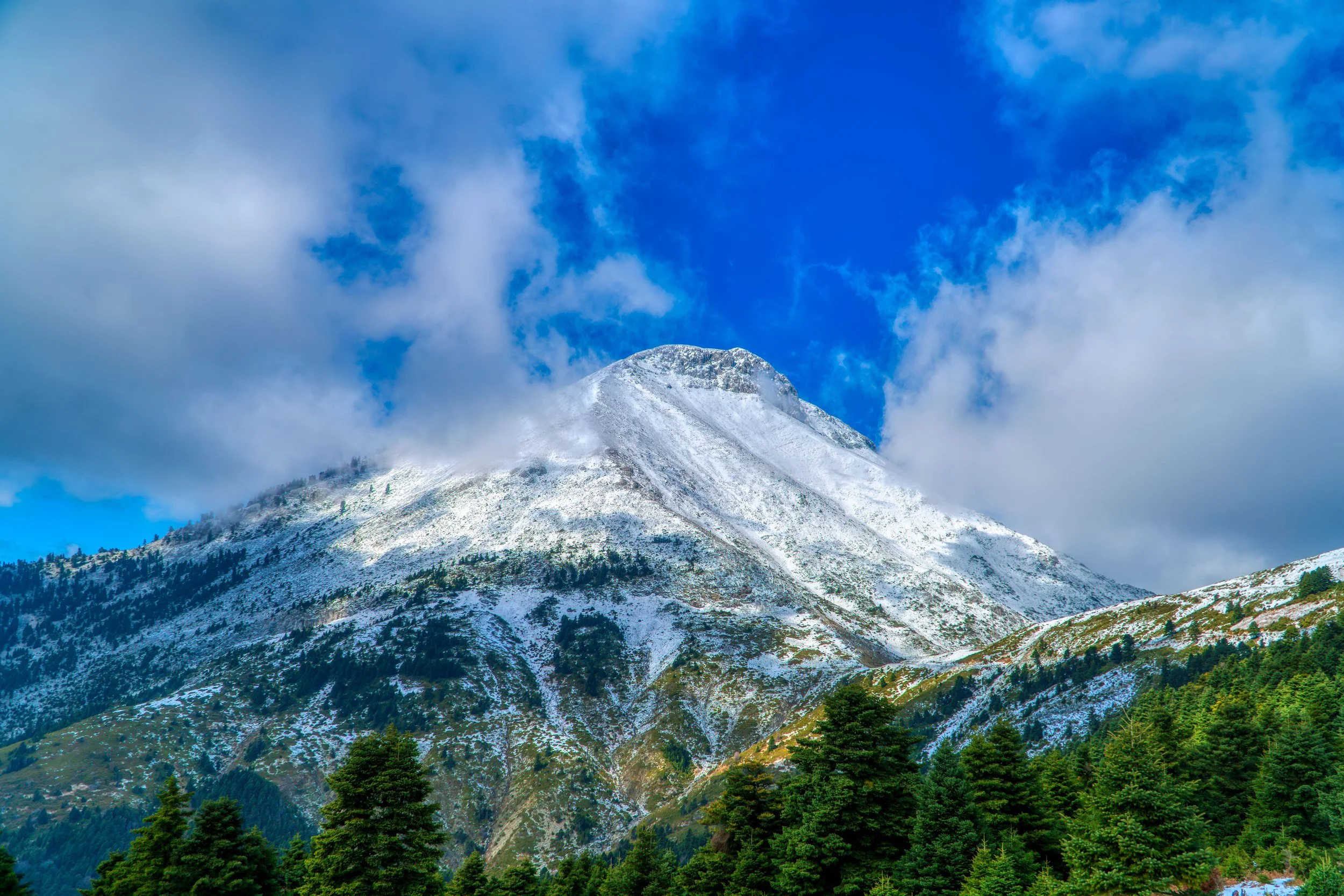
Mount Olympus. Alex Ravvas. Pexels.
Across the Okefenokee Swamp in the American Southeast, dark waterways wind between cypress trees draped in Spanish moss. Thousands of miles away, coral reefs fill the waters off Jordan’s coast while millions of antelope migrate across the grasslands of South Sudan. These places have little in common geographically, but they now share one distinction: UNESCO World Heritage status.
By July 29, UNESCO had added 25 properties to the World Heritage List. Among them were five natural sites and one mixed natural and cultural site, including the Okefenokee National Wildlife Refuge, Jordan’s Aqaba Marine Reserve, South Sudan’s Boma-Badingilo Migratory Landscape and Greece’s Mount Olympus region.
World Heritage recognition can increase conservation funding and international attention. However, it can also place fragile landscapes on millions of travelers’ bucket lists. The challenge is making sure increased interest protects these places rather than placing new pressure on them.
What Happens When a Swamp Becomes World Heritage?
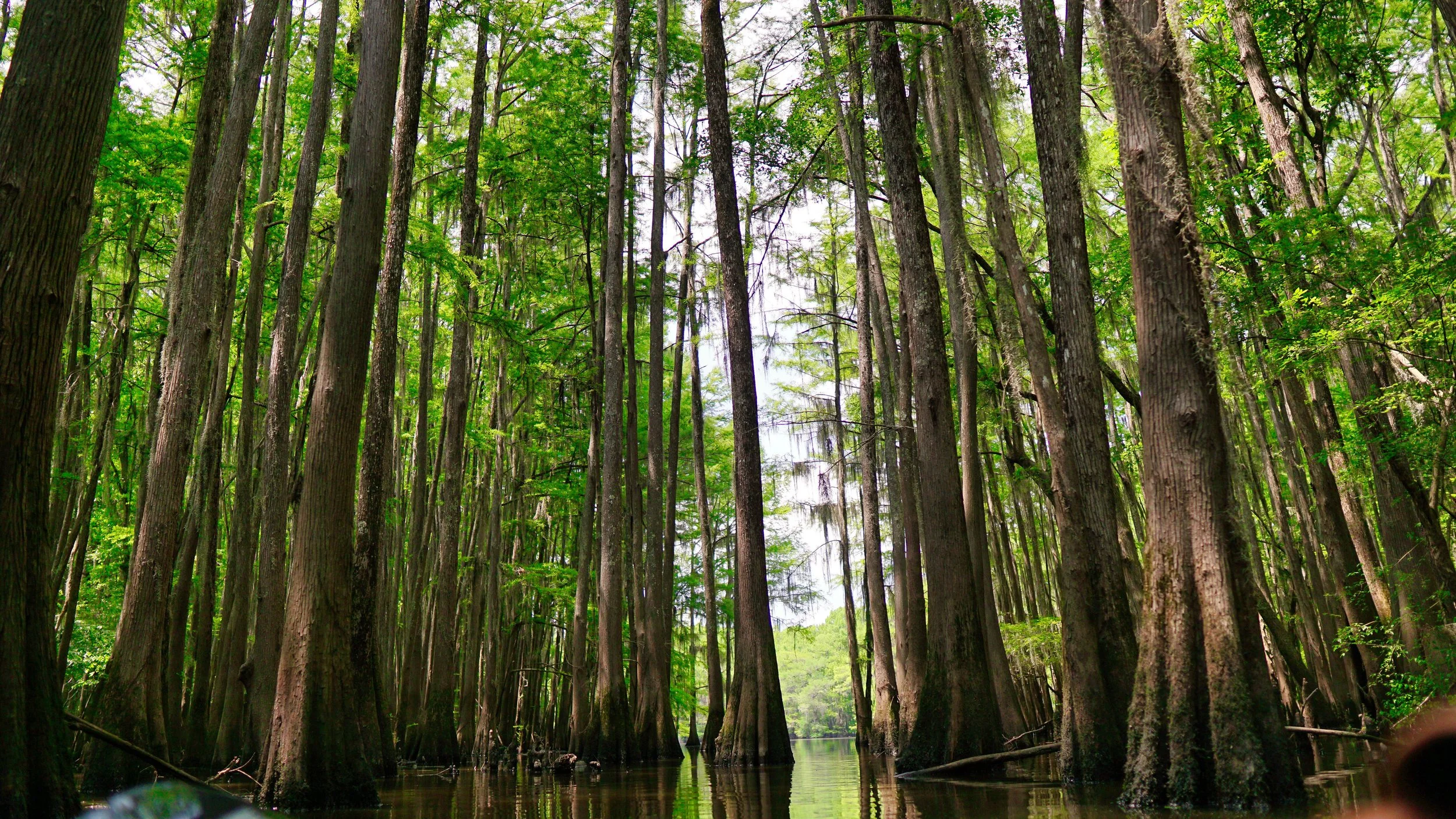
Okefenokee Swamp. Bearded Texan Travels. Pexels.
Stretching across southeastern Georgia and northern Florida, the Okefenokee protects one of North America’s largest wetlands. Its forests, peatlands and waterways contain hundreds of plant and bird species alongside alligators, amphibians and other wildlife.
For American travelers, Okefenokee may be one of UNESCO’s most accessible new additions. Visitors can paddle its blackwater trails, hike around the refuge and camp overnight. However, accessibility also makes responsible visitation important.
Staying on designated trails, using established campsites and respecting wildlife restrictions allow visitors to experience the swamp without pushing farther into sensitive habitat. UNESCO recognition does not open tourism to every part of a landscape, especially in fragile wetland environments.
Can Tourism Help Protect Aqaba’s Coral?
Jordan’s Aqaba Marine Reserve protects part of the Red Sea’s unusually diverse reef ecosystem. Its waters contain more than 150 species of hard coral and hundreds of fish species, making the area popular for diving and snorkeling.
While tourism can give Jordanian communities economic motivation to protect reefs, poorly managed diving and coastal development can also damage them. Pollution, physical contact with coral and increased activity around sensitive areas can gradually degrade the ecosystems visitors came to see.
Travelers can lower that pressure by choosing environmentally conscious dive operators, avoiding contact with coral and following marine reserve restrictions. The goal is not just to see the reef, but to leave it functioning as it did before the visit.
Does World Heritage Status Mean Travelers Should Visit?
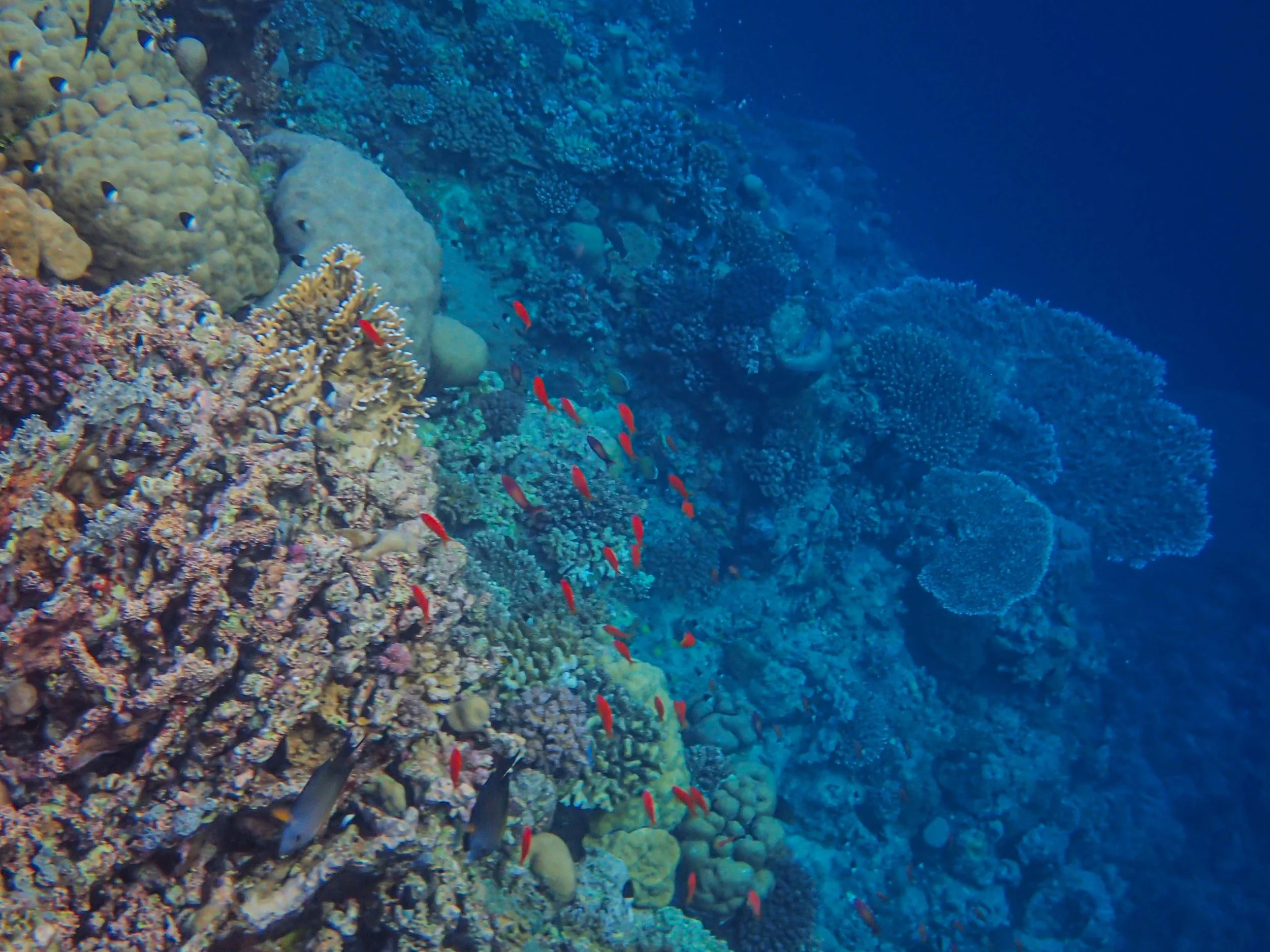
Aqaba Marine Reserve Coral. Francesco Ungaro. Pexels.
South Sudan’s Boma-Badingilo Migratory Landscape offers a different answer. The newly listed landscape contains savannas, wetlands and floodplains crossed by an estimated six million white-eared kob, tiang and Mongalla gazelle. Their seasonal movement forms one of the world’s largest remaining land-mammal migrations.
It is also South Sudan’s first World Heritage Site. However, ongoing conflict and instability make tourism dangerous, and the U.S. State Department currently advises Americans not to travel to South Sudan for any reason.
Boma-Badingilo shows the difference between recognizing a landscape and promoting it as a destination. Travelers can follow conservation efforts and support organizations working in the region without immediately trying to visit. Sometimes responsible tourism means staying home.
Can a Famous Place Handle More Attention?
Mount Olympus already attracts visitors without UNESCO’s help. The mountain is known worldwide as the mythological home of the Greek gods, but its new designation recognizes much more than mythology.
With its highest peak rising more than 9,500 feet tall, its cliffs, forests and gorges also support unusually diverse Mediterranean plant life, while archaeological and religious sites connect the landscape to thousands of years of Greek history.
The challenge is not introducing travelers to Olympus, but managing those already arriving. Visiting outside peak periods, staying on marked trails and spending money on local guides and businesses can help reduce some of that pressure.
World Heritage status should encourage travelers to understand why a place matters more than simply giving them another reason to photograph it.
GET INVOLVED
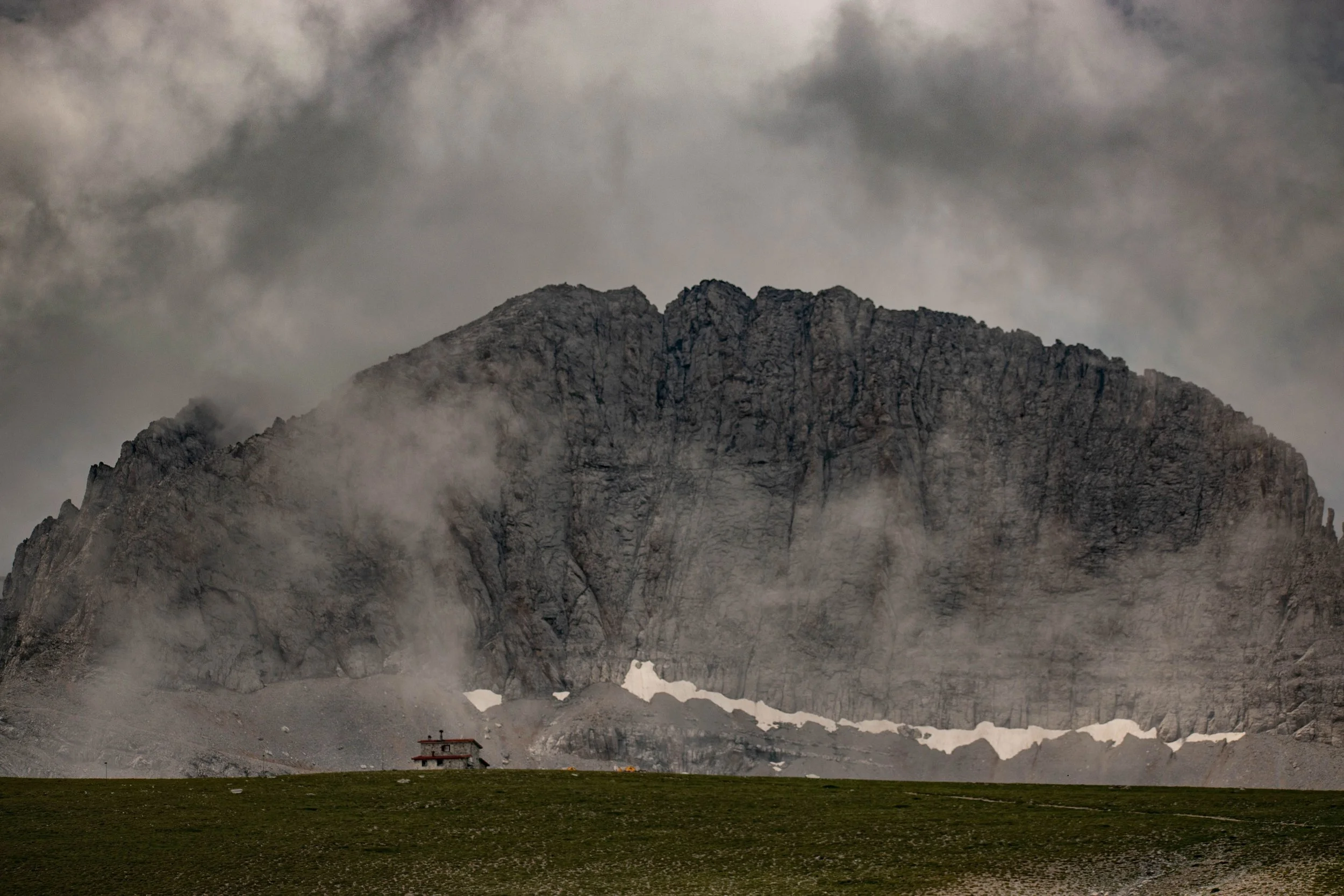
Fog-covered Mount Olympus. Georgios Parlantzas. Pexels.
UNESCO now recognizes more than 1,200 World Heritage properties around the world. Travelers do not have to avoid them, but they should reconsider what visiting one should mean. Before planning a trip, research why the site was protected and what threats it faces. Follow local conservation rules, choose responsible guides and avoid treating newly designated places as destinations that need to be visited before they become popular.
Those interested in supporting World Heritage conservation can also:
Learn about new and threatened sites through the UNESCO World Heritage Centre.
Choose locally owned guides and tourism businesses when visiting protected areas like Okefenokee, Aqaba, Mount Olympus and Boma-Badingilo.
Follow park restrictions involving trails, wildlife and waste.
Avoid visiting destinations where conflict, overcrowding or conservation concerns make tourism harmful.
Support conservation groups working around World Heritage landscapes.

Charles Costal
Charlie is a senior at the University of North Carolina at Chapel Hill currently pursuing a degree in Journalism and Public Policy. He is also an avid traveler, writer, and performer. His work at CATALYST aims to spread awareness on environmental sustainability and responsible traveling.