
Climate science suggests the flooding was affected by rising temperatures in the Himalayas, a trend that could lead to similar disasters across mountain ranges worldwide.
Read MorePeriods, Pads and Power: How Women in Nepal Are Challenging Menstrual Stigma
In rural western Nepal, women-led organizations are fighting intense menstrual stigma through reusable pads and education initiatives.
Read MoreNepali Women Challenging Traditional Himalayan Mountaineering
Women in Nepal are redefining the climbing industry and offering women-led treks.
Read MoreGen Z Protests Topple Nepal’s Government
After years of government instability and censorship, Nepal’s Gen Z led an uprising that not only dissolved a corrupt parliament but also paved the way for political reconstruction.
Read MoreOvercommercialization Drives Ethical Dilemmas on Mount Everest
Summiting Mount Everest has long been the ultimate challenge for mountaineers, but rising death rates and visitor congestion have put a spotlight on its ethics.
Read MoreIs Climbing Everest Ethical? Why the World’s Highest Peak is in Danger
Pollution and overcrowding are making it increasingly controversial to climb the world's highest summit.

Tourists photographing Everest. Peter West Carey. CC BY-NC-SA 3.0
Mount Everest, the tallest peak in the world, attracts thousands of mountaineering tourists each year. Each of these travelers takes on significant personal risk, however, as climbers ascend the mountain its limited oxygen and the cold can lead to life-threatening conditions including frostbite, exhaustion and altitude sickness. Although approximately 4,000 people have successfully reached the top, Mount Everest continues to claim victims. The death toll varies annually; eighteen climbers died on the mountain in 2023 alone. Over the last century, more than 330 people have died on Everest. Not only is climbing Everest dangerous, but it has also become the subject of an increasingly controversial debate. A surge in climbers has led to overcrowding and significant pollution, with tons of waste left behind each season.
Climbing Everest has become more accessible in recent years, with 90% of climbers now participating in guided tours. These tours, often guided by members of the local ethnic Sherpa population, allow tourists without professional climbing experience to ascend Everest. The two most popular routes, the Northeast Ridge and the Southeast Ridge, are now notoriously crowded during climbing season in April and May.
Climbing Everest is costly. An $11,000 permit is required from the government, and total expenses typically range from $30,000 to $100,000. Despite the high costs, the revenue generated from this tourism does not substantially benefit the local community. The Nepalese government claims that Sherpa guides may earn around $6,000 per trip, cooks $2,500, and lead Sherpa guides up to $10,000. However, many believe that the Sherpa mountaineers are underpaid relative to the risks they undertake. Efforts are also underway to mitigate the environmental impact of Everest expeditions. Climbers are now required to pay a $4,000 deposit, which is refunded upon their return if they collect eighteen pounds of garbage. The economic debate surrounding Everest is nuanced. Though some argue that the Nepalese government should limit how many people can climb Everest yearly, the country relies significantly on Everest tourism for economic income.
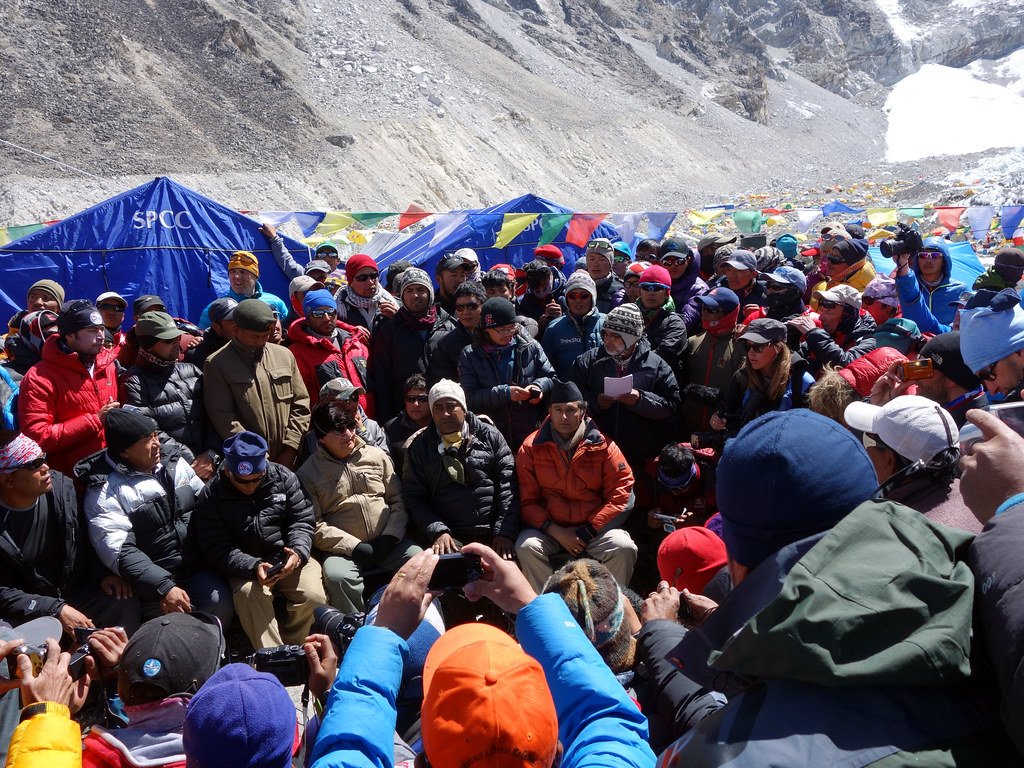
Government officials assembled at Everest. Mark Horrell. CC BY-NC-SA 2.0
Everest has been dubbed “the world’s largest rubbish dump” due to the substantial waste accumulated over the decades. The Himalayan mountains are ecologically sensitive, and while the exact amount is unclear, thousands of tons of waste have been discarded on Everest. The mountain has also become a macabre resting place for deceased climbers. Roughly 200 bodies, many belonging to native Sherpa guides who died on the mountain, still remain on the path, and mountaineers must walk over them to reach the summit.
Get Involved:
Mount Everest Biogas Project aims to eliminate human waste at Everest, as well as convert waste into renewable energy (methane), which can be used to power local communities. Learn more about their work and donate here.
The Sagarmatha Pollution Control Committee (SPCC),founded by the local Sherpa people, aims to manage waste in the Khumbu Region. Learn more about their work here.
Agnes Moser Volland
Agnes is a student at UC Berkeley majoring in Interdisciplinary Studies and minoring in Creative Writing, with a research focus on road trip culture in America. She currently writes for BARE Magazine and Caravan Travel & Style Magazine. She is working on a novel that follows two sisters as they road trip down Highway 40, from California to Oklahoma. In the future, she hopes to pursue a career in journalism, publishing, or research.
Peaks, Prayers, and Paragliding in Nepal
Although Nepal is a small, landlocked country in the Himalayan mountain chain, its majesty, stunning landscapes that sprawl on endlessly and spiritually diverse culture outshine most places I have visited.
Laura Grier
Travelers and adventure seekers from around the world risk their lives flocking to Nepal for a chance to summit our planet’s most famous peak, Mount Everest. Everest's vertex, soaring to an impressive 29,029 feet, stands as the highest point on Earth. Located in the realm more commonly traversed by jetliners than humans, it represents an awe-inspiring summit beyond the reach of ordinary explorers. But there is so much more to this tiny, mountainous country wedged between India and China, which has maintained its own unique culture and vibe despite the behemoths on either side.
With its enchanting blend of sacred temples, revered cows, Buddhist monks, endangered animal sanctuaries and extreme sports like paragliding to get your adrenaline pumping, Nepal will captivate you. There is something for everyone, and you may even come across a rare Yeti sighting! In celebration of the country’s unique thrills and delights, I wanted to share some fun facts I learned about Nepal while I was there leading a philanthropic photography workshop.
The current year is 2080…
This year, 2080, is particularly significant in the Nepali calendar because it marks the beginning of a new century (21st century) in the Nepal Sambat system. This unique calendar system is based on lunar cycles and has been used in Nepal for millennia. In fact, April 13th is when they celebrate New Year’s Eve!
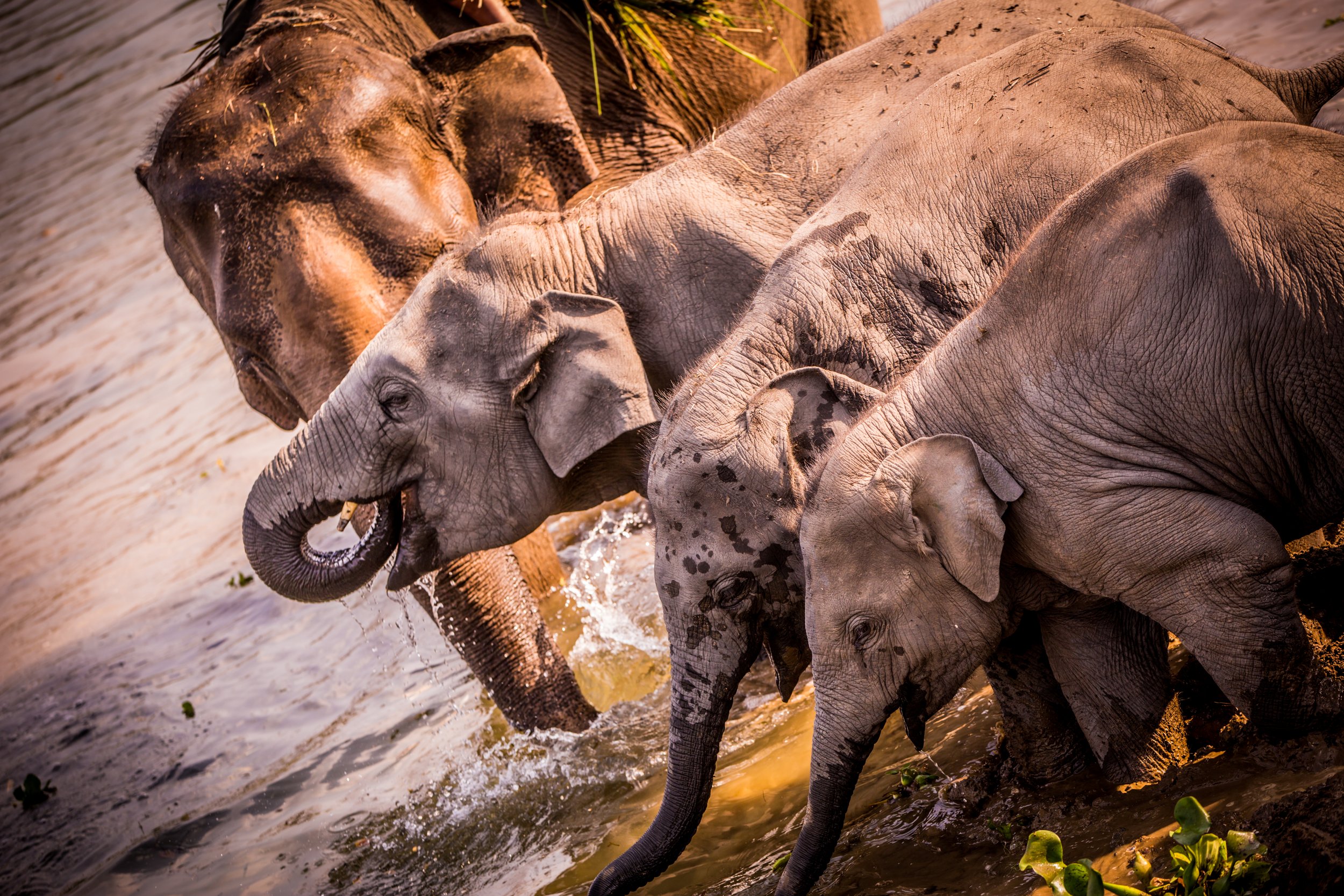
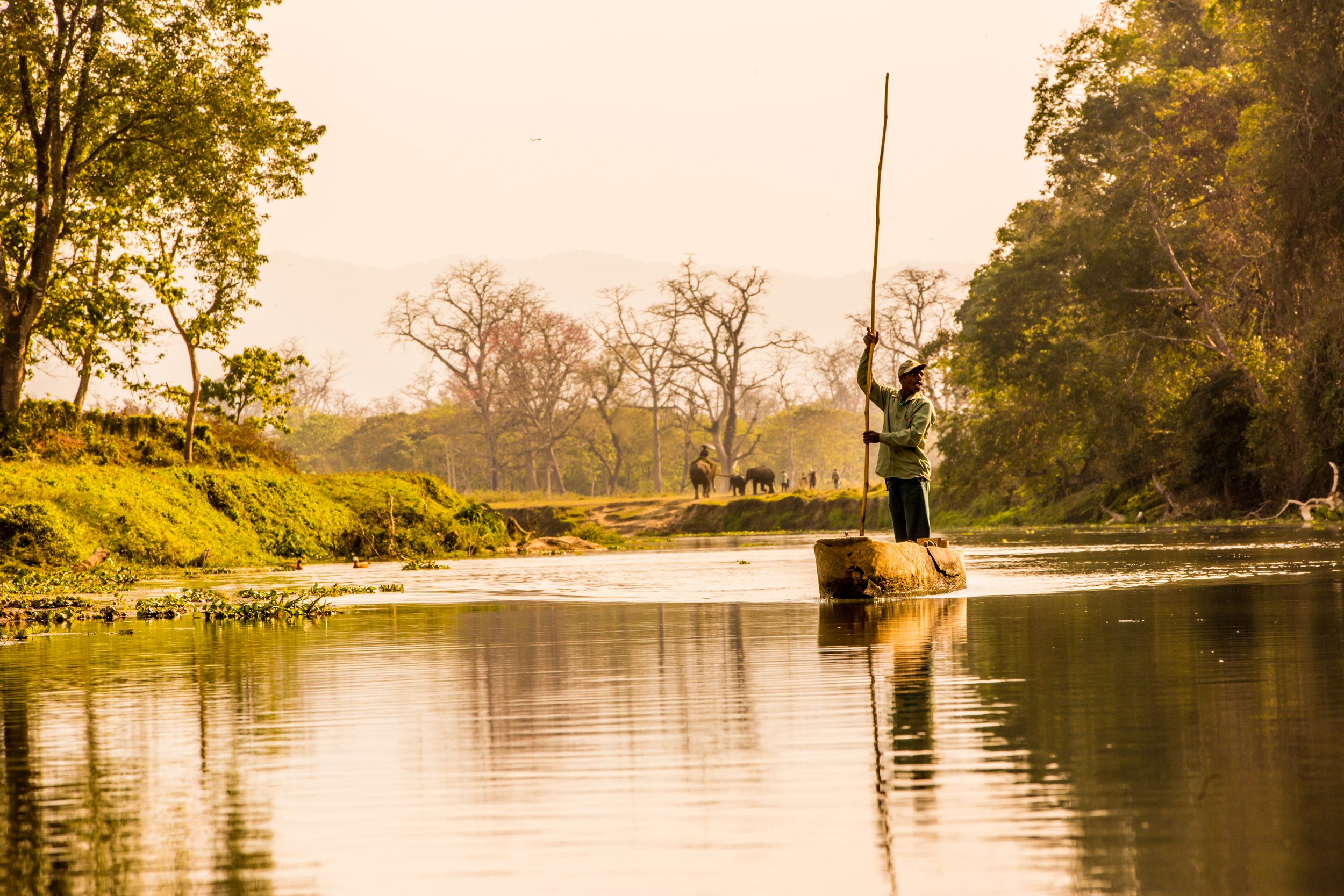
Nepal has maintained ZERO poaching of its endangered animals, including elephants, rhinos and tigers, for the past 12 years.
Nepal has become the world’s gold standard in the fight against poaching and received international accolades for recording zero poaching of rhinos in 2011, 2014, 2016, 2018, 2019, and 2020. The Nepalese government has ensured local communities benefit financially from the country’s parks and ecotourism. The government gives local communities 50 cents of every tourist dollar, making the wildlife more valuable alive than dead.
Mount Everest actually has two other names, Sagarmatha and Chomolungma.
The Royal Geographic Society pronounced the official name "Mount Everest" in 1865, named after Sir George Everest, the Surveyor General, but he did not want the peak named after him, believing it important to use local names. The Nepali word for Everest is Sagarmatha, meaning “forehead of the sky.” Sherpas (which is actually the name of an ethnic group in Eastern Nepal, not just a word for someone who lugs your gear) call it Chomolungma, meaning “Goddess Mother of the World.”
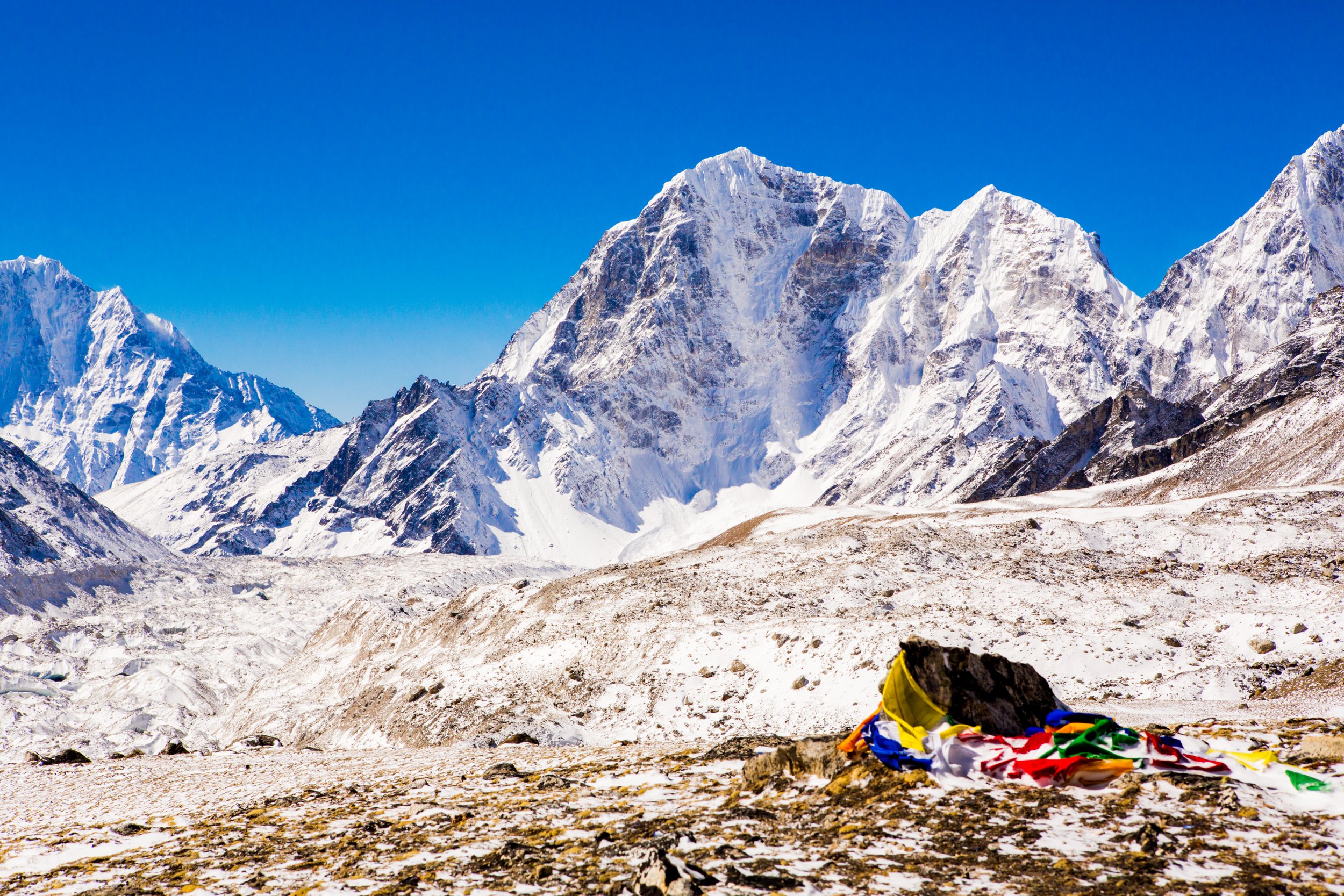
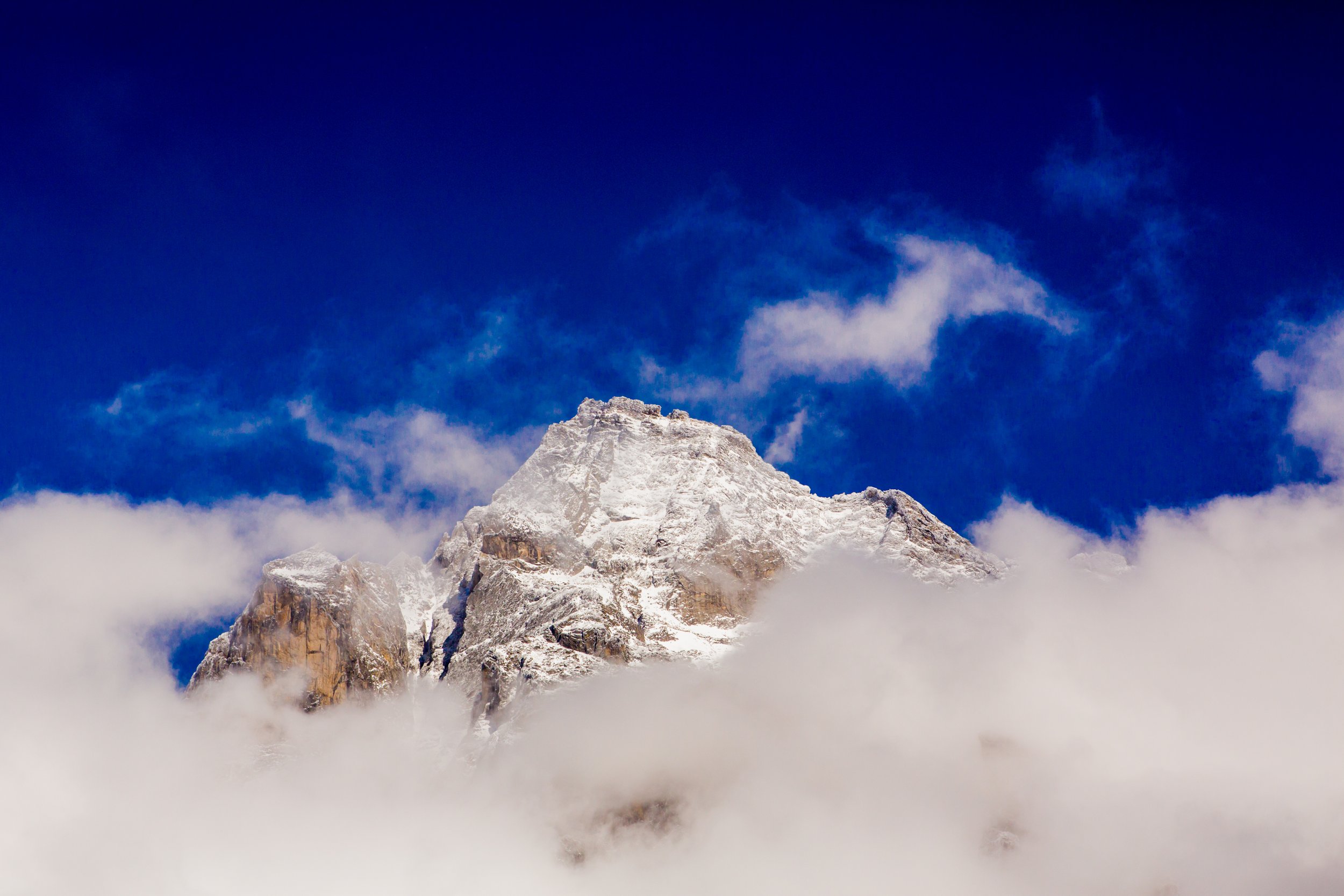
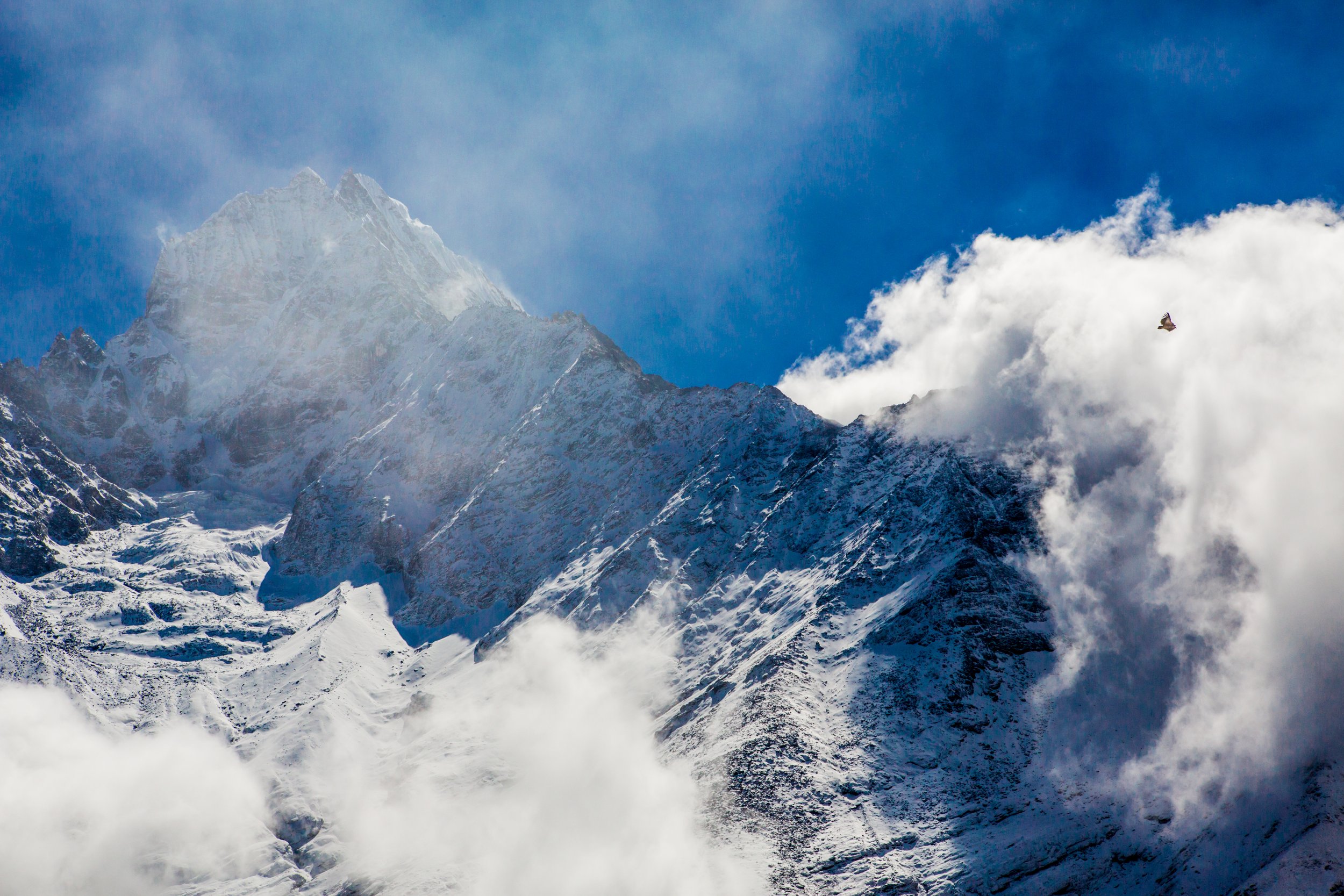
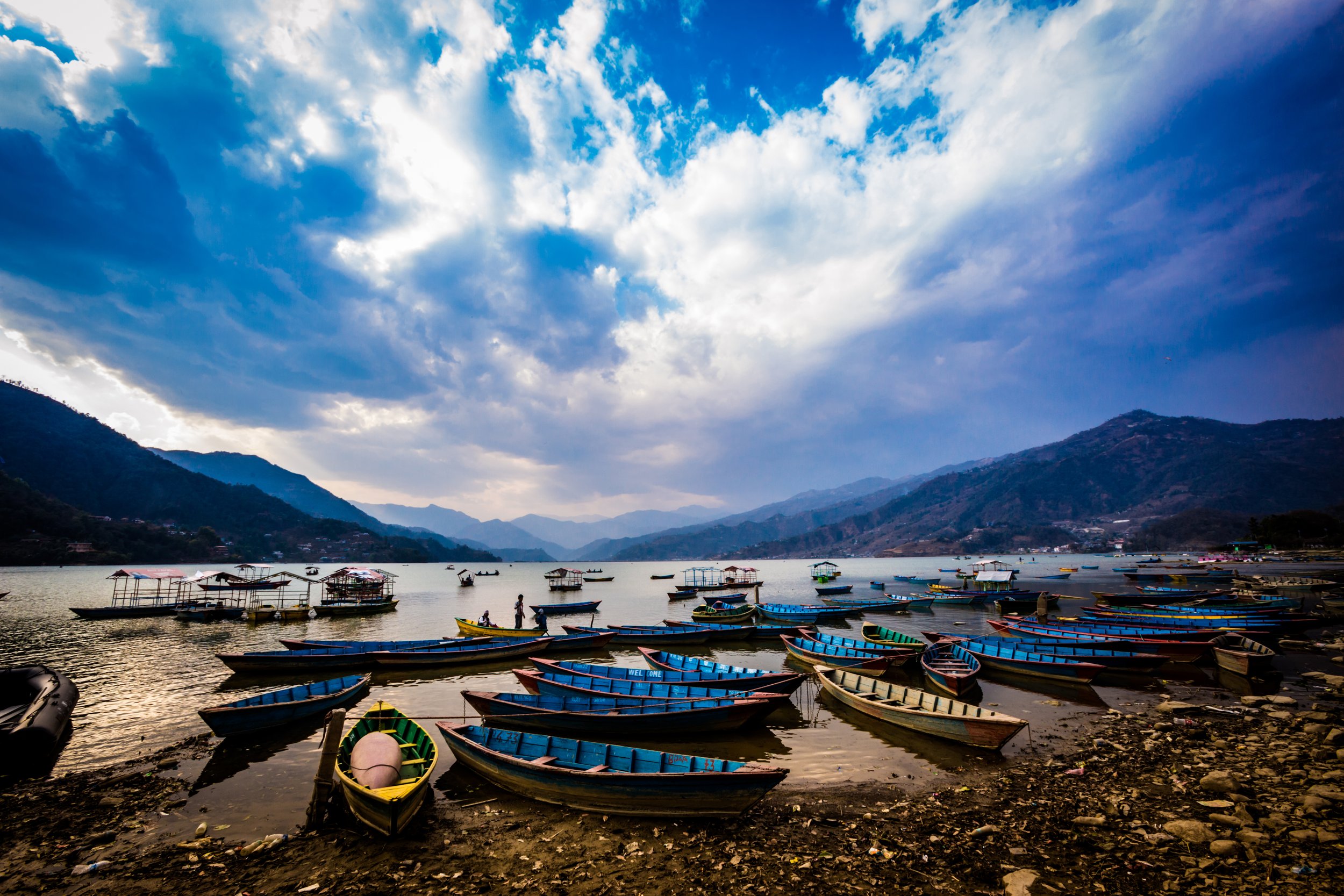
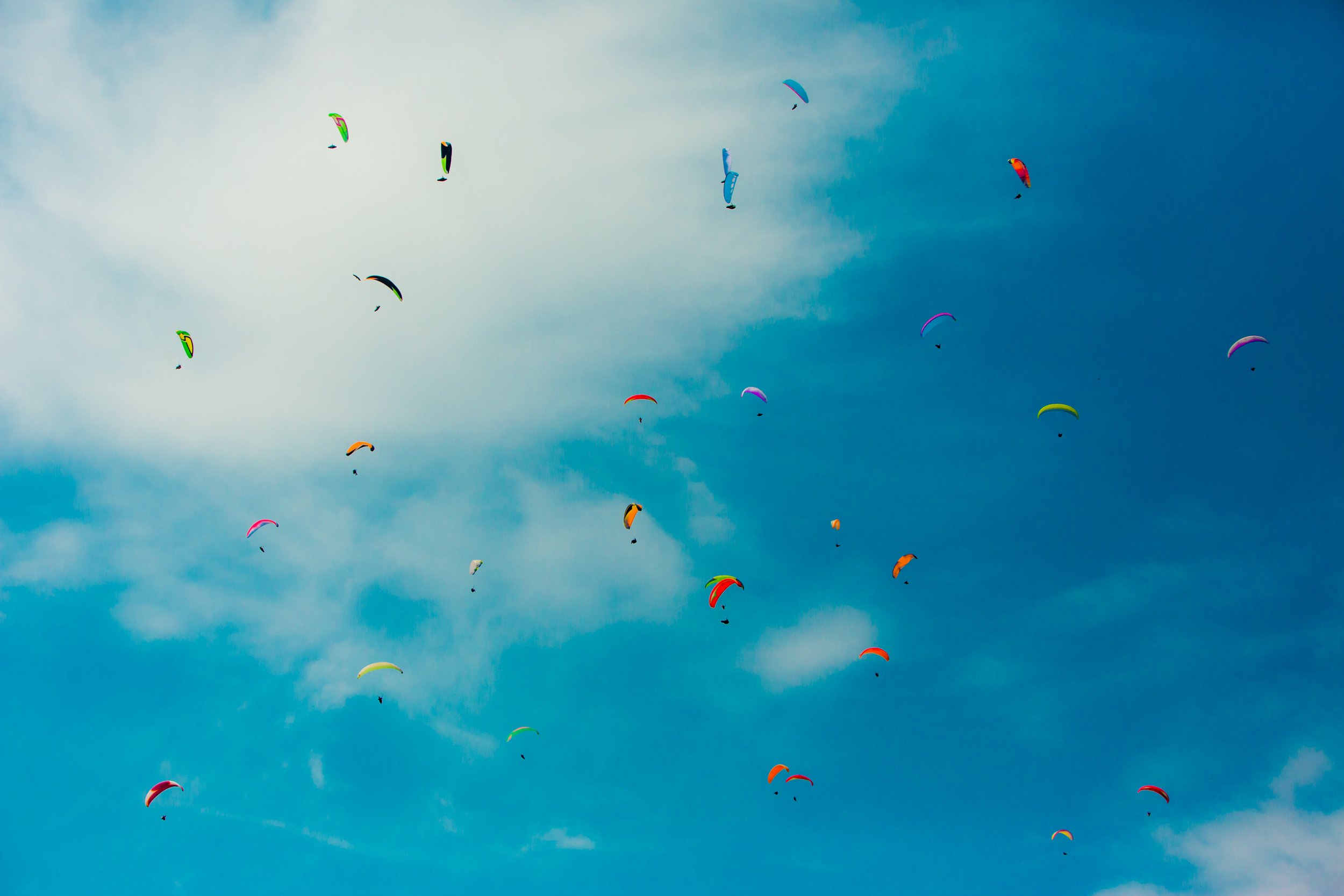
Pokhara is called the “Gateway to the Himalayas” and the starting point of many of the most famous trekking expeditions, but what will grab your attention is the constant swooping of dozens of colorful paragliders filling the skies above you. It is one of the top paragliding locations worldwide, having all the right ingredients: stable thermals, convenient take-off and landing zones, the safety of a large lake for emergency landings and incredible mountain views.
I had a total “James Bond experience when I stayed at the Waterfront Hotel there, jumping off a cliff, gliding around for half an hour doing corkscrew tricks surrounded by hawks, then landing right next to the pool of my hotel, where I took off my parachute and went directly to a lounge chair for a cocktail — no big deal!
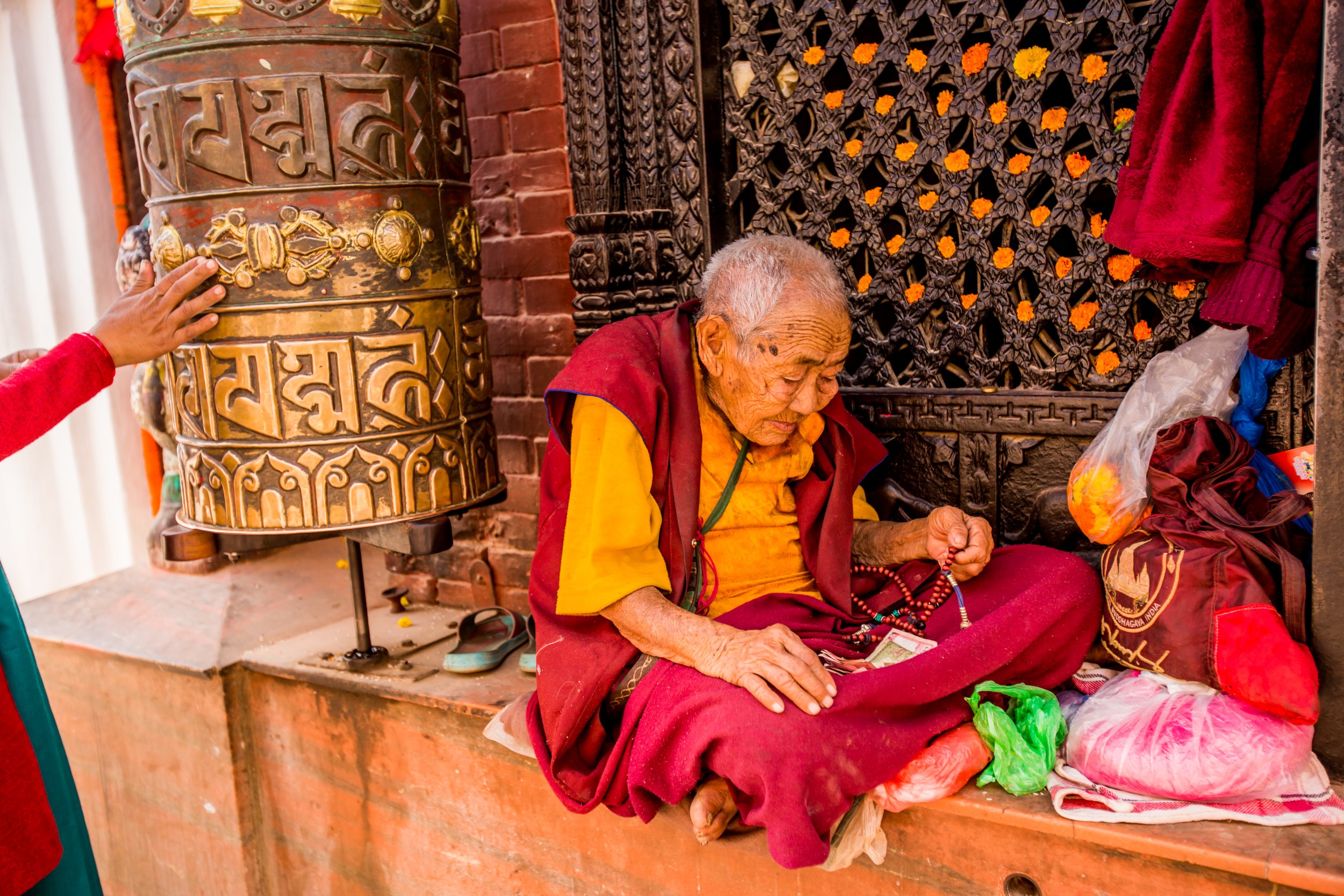
Nepal is the birthplace of Lord Gautam Buddha, The founder of Buddhism.
Buddha’s exact birthplace is preserved in Lumbini, Nepal, inside the Maya Devi temple, and because of this, Lumbini in Nepal is the holiest pilgrimage site for Buddhists worldwide.
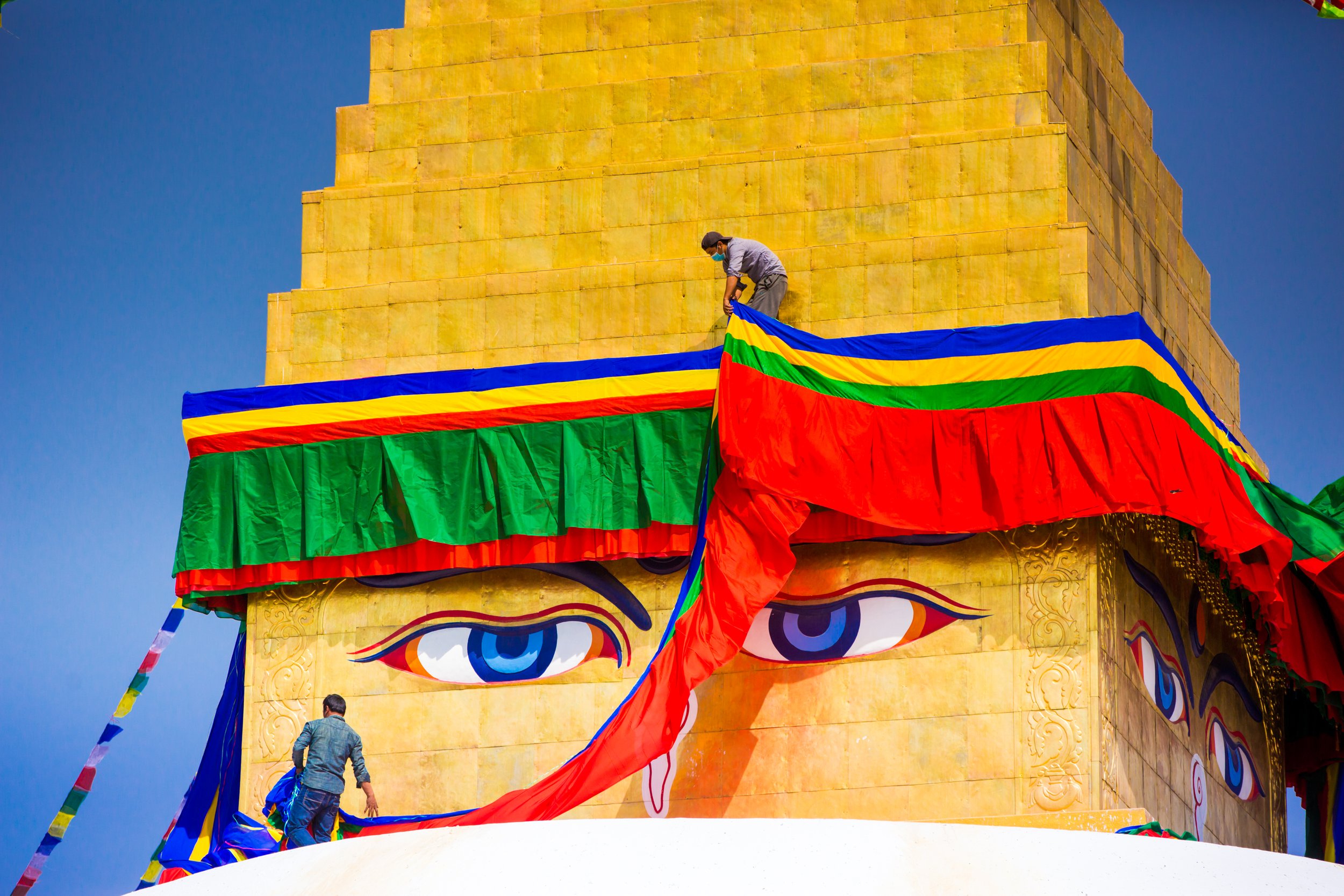
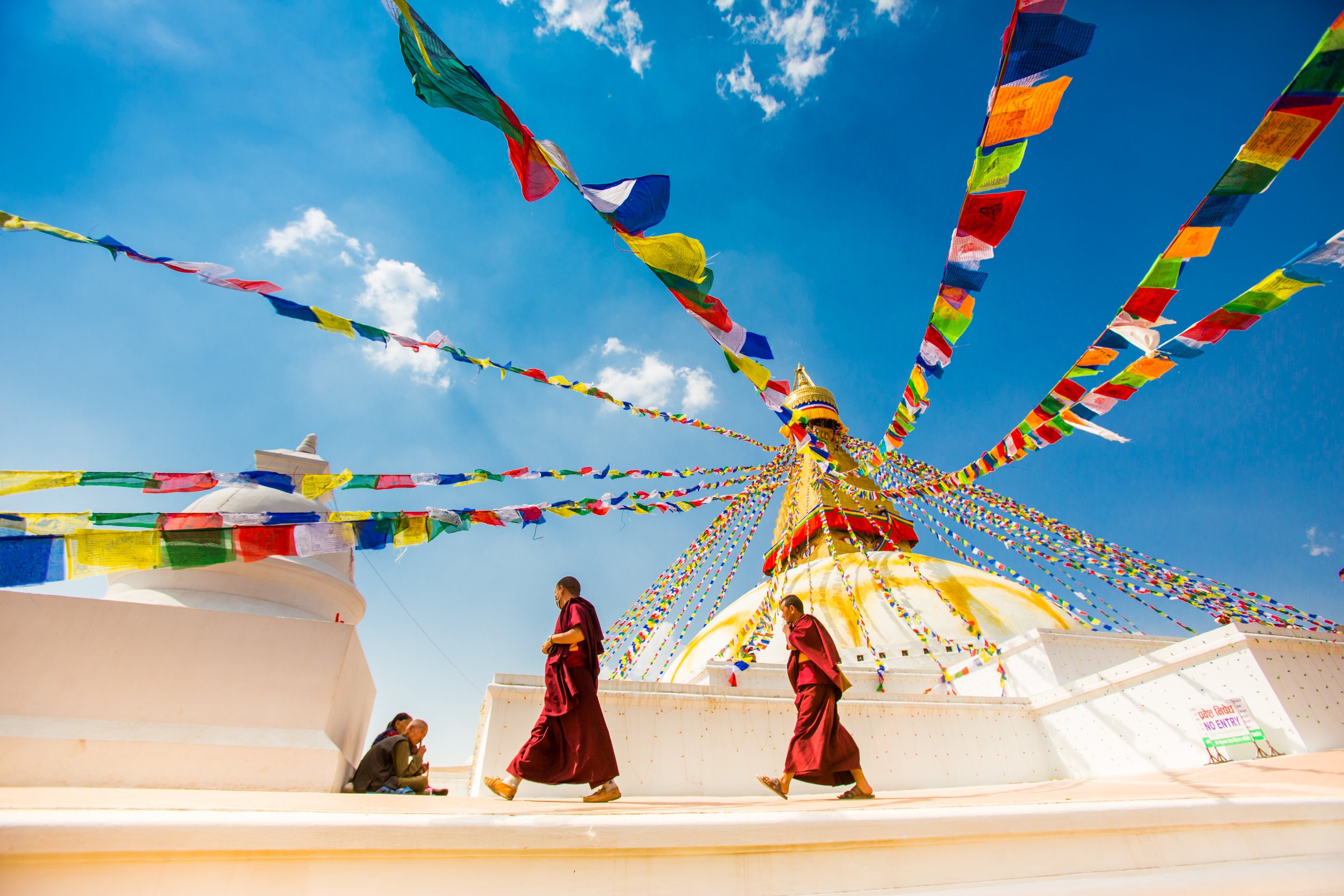
Boudhanath Stupa is the largest and holiest Tibetan Buddhist temple outside Tibet.
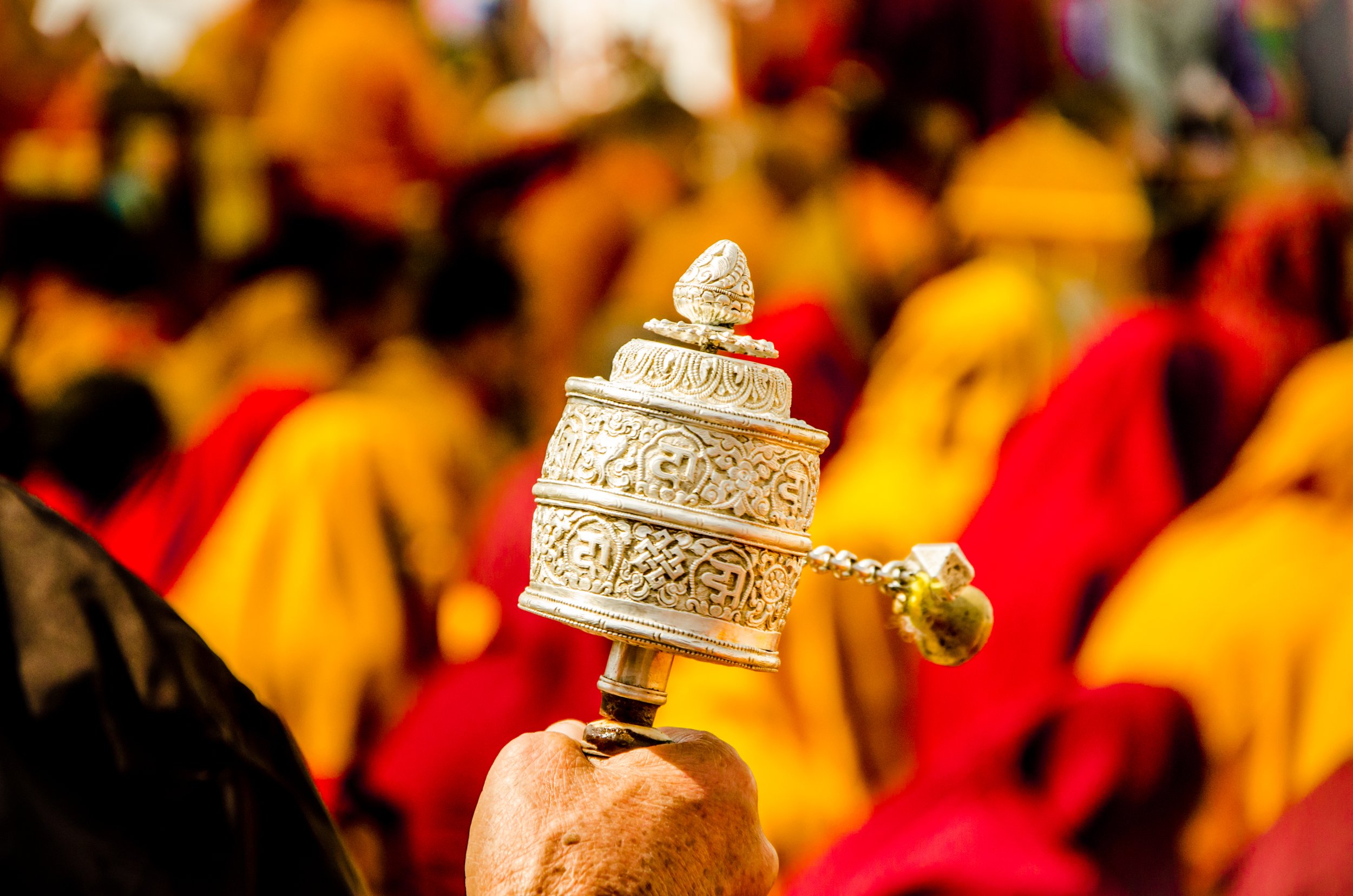
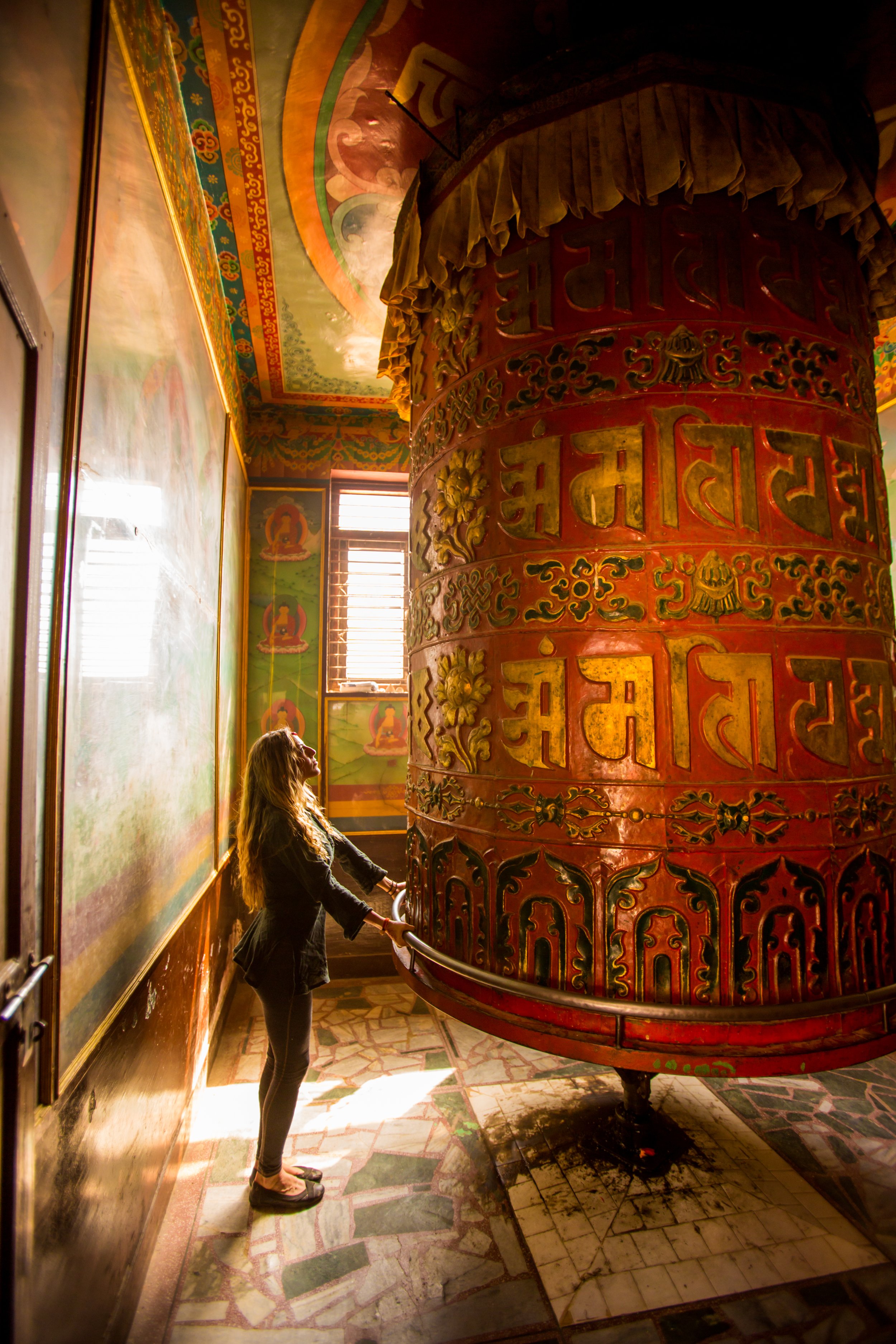
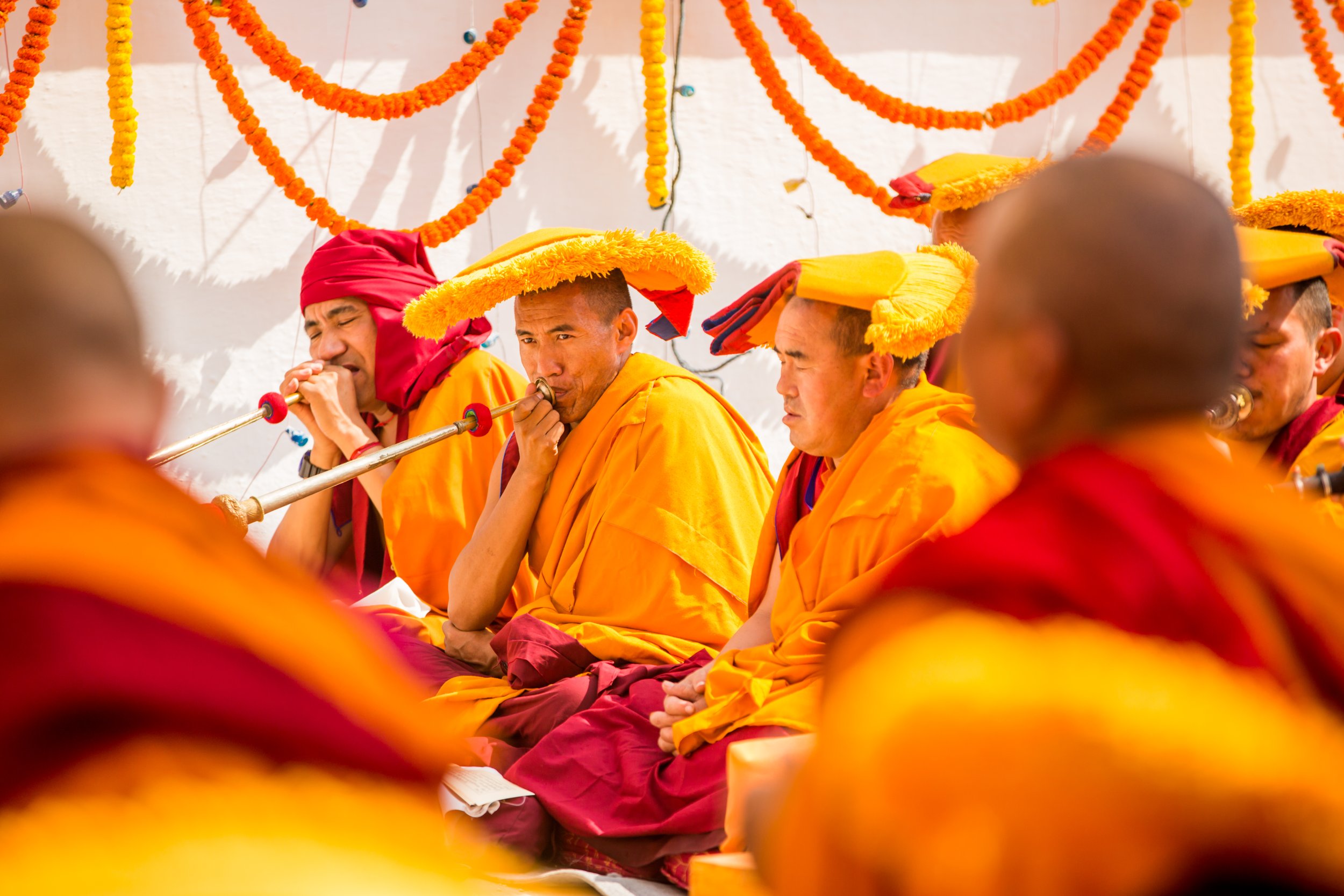
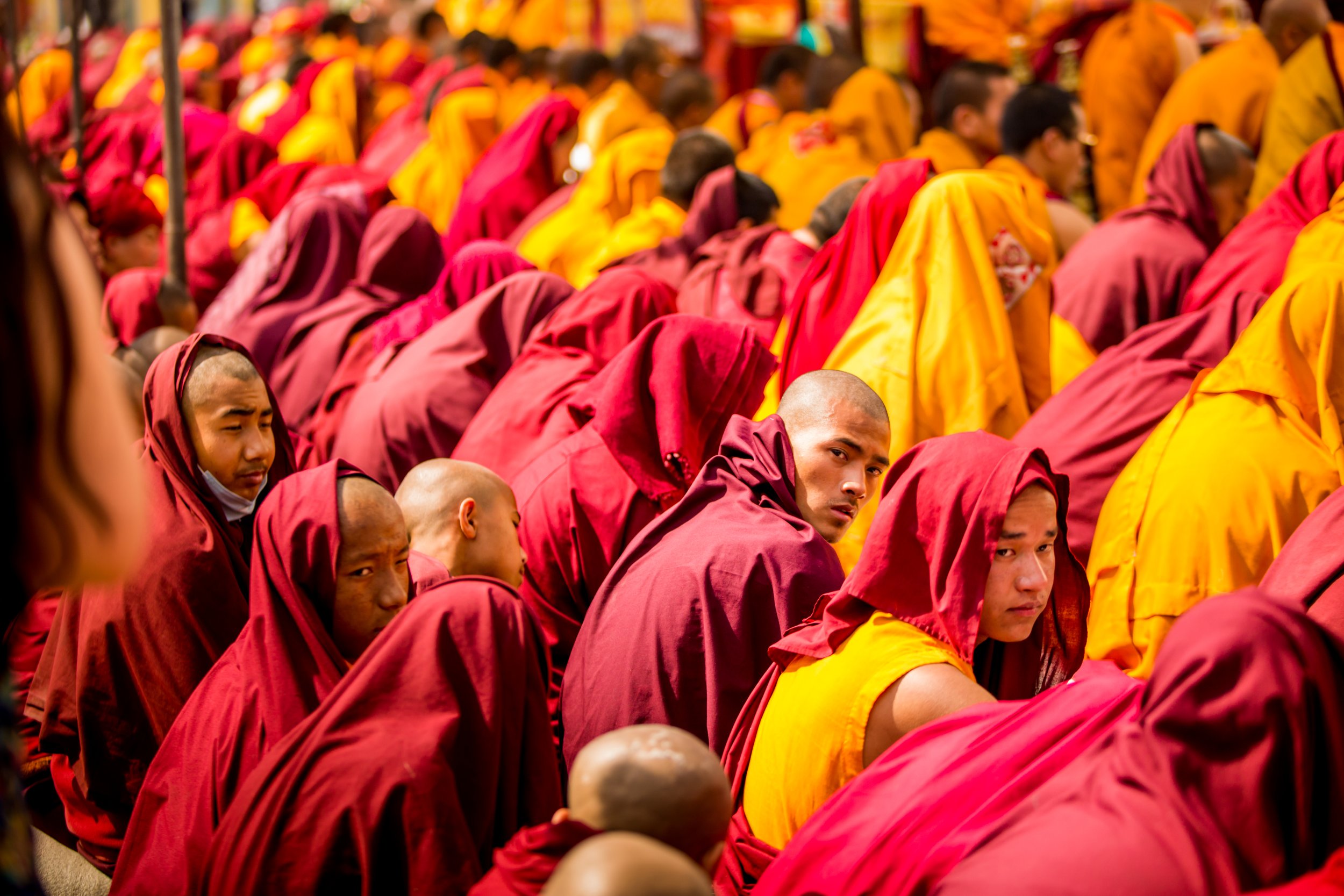
I spent the day with hundreds of monks chanting, playing instruments, wearing ornate headdresses and praying around the stupa’s base. If you are lucky, on certain holy days you can watch the monks elaborately decorate the stupa and participate in the Kora Buddhist prayers by walking clockwise around it, spinning the hundreds of prayer wheels as you go from right to left.
Visit The Hindu City of the Dead.
Death is part of Life at Pashupatinath Temple, The Hindu City of the Dead. This is one of the most sacred Hindu temples dedicated to god Shiva and located on both banks of Bagmati River in Kathmandu. Every year this temple attracts hundreds of elderly followers of Hinduism who seek shelter for the last several weeks of their lives, to meet death, be cremated on the banks of the river, and travel their last journey with the waters of the sacred river Bagmati, which later meets the holy river Ganges. Hinduists from every corner of Nepal and India are arriving here to die or bring their dead.
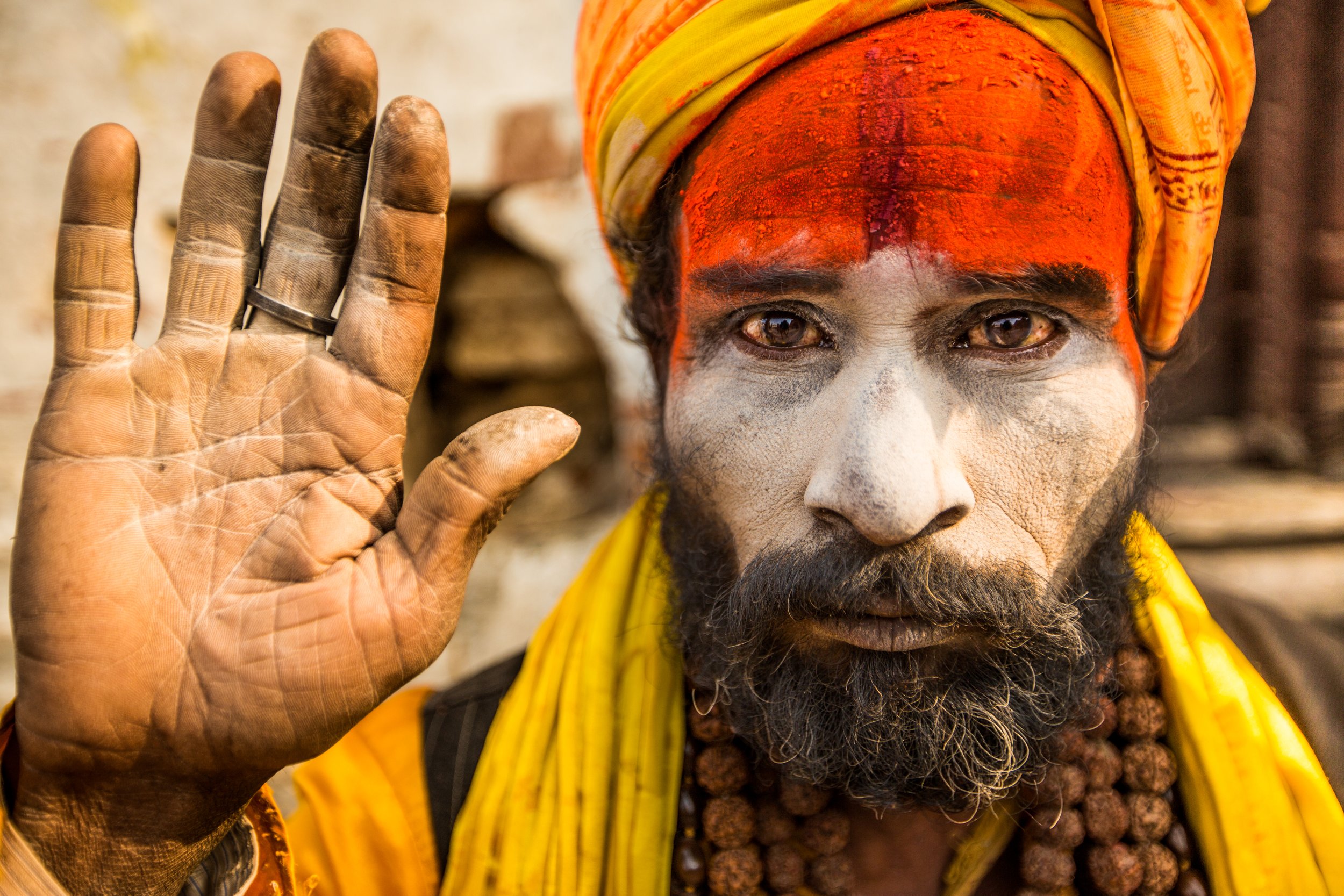
It is believed that those who die in Pashupatinath Temple are reborn as a human, regardless of their karma. All around the banks of the river you can find brightly painted Sadhus, or holymen who are trying to acquire liberation from the cycle of death and rebirth by meditating and astrologers that can predict the exact day of your death or just read your palm if you prefer not to know. This place is huge, like a city within a city and has been in existence since 400 AD. There is a powerful energy there and at any given time while you are there visiting, you will get the chance to see at least one open air cremation and watch how they prepare the bodies for the cycle of death and rebirth.
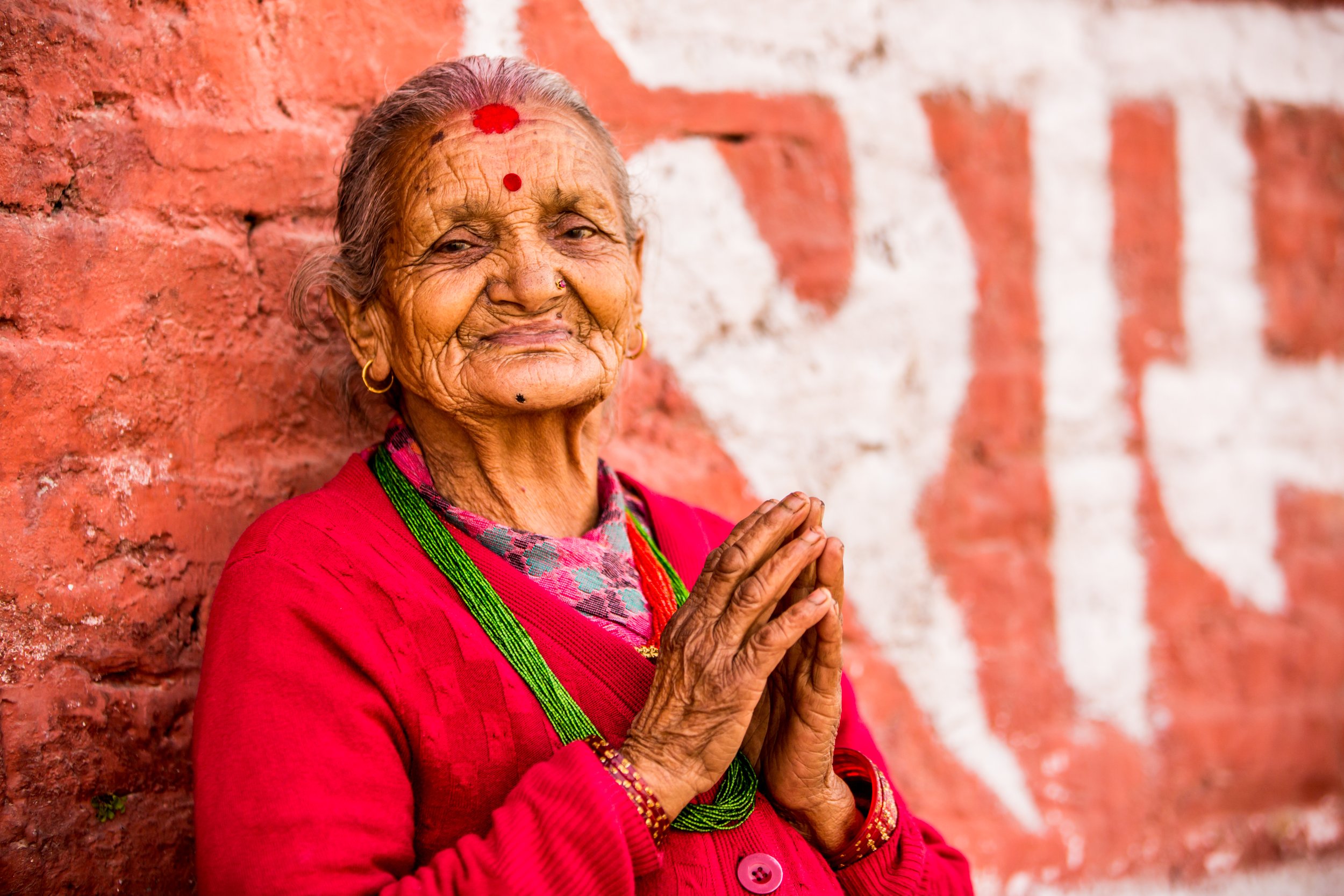
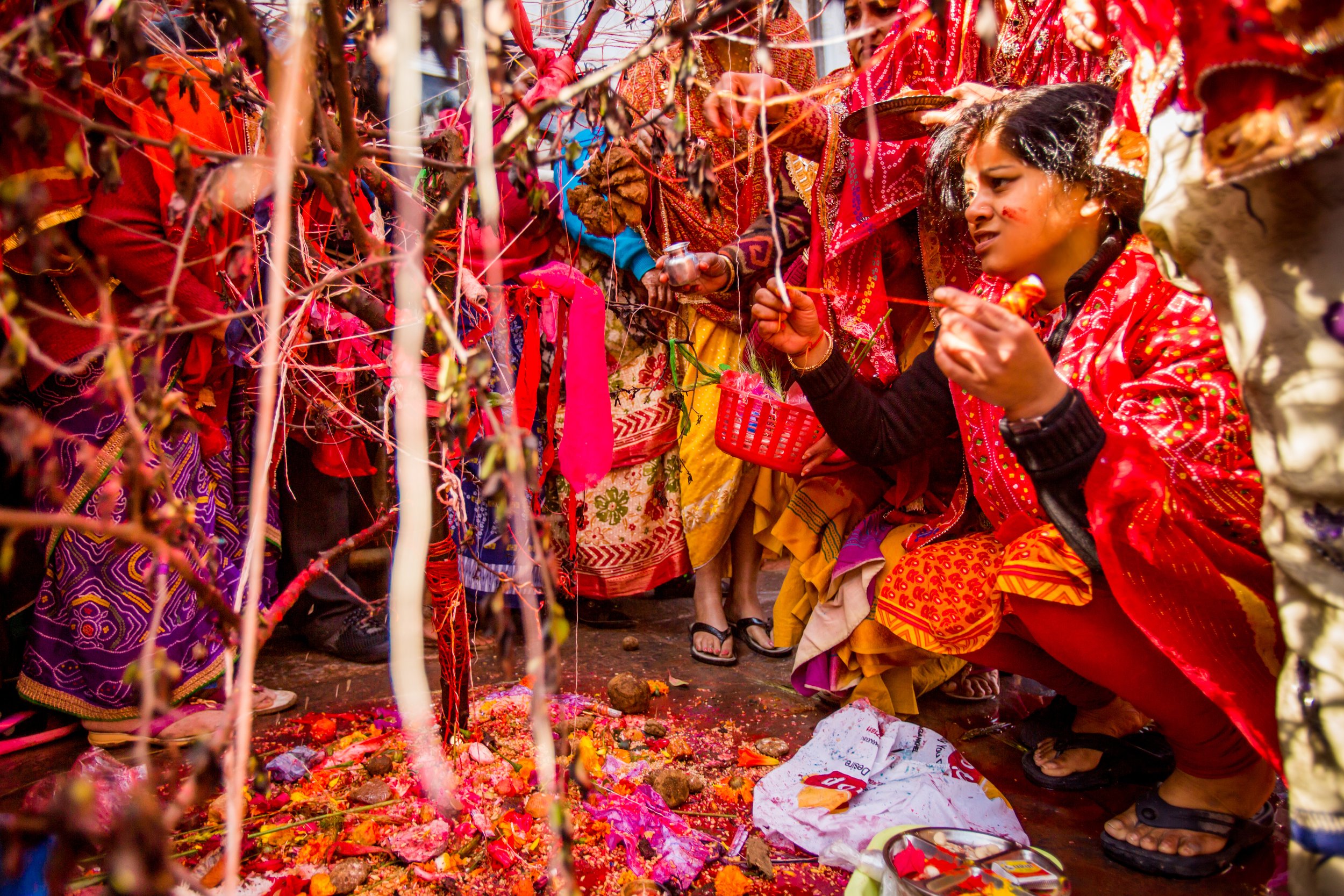

Laura Grier
Laura is a dynamic Adventure Photographer, Photo Anthropologist, Travel Writer, and Social Impact Entrepreneur. With a remarkable journey spanning 87 countries and 7 continents, Laura's lens captures both the breathtaking landscapes and the intricate stories of the people she encounters. As a National Geographic artisan catalog photographer, Huffington Post columnist, and founder of Andeana Hats, Laura fuses her love for photography, travel, and social change, leaving an impact on the world.
On Top of the World: A View From Mount Everest
Every year, hundreds brave frost, cliff and hypoxia to ascend the world’s tallest peak.
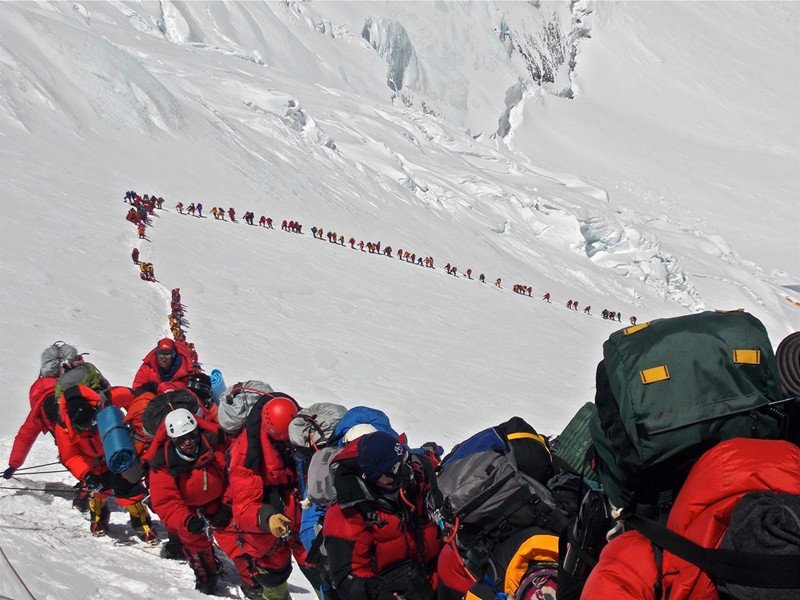
Climbers going up Mount Everest, Nepal. Sam Levin. CC BY 2.0
In 1953, Sir Edmund Hillary made history by being the first to ascend Mount Everest. His journey was a significant departure from the origins of rock climbing, the earliest evidence of which is found in the remains of cliffside dwellings by Native Americans and archaeological burial caves in Mustang, Nepal.
Today, mountaineering has become a popular competitive sport and means of exploring the natural world, with about 800 people attempting the dramatic climb to Everest’s summit each year. Expeditions are reliant on Nepal’s weather, with the best season typically occurring in April and May, before the monsoon, when avalanches are less common. September can also be a good month, but by October the onset of winter storms restricts climbing once again.
The ascent up Mount Everest utilizes a technique called siege climbing, in which climbers establish a series of camps along their route and sleep at the camp just below them, a technique that helps climber’s bodies more easily acclimate to the elevation.
Sherpas on Everest
Sir Edmund Hillary was not alone in his groundbreaking climb. In a fact often ignored in the histories, he was accompanied the whole way by Tenzing Norgay, a Nepali Sherpa mountaineer. As a mountain dwelling people of Nepal, Sherpa’s are known for their knowledge of the mountainous region, and have a long history of maintaining and cultivating the land. In a pattern that dates back to Norgay’s first ascent with Hillary, Sherpas today serve as guides to climbers on Mount Everest, while also working to maintain and safeguard the path.
In addition to acting as guides, Sherpa often provide life-saving assistance to straying climbers. In June 2023, a Nepali sherpa guided a Malaysian climber to safety after discovering the mountaineer in the thick of the “death zone”, facing temperatures dipping below -30 degrees Celsius.
The feats and history of Nepali climbers were extolled in the documentary 14 Peaks, which followed Nepali mountaineer Nimsdai Purja on his journey to summit all 14 of the world's 8,000-meter peaks in just seven months. Purja champions the Sherpa’s bravery and the irreplaceable role they play in maintaining Everest’s safety and accessibility for climbers, as well as their knowledge of and connection to the land.
The Costs of Ascension
The price of climbing Everest has grown steadily with its increasing popularity, and prices in 2023 range between $30,000 to $160,000. The staggering cost includes gear, food, supplemental oxygen, and base camp tents. The support of Sherpa’s is also an important consideration, with the cost of assistance ranging from $2,000 to $5,000.
The financial toll of ascending Mount Everest is commensurate with its physical brutality. The climb up is marked by harsh conditions. Altitudes above 25,000 feet (7,600 meters) are known in the climbing community as the “death zone”, and at 29,029 feet (8,848 meters) high, Mount Everest puts climbers in the thick of life-threatening danger. Some of the greatest threats at such altitudes relate to a lack of oxygen, or hypoxia, which leads to rapid breathing and an increased heart rate. High-altitude cerebral edema, or HACE, can also threaten climbers as the body responds to hypoxia with increased blood flow to the brain, leading to swelling that can bring on hallucinations, a loss of coordination, and the potential of a coma or death induced by brain herniation.
The cost of climbing Everest extends beyond the financial and physical impacts into ecological catastrophe. The world’s tallest summit is now derisively known as the “world’s highest garbage dump.” During the peak season, nearly 500 people make the hike to Base Camp on a daily basis, a physical toll that adds to the erosion of the natural land. Additionally, in the weeks during which they embark to the mountain’s summit, each climber creates roughly 18 pounds or eight kilograms of trash, which include tenting supplies, oxygen containers, and feces.
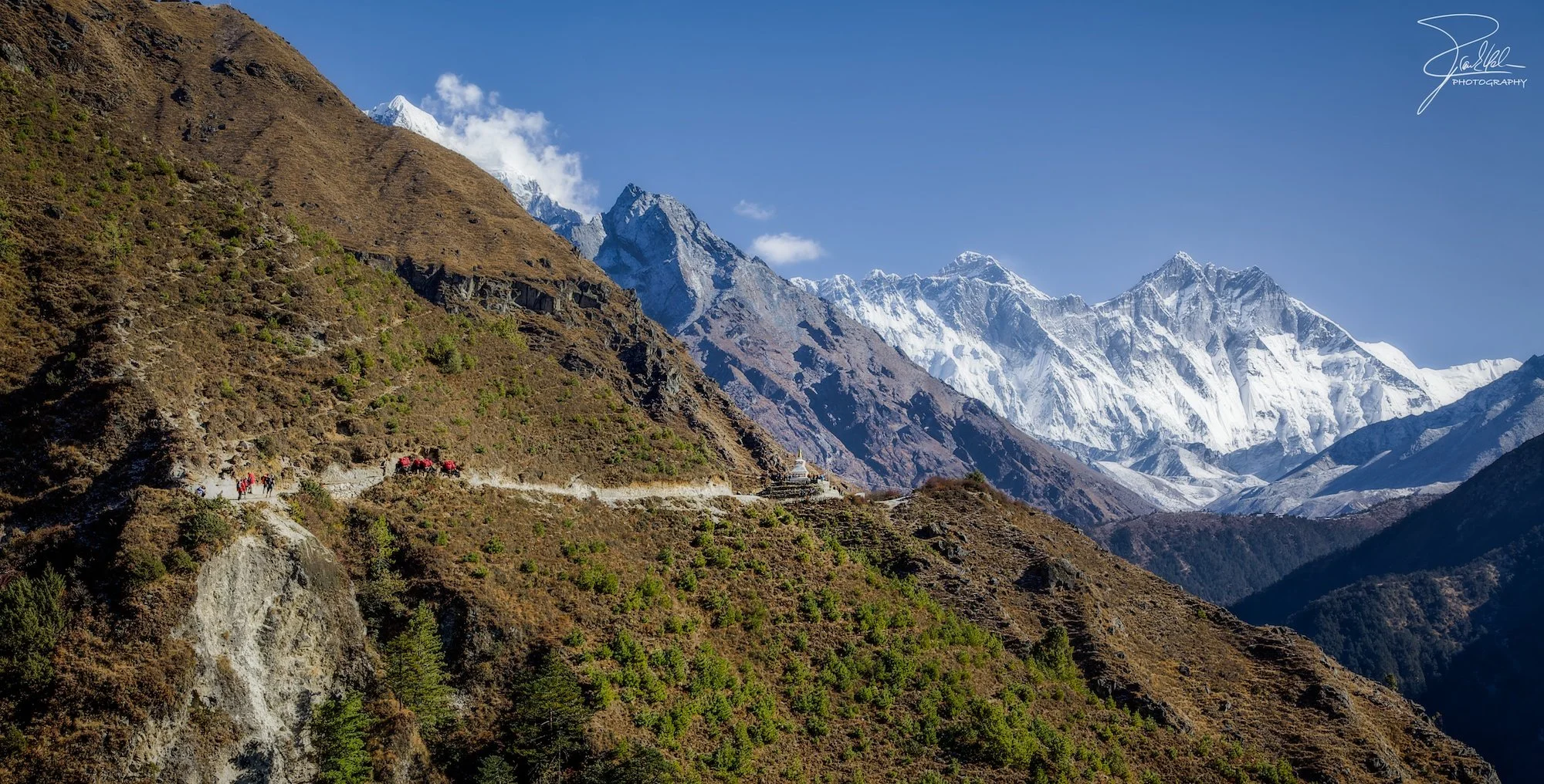
Mount Everest. Frank Kehren. CC BY-NC-ND 2.0
Clean Climbing
The Nepali government, alongside environmental agencies, has been working to preserve and clean up the mountain. In 1976, the Sagarmatha National Park was created as a means of protecting the mountain’s natural terrain and wildlife. It received recognition and protection as a United Nations Educational, Scientific and Cultural Organization (UNESCO) World Heritage site in 1979.
In 2019, the Nepali government launched a campaign to clean up 22,000 pounds or 10,000 kilograms of waste from Everest. Local authorities now require that each climber pays a deposit of $4,000, which is refunded after the individual returns back from their climb with an equal amount of waste as they are predicted to generate during their climb, approximately 18 pounds of garbage per person.
Along with local authorities, third party organizations are also working to preserve the future environmental health of Mount Everest. Launched in 201, the Mount Everest Biogas Project aims to create a solar powered system that turns human waste into fuel.
While irresponsible expeditions can lead to increased pollution, the action of climbing is in itself a kind of homage to the environment. Ascending Everest forces climbers to come face to face with the potential harm that human disruption can have on the environment, while reinforcing the importance of environmental protections and regulations.
With the future environmental health of natural wonders such as Mount Everest at risk, climbing and engaging with nature in an ethical, responsible, and sustainable way can create an important connection between people and the environment. An ascent to the world’s tallest peak can be not only personally enriching, but vital to public perceptions of and future investment in the environment.
Jessica Blatt
Jessica Blatt graduated from Barnard College with a degree in English. Along with journalism, she is passionate about creative writing and storytelling that inspires readers to engage with the world around them. She hopes to share her love for travel and learning about new cultures through her work.
VIDEO: The Way of Manaslu, Nepal's Eighth Tallest Mountain
Arvīds Barānovs, award winning photographer and head of Eaglewood Pictures, explores Manaslu, a mountain within the Nepalese Himalayas. Manaslu, at 8,163 meters (26,781 feet), is the eighth highest mountain in the world. The mountain stands proudly over Budhi Gandaki valley. At the peak of the mountain, one can gaze upon the adjacent Annapurna mountain range and Tibetan plateau. As one climbs the mountain, they will encounter many small tea houses along the way. Climbers often stop there to have a cup of tea and eat dal bhat, a staple dish of rice and lentils. Manaslu is inhabited by the Tsum and Nubri peoples, whose ways of life are rooted in Buddhism and Tibetan culture. The local people live traditionally and farm barley, maize and oats, in addition to cultivating nuts and fruits.
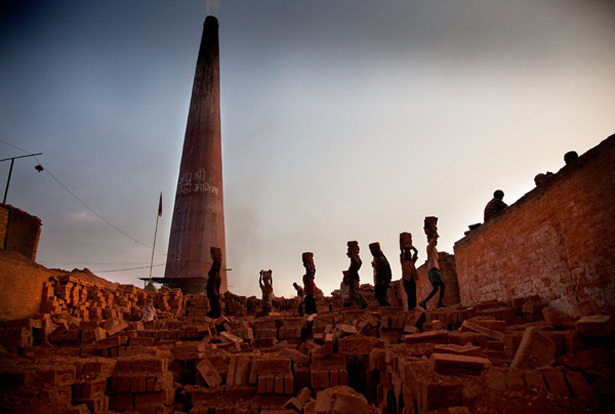
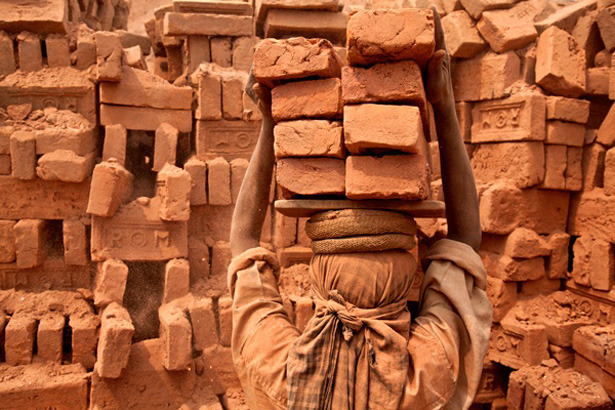
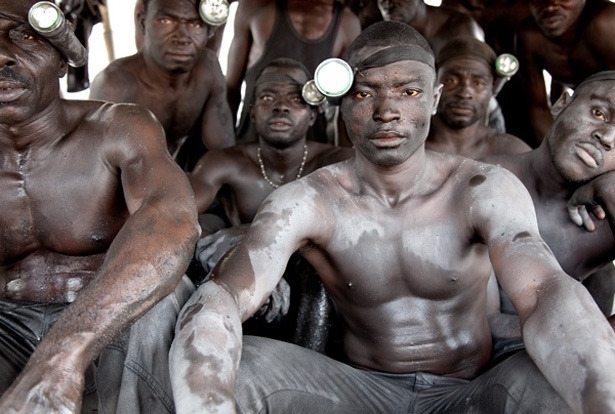
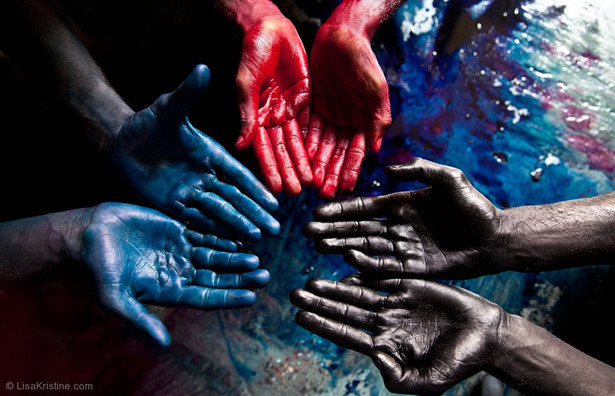
Understanding Modern Slavery
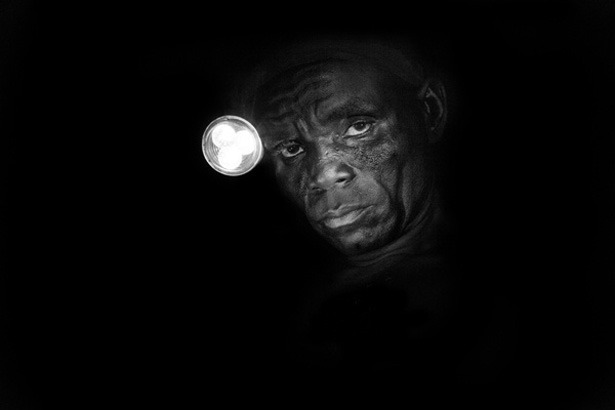
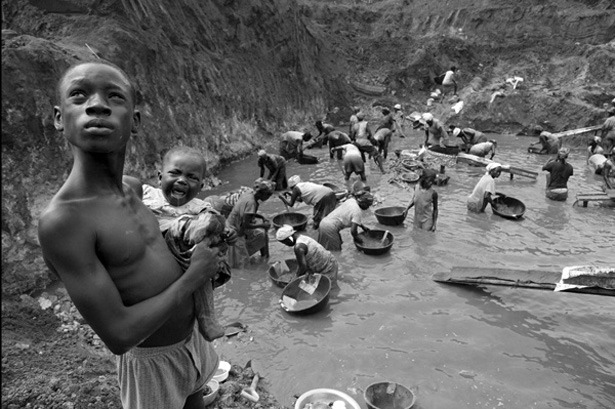
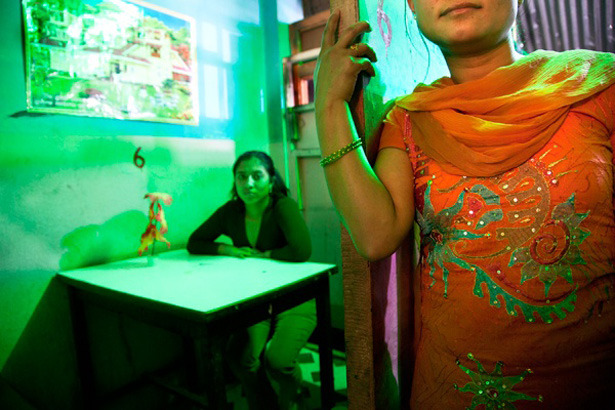
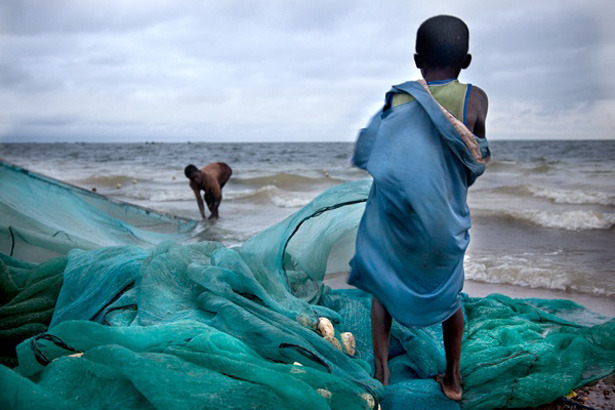
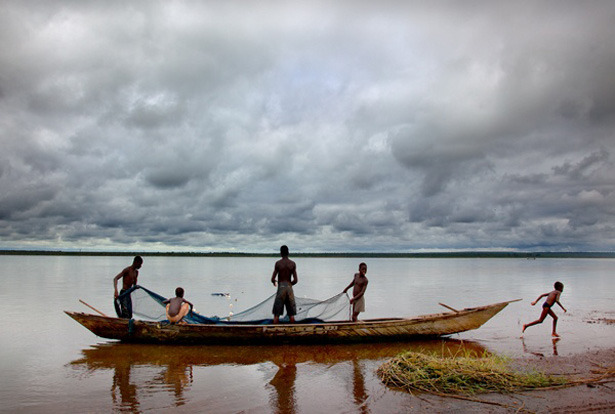
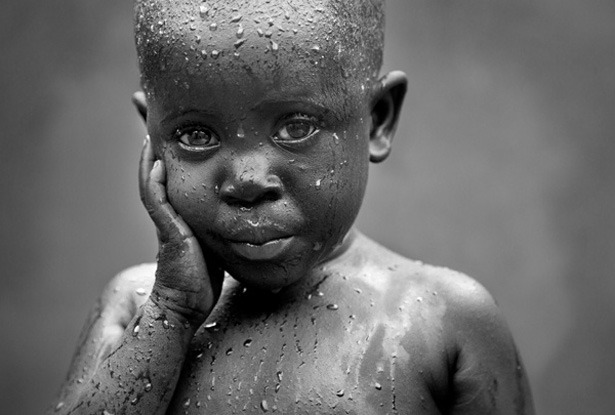
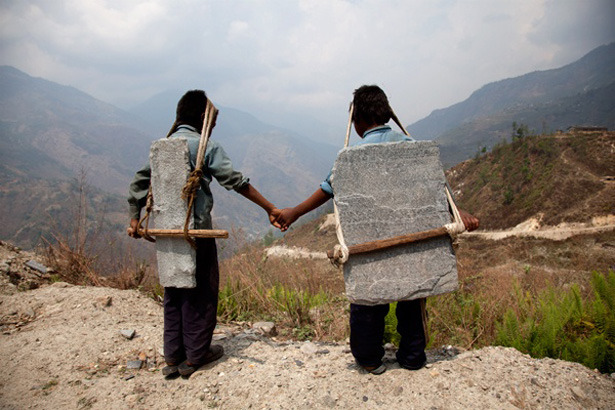
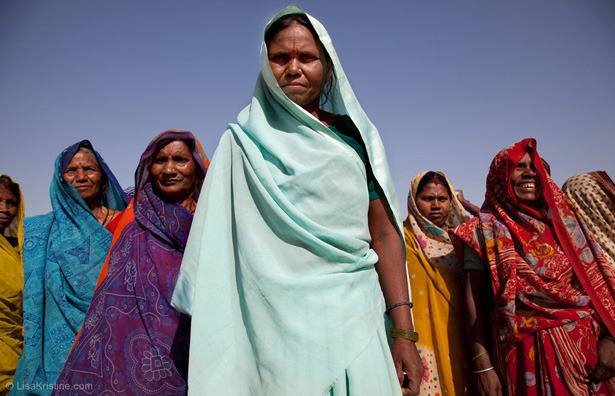
There are 27 million human slaves in the world today, more than double the slaves in the whole transAtlantic slave trade. Lisa Kristine here documents slavery from Nepal to Ghana, from the Himalayas to India. As she says, there are dark corners in this world, and she exposes them through her images.
Read MoreNepal Requires Yoga Education For School Children
Nepal is the first nation to make yoga a requirement in schools. The government claims the courses will promote a healthy lifestyle yet the Muslim community is worried the policy will promote Hinduism.
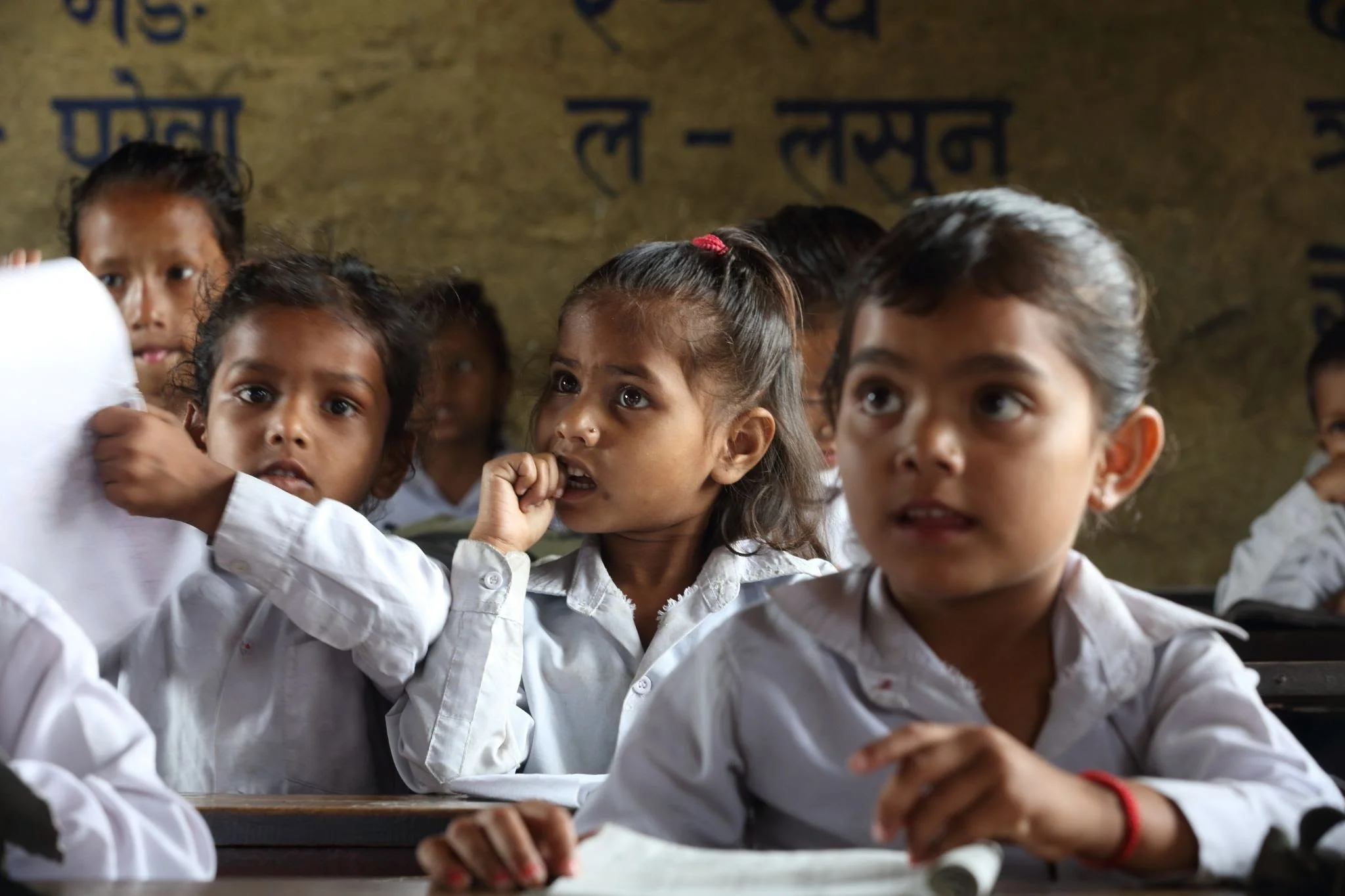
Nepali children in a classroom. Department of Foreign Affairs and Trade. CC BY 2.0.
Last year, Nepal’s Ministry of Education, Science and Technology completed designing their compulsory yoga courses for students in grades four through eight. The small Himalayan country is the first in the world to make it a required subject nationwide. Officials say the course is intended to encourage a healthy and active lifestyle, but the Nepali Muslim community is doubtful. They fear the new courses will attach religion to health and reinforce Hindu nationalism in the country.
Yoga was once a general elective course, but as of this school year, the Nepali curriculum requires students to participate in a weekly yoga course. Alongside math and science, students will have a “choice between yoga, Ayurveda, and natural medicine,” says Krishna Nasad Kapri, the joint secretary of the Ministry of Education, Science, and Technology. Certain yoga topics will also be integrated into English and Nepali language courses.
Officials in Nepal specified that it was the Nepal Communist Party which decided to change the curriculum, not Hindus. They pointed out that the yoga course is only required for students in grades four through eight and that older students can choose to take the course as an elective. Giriraj Mani Pokhrel, Nepal’s education minister, told The New York Times that “yoga is our ancient science. We want students to learn it, and we think this is the right time.”
The Muslim community in Nepal is not sold on the government’s intentions to promote healthy lifestyles through yoga courses. Some fear that the exercises will include religious and ideological contexts that could underline a rise in Hindu nationalism. Muslim activist groups have said they would oppose the mandatory yoga lessons if the students were expected to do poses such as the sun salutation, a series of 12 moves devoted to the Hindu god, Surya. Groups have also resisted chanting the sacred Hindu sound of “om.”
Nazrul Hussein, the former president of the Nepal Muslim Federation, expressed his stance on the mandate in an article for The New York Times, proclaiming that “Making anything mandatory that relates to one particular religion is against the spirit of the Constitution. We cannot do the sun salutation, and they should not link religion with health."
The director of Nepal’s Curriculum Development Center, the organization responsible for designing the course, denied any favor to a particular religion. He furthered his defense, telling The New York Times that “This course is for mass education,” he said. “Content against any religion is edited out.” According to reports from officials, sun salutations are a part of the class.
In the U.S., hundreds of public schools designate time for students to practice breathing exercises and stress reduction techniques. Some curriculums that offer yoga, and some colleges and primary schools require them even though national policies do not enforce it. Alabama Governor, Kay Ivey, signed a bill in May that undid a 1993 ban on yoga practice in public schools.
While the bill abolished a 30-year ban, it also established restrictions on how yoga can be taught. The bill states that students won’t be allowed to meditate, say “namaste,” chant, use mantras, mudras or mandalas. In addition, Hindu names cannot be used for poses. Instead, they must be replaced with their English versions.
Krishna Nasad Kapri told The Times of India that,“Besides being helpful in the treatment of various ailments, yoga, Ayurveda and naturopathy will also be helpful for further research.” According to the National Institute of Health, a 2016 report by the American Academy of Pediatrics concluded that yoga seemed to be a promising stress management tool for children, and that yoga “may have positive effects on psychological functioning in children coping with emotional, mental, and behavioral health problems.” However, the report also notes that studies on yoga for children have limited sample sizes. The introduction of yoga in schools has the possibility to make a positive impact on childrens’ lives, and allow scientists to research the benefits on a larger scale. Despite the religious controversies, Nepali schools are one step closer towards adapting stress management courses like yoga for public education.
Claire Redden
Claire Redden is a freelance journalist from Chicago, where she received her Bachelor’s of Communications from the University of Illinois. While living and studying in Paris, Claire wrote for the magazine, Toute La Culture. As a freelancer she contributes to travel guides for the up and coming brand, Thalby. She plans to take her skills to London, where she’ll pursue her Master’s of Arts and Lifestyle Journalism at the University of Arts, London College of Communication.
Holy Men of Nepal and India
Check out this amazing special photo essay by photographer Carol Foote who visited with the Sadhus at the Kumbh Mela, the world’s largest religious pilgrimage held only once every 12 years.
Read MoreCOVID-19 Has Fueled Child Labor in Nepal
With the closing of schools due to COVID-19 and insufficient government aid, children in Nepal are being pushed into dangerous labor.
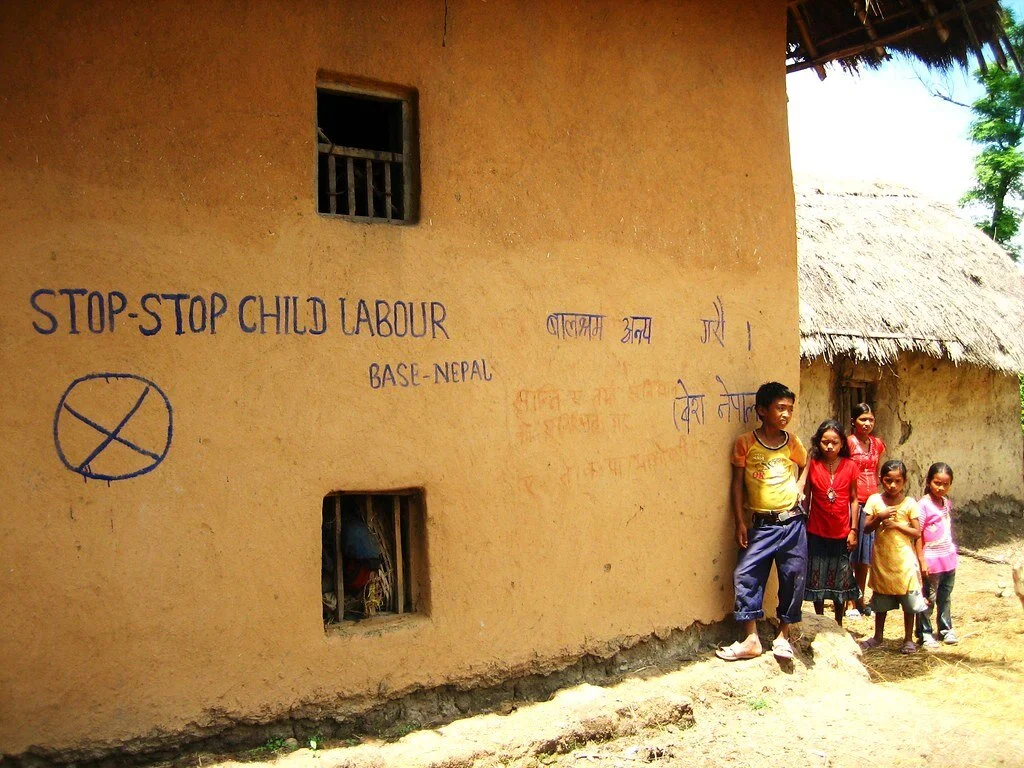
Stop Child Labor Graffiti in Kothari. The Advocacy Project. CC BY-NC-SA 2.0.
The COVID-19 pandemic has affected all aspects of life in Nepal, including education, government assistance, employment and domestic life. Due to adults losing their jobs and income, the rising illness and death rates among caregivers, and even more lockdowns, children are being forced into exploitative labor so they can provide for their families.
The second wave of COVID-19 cases in Nepal continues to put children at risk of child labor. Many children feel that they have no choice in the matter—they work long, grueling hours to help their families survive and provide food.
In Nepal, children work at places like brick kilns, carpet factories and in construction, or as carpenters or vendors selling various items. Some children carry heavy bags at mining sites or crush ore with hammers, all while breathing in dust and fumes from machines and acquiring injuries from sharp objects or particles.
Human Rights Watch interviewed 25 Nepali children between ages 8 and 16, and nearly all of them said that the COVID-19 pandemic had a negative effect on their family income. According to this report, one-third of the children interviewed worked at least 12 hours per day, and some even worked seven days per week. Among the reported side-effects of working long hours, children listed fatigue, dizziness and muscle pain. In addition, many children described hazardous working conditions; many have experienced violence, harassment and pay theft.
A majority of children interviewed also reported that they made less than Nepali minimum wage for their work, which is 517 rupees per day ($4.44 in U.S. dollars). Some children said their employers paid their parents based on a piece rate instead of paying them directly.

Nutrition education seminar in Bandarkharka, Nepal. Bread for the World. CC BY-NC-ND 2.0.
One of the biggest factors contributing to the rise in child labor is the lack of access to education due to COVID-19. In Nepal, school closures began on March 18, 2020, which affected more than 8 million students. A majority of Nepali students were unable to learn online as well, leaving them without education for over a year. In that education gap, children were often forced to work for their families.
Although most schools reopened in Nepal in January and February of 2021, some children continued to work because their families still needed their child’s income to prevent going into debt. However, in April 2021, schools closed again due to a second wave of COVID-19, and children were put back to work.
Several of Nepal’s neighboring countries, including Bangladesh, India and Pakistan, have expanded cash allowances in order to cover more families. However, Nepal has not yet taken this step. Nepal needs to expand cash allowances so children can be taken out of dangerous labor and put back into school, as well as to enable families to maintain adequate standards of living without relying on child labor.
TO GET INVOLVED
To aid in the global fight against child labor, volunteer with Global March Against Child Labor, a wide network of organizations that work together to eliminate and prevent all forms of child labor through volunteering, fundraising and donating. Love 146, an international human rights NGO working to end child trafficking and exploitation, also provides many ways for people to help. Among many opportunities to help, Love 146 encourages people to get active and start a workout or host a 5k to help raise funds for their work.
To learn more about child labor and find more ways to take action, visit UNICEF’s page on global child labor.
Isabelle Durso
Isabelle is an undergraduate student at Boston University currently on campus in Boston. She is double majoring in Journalism and Film & Television, and she is interested in being a travel writer and writing human-interest stories around the world. Isabelle loves to explore and experience new cultures, and she hopes to share other people's stories through her writing. In the future, she intends to keep writing journalistic articles as well as creative screenplays.
From Everest to Kathmandu: The Wonders of Nepal
Nepal is most famous for being the home of Mount Everest, one of the 7 natural wonders of the world. However, you don’t have to be a mountaineer to appreciate the beauty of this remote country, which boasts much more than its high peaks and rocky slopes. The monasteries of Nepal demonstrate the deep spirituality of many of its people and their decision to live in harmony with the natural world. Nepal’s main religions are Hinduism and Buddhism, and it has historical significance for both of these faiths. As the world’s only Hindu kingdom, as well as the birthplace of Buddha, Nepal’s religious history is rich and vibrant. This can be seen today in its people, architecture, and majesty of the natural world.
TALES OF A FEMALE SOLO ADVENTURER: Getting Off the Beaten Path
I grew up in a loving and somewhat free-spirited Canadian family. Our nomadic wanderings throughout western and northern Canada set the foundation for a life of global adventure, with my first flight from the nest being to the Central African Republic when I was 17. I spent a year there learning the local language and traveling to some of the most remote areas of that beautiful country. That was it. I was hooked on travel. I’m still going strong almost 30 years and four continents later. I relish the freedom of backpacking, but also love really living in another country and planting roots for several years. I enjoy the uniqueness of each place I visit yet what I love even more are the connections that prove the undeniable unity of the human race.

After raising three amazing children across several countries, they have all moved out and I’m solo once again. I’m currently based out of India’s Tamil Nadu state, where I focus my free time on the “3 Ts”: Travel, Trekking and Trail-running. I find solo adventuring so empowering because it allows me to test my limits and see how far I can go. Being a woman on my own I definitely take precautions, but I chose not to live in fear of what might happen. Instead, I focus on the positive and so far it's been a great journey. Photography is a recent hobby. I’m a nature lover who seeks out those “holy shit” moments of beauty that come from getting off the beaten path.
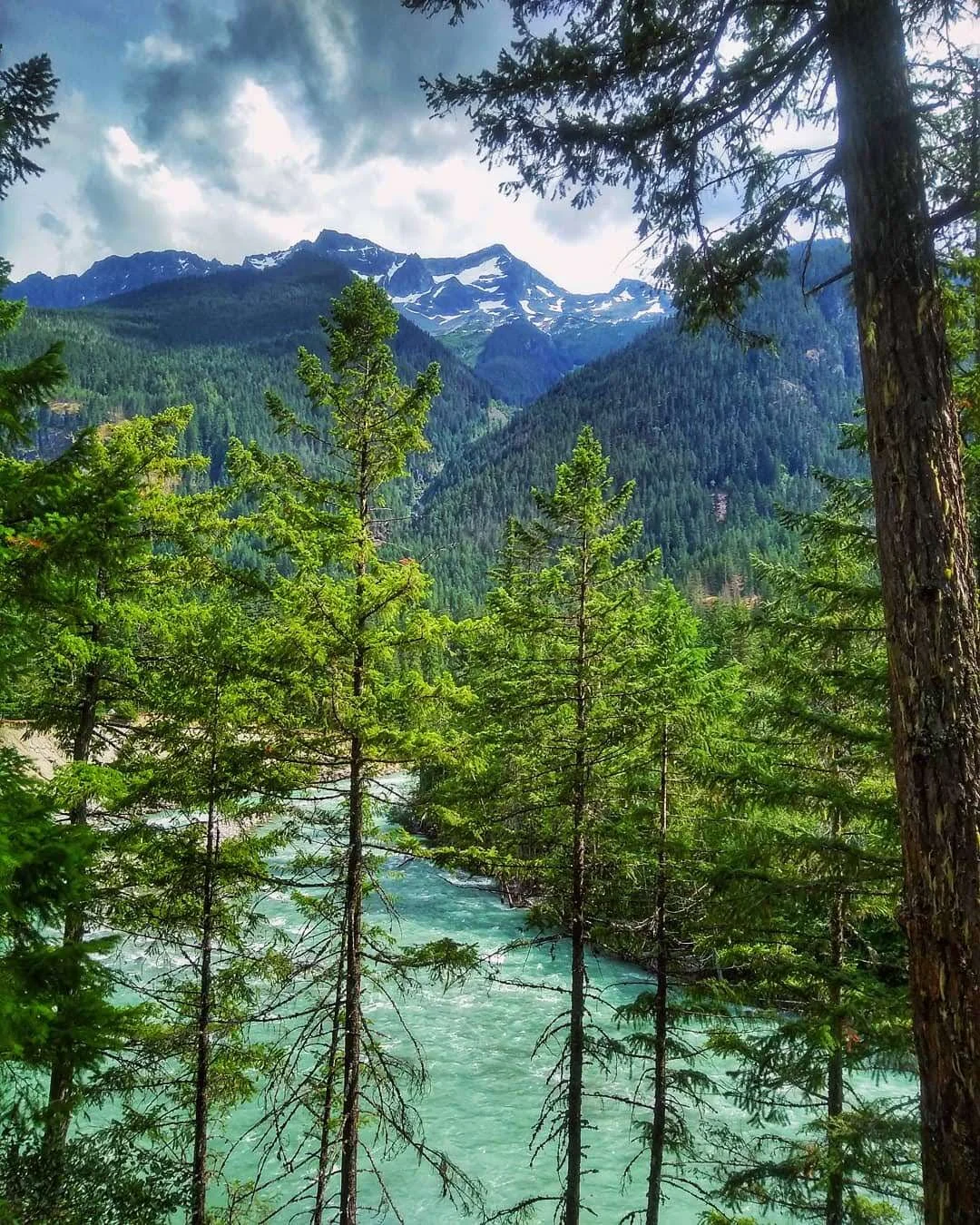
“Home” in western Canada. During my last visit I enjoyed camping and running the trails along the Green River. This area is just a couple hours outside of Vancouver but you couldn’t feel farther from the city. And yes, that water is cold!
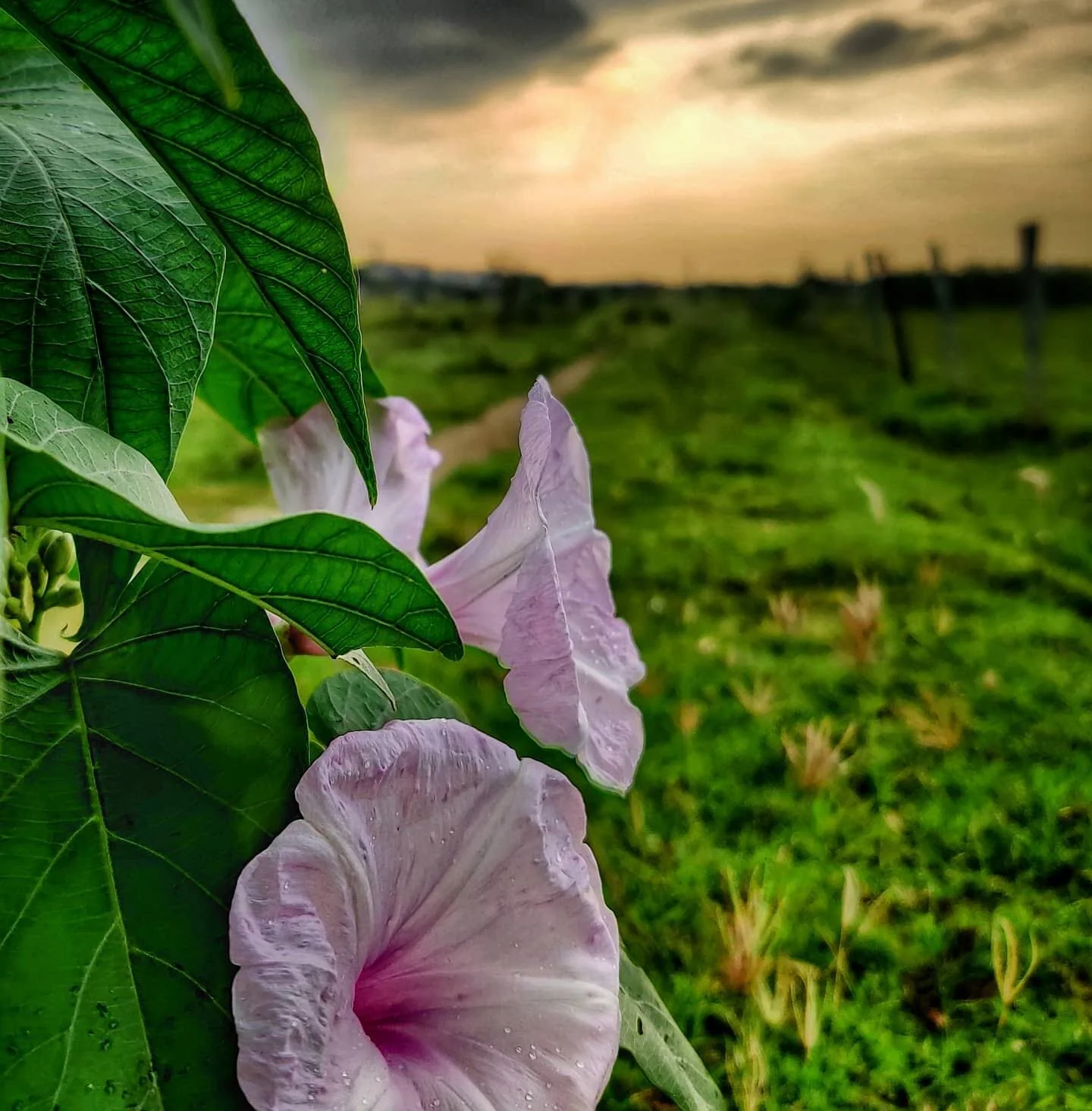
I’m always looking for new trails. I scan Google Maps, throw on my hydration vest and go explore. This is a small track running through rural farmland in Tamil Nadu. When I’m not traveling I’m out there seeing how far my legs will take me.
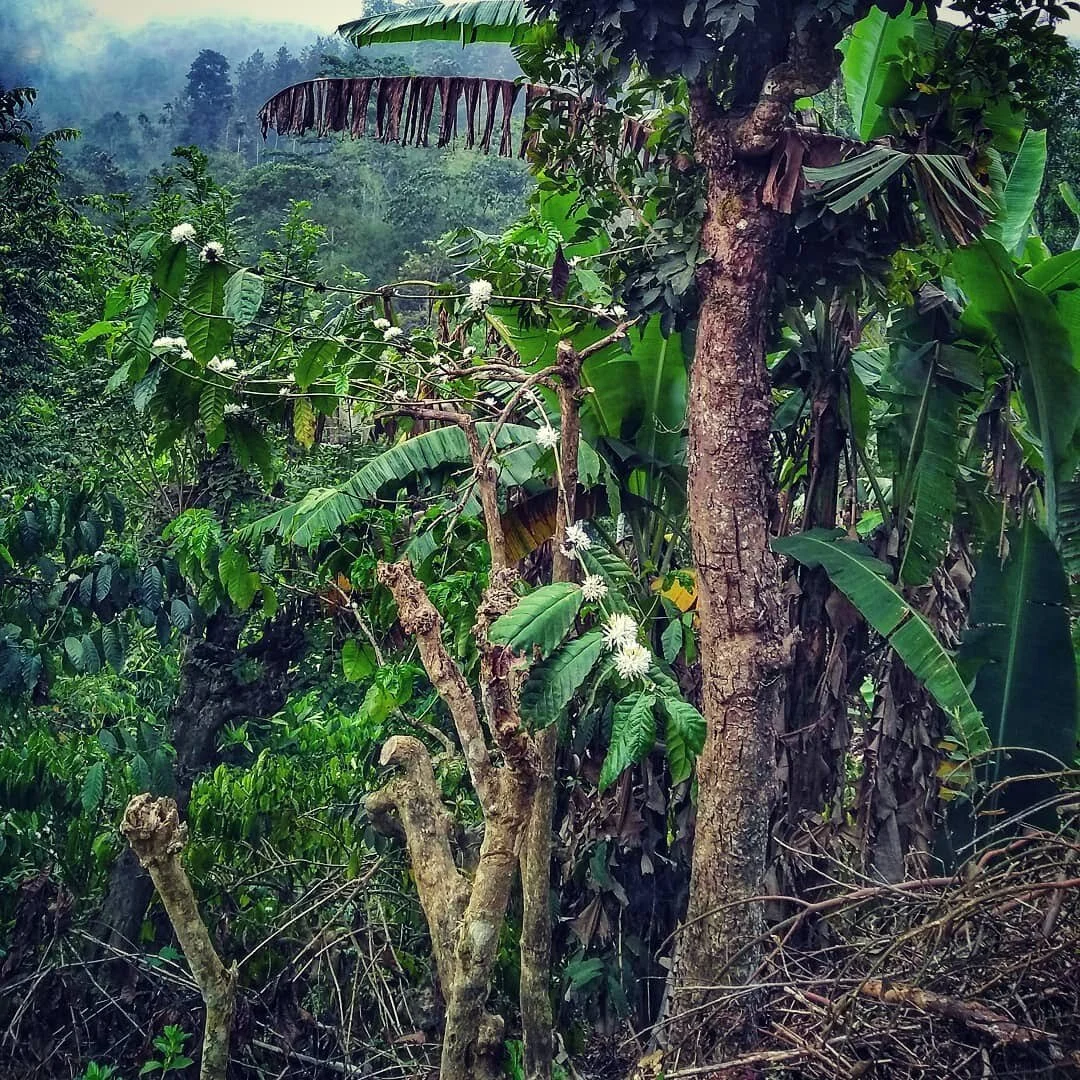
Wayanad in India’s Kerala state is an amazing place to just wander. It is so wild and lush. Every day I was there I would take a local bus and jump out when it looked interesting. Then I would take the trails up to the tea plantations and down into steamy, forested valleys. The great thing about India is that it has a good public transport system. It doesn’t matter how far or which direction my feet carry me; I will eventually find another bus to take me back to where I started.
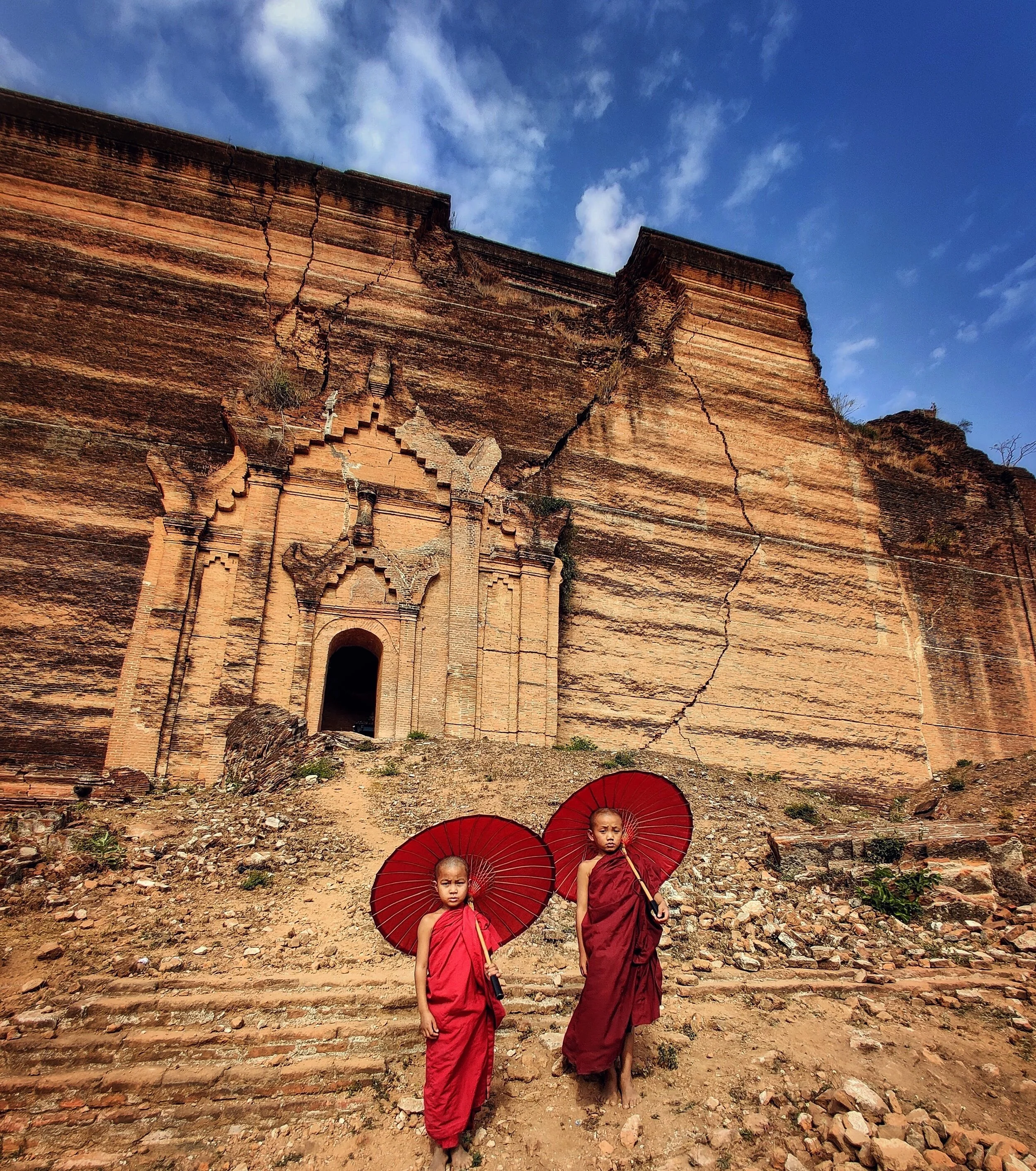
Sometimes when you travel you stumble across the perfect moment. This was one in Mingun, Myanmar.
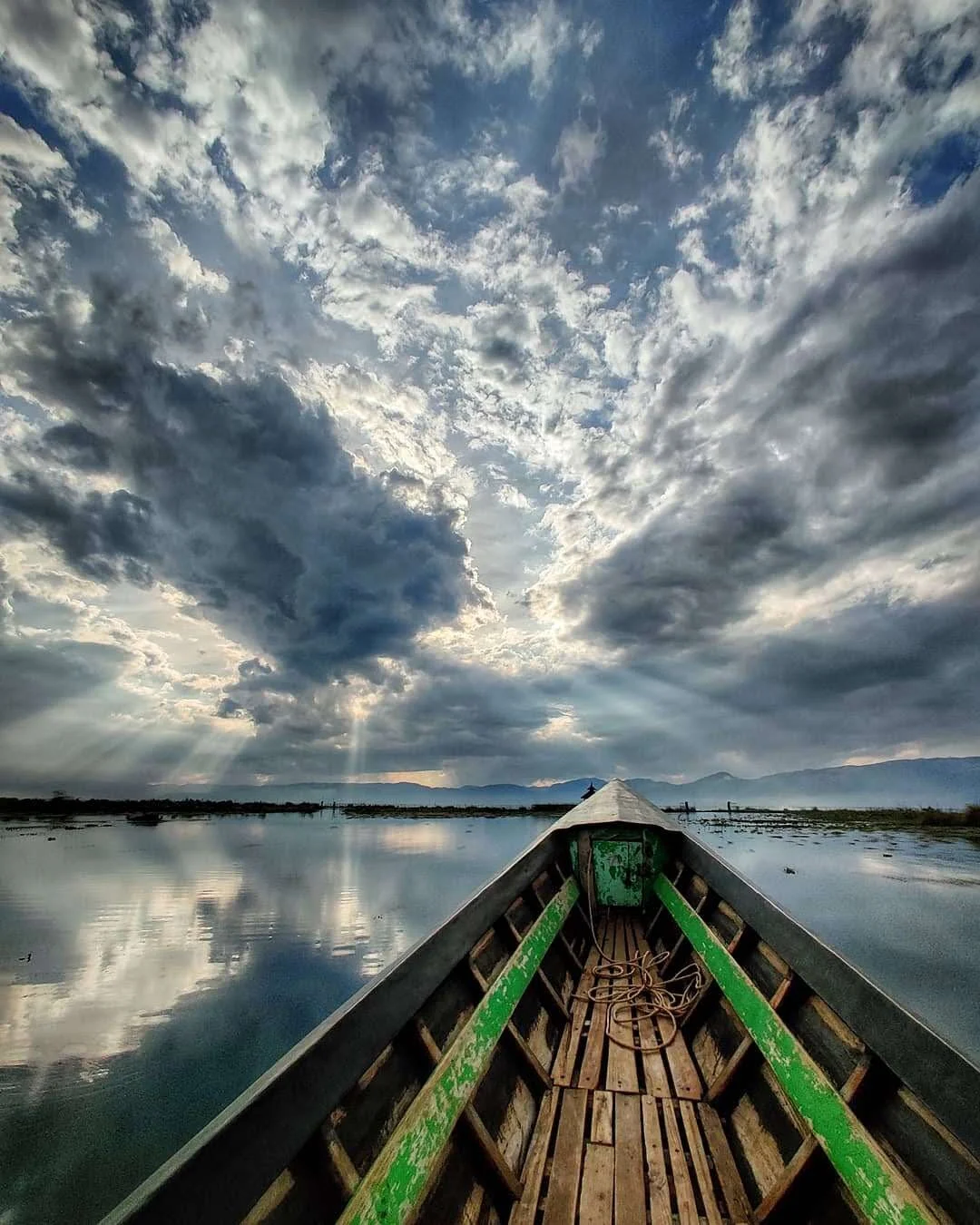
In January 2020 I spent a month exploring Myanmar. This photo was taken at the end of an epic section of trail. I spent three days walking from Kalaw to Inle Lake. Here, I’m taking a longboat across Inle Lake to get from the end of the trail to the nearest town where the luxury of a hot shower awaited me.
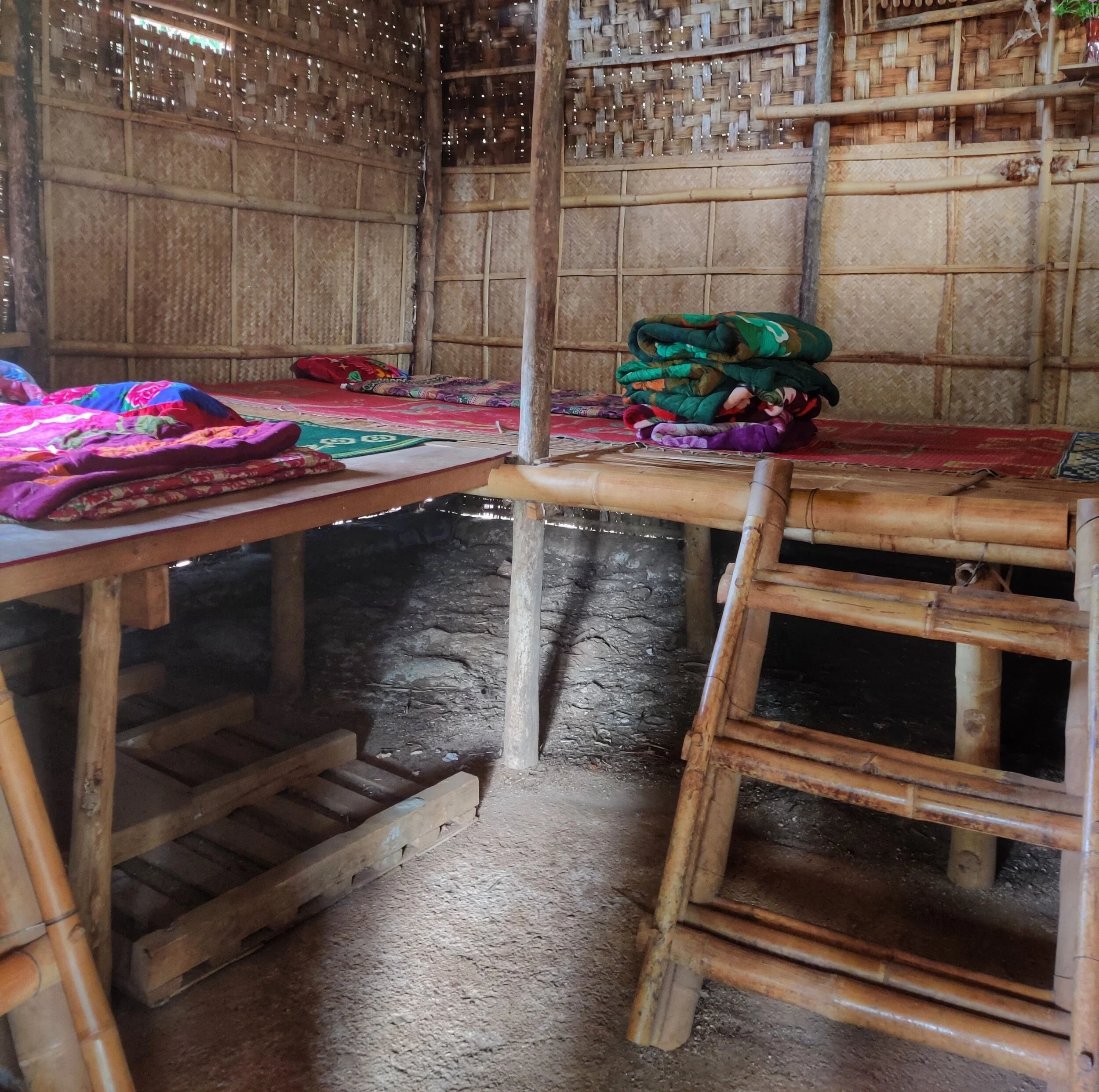
No hotels, no restaurants. I slept in small villages with local families who offered food and shelter. These are communal sleeping quarters up in the mountains of central Myanmar. When you are climbing up and down mountains all day, I can’t tell you how good it feels to be given a hot meal and a place to rest your weary bones.
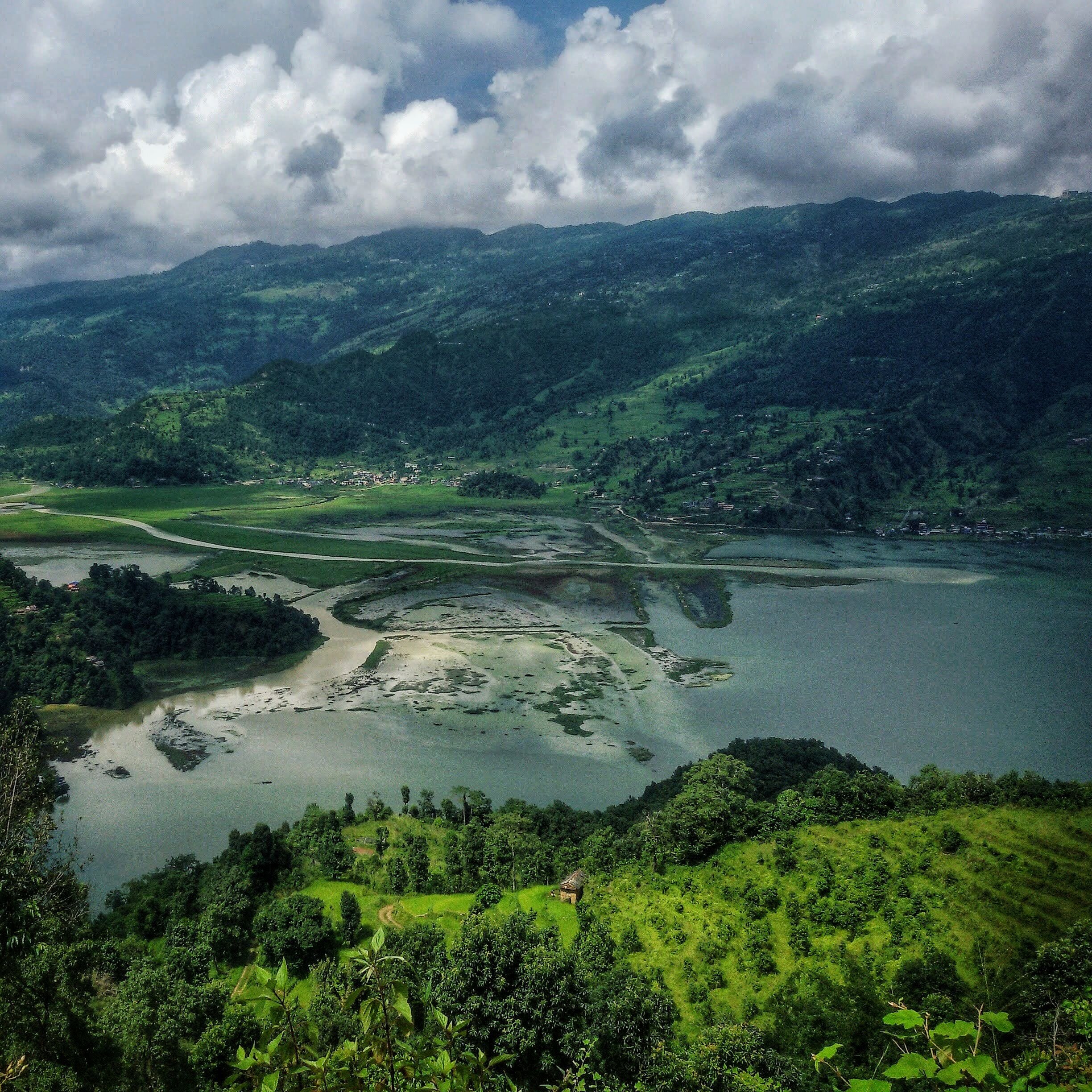
Pokhara, Nepal, is an awesome place to explore even if you opt not to do the big overnight treks in the mountains. I asked many locals and they all told me that you could not circumnavigate Phewa Lake. I kept staring at Google Maps and thinking, “I’m sure I can!” The issue was getting across the valley floor. There is a section where there is no track at all. One day I saw a farmer wade through the rice paddies and I did the same, mud up to my knees in places. Once I got across the valley, as I had seen on Google Maps, there was “trail” all the way around. I arrived back in Pokhara nine hours later, feet full of leeches but with a happy heart.
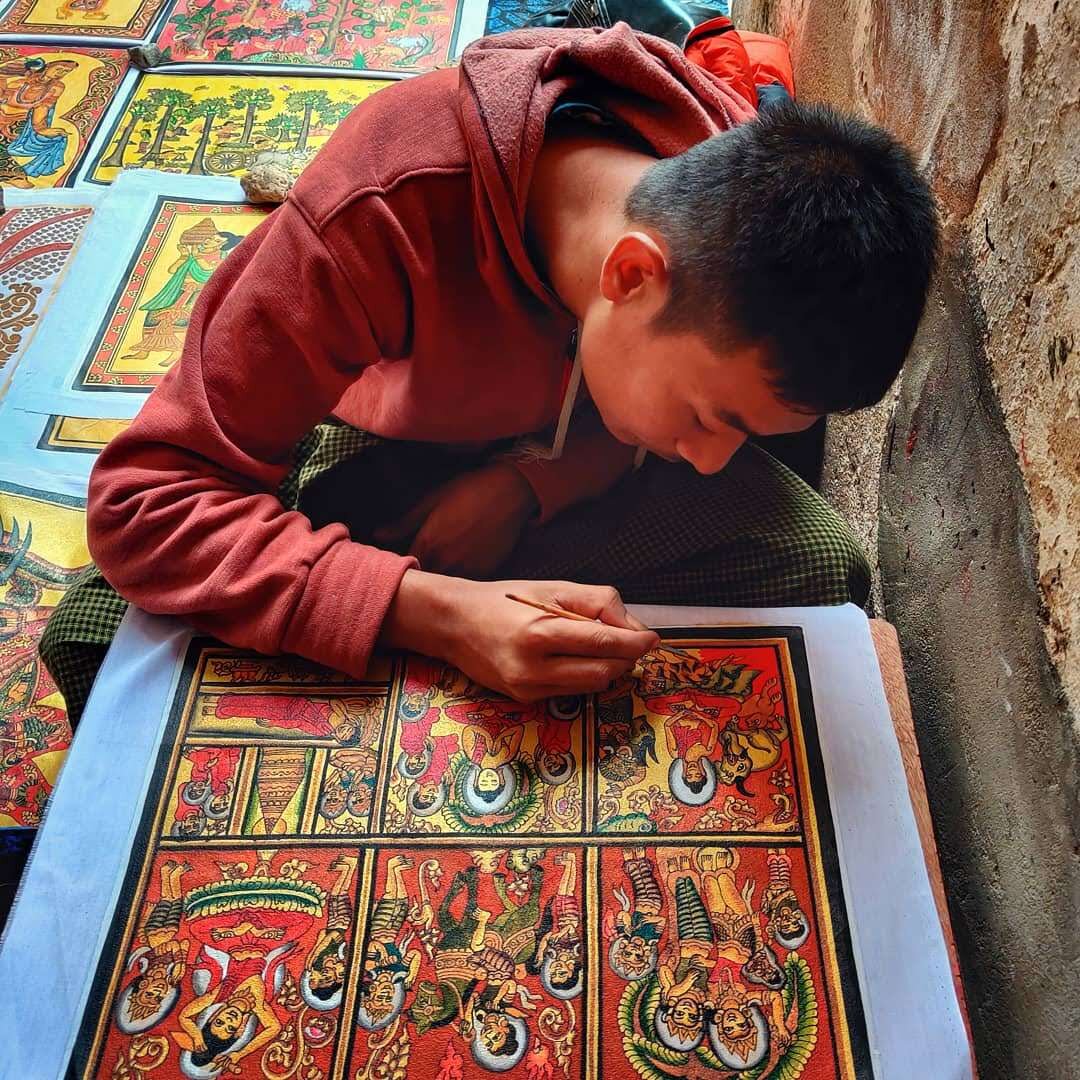
The artist in me gets very excited about local handicrafts. I love seeing creative expression around the world. This teenage boy was oblivious of me as he patiently labored away at this masterpiece in Bagan, Myanmar.
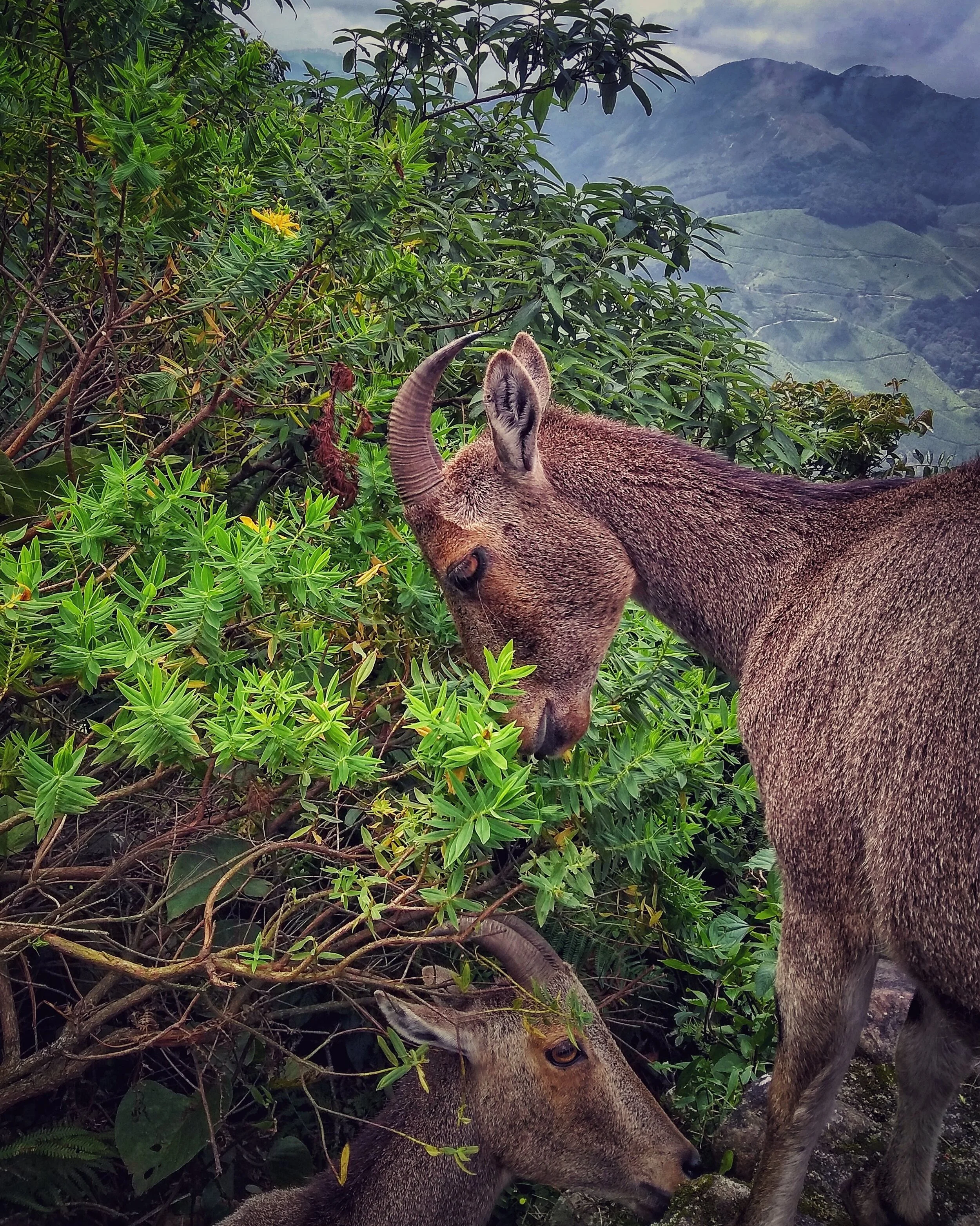
I have been blessed with close encounters with many amazing animals. I never chase after them but enjoy when they approach me. These are Nilgiri tahr, an endangered species that inhabits the Eravikulam National Park in southern India. I was sitting on a rock and they stepped right over me and decided to hang out. I was all by myself up in the hills and it was such a magical moment.
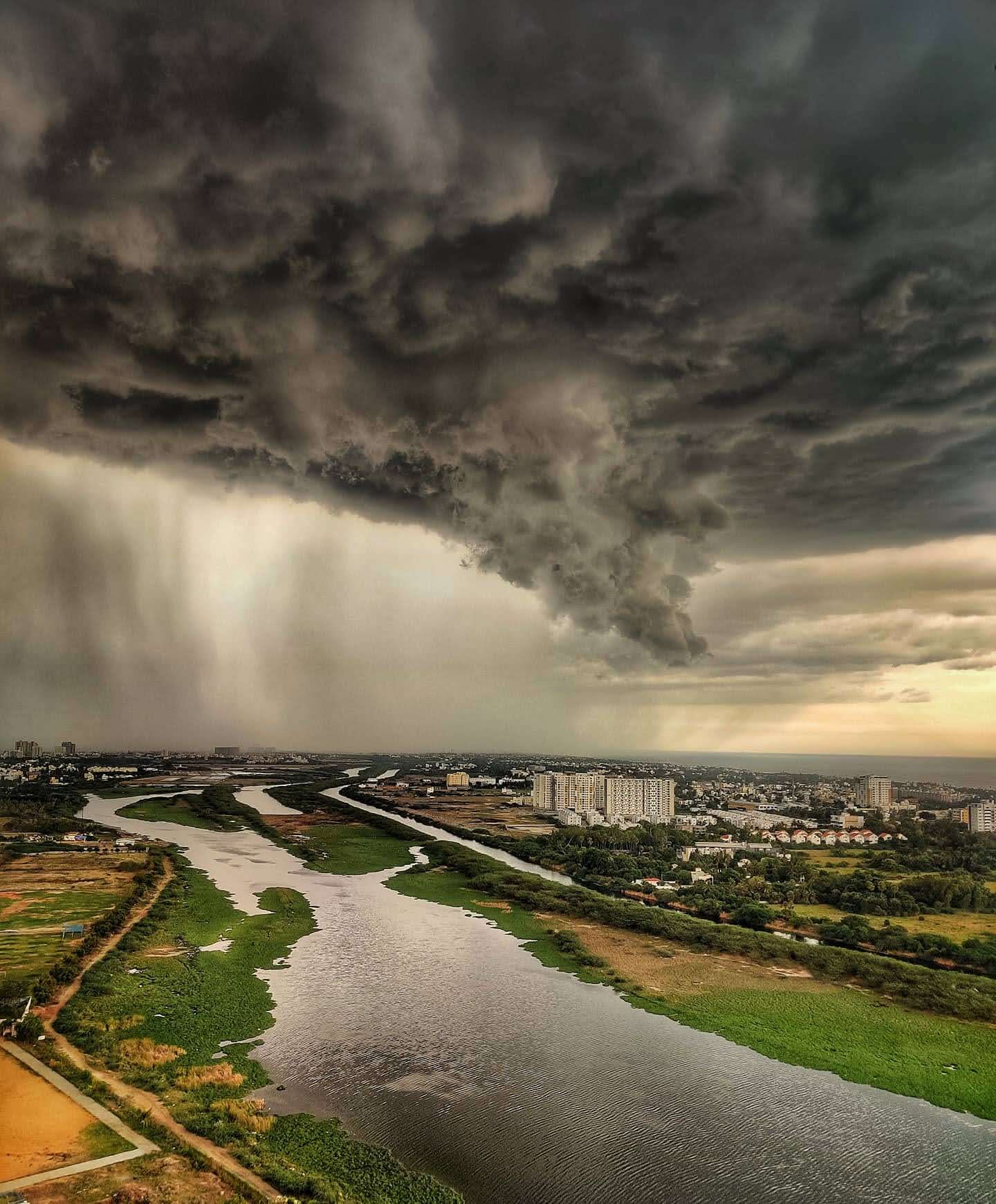
I love a good storm! Something about the energy of the shifting skies is so invigorating. This is on the backwaters just south of Chennai, India, overlooking the Bay of Bengal.
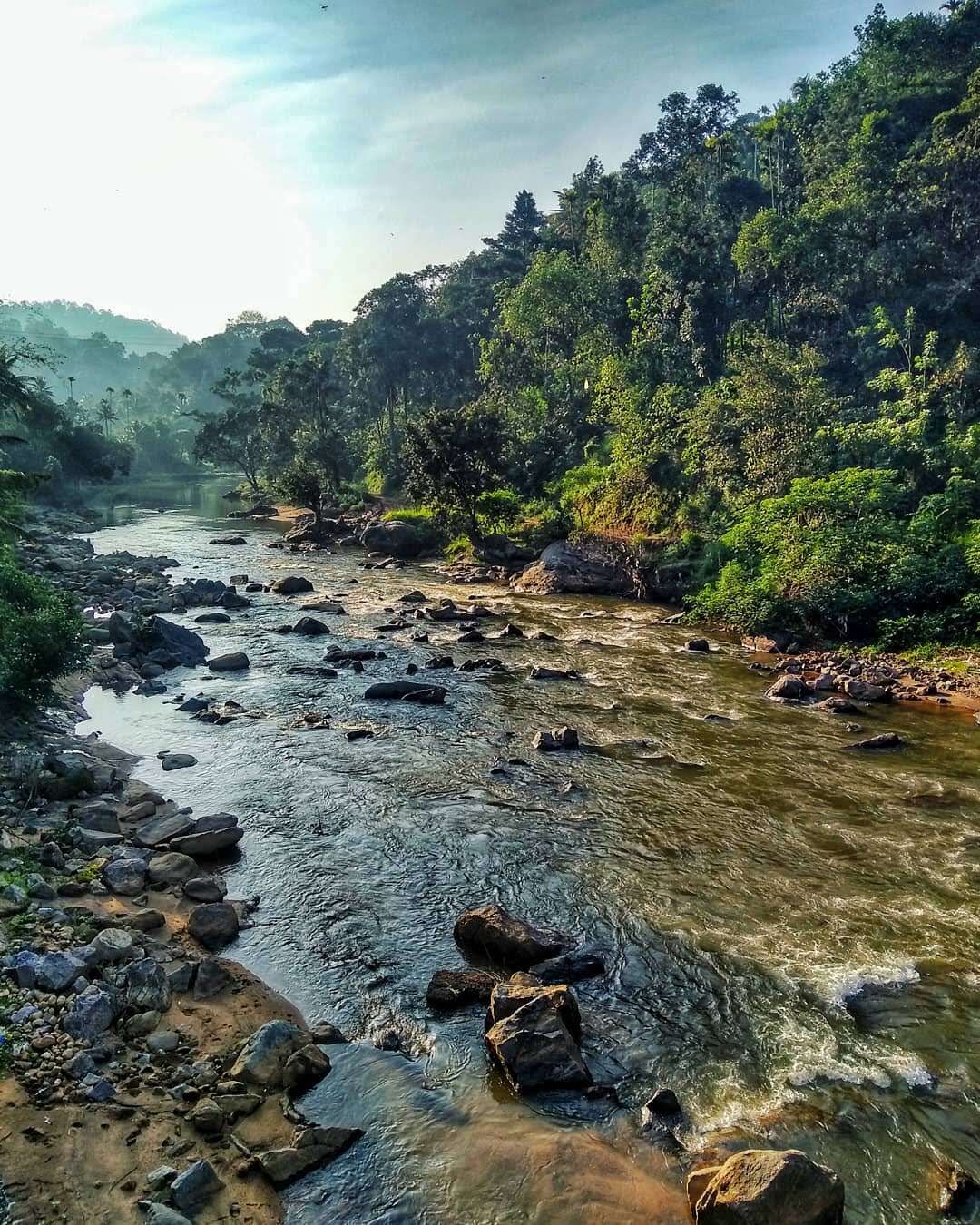
Just outside of Kunchithanny in Kerala, India, I spent a week wandering in the mountains. I talked to locals to scope out good trails and, armed with screenshots from my trusty Google Maps, I headed out early each morning. This is one of my favorite places to trek. I can cover 15 miles by noon. The climbs are steep but well worth it. I met families at my guesthouse who spent three hours in traffic jams to catch a glimpse of the popular waterfalls outside of Munnar; meanwhile, I saw at least 20 falls and had them all to myself. This area is so welcoming. Several families brought me into their homes for food and rest. I can’t wait to go back.

Monks feeding carp in Hpa-An, southern Myanmar. This was such a magical day. First I offered a prayer to all my loved ones atop the rock tower at the pagoda in the middle of this pond. Later that day I did my hardest climb in Myanmar. I climbed to the highest point in the mountains seen in the background. It was an extremely steep vertical climb. Rough steps had been carved out of the rock but they were narrow. In places, I had to lift my leg up higher than my knees to reach the next step. It is typically a three to four hour hike. I wanted to catch the sunset so I powered up it in an hour and 20 minutes. I made it just in time and then descended in 45 minutes. When I finished, my legs were shaking and spasming uncontrollably. It actually felt great having pushed past what I thought my body was capable of.
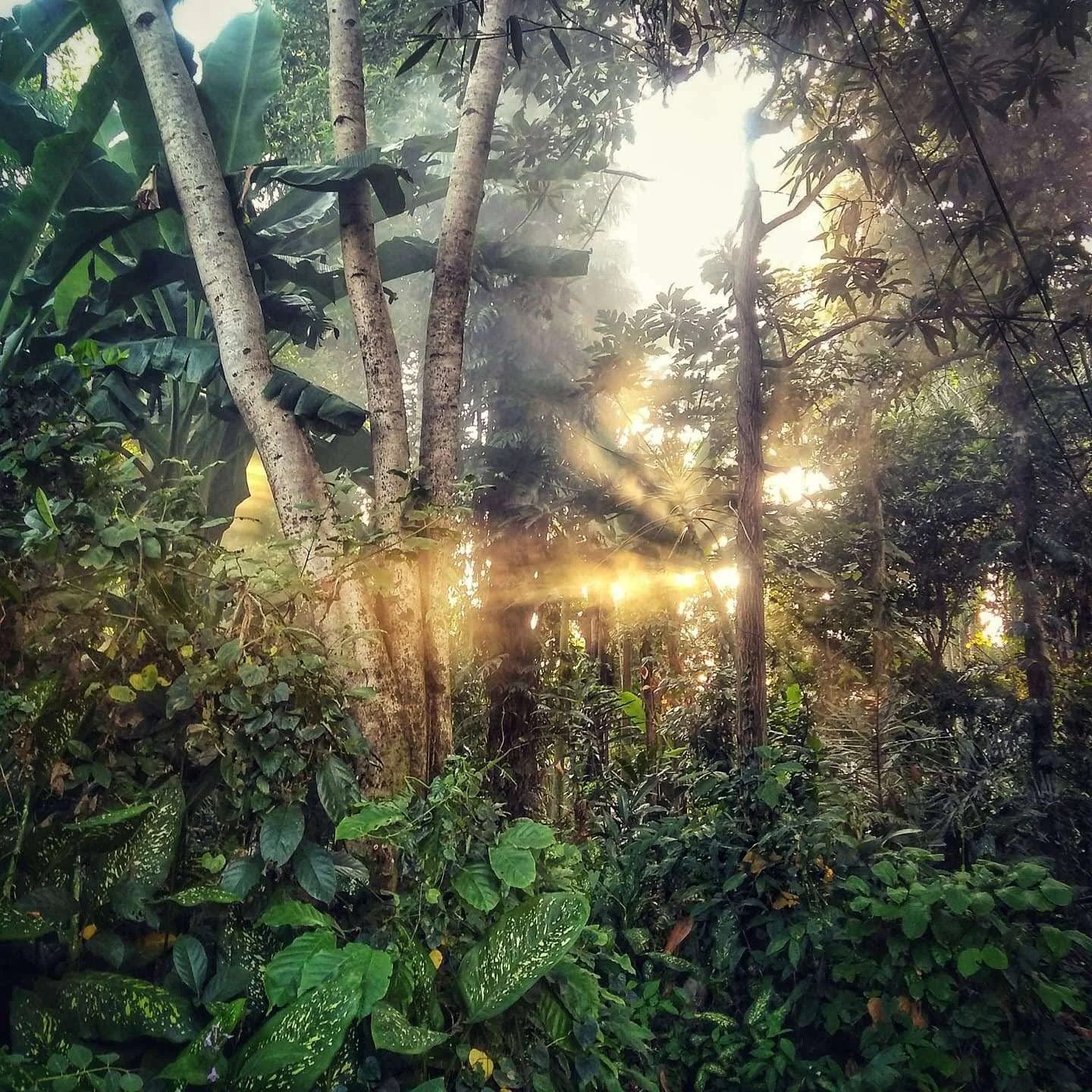
In Ubud on the Indonesian island of Bali I would wake up at 4 a.m. and run up the mountain peaks in the dark to catch the sunrise from the mountaintops. This is where I started really building my confidence running solo in the wilderness. I wish this photo could convey the incredible birdsong that accompanied each daybreak.
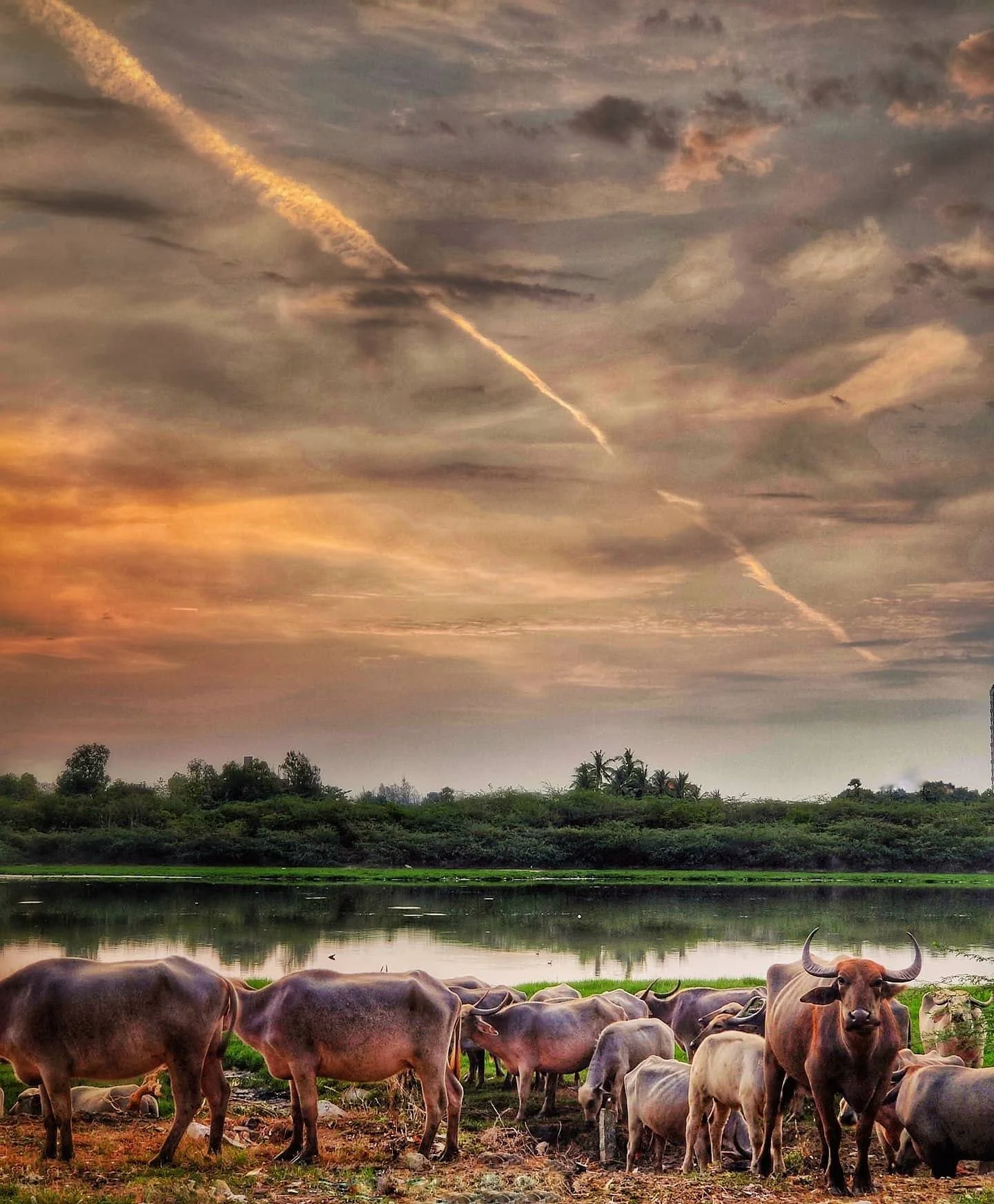
My daily runs here in Tamil Nadu often involve weaving through crowds of these guys. I’m up early to catch the sunrise and enjoy South India in all her beauty.
I have learned to read the landscape, tune into my surroundings and listen to my own body. All of this has given me the freedom to keep living my best life. No regrets.
If you want to keep up to date with my adventures, follow me on Instagram @dawned_onme or check out my blog, bigbeautiful.world, to see more of my past wanderings.
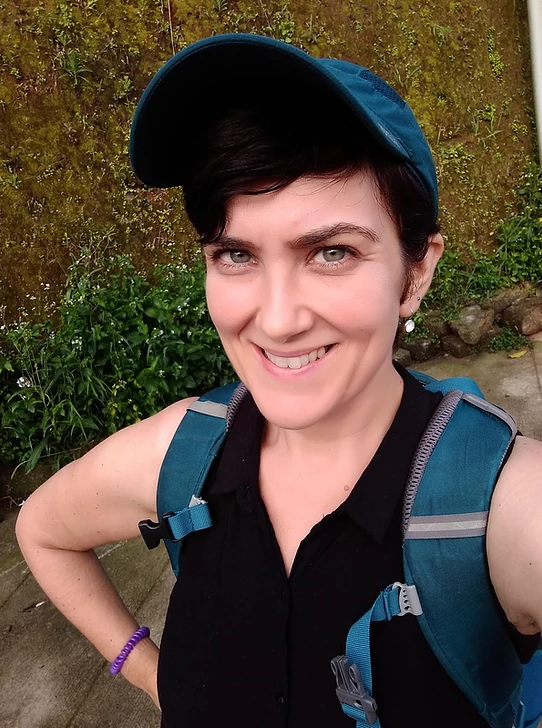
Dawn Lwakila
continually takes the path less trodden, both figuratively and literally. She loves to really live in a place and grow some roots there — as well as a good wander and the freedom to explore. Canada is her homeland, but her heart and soul is scattered across the globe. She has journeyed through over 30 countries and still has an ever-growing bucket list of new places to experience.
NEPAL: Kung Fu Nuns
This nunnery has an empowering claim to fame—it’s the only one in Nepal where the nuns practice martial arts. The nuns of the Buddhist Drukpa Order train three hours a day, and they break bricks with their bare hands. Heroes in the Himalayas, these strong women delivered supplies to hard-to-reach villages after an earthquake struck Kathmandu in 2015. The kung fu nuns have also taught self-defense classes for women and biked 14,000 miles to protest the human trafficking of women and girls.
This Surgeon Has Restored Sight to 130,000 of Nepal’s Blind
Dr. Sanduk Ruit is an ophthalmologist on a mission to restore sight to Nepal’s blind. He is the executive director of the nonprofit Tilganga Institute of Ophthalmology in Kathmandu, Nepal, and has operated on more than 130,000 patients. He has adopted innovative surgical techniques for cataracts and often travels to perform operations, walking up to seven days hauling surgical equipment to reach patients who live in Nepal’s most remote villages. Why does Dr. Ruit do this? He lost family to treatable diseases and knows what it’s like not to have access to healthcare.
Kathmandu
This video documents the faces of Kathmandu and architecture in Nepal’s capital city. On display is the daily life of people in Kathmandu and tourist sites. It is the largest city of Nepal and has a population of approximately 1 million people. Additionally, Kathmandu is also the biggest metropolis in the Himalayan hill region. The languages spoken are predominately Nepali and English.
VIDEO: Nepal Times
James Baker took this video to portray his adventures in the mystical land of Nepal. The video shows a cross-section through jungle, city, and mountains in Nepal.
NEPAL: The Sun, The Moon, and the Truth
A film by Neal Howland. This film, with narration by Osho Bhagwan Shree Rajneesh explores the charming nature and culture of Nepal, exploring the attitudes we have towards the natural world.