
• Travel Features
  • Global Action
  • Take A Trip
  • Travel Guides
    • Podcast
    • Courses
    • Bookshop
  • About
  • Sign Up
Menu

CATALYST PLANET

  • Travel Features
  • Global Action
  • Take A Trip
  • Travel Guides
  • Discover
    • Podcast
    • Courses
    • Bookshop
  • About
  • Sign Up
Kathmandu, Nepal
Kathmandu, Nepal

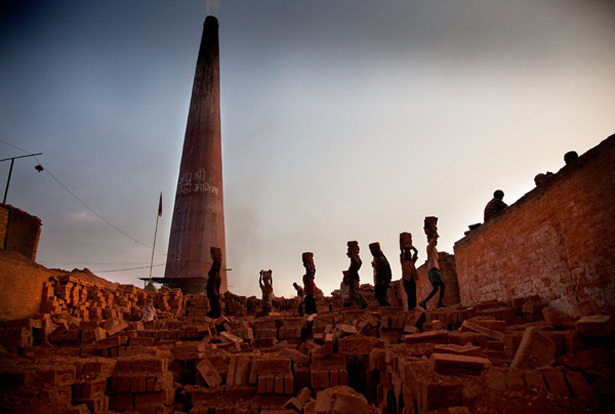
Men, women and children, entire families in fact, carry burdensome bricks, often as many as 18 at a time, in 130 degree heat.

Kathmandu, Nepal
Kathmandu, Nepal

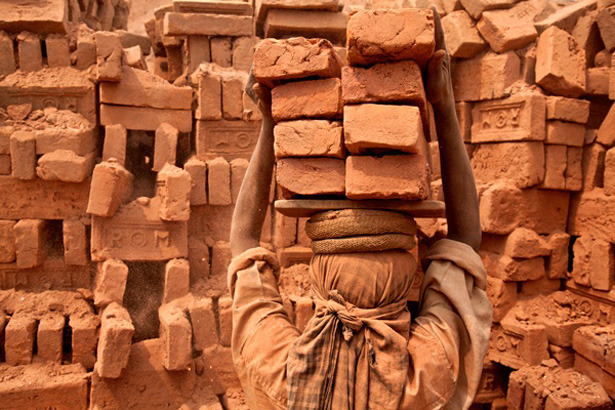
A worker blends in with the bricks at a Nepalese kiln. Workers mechanically stack 18 bricks at a time, each weighing four pounds, and carry them to nearby trucks for 18 hours a day without any payment or compensation.

Accra, Ghana
Accra, Ghana

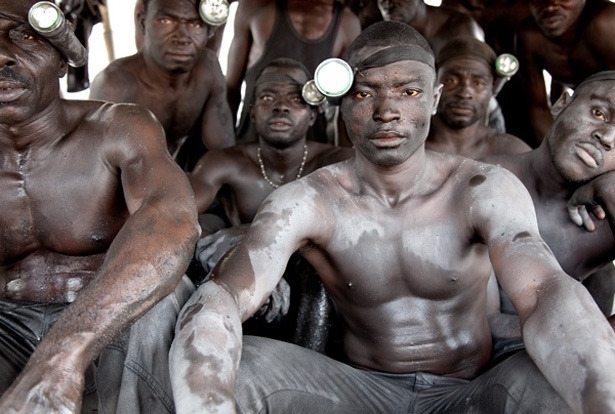
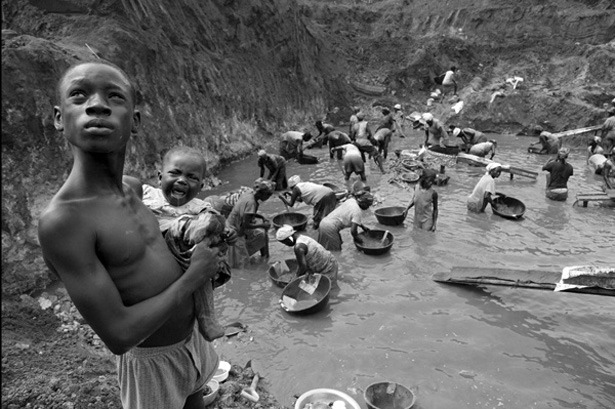
These gold miners have just come out of the shaft, their pants soaked from their own sweat. Most had spent all their money coming from the north hoping to strike it rich in legal mines. But legal operations require certifications. When they can't get a job, the men take high-interest loans or join groups of slaves in mines abandoned by legitimate operations.

Accra, Ghana
Accra, Ghana

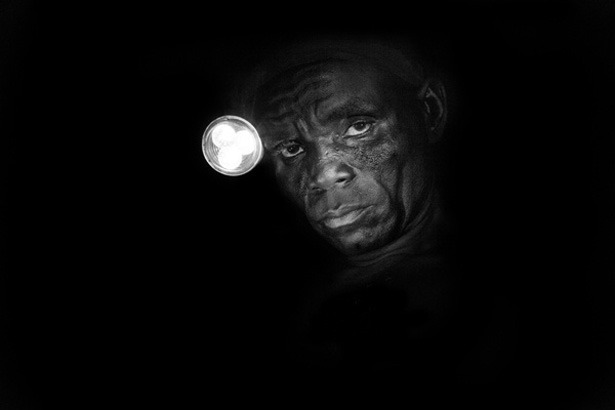
Two hundred feet underground, a man labors in an illegal gold mine. He and others enslaved like him are underground for as long as 72 hours at a time.

Accra, Ghana
Accra, Ghana

Many of those enslaved had children with them while panning for gold, wading in waters poisoned by mercury that is used in the extraction process.

Kathmandu, Nepal
Kathmandu, Nepal

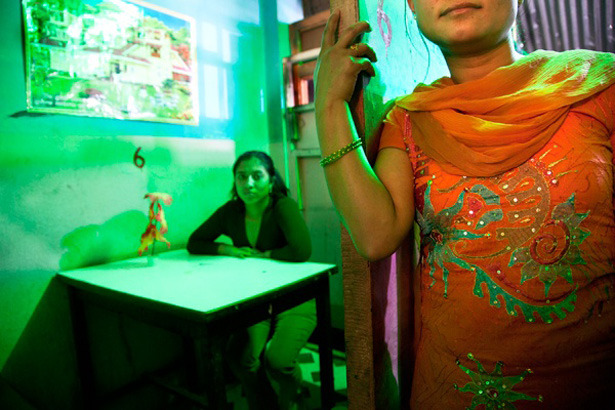
For this photo, I was escorted by women who had previously been enslaved themselves. They brought me down a narrow set of stairs leading to a green fluorescent-lit basement. This wasn't a brothel as such; it was a "cabin restaurants," as they are known in the trade -- venues for forced prostitution. Each has a small private room where slaves, some as young as seven, entertain and serve the clients, encouraging them to buy alcohol and food. These cubicles are small, dark, and dingy, each identified with a number painted on the wall, and partitioned by plywood and a curtain. The workers here often endure sexual abuse at the hands of the customers. Standing in the near darkness, I realized there was only one way out -- the stairs where I came in: no back doors, no windows large enough to climb through, no escape at all.

Lake Volta, Ghana
Lake Volta, Ghana

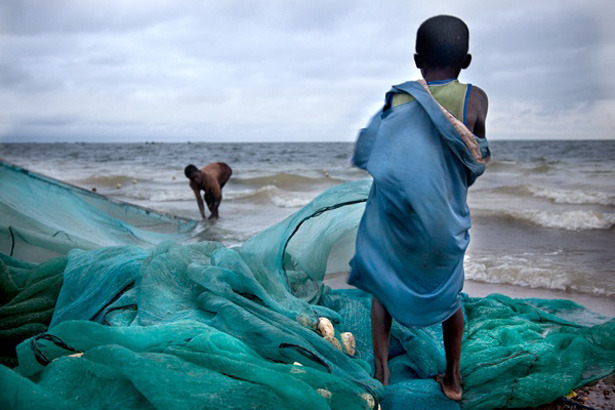
Child workers usually work from 1 a.m. to 5 a.m. on cold, windy nights to reel in nets weighing as much as 1,000 pounds when they are full of fish. Skeletal tree limbs submerged in Lake Volta frequently entangle the fishing nets, and and slave masters will throw weary, frightened children into the water to free the trapped lines, sometimes drowning them. I didn't meet one child who didn't know another who had drowned.

Lake Volta, Ghana
Lake Volta, Ghana

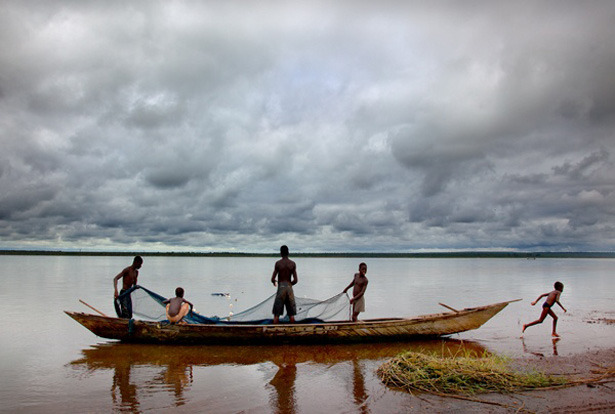
Fhanaian NGOs estimate that between 4,000 and 10,000 trafficked children are enslaved on Lake Volta, the largest man-made lake in the world. At first glance this image appears to be a family fishing in the lake, two older brothers and some kids. I was alarmed to learn that they were actually enslaved, working in plain sight. These children have been lost to their parents and are forced to work endless hours in boats on the lake, though they're unable to swim.

Lake Volta, Ghana
Lake Volta, Ghana

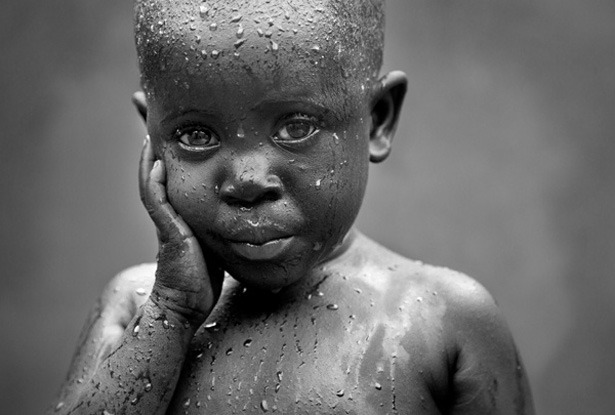
There are triumphs, too. Meet Kofi, a young boy who was rescued from slavery in a fishing village. I met Khofi at a shelter where Free the Slaves rehabilitate victims of slavery. He was bathing at the well, pouring big buckets of water over his head. Thanks to the efforts of organizations like Free the Slaves, today Kofi has been reunited with his parents, who were provided tools to make a living and to keep their children safe from human traffickers.

Himalayas
Himalayas

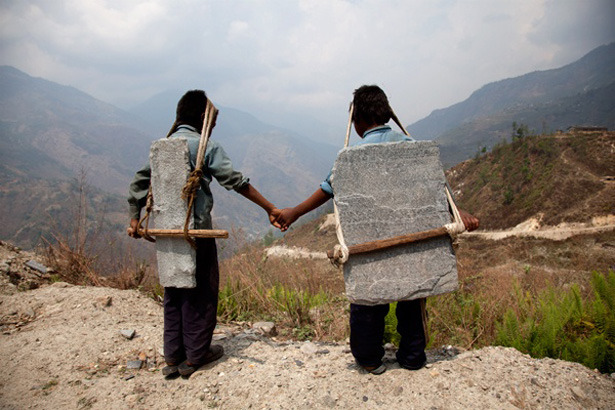
In the Himalayas I found children hauling stone for miles down steep mountain terrain to trucks waiting at the road below. These huge sheets of slate were heavier than the children themselves. The kids hoisted them with their heads using handmade harnesses made from sticks, rope, and torn cloth.


Uttar Pradesh, India


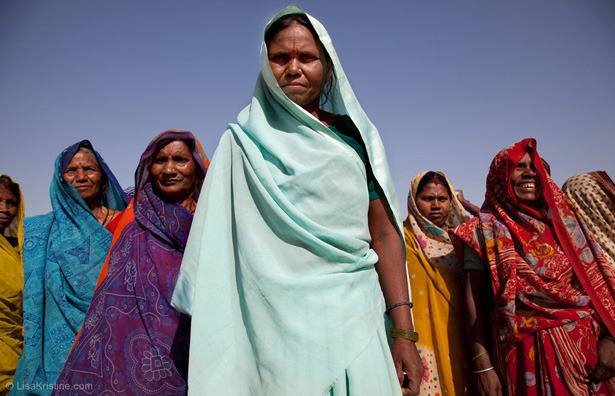
Uttar Pradesh, India: Slaveholders burned down these people's villages after they declared their freedom. Many of the neighbors wanted to give up, they were so frightened -- but the woman in the center encouraged them to persevere. Abolitionists helped them get a quarry lease of their own. Now they do the same backbreaking work, but they at least get paid for it, and they do it in freedom.

Uttar Pradesh, India

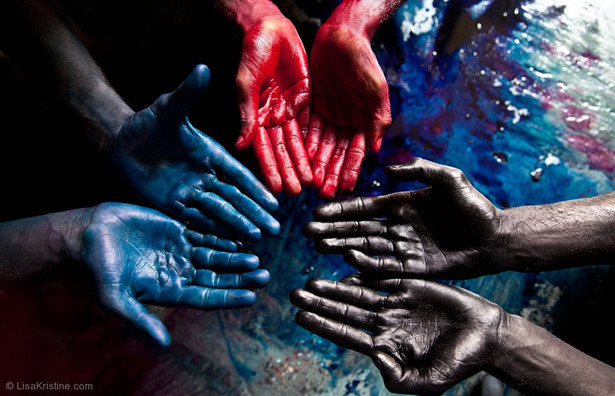
In India I visited a village where whole families were enslaved in the silk industry. This is a family portrait. The father (hands in black) and his sons (hands in red and blue) are held captive in a "silk dyeing house." The dye they work with is toxic. It's common for entire families to be enslaved for generations. My translator told me their story. "We have no freedom," they said. "But we hope, some day, we will be able to leave this house and make dyes in a place where we actually get paid for it."

Kathmandu, Nepal Kathmandu, Nepal Accra, Ghana Accra, Ghana Accra, Ghana Kathmandu, Nepal Lake Volta, Ghana Lake Volta, Ghana Lake Volta, Ghana Himalayas Uttar Pradesh, India Uttar Pradesh, India

Understanding Modern Slavery

January 31, 2022

It was 130 degrees when I was first introduced to the brick kilns of Nepal. In these severe temperatures, men, women, and children -- whole families, in fact -- were surrounded by a dense cloud of dust while mechanically stacking bricks on their heads, carrying them, 18 at a time, from the scorching kilns to trucks hundreds of yards away. These are slaves. Deadened by monotony and exhaustion, they worked without speaking, repeating the same task 16 hours a day. They took no rest for food or water, no bathroom breaks — although their dehydration suppressed their need to urinate.

Around the world human traffickers trick many people into slavery by false promises of good jobs or good education, only to find themselves forced to work without pay, under the threat of violence. Trapped by phony debt, these slaves are hunted by local police and private security guards if they try to escape. Sometimes slaves don't even understand that they're enslaved, despite people working 16 or 17 hours a day with no pay. They're simply used to it as something they've been doing their whole lives. Their bodies grow weak and vulnerable to disease, but they have nothing to compare their experience to.

For the last 28 years I have documented people in more than 100 countries on six continents. In 2009, at the Vancouver Peace Summit, I met a supporter of Free the Slaves, an NGO dedicated to eradicating modern-day slavery; weeks later, I flew down to Los Angeles and met with the director of Free the Slaves; thus began my journey into exploring modern-day slavery.

Oddly, I'd been to most of the locations where I started photographing slavery many times before. I even considered some of them homes-away-from-home. But there can be dark corners in familiar places.

These are not images of "problems." They're images of people. There are 27 million slaves in the world today: That's more than double the number of people taken from Africa during the entire transatlantic slave trade. A hundred and fifty years ago, an average agricultural slave cost over three times the average yearly wage of an American worker, about US$50,000 in today's money. Yet now, entire families can be enslaved for generations over a debt as small as $18. Slavery is illegal everywhere, but it exists all over the world. — Lisa Kristine

THESE MATERIALS WERE PREVIOUSLY PUBLISHED IN THE ATLANTIC.


Lisa Kristine

Lisa is a humanitarian photographer who specializes in images of remote Indigenous cultures. Lisa's most recent focus has been documenting modern day slavery and collaborating with NGOs in this effort. By purchasing one of her prints or slavery book or soon-to-be poster a percentage of proceeds will go toward fighting slavery. Her work may be found at www.lisakristine.com.

In News and Social Action, Nepal, Photo Essay, Human Rights Tags slavery, Human Trafficking, human slavery, Nepal, Ghana, India, Himalayas, CheckOut, Human Rights, Photo Essay
← Asylum-Seeking Children Arrive at US Border UnaccompaniedVIDEO: Angkor Wat to Phnom Penh, Cambodia →

Also check out...

Featured
Vietnam’s Floating Markets Are Disappearing
The Supernatural Role of Masks in Nigeria’s Yoruba Tribal Culture
Opening the World to Deaf Travelers with Lily Yu

Featured trips

Featured
Offer NGO Support While Visiting Quito
Experience Life as a Mongolian Nomad
Help Grow Organic Costa Rican Coffee

Sign up for the CATALYST newsletter

Sign up for our newsletter to get the scoop on international travel, global social impact insights, our latest podcast releases, and more from around the world, all delivered right to your inbox!

We respect your privacy.

Thank you!
Newsletter Sign Up | Advertise | Careers + Internships | Privacy Policy | Submissions | Contact Us

Copyright © 2025, MISSION MEDIA LLC. All rights reserved.