
Julia Kelley
Known for clear blue waters and a rich history, the beach towns along the shores of Croatia offer a look into the country’s blended cultures and charming coastal attractions.
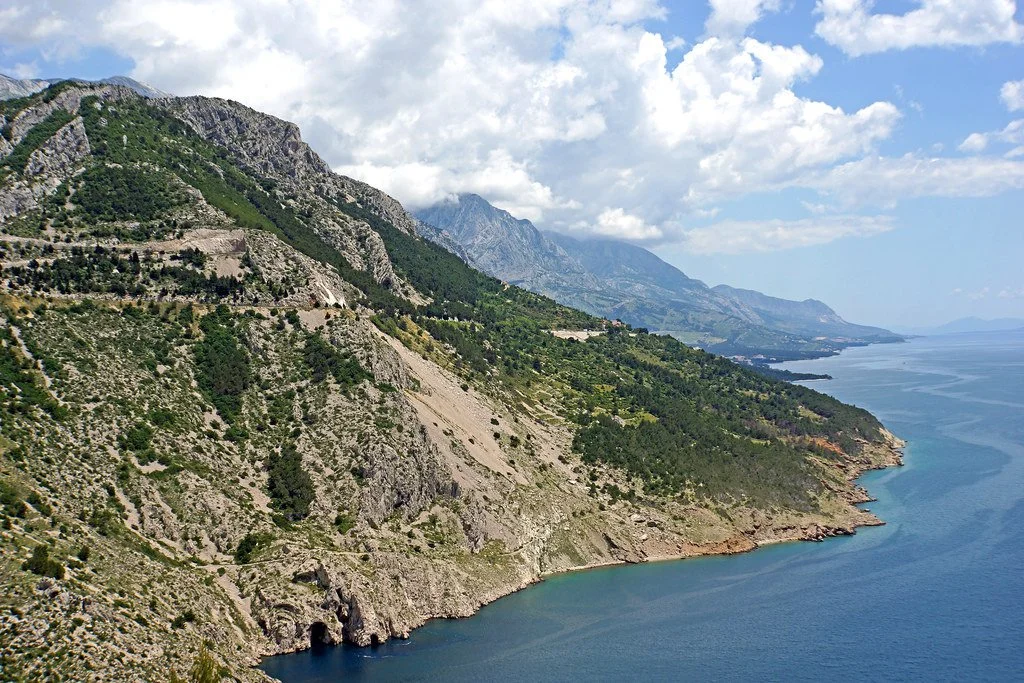
Croatian coastline. Dennis Jarvis. CC BY-SA 2.0.
Laid across 1,100 miles, the shoreline of Croatia boasts some of the most beautiful coastal destinations in the Adriatic Sea. It is made up of the Istrian Peninsula in the north and the Dalmatian coast in the south, reaching down to the Gulf of Kotor. Much of this area, in addition to over a thousand islands and islets, has a long history dating back to the Roman and Greek periods, still reflected by ruins laid out in the towns. Moreover, subsequent turbulent political and societal change led to many of these destinations being controlled by various powers, most notably Venetian, Italian, Austro-Hungarian and Yugoslavian, before they found a place in the sovereign Republic of Croatia. As a result, many cities along the shore, admired for their beauty, beaches and excursions, are complemented by a complex history, demonstrated by their still-standing architecture and cultures.
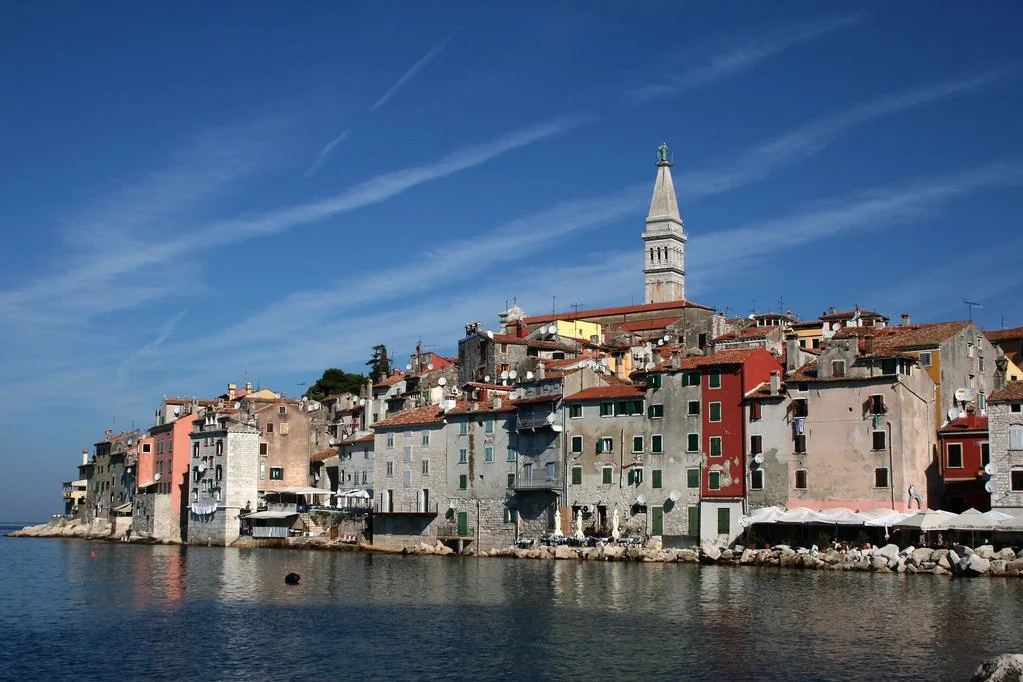
Rovinj, Croatia. Enjosmith. CC BY-NC-SA 2.0.
1. Rovinj
Located in northern Croatia, Rovinj was first formed by the Romans in the second century B.C. Over time, the Istrian city was a territory of many different states, including the Byzantine Empire, the Venetian Republic, Austria, Italy and Yugoslavia. Finally, in 1991, Rovinj settled as part of Croatia, where it has become acclaimed for its colorful Italian style, intriguing history and charming waterfronts.
One of the most defining landmarks of this blended culture is the Church of St. Euphemia. It began construction in the 18th century, topping the ruins of an older medieval church, and was given its name by the patron saint of the city. Sitting at the peak of the city’s hill, the church provides spectacular views of the Adriatic Sea and Croatia’s coastline. Inside, visitors can view baroque art and frescoes, as well as the sarcophagus in which St. Euphemia rests. Right outside, Rovinj’s Old Town exhibits the city’s medieval architecture with Baroque and Renaissance styles, which can be experienced by walking through countless winding streets, including the longest and most popular, Grisia, and visiting countless shops. Lastly, the waterfront and bustling harbor not only provide beautiful views of the town’s vibrant buildings but also scenic images of the Istrian Peninsula and the clear water that gives Croatia its fame.
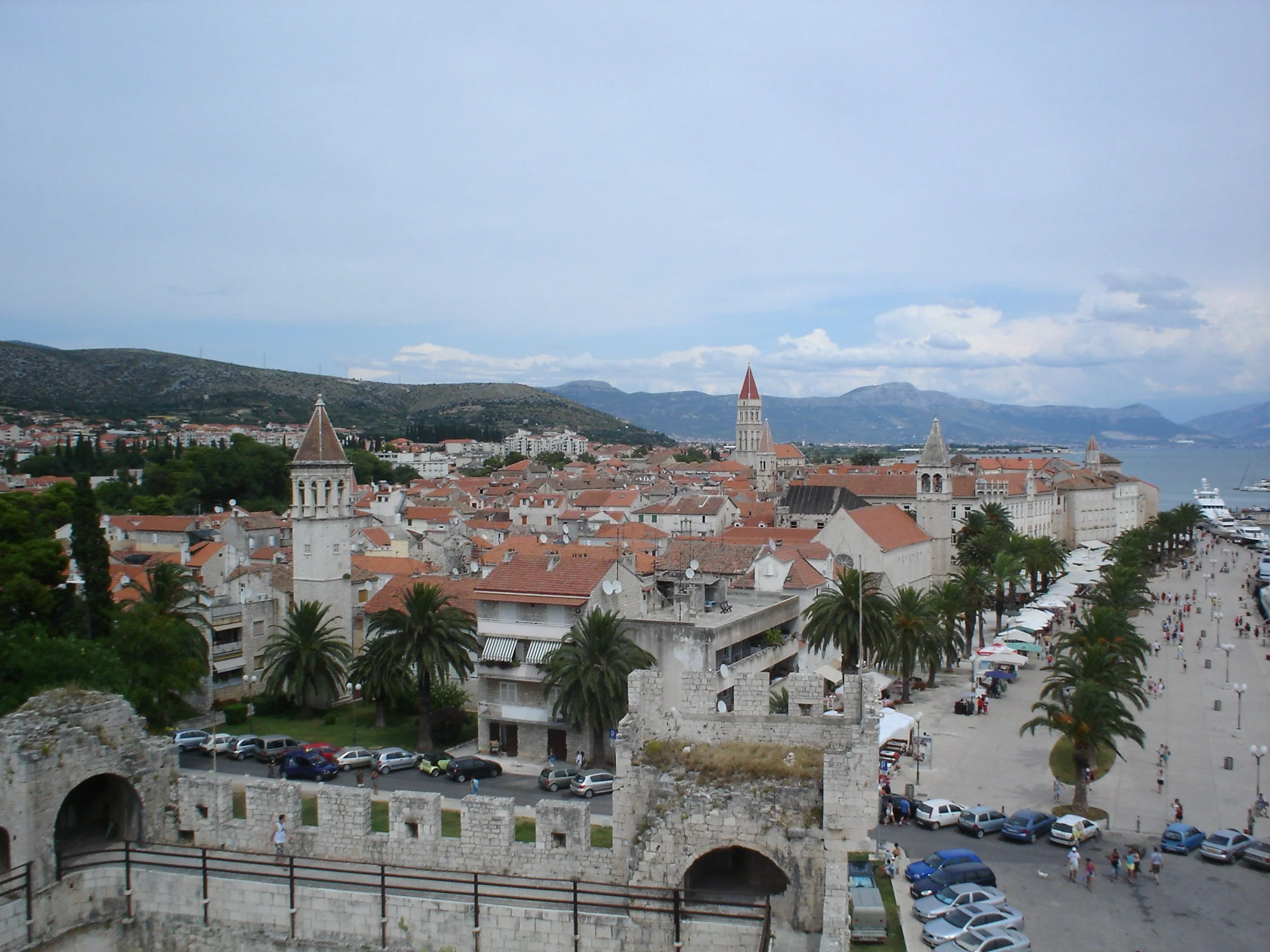
Trogir Old Town. SelfQ. CC BY-SA 3.0.
2. Trogir
Further down the coastline is Trogir, another historic city that has roots beginning in the third century B.C. After first being settled by Greek colonists as a trading center, it changed ruling states several times and was populated by Romans, Byzantines, Venetians, the Habsburg Empire, France and lastly Croatia. Its strong Venetian influence is still seen today in the city’s architecture and art, which is largely of Renaissance style.
One of the best ways to experience the city and its unique design is by walking through the dense old town, which is the most preserved medieval town in central Europe and a designated UNESCO World Heritage Site. It is located on a very small island, with a network of narrow streets that takes visitors past numerous restaurants and local boutiques, ending out on a marble promenade that is lined with fishing boats and yachts. Among the many churches in the area, the Cathedral of St. Lawrence is the most distinctive. Built on top of an older, destroyed basilica, the current structure was formed in a Romanesque-Gothic style over four centuries, displaying impressive carvings and paintings from the time. In addition, the 15th-century Kamerlengo fortress is reminiscent of the city’s turbulent history and remains functional as an open stage where travelers can enjoy concerts, plays and festivals.
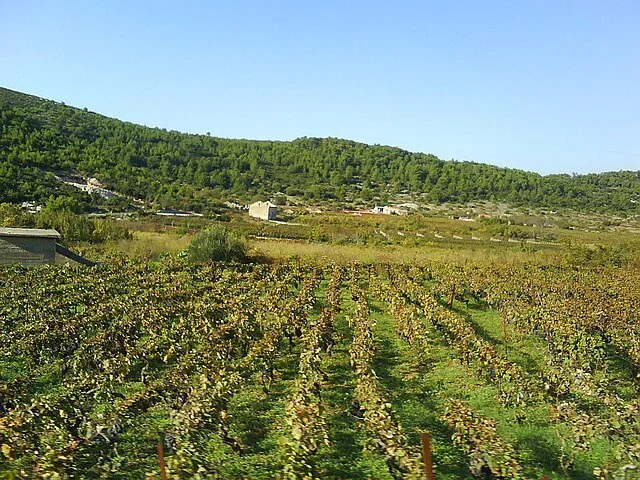
Korcula vineyard. Anto. CC BY-SA 3.0.
3. Korcula
Off the coast of Croatia’s mainland is Korcula Island and its main town, Korcula city. The region was first colonized by Greeks in the fourth century B.C., but after becoming a part of the Croatian Republic, the island became distinctive for its natural beauty, from vineyards to beaches, and medieval-era charm.
Among its many sites, Korcula is renowned for its vineyards, which cover large parts of the island. In addition to producing many varieties of exceptional wine, including the indigenous Grk and Posip, one can discover scenic views of the sea by walking or biking through the area. The more urban Korcula town, surrounded by medieval walls, is marked by its endless cobbled streets, historic monuments and restaurants, where visitors can get a taste of the local cuisine. Also inside the city is the Marco Polo House, the place in which many believe the world-famous traveler was born. Although this fact is debated, the small museum displays items related to his explorations, and other sites around the town, including the Marco Polo Hotel and Marco Polo Restaurant, proudly assert his connection to the city.
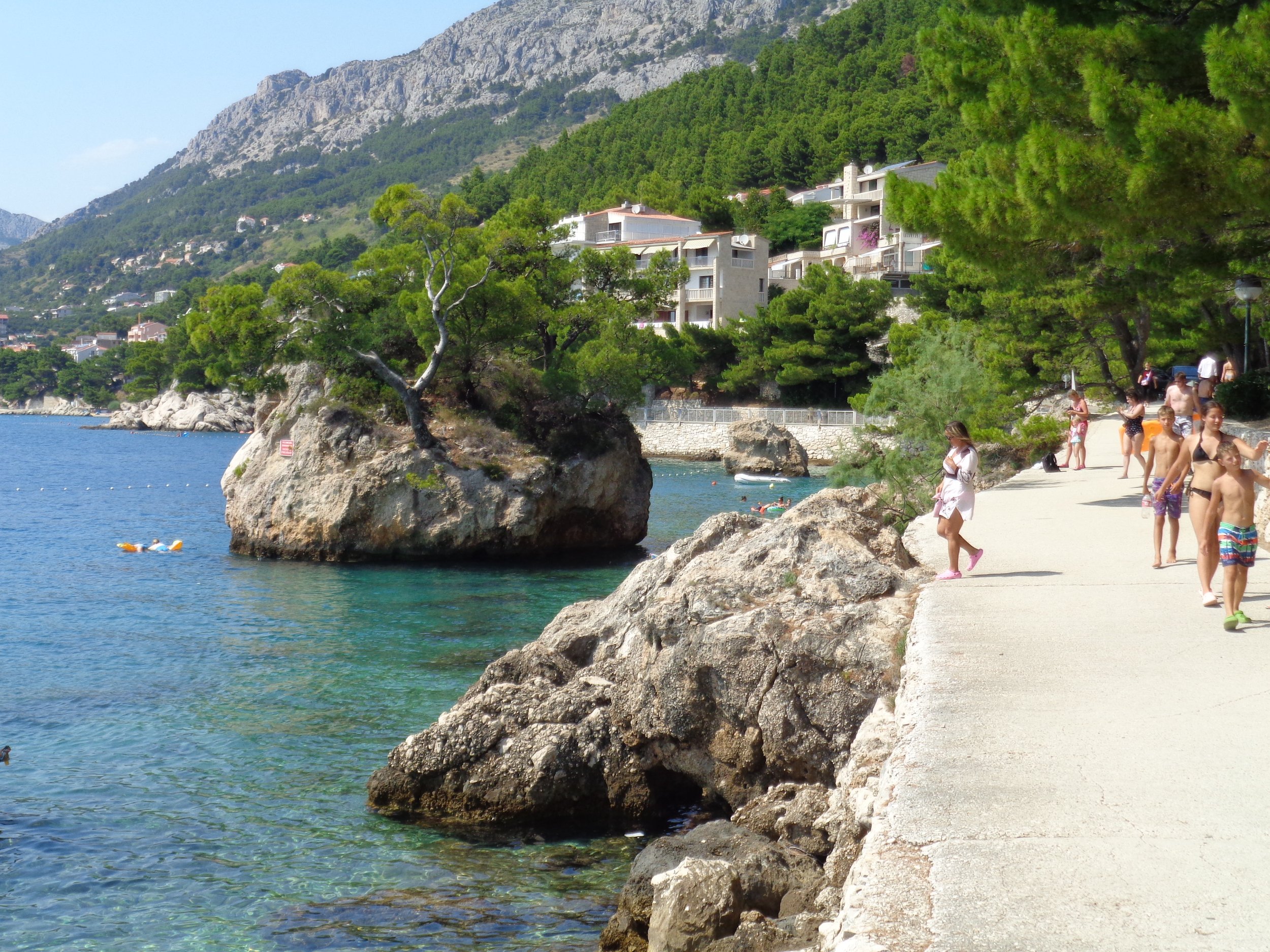
Kamen Brela. Silverije. CC BY-SA 4.0.
4. Brela
Brela marks the first town along the Makarska Riviera, located in the southern region of Croatia’s coastline. The city was first mentioned in a book by the Byzantine emperor of the time, Constantine Porphyrogenitus, around the year 950. It was mentioned again in a charter from 1315 and later in sources from the 16th and 17th centuries. Traditionally, the city has been well-known as a getaway, with beautiful beaches, clear swimming waters and idyllic scenery.
Much of Brela’s allure comes from the pristine landscapes surrounding the area. The Kamen Brela, for example, is a large stone islet right off the coast, known for being the smallest Adriatic island. It is also unique for its fragmented minerals, making it appear as gravel, and vegetation; on the land grow seven Aleppo pines and eleven different species of plants that are characteristic of a forest environment, but not that of a coastal one. The beaches of Brela, additionally, are famed as the most beautiful in Makarska. The Punta Rata Beach and Podrace Beach are some of the most acclaimed, with rocky shores and clear blue waters perfect for swimming. Water activities are also popular in these areas, with options such as parasailing, jet skis and pedal boats available to visitors looking for adventure. Renting a boat or kayak is popular among those looking to venture further out into the Adriatic Sea.
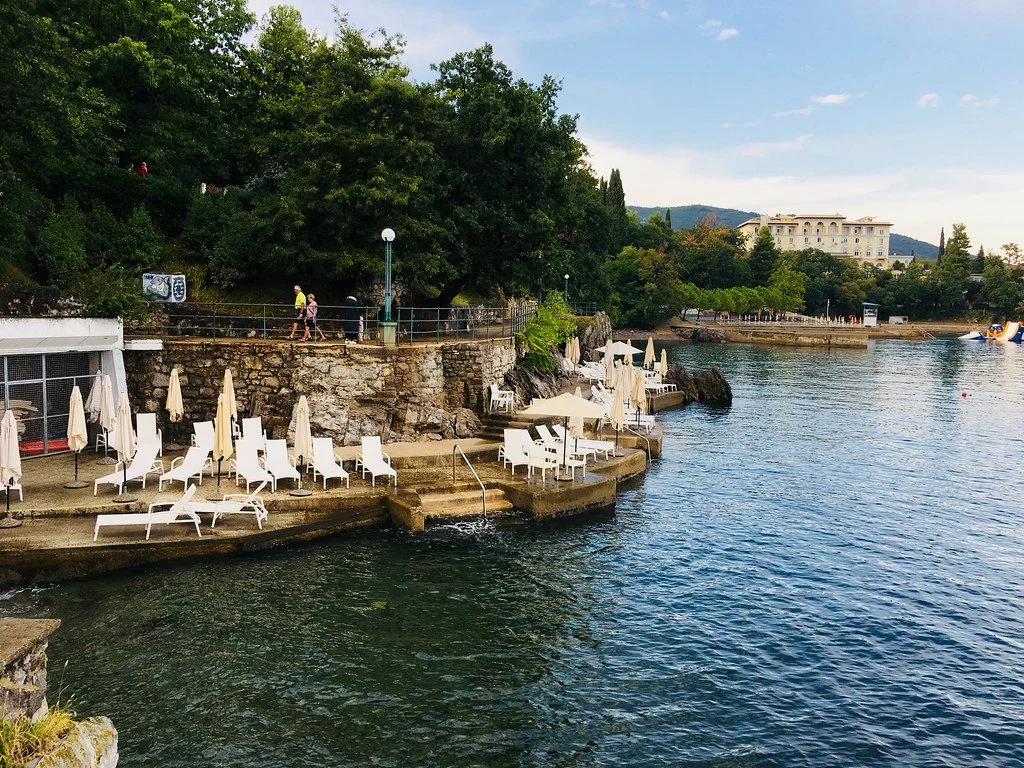
Lungomare promenade. Marie Therese Hebert & Jean Robert Thibault. CC BY-SA 2.0.
5. Lovran
Another city with its emergence dating back to the Roman period, Lovran is notable for its turbulent history and defensive significance. Along with other destinations on this list, it went under the control of many different leaders, notably during the Frankish Empire, when the town and its military leader, Erik, were recorded in an epic written by Patriarch Paulinus of Aquileia. Additional naval battles and long conflicts not only mark the city’s history but also its architecture.
Situated right on the coast, Lovran was built for its strategic and defensive sea advantages. It displays sturdy walls around the town, with tall towers that solidify its purpose as a fortress. Moreover, inside the surrounding fortification is the historic Old Town, which presents a traditional medieval Mediterranean style shown through narrow passages and squares. Various historic influences can be seen through Lovran’s famous churches, including the 12th-century Church of Saint George and the Church of the Holy Trinity, which, respectively, exhibit Romanesque and Gothic designs. Moreover, one of the noteworthy attractions of the city is its coastal views and scenery, which can be appreciated by walking along the Lungomare promenade. This approximately seven-mile-long walk stretches from Lovran to the city of Volosko and travels along various landmarks, including picturesque beaches and many famous Austrian villas.
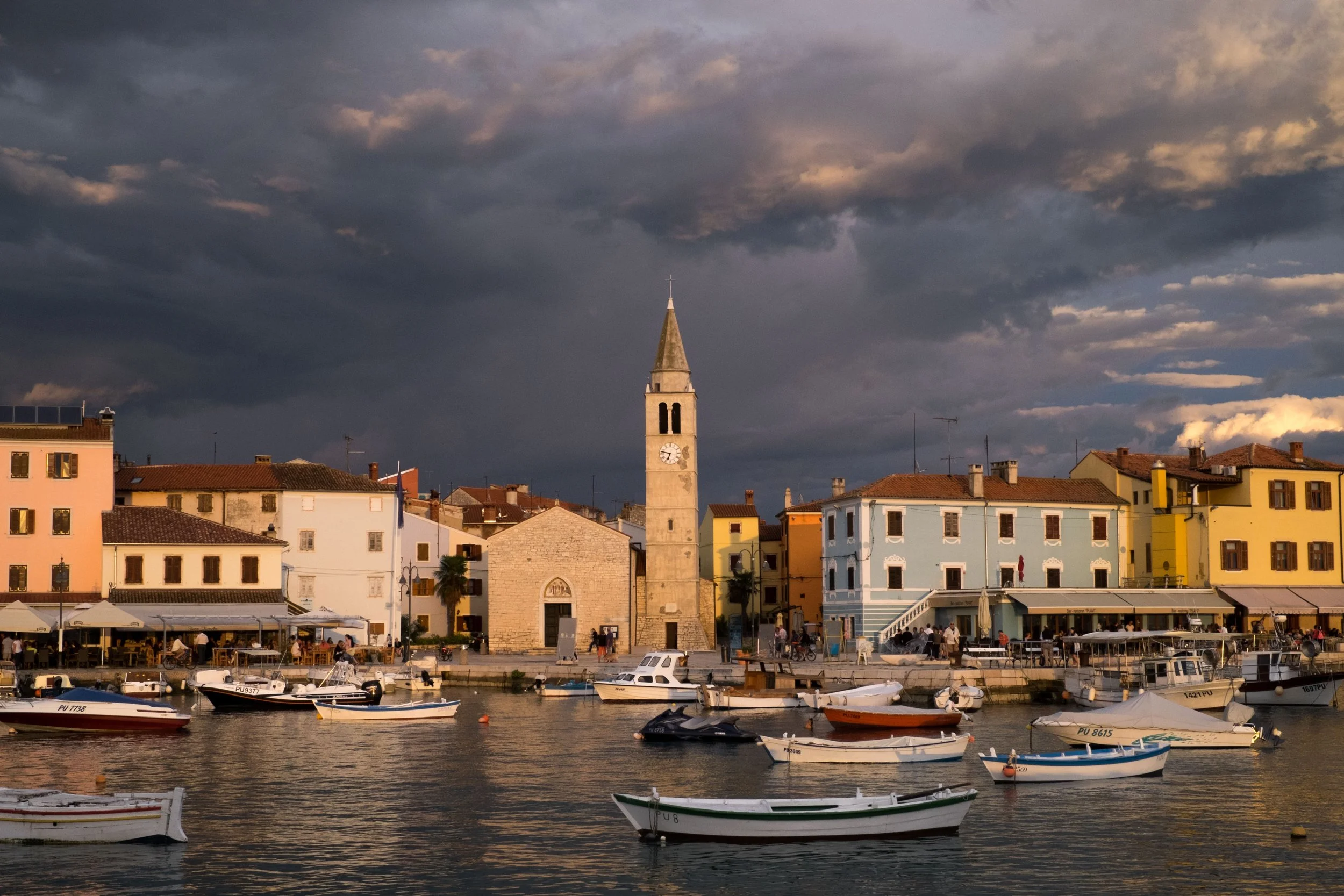
The port of Fazana. Severin.stalder. CC BY-SA 4.0.
6. Fazana
Fazana sits in the southwestern region of the Istrian Coast. It has long been admired as a charming fishing village, with influences from numerous societies, beginning in the second century B.C. Under different leadership, however, it maintained its significance as a trading town, operating as a main harbor for exports.
Its fishing tradition has additionally remained strong, with sardines, in particular, being culturally important, as demonstrated by the annual Festa od sardela, a time in which guests are only offered sardines. Among many of the hallmarks of this quaint town is its proximity to many popular natural areas. Most notably, a few miles away from the coast is Brijuni National Park, a group of 14 islands. The islands offer excursions to Roman ruins, a trip to the Safari Park, which houses both local and exotic animals, and even has an ancient olive tree that is more than 1,600 years old. The beaches of Fazana are also renowned for their beauty; sites like Beach Stara Fazana and Fazana Beach are popular for their relaxing deck chairs and sunbathing spots, whereas Beach Valbandon and Beach AC Pineta offer more activities, like snorkeling and a fitness trail.
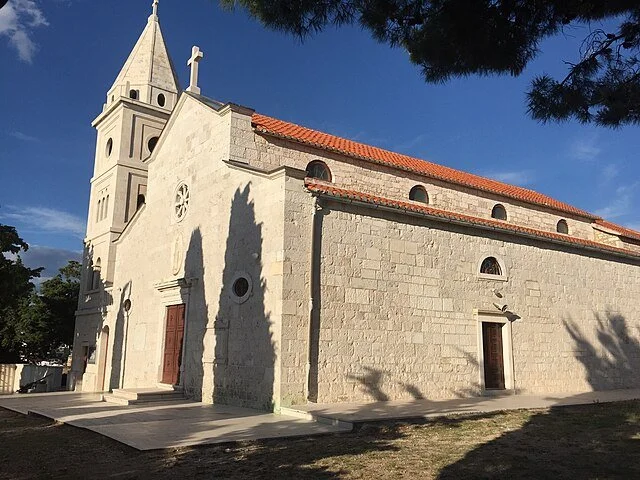
Church of St. George. Lubos Holic. CC BY-SA 3.0.
7. Primosten
Lastly, Primosten, another small town along the Croatian coast, exhibits a blend of cultures and societal influences, from Romans to Austro-Hungarians. Hundreds of years of different civilizations have resulted in a distinctive style and design, exemplified through its unique architecture.
The Church of St. George, built in the 15th century, is characteristic of this mix. It first began construction after people living in the region sought refuge from Turkish attacks in what is now the city of Primosten. The church and its famous graveyard sit on top of a hill, making it the perfect place to see panoramic views of the city and the sea. In addition, the region is well known for its vineyard-covered landscapes, laid out in a grid by dry-stone walls. Rich-tasting wine is characteristic of this area, making the local varieties, such as Babic and Debit, a must-have when visiting. What distinguishes Primosten most, however, is the sites one can encounter by simply walking around the town. For example, the harbor on the edge of town may be small, but the boats and nearby markets evoke a historic vision of the city from when it was a fishing port. In addition, landmarks like the Our Lady of Loreto Statue and the old town offer a look into the culture of Primosten, relating back to its religious and culturally intertwined roots.

Julia Kelley
Julia is a recent graduate from UC San Diego majoring in Sociocultural Anthropology with a minor in Art History. She is passionate about cultural studies and social justice, and one day hopes to obtain a postgraduate degree expanding on these subjects. In her free time, she enjoys reading, traveling, and spending time with her friends and family.