
Alex Jung
Travelers must be aware and mindful of animal welfare when participating in whale-watching experiences in the Philippines.
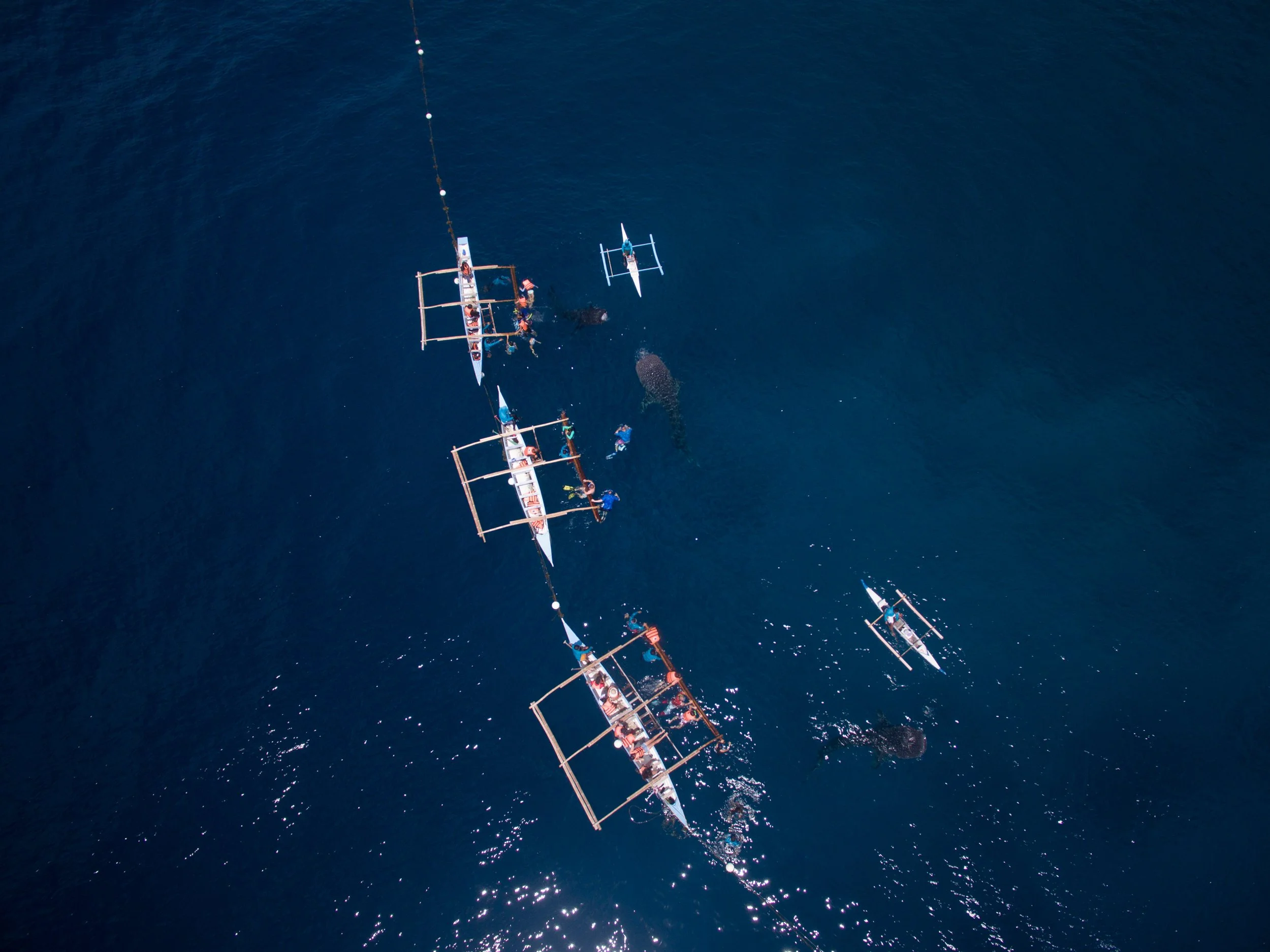
Swimming with whale sharks in Oslob. Iszaid Bin Idris. CC BY-SA 4.0.
Upon travelling to the Philippines, many Filipino peers and locals highly recommended a whale shark-watching or swimming experience. Undeniably, whale shark watching in the pristine waters of the Philippines is one of its most loved and sought-after activities. This industry’s popularity grew significantly in the 2010s, with over 500,000 travelers in 2018 engaging in these activities. The whale shark-watching industry has also become a very important source of revenue for many coastal communities in the Philippines, with earnings in the Oslob region alone reaching over $3.2 million in 2019. The amount is projected to grow continuously, with a recent resurgence in revenue after the COVID-19 pandemic restrictions caused a decline in 2020 and 2021. Oslob, Donsol, Bohol and Puerto Princesa are some of the most famous Philippine cities for whale shark watching. Travelers enjoy the sightings of whale sharks as well as swimming and snorkeling with them. However, amid ocean acidification and the warming of waters due to climate change, many populations of whale species, including the whale shark, are dropping significantly. To guarantee sightings of whale sharks for travelers and thus the maintenance of the industry, some whale shark-watching companies in the Philippines have begun artificially feeding and using more invasive methods. These practices have been controversial, with many arguments calling them unethical, while others claim it is necessary to maintain business. Ultimately, travelers should be mindful of ethical practices that can harm animal welfare.
On Feb. 4, 2025, whale shark-watching activities in Bohol were suspended indefinitely following a long, controversial debate surrounding the ethics of artificial feeding, which has been disruptive to whale shark diets. Travelers should be made aware that, as of Oct. 30, 2025, whale shark-watching experiences are illegal in Bohol. In other areas of the Philippines, such as Oslob, many travelers have reported that companies feed whale sharks in the morning. This feeding brings the whale sharks closer to the shore or encourages them to lurk around specific areas in the waters within reach of companies. Though seemingly harmless, this has had a detrimental effect on the welfare of the whales. Due to companies only feeding them krill or other cheap substitute goods, whale sharks are often malnourished as they lose the diversity in their diets that they would otherwise find in the wild. Whale sharks become dependent and accustomed to this rather plain and unhealthy dietary pattern. The feeding patterns have also led to changes in behavior, whereby whales often associate boats with food and approach them aggressively; not only is this potentially fatal for fish nearby, but it is also harmful for the whale sharks, which can get caught in the sharp blades of boat propellers.
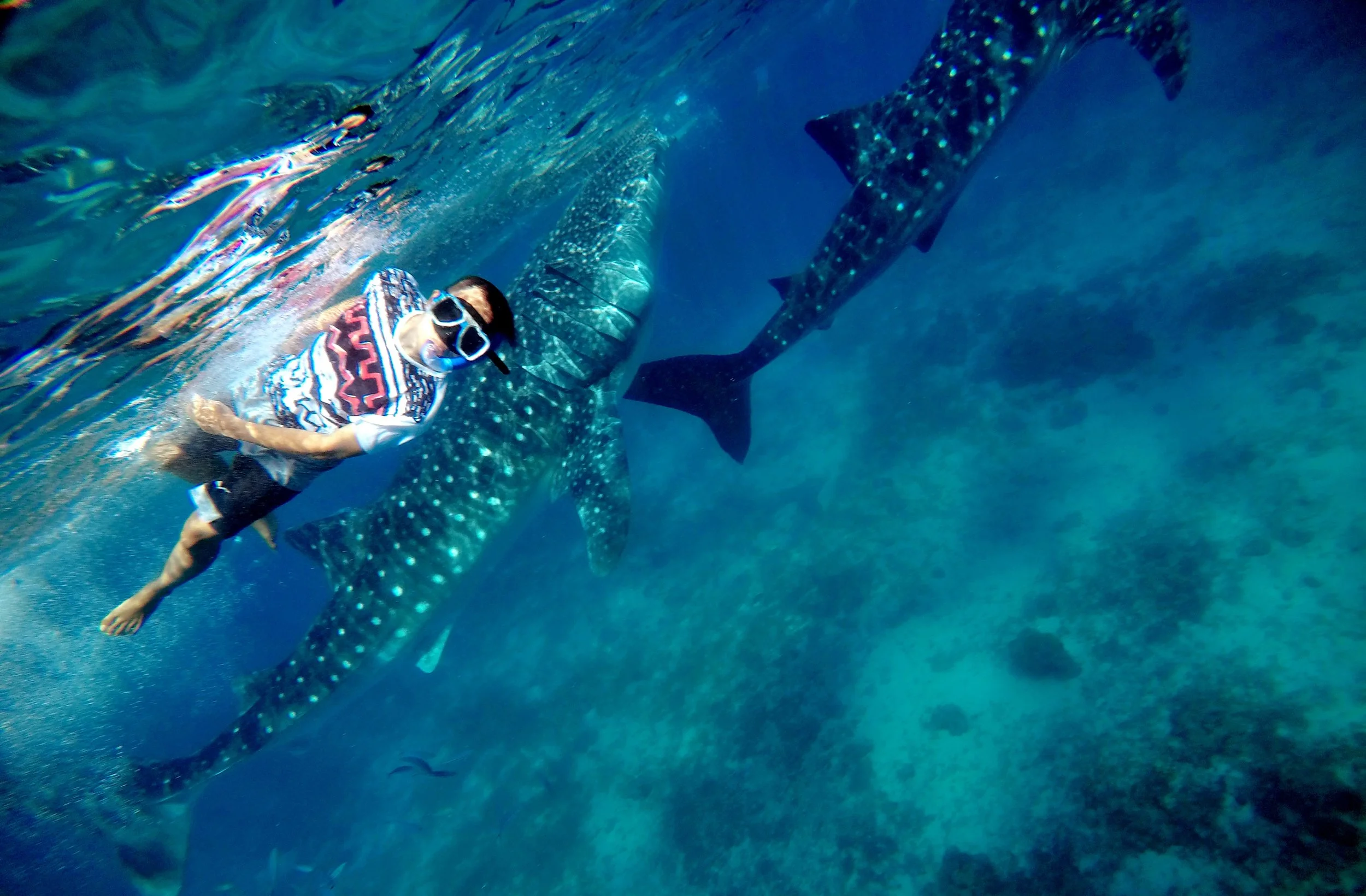
Whale watching in Cebu, Philippines. Rogel Tura. CC0.
Additionally, as a result of artificial feeding, whale sharks have been spending more time on the surface of the water, which has caused them more stress. This is a sign of humans’ influence on whale shark migration and breeding patterns. The chances of whales reproducing have decreased, as they are not in the optimal habitat and climate conditions due to being so near the shore. The appeal of companies bringing the whale sharks closer to shore is for travelers to have close contact with them. However, touching these creatures irritates the whale shark's protective coatings, which can lead to infections and disease. Despite general rules for travelers to always be at least 3 meters away from whale sharks, this is not strongly enforced, and companies are not held accountable for breaching such rules and warnings. WWF and Greenpeace have both advocated for people to end the practice of "conditioning whale sharks."
On the contrary, according to one New York Times article, titled “Please Don’t Feed the Whale Sharks? Fishing Town Says It Must, to Prosper,” there have been arguments made in favour of the artificial feeding of whale sharks and its central role in keeping various companies and communities functioning economically. This is especially the case for areas like Tan-awan in Cebu. Tan-awan was a small fishing community before the whale shark-watching industry boomed in the area. Through artificial feeding, the town became a hotspot for guaranteed sightings and swimming with whale sharks. Many people in this industry argue that this has increased jobs and revitalized the city. Tan-awan quickly became a city with many resorts and restaurants, with the area's only high school being built as a result of the sharp increase in revenue. This highlights the rather complex debate surrounding the ethics of the whale shark-watching industry.
Travelers should always be mindful and aware of their ecological footprint and impact on wildlife. Though it is difficult to state an exclusive list of companies that operate ethically within this industry, as the definition and boundaries of its ethics are very fluid, there are several thoughts for travelers to consider before engaging in whale-watching experiences. The Marine Wildlife Watch of the Philippines is a resource that has several infographics and articles on how to best enjoy these experiences, as well as supporting conservation efforts. Travelers, before booking whale-watching and swimming experiences, should always check the news regarding the laws and regulations in the area of travel.

Alex Jung
Alex is from New Zealand and South Korea, and is currently a student at the University of Chicago. He is majoring in Political Science and International Relations, and minoring in Middle Eastern Studies. He is passionate about social justice for minorities and indigenous communities. In his free time, he enjoys learning languages (Korean, English, Mandarin, and Persian) and writing novels and short stories.