
Zoe Lodge
Gen Z’s interest in sustainable travel is highlighted by the increasing popularity of farm stay expeditions
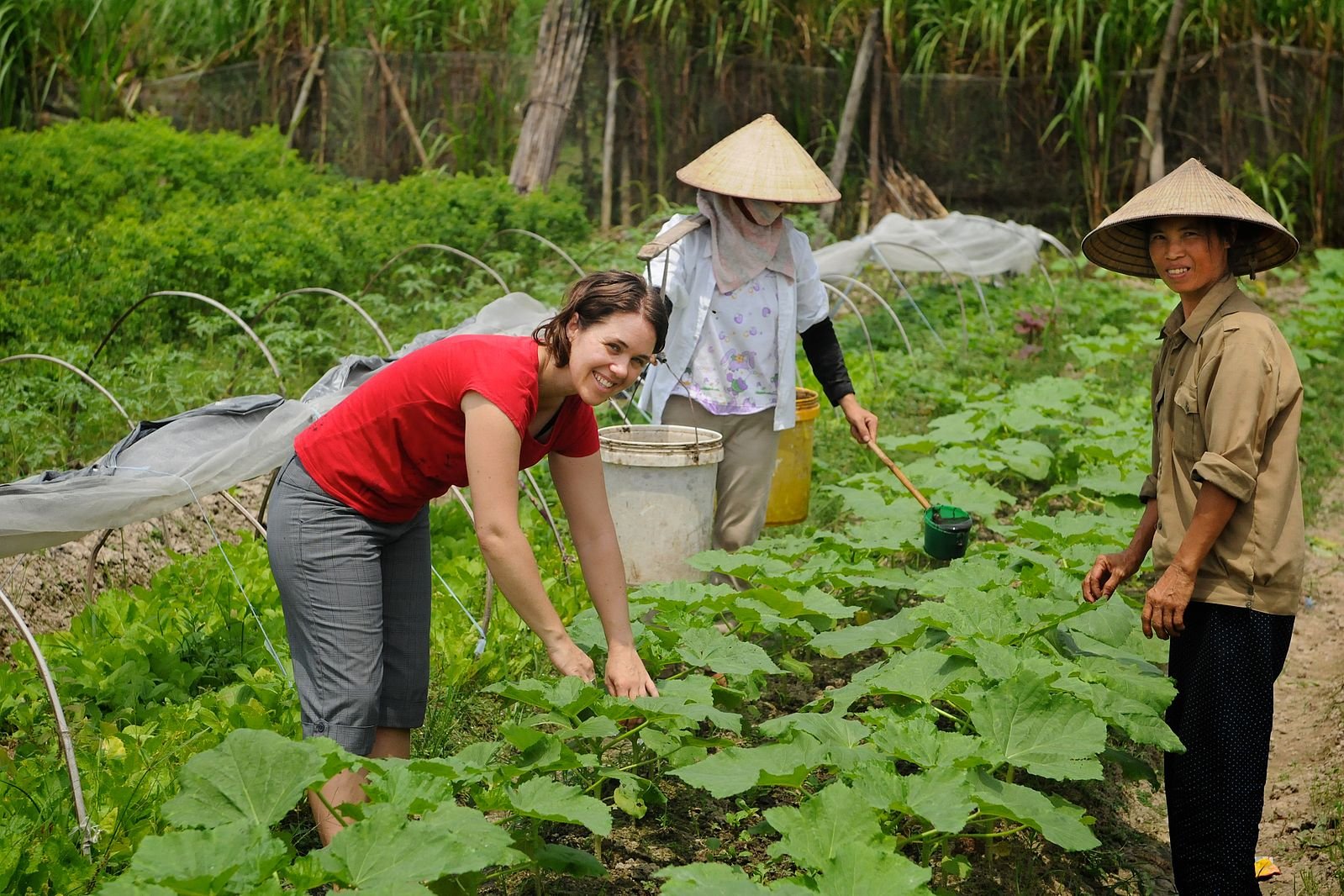
Volunteer at farm project in Vietnam. Tamara Baillie. CC BY 2.0.
For many members of Gen Z, travel is no longer centered around sightseeing, luxury stays or picture-perfect moments. Instead, it’s about sustainability, cultural exchange and meaningful engagement with the planet. Farm stays, which include both short and long-term opportunities to live and work on agricultural land, have become one of the most popular ways for young travelers to experience the world while making a tangible impact. Farm stays also offer a budget-friendly opportunity to explore parts of the world that are often overlooked.
A farm stay typically involves volunteering on a local farm in exchange for accommodation and meals. Participants may help with tasks such as planting, harvesting, composting or caring for animals. These experiences are available across the globe, from olive farms in Greece to permaculture projects in Costa Rica and vineyards in Italy. The model allows travelers to learn about sustainable agriculture, reduce travel costs and immerse themselves in local cultures for weeks to months at a time.
As members of Gen Z, a generation that values authenticity, environmental awareness and ethical choices, many young people seek travel experiences that contribute positively to the places they visit. Farm stays provide an opportunity to engage in regenerative practices, understand local ecosystems and see firsthand how sustainable food systems operate worldwide. A 2024 study from the Sustainable Hospitality Alliance shows that younger travelers are increasingly choosing experiences that prioritize sustainability and environmental care, mirrored by the interest in and practice of farm stays.
Beyond environmental impact, the benefits extend to personal growth and well-being. Working outdoors offers a break from the digital world and promotes mindfulness through physical, purposeful activity. Participants often learn practical skills, such as organic gardening, water conservation and animal care, that can have a positive influence on long-term habits and lifestyle choices. The collaborative nature of farm work also fosters community and connection. Volunteers share meals, routines and conversations with hosts and fellow travelers, creating an atmosphere of teamwork and cultural exchange.
Finding a farm stay is simple through established networks such as Worldwide Opportunities on Organic Farms (WWOOF), Workaway and Worldpackers. WWOOF is the most well-known among these sites and is one of the only major volunteer sites geared specifically toward connecting travelers with farm stays. WWOOF’s site boasts farm stays as an “educational and cultural exchange [that] builds a global community conscious of ecological farming practices.” These platforms connect volunteers with hosts who list their expectations, schedules and accommodations. Some focus on organic farming, while others emphasize permaculture, ecotourism or community outreach. Before committing, travelers are encouraged to research the location, the type of work required and reviews from past volunteers to ensure a good fit. The sites offer farm and host listings with photos, details and reviews to allow travelers to find a project best suited to their interests.
While the work can be physically demanding, it offers a rewarding alternative to traditional tourism. Instead of being a passive observer, the traveler becomes an active participant in local life, contributing to food production and sustainability efforts. For Gen Z, this creates a form of travel that is both purposeful and practical, balancing adventure with responsibility, saving money and giving back.
Farm stays reflect how the next generation views global citizenship. In combining affordability, education and sustainability, farm stays offer a chance to experience the world through contribution rather than consumption. Whether harvesting rice in Japan, maintaining bee colonies in Portugal or helping with reforestation in South America, young travelers are finding that the most meaningful journeys are rooted in connection to the land, to others and to the planet’s future.

Zoe Lodge
Zoe is a student at the University of California, Berkeley, where she is studying English and Politics, Philosophy, & Law. She combines her passion for writing with her love for travel, interest in combating climate change, and concern for social justice issues.