
Kennedy Kiser
In Guatemala’s volcanic highlands, agro-tourism is helping coffee farmers push back against economic and environmental changes.
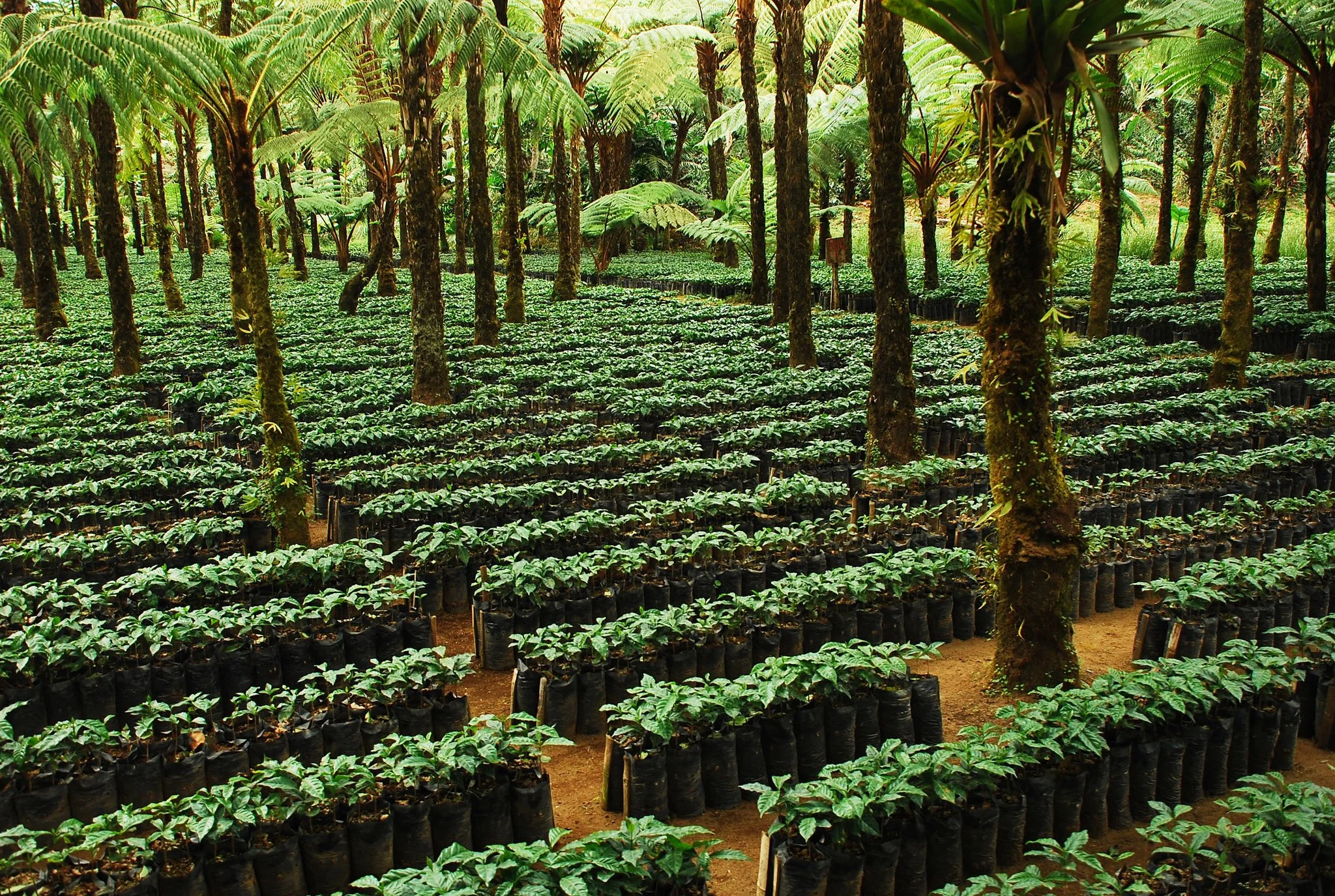
Coffee plants in a farm in Guatemala. USAID Biodiversity & Forestry. CC BY-NC 2.0.
Guatemala’s coffee-growing regions have long been celebrated for producing some of the world’s most sought-after beans. Less often discussed are the forces shaping those farms today: land insecurity, fluctuating commodity prices and climate pressures that leave small-scale growers vulnerable. In response, some Indigenous farmers are turning to agro-tourism not just as a source of supplemental income but as a strategy for long-term survival.
Homestays, walking tours and hands-on workshops now offer visitors access to Guatemala’s coffee country beyond the cafe. For travelers, these experiences demystify a supply chain often flattened into “fair trade” labels and sustainability pledges. For farmers, they create opportunities to retain ownership of their land and labor while controlling the story being told about both.
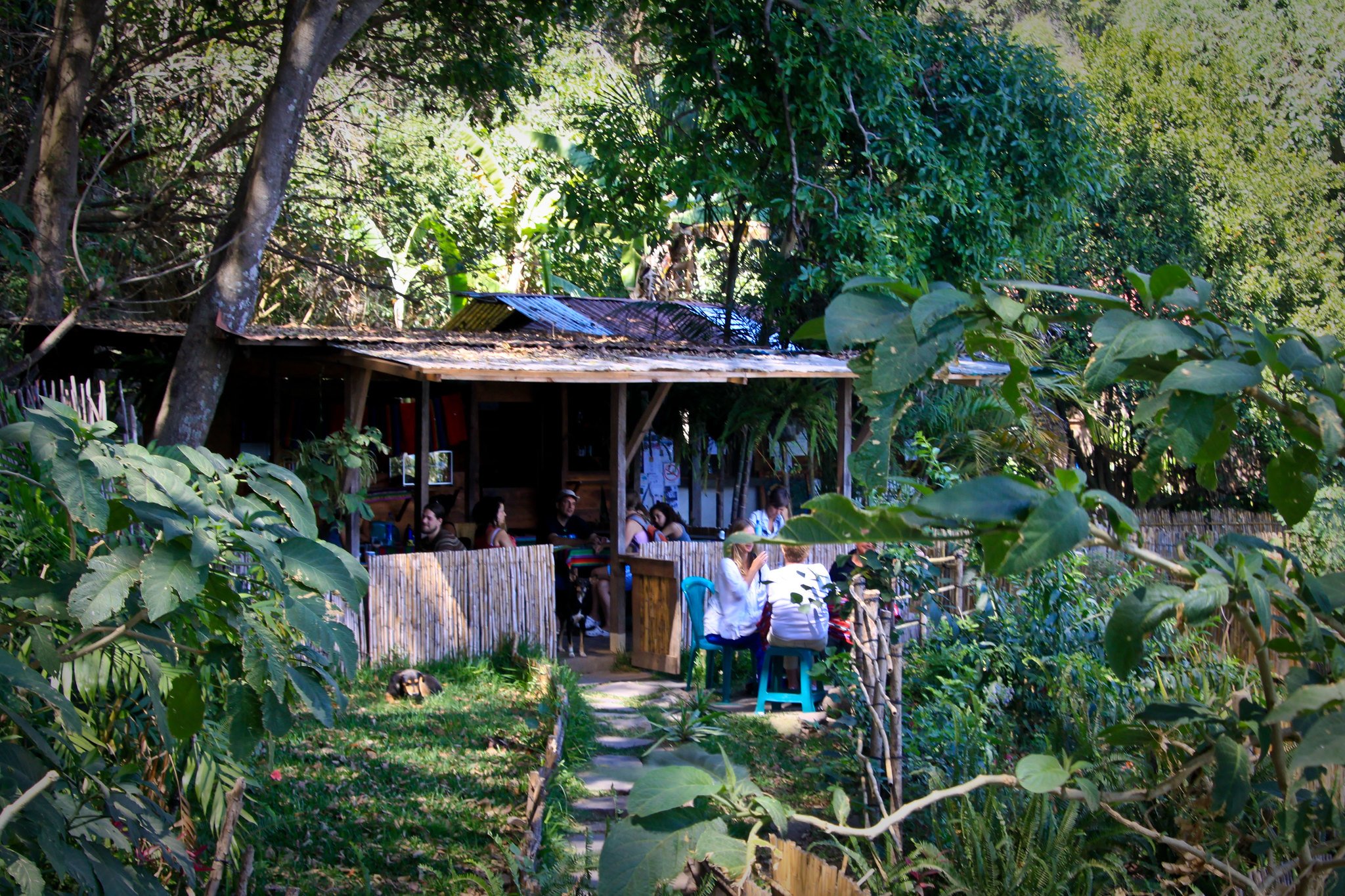
Jungle cafe in San Marcos, Guatemala. Clark & Kim Kays. CC BY-NC-ND 2.0.
Typical tours start in the foothills of Guatemala’s active volcanoes, where smallholder farms operate on steep, erosion-prone slopes. Coffee guides explain the intricacies of cultivation at altitude, such as how shade, rainfall and volcanic soil contribute to flavor profiles or how climate shifts have altered planting schedules and increased threats from pests like coffee leaf rust. These educational components are often paired with practical demonstrations, like harvesting ripe cherries by hand, operating traditional roasters or distinguishing flavor notes during cupping sessions.
Organizations like De La Gente and As Green As It Gets partner directly with local cooperatives to structure these programs around farmers’ needs, not tourist demand. Rather than promoting export or scaling up production, these partnerships prioritize economic stability through diversification. In this model, farmers earn income upfront through tour fees and homestays rather than gambling on fluctuating market prices or waiting months for payment from exporters.
For many involved, agro-tourism also serves as a buffer against ongoing land pressures. In regions near Antigua and Atitlan, the rise of foreign-owned resorts and luxury developments continues to shrink available farmland. Selling direct experiences, rather than just crops, helps farmers defend their claims to land while educating visitors about the broader struggles behind agricultural livelihoods.
Despite the added income, challenges persist. Guatemala’s rural communities still face infrastructural gaps, limited access to credit and the destabilizing effects of global demand shifts. Even the rise of agro-tourism is no guarantee of protection; some fear it could eventually invite the same forces of overdevelopment they are trying to resist.
Yet for now, these grassroots tourism models provide a rare form of agency in an industry where profit margins are usually dictated far from the farm. Travelers leave with a strong understanding of how their morning coffee connects to larger conversations about extraction, equity and climate resilience.
TO VISIT:
The easiest access point to Guatemala’s coffee-growing regions is Antigua, approximately one hour from Guatemala City’s La Aurora International Airport. From Antigua, visitors can book tours or overnight stays through organizations like De La Gente, which partners directly with local farmers and costs only $38. Homestays typically cost between $30 and $80 per night, including meals and guided activities. November through February marks peak harvest season and offers the most immersive experiences, though tours run year-round.
Kennedy Kiser
Kennedy is an English and Comparative Literature major at UNC Chapel Hill. She’s interested in storytelling, digital media, and narrative design. Outside of class, she writes fiction and explores visual culture through film and games. She hopes to pursue a PhD and eventually teach literature! @kennedy_kiser