
• Travel Features
  • Global Action
  • Take A Trip
  • Travel Guides
    • Podcast
    • Courses
    • Bookshop
  • About
  • Sign Up
Menu

CATALYST PLANET

  • Travel Features
  • Global Action
  • Take A Trip
  • Travel Guides
  • Discover
    • Podcast
    • Courses
    • Bookshop
  • About
  • Sign Up

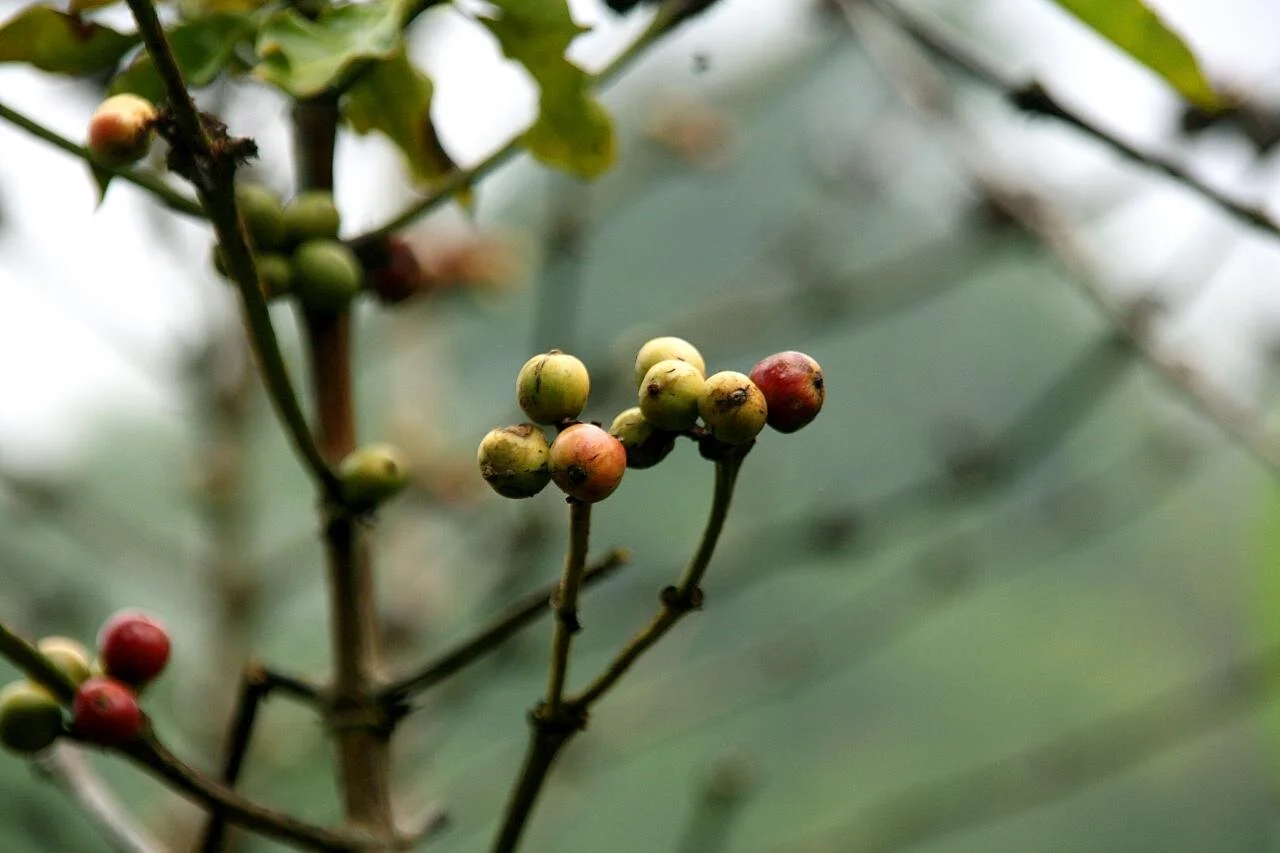
Unripe coffee beans grown in a field. ZeePack. CC BY-ND 2.0.

7 Distinctive Coffee Drinks from Around the World

February 24, 2022

Coffee is enjoyed in every corner of the globe. The caffeinated beverage, which is made using beans grown best in the tropics, is enjoyed on its own or as a starting point to make an endless number of lattes, cappuccinos, cocktails, smoothies, desserts and other foods and beverages.

While most in the West are familiar with the quick caffeine fixes afforded by Starbucks and Dunkin’, countries around the world maintain their own unique coffees which can be made with a handful of ingredients, a little bit of time and the curiosity to try something new. Here are seven coffee beverages from around the world that can be made in your own kitchen.

1. Flat White - Australia
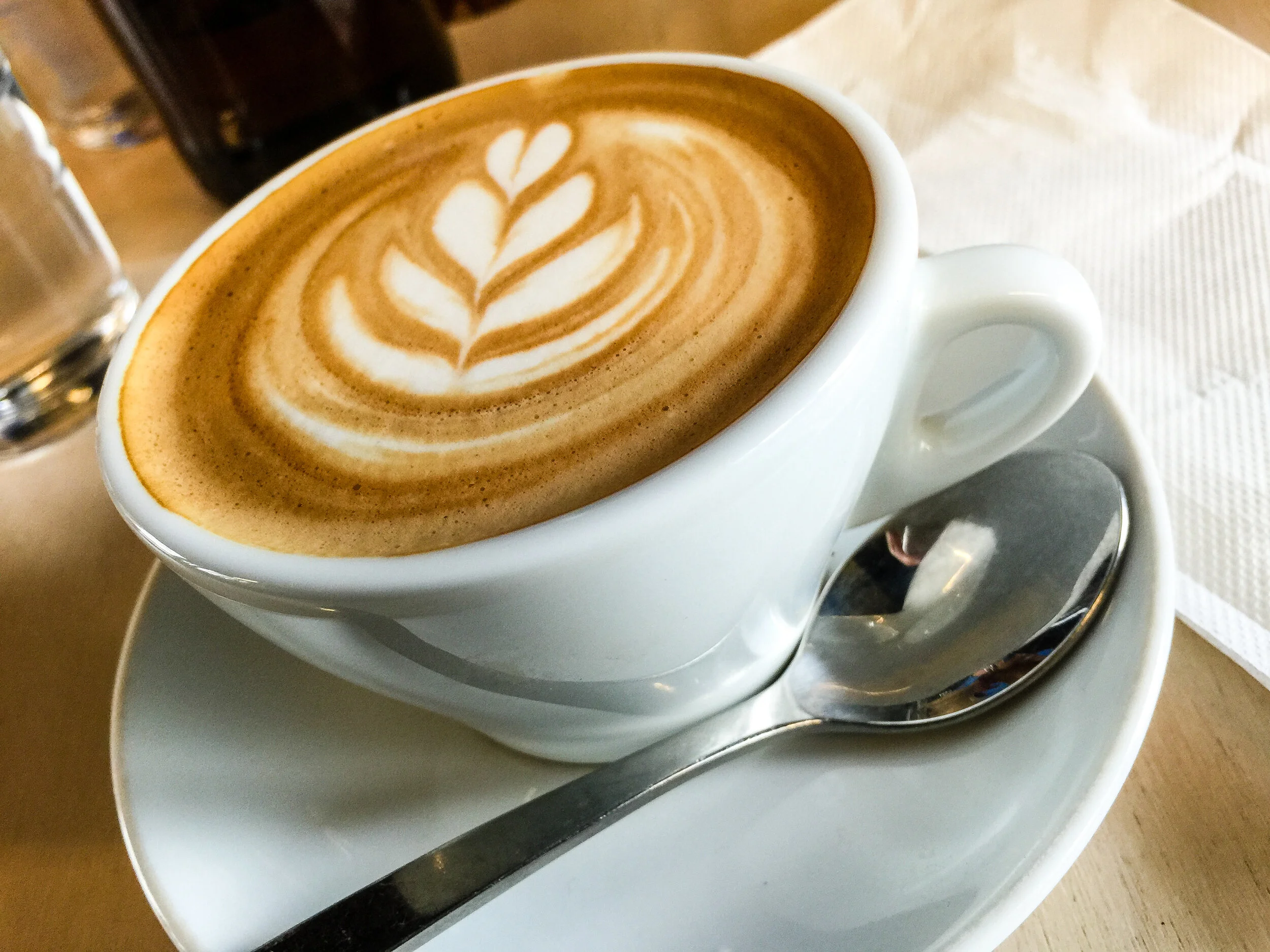
A basic flat white. Katherine Lim. CC BY 2.0.

The flat white, sometimes known as the wet cappuccino, is Australia’s favorite caffeinated beverage. The drink has gained global recognition in recent years, with Starbucks adding the drink to its United States menu in 2015. What distinguishes the flat white from a traditional latte is the ratio of milk to espresso—flat whites have less steamed milk than lattes, which yields a more complex coffee flavor in the drink.

Ingredients:

  • Double shot of espresso

  • 4 ounces of your milk of choice

  • Espresso machine with a steam wand

  • Steaming pitcher

  • 6-ounce mug, warmed

Steps:

  1. Brew your espresso shot. You can place your 6-ounce mug directly under the filter head of your espresso machine so the espresso can be brewed directly into the cup.

  2. Pour your milk of choice into the steaming pitcher and froth it with the steam wand.

  3. Pour your steamed milk slowly into the center of the 6-ounce mug, directly onto the espresso. Latte art is optional.

2. Ca Phe Sua Da - Vietnam
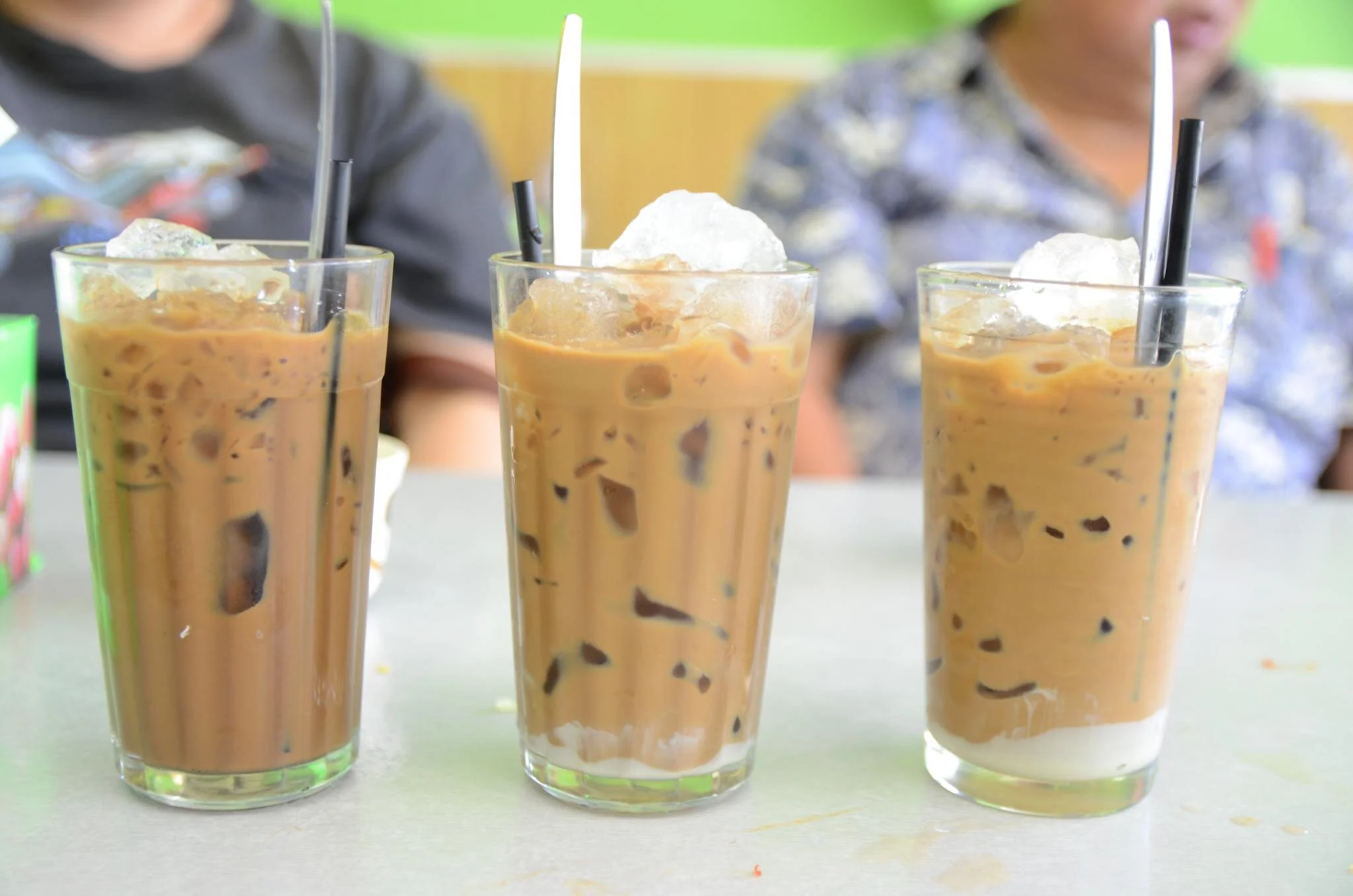
Three cups of ca phe sua da, known in English as Vietnamese iced coffee. Alpha. CC BY-NC-SA 2.0.

Ca phe sua da, commonly known in English as Vietnamese iced coffee, is a popular beverage in the world’s second-largest producer of coffee beans. This treat is traditionally made with robusta beans, which have a deeper, more dynamic flavor than their Arabica counterparts, in a phin filter, which is a slow-drip brewing method popular in Vietnam. Ca phe sua da is a sweet, highly caffeinated and refreshing beverage best shared with friends and family.

Ingredients:

  • 2 tablespoons of ground coffee (robusta beans sourced from Vietnam are best, but you can also use your favorite blend)

  • 2 tablespoons of sweetened condensed milk

  • 1 cup of boiling water

  • Phin filter (if you don’t have a phin, you can steep your coffee grounds with 2/3 cup of boiling water in a heatproof container for 4 minutes)

Steps:

  1. Remove the top screen from your phin, add the coffee grounds and screw back on the top screen. Place your phin on top of a glass cup or measuring cup.

  2. Pour a splash of boiling water into the phin filter and let sit. Once the coffee begins to drip through the filter into the glass, add in enough of your remaining water to reach the top of the phin. Place the lid back on the phin and let the coffee drip for approximately 4 minutes.

  3. Stir in the sweetened condensed milk until thoroughly blended, and serve with ice.

3. Affogato - Italy
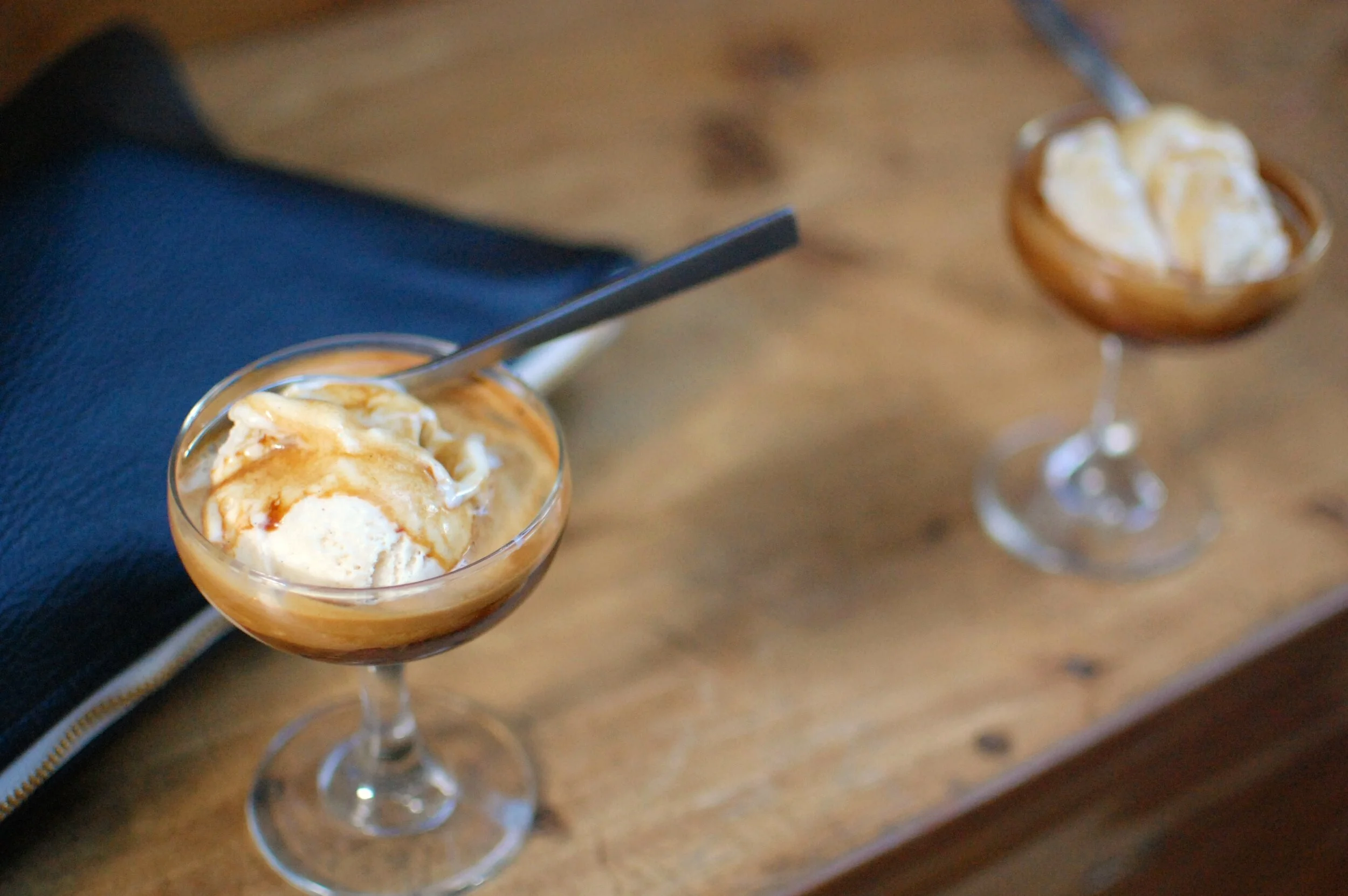
Two classic affogatos. Jen. CC BY 2.0.

Affogato is a deliciously simple dessert popular throughout Italy. The sundae combines the sweetness of vanilla gelato with the bold and nutty flavors of espresso to create a refreshing dessert perfect for enjoying on a warm summer night. If you’re worried about having caffeine late at night but want to still enjoy an affogato, try using decaf beans for your espresso.

Ingredients:

  • 1 scoop of vanilla gelato

  • Double shot of espresso

  • Chilled bowl

Steps:

  1. Place the scoop of gelato into your chilled bowl. Make sure the bowl is big enough to fit both your gelato and espresso.

  2. Pour your espresso over the gelato quickly to ensure minimal melting.

  3. Enjoy your affogato on its own or topped with whipped cream, fresh fruit or nuts.

4. Cafe de Olla - Mexico
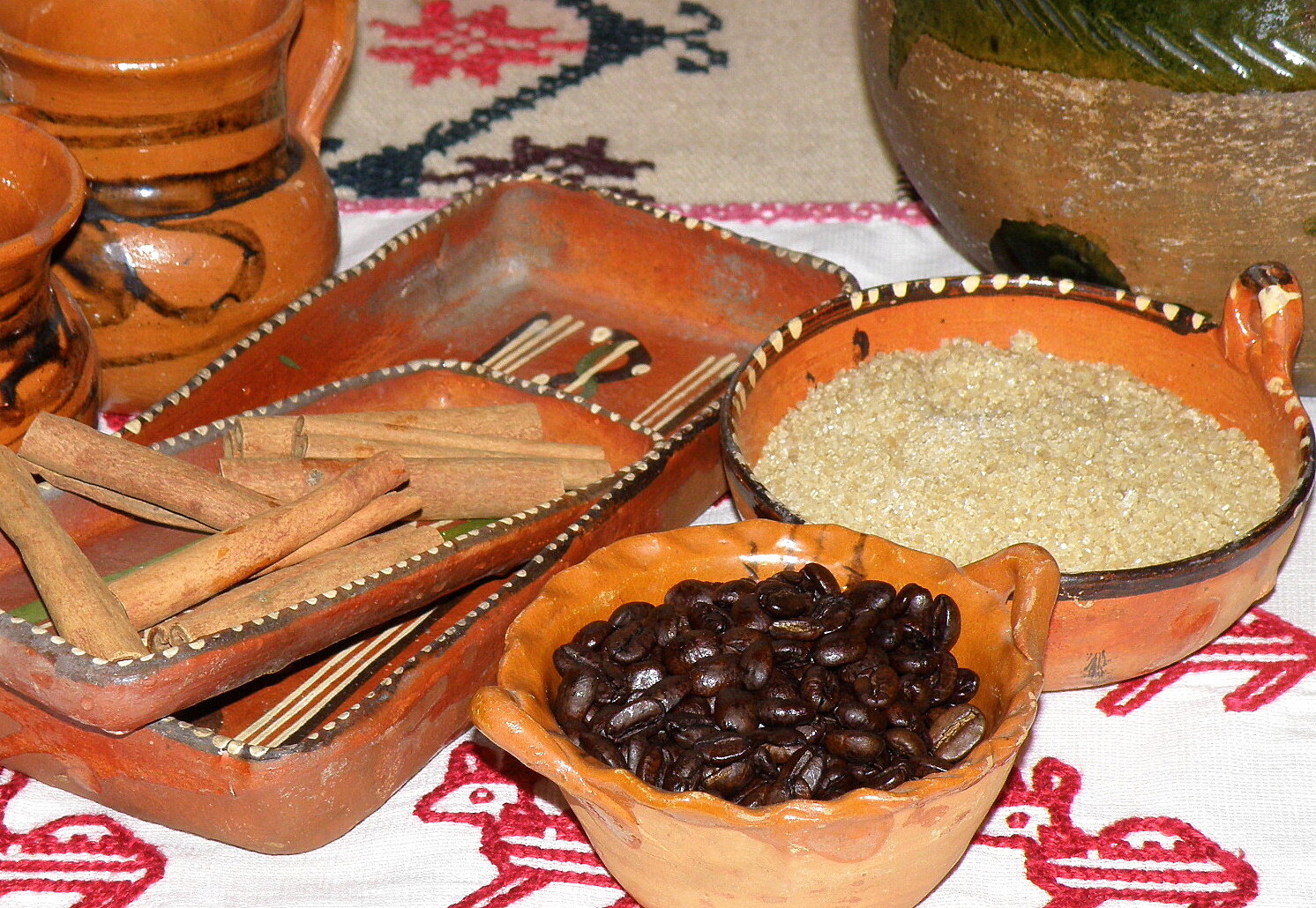
Ingredients to make cafe de olla. Susannah Anderson. CC BY-NC-ND 2.0.

Translated in English to mean “coffee from a pot,” cafe de olla is a coffee drink popular throughout Mexico made traditionally in a small earthen clay pot, which gives the drink its distinct, hearty flavor. However, the drink can also be made in a small saucepan. Commonly enjoyed in rural regions with cold climates, cafe de olla is the perfect drink to enjoy on a cold winter day.

Ingredients:

  • 8 cups of cold water

  • 3 piloncillo cones, or 1/3 cup of dark brown sugar

  • 1 cinnamon stick

  • 8 tablespoons of coarsely ground Mexican coffee

  • 1 saucepan

  • Ladle

Steps:

  1. In your saucepan, add the water, cinnamon stick, and either your piloncillo cones or dark brown sugar.

  2. Bring the water mixture to a boil and let the sugar dissolve fully before removing the saucepan from the heat and adding in the coffee grounds. Let your coffee steep for 8-10 minutes.

  3. Using your ladle, serve the cafe de olla immediately.

5. Cafe Touba - Senegal
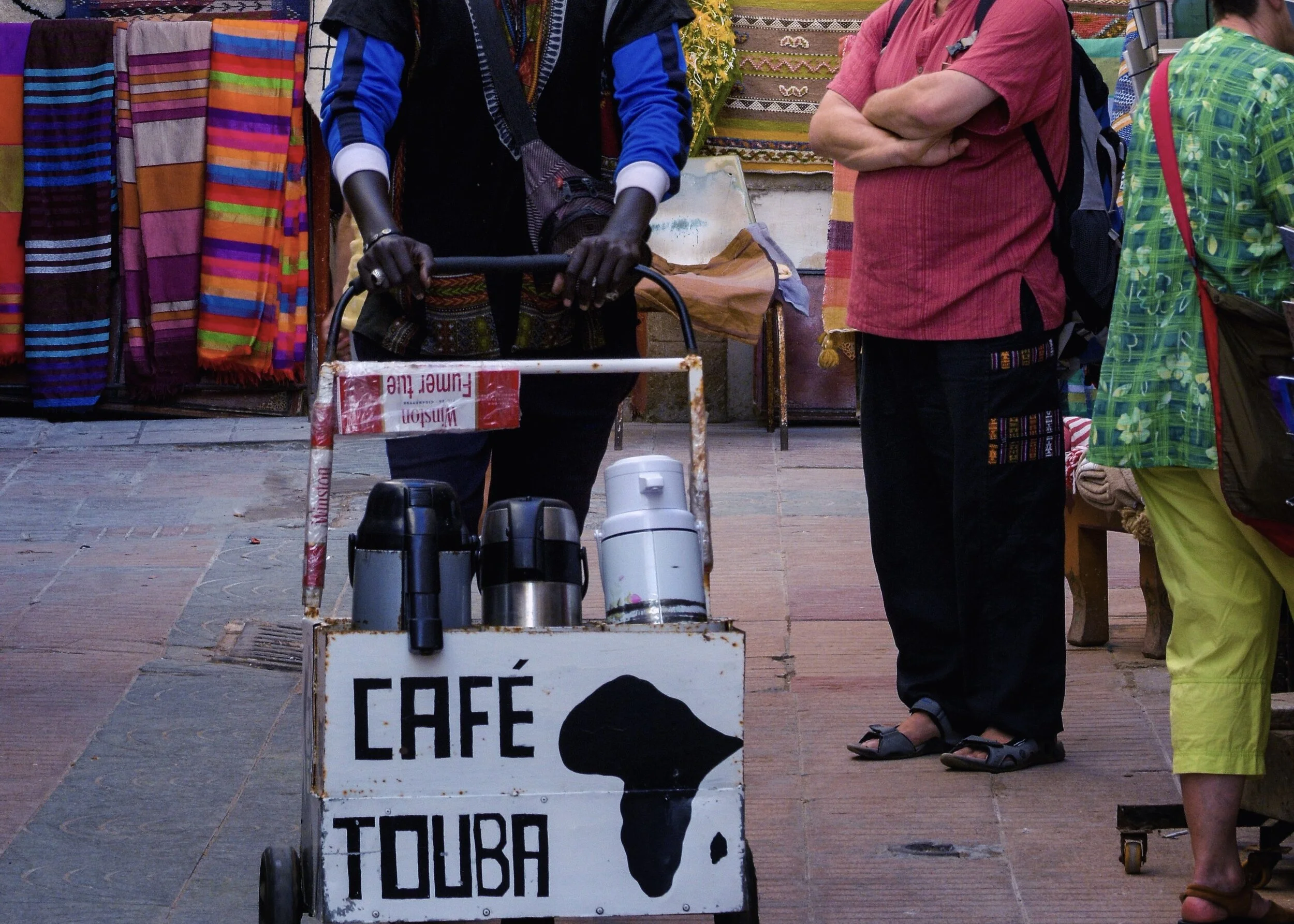
A vendor selling cafe touba. George D. Manta. CC BY-SA 4.0.

Popular throughout West Africa, cafe touba is a spiced coffee drink named after the Senegalese city of the same name. What distinguishes the beverage from other types of spiced coffee is that cafe touba is brewed using a powder made by combining coffee beans with selim pepper grains, an aromatic spice commonly used throughout West Africa. The drink is a great source of antioxidants, helps with digestion and has antidepressant properties. 

Ingredients:

  • 1 tablespoon of coffee beans

  • 1/2 teaspoon of selim pepper grains

  • 1 cup of cold water

  • Coffee grinder

  • Small saucepan

  • Single cup pour-over coffee maker with a filter

Steps:

  1. Heat your saucepan over medium heat and add in the selim pepper grains. Roast the grains in the pan for a few minutes until they become aromatic, but not burnt.

  2. Add the pepper grains and coffee beans to a grinder and grind together until the mixture has a coarse texture.

  3. Add your mixture to the cold water in the saucepan. Bring to a boil and let simmer for 5 minutes.

  4. Pour your mixture into the filtered pour-over coffee maker and let drip through fully before serving.

6. Cafezinho - Brazil
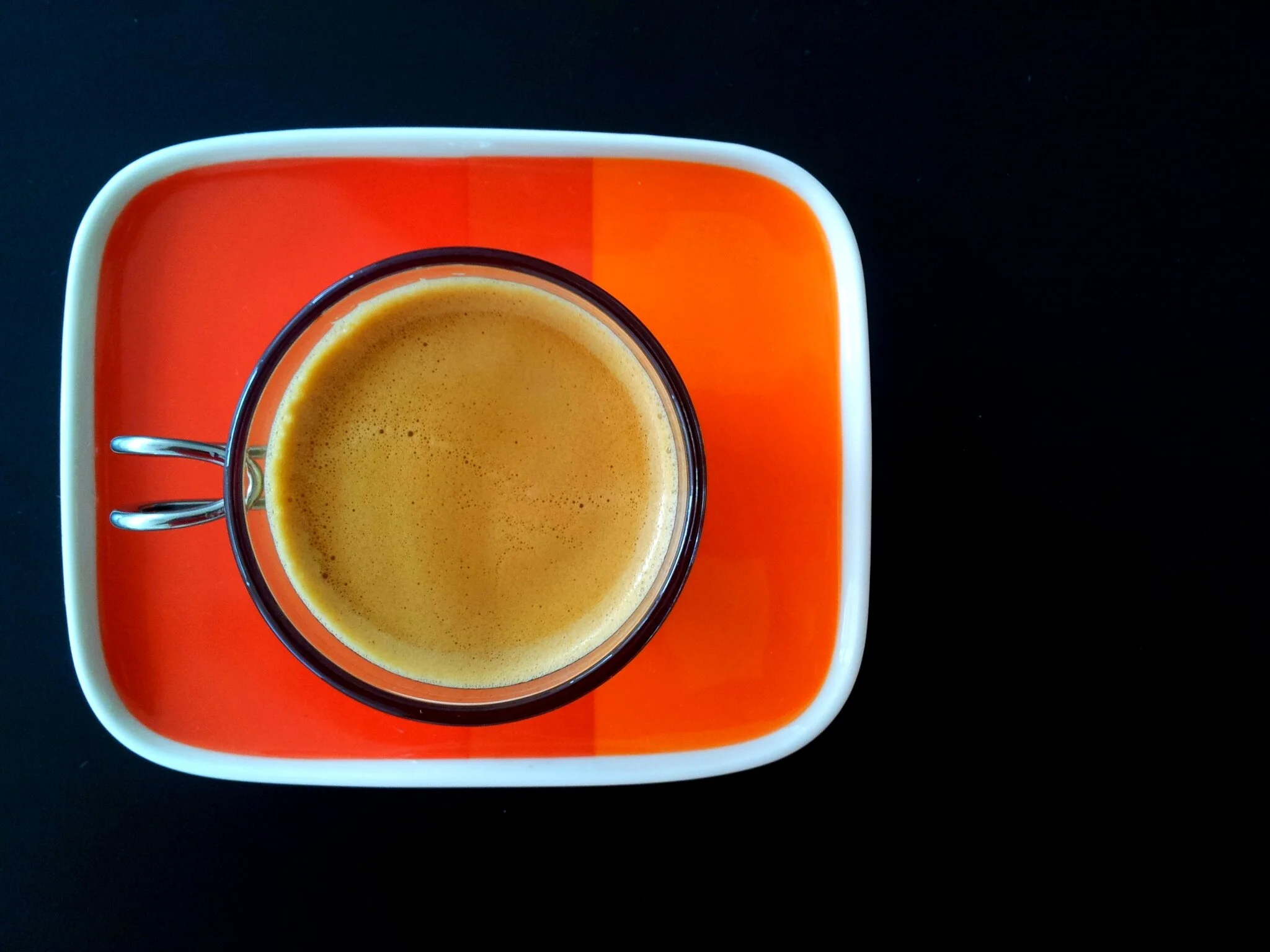
A mug with cafezinho. Ricardo. CC BY-NC-SA 2.0.

Synonymous with hospitality throughout Brazil, cafezinho is served throughout the country as a way to welcome folks and invite them in for conversation, whether that be at home, in the workplace or out and about. The drink is much thicker than traditionally brewed coffee, has stronger caffeination than pure espresso, and is naturally sweet and creamy. Invite some friends and family over to share cups of cafezinho with good conversation.

Ingredients:

  • 3/4 cups of cold water

  • 1 heaping tablespoon of espresso-ground coffee beans

  • 1 teaspoon of sugar

  • Small saucepan

  • Paper coffee filter

Steps:

  1. Add water and sugar to your small saucepan and heat until the mixture is just about to boil.

  2. Mix in your coffee grounds, remove the saucepan from heat and stir thoroughly.

  3. Pour your coffee mixture into the filter over an espresso cup and allow the drink to drip through the filter completely.

7. Qahwa - Saudi Arabia
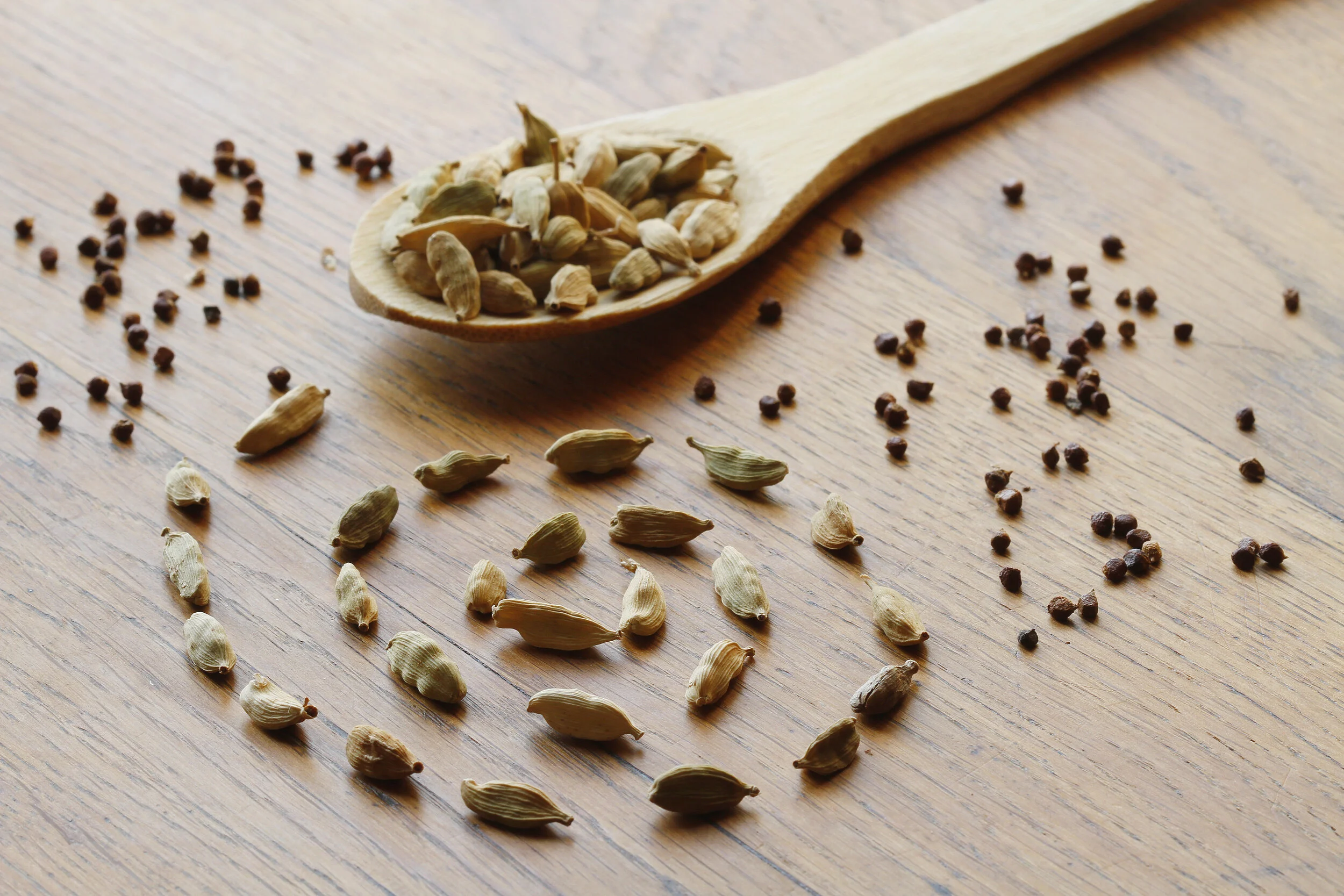
Cardamom pods, which are a key ingredient in qahwa. Etienne. CC BY-NC-ND 2.0.

Qahwa is a traditional Arabic coffee drink most popular in Saudi Arabia. The yellow beverage is unique from other coffees in that it is made using green coffee beans, which yields a weaker brew, and cardamom, an ingredient which gives the drink its iconic color. This low-caffeine beverage is delicious on its own or mixed with saffron, rosewater or cinnamon.

Ingredients:

  • 1 tablespoon of coarsely ground green coffee beans

  • 1 tablespoon of crushed cardamom pods

  • 2 1/2 cups of water

  • Small saucepan

  • Coffee filter

Steps:

  1. Bring water to a boil in the saucepan, and add in the coffee grounds. Let the mixture boil for 10 minutes.

  2. Add in your crushed cardamom and continue to boil for 5 more minutes.

  3. Remove the pot from heat and allow the grounds to settle completely at the bottom of the pan.

  4. Filter the coffee into a teapot or mug for serving.


RELATED CONTENT:

PODCAST: Travel and Social Equity in Honduras

TRIP: Practice Sustainable Coffee Farming in Costa Rica

The Global Coffee Crisis Takes its Toll on Small Farmers


Jacob Sutherland

Jacob is a recent graduate from the University of California San Diego where he majored in Political Science and minored in Spanish Language Studies. He previously served as the News Editor for The UCSD Guardian, and hopes to shed light on social justice issues in his work.

In World and Travel Tags coffee, recipe, flat white, cappuccino, ca phe sua da, iced coffee, caffeine, cafe de olla, drink, beverage, cafe touba, spiced, brew, anti-oxidants, cafezinho, espresso, qahwa, cardamom, best coffee, drinks from around the world, CheckOut, Global Cuisine
Comment

Inside Haidary’s cafe, a female barista poses next to the coffee maker on March 19, 2017.Photos by Ivan Flores

The Unlikely Industry Empowering Women in Afghanistan

December 22, 2017

The typical depiction of an Afghan woman looks like this: Timid and fearful, she is a victim of her extremely conservative and regressive society, unable to move around or do much without a man. But some Afghan women are busting these stereotypes, creating a niche for women to empower themselves and change the status quo.

A 36-year-old restaurant owner named Laila Haidary walks around the cafe gardens, carefully tending to the colorful foliage that grows generously around Kabul. She narrates her story of building a business in Afghanistan, a country governed by the rules of men. Overlooking the gardens is a midsize structure: a traditional Afghan house, with thick walls, large windows, and ample courtyard space, converted to a cozy restaurant with old tables and chairs and plenty of handmade rugs. The vibe is welcoming.

Haidary explains she wanted to provide a social space for artists and other young Afghans who want to interact with their culture and rich heritage. “This idea in itself had its own challenges because our extremely conservative society does not always approve of artistic expressions. Added to that, the fact it is run by a businesswoman makes many people uncomfortable,” she says.

Haidary’s cafe is among the many newer restaurants in Kabul, and around Afghanistan, that are either owned or managed by women in an otherwise male-dominated industry. Although data measuring this trend wasn’t available at the time of publishing, anecdotally, more women are entering the service industry: Within a two-block radius of my home in Kabul, I can count seven restaurants that have come up in the past year; that wasn’t the case in 2014, when I first came here.

Of course, not every woman in the industry is a business owner. A small but significant number of Afghan women are working jobs in the service sector—a profile that was unimaginable for Afghan women a decade ago and is still considered inappropriate.

“I feel like I’m breaking stereotypes every day by just being here. That makes me feel very proud of myself,” says 20-year-old Mujda Nasiri, who started working at 50/50, a local fast-food restaurant in Kabul, about a year ago. “Initially, my parents were reluctant, but now that they see how independent I have become, financially and personally, they’re happy for me,” she says, adding that she had always been fascinated by the restaurant industry.

In a deeply conservative society such as Afghanistan, women have few avenues to pursue careers. Many of the jobs available—such as manual labor, technical positions, and banking and finance—are not considered suitable for women because traditionally a woman’s priority has been with her family and, especially, their honor. Added to that are the decades of war that have left the Afghan economy enormously dependent on foreign aid, thereby increasing unemployment and competition in the markets. As the rate of unemployment peaked at 40 percent in 2015, it has been even more challenging for women to be considered for jobs in a market that tends to favor men.

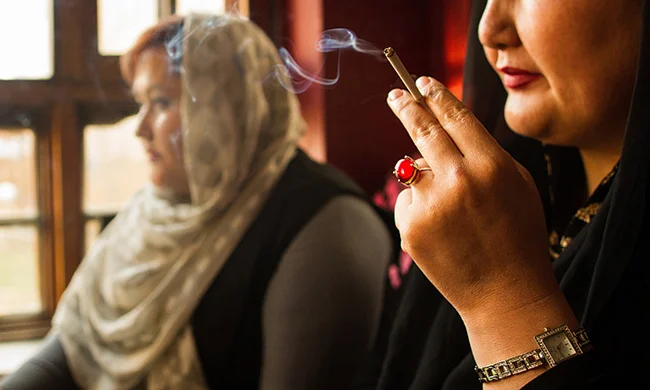
Women smoke inside Laila Haidary's restaurant on March 13 2017 in Kabul, Afghanistan. Smoking is considered a taboo for women, especially in public.

However, restaurants such as 50/50, which strives to be an equal opportunity employer, hires several women in various positions. “We are trying to create an all-inclusive space for our customers, especially for women and families, who can come here without any fear of harassment. Such a place is also good for women to work at,” explains Zahir, 37, the restaurant manager at 50/50 (most Afghans traditionally go by just one name). “We also find that women employees are more professional, timely, and able to work with grace despite pressures—a right fit for this industry.”

Nasiri is one of three waitresses the restaurant hired last year, and the move was welcomed by many of their customers. “I’ve had a very good experience working here; my colleagues are like my family and are very protective of my safety,” she says, recalling an incident where a displeased customer lectured her about how inappropriate such a job was for a woman.

“But I see that there has been a change in attitudes,” Nasiri says. “I find that a lot of our customers are not only happy to see me serve them, but [are] also very encouraging of my work. This one elderly gentleman was so happy to meet a working woman, that he left me a Afs1000 [$15] tip to keep me motivated,” she says, adding that the joy of meeting new people every day is a bigger motivation than money to stay with this job.

Twenty-five-year-old Nikbhakt, a barista at a local coffee shop frequented by the many foreigners and expats in Kabul, would agree with Nasiri. “I’ve been making and serving coffee for the last four years, and the best part of my job is interacting with people from around the world,” she says. There was a time when an Afghan woman couldn’t leave the house without a mahram—a male escort who is a blood relative—let alone talk to other people. Women had few places to engage socially in the extremely conservative and patriarchal society under the Taliban regime in the late 1990s.

Parents have reason to be concerned about their working daughters. Harassment at work and in public is a common sight in Kabul and other Afghan cities. Afghan women have to fight many gender stereotypes and inequalities along with abuse if they choose to pursue a career, any career. As a result, many women prefer jobs that require less mobility because even the act of traveling to work daily can often subject women to street harassment. Added to this the rising insecurity further discourages families from allowing their daughters to go to work.

Last year, the cafe where Nikbhakt works was attacked, and she barely missed the explosion that claimed the lives of two people, including the cafe’s guard. “I was extremely depressed for a long time after that attack. My family didn’t want me to work anymore, and I didn’t want to step out of home, either,” she says. “But now I know that cutting myself from the world isn’t a solution, and decided to come back to work two months ago.”

Since no institutes offer training to work in the service sector, Afghans have to learn on the job, which can be tedious for the employers. “We’ve had to let two of our female staff go because they were unable to cope with the pressure of working in a restaurant, but that isn’t to say that women can’t work in this industry,” Zahir says. “The environment, of course, matters, and it is perhaps up to us as employers to help create working environments that allow women to work comfortably and to their full potential.”

Women customers are drawn to restaurants where women work. “Having women around the restaurant creates a comforting and calm environment that eventually attracts a wide diversity of customers,” says Haidary, who also employs several women as servers, managers, and cooks.

She started her cafe as a way to fund her other initiative: the Mother Camp, a nonprofit drug rehabilitation shelter she opened seven years ago for homeless addicts in Kabul. When the funding to the shelter started to dry up (few in Afghanistan consider donating to rehabilitating drug addicts), Haidary and her volunteers came up with the idea of establishing this cafe. Even today, most of her employees are former or recovering addicts from the Camp, which also continues to help hundreds of Afghans recover every year.

Laila Haidary sits at one of the tables in her restaurant in Kabul, Afghanistan, 2017. 

Haidary has been successful as a restaurateur, but the ride hasn’t been smooth. On the contrary, she faced several threats and intimidations, sometimes even from her own customers who would show up drunk or high on hashish to her cafe, breaking her one cardinal rule—no drugs, no alcohol.

Terrorized but not afraid, Haidary would often take these men head-on. “There was a time when she literally pounced on a large Afghan man who was a guard to a local parliamentarian,” recalls a regular customer at Taj Begum who witnessed the attack. “He had come drunk to the cafe, gotten into a brawl, and threatened to have [Haidary] shut down. When [she] protested, and had him kicked out of the cafe, he smashed her car windows.”

Despite that chaos, Haidary persisted because she wanted to be an inspiration to other women in Afghanistan. “Even when the going got tough, I didn’t quit. Not only did I need this to support Mother Camp, but I also wanted to show to our society that a woman can run a successful business,” she says.

The social change, however, will have to be gradual, and Afghan society will need more time to accept working women, especially in the service sector, as a norm. That said, women have come by leaps and bounds, having survived many wars and the brutal and patriarchal Taliban regime, during which they couldn’t even step out of their homes without male escorts. They know they’re more than just victims—they’re survivors who are overcoming odds, every day.


THIS ARTICLE WAS ORIGINALLY PUBLISHED ON YES MAGAZINE.


RUCHI KUMAR

Ruchi is an Indian journalist based in Afghanistan covering developmental, cultural, and political stories from the region.

In Afghanistan, News and Social Action, Education and Empowerment Tags coffee, barista, restaurant, empowerment, Women and Girls, Afghanistan
Comment

Also check out...

Featured
Vietnam’s Floating Markets Are Disappearing
The Supernatural Role of Masks in Nigeria’s Yoruba Tribal Culture
Opening the World to Deaf Travelers with Lily Yu

Featured trips

Featured
Offer NGO Support While Visiting Quito
Experience Life as a Mongolian Nomad
Help Grow Organic Costa Rican Coffee

Sign up for the CATALYST newsletter

Sign up for our newsletter to get the scoop on international travel, global social impact insights, our latest podcast releases, and more from around the world, all delivered right to your inbox!

We respect your privacy.

Thank you!
Newsletter Sign Up | Advertise | Careers + Internships | Privacy Policy | Submissions | Contact Us

Copyright © 2025, MISSION MEDIA LLC. All rights reserved.