
By Carson Jelinek
With 16 host cities across three countries, the 2026 World Cup will encourage fans to travel more efficiently by reducing their carbon footprint, choosing lower-impact transit and saving money.
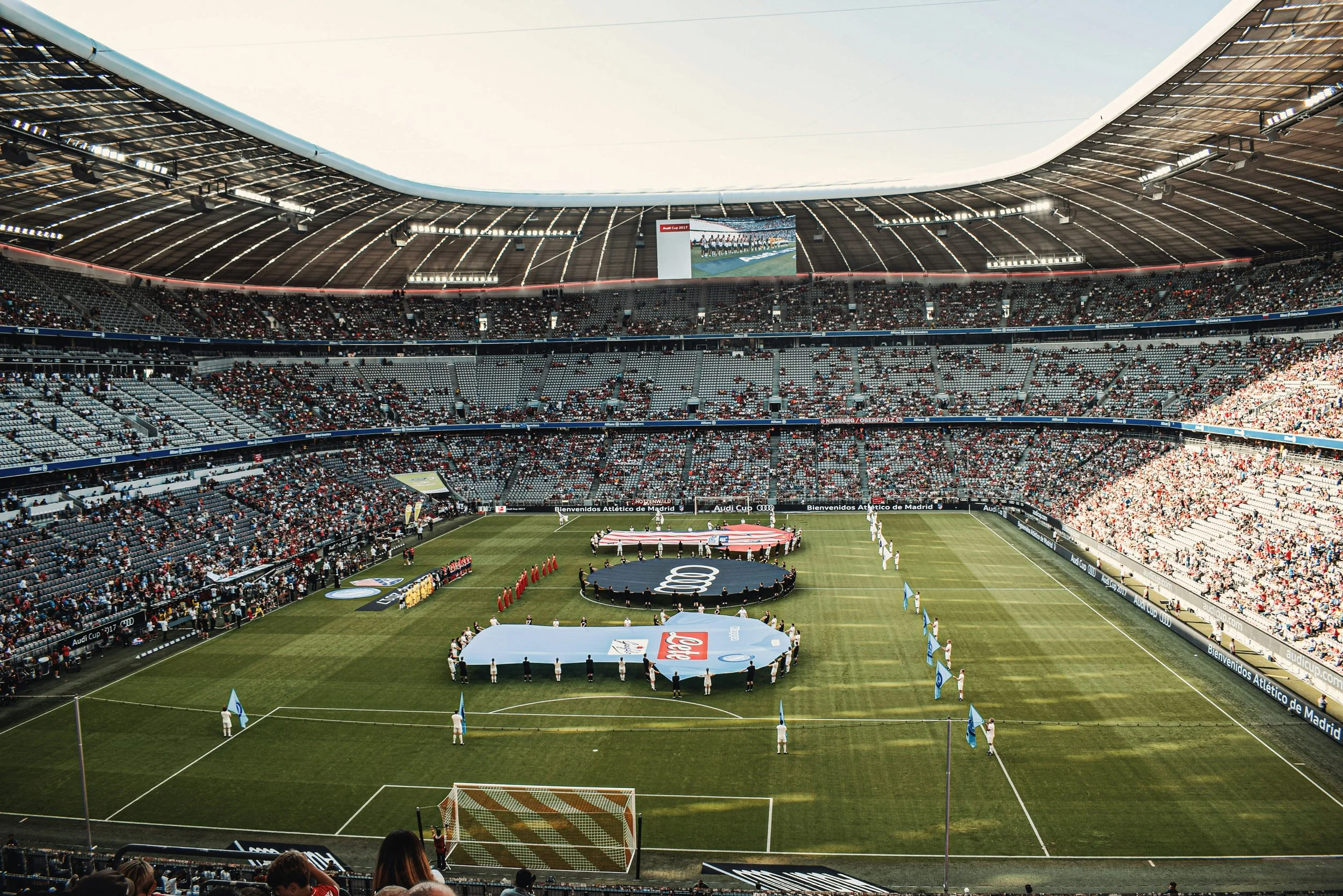
Soccer stadium. David Bayliss. Unsplash.
The 2026 World Cup is coming in hot, and it’s bringing a whole lot more than just goals and glory: It’s turning North America into one long road trip, with 16 host cities spread across three countries. The 11 host cities in the United States are Atlanta, Boston, Dallas, Houston, Kansas City, Los Angeles, Miami, New York/New Jersey, Philadelphia, the San Francisco Bay Area and Seattle. In Mexico, the host cities are Guadalajara, Mexico City and Monterrey. Canada’s host cities are Toronto and Vancouver. When the matches start rolling, the smartest way to move between them may not be to hop on another flight but to slow things down, stick to ground travel where possible and keep both your carbon footprint and budget a little lighter. Sometimes the best way to chase something big is to travel a little smarter, a little cleaner and a whole lot more intentionally.
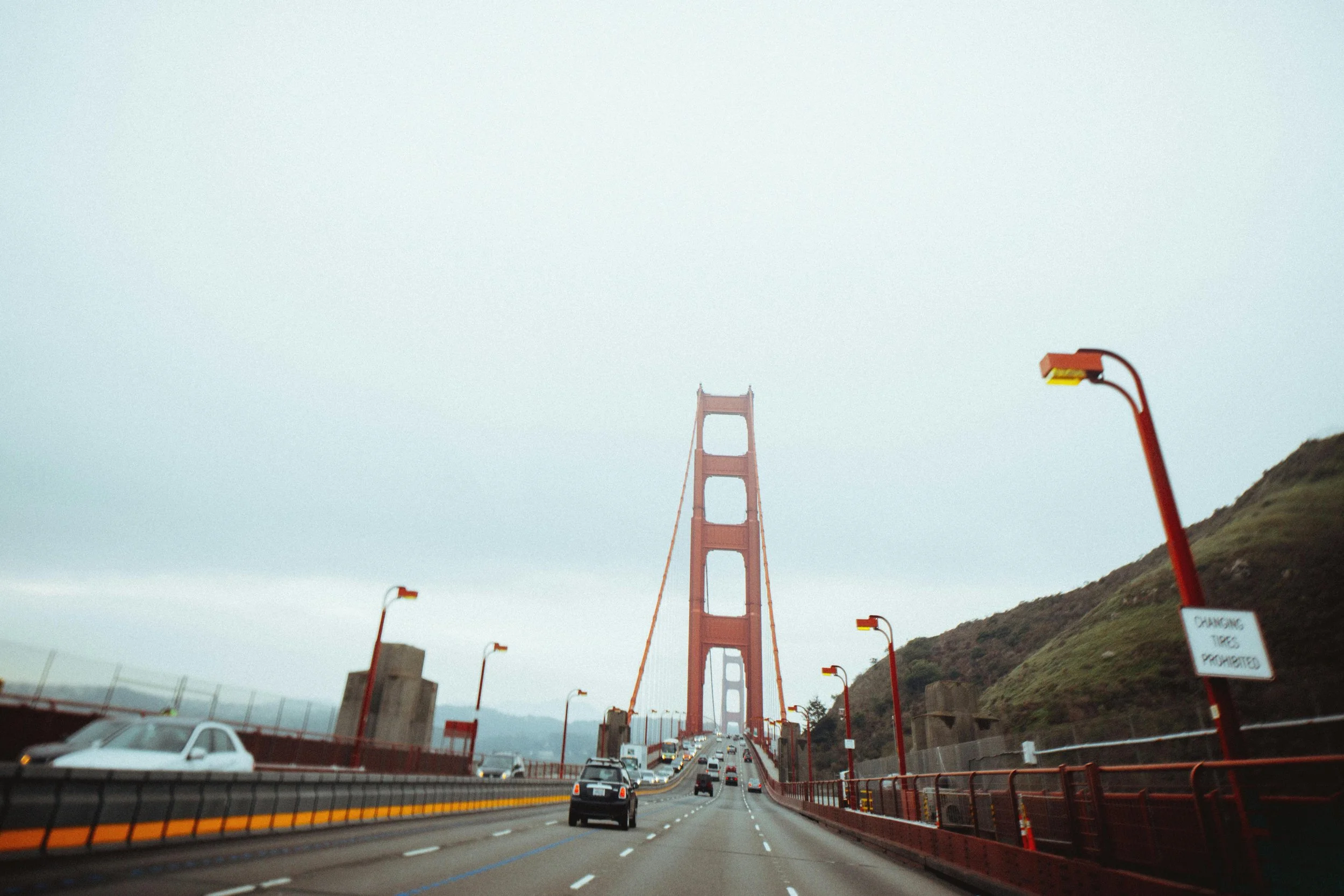
Scenic view of Golden Gate Bridge. Helena Lopes. Pexels.
That greener route could look a lot of different ways, depending on the cities you choose and how much ground you want to cover. In some cases, it means taking a train or bus instead of booking another short-haul flight; in others, it means carpooling, sharing rides or simply staying longer in one place instead of bouncing from host city to host city. The difference isn’t small. Short-haul flights can emit more than 250 grams of carbon dioxide per passenger per kilometer, while rail travel can drop that number into the single digits. In some cases, choosing trains over planes can reduce emissions by up to 90%, making transportation one of the most important decisions fans will make when planning their World Cup journey.
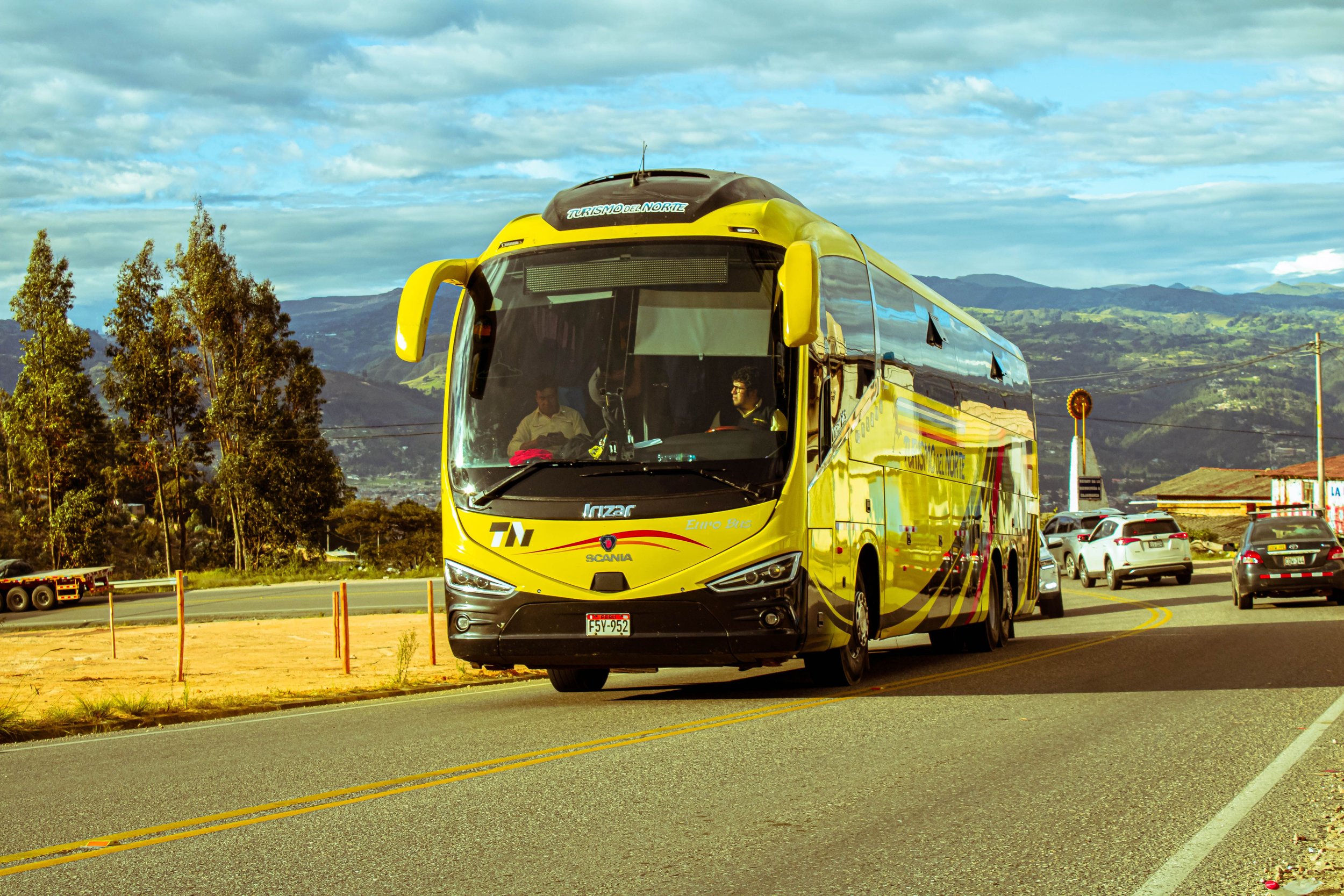
Bus traveling along a scenic mountain. Santiago Quinonez Meza. Pexels.
Once fans arrive, the same mindset applies on the ground: walking when the stadium is close, using public transit when it’s not and leaning into travel plans that cut down on emissions without cutting down on the experience. As it turns out, the most sustainable choices are often the cheapest ones too, since fewer flights, less hotel switching and more local transit can keep costs down while making the trip feel more grounded and intentional.
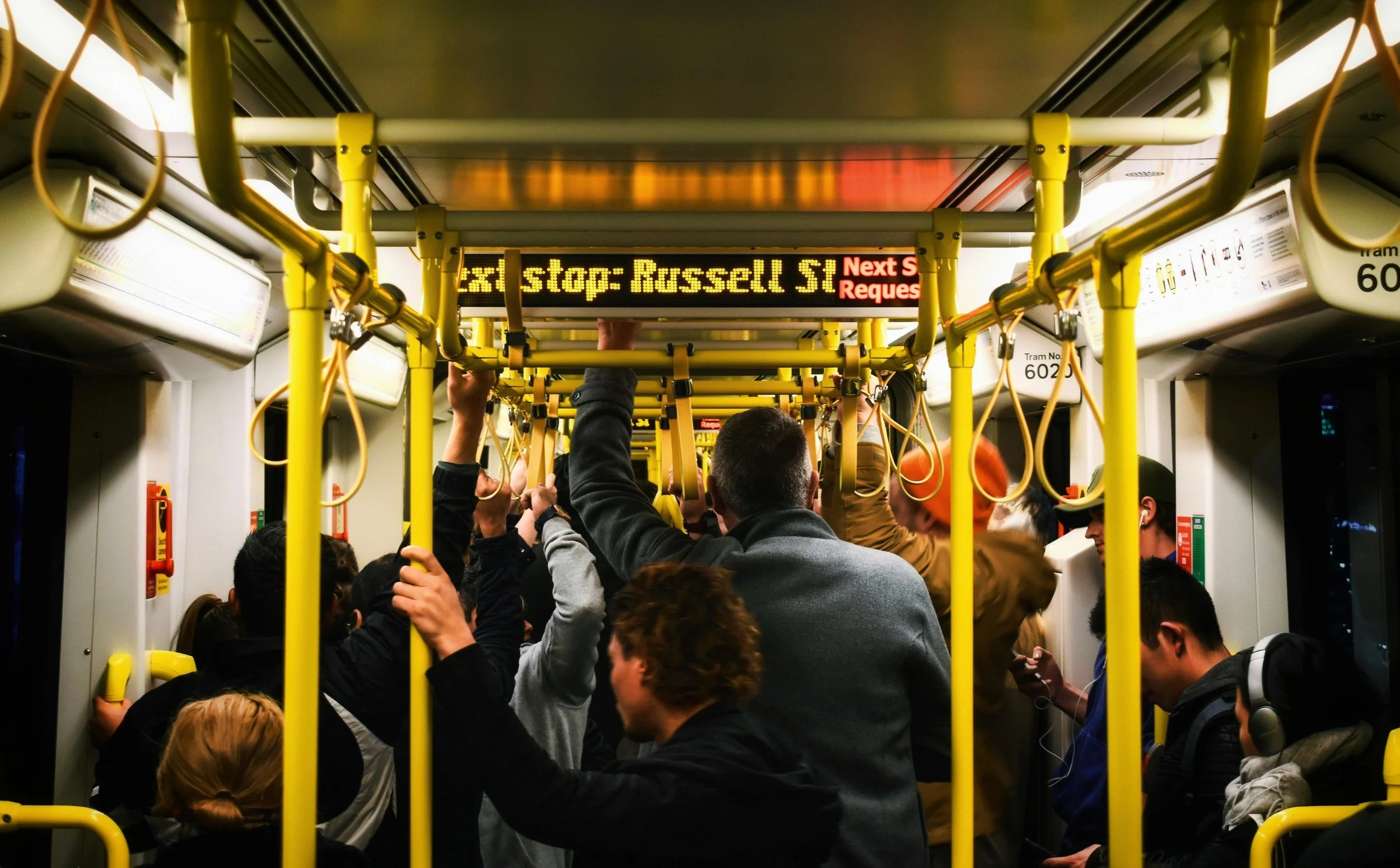
Commuters inside a tram. Rishiraj Parmar. Pexels.
With the 2026 World Cup bringing people together across North America, the way fans travel becomes part of the experience. Choosing a train over a flight or spending an extra day in one city instead of hurrying to the next might seem minor, but when millions of people make these decisions, it affects the tournament’s environmental impact. In the end, following the World Cup is not only about the places you visit but also how you travel and the mark you leave behind.

Carson Jelinek
Carson is a 22 year old writer and filmmaker studying film and media productions at Arizona State University. His work explores travel, culture, and the people behind the places, with a focus on stories that encourage curiosity and global understanding.