
By Caleigh Capio
From Rwanda to Sudan, explore a continent of literature in this reading list.
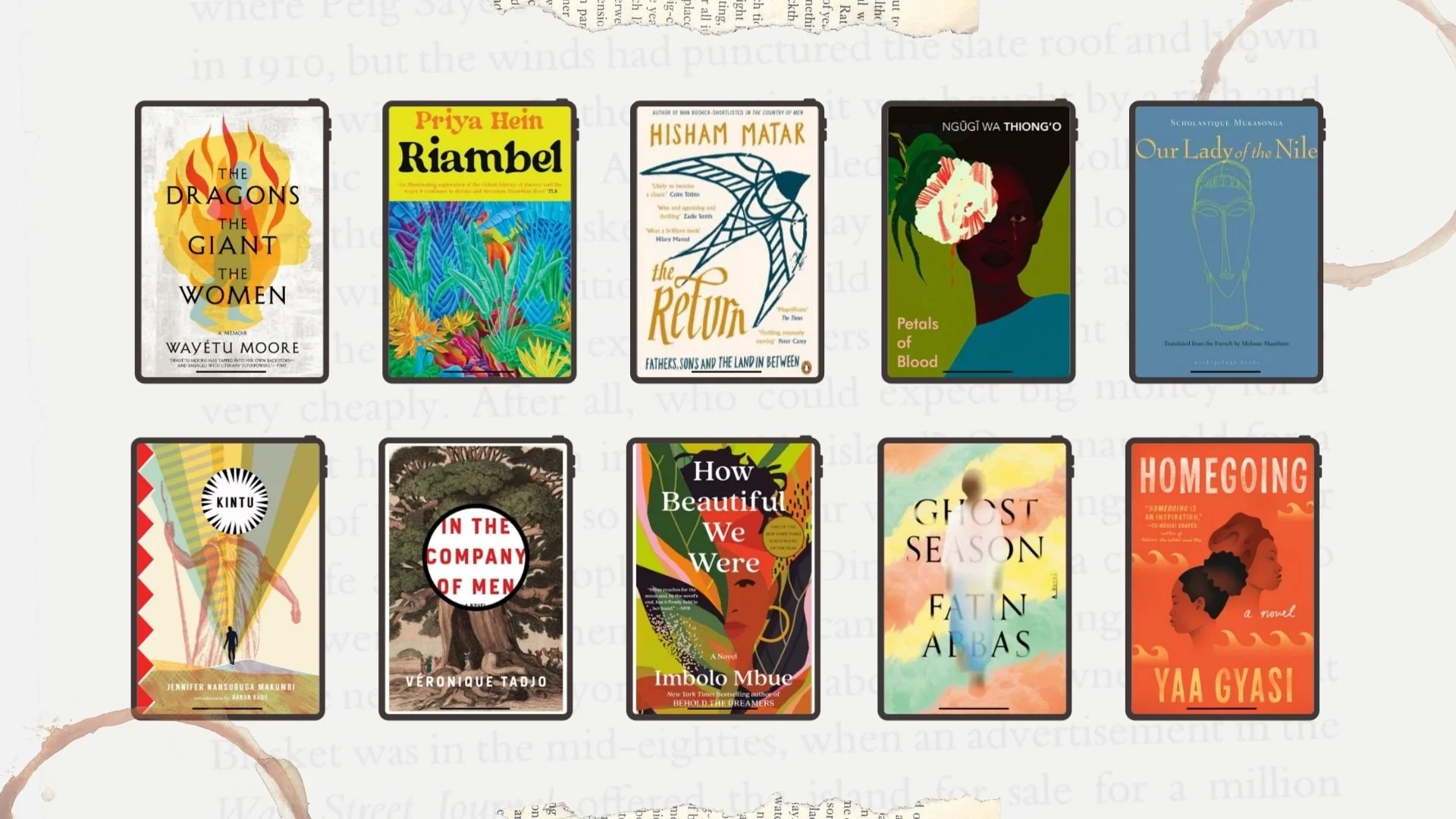
May is Read Africa Month! The reading challenge was an initiative started by two book bloggers on Instagram, @readsandart and @whatrosemaryreads, to help promote African literature in the global literary landscape. Spanning several genres and countries across the continent, here are Catalyst Planet’s picks of the month.
1. Cote d’Ivoire (Ivory Coast)
“In the Company of Men” by Veronique Tadjo
Veronique Tadjo writes a modern fable centered around the devastating effects of the 2013-2016 Ebola epidemic in West Africa. Through several moving vignettes, Tadjo reflects on both the frailty and resilience of humanity in the face of crisis.
2. Ghana
“Homegoing” by Yaa Gyasi
This powerful historical fiction novel traces 300 years of Ghana’s history, moving through generations of a single family. In 18th-century Ghana, Effia and Esi are two sisters born under different circumstances: Effia lives a privileged life as an Englishman’s wife, while Esi is sold into the Gold Coast slave trade. The novel follows their descendants as they experience life in Ghana and America and face the lasting impact of colonialism and slavery in both countries.
3. Libya
“The Return” by Hisham Matar
Hisham Matar’s memoir documents his first return to Libya in 30 years to discover the truth behind his father’s disappearance. Matar illuminates Libya’s turbulent and painful history under the Gaddafi regime, telling the stories of his family members and others imprisoned.
4. Uganda
“Kintu” by Jennifer Nansubuga Makumbi
“Kintu” is an incredible and intricate tale of a family plagued by a curse and their struggle to break it. From the days of the Buganda Kingdom to modern Uganda, Makumbi tells the history of the country across generations, navigating between the lives of different members of the Kintu clan.
5. Rwanda
“Our Lady of the Nile” by Scholastique Mukasonga
“Our Lady of the Nile” is a haunting novel set in 1970s Rwanda, shedding light on the country’s atmosphere in the years leading up to the Rwandan genocide. Taking place at a prestigious all-girls high school, Mukasonga’s novel uses a revolving door of characters to capture the rising tensions between the Hutu majority students and the Tutsi minority.
6. Sudan
“Ghost Season” by Fatin Abbas
“Ghost Season” weaves the lives of five strangers together at an NGO on the border between northern and southern Sudan. Abbas examines the nature of borders through her characters, delving into the environmental, cultural and political changes of the country and how they led to the brink of civil war.
7. Mauritius
“Riambel” by Priya Hein
“Riambel” examines the legacy of slavery and colonialism in Mauritius through the eyes of 15-year-old Noemi, whose mother works as a servant for a wealthy white family. Hein brings the village of Riambel to life while showing the devastation of slavery and the impact of class division in a country trying to change.
8. Liberia
“The Dragons, The Giant, The Woman” by Wayetu Moore
Wayetu Moore’s powerful memoir follows her childhood escape from the First Liberian Civil War to her life as an immigrant in the United States and her eventual return to Liberia. With deeply personal and innovative prose, Moore tells a compelling tale about the courage and hardships of an immigrant family faced with displacement.
9. Kenya
“Petals of Blood” by Ngugi wa Thiong'o
Through the lives of four murder suspects, this Kenyan classic examines the hardships of living in a post-colonial Kenya. As the murder-mystery unfolds, Thiong’o expresses the frustration of citizens at the failure of the government to serve their people and the lasting scar of imperialism affecting Kenyan society.
10.Cameroon
“How Beautiful We Were” by Imbolo Mbue
“How Beautiful We Were” follows one village’s fight against exploitation and journey to freedom. Ignored by the government, the village must stand against the American oil company that is devastating their land and people. Centered around Thula, a villager and revolutionary, and her lineage, the novel shows how one person can make a difference in their community.

Caleigh Capio
Caleigh is a recent graduate from Wellesley College with a B.A. in English and a minor in Italian Studies. She has always had a passion for storytelling, language and culture studies, and all things literary, and will continue to pursue these interests. In her free time, she enjoys reading, writing book reviews, spending time with friends, and discovering new music.