
By Kaitlin Murray
While the new Chinchero airport promises economic growth, many are worried about overtourism and damage to archaeological sites and ecosystems.
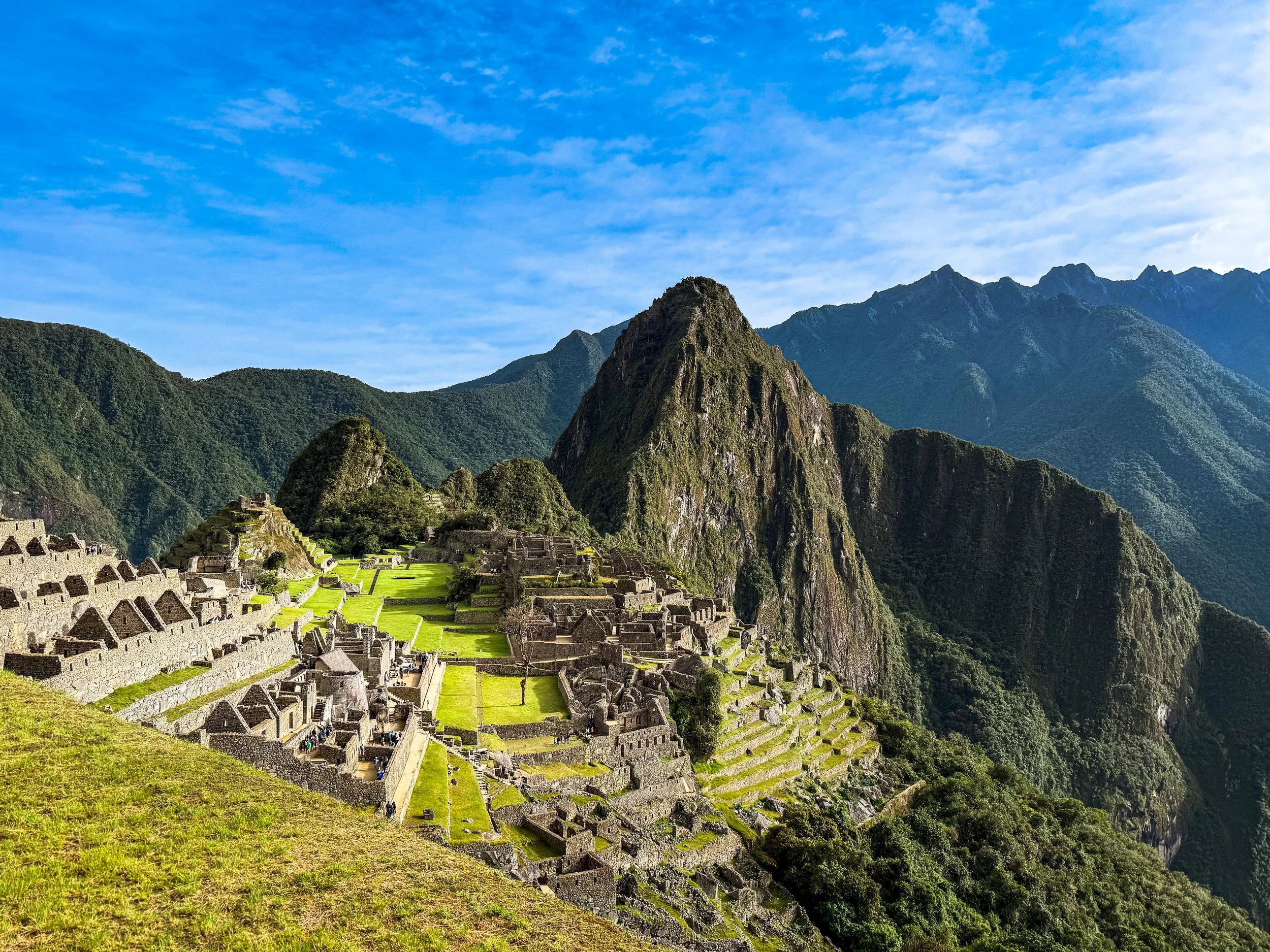
Archaeological ruins of Machu Picchu. Wang Jared. Pexels.
After years of delays and opposition from activists, archaeologists and conservationists, Peru’s Chinchero International Airport, about 36 miles from Machu Picchu, is targeted to open in late 2027 or early 2028.
The airport is projected to increase tourism to the area by 200%, landing passengers closer to the Sacred Valley and Machu Picchu, a destination visited by thousands each day despite the logistically complex journey to reach it.
Visitors will now be able to bypass a flight connection in Lima and potentially fly directly from as far as the United States and Europe; they will land between Cusco and the town of Ollantaytambo, where the train to Machu Picchu departs.
While more visitors are expected to benefit rural communities in the Sacred Valley, many fear the airport's construction and the travelers it brings will permanently damage the region's environment, archaeological sites and cultural authenticity, creating an overtourism problem in a region already at capacity.
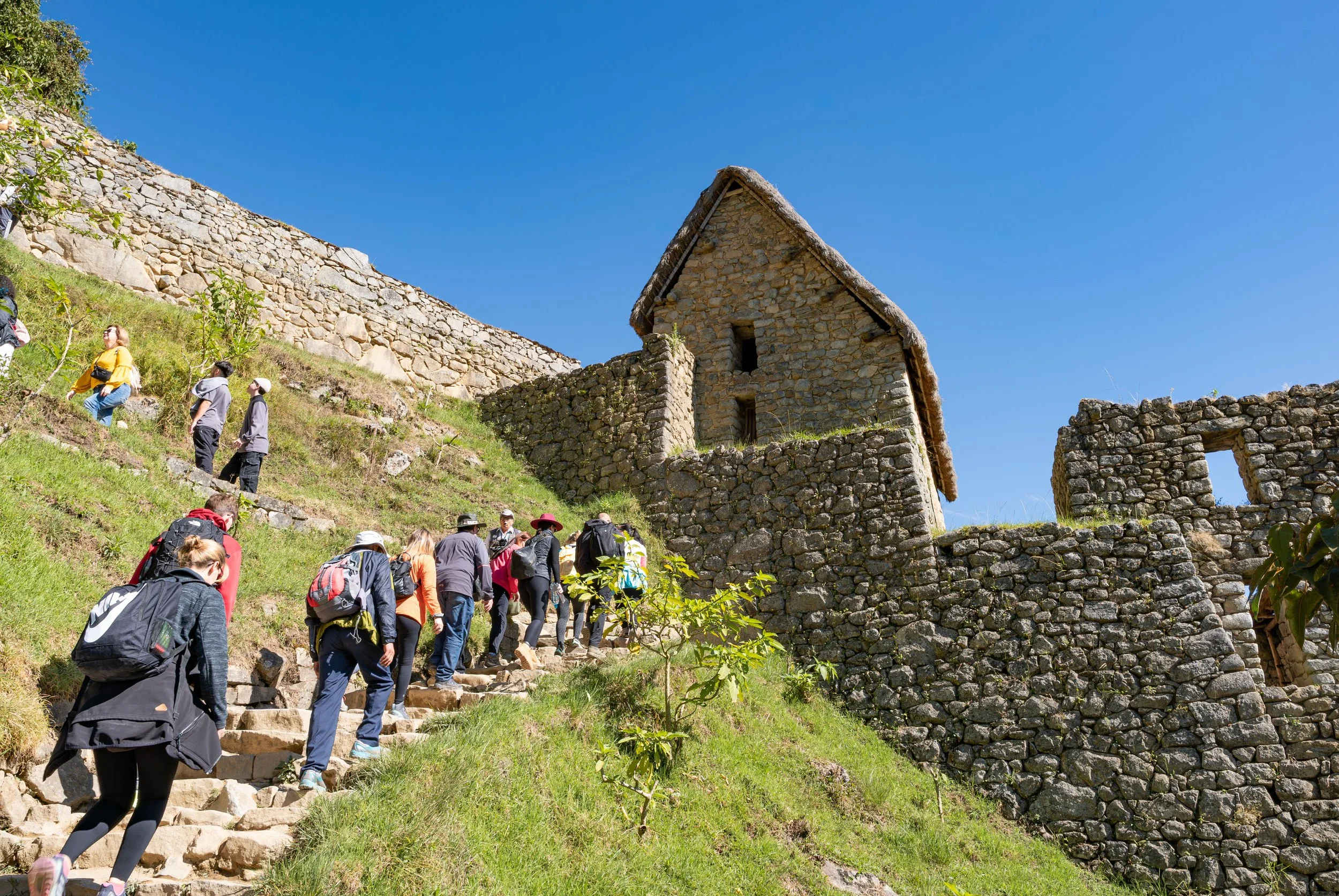
Tourists walking through the ruins of Machu Picchu, which today is divided into multiple circuits. Soly Moses. Pexels.
Millions More Visitors Could Arrive at an Already Crowded Machu Picchu
Machu Picchu, one of the new seven wonders of the world and a site that receives on average 1.5 million visitors a year, is not an easy destination to reach. The archaeological site, an Incan city brought to international attention in 1911, sits almost 8,000 feet above sea level among the clouds of the Andes Mountains. It was once a royal estate and ceremonial center for the emperor Pachacuti and has been a UNESCO World Heritage site since 1983.
Visitors landing in Peru must first arrive in the capital city of Lima, then connect to Cusco and take transport to Ollantaytambo. From there, they take a train to Aguas Calientes, and finally take a bus or hike to the archaeological site entrance. Despite this complex process to reach the Incan city, millions of visitors a year flood the small towns of Ollantaytambo and Aguas Calientes, which have now become tourist hubs filled with bars, restaurants and shops.
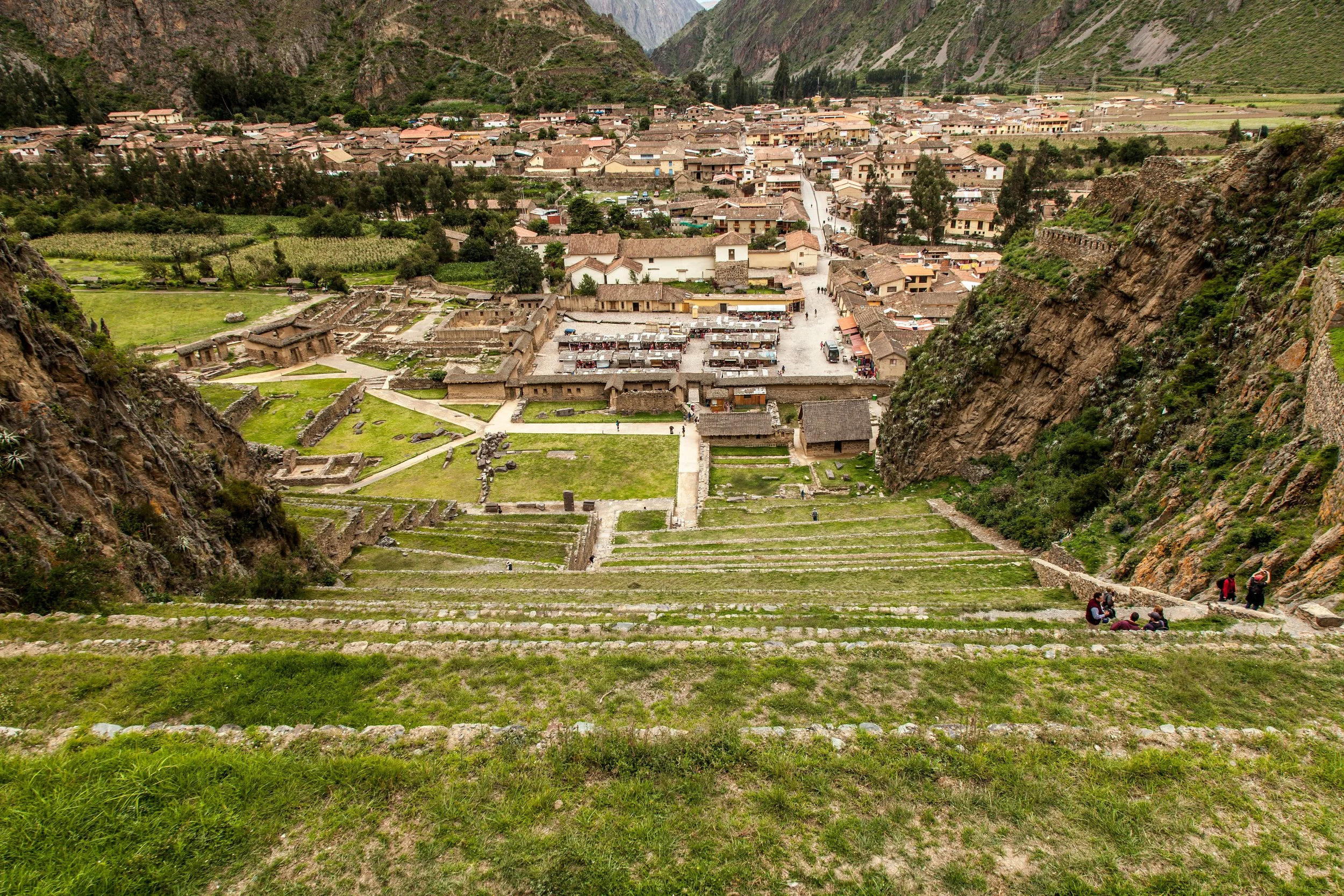
The view of Ollantaytambo from the ancient Incan terraces. This small town receives around 900,000 visitors a year. Jiban Game. Pexels.
Plans for an airport in this area are not new.
As early as 1978, the Peruvian government began planning a second airport in the Cusco region, and in the early 2000s the Chinchero plateau was identified as the ideal spot for its flat terrain in a high-mountainous region. However, delays, criminal charges against public officials and the COVID-19 pandemic slowed construction.
Designed as Peru’s second-largest airport, it is meant to relieve pressure from rising tourism and the limits of the Cusco airport, which cannot operate at night and has no room for expansion.
The Peruvian tourism board has argued that the airport would bring economic benefits not only to Chinchero's 5,500 inhabitants, but also to destinations such as Choquequirao, Ollantaytambo and Santa Teresa. Tourists already pass through these towns on their way to Machu Picchu, and Chinchero is well known for its textiles and the archaeological ruins of the palace of the 10th Incan Emperor Tupac Yupanqui.
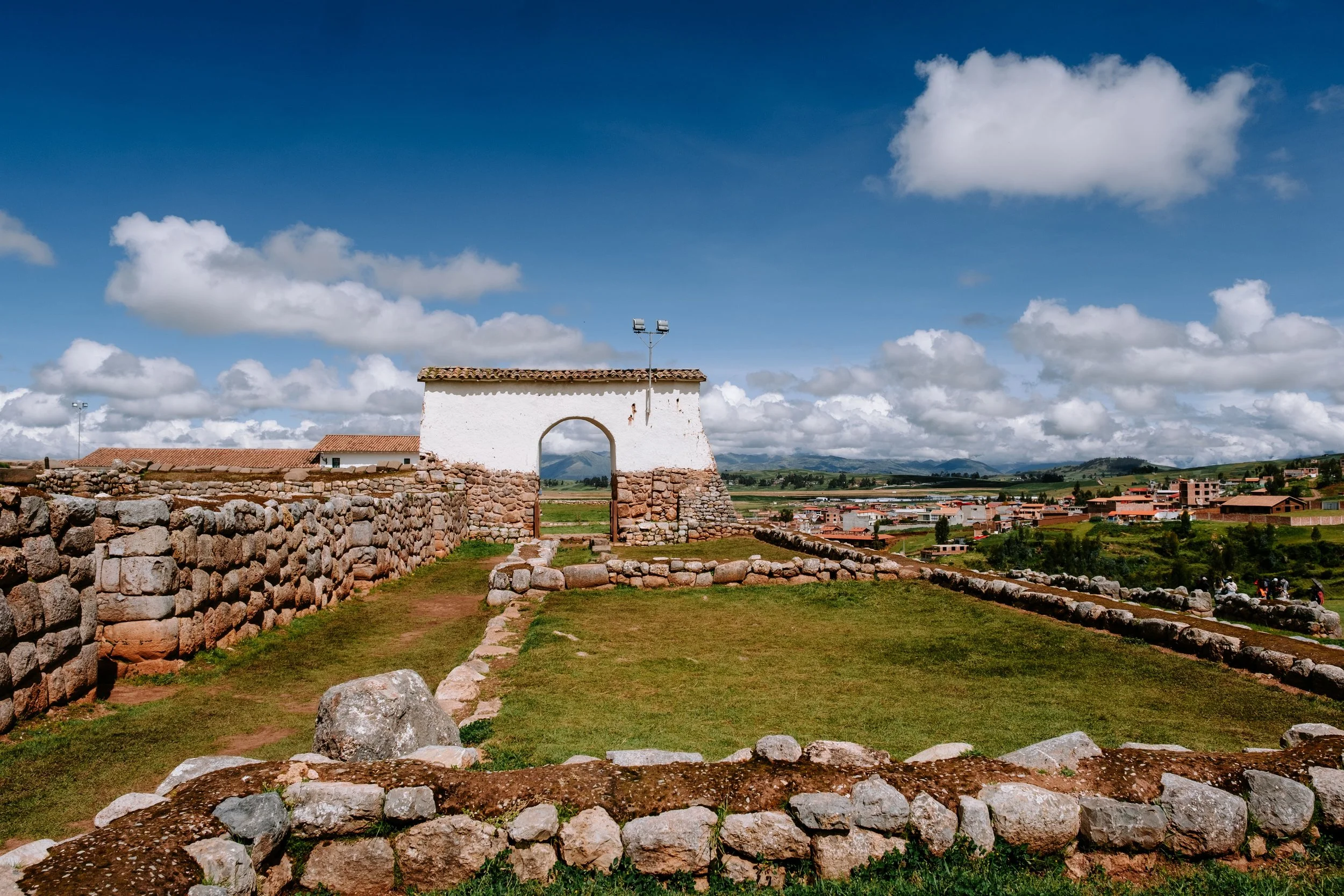
The Incan ruins of Chinchero. Eugenio Felix. Pexels.
The Concerns Over the Chinchero Airport
Despite the potential economic benefits, many community advocates, environmentalists and archaeologists worry the airport will cause irreparable damage to the land, water systems and archaeological sites in this fragile environment.
In recent years, UNESCO has raised concerns about conservation and the airport’s potential effects,t, with the number of daily visitors already capped at 5,600 in high season. While new regulations have been implemented, including the visitor cap, designated circuits and timed entries, visitors still need to book over 6 months in advance due to high demand.
In addition to the airport, urban development to accommodate tourism in Chinchero will transform the area's landscape and the lives of its rural communities. While many families have already gained income by selling artisanal crafts and hosting “living tourism” tours, this change could risk turning working towns into tourist attractions.
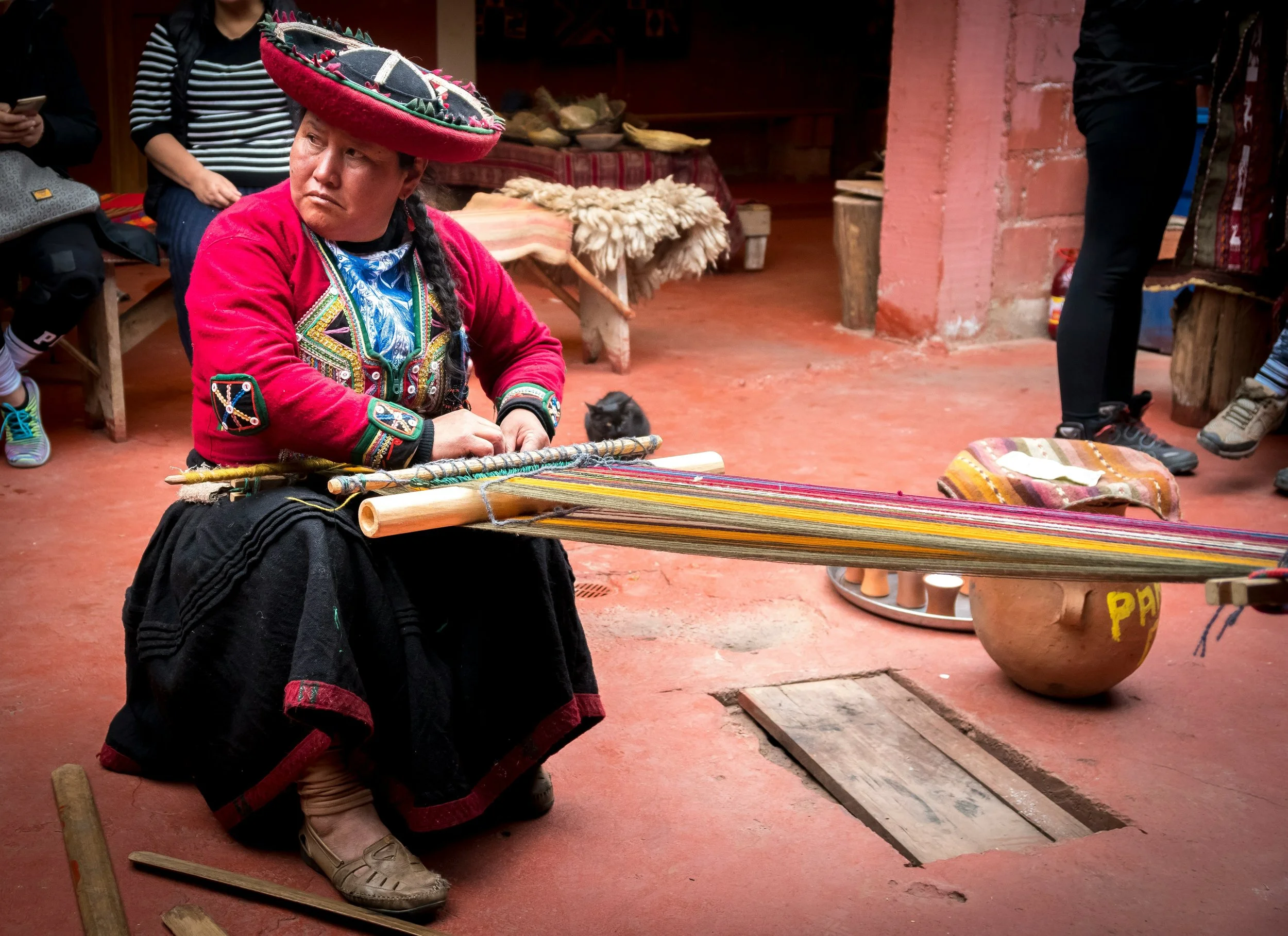
A local woman in Chinchero demonstrates traditional weaving techniques. Willian Justen de Vasconcellos. Unsplash.
The airport is being constructed on wetlands and natural springs that supply Lake Piuray, an important water source for the surrounding villages and the city of Cusco. Families in Chinchero have already been selling their farmland because they think the construction would deplete the Lake Piuray watershed and create a new waste problem. Additionally, with the effects of climate change and El Nino already visible in the area, the airport taking more water from an already fragile region could lead to increased droughts.
Furthermore, the entire Sacred Valley area is filled with archaeological ruins and is an ancient landscape shaped by centuries of Incan farming techniques and infrastructure. Archaeologists worry the airport runway could destroy potential traces of Incan roads, given its proximity to the Chinchero Archaeological Park. Flights over the ruins of Ollantaytambo could also cause damage whose full extent isn’t yet understood.
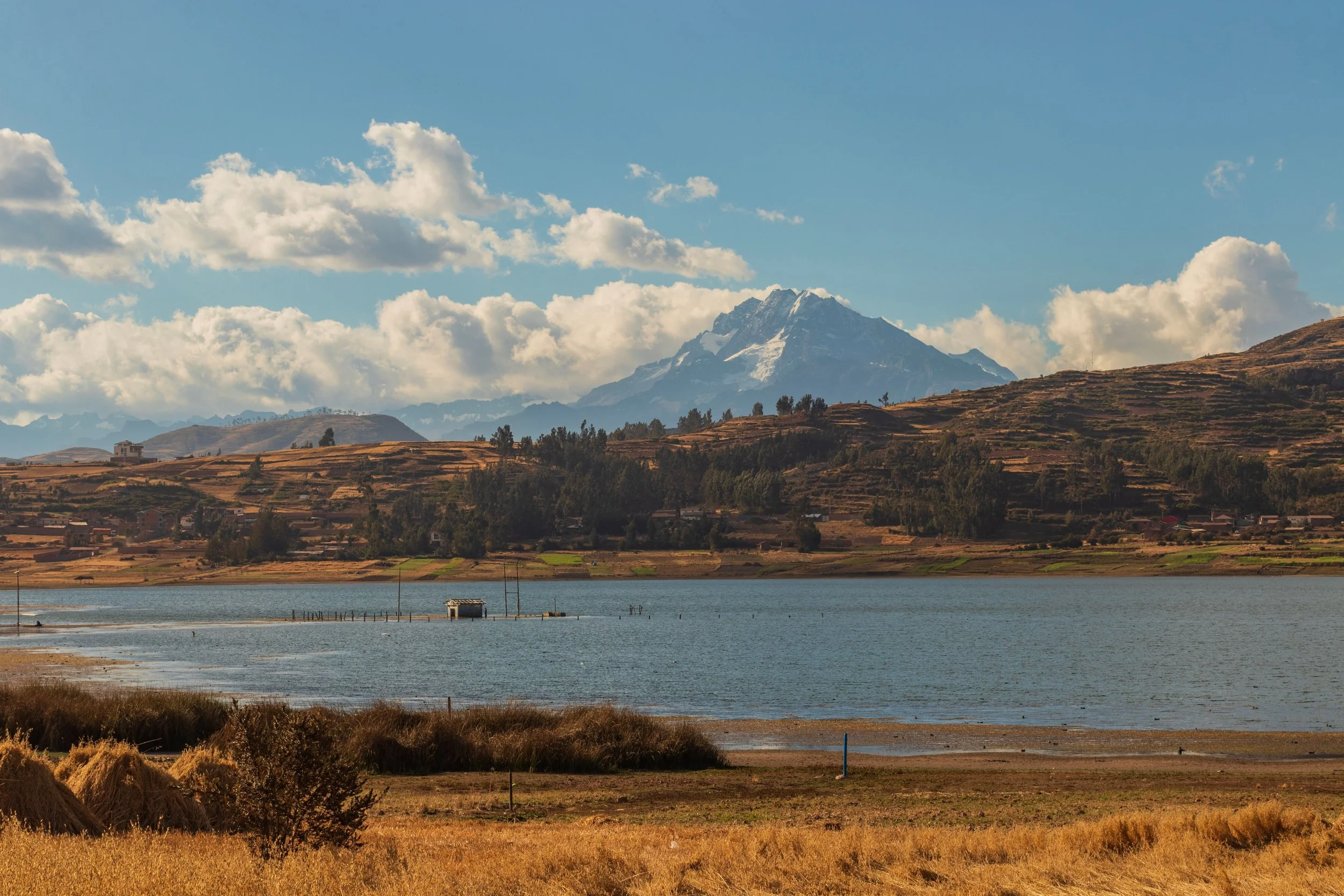
Lake and wetland views from Chinchero. Erick Diaz Veliz. Pexels.
What Comes Next for Cusco's Communities
As construction on the airport continues, a region already at a tipping point faces a new question: can it bring economic growth without negatively transforming the livelihoods, traditions and towns of the people who live there? Is there a way to lift rural communities up without turning them into tourist attractions?
As the new Chinchero airport is expected to bring in up to two times as many visitors as the Cusco airport, it will connect a once-isolated valley directly to the rest of the world. Whether the Indigenous communities, archaeological sites and fragile ecosystems can withstand that new traffic depends on the regulations and practices put in place before the first flights land. With the opening now expected to be slightly over a year away, there is limited time to put those protections in place.
Kaitlin Murray
Kaitlin Siena Murray is a travel journalist and global storyteller documenting cultures, historical places, and the people and social impact movements helping the world. Raised worldschooling across more than 129 countries with degrees in anthropology and history, her writing is driven by a commitment to global citizenship, capturing the diversity and beauty of the world through the lens of culture, history, and social change.