
By Jeremy Gordon
Brazil reelected President Lula da Silva, a champion of the natural environment, over Sen. Flavio Bolsonaro, an election and climate change denier.
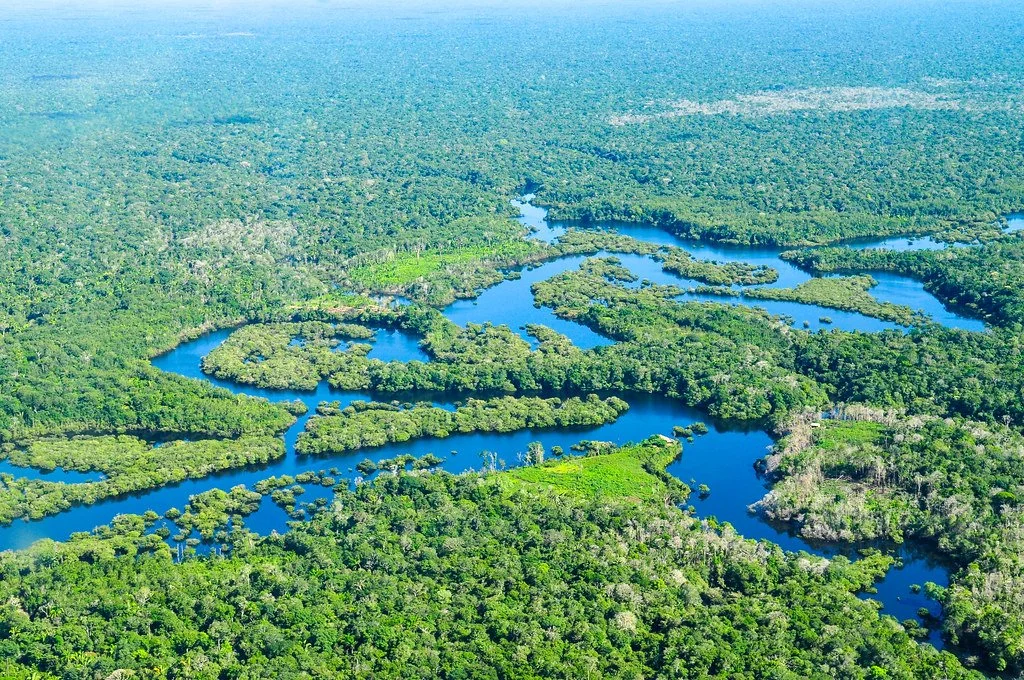
Amazon rainforest. Neil Palmer, CIAT. CC BY-SA 2.0.
Brazilians went to the polls on Sunday, Oct. 25, to vote in a presidential run-off election. By a narrow margin, with the candidates receiving 51.8 to 48.2% of the vote, they chose to re-elect President Luiz Inacio Lula da Silva. Lula is a leftist who has championed social programs, forged ties with global economies including Russia and China and vowed to protect the Amazon rainforest. His election is a major win for Brazil’s liberal democracy and its natural environment.
Lula’s opponent in the race was Flavio Bolsonaro, a right-wing senator and the son of disgraced former president and close ally of Donald Trump, Jair Bolsonaro. Jair is currently serving a 27-year prison sentence for plotting a violent coup after losing the 2022 election.
Following in his father’s footsteps, Flavio Bolsonaro has refused to concede Sunday’s election, vowing to have the results annulled, pointing to a Supreme Court ruling that extended voting by 2 hours in regions affected by transportation disruptions. His claim is undermined by the fact that Flavio himself asked for voting hours to be extended in those regions, believing the results would favor him.
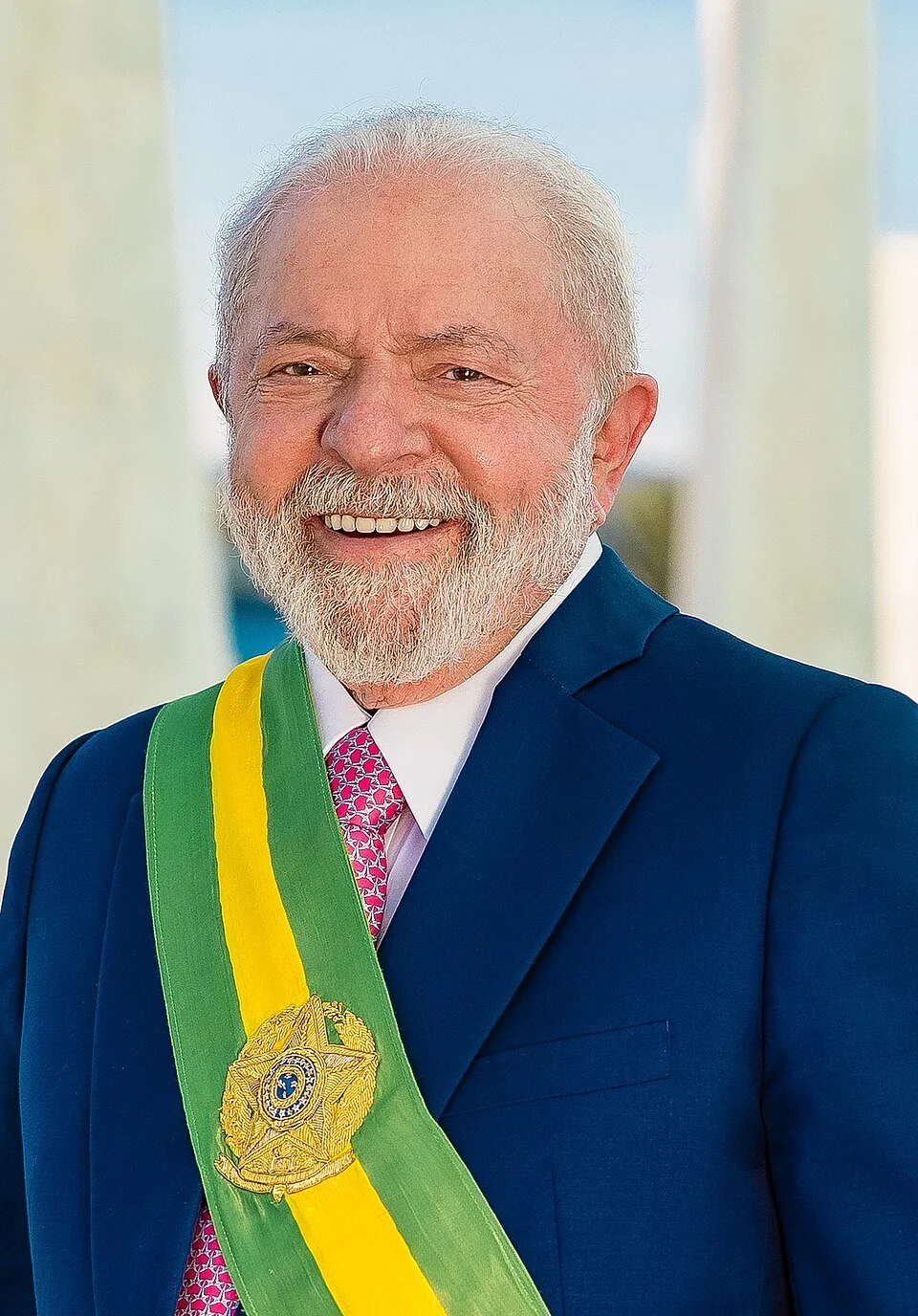
President Lula da Silva. Palacio do Planalto. CC BY 2.0.
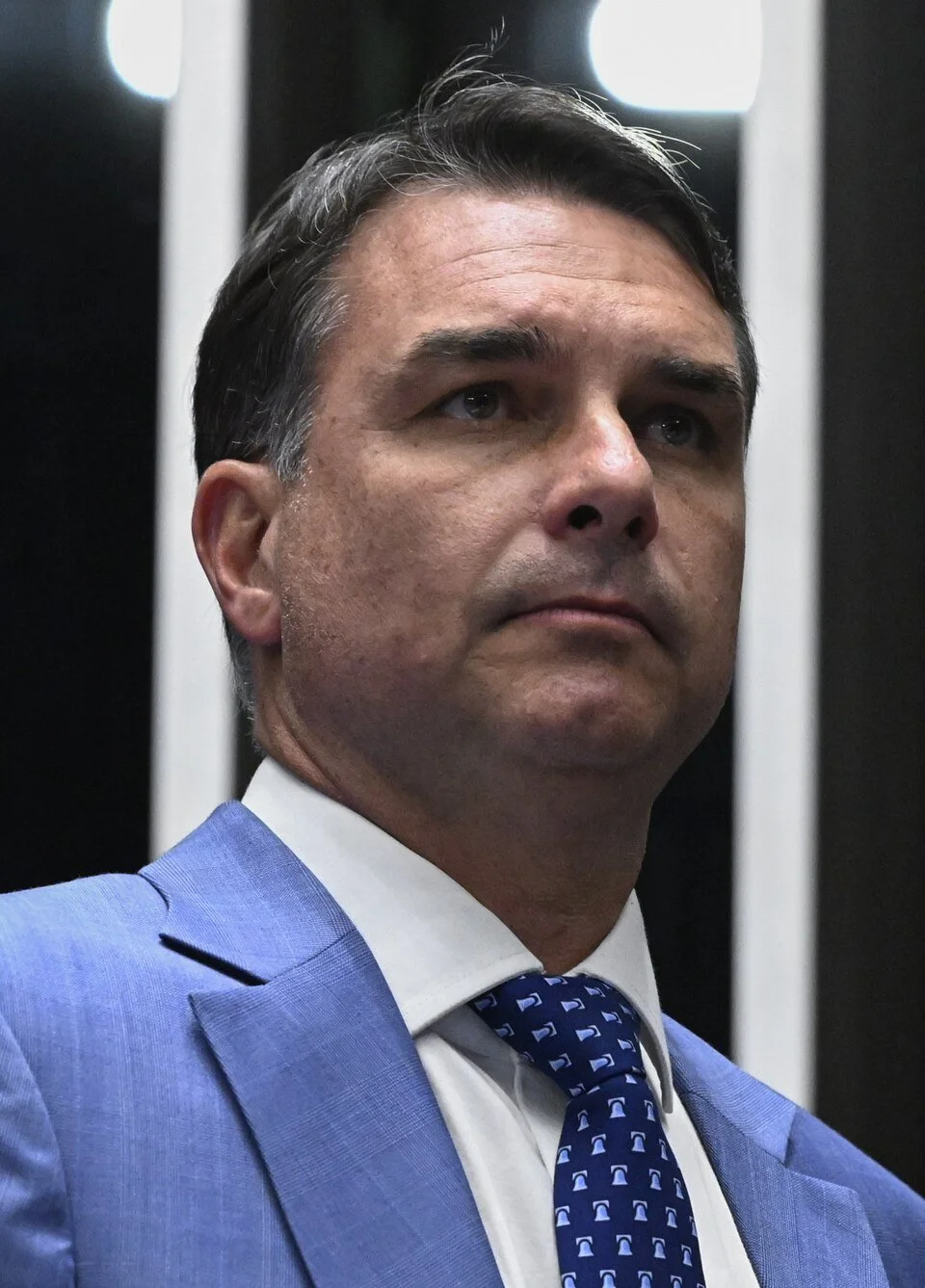
Flavio Bolsonaro. Carlos Moura, Agencia Senado. CC BY-SA 4.0.
On the campaign trail, Flavio had run on the promise to jump-start the Brazilian economy and crack down on crime. He outlined a plan to build five new supermax prisons, similar to the ones in Nayib Bukele’s El Salvador. He also vowed to open up protected natural lands to mining and farming. He was supported by members of the economic and political elite who would have liked to see new highways, railroads and oil drilling in the Amazon rainforest. Under his father’s presidency, total deforestation rates rose to over 11 million acres, leading many experts to worry that the rainforest could begin turning into a savanna by as early as 2050.
These deregulatory promises were the exact opposite of the work President Lula has focused on. Since the start of his presidency, deforestation in the Amazon has dropped to the lowest level on record. He has promised to achieve net-zero deforestation by 2030. Lula is a defender of the Paris climate agreement and has strengthened environmental agencies in his government.
Since the 1970s, the Amazon rainforest has been deforested by 17%, caused by unchecked agricultural expansion, illegal logging and mining operations, poorly planned infrastructure, fires and changing global weather patterns. This has resulted in a loss of biodiversity, a degradation of the natural habitat, a reduction in the forests’ ability to absorb carbon dioxide, contributing to global climate change, and decreased water cycling from rainwater evaporation, hurting the country’s agricultural production. A lack of government oversight has also allowed for drug traffickers to expand their navigation networks throughout the rainforest.
By rejecting Flavio Bolsonaro in favor of President Lula, Brazilians chose to support their liberal democracy and their natural environment over the forces of money, fear and corruption.

Jeremy Gordon
Jeremy is a graduate student at Johns Hopkins University studying Creative Writing. He graduated from the University of Maryland with a bachelor's in Criminology and Criminal Justice and worked for four years as an Investigative Specialist with the Public Defender Service for DC.