
By Carol Khorramchahi
Child labor has fallen globally, but conflict, poverty, climate shocks and school disruption are making it harder to keep children out of work in the places carrying the heaviest burden.
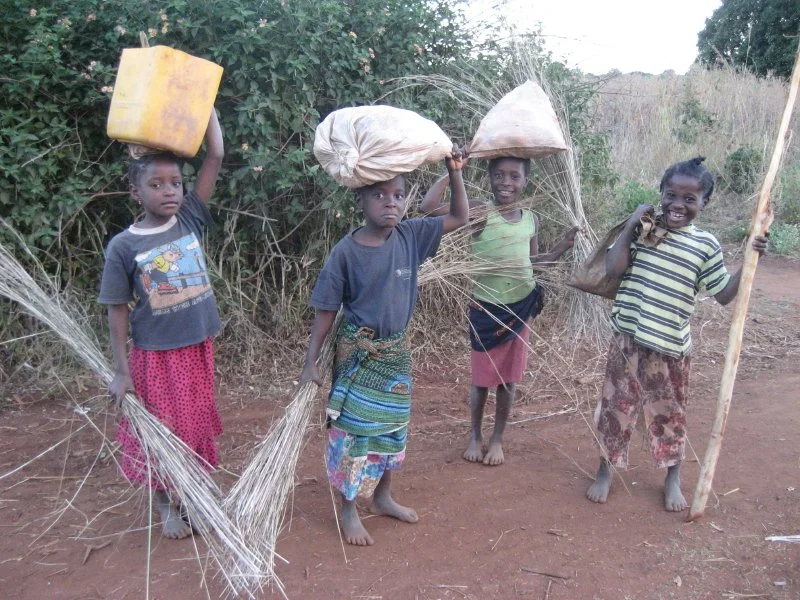
Children working in Mozambique. Ton Rulkens. CC BY-SA 2.0.
Child labor is often imagined as a problem the world was slowly leaving behind. In some ways, that is true. The number of children in child labor has fallen sharply since 2000, and recent UNICEF estimates show progress after a setback during the pandemic years. But the crisis is far from over. Nearly 138 million children ages 5 to 17 were still engaged in child labor worldwide in 2024, including 54 million in hazardous work that can harm their health, safety or development.
That means about one in 17 children is working when they should be learning, playing or simply being a kid. This work is not always visible to consumers. It can happen on family farms, in informal markets, in domestic service, in mines, in fishing, in construction or in street vending. Sometimes it is framed as “helping out.” But when the work keeps a child out of school, exposes them to danger or traps them in poverty, it becomes something much more damaging.
The burden is not evenly spread. Sub-Saharan Africa accounts for about 87 million children in child labor, close to two-thirds of the global total and more than the rest of the world combined. The region has made some progress in reducing child labor rates, but population growth, conflict, poverty and weak social protection systems mean the total number of children affected has barely changed.
Agriculture remains at the center of the crisis. It accounts for around 61% of child labor worldwide, followed by services at 27% and industry, including mining and manufacturing, at 13%. In practice, that can mean children carrying heavy loads, using sharp tools, working long hours in the heat, handling chemicals or missing school during planting and harvest seasons. In cities, it can mean domestic work, market work or informal jobs that leave children unprotected and unseen.
The reason child labor is so difficult to end is that it is rarely caused by one problem. It grows where several pressures overlap. A drought destroys crops. A conflict closes schools. A parent loses income. Food prices rise. Aid programs shrink. A family that once kept a child in class may suddenly need that child to earn, sell, fetch, carry or care for younger siblings.
UNICEF Executive Director Catherine Russell warned that global funding cuts could roll back progress, warning that children belong “in classrooms and playgrounds, not at work.” Child labor does not only affect a child while they work; it can shape an entire life. A child who leaves school early is less likely to return, less likely to earn a stable income as an adult and more likely to pass poverty on to the next generation.
This is why the new child labor crisis is not simply about children working. It is that the world knows what factors reduce child labor, including free, quality education, social protection, decent work for adults and stronger enforcement, but the families most at risk are facing the opposite: more instability, fewer services and less support.
When work replaces school, children lose more than time. They lose protection, choice and the future that education was supposed to give them.
GET INVOLVED:
Follow child labor data and policy work through the International Labour Organization and UNICEF. Support child protection and education work through UNICEF and Save the Children. Learn more about forced labor and supply chain accountability through the Business & Human Rights Resource Centre and Anti-Slavery International.

Carol Khorramchahi
Carol Khorramchahi is a student at Boston University, where she studies English and Psychology and minors in Journalism. She enjoys writing and reporting on stories that bring together culture, identity, and community, and has experience in both newsroom reporting and digital media. She is especially interested in thoughtful storytelling with a global lens.