
By Joseph Morales
Behind Tanzania’s safari paradise, the Maasai people face displacement as conservation models prioritize ecotourism over human rights.
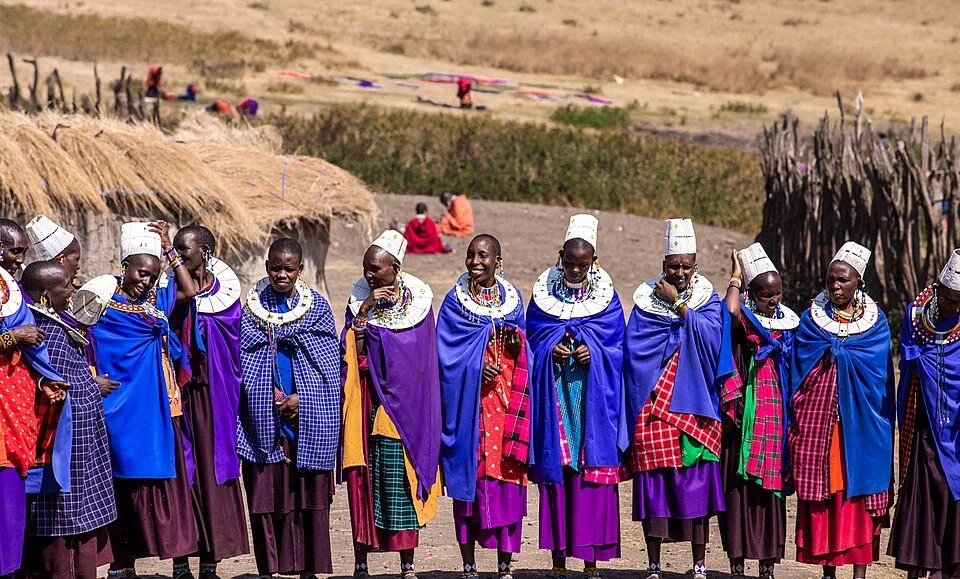
Maasai dancers in the Ngorongoro Conservation Area, Tanzania. Rwebogora. CC BY-SA 4.0.
Across northern Tanzania, the Ngorongoro Conservation Area and Serengeti ecosystem are celebrated as global icons of biodiversity. Thousands of tourists flock to these savannas each year for safari experiences, eager to witness endless plains and wild fauna.
Yet behind this image of untouched wilderness lies a human rights crisis driven by a model known as "fortress conservation.”
Under the guise of environmental protection, thousands of Indigenous Maasai face systemic displacement from their ancestral lands. This model relies on a colonial-era assumption: nature can flourish only when human beings are entirely removed.
It treats land strictly as a commercial asset for ecotourism and trophy hunting leases, casting Indigenous residents as obstacles rather than guardians.
When Serengeti National Park was established in 1951, Maasai communities were displaced with a formal promise that they would retain permanent rights to live, graze livestock and coexist alongside wildlife in the neighboring Ngorongoro region.
Human Rights Watch reported in July 2024 that the historic agreement has been systematically dismantled as authorities block access to seasonal pastures, ban subsistence farming and defund essential infrastructure like health clinics and schools within the conservation area to force relocation.
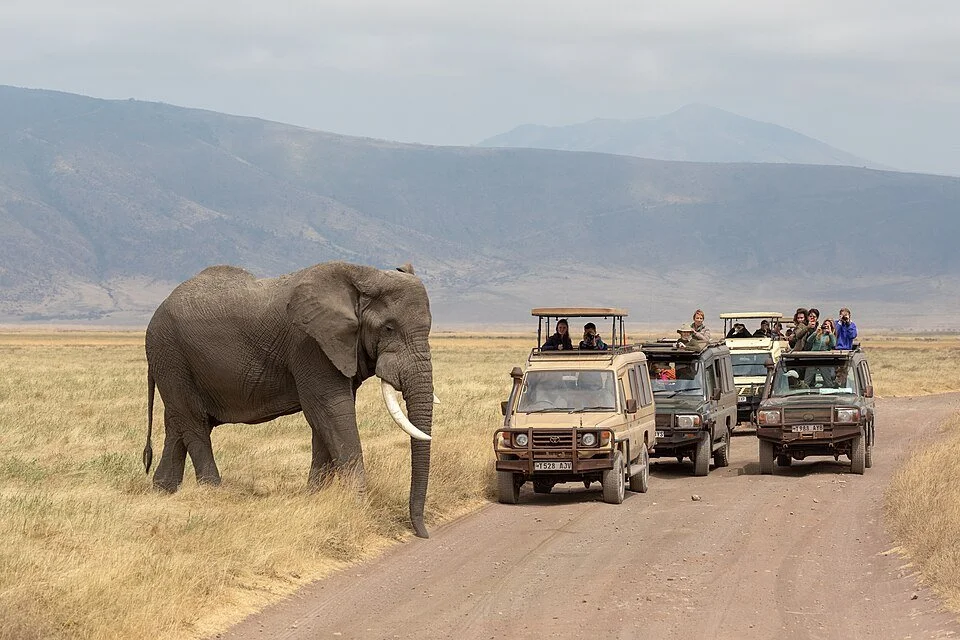
Tourists in safari vehicles watch an elephant in the Ngorongoro Conservation Area, Tanzania. Zenith4237. CC BY-SA 4.0.
As Human Rights Watch documented in a comprehensive investigation into the government's relocation tactics, "This downsizing of infrastructure and services, coupled with limiting access to cultural sites and grazing areas and a ban on growing crops, has made life increasingly difficult for residents, forcing many to relocate.”
The central irony of fortress conservation is that Indigenous presence actually sustains biodiversity. Research consistently demonstrates that Indigenous-managed ecosystems show lower rates of degradation than strictly guarded reserves. Maasai pastoralism is sustainable; controlled seasonal grazing prevents bush encroachment, preserves grassland cover and maintains vital migratory corridors for wildebeests and zebras.
In a report detailing the human impact of these evictions, Amnesty International emphasized the existential threat of this policy, quoting a 69-year-old Maasai woman displaced from Loliondo, "Land is everything to us. Our culture, our identity, our livelihood. We have lost everything.”
Removing the Maasai threatens not only their cultural heritage and social structure, but also the ecological stability of northern Tanzania. Genuine environmental stewardship cannot exist at the expense of fundamental human rights. Moving forward, sustainable conservation must reject forced displacement, uphold land tenure and center Indigenous knowledge at the heart of ecosystem preservation.
GET INVOLVED:
Human Rights Watch: Conducts investigative reporting and legal analysis documenting state-led forced relocations and civil liberties restrictions in Ngorongoro.
The Oakland Institute: Publishes independent, field-based research documenting land grabs, human rights violations and displacement policies affecting the Maasai in Tanzania.
Amnesty International: Campaigns against unlawful land evictions and documents security force violations against Indigenous communities in East Africa.

Joseph Morales
Joseph Morales is an enrolled member of the Tohono O’odham Nation and an English major at Arizona State University. Through his education he has built years of experience in digital media and tribal journalism, focusing on representation and community storytelling.