
By Kaitlin Murray
As tourism grows, local communities are focusing on ethical travel practices to protect marine wildlife.
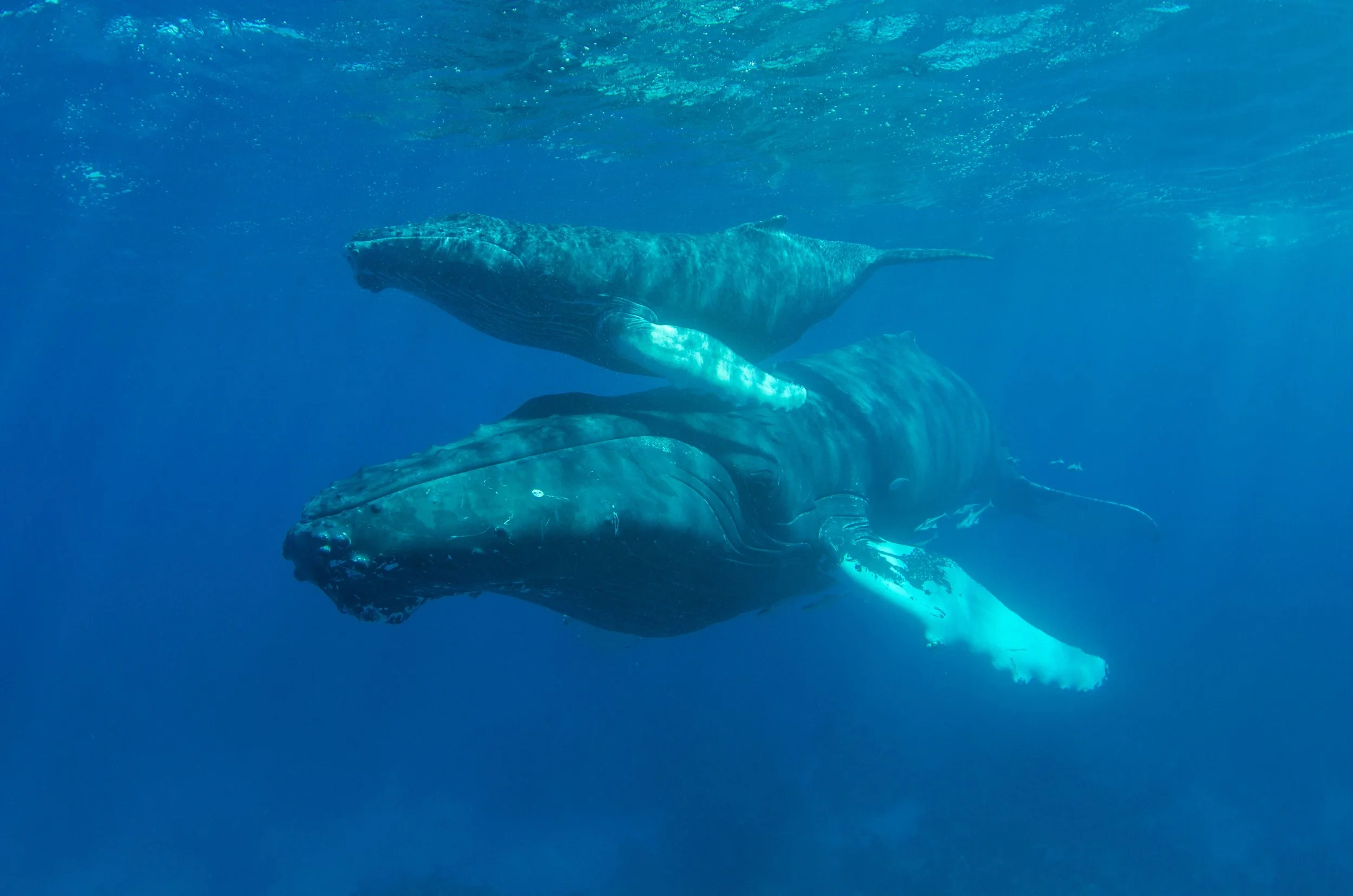
A humpback whale and her calf. Ben Phillips. Pexels.
The boat's engine died as we launched into the deep water, bubbles blurring my vision before large, dark shadows appeared beneath the ocean’s surface. The family of pilot whales glided by, dancing in the sunshine piercing through the waves, their calves hiding shyly behind their mothers before returning seconds later into the abyss of the Sea of Cortez. Like this pod of pilot whales, hundreds of species migrate to the Gulf of California in Mexico each year, seeking refuge in its calm waters and enjoying its abundance of food.
This was one highlight of a “marine safari” in La Ventana, Baja California Sur, Mexico, where I experienced firsthand swimming alongside rare marine wildlife and learned about their urgent need for protection. As tourism continues to increase in this part of the peninsula, locals and wildlife organizations are working hard to implement ethical travel practices, ones that would both protect the animals and grow the local economy. The area seems to be at a tipping point, where tourism growth could either damage ecosystems and overrun towns or bring positive change by increasing education, protection, and community development. This is the dilemma I wanted to understand better as I sat at the edge of the small boat, looking out at the waters that play such an important role in the world’s biodiversity.
The Marine Wildlife of the Sea of Cortez
The Sea of Cortez is considered one of the world's most abundant marine wildlife locations, with areas designated as a UNESCO World Heritage site and protected by the Mexican government as important to the planet's ecosystems. The “Aquarium of the World,” as Jacques Cousteau coined it, is a sanctuary for many species, including the dozens of whale species that travel long distances each year to these waters to breed and feed, taking advantage of nutrient-rich waters where plankton blooms attract krill, fish and other prey. Home to around 900 species of fish alone, you can spot everything from whale sharks to manta rays, sea turtles, humpback whales, blue whales and orcas.
However, many endemic species of the Gulf of California are listed as endangered or threatened on the IUCN Red List. The most famous is the vaquita, a rare porpoise on the brink of extinction because it is caught as bycatch in illegal gillnets set for the totoaba fish, a valuable item in many East Asian markets. Corals are also part of the marine ecosystem and need protection in these waters, as rising global temperatures are causing irreversible coral bleaching and reef destruction.
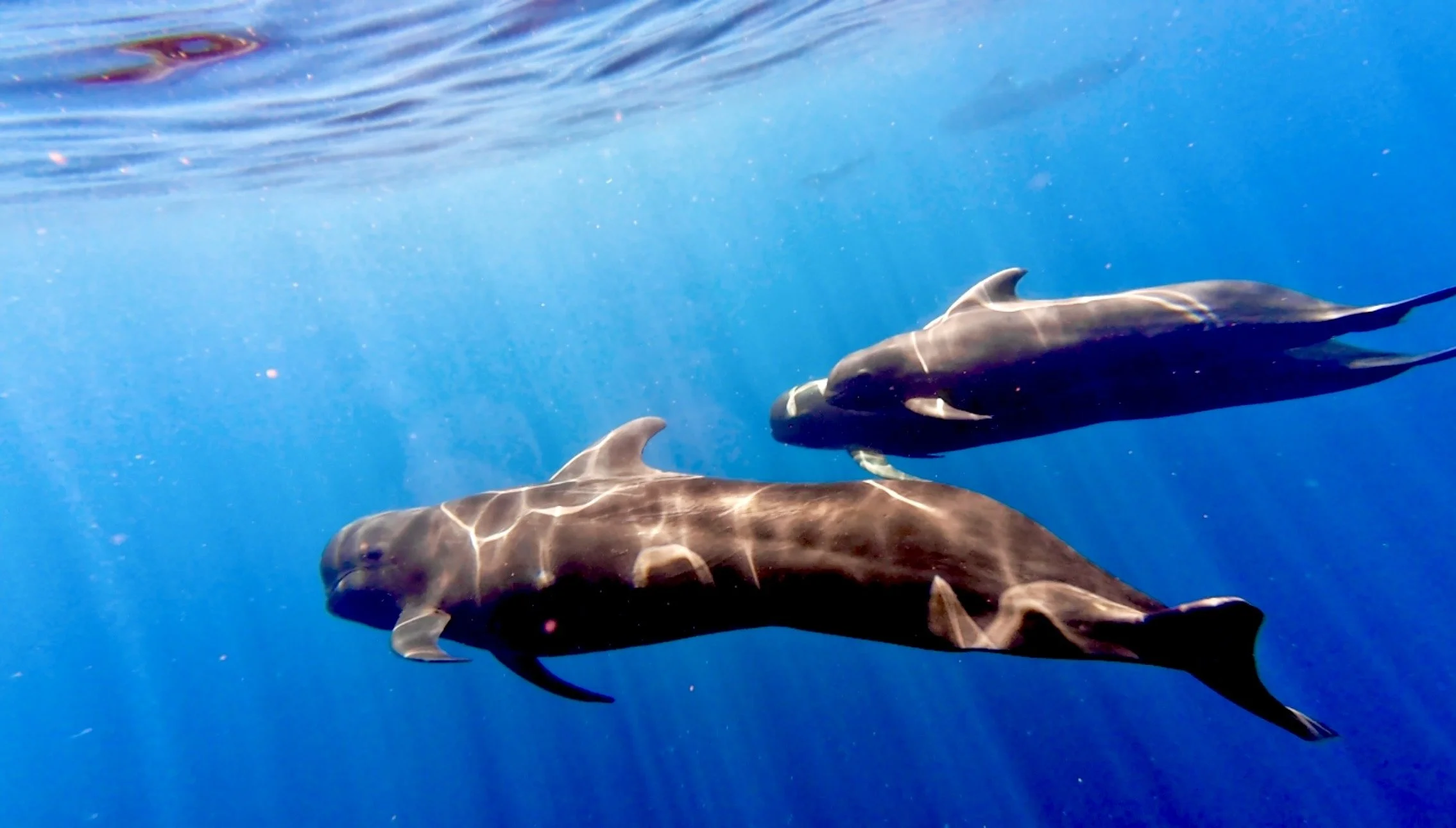
The pilot whales that I swam with near Isla Cerralvo in the Sea of Cortez. Courtesy of Aquatico Tours.
My tour guide during the marine safari was Marta, a marine biologist and guide who has been living in La Paz for a year and runs Aquatico Tours. On her tours, she helps travelers experience the magic of being near marine animals and speaks on the importance of ethical wildlife viewing. Spending time with her, I could see how passionate she was about marine life, and how, as she says, she “aims to spark curiosity in everyone and raise awareness of the animals and life here and why they matter.”
Indeed, as destinations such as La Ventana and La Paz grow in popularity, local guides like Marta are already noticing a change, with visitors often arriving with misconceptions about what it means to enjoy viewing wildlife respectfully after seeing aesthetic videos on social media.
“We all have the right to see animals in their natural habitat, which is certainly better than seeing them in a zoo, but the crew must maintain high ethical standards. We set the example for people experiencing wildlife viewing for the first time, and it is crucial to implement best practices so that people understand the boundaries,” shared Marta.
Indeed, the growth of tourism has increased concern about the implementation of ethical practices, which ensure that the industry can grow without harming the animals who are already vulnerable or endangered. From organizations such as ORGCAS to marine biologists like Marta, it is crucial to focus on building a tourism industry that prioritizes the animals’ well-being. Through collaborations with the local government, conservation organizations and tourism companies, tourism regulations can help strike this much-needed balance.
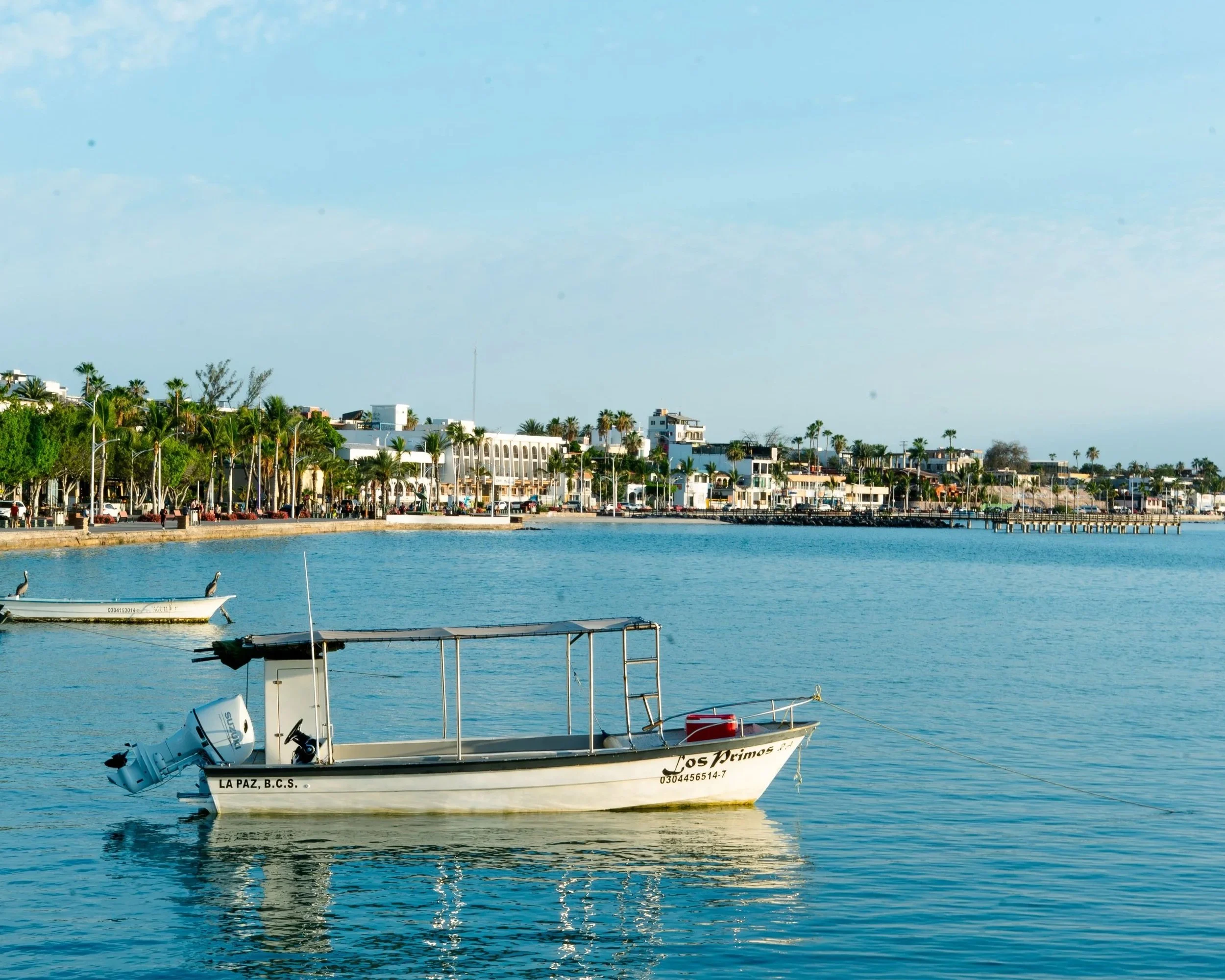
Boat in the harbor of La Paz, the capital city of the state of Baja California Sur. Edwin Delgado. Pexels.
“It's not just about the marine spectacle, it's about raising awareness of why all of this exists here and how important it is. Government agencies also play a role, and their responsibility is to ensure the well-being of animals and nature. In this regard, we must consider protecting these areas and ideally making them untouchable,” shares Marta.
In 2024, Baja California Sur brought in over half of the country's national foreign direct investment in tourism, with millions visiting each year. Only a few hours away from La Ventana, Cabo San Lucas attracts most of this tourism from the United States, leading to large-scale real-estate developments that have become a symbol of the struggle between overtourism and environmental protection.
One of the biggest cautionary tales about tourism's double-edged sword comes from Cabo Pulmo, a small fishing village of around 200 people. After overfishing threatened the community's livelihood, the area became a national park in 1995 and was long considered a conservation success story, as many fishermen switched to tourism. However, today, Cabo Pulmo faces many tourists and development projects, threatening the village's livelihood and wildlife.
Communities like La Ventana, where my tour was based, have also seen both the positive and negative impacts of tourism growth. While fishing has sustained the town for generations, many today are supplementing their livelihoods through nature tourism as boat captains, guides, educators, diving instructors and other tourism workers.
Marta perfectly summed up this dilemma: “I think it has both good and bad aspects: it is good because the local economy sees increased revenue, but gentrification keeps rising and could eventually displace locals and other Mexicans. Furthermore, local species populations face greater pressure from wildlife viewing and swimming activities.”
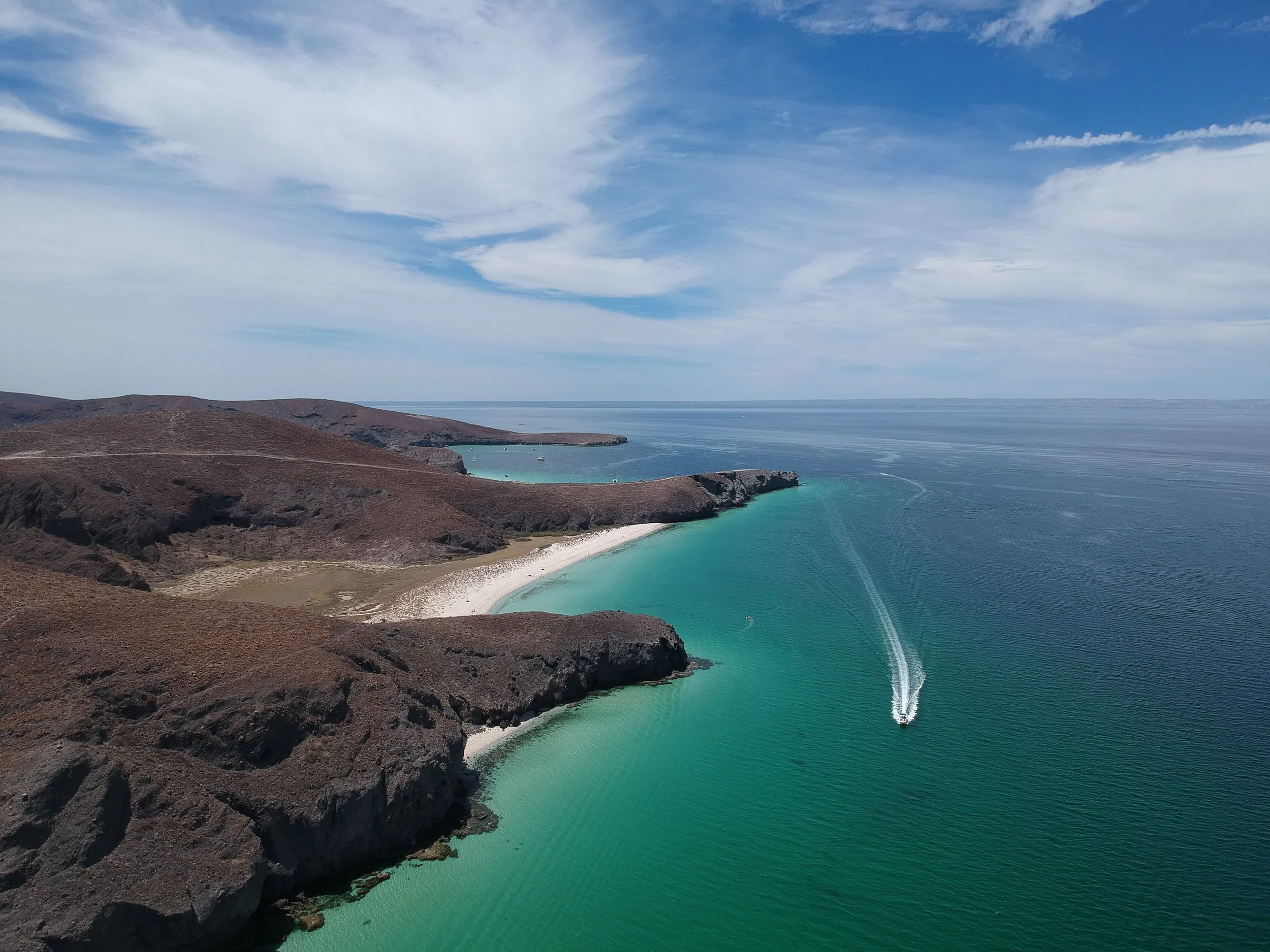
The pristine beaches and coastline of Baja California Sur, many of them protected areas or national parks. Liliana Dawson. Pexels.
Ethical tourism practices, implemented in collaboration with communities, governments and conservation organizations, will allow animals to be both protected and seen by visitors. A sustainable path forward is possible; however, it will take the efforts of all involved working together to protect the natural world and the livelihoods of everyone on land.
GET INVOLVED:
If you are interested in learning more about Marta’s company or are planning to visit La Paz, check out her page at Aquatico Tours. To learn more about conservation work happening in the Sea of Cortez, visit ORGCAS.

Kaitlin Murray
Kaitlin Siena Murray is a travel journalist and global storyteller documenting cultures, historical places, and the people and social impact movements helping the world. Raised worldschooling across more than 129 countries with degrees in anthropology and history, her writing is driven by a commitment to global citizenship, capturing the diversity and beauty of the world through the lens of culture, history, and social change.