
By Kaitlin Murray
A real-estate project on the coast of Baja California Sur threatens the fragile ecosystem of the Gulf of California and the local community’s livelihood.
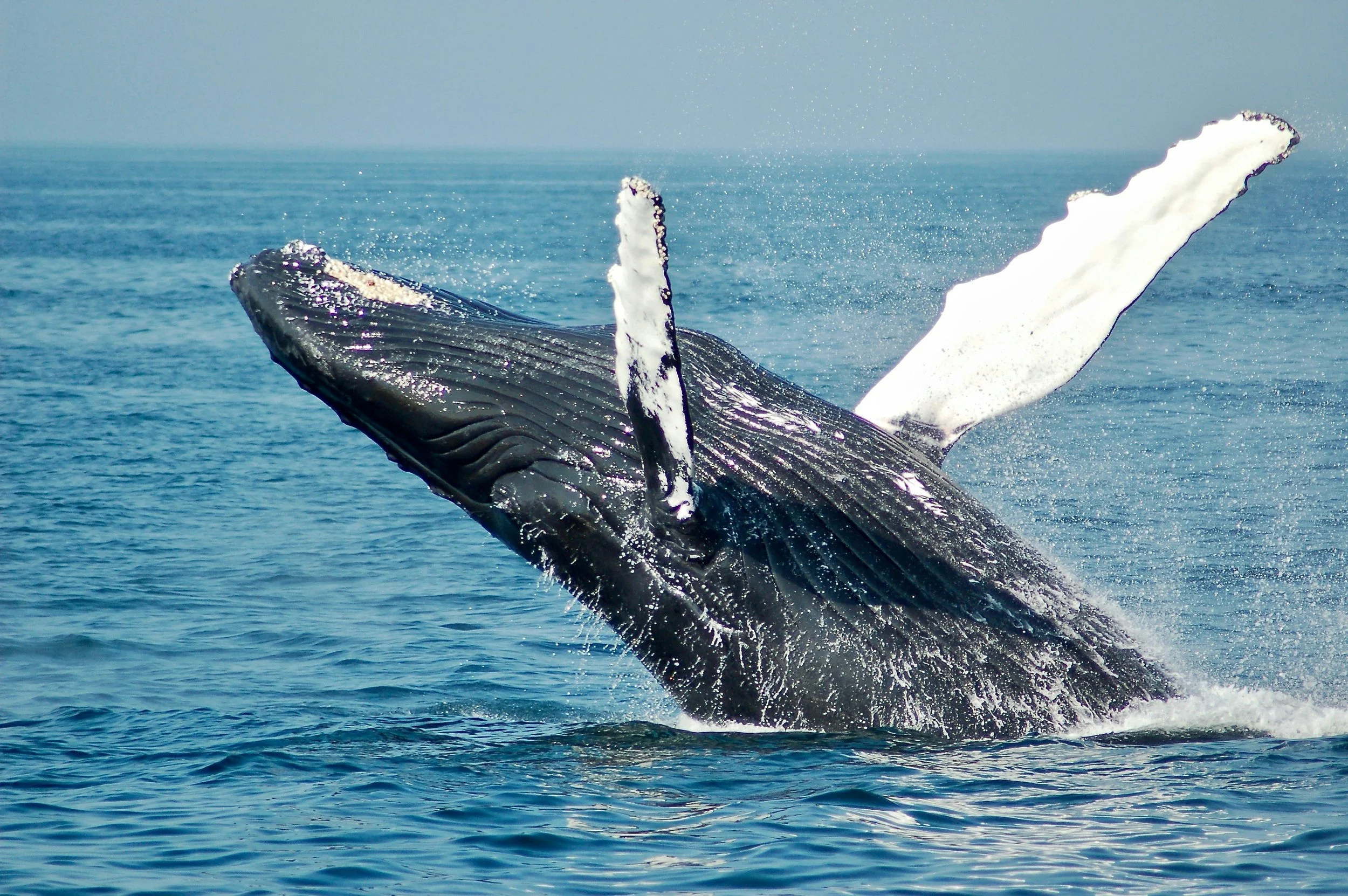
Humpback whale breaching the water. Todd Cravens. Unsplash.
In the waters off the beach of Punta Arena in Mexico’s Baja California Sur, blue whales breach, orca pods teach their young to hunt and tens of thousands of mobula rays gather in one of the most significant wildlife aggregations in the Sea of Cortez. Jacques Cousteau famously called this sea the “Aquarium of the World,” an area that attracts millions of dollars in tourist spending each year as eager visitors hope to catch a glimpse of these majestic creatures.
But the same waters that draw travelers have drawn real-estate developers, and the community of La Ventana near Punta Arena beach is now fighting to halt a resort project that would permanently transform this small community and potentially harm the complex ecosystem and threaten the animals that use this marine corridor, many of which are listed as endangered by the IUCN Red List.
The megaproject called Peninsula de los Suenos, now renamed Los Saguaros Marina Resort, is planned as a mini-city, complete with thousands of hotel rooms, a marina, a yacht club, a private airport and multiple resorts. As of September 2026, over 90,000 people have signed a petition to halt this megaproject.
The Aquarium of the World
This UNESCO-protected area is a sanctuary for many species. The region is home to around 900 fish species, as well as several species of sea turtles, sharks and dolphins, including orcas and pilot whales. It also serves as an important migratory path for whales, whale sharks and manta rays.
Construction in Paradise
The Peninsula of Dreams, according to the petition, will span over 13 square miles and include seven luxury hotels with villas and condos, two residential complexes, a marina, a yacht club, commercial areas, golf courses, a private airport, staff housing and desalination plants. An Italian architecture firm partnered with a Singapore-based organization named Society of Floating Solutions to create a project they describe as “A new world, with unique values of environmental harmony, beauty and human coexistence.”
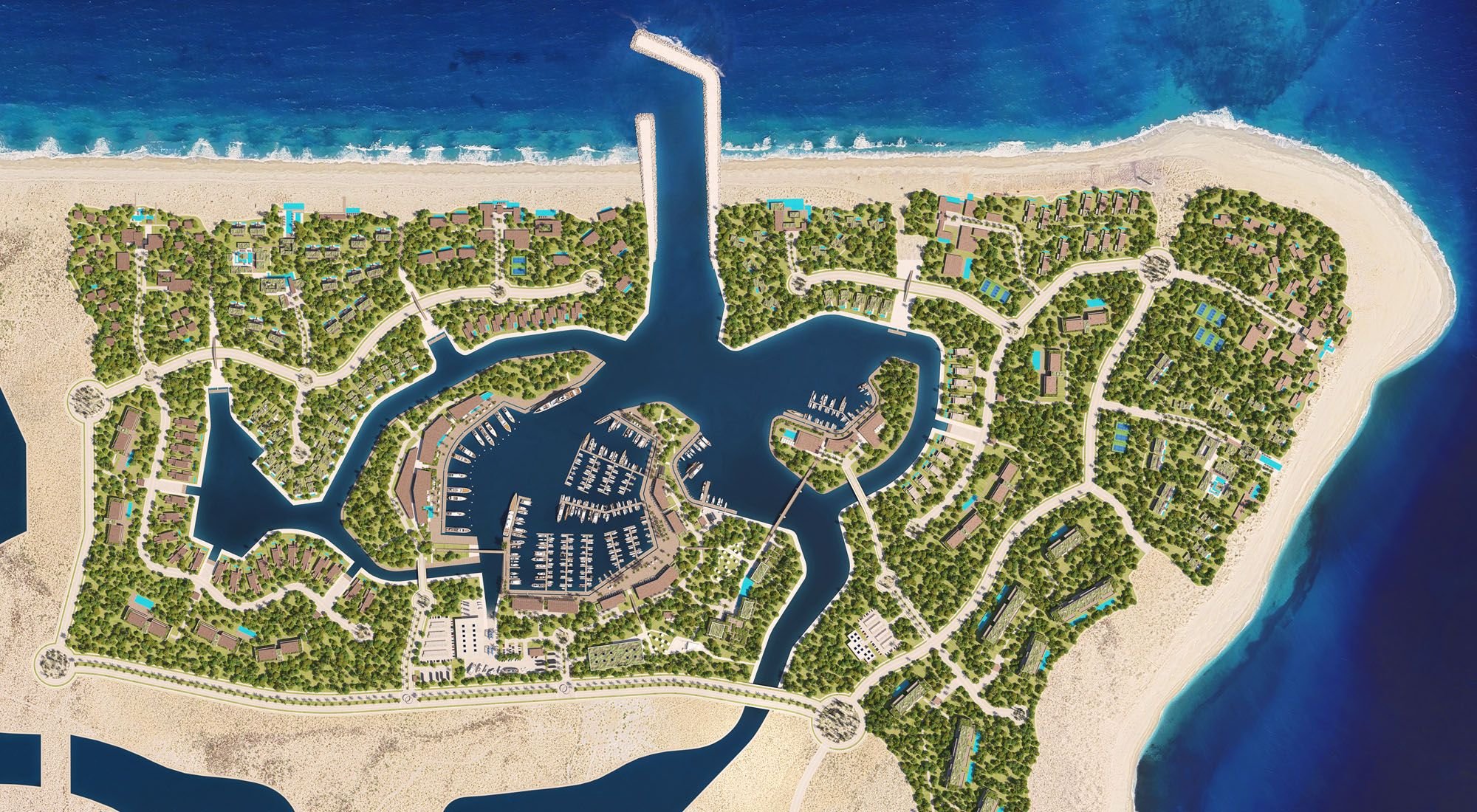
Project plan for the megadevelopment Peninsula de los Suenos. Los Saguaros Marina Resort Master Plan.
Baja California Sur is not new to foreign tourism investment at this scale. The state alone brought in over $500 million between January and June 2026, almost half of the country’s foreign direct investment in the tourism sector. Foreign developers have continuously attempted, often unsuccessfully, to build across fragile ecosystems in Mexico. Only a few years earlier, locals halted another mega-resort project, Kuni, after they organized against it. It was to be built on Balandra, a protected beach that today only allows a limited number of daily visitors. Mahahual, a small fishing village of under 3,000 in Quintana Roo, fought against Royal Caribbean’s plan to construct a water park which could destroy its surrounding jungle.
According to the Peninsula of Dreams website, it would “dedicate vast areas of land to conservation, safeguarding habitats for migratory birds, majestic marine species, and iconic Cardón Cacti.” They received environmental authorization from the general director of the Secretariat of Environment and Natural Resources, known as Semarnat, in 2016.
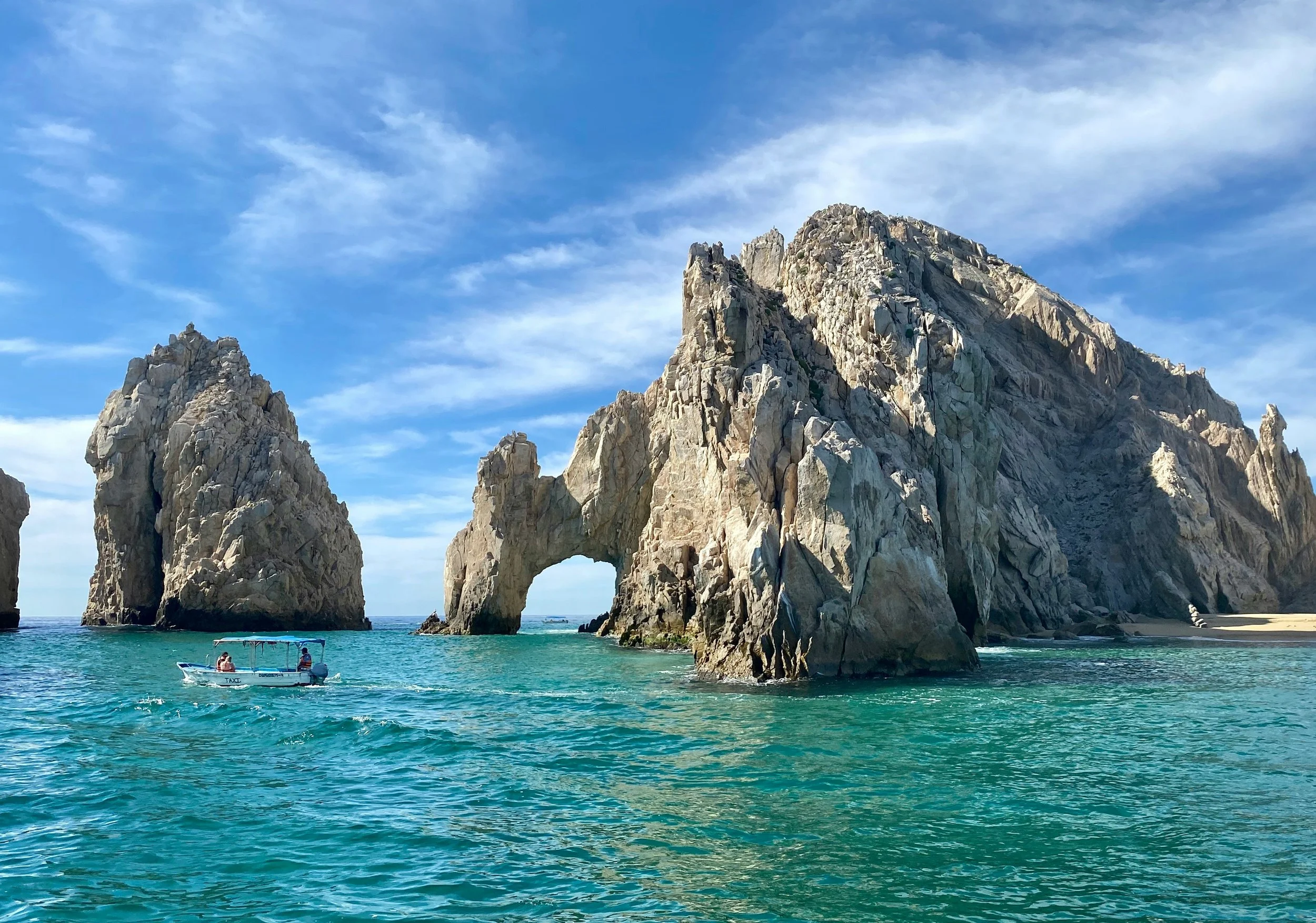
Arch of Cabo San Lucas, part of the Islands and Protected Areas of the Gulf of California UNESCO Natural World Heritage Site. Victoria Bragg. Unsplash.
While some claim this would bring economic development and tourism, local people are fighting back.
A petition with over 90,000 signatures is calling for the project's immediate shutdown. The petition argues that the years of construction and the eventual opening of the project threaten to “destroy one of the most important marine ecosystems on Earth and put at risk the livelihoods, culture, and economy of thousands of families in Baja California Sur.”
They argue that local fishermen, boat captains, tourism operators, hotel and restaurant workers, photographers, filmmakers, scientists and families depend on a healthy ecosystem for their businesses. Without a stable population of fish and other marine life, many risk losing their livelihoods.
“La Ventana is not empty land waiting to be urbanized,” the petition states. Rather, it is a fragile ecosystem that needs protection for all species, not exploitation for economic progress.
Marta, a local marine biologist and marine wildlife guide, says the project would be “ecocide affecting many marine species and the desert. It would alter the ecosystem in a way that would displace species and affect the quality of life for locals.”
Constructing the marina would have dire consequences, including dredging, building breakwaters and seawalls and destroying the seafloor. This construction would disrupt coastal and marine habitats, create underwater noise pollution, alter ocean currents in this area, displace marine life and affect the migration and breeding areas of species that come here to raise their young.
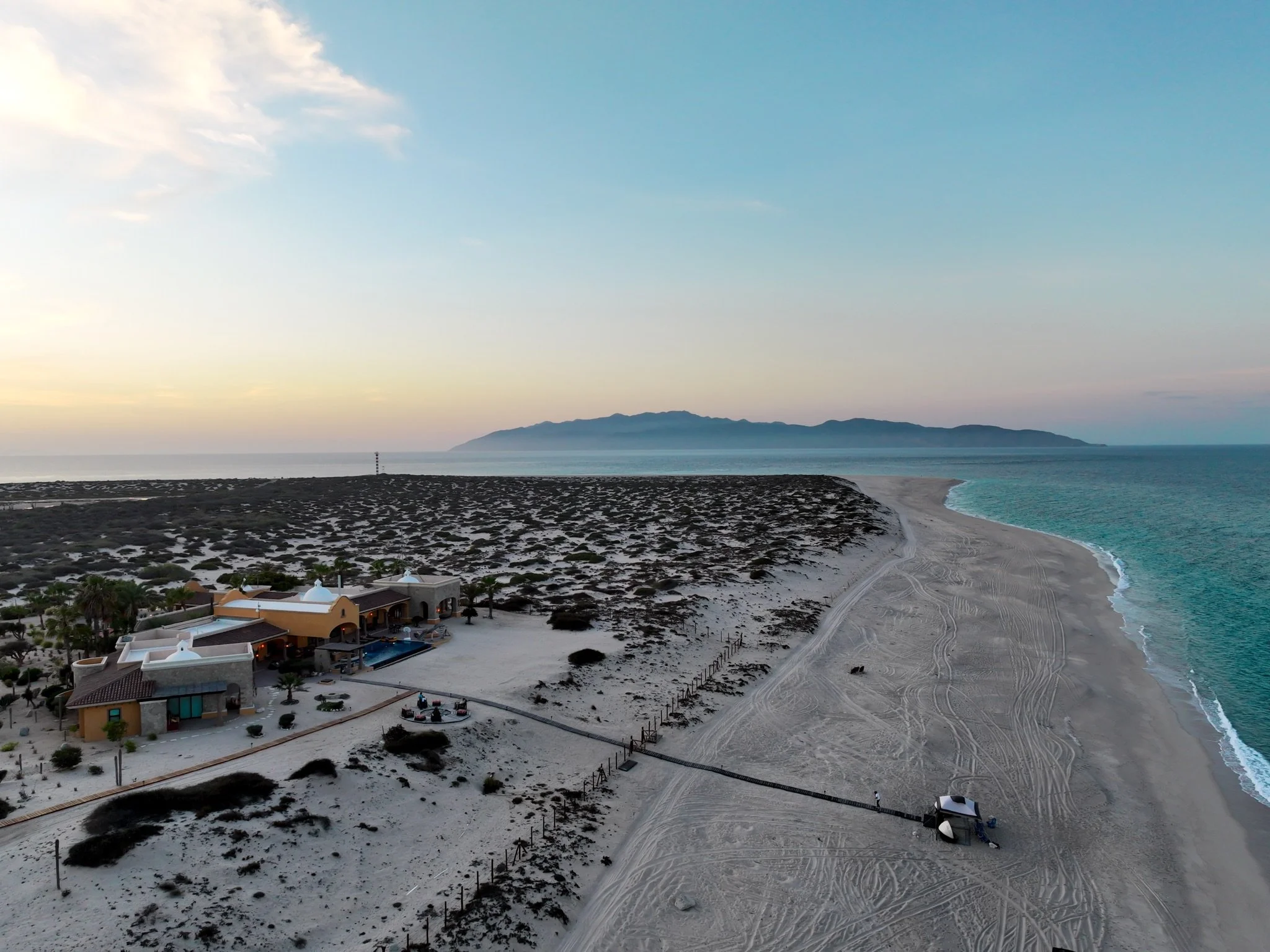
The current resort development in Peninsula de los Sueños. Peninsula of Dreams website.
This disruptive construction could create dead zones in the ocean, as desalination plants provide 6 million gallons of drinking water per day to the area. According to the petition, the desalination plants would extract approximately 14.5 million gallons of seawater per day. This would create millions of gallons of hypersaline brine to be discharged back into the ocean, causing hypersalinity stress and disrupting the balanced ecosystem.
As the signatures continue to climb, the fight to protect Punta Arena and the species that live in the Sea of Cortez is gaining international attention. If the project moves forward, scientists warn that the desalination infrastructure, marina dredging and coastal construction would permanently alter the marine corridor that whales, orcas and other species depend on and that the local fishing and nature tourism economy is built around.
For species that depend on this corridor, many of which are already edging toward extinction, the outcome of this fight matters more than ever.
GET INVOLVED:
Sign the petition on Change.org to join the community in La Ventana and Baja California Sur fighting to protect their natural ecosystems. To learn more about the projects in La Ventana, visit Orgcas.
Kaitlin Murray
Kaitlin Siena Murray is a travel journalist and global storyteller documenting cultures, historical places, and the people and social impact movements helping the world. Raised worldschooling across more than 129 countries with degrees in anthropology and history, her writing is driven by a commitment to global citizenship, capturing the diversity and beauty of the world through the lens of culture, history, and social change.