
Zoe Lodge
As global temperatures increase and sea levels rise, some of the world’s most famous destinations are at risk.
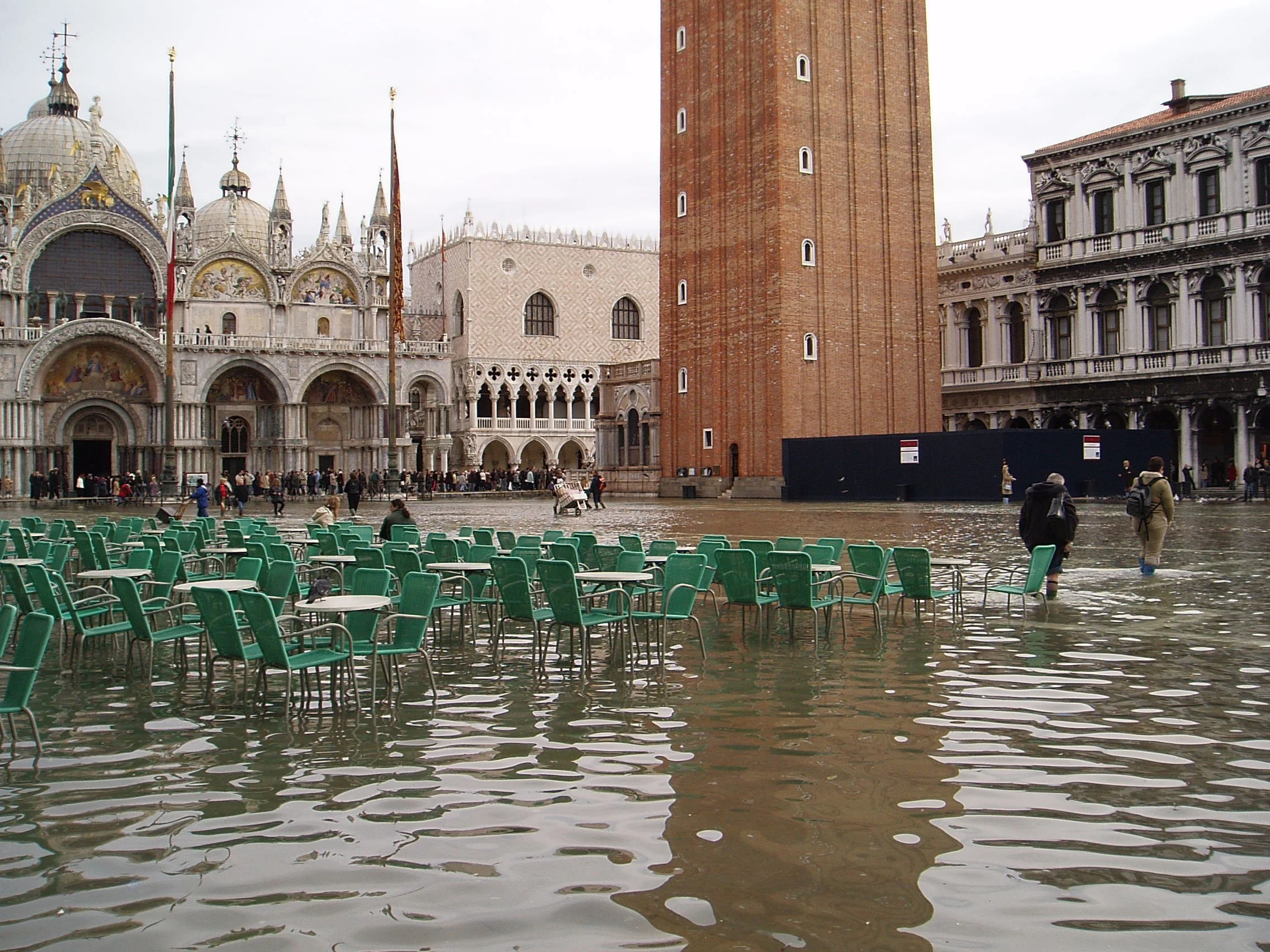
Flooding in Venice. Wolfgang Moroder. CC BY-SA 3.0.
Climate change is no longer just a problem of the distant future; it’s actively reshaping the planet, including places travelers love most. From the winding canals of Venice to the vibrant streets of New Orleans, some of the world’s most iconic tourist destinations are facing existential threats. With rising sea levels, weather events growing more extreme and environmental degradation accelerating, there is increasing concern about whether these sites will remain accessible to the next generation of travelers.
Venice: The Sinking City
The Italian city of Venice has long been known for its romantic canals, historic architecture and dreamlike charm. But the city’s beauty is struggling to keep above the tide. Built on a series of fragile islands in a lagoon, Venice has always faced periodic flooding, but climate change is making the situation more dire. In 2019, Venice experienced its worst flooding in over 50 years, with water rising to more than six feet above its standard level. Scientists say such events will become more frequent as sea levels rise and storm surges intensify. Marco Anzidei, a researcher at the National Institute of Geophysics and Volcanology, said, “Sea level increase, particularly if accelerated locally by subsidence, is leading to increasingly severe and widespread coastal erosion, beach retreat and marine flooding with very significant environmental and socioeconomic impacts for populations.”
Venice’s controversial MOSE project, which includes a system of movable flood barriers, is a temporary solution that may not keep pace with accelerating sea level rise. Without stronger global emissions reductions and local resilience planning, the city could become increasingly uninhabitable. UNESCO has even considered adding Venice to its list of endangered World Heritage Sites, though a panel ultimately rejected the decision at the time.
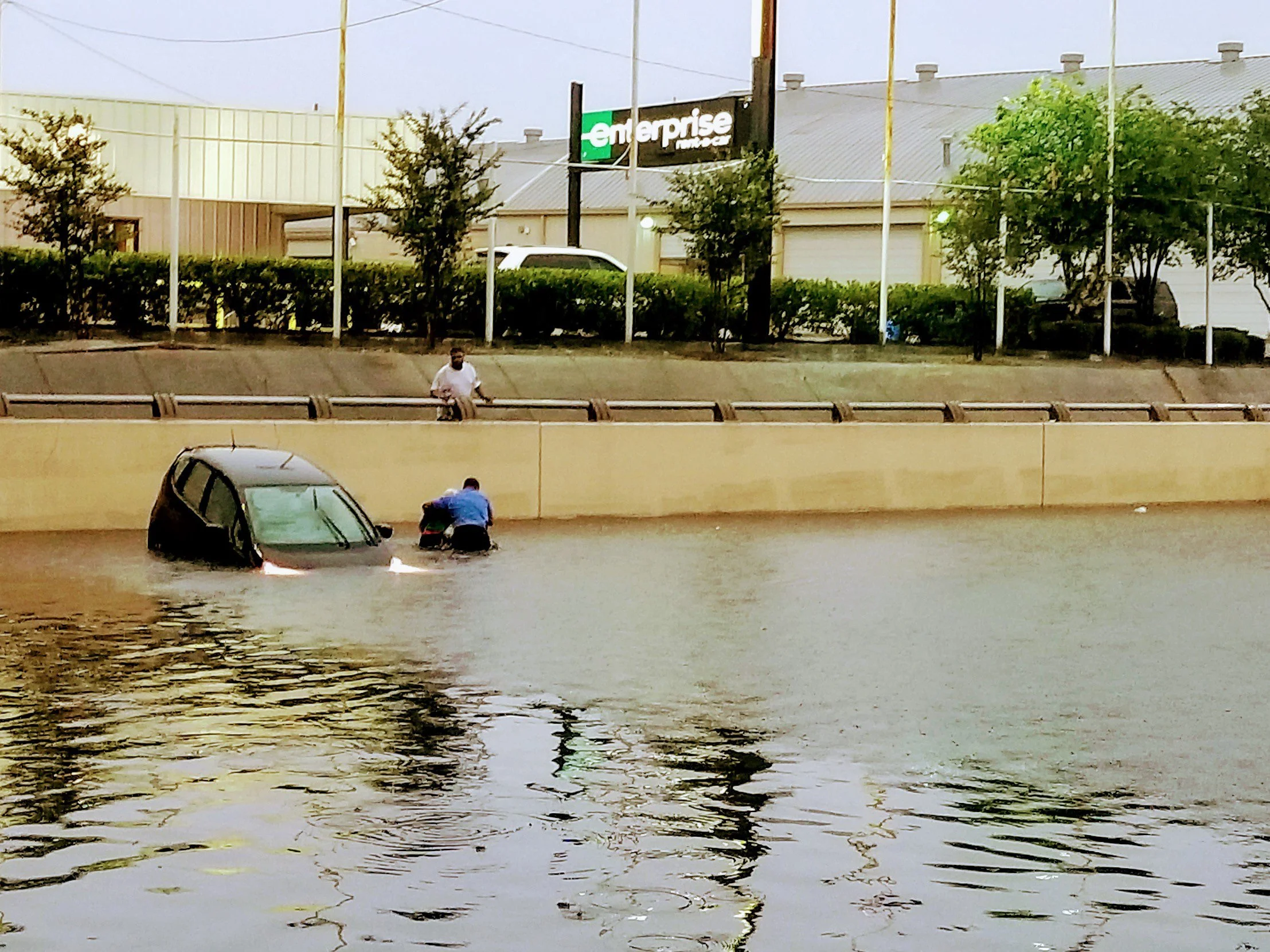
Flooding in New Orleans. Bart Everson. CC BY 2.0.
New Orleans: Sitting Below Sea Level
In the United States, New Orleans is a cultural melting pot known for its vibrant jazz scene, Creole culture and cuisine and wild Mardi Gras festivities. It's also one of the most vulnerable cities in North America under threat from climate change. "New Orleans is built on soft, marshy land formed by centuries of Mississippi River sediment," Scott Ploof wrote for a New Orleans magazine. "Over time, that land naturally compresses and sinks, a process called subsidence. But it's not just nature at work here—human intervention has made it worse." Most of the city lies below sea level and is protected by a system of levees, a system that failed during Hurricane Katrina in 2005 and flooded the city, causing widespread devastation. With warming oceans fueling stronger hurricanes and ongoing coastal erosion eating away at Louisiana’s wetlands, which serve as a natural barrier to inhabited regions, New Orleans remains highly susceptible to disastrous flooding. The city is fighting back with projects like Louisiana’s Coastal Master Plan, which invests billions in wetland restoration and levee upgrades. However, these efforts depend heavily on long-term funding and political will.
Other Sites At Risk
Venice and New Orleans are just two examples of at-risk travel destinations. The Great Barrier Reef in Australia is bleaching due to warming waters, the glaciers that feed Machu Picchu are rapidly melting and the Alps are seeing glacier collapses that flatten small villages. Even the Amazon rainforest, often referred to as the “lungs of the planet,” is being pushed toward an irreversible tipping point, threatening worldwide biodiversity and local Indigenous communities. A 2021 report by the Intergovernmental Panel on Climate Change emphasized that climate change is not a distant concern but a present crisis for cultural heritage, tourism economies and the millions who live in vulnerable regions.
There is no one-size-fits-all solution, as all these sites are so different, which is part of their appeal. Engineering efforts like sea walls and flood barriers may buy time, but without cutting global greenhouse gas emissions, the long-term prognosis is grim. Sustainable tourism, including carbon-offset traveling, staying in eco-certified lodgings and supporting local conservation efforts, can make a difference on an individual level. Cities themselves must invest in resilient infrastructure and flexible urban planning. Global change, however, must be systemic. The Paris Agreement’s goal of limiting global warming to 1.5 degrees Celsius is essential for protecting both natural and cultural heritage sites. Failing to act not only means losing biodiversity and homes but also means losing essential pieces of human history, art and identity.

Zoe Lodge
Zoe is a student at the University of California, Berkeley, where she is studying English and Politics, Philosophy, & Law. She combines her passion for writing with her love for travel, interest in combating climate change, and concern for social justice issues.