
By Sehr Khosla
Yasukuni Shrine remains a controversial, painful reminder of Japan’s wartime history for East Asian countries.
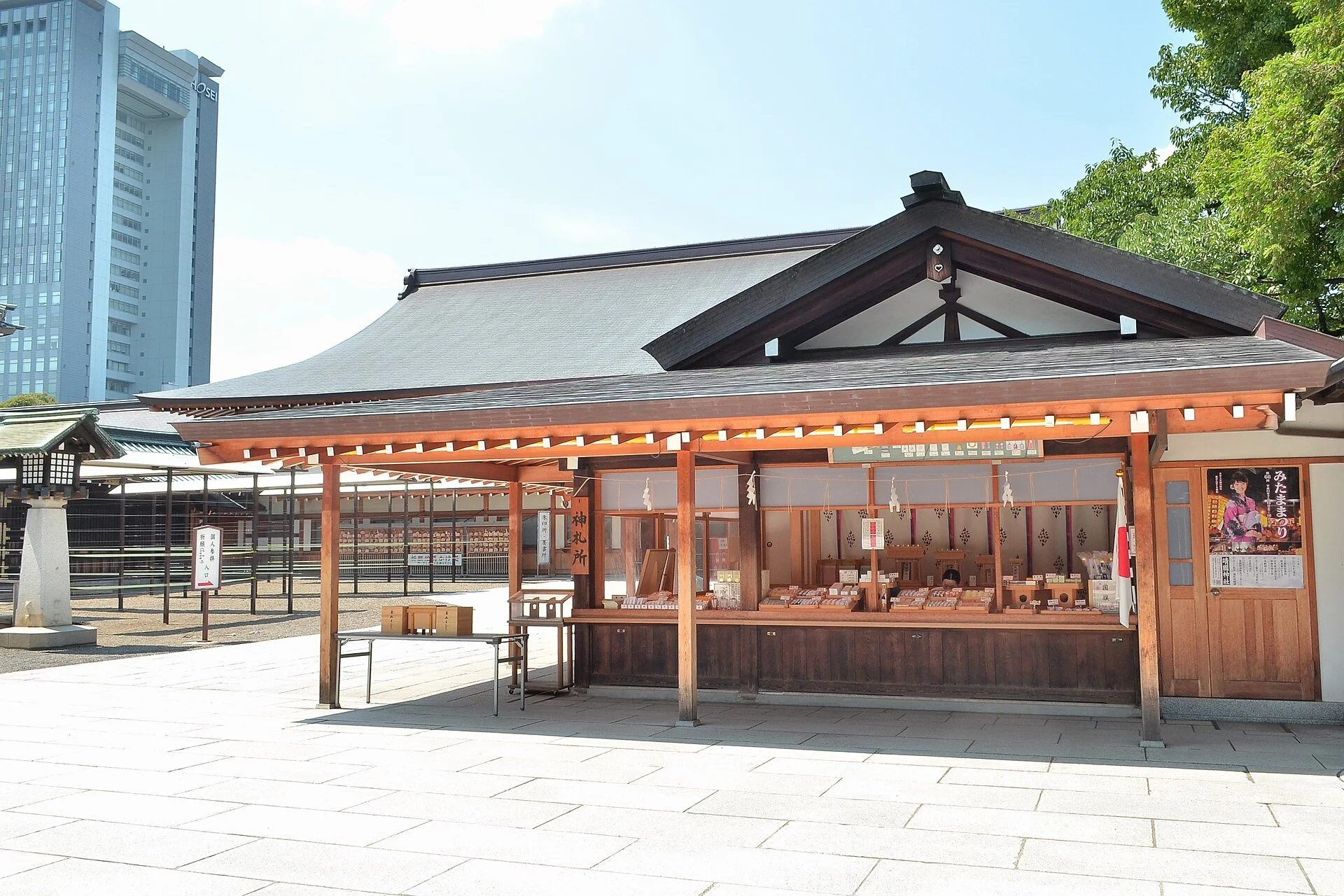
Yasukuni Shrine, Chiyoda City, Tokyo. Toshihiro Gamo. CC BY 2.0.
More than eight decades after the end of World War II, a visit to a shrine in central Tokyo can still strain relations between some of Asia’s most powerful countries.
On Aug. 15, the 81st anniversary of Japan’s surrender, Japanese Defense Minister Shinjiro Koizumi visited Yasukuni Shrine, prompting condemnation from China and South Korea. Prime Minister Sanae Takaichi stayed away, but sent a ritual offering.
To many Japanese visitors, Yasukuni is a place to mourn the dead. Established in 1869, the Shinto shrine commemorates around 2.5 million people who died serving Japan. But among them are 14 leaders convicted as Class-A war criminals following World War II, alongside more than 1,000 others convicted of war crimes. For countries that experienced Japanese occupation and colonial rule, the shrine has therefore come to represent something very different.
The disagreement is not simply over what happened, but over who gets to shape how it is remembered. Cambridge University’s Maja Zehfuss, in her book Wounds of Memory, argues that how we remember the past is “a crucial site of political struggle.” Chris Deacon, a lecturer in politics and international relations at SOAS University of London who studies memory in Japan-South Korea relations, warns against treating a country as if it holds one unified account of its past.
That struggle also happens within national borders. In South Korea, weekly demonstrations demanding justice for the “comfort women” forced into sexual servitude by the Imperial Japanese Army have taken place outside the Japanese Embassy in Seoul since 1992. Yet Deacon’s research also documents Korean counter-protesters who reject these accounts. In Japan, meanwhile, progressive activists and museums have challenged efforts to deny or minimize the country’s imperial violence.
These competing memories matter far beyond memorials. As Lily-Rose Tournedouet writes in a recent analysis of East Asian memory politics, “the past remains an active political weapon.” Historical memory, she argues, continues to shape policy and diplomacy decades after World War II, with disputes over forced labor, colonial rule and wartime sexual slavery repeatedly complicating Japan’s relationships with its neighbors, even when they share economic and security interests.
The controversy surrounding Yasukuni, then, is not simply about a shrine or even about the past. It reveals a harder question for societies emerging from historical violence: when perpetrators, victims and their descendants inherit different memories of the same events, who gets to decide what remembering responsibly looks like?
Eighty-one years after Japan’s surrender, East Asia is still negotiating the answer.
Sehr Khosla
Sehr is a student at Georgetown University studying Classics and Government with a minor in Journalism. In the future, she hopes to combine her passion for social justice with communications to advocate for change. Outside of writing, she enjoys travelling and reading murder mysteries.