
By Julia Sassaman
As fast-fashion giants capitalize on trending styles influenced by South Asian culture, communities like Panipat, India, bear the environmental and social costs.
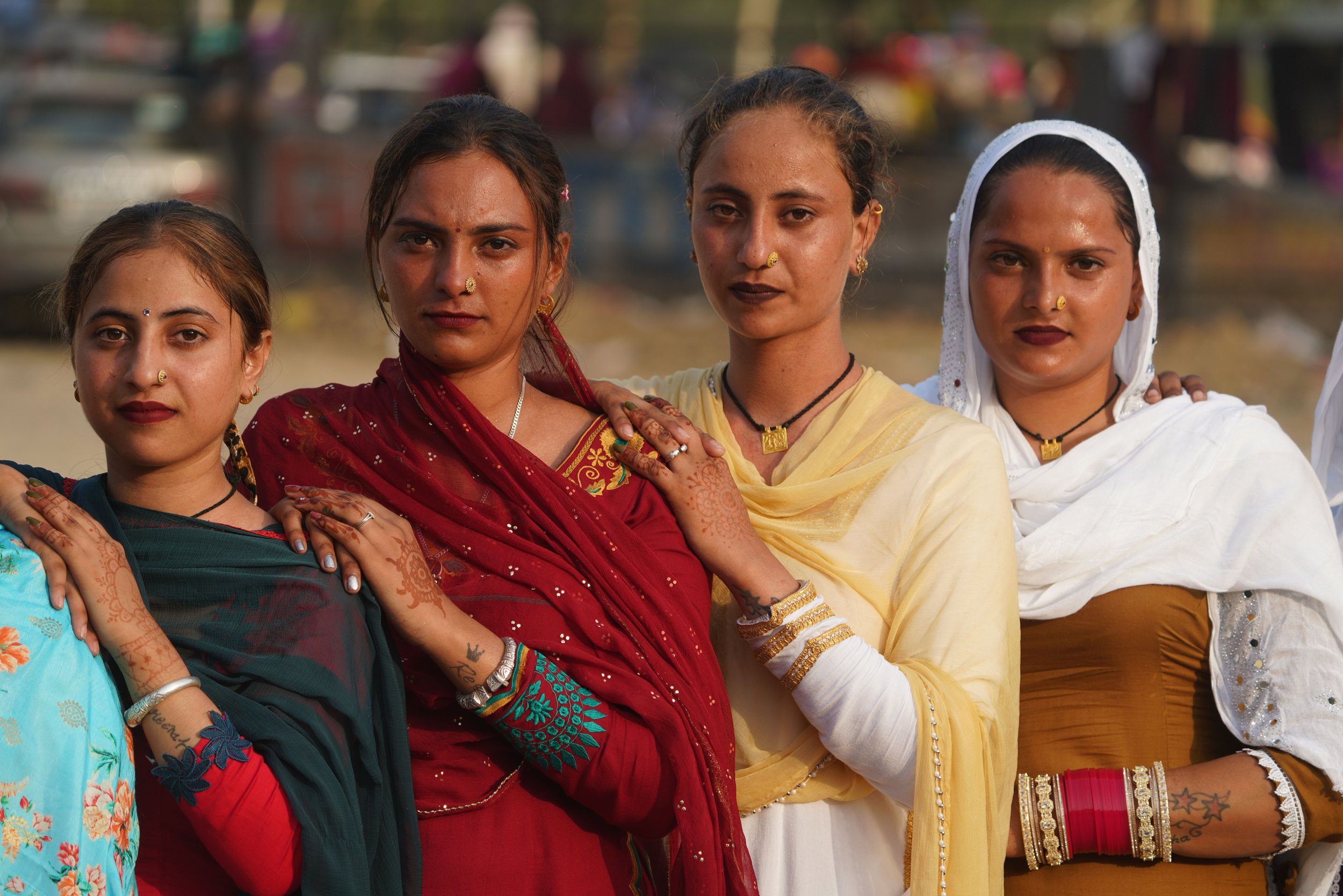
Four women wearing traditional South Asian garments. Ravinder Ravi. Pexels.
Fast fashion depends on a simple model: rapid production of trending styles using low-cost labor and materials. Many of today’s trending styles, including delicate beadwork and wrapped silhouettes, draw from traditional South Asian clothing and designs. The dupatta, a long shawl draped across the neck and shoulders, has appeared in numerous fast fashion collections from retailers such as Zara, Reformation and ASOS. Despite the inspiration behind these South Asian-inspired designs, retailers offer limited acknowledgment of their origins. This lack of recognition has drawn criticism, particularly in conversations about cultural appropriation.
Bindis, henna, bangle bracelets, pashminas, sari-inspired gowns, Gujarati mirror work, Rajasthani embroidery and paisley patterns associated with Kashmiri shawls are just some of the South Asian styles and design elements that have influenced popular fashion. Rather than being recognized for their centuries-old cultural significance, these styles are rebranded as new or original designs.
According to the Geneva Environment Network, the textile industry produces an estimated 2% to 8% of global carbon emissions. The industry relies heavily on fossil fuels such as petroleum throughout the production process, in addition to its significant water and chemical footprint. As the second-largest consumer of water, the textile industry requires approximately 2,000 gallons to produce one pair of jeans.
The working conditions in garment factories often fall short of safety and wage standards, driven by the industry’s reliance on inexpensive labor and low-cost synthetic materials. Bangladesh, China and India are major manufacturing centers for the global fashion industry, where women and children are disproportionately vulnerable to exploitative labor practices. Only an estimated 2% of factory garment workers worldwide earn a living wage.
Once consumers are done with their clothing, these garments are recycled, resold, incinerated or landfilled. In Panipat, India, imported textile waste is shredded and recycled into new materials such as yarn. The city processes large quantities of discarded clothing from Europe, North America and Asia and employs thousands of textile workers.
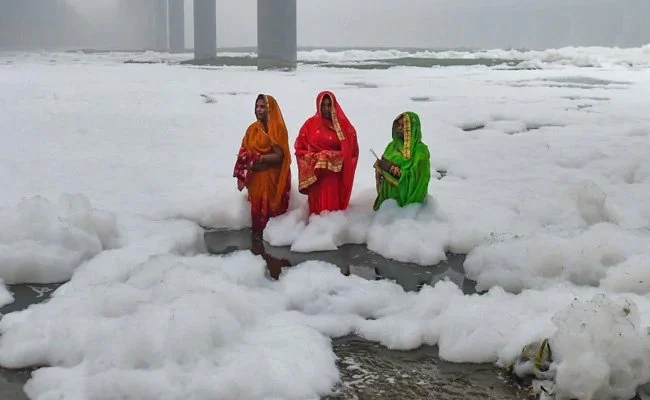
Foam caused by pollution in the Yamuna River. Water Alternatives Photos. CC BY-NC 2.0.
Workers in Panipat’s recycling facilities face respiratory hazards from exposure to cotton fibers, dust, chemicals and dye vapors. Poor ventilation, prolonged exposure and inadequate protective equipment can further increase these risks. Residents have also reported health issues, including skin irritation, asthma and allergies, which they associate with pollution from the textile industry.
Outside Panipat’s textile recycling facilities, pollution has seeped into the Yamuna River, an important resource for communities, agriculture and aquatic life. “There is no one here who is unaffected,” says Dr. Vikas Sharma, a resident of the Panipat district. Pollution from textile dyeing, bleaching and detergents has even contributed to the formation of toxic foam on the Yamuna River, further straining water resources and disrupting cultural practices.
Zara, Shein, Uniqlo and H&M are among the major retailers in the fast-fashion market. Shein, in particular, has built its business model around adding between 2,000 and 10,000 items to its website per day and using data-driven systems to track consumer demand and follow trends. AI can shorten the time between identifying a trend and bringing a product to market, contributing to increased clothing consumption and textile waste.
In Panipat, residents and workers live with the consequences of the global textile waste industry. Meanwhile, fast fashion retailers continue to profit from styles influenced by South Asian culture. Marketed as “trending styles,” these garments carry environmental and human costs throughout their production, recycling and disposal, affecting the communities that inspire them.
GET INVOLVED:
Asia Floor Wage Alliance (AFWA): An Asia-based organization advocating for living wages, workers’ rights, gender equality and sustainable practices in the textile industry. AFWA also hosts events and conferences that support trade unions and workers’ communities.
Humana People to People Federation: A nonprofit working across 16 states in India. Its Action Against Child Labor project supports children in Panipat and works to reduce child labor.
Clean Clothes Campaign: Supports garment workers through solidarity campaigns, government advocacy, education, research and investigations.
Arisa: Advocating Rights in South Asia: Explore Arisa’s research on the human cost of textile recycling in India, Bangladesh and Pakistan.
United Nations Environment Programme: Read “Five Ways to Reduce Waste in the Fashion Industry” to learn more about the industry’s broader environmental impact and how to reduce waste.

Julia Sassaman
Julia is a fourth-year student at the University of Michigan studying political science and international studies. She recently studied abroad in Geneva, Switzerland, researching post-conflict tourism and international human rights law. After graduation, she hopes to move to Europe to pursue a career centered on global human rights. In her free time, she enjoys painting, baking, journaling, and reading.