
By Claire Garvin
Following the earthquakes on June 24, organizations are mobilizing to provide food, water, medical care and relief services to Venezuela.
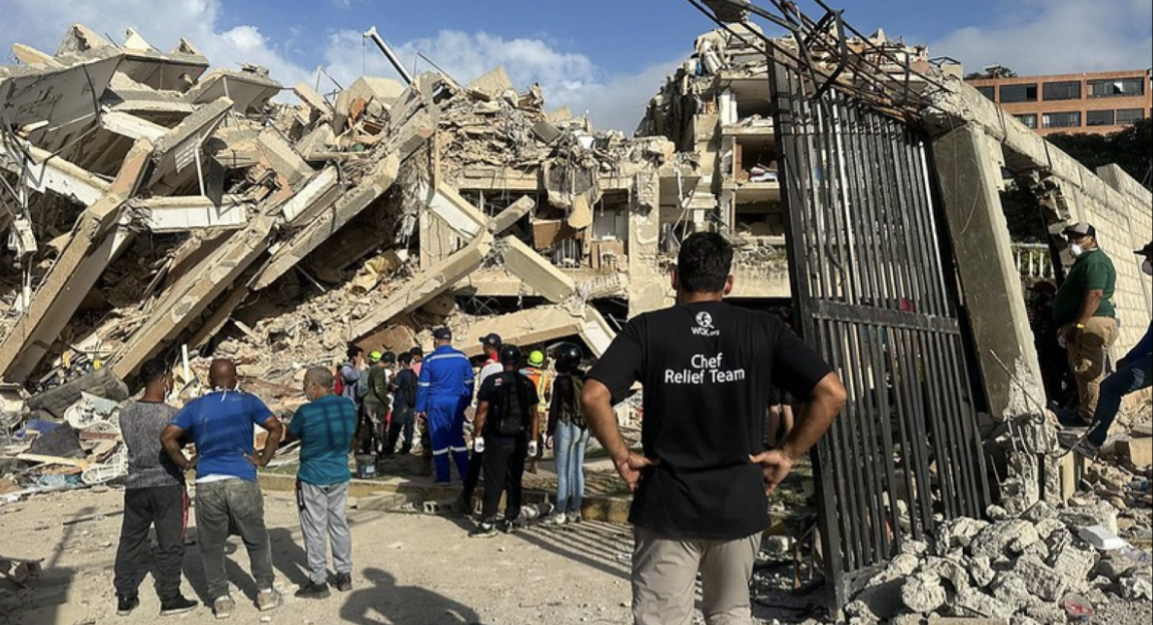
Volunteers and civilians stand before earthquake rubble in Venezuela in June 2026. World Central Kitchen. CC BY 4.0.
As the death toll rises above 1,000 following some of the strongest earthquakes to hit Venezuela in over a century, estimates suggest that over 1.8 million people need humanitarian aid, including 600,000 children. With nearly 8 million people already in need of humanitarian assistance before the earthquakes, the nation has drawn international aid efforts from organizations around the globe.
1. World Central Kitchen
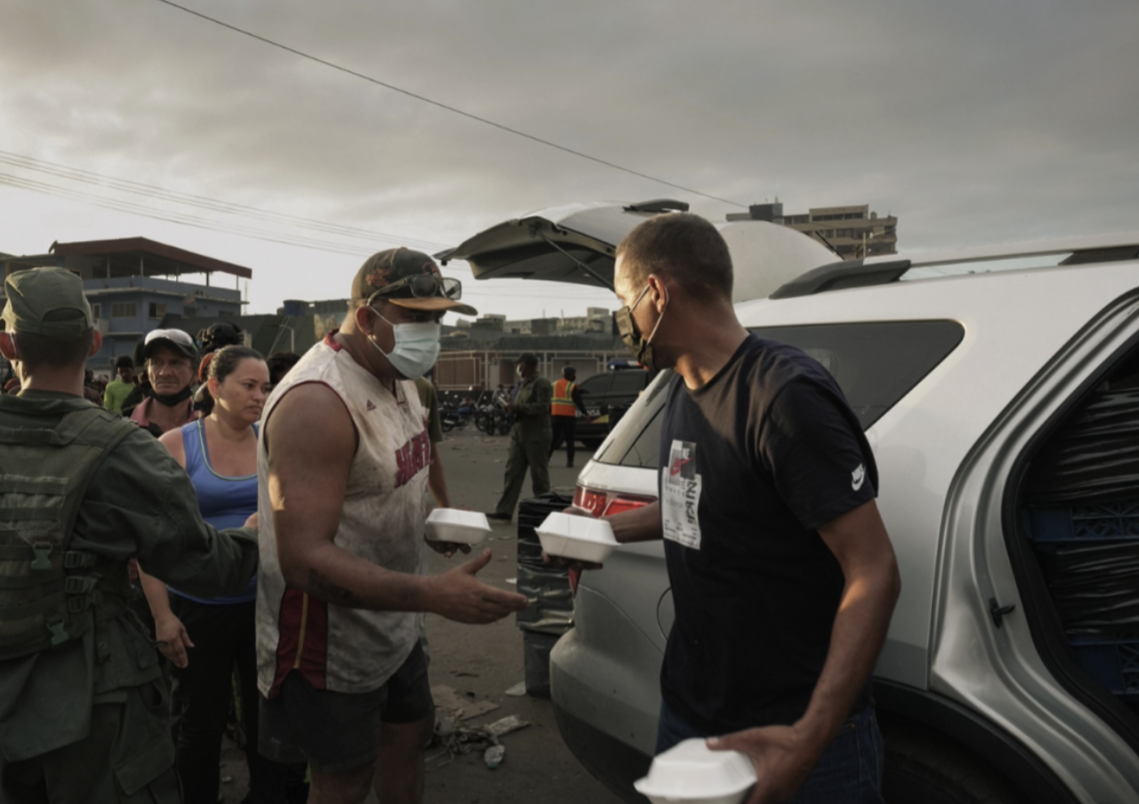
A volunteer provides packaged arepas in La Guaira, Venezuela. World Central Kitchen. CC BY 4.0.
The WCK relief team is serving fresh meals on the frontlines in Venezuela. Through partnerships with 19 local organizations, food trucks and emergency kitchens, the organization has already delivered thousands of meals in Caracas, La Guaira and Carabobo,. According to the World Central Kitchen founder José Andrés, the organization is “now serving fresh meals across the earthquake zones—to rescue teams, hospitals, shelters, and families” and plans to maintain their efforts in Venezuela for as long as needed. In the coming days, WCK aims to expand its reach, as a new organizational center in Naiguata and an anticipated bakery food truck will allow it to quickly help more people.
World Central Kitchen, a 501(c)(3) non-profit, has earned a four-star rating on Charity Navigator, received a Platinum Seal of Transparency from Candid and won several prestigious global awards. It has an A+ rating on CharityWatch.
2. Community Organized Relief Effort and the Wayuu Taya Foundation
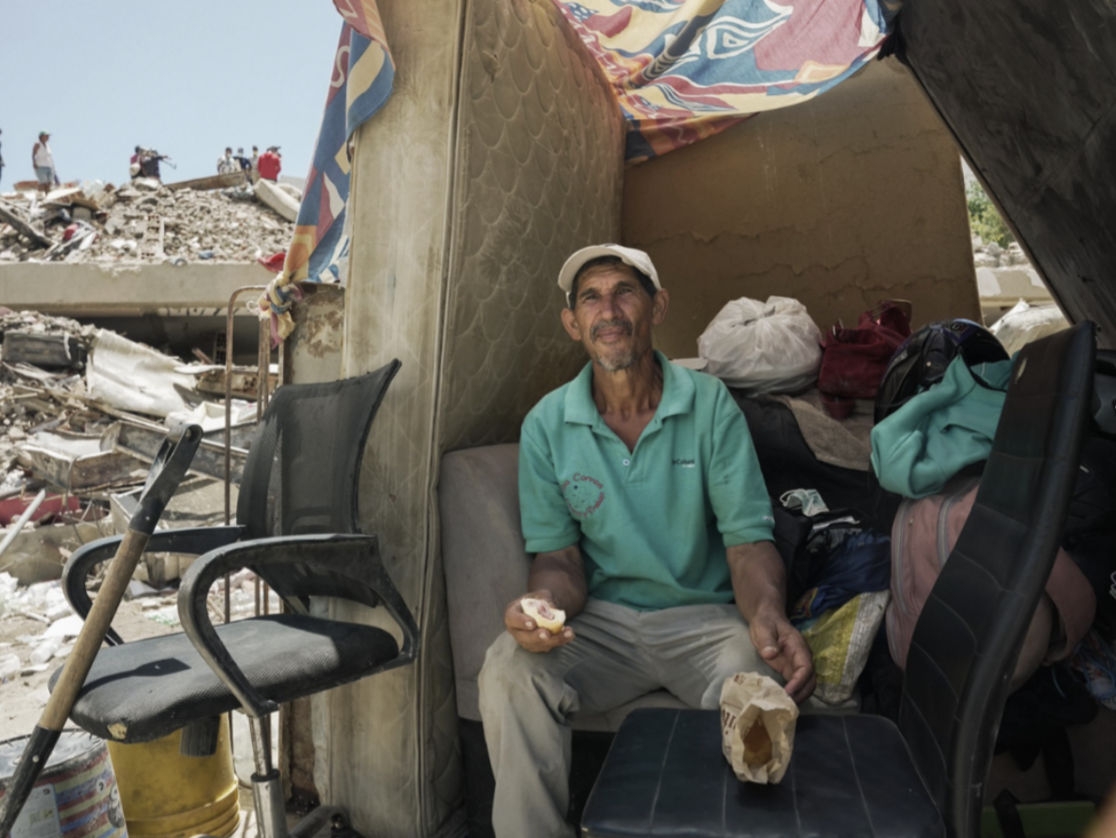
José Miguel Montilla, a Venezuelan man whose family was trapped in the rubble following the earthquakes. World Central Kitchen. CC BY 4.0.
Partnering with the Wayuu Taya Foundation, a nonprofit committed to advancing the lives of Indigenous Latin Americans, Community Organized Relief Effort is working in Venezuela to provide a wide range of humanitarian assistance, including food, water and hygiene goods. The organizations have helped clean rubble from the streets and delivered over 1,000 packages to those most in need. CORE and the Wayuu Taya Foundation plan to continue their efforts in the coming months to assist in long-term recovery and community resilience.
CORE, a 501(c)(3) non-profit, has earned a four-star rating on Charity Navigator and Platinum Seal of Transparency on Candid in 2026. The Wayuu Taya Foundation, a 501(c)(3) non-profit, has also earned Four-Star Charity recognition and the 2026 Platinum Seal of Transparency on Candid.
3. I Love Venezuela and Global Empowerment Mission
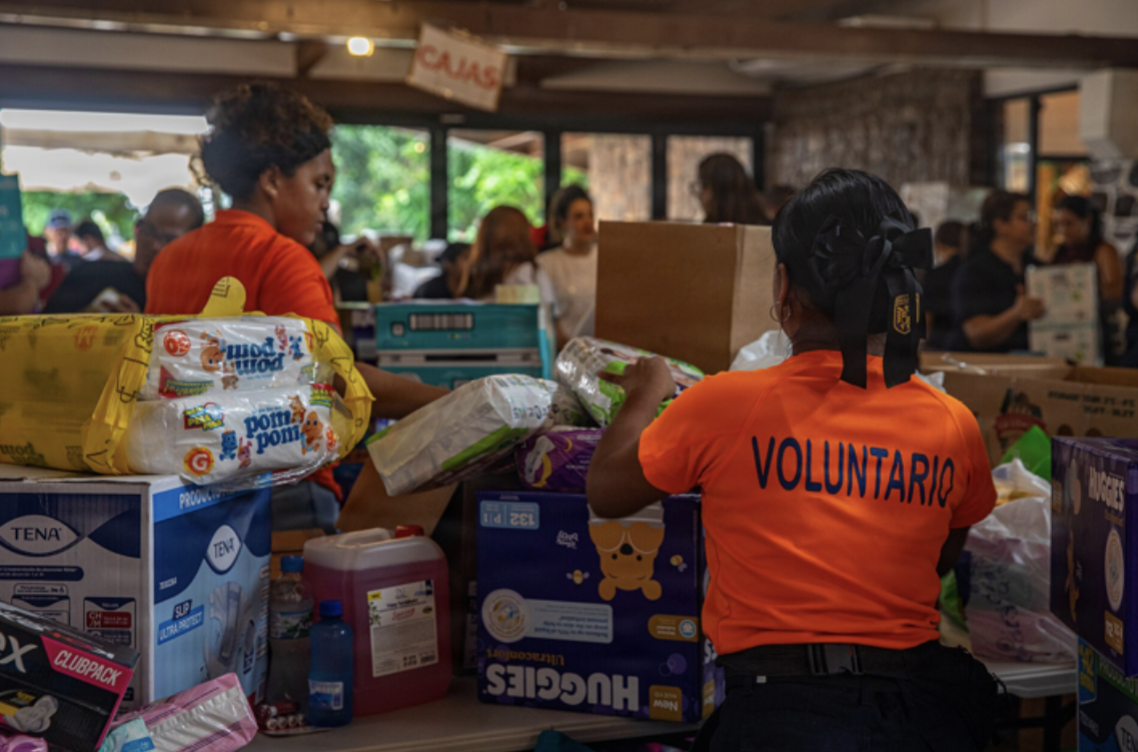
Volunteers pack goods to be delivered to Venezuela following the earthquakes. Pfc. Oshom Trowbridge. CC0.
Through partnerships with local Venezuelan organizations and volunteers, I Love Venezuela,an extension of the We Love Foundation, and the Global Empowerment Mission have outlined a multiphase plan to assist in both the emergency recovery and long-term rebuilding in Venezuela. The first 75 days of the initiative will involve distributing more than $20 million worth of humanitarian aid, including food, water and hygiene products, while establishing working distribution centers throughout the region. Following the crisis recovery stage, the organizations will help repair and rebuild critical infrastructure, including schools and housing.
Global Empowerment Mission, a 501(c)(3) non-profit, has earned 4-star charity status on Charity Navigator and a 2025 Platinum Seal of Transparency on Candid. We Love Foundation Inc, a 501(c)(3) non-profit, has transparent financial information listed on Candid.
4. Save the Children
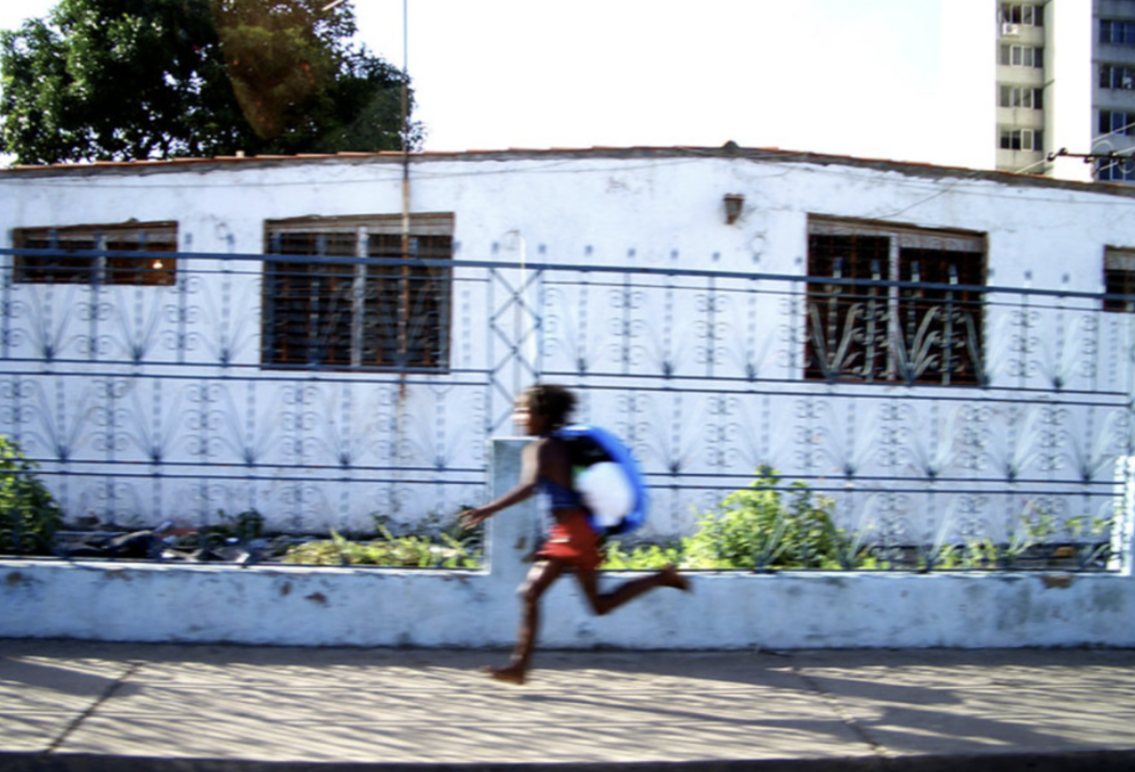
A child runs in Venezuela. Alfredo Cottin. CC BY-NC-ND 2.0.
By providing food, water, medical care and shelter for affected families, Save the Children intends to help over 200,000 people, including over 100,000 children. With over $1.5 million released from the Children’s Emergency Fund, the organization will provide a range of humanitarian assistance throughout the region. Since 2018, Save the Children has been working in Venezuela, cultivating strong ties with local organizations and communities to provide basic needs, strengthen educational and social systems and protect those most at risk.
Save the Children, a 501(c)(3) non-profit, has earned a 4-star rating from Charity Navigator and a 2026 Platinum Transparency from Candid.
5. Direct Relief
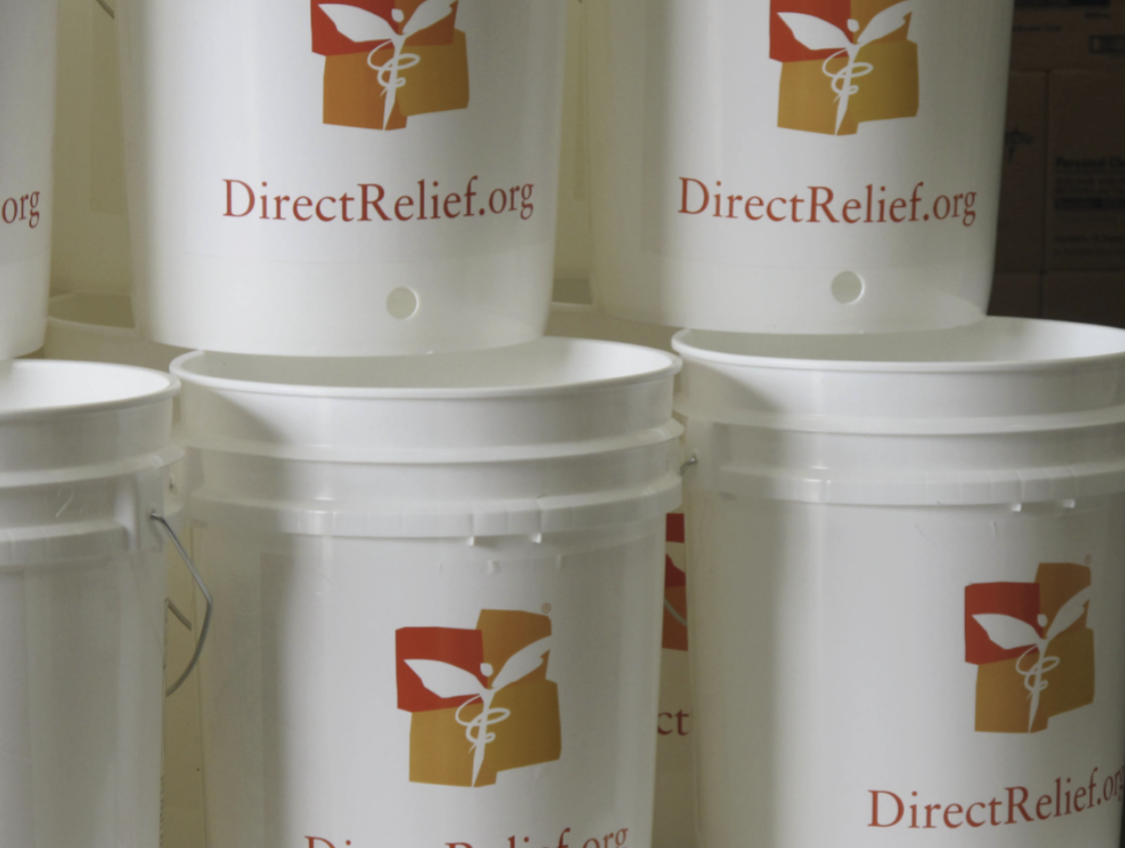
A stack of Direct Relief containers used to hold medical kits. Direct Relief. CC BY-NC-ND 2.0.
Less than two days after the earthquakes, Direct Relief had already helped fund supplies for two emergency medical teams: Medical Impact and Bomberos Unidos Sin Fronteras. As communities continue to recover from the damage, Direct Relief will provide under-resourced hospitals and communities with medical supplies and personnel. All proceeds collected for the Venezuela Earthquake Response fund will be directly applied towards helping those recover from the earthquakes.
Direct Relief, a 501(c)(3) non-profit, has earned a 4-Star Charity status on Charity Navigator and a 2026 Platinum Transparency seal on Candid. It earned an A+ on CharityWatch and was recognized as No. 5 on Forbes' 2025-2026 America’s Top Charities list.
6. Catholic Relief Services and Caritas Venezuela
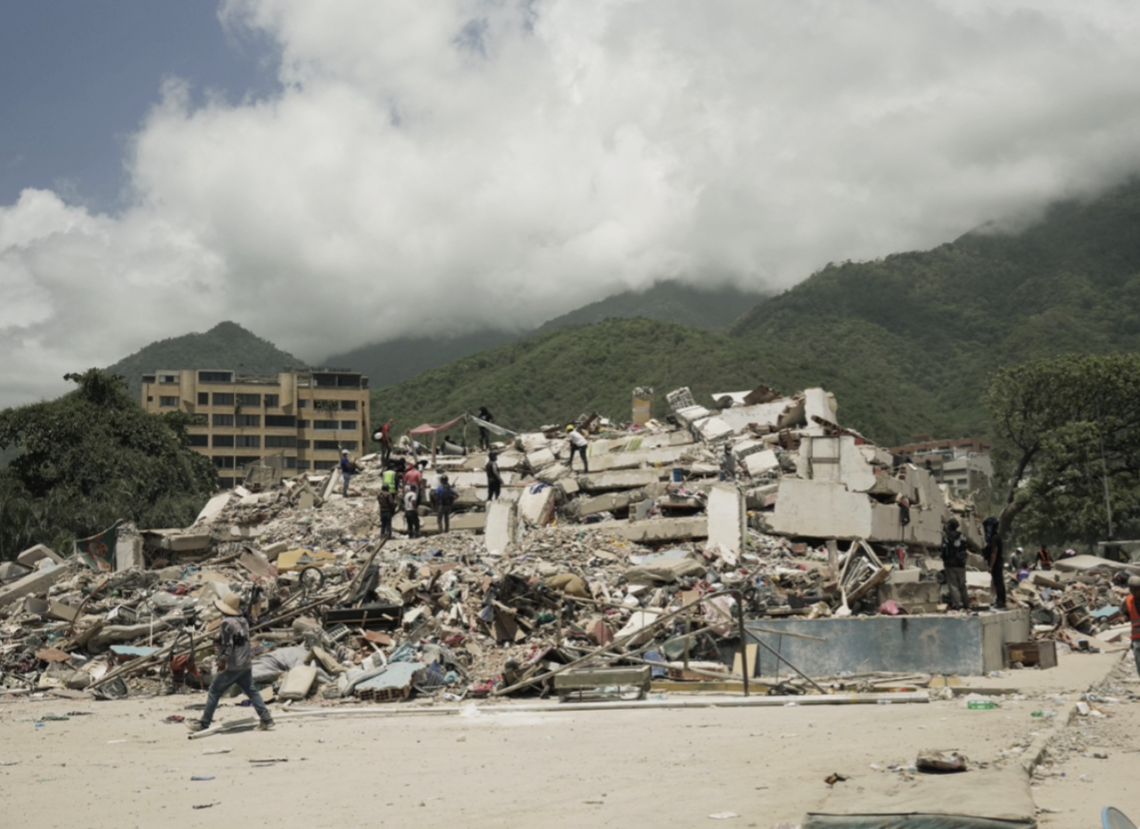
The Caraballera neighborhood in La Guaira, Venezuela, after the earthquakes. World Central Kitchen. CC BY-4.0.
For over two decades, Catholic Relief Services has partnered with one of the largest Venezuelan nonprofits, Caritas Venezuela, to help tens of thousands of families access food, education and medical care. The organizations will continue to work side by side to coordinate large-scale humanitarian assistance, including shelter, food and hygiene kits. Additionally, CRS and Caritas Venezuela will offer mental health care services to support long-term recovery for Venezuelans.
Catholic Relief Services, a 501(c)(3) non-profit, has earned a 2025 Platinum Transparency seal on Candid. It earned an A+ on CharityWatch and was recognized on Forbes' 2025-2026 America’s Top Charities list.
7. HIAS
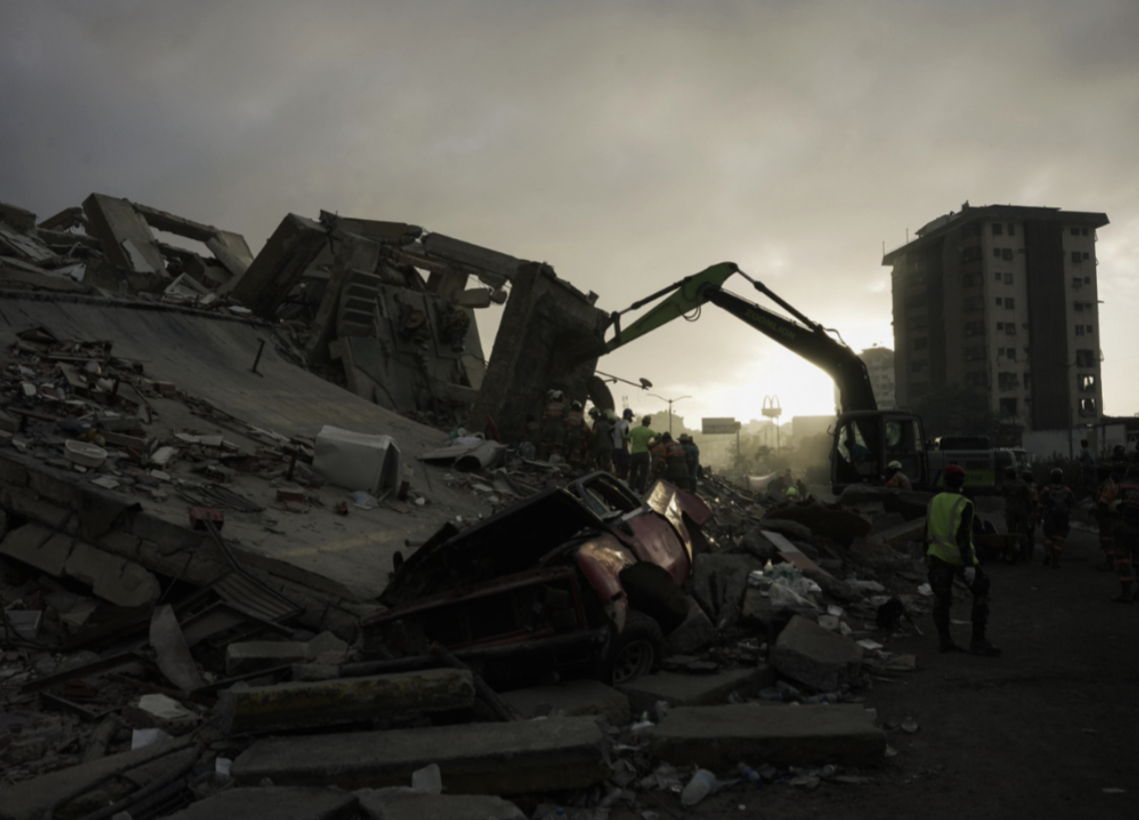
A large crane collects rubble and debris in La Guaira, Venezuela in the aftermath of the earthquakes. World Central Kitchen. CC BY 4.0.
For nearly two decades, HIAS has engaged with many of Venezuela’s most vulnerable populations to support long-term advancement and resilience. Through initiatives such as the Mental Health and Psychosocial Support program and economic empowerment strategy, they have worked to cultivate long-term individual and community advancement. Following the devastating earthquakes, HIAS will continue to provide emergency care, including shelter and assistance acquiring food, while strengthening the long-term recovery of Venezuelans in the months to come.
HIAS, a 501(c)(3) non-profit, has earned 4-Star Charity status on Charity Navigator and a 2026 Platinum Transparency seal on Candid. It earned an A on CharityWatch.
8. United Nations Office for the Coordination of Humanitarian
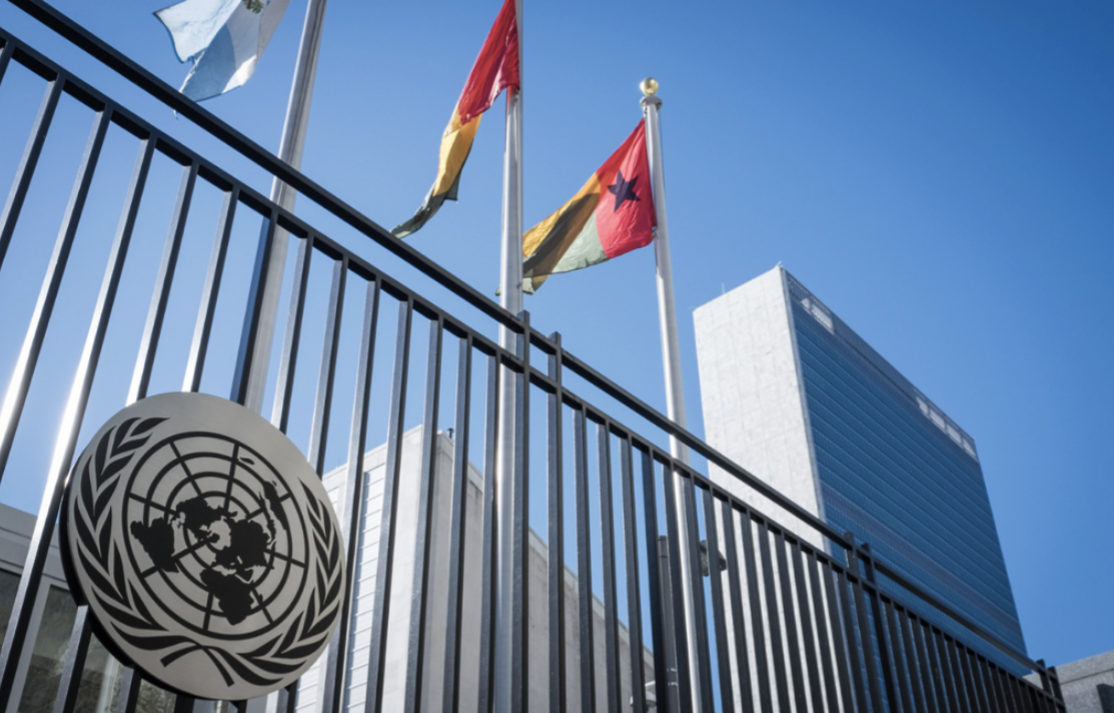
New York City Headquarters of the United Nations Secretariat. Manuel Elias. CC BY-NC-ND 2.0.
With the arrival of over 2,000 rescue workers from 27 countries, the United Nations Office for the Coordination of Humanitarian Affairs has played an instrumental role in coordinating response efforts in the days following the earthquakes. The Venezuela Humanitarian Fund will provide food, water and hygiene assistance as Venezuelans continue to recover from the acute crisis. In collaboration with local nonprofits, volunteers and humanitarian teams, UN OCHA will work to improve healthcare, education and social support systems to stimulate long-term resilience.
The United Nations OCHA is an international governmental body that coordinates response efforts and humanitarian assistance.
GET INVOLVED:
Nonprofit leaders recommend monetary donations when possible because they allow organizations to buy what is most needed in bulk while preventing clogs in donation systems. Fundraising remains an effective way to pool together community efforts. At this time, there are limited opportunities for in-person community volunteering, given the safety risks and structural damage. Individuals interested in donating to nonprofits should always vet the organization using reputable sources, including Charity Navigator, Candid, and CharityWatch.
Claire Garvin
Claire is a fourth-year student at Barnard College, Columbia University studying Neuroscience. She is interested in writing as a means of understanding the world, and she hopes to ignite meaningful change through her journalism. Outside of class, she enjoys baking, painting, and reading.