
By Mia Gooch
Once widespread across California, Indigenous cultural burning is now regaining attention in wildfire management.

Yurok fire practitioner conducting a cultural burn. Matt Mais. CC0.
When flames scorched California’s landscapes in recent years, they were mainly those of destructive wildfires that tore through the state, devastating entire ecosystems and established communities. Yet for millennia, many Indigenous communities in California used carefully planned fires through a practice known as cultural burning. Unlike destructive wildfires that wreak havoc on habitats, these low-severity burns were used to nurture the land and support California’s native vegetation, recycling surface vegetation into nutrient-rich ash. Cultural burning allowed communities to carefully manage fire to protect soil and encourage life.
Acting to preserve familiar land and topography, these prescribed burns intentionally reduced any encroaching dry brush to nurture the growth of California flora. They also aided in establishing a more resilient and renewed ecosystem, with scorched ground often maturing into fresh growth in the following months.
For the Yurok Tribe of Northern California and many other tribes, cultural burning is as much of a long-standing relationship with the land as it is a conservation tool. “Fire is part of the people. It’s a part of the land,” said Elizabeth Azzuz, a Yurok cultural fire practitioner.

The Yurok Tribe flag and the American flag. Tony Webster. CC BY-SA 2.0.
When describing a cultural burn that she witnessed firsthand, Azzuz explained how the land responded to the process. “Within two weeks of our burn we already had little sprouts,” she said. “[W]e went along and spread out all the ash and everything and replanted that area of the native seeds ... So not only do we help regenerate our environment, basically with fire, but we also go back out in and replant native plants into those areas.”
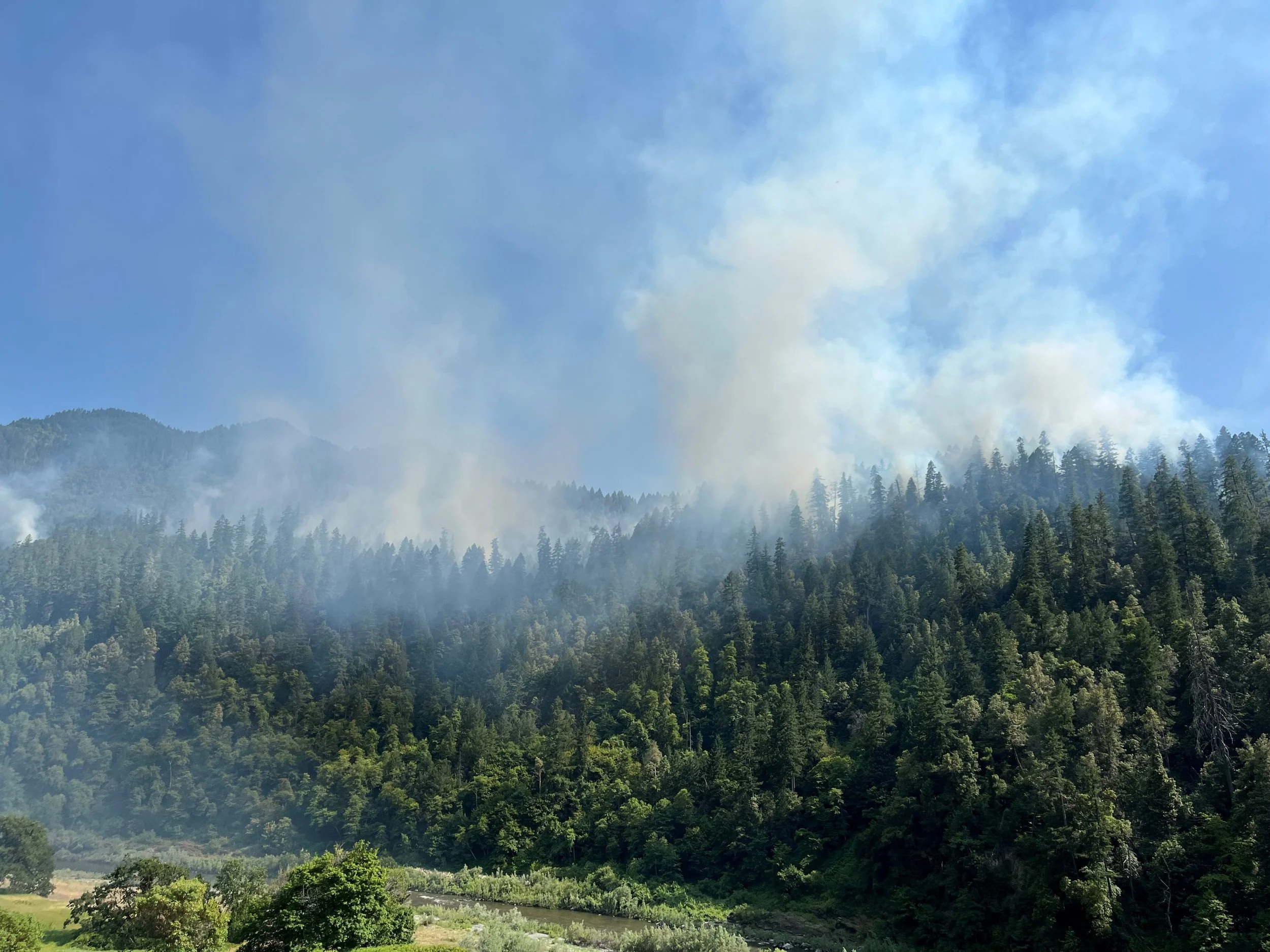
FS-Karuk prescribed fire near Somes Bar. Frank Lake. CC BY-SA 2.0.
Throughout the reshaping of California’s geography, intentional fire has been a way to combat the catastrophic wildfires that destroy culturally important and native plant growth. For much of the last century, however, fire suppression policies, which are assertively instituted government regulations against using fire, limited cultural burning and resulted in Indigenous communities losing control over their ancestral lands. These pieces of legislation disrupted Indigenous fire practices and altered ecosystems that had been shaped by regular burning. California’s statewide regions then experienced overwhelming surges of vegetation growth, some plants posing threats to native species. Uncontrollable wildfires also damaged the soil’s potential for timely recovery. Several tribes, including the Yurok and Karuk, are now endorsing for their tribes to regain their authority on how fire is managed on their ancestral lands.
The Karuk Tribe has found notable success these past few years in getting legislative support from the U.S. government to reauthorize cultural burning. Community support and resource management have been more deliberate and attentive to the needs of those impacted by both controlled and uncontrolled fires.
Now, cultural burning is making a return to Californian soil. This success for the tribes is largely because of the state’s acceptance of Indigenous fire stewardship and their influence on wildfire spreads. With the past few years having had a spike in deadly wildfires, tribes are now receiving more research-backed support for cultural burning practices.
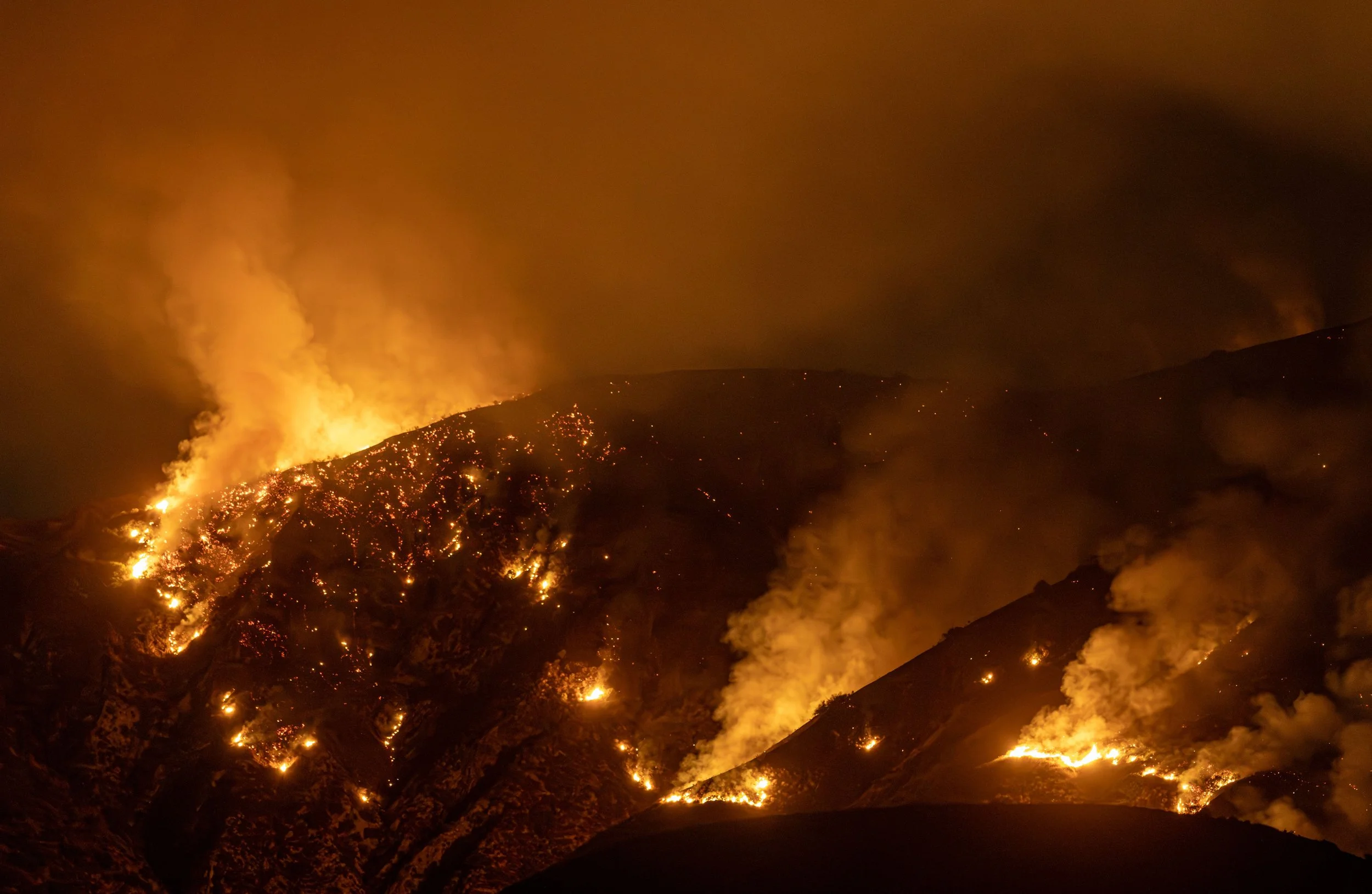
Wildfire burning through California mountain range. Soly Moses. Pexels.
Bill Tripp, the director of the Karuk Tribe’s Department of Natural Resources, commented, “When it comes to that ability to get out there and do frequent burning to basically survive as an Indigenous community, one: you don’t have major wildlife threats because everything is burned regularly. Two: Most of the plants and animals that we depend on in the ecosystem are actually fire-dependent species.”
For the Yurok and Karuk tribes, as well as other regions stretching through the Pacific Northwest, the revival of cultural burning represents not only a reduction in wildfire risk but also the restoration of traditions that predate any sort of modern wildfire management.
GET INVOLVED:
The Cultural Fire Management Council, which facilitates controlled fires on Yurok ancestral lands, includes ways to donate and support cultural burning, the training of future practitioners and restoring ancestral landscapes.
The Nature Conservancy partners with Northern California tribes to support traditional fire stewardship and restore ecosystems through Indigenous knowledge. Additionally, they support dozens of regions throughout the United States, offering resources for donations and more.

Mia Gooch
Mia a student at the University of North Carolina at Chapel Hill, majoring in Media & Journalism with a double minor in Education and Social & Economic Justice. She’s passionate about informal education and creating fun experiences where people of all ages can explore new perspectives and develop new skills. When she’s not in the classroom, she loves contemporary dance classes, spending time with friends and family, baking, and being outdoors!