
By Caleb A. Yamamura
How the World Cup is creating spaces for learning about and participating in global multiculturalism.
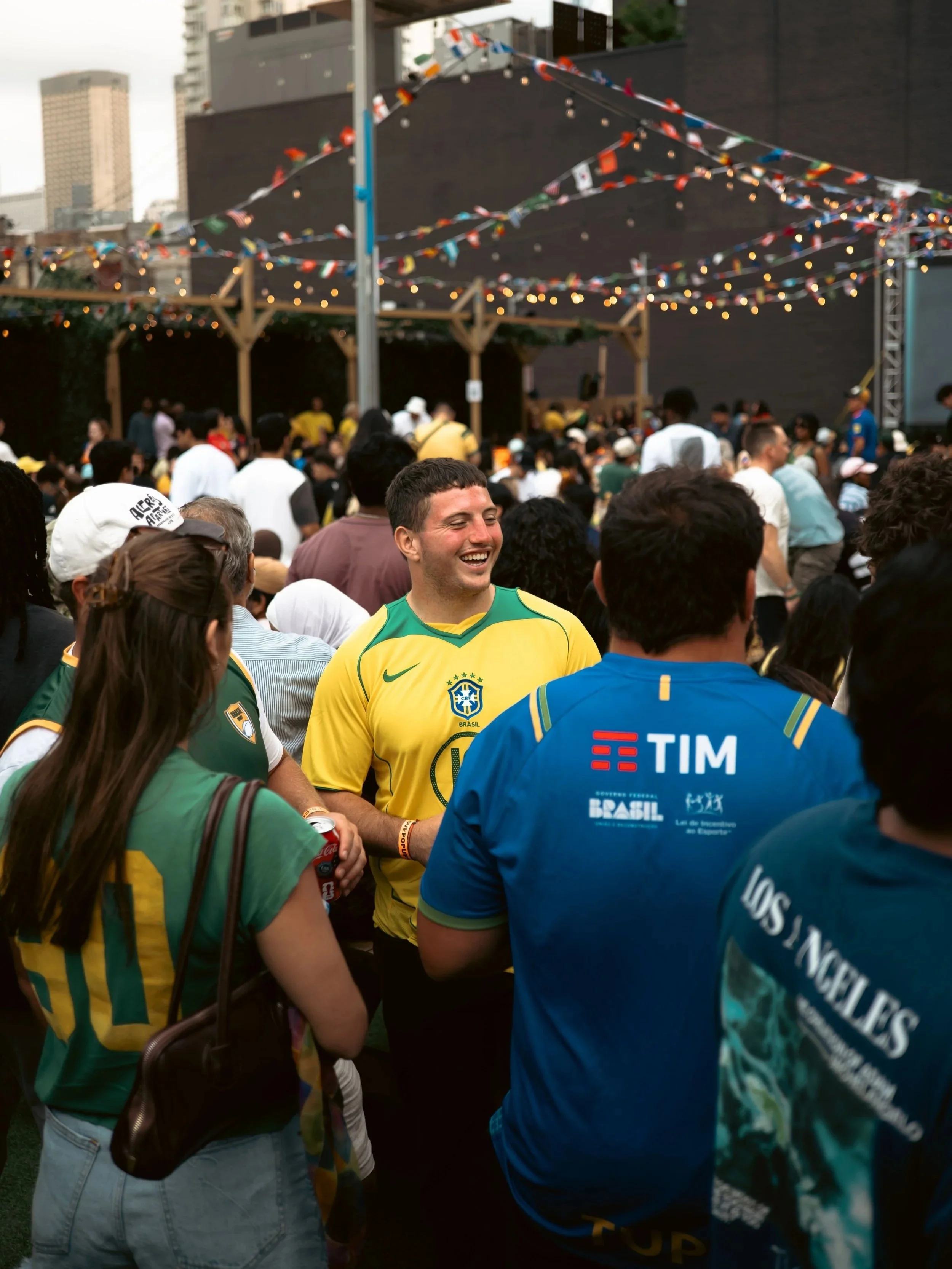
Soccer fans celebrating at a party in Chicago, IL. Alex Grajeda. Pexels.
Thousands of eyes watch with trepidation as dozens of cleats launch grass and turf into the air. The crowd erupts in chants, cheers, jeers, moans and groans. The atmosphere is electric, both in the stadium and in streets around the world, and not just while a match is being played. The 2026 World Cup is on, and as 48 countries compete in stadiums across Canada, Mexico and the United States, the world is abuzz. But something feels different about this World Cup: A greater enthusiasm for multicultural appreciation.
World Cups have always been sites of increased multicultural pride. Dr. Chuka Onwumechili, professor of intercultural communication at Howard University, explains that the World Cup serves as a site of international cultural exchange for global travelers. This site “helps advance social comfort and learning. It eases anxiety in a different cultural environment. These encounters go beyond the stadiums that will host games.” Matches, he states, “have the power to rise above the politics of the day and bring cultural unity.”
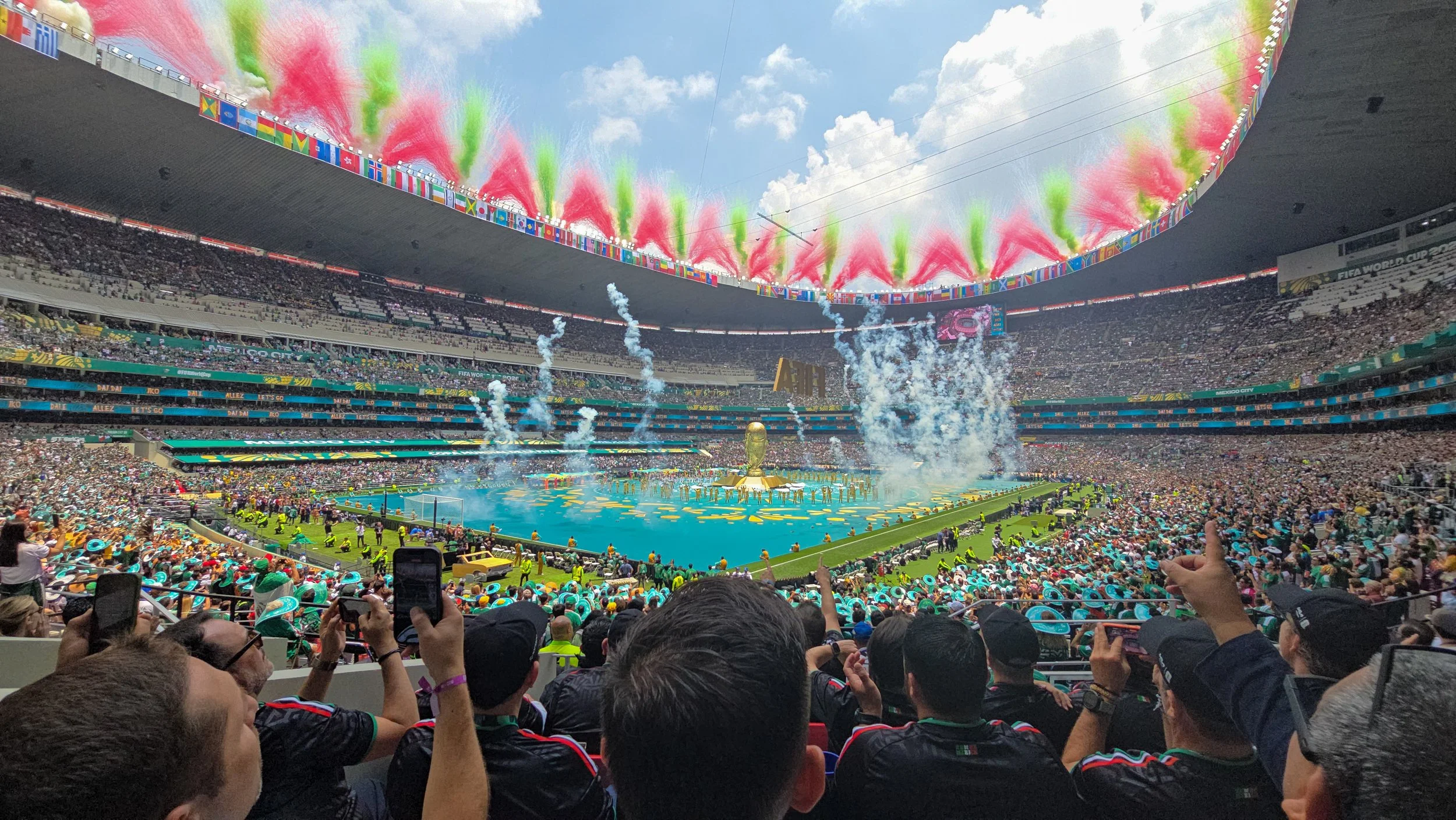
2026 World Cup Opening Ceremony at the Estadio Azteca, Mexico City. Omar David Sandoval Sida. CC BY-SA 4.0.
Yet, something may still feel different about this year’s World Cup. Many feel like this year has produced a stronger sense of intercultural interaction and appreciation. In a June 27 post on X, formerly known as Twitter, Arnesa Kustura (@arnesa_kusutura) wrote, “People are rooting for their country and they are also rooting for other countries. People are learning songs and chants of other fans, they are learning about countries they may have never even heard before.”
Reddit user u/joebraga2 wrote in a post, “Search the World Cup hashtags on Instagram, X, TikTok or YouTube Shorts. Look at videos posted since the opening match. You'll find thousands of posts from local residents, businesses, journalists and international fans showing packed streets, public celebrations and people from dozens of countries enjoying the tournament together.” The user highlighted that many established news agencies, like Reuters, are also reporting on the widespread enthusiasm for cultural exchange.
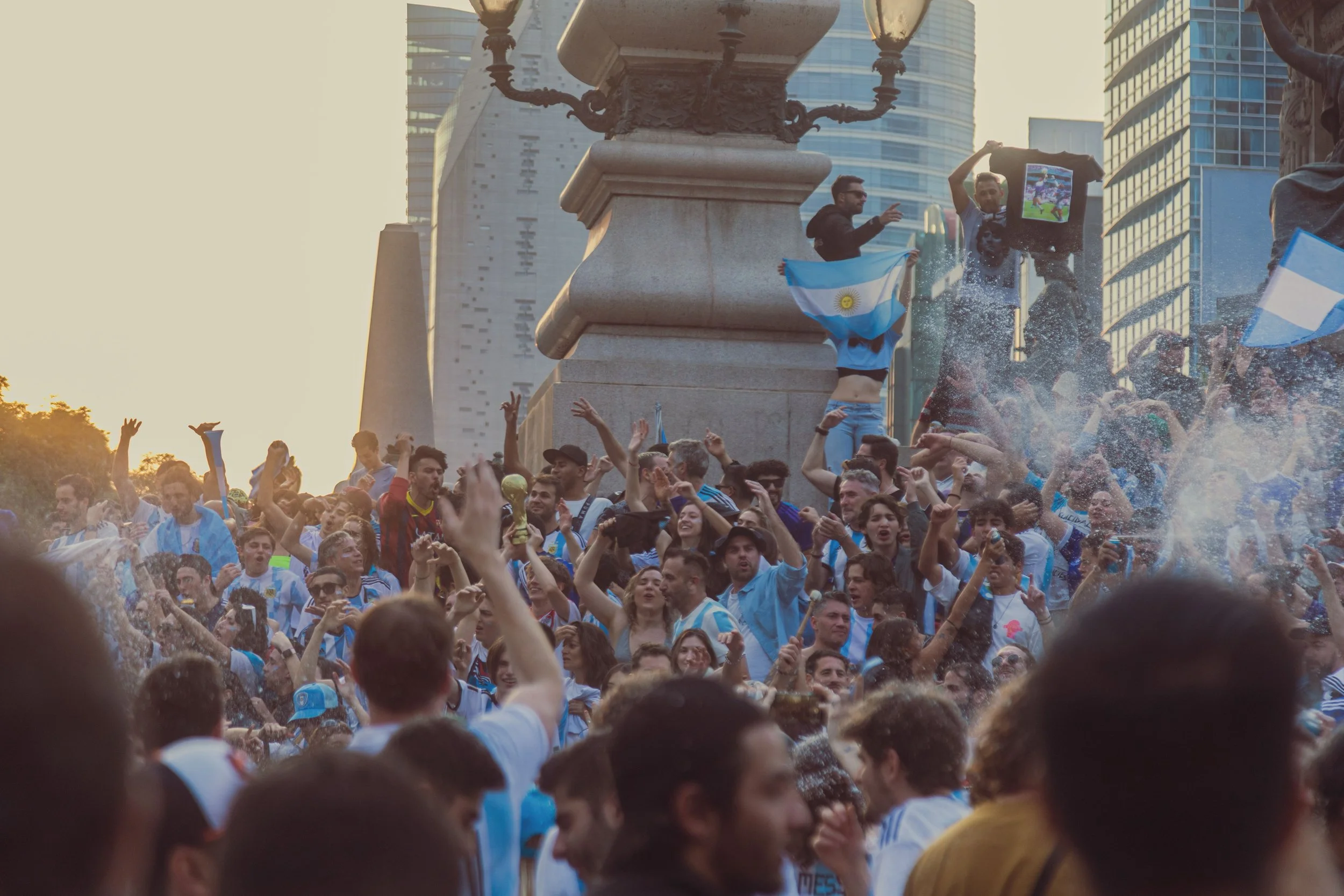
Argentinian fans celebrating their victory after a game in Mexico City. Alvaro Camacho. Pexels.
In The Guardian, there are dozens of excerpts from both host-country citizens and international travelers describing positive experiences they have had in cultural exchanges. A CNN article discusses how Canada, a nation without a strong soccer tradition, has embraced the games with multicultural pride.
What can explain this phenomenon? The most direct answer is that this is the most culturally diverse World Cup in history. To start with, this tournament has an expanded roster of participating nations, with 48 competitors instead of the standard 32. This means that more nations, including some that rarely get close to qualifying, are finally being given a chance to perform on the world stage.
Not only are these nations' teams thrust into the limelight, but their fans, too, can participate in the global revelry and rivalry. Small nations like Cape Verde have become internationally beloved underdogs, gaining acknowledgement they might not have received before. Nations like South Africa are celebrating their victories in a sport they did not traditionally care strongly for. And global fans get to intermingle abroad, learning about the cultures of host and participant nations and their love for the sport.
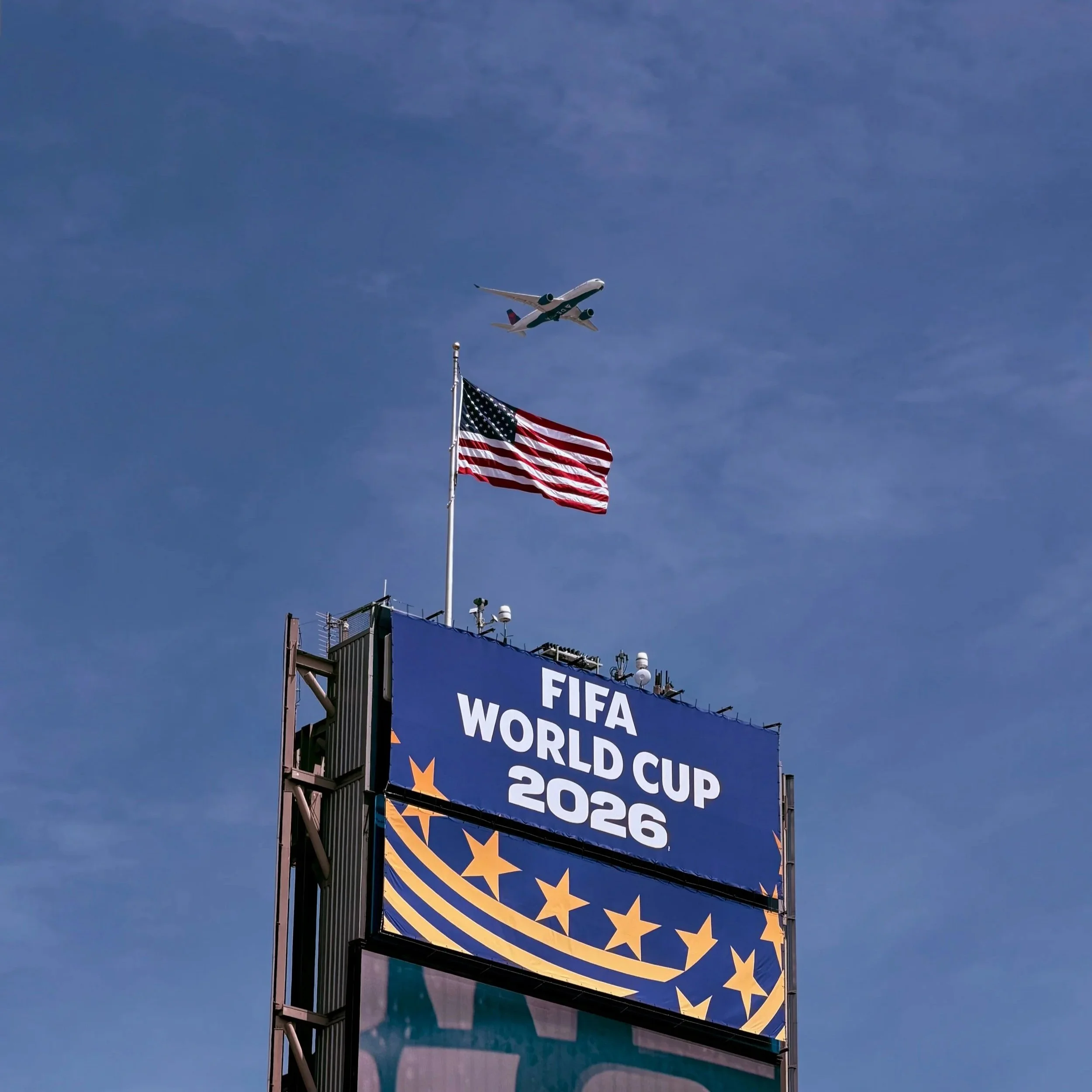
American flag over a FIFA World Cup 2026 sign. Dar ius. Pexels.
Of course, these changes and new policies have sparked some criticism and controversy. At the level of the sport, some soccer purists criticize the new 48-team roster, claiming it has created "uninteresting" matches compared to the 32-team standard. This adds to the criticism over the longer halftime shows, price-gouging and other FIFA policy decisions. This doesn’t even factor in the widespread fears around U.S. anti-immigration policies, which have themselves been heavily criticized for issues of racism and discrimination.
Reports from both mainstream news and social media discuss controversial exchanges and racism taking place in both game and fan interactions. For example, immigrant players on national teams usually receive harsher, usually racially charged, criticism for their mistakes than do native-born players. In some cases, as with Spanish player Lamine Yamal, racially charged criticism has emerged because he celebrated by engaging in Islamic prayer.
In response, FIFA has stated that it is redoubling efforts against discriminatory actions and has assembled a plan to address such incidents should they ever emerge.
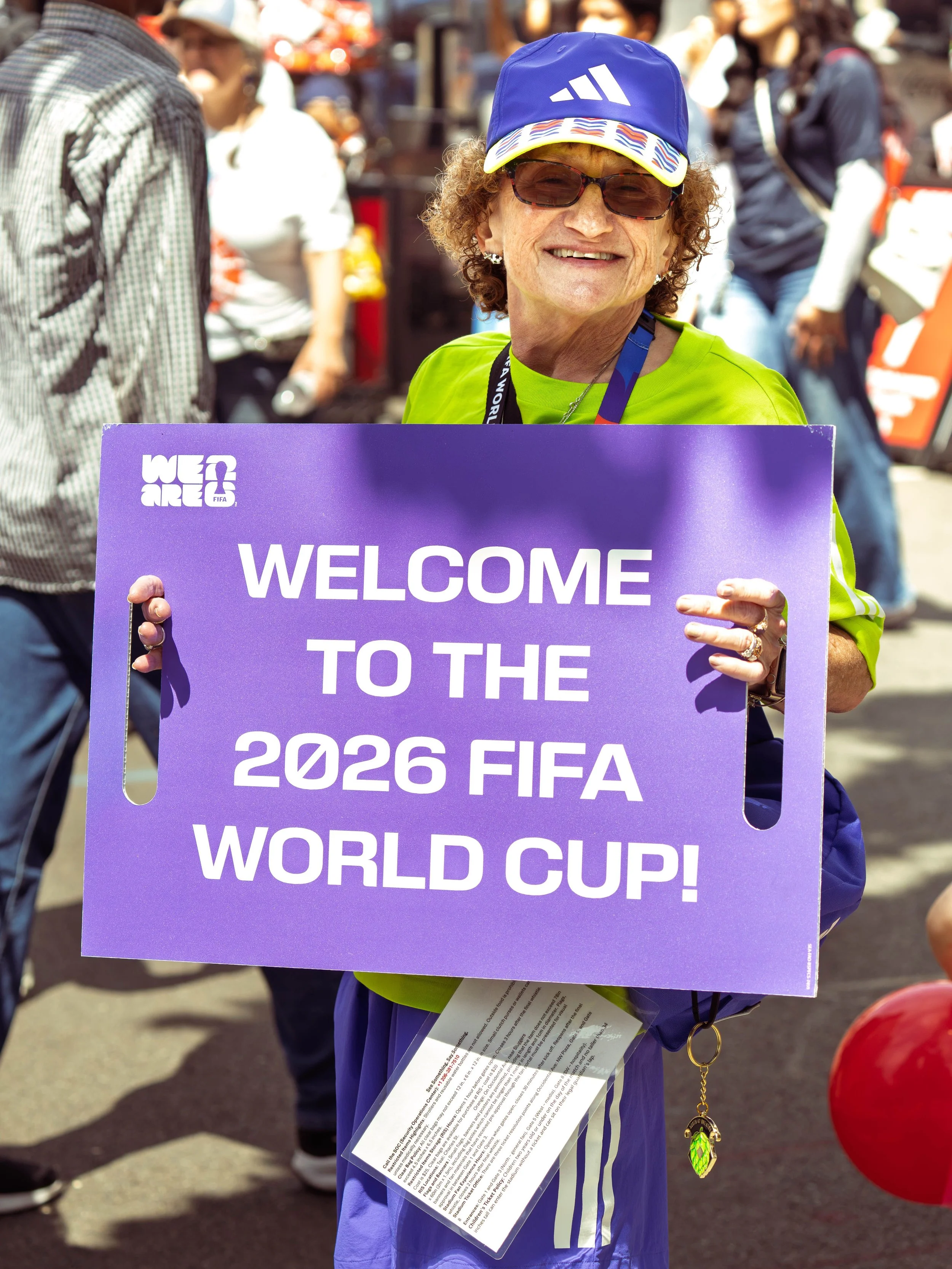
Soccer fan holding a welcome sign in Seattle. Wildfire 1775. Pexels.
Even while acknowledging these issues, what is clear is that the World Cup has produced widespread, visible multicultural curiosity. Football fans around the world cheer for diverse teams, be it their own national team or another nation’s. They celebrate alongside individuals from all corners of the world, and partake in each other's sporting celebrations and traditions. This both symbolizes and fosters pride in national diversity and global interconnectedness.
If you, reader, are thinking of traveling, or are currently traveling to watch the matches, be sure to do your research on host-country soccer traditions and be ready to learn from your fellow fans about how to have a good time.


Caleb A. Yamamura
Caleb is from New York City, and is currently an undergrad at Vassar College, majoring in History and Psychology. He is also an avid traveler, having visited countries on each continent with his family (save for Antarctica… of course). He has a profound love for learning about the world, its cultures and people, and is happy to have the opportunity to share what he has learned about.