
By Ellison Wolk
The world’s fastest-warming inhabited archipelago presents picturesque scenes along with a serious warning for the future of our planet.
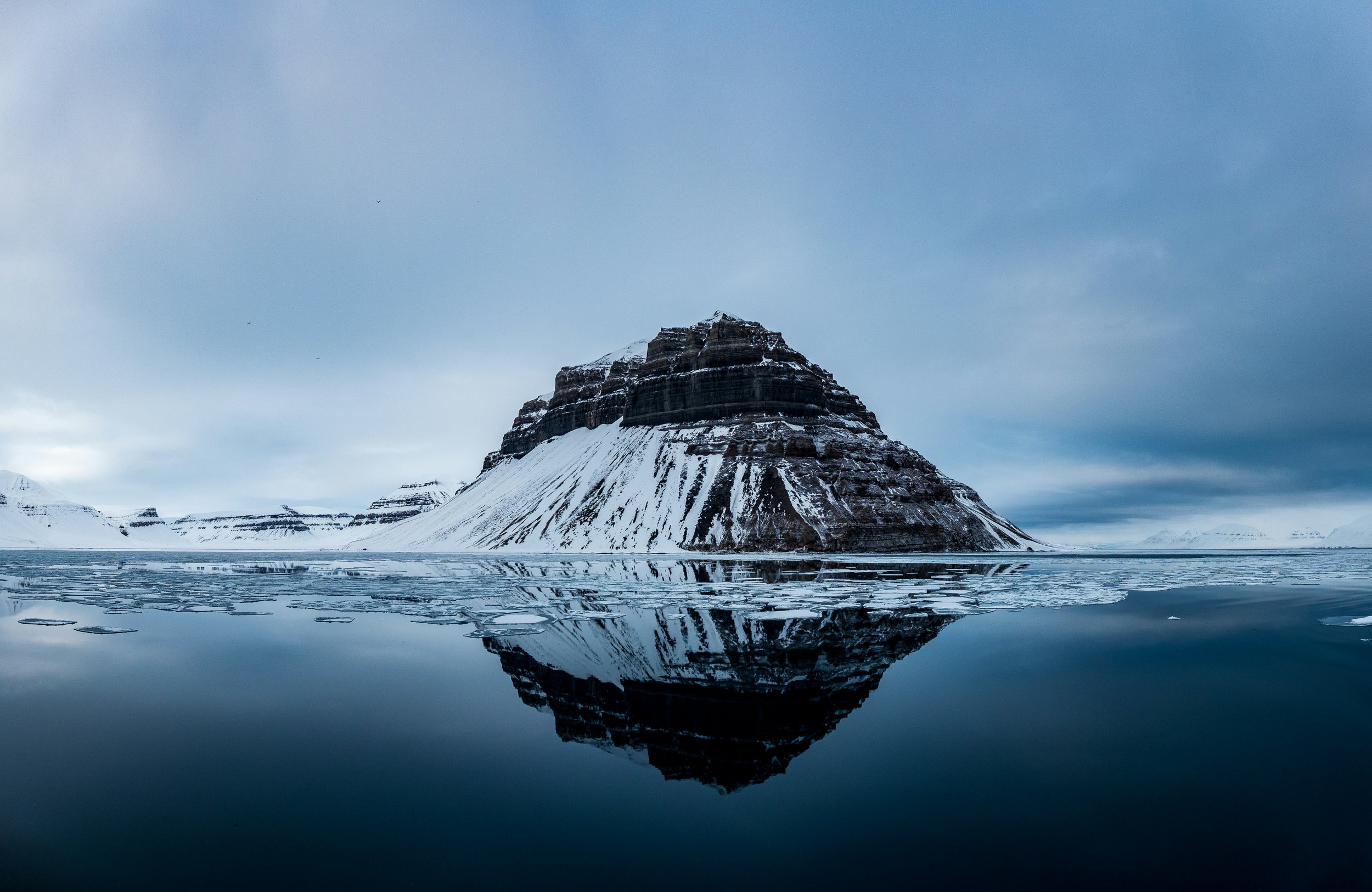
Melting aea ice. Lloyd Woodham. Unsplash.
Our contemporary conversations around climate change very frequently focus on the topic of global warming. For many people, though, it is not severely noticeable on a day-to-day basis that global warming is a major peril to our planet. Well, the people of Svalbard likely disagree.
Svalbard is a Norwegian archipelago between mainland Norway and the North Pole. It also happens to be the fastest-warming inhabited place on Earth, with temperatures increasing at around six times the global average. This statistic makes climate change a daunting reality, and is most notably seen in the rapid melting of Svalbard’s glaciers.
Glaciers characterize the landscape of Svalbard. The iconic tall blue glaciers and fjords that extend into the Atlantic Ocean have long caught the attention of scientists, photographers and world travelers. However, these glaciers are in increasing danger as they continue to disappear at an alarming rate. As ocean and air temperatures rise, the glaciers shrink or even vanish entirely, which is dramatically changing the landscape of the region. The problem is further compounded by the fact that when these glaciers melt, they expose groundwater springs that contain methane gas. When the frozen seal of these springs dissolves, the methane gets released into the atmosphere, contributing further to global warming.
Thus, the effects extend far beyond a simple change in scenery. There are roughly 3,000 inhabitants of Svalbard and abundant wildlife. Glaciers act to regulate the flow of freshwater within the Arctic ecosystem. When this is no longer possible due to the retreat of these glaciers, wildlife is greatly affected. Polar bears, for example, are dependent on sea ice as a means to hunt seals. Due to the warming, they are faced with difficult conditions as the ice seasons shorten. Animals such as seabirds and Arctic foxes are forced to adapt to unstable food sources as marine ecosystems are disrupted by rising water temperatures and sediment that flows into the fjords. This environment is one in which every species is closely intertwined, and the loss of the glaciers can cause drastic changes to the food web.
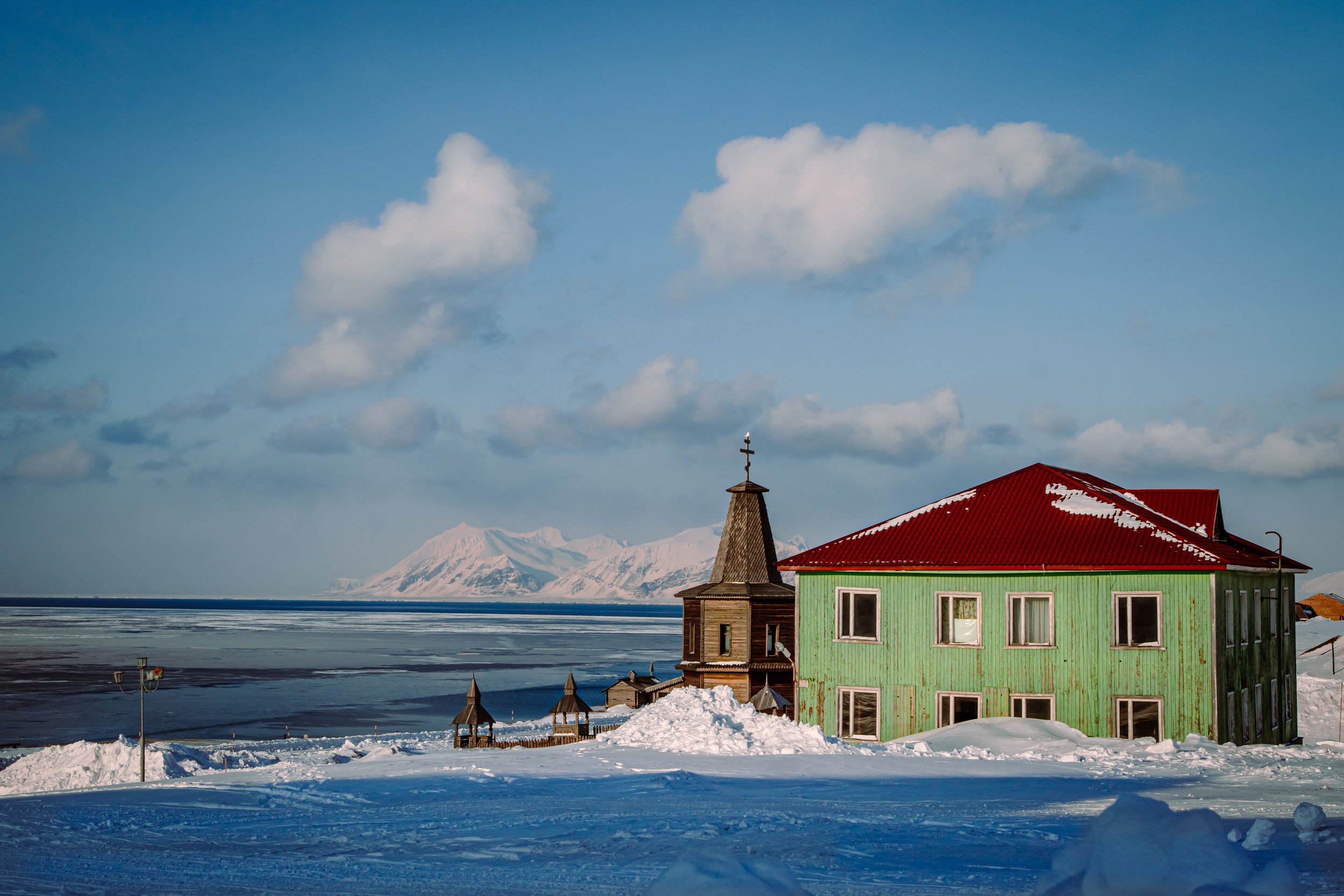
Arctic fjord. Leelas. Pixabay.
Warming temperatures are also reshaping the daily lives of all 3,000 people who consider Svalbard their home. The administrative center of Svalbard, Longyearbyen, has experienced fatal avalanches in the recent past and has been encouraged to make infrastructure changes or even relocate or remove homes in high-risk areas. The roads, buildings and utilities that were once working in tandem, supported by the frozen ground, are now in need of costly adaptations. For this region, climate change is understood not only as an environmental issue, but as a social and economic one as well.
Despite this major challenge that Svalbard must face, it remains one of the world’s most impressive travel destinations. Visitors from all over the globe come to view the glaciers and wildlife, ride through the fjords and see the extraordinary northern lights. The tourism industry continues to be an important component of the local economy. That being said, tourism also carries significant responsibility. Visitors and tourism operators alike are encouraged to follow sustainable practices and respect the local ecosystem and wildlife to minimize their environmental impact.
Svalbard indisputably remains a remarkable destination. However, it also serves as a warning. It is a place that is experiencing some of the most visible effects and consequences of global warming and should be a reminder that it is only a matter of time before such challenges will have to be addressed by the rest of the world. Protecting places such as Svalbard ultimately reflects on our willingness to protect the future of ecosystems and communities around the world.
GET INVOLVED:
Ocean Conservancy is a nonprofit environmental organization that works to promote oceanic ecosystems, minimize marine pollution and advocate against practices that cause harm or lead to climate change. There are many ways to get involved with this organization. Support its work by volunteering, exploring career opportunities or donating to help their efforts.
The Norwegian Polar Institute is Norway’s main institution for climate science research. They maintain a focus on environmental management of the polar regions. The institute is heavily research-based and offers strategic perspectives to the Norwegian government based on its findings. Just staying informed gives them your support.
Clean Up Svalbard is a program associated with the Association of Arctic Expedition Cruise Operators. This initiative is a collaboration with the Governor of Svalbard in an effort to remove marine litter from difficult-to-access coastal areas. By traveling with members of the Association of the Arctic Expedition Cruise Operators, you can participate in this organized cleanup.

Ellison Wolk
Ellison is a student studying international relations and Russian and Eurasian studies at Colgate University. She has an interest in languages and has been lucky enough to travel extensively throughout her lifetime.