
By Cove Johnson Rabidoux
Coral reefs support marine life, protect coastlines and sustain tourism, but pollution is putting their future at risk.
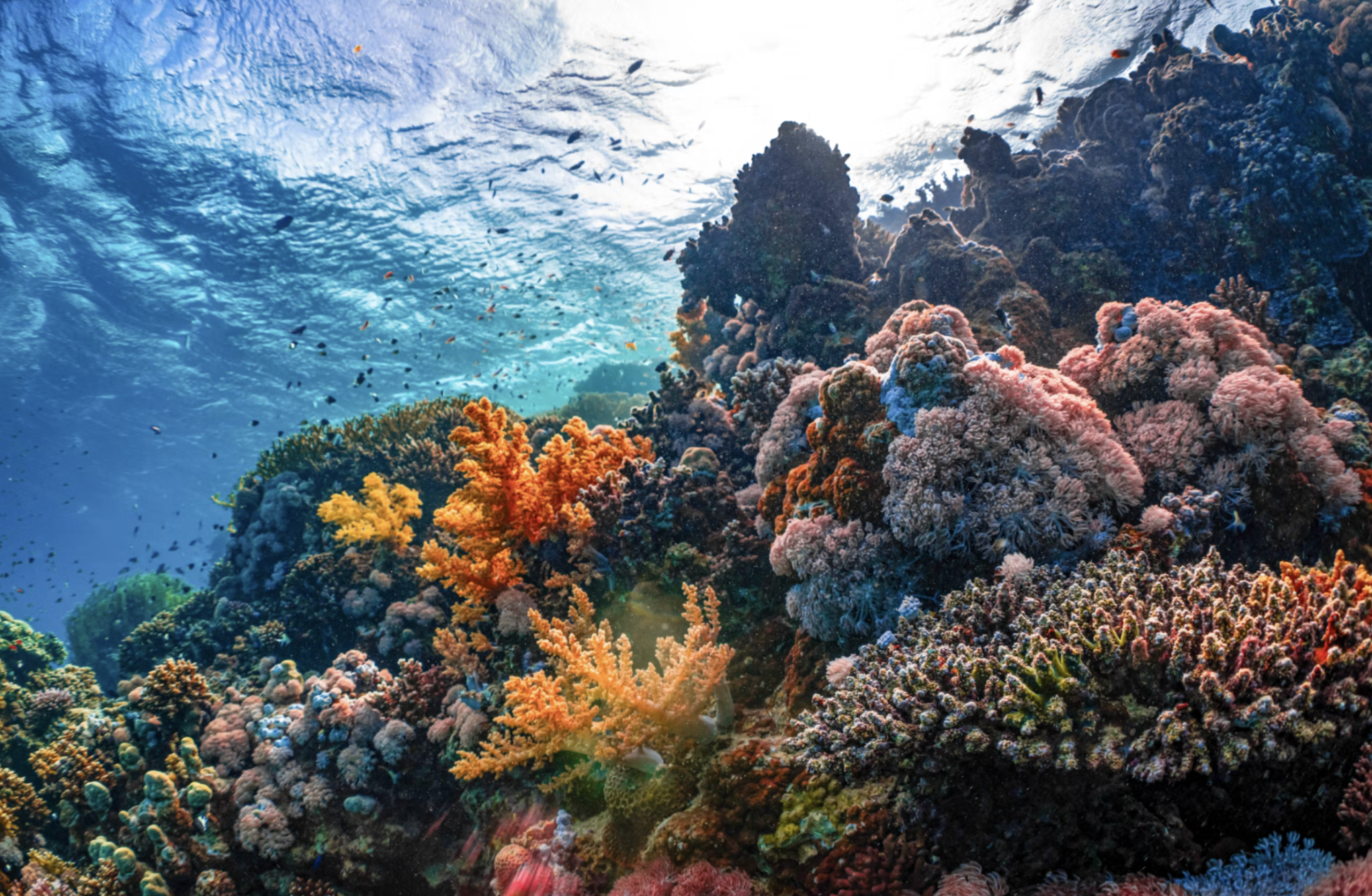
Colorful coral reef. NEOM. Unsplash.
Coral reefs are among the most diverse ecosystems on Earth, housing approximately 25% of all marine species. They provide food, shelter and breeding grounds for countless fish and other marine life. Yet these fragile ecosystems have become endangered as pollution levels increase worldwide.
One of the most significant threats is plastic pollution. Every year, an estimated 11 million metric tons of plastic enter the world's oceans, where much of it eventually breaks down into tiny microplastics. These microplastics adhere to coral tissue, impairing coral growth and damaging their overall health. According to scientists at the Environmental Protection Agency, microplastics can damage corals by “preventing them from capturing prey or causing them to lose precious energy removing microplastics from their surface.”
Larger pieces of plastic also pose a danger. Plastic bags, discarded fishing gear and other debris can become entangled in coral reefs, blocking the sunlight they need to survive. Becoming draped in plastic makes reefs 20 times more susceptible to disease.
Yet it’s not just physical waste that is accelerating the decline of coral reefs around the world. Agricultural runoff and chemical pollution also cause significant harm to coral reefs.
Agricultural runoff refers to water that flows from farmland into lakes, streams and even the ocean. During this journey, the water picks up animal waste, pesticides and fertilizers, which it then introduces into the ocean. This has several harmful effects on coral reefs. Most notably, the excess nitrogen and phosphorus found in fertilizers fuel algal blooms. Algae feed on these nutrients, which causes them to reproduce and grow rapidly. In severe algal blooms, sunlight can’t penetrate, contributing to coral decline.
Additionally, the chemicals used in pesticides can be highly toxic to marine creatures, coral included. They can disrupt food chains and can trigger coral bleaching, a stress response in which corals expel the algae living in their tissues.
Australia’s Great Barrier Reef, for example, is significantly impacted by agricultural runoff. With over 70% of the land that drains into the reef used for agriculture, the reef’s water now contains excess sediment and particulate nitrogen. These conditions have placed additional stress on the reef, making it more vulnerable to bleaching.
Ultimately, the pollution of coral reefs doesn’t just impact marine organisms but coastal communities as well. Healthy reefs provide essential benefits to those who live near them, such as protecting shorelines from storms and supporting fishing and tourism industries.
In fact, coral reefs generate billions of dollars each year through tourism and fisheries, making their preservation important not just for marine life but also for people around the world. By protecting coral reefs from pollution, we can help preserve one of the planet’s most valuable ecosystems.
GET INVOLVED:
Support eco-certified coral reef tour operators. Use reef-safe, mineral-based sunscreen. Swap from single-use plastics to more sustainable alternatives. Help repair the Great Barrier Reef through a donation to the Great Barrier Reef Foundation.

Cove Johnson Rabidoux
Cove is an English student at the University of California, Los Angeles. Her writing can be found in the Daily Bruin, The Teen Magazine, Piece of Cake Magazine, and other publications. In her free time, she enjoys reading and traveling.