
By Tiffany Chan
From family-run yurt camps to felt-making workshops, locally led tourism is bringing income to rural Kyrgyzstan while connecting travelers with traditions communities are working to sustain.
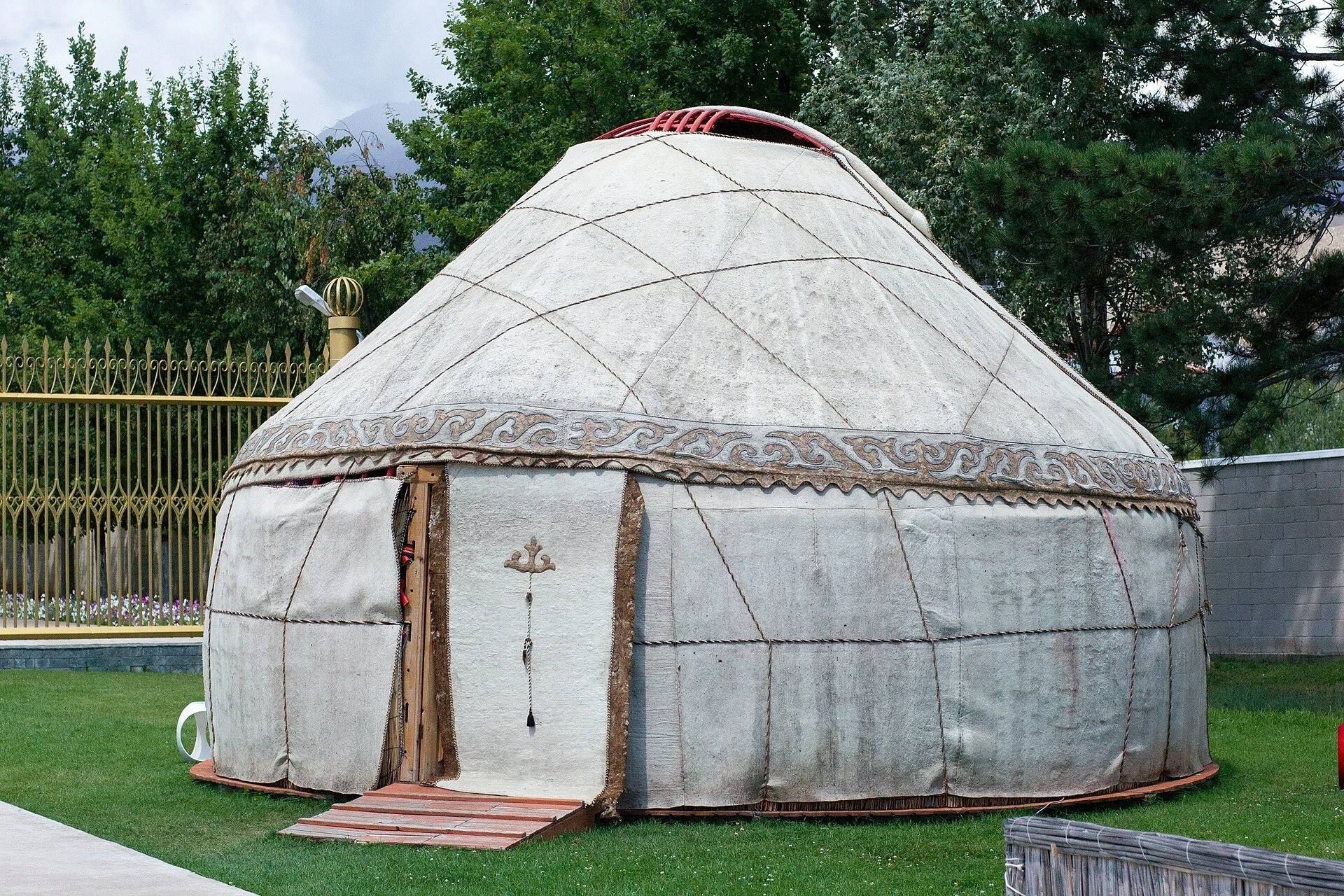
Kyrgyz yurt surrounded by mountains in Kyrgyzstan. Vilya Shoni. CC BY 4.0.
In the village of Jeti-Oguz in northeastern Kyrgyzstan, travelers can do more than purchase a piece of traditional feltwork. They can work alongside local craftswomen, felt wool and help assemble a yurt. For Gulbara Shadakova, a guesthouse owner and leader of a local handicraft group, these experiences have turned skills rooted in Kyrgyz nomadic culture into a source of income for women in her community.
Shadakova’s work reflects a broader approach to travel development across Kyrgyzstan: community-based tourism, a model designed to give local residents a greater role in providing accommodations, guides and cultural experiences. By relying on locally provided resources, the model can direct tourism income toward local families while creating economic value around traditions that have been passed down through generations.
Tourism Rooted in Local Communities
Kyrgyzstan’s community-based tourism initiative formally began in Kyrgyzstan in 2000, according to CBT Kyrgyzstan, an association connecting travelers with locally operated tourism services. Today, the organization says it works with 15 CBT community groups and more than 300 members across the country.
The organization’s model relies on local accommodations, food, guides, crafts and cultural traditions, and it’s goal is to improve living conditions in remote mountain communities while limiting harm to local culture and the environment.
For travelers, that can mean staying in a family-run guesthouse or yurt camp, hiring a local guide or learning a craft from the people who practice it. For host communities, these experiences can create income through skills, accommodations and cultural practices already rooted in community life.
From Yurts to Felt Carpets
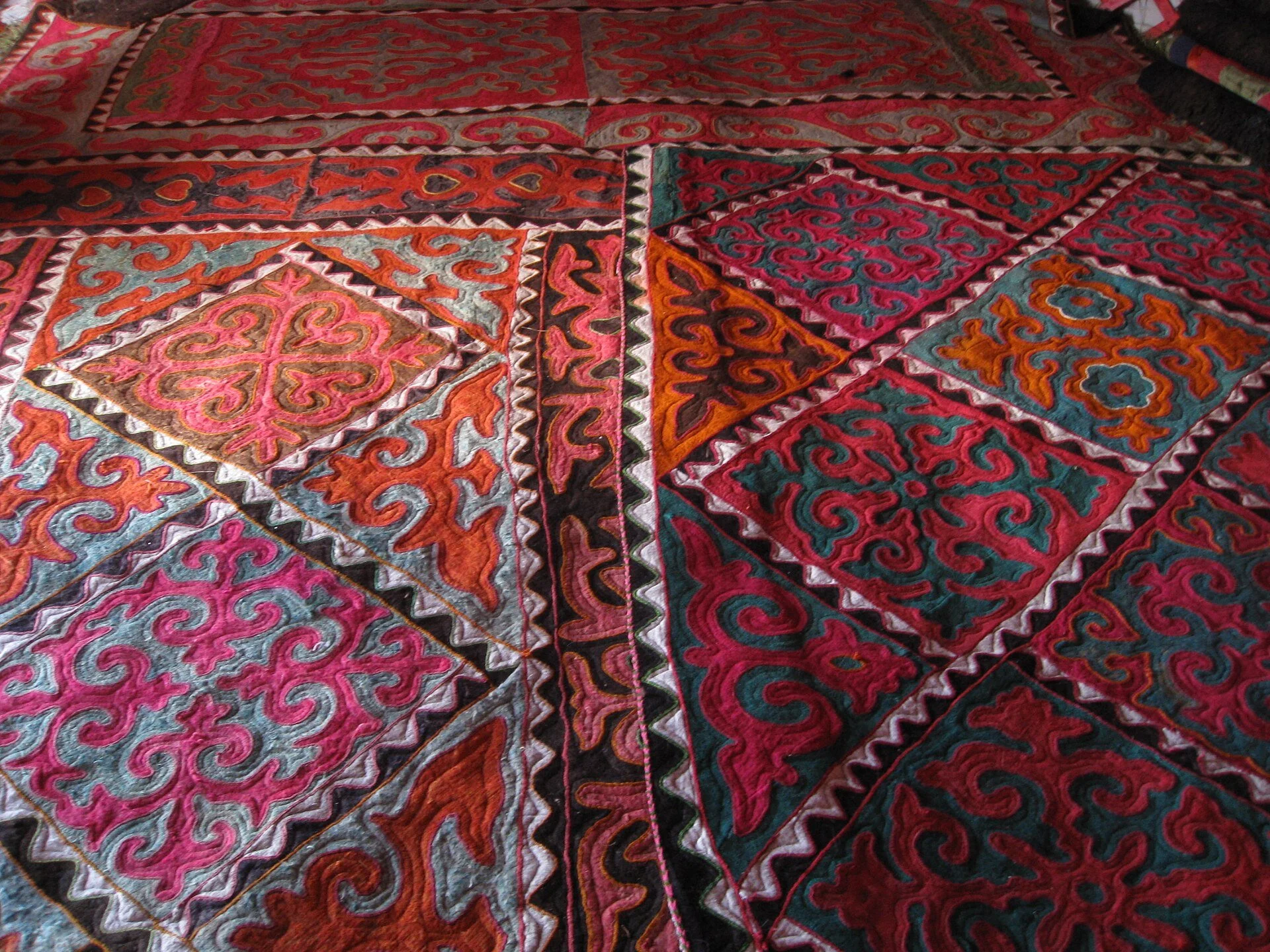
Traditional felt rugs inside a Kyrgyz yurt. Patrick Barry. CC BY-SA 2.0.
The yurt, a portable circular dwelling constructed from a wooden frame and covered with felt, has long been associated with nomadic life across Central Asia. The structure can be assembled and dismantled, allowing pastoral communities to move between seasonal grazing areas. In 2014, UNESCO inscribed the traditional knowledge and skills involved in making Kyrgyz and Kazakh yurts on its Representative List of the Intangible Cultural Heritage of Humanity, which it expanded to include Karakalpak traditions in 2025.
The craft involves different forms of specialized knowledge, from constructing the wooden frame to producing felt coverings and woven decorations. These skills are traditionally passed down through generations.
Another tradition faces a more uncertain future. The art of making kyrgyz ala-kiyiz and shyrdak felt carpets was placed on UNESCO’s List of Intangible Cultural Heritage in Need of Urgent Safeguarding in 2012. Traditionally used to decorate and insulate homes, the carpets carry patterns, production techniques and knowledge commonly transmitted from older women to younger family members in rural and mountainous communities.
UNESCO has identified several threats to the tradition, including a declining number of practitioners, reduced interest among younger generations, competition from inexpensive synthetic carpets and problems obtaining quality raw materials.
Tourism cannot resolve those challenges by itself. But when travelers pay local artisans for their work or participate in workshops run by practitioners, traditional skills can also become sources of economic opportunity.
When Cultural Knowledge Becomes a Livelihood
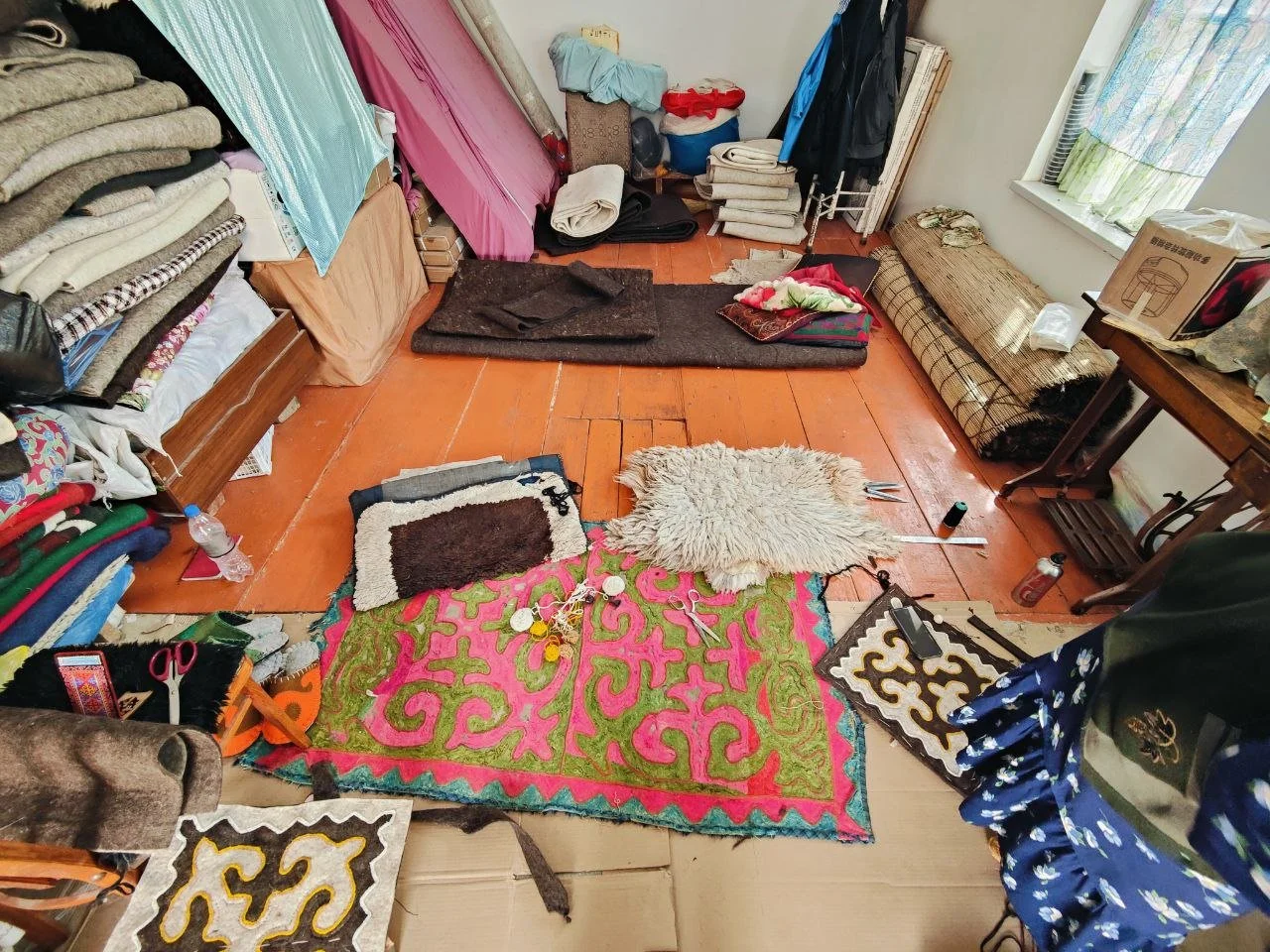
Shyrdak maker’s workshop in Kochkor, Kyrgyzstan. Adamboluu. CC BY-SA 4.0.
Shadakova’s work in Jeti-Oguz offers one example.
After working with travelers, she noticed demand for locally produced handicrafts that the community was not fully meeting. With other craftswomen, she developed experiences in which visitors participate in felt-making and yurt assembly.
“Tourists are not just looking for a souvenir; they are looking for an experience,” Shadakova told the United Nations Development Programme. “The yurt has become our living workshop, where tradition meets modern tourism.”
Her story is not unique.
In Kyrgyzstan’s southern Alay district, craftswoman Gulbarchyn Madraimova turned her felt-making skills into a small tourism business after selling a handmade shyrdak to buyers from Germany. She later established the Barchyn yurt camp. By 2024, her business included six yurts and provided permanent employment to five women, with additional workers joining during the summer tourism season.
Farther south in Sary-Mogol, Abdyrazak Nyshanov began the Pamir Nomad Yurt Camp near Lake Turpar-Kul with three yurts more than a decade ago. The enterprise grew into a larger locally run tourism business, illustrating how accommodations rooted in regional traditions can also create economic opportunities in remote areas.
These examples point to a potential benefit of community-led tourism: residents are not only the subjects of a travel experience but can also become its business owners, guides, hosts and artisans.
Preservation or Performance?
Tourism, however, does not automatically preserve culture.
As demand for cultural experiences increases, traditions can be altered or simplified to match travelers’ expectations. Increased visitation can also place pressure on landscapes and communities. A yurt camp operated by local residents is therefore not inherently sustainable simply because it incorporates traditional architecture.
The question of who controls the experience and who receives its economic benefits matters.
When communities decide how their traditions are presented, employ local residents and sell crafts directly to travelers, tourism has greater potential to support local livelihoods. Travelers can contribute by choosing locally owned accommodations, hiring community guides, buying directly from artisans and treating cultural activities as opportunities for exchange rather than performances created solely for visitors.
Kyrgyzstan’s yurts, felt carpets and pastoral traditions existed long before travelers began seeking them out as experiences. Community-based tourism cannot guarantee their preservation. But when tourism places economic value in the hands of the people who hold that knowledge, it can provide another reason for traditional skills to remain viable, and another setting in which they can be practiced and passed on.
GET INVOLVED:
Travelers interested in community-led experiences can learn more through CBT Kyrgyzstan, which connects visitors with community tourism groups, locally operated accommodations, guides and cultural experiences around the country.
UNESCO’s Intangible Cultural Heritage program provides information about Kyrgyzstan’s living cultural traditions, including yurt-making and the safeguarding of ala-kiyiz and shyrdak felt-carpet making.
UNDP Kyrgyzstan supports rural entrepreneurship, traditional craft development and sustainable tourism initiatives in communities across the country.

Tiffany Chan
Tiffany is a senior at the University of California, Berkeley, studying Psychology and English. Fascinated by the complexities of human behavior and the stories that connect people across cultures, she finds inspiration for her writing in the people and places she encounters. Her love of travel has taken her from a semester abroad in Rome to solo adventures across Europe. A lover of poetry, live music, and vintage photobooths, she also enjoys partner-mode word games and sunsets by the ocean.