
By Cove Johnson Rabidoux
The infrastructure behind AI data centers is placing an unequal burden on Black communities.
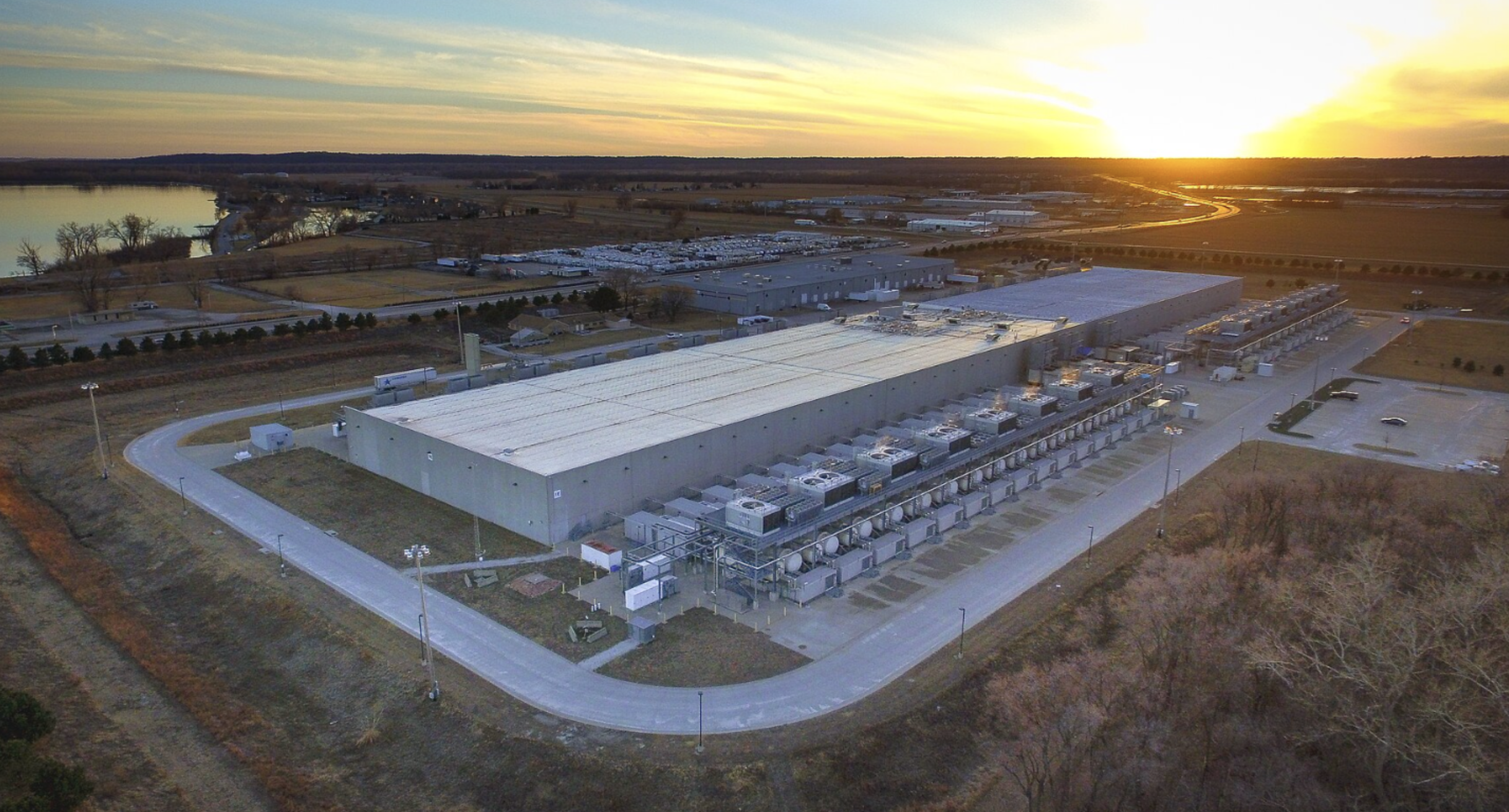
Google Data Center in Council Bluffs, Iowa. Chad Davis. CC BY 2.0.
Artificial intelligence seems to be everywhere now, from computers and glasses to grocery stores. Meeting these demands requires large amounts of data centers.
Data centers are physical facilities that house computer servers, data storage systems and networks. They connect to the internet and electricity grid to process data and power the digital services we use every day. Watching TV, scrolling social media and texting all require data centers.
However, with the rapid growth of AI, the size and demand of these data centers have significantly grown. And while data centers may seem like harmless buildings filled with computers, their construction can have serious consequences for the communities surrounding them.
In particular, large-scale data centers are increasingly being built in predominantly Black communities. According to the advocacy group MediaJustice, tech developers are disproportionately affecting rural areas and suburbs with large Black populations. In fact, one of the world’s largest data centers is located in Boxtown, Tennessee, a historically Black neighborhood founded by formerly enslaved people.
One of the biggest concerns people have with data centers such as these is energy consumption. Data centers require massive amounts of electricity to keep their servers running and cooled. When a facility is built, nearby communities face increased pressure on their electrical grids and, in some cases, higher utility costs.
This was the case for a Black resident in Virginia. After a data center was completed nearby, his utility bill increased nearly 200% in just one billing cycle. With no government support or legal protections, it’s residents who are forced to carry the financial burden of these facilities.
Increased electricity costs are just one of the problems. Data centers can also cause the health of nearby residents to deteriorate. Many facilities rely on diesel or natural gas generators, which contribute to poor air quality. So, it’s unsurprising that many residents face worsening breathing and asthma symptoms. A 2025 model predicts that by 2030, U.S. data centers could contribute to approximately 600,000 asthma cases and 1,300 premature deaths.
Austin Dalgo, a primary care physician near Boxtown, told TIME that “the xAI turbines are leading to a public health crisis in Memphis by releasing nitrogen oxides—pollutants known to directly harm the lungs.”
With asthma already disproportionately affecting Black people, the construction of data centers in Black communities only exacerbates this problem.
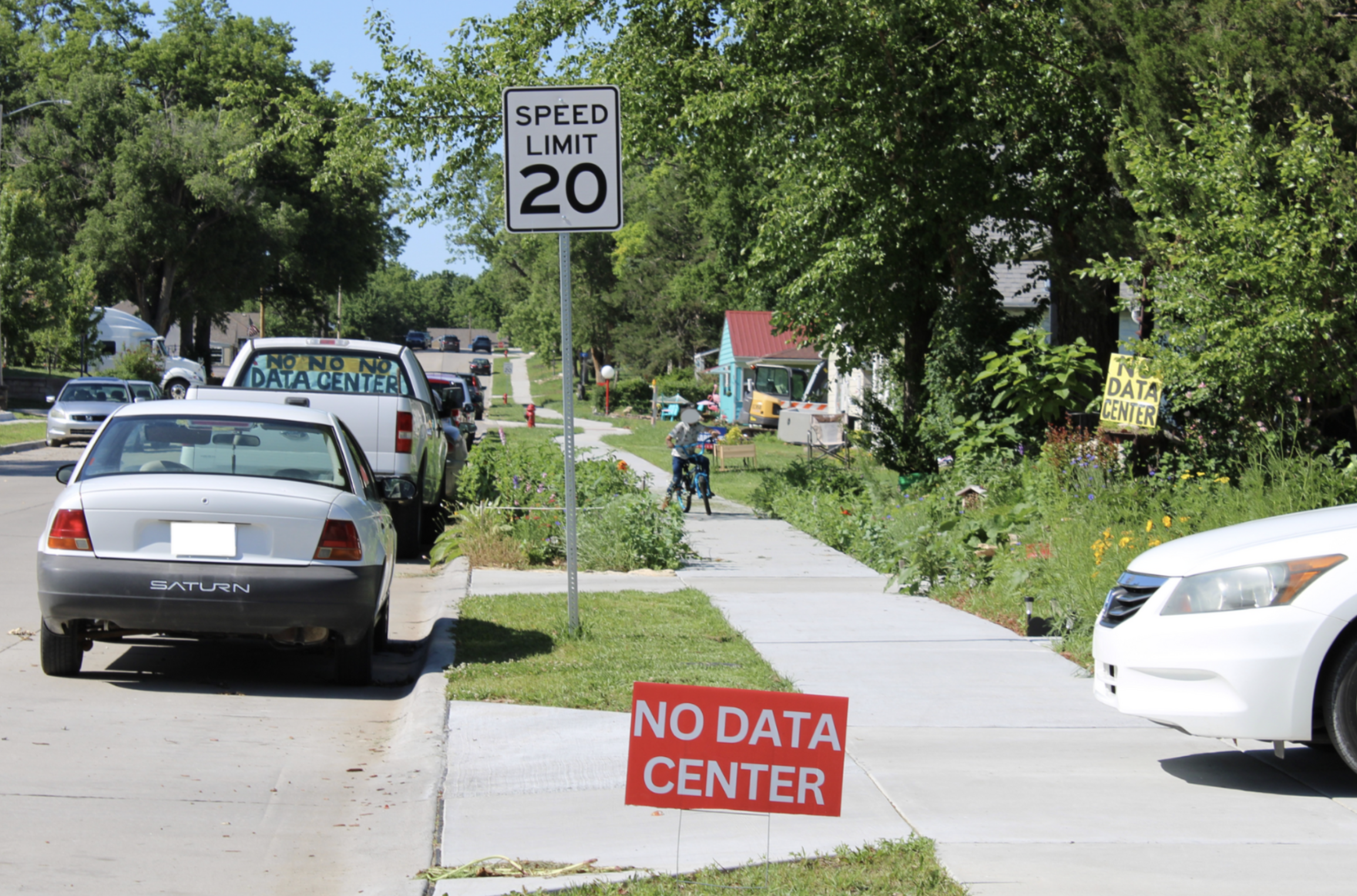
No Data Center Protest Signs. Catboy69. CC BY 4.0.
This raises an important question: Why are so many of these facilities being built in Black communities in the first place?
The answer is rooted in a much larger history of segregation and environmental inequality. Throughout history, Black communities have been treated as “sacrifice zones,” areas where industrial development is prioritized over any harm it may cause to residents. Environmental justice advocates argue data centers are the latest example of this pattern. Because they require enormous amounts of electricity, land and infrastructure, companies often seek out areas where large-scale development can happen quickly and cheaply.
But residents aren’t just sitting back. Across the country, communities have begun organizing against the construction and expansion of large-scale data centers. In Boxtown, for example, residents and environmental groups have protested xAI’s facility, calling for greater transparency and stricter pollution controls.
Similar opposition has emerged elsewhere in the South. In South Carolina, environmental activist Paul Black told Capital B News, “People are rallying because this is an existential threat to their community.”
GET INVOLVED:
Sign Color of Change’s petition demanding justice for Black residents near data centers. Write to congressmembers asking them to pass the AI Data Center Moratorium Act. Sign the NAACP’s petition to hold xAI accountable. For more information on the harms of data centers, read MediaJustice’s “The People Say No: Resisting Data Centers in the South” report.

Cove Johnson Rabidoux
Cove is an English student at the University of California, Los Angeles. Her writing can be found in the Daily Bruin, The Teen Magazine, Piece of Cake Magazine, and other publications. In her free time, she enjoys reading and traveling.