
By Carol Khorramchahi
Ethiopia is trying to move beyond refugee camps by letting Sudanese families work, study and rebuild lives interrupted by war.
People walk through Qoloji IDP camp in Ethiopia. Oscar Omondi. Unsplash.
Sudan’s war is usually told through numbers. More than two years of fighting between the Sudanese Armed Forces and the Rapid Support Forces have created one of the world’s largest displacement crises, pushing families from homes, schools, farms and careers into camps and border towns. But for many Sudanese refugees, the next question is not only how they escaped. It is what kind of life is possible after escape.
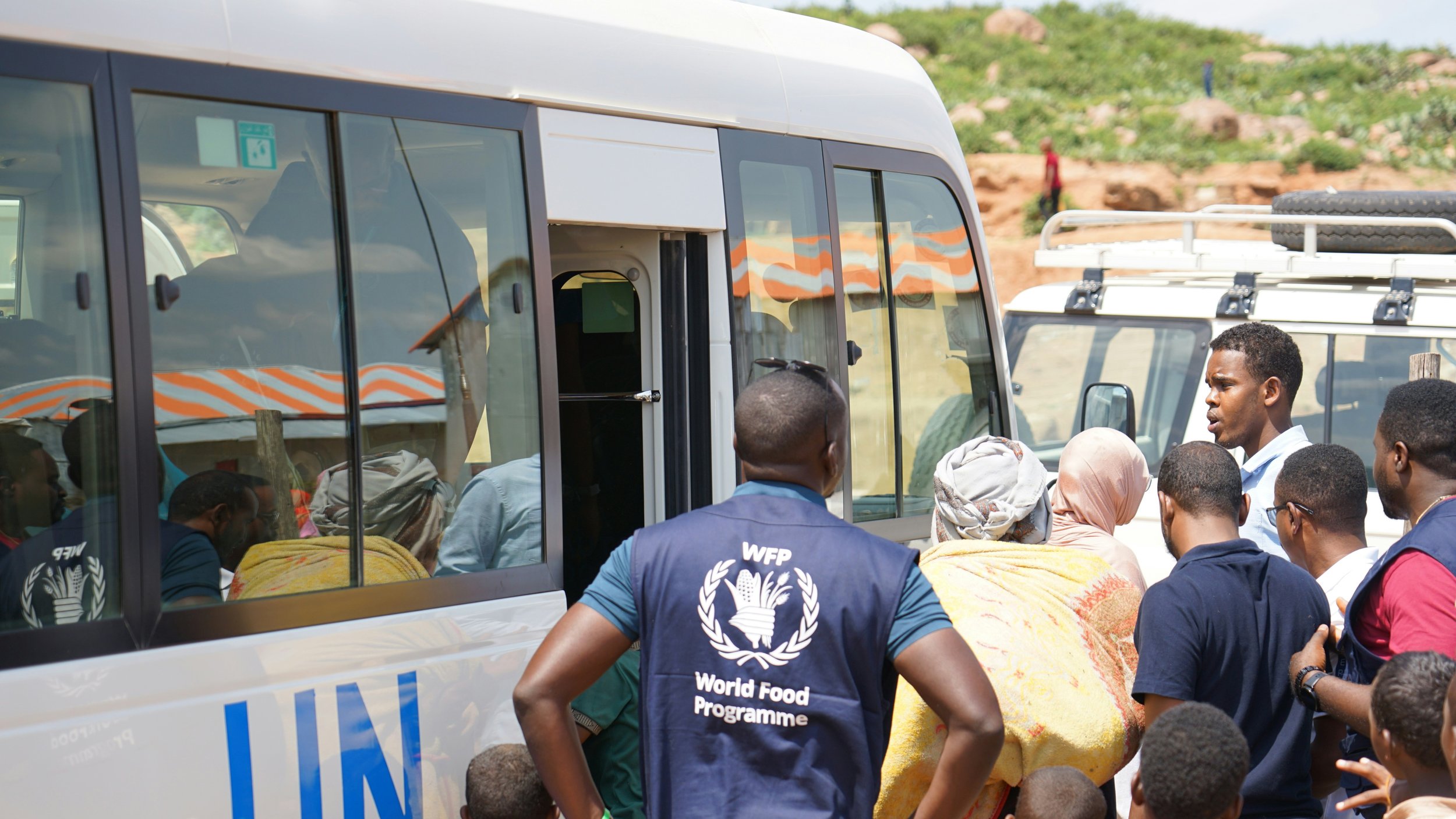
That question is now being tested in Ethiopia. The country hosts more than one millionrefugees and asylum seekers, many from Sudan, South Sudan, Somalia and Eritrea. Instead of treating refugees only as people waiting in camps for emergency aid, Ethiopia has begun promoting a model that would give them wider access to education, healthcare, work permits, bank accounts and freedom of movement.
The idea is called the Makatet Roadmap, a national plan launched in 2026 to shift Ethiopia’s refugee response from short-term humanitarian assisstance toward inclusion in national systems. That means refugees would not only receive food or shelter, but also have a clearer path to study, work, start businesses and become part of local economies. Ethiopian Finance Minister Ahmed Shide, described the roadmap as a move from “short-term humanitarian management” to a development model that treats refugees as contributors to national growth.
For Sudanese families, that difference matters. A refugee camp can offer safety, but it can also suspend a person’s life. A teacher becomes someone waiting for registration. A doctor becomes someone unable to practice. A student loses not only a classroom, but the path that classroom was supposed to open. The promise of Ethiopia’s new model is that displacement does not have to mean professional and educational collapse.
Some of that shift is already visible. UNHCR reported that Sudanese and Ethiopian children are studying together in the Ura refugee settlement, and that Sudanese refugees are beginning to rebuild livelihoods through local work and business. One Sudanese refugee, Ali, told UNHCR, “Business is getting better, and I don’t feel much difference from my status in Sudan [workwise].”
The plan also reflects a broader policy change. Ethiopia’s refugee law grants refugees the right to formal employment and business licensing, while a 2024 directive clarified how work permits and business licenses should be issued. In April 2026, Ethiopia’s Refugees and Returnees Service and IGAD held a national consultation on how to make those rights work in practice.
But the model is not a solution by announcement. Ethiopia is dealing with its own economic pressures, conflict and funding shortages. UNHCR warned in its 2026 Sudan Situation Appeal that Ethiopia’s refugee response was under severe strain, with emergency relief supplies cut sharply in 2025 because of funding gaps. Inclusion only works if schools have space, clinics have medicine, employers are willing to hire and host communities do not feel forgotten.
That is why Ethiopia’s experiment matters beyond one border. Around the world, refugee policy often traps people in waiting: waiting for aid, waiting for documents, waiting for resettlement that may never come. Ethiopia’s approach asks a different question. What if refugees were allowed to restart their lives where they are?
The answer is not simple, and it will depend on money, security and political will. But for Sudanese families who have already lost homes and years to war, the difference between a camp and a future is not abstract. It is work, school, movement and the chance to be seen as more than displaced.
GET INVOLVED:
Follow Sudan refugee response updates through UNHCR Ethiopiaand ReliefWeb’s Sudan regional crisis page Support education and livelihood programs through UNHCRand the International Rescue Committee For labor and work-rights programming, follow the International Labour Organization’s Ethiopia work

Carol Khorramchahi
Carol Khorramchahi is a student at Boston University, where she studies English and Psychology and minors in Journalism. She enjoys writing and reporting on stories that bring together culture, identity, and community, and has experience in both newsroom reporting and digital media. She is especially interested in thoughtful storytelling with a global lens.