#METOO




LATEST
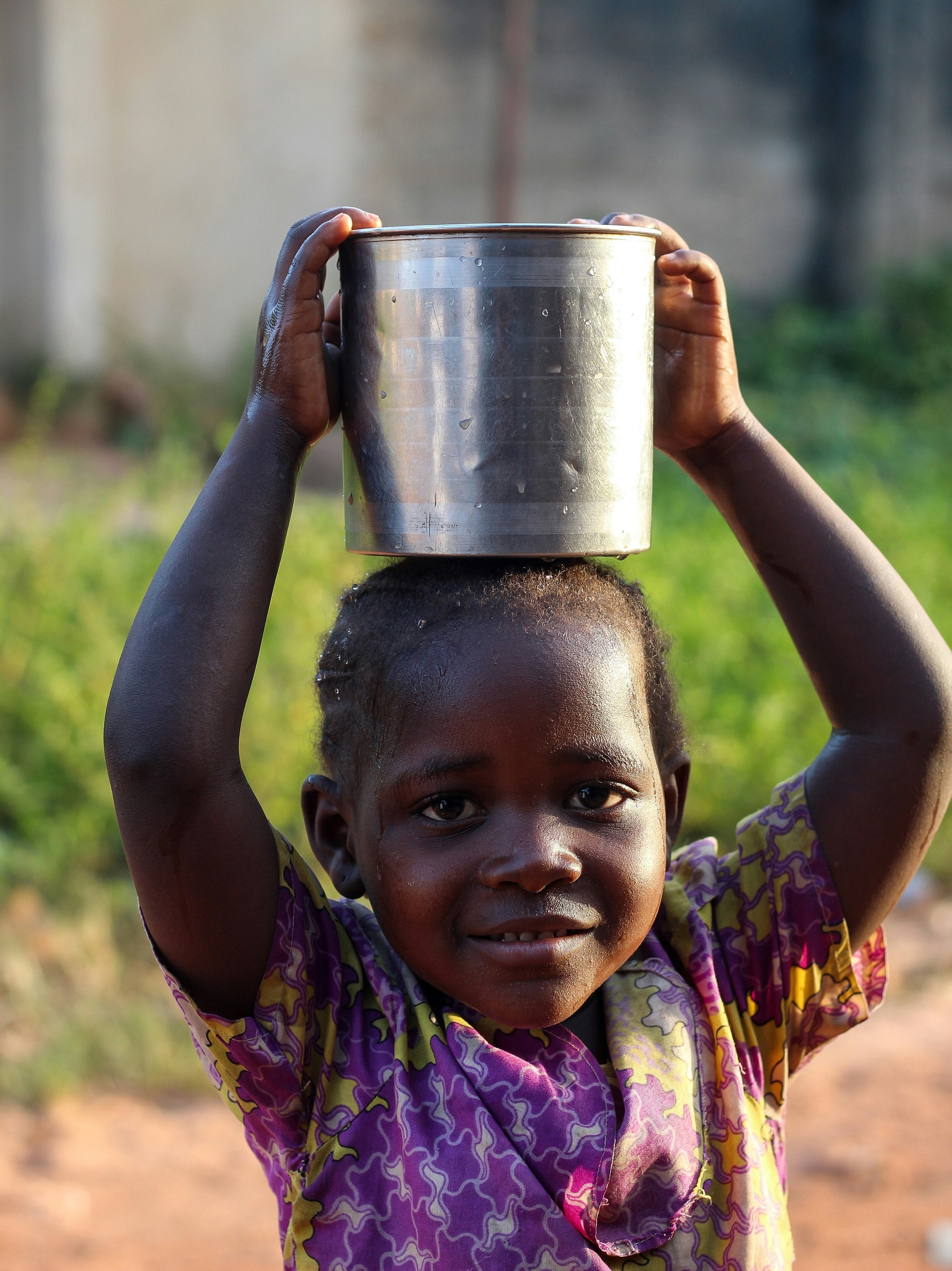
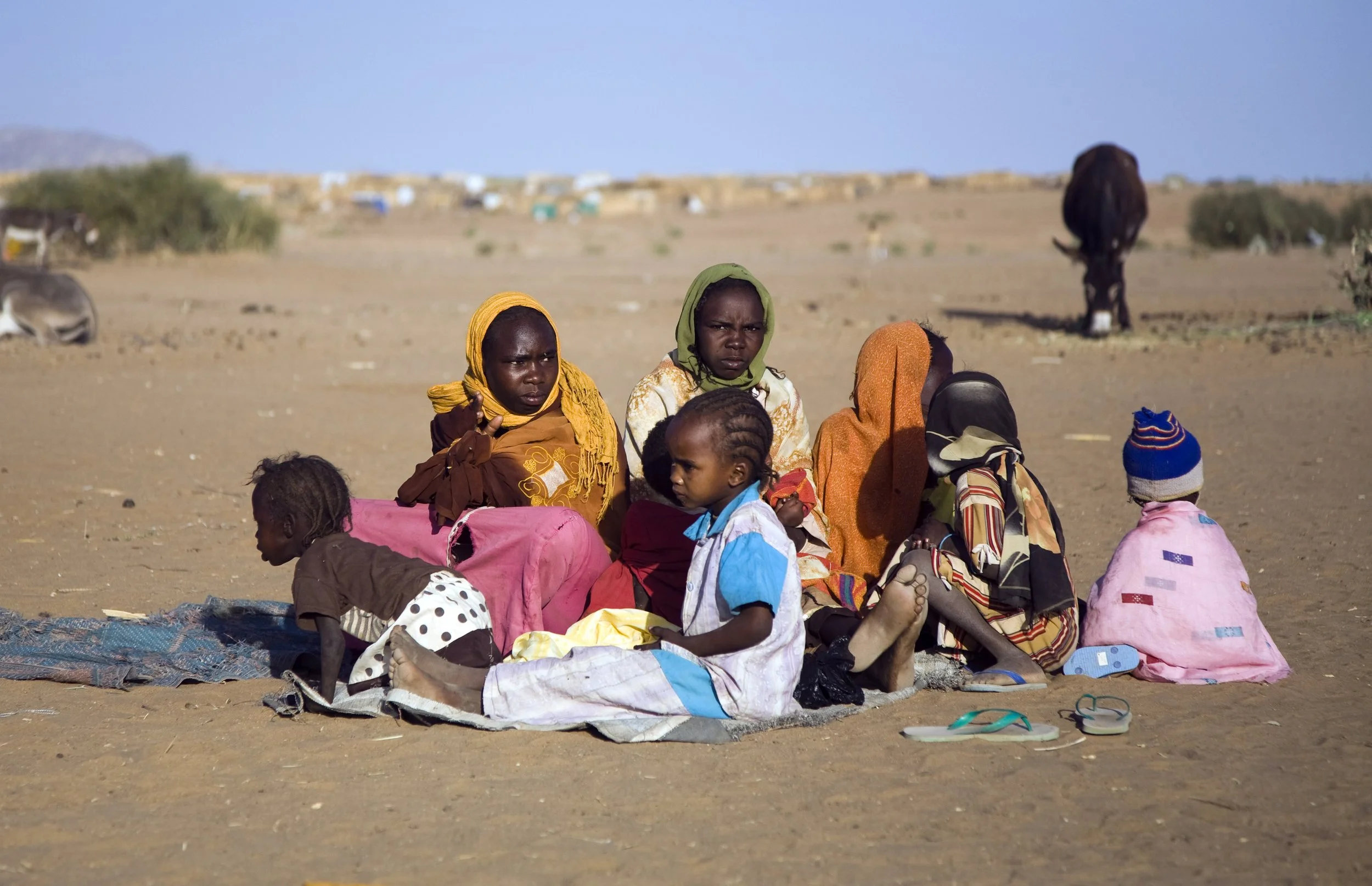
In climate-vulnerable communities across the Global South, disasters can push girls out of school and into adult responsibilities long before they are ready.

Across multiple Asian countries, young men and women are increasingly diverging in their views on gender roles, equality and relationships.
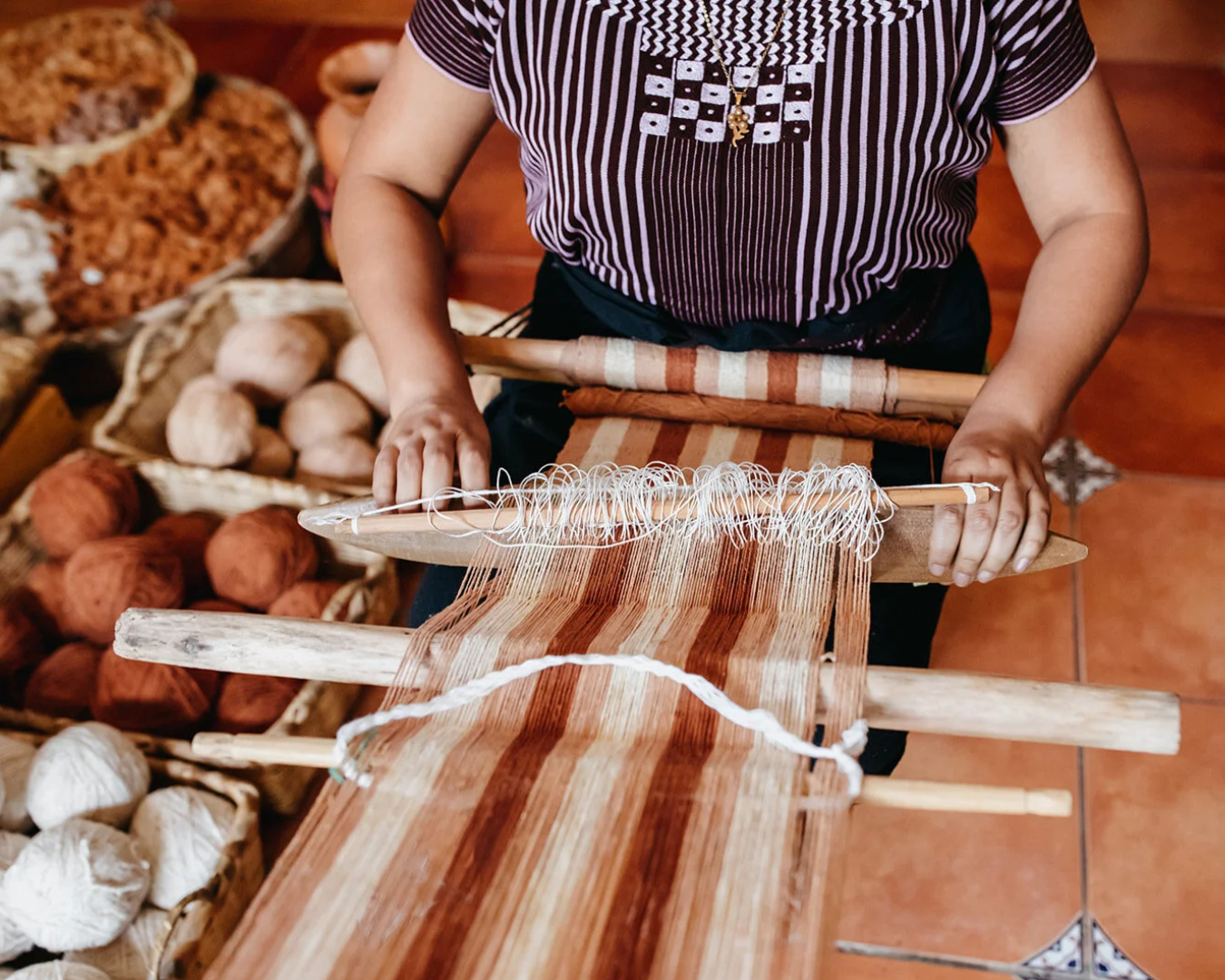
Guatemala’s Casa Flor Ixcaco Weaving Cooperative supports women through traditional textiles, financial independence and access to education.

Fear of arrest in Herat is keeping women out of public spaces and cutting deeply into local businesses.

Research shows domestic abuse reports can rise during major football tournaments, regardless of whether England wins or loses.
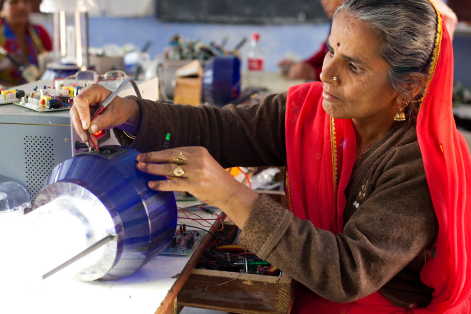
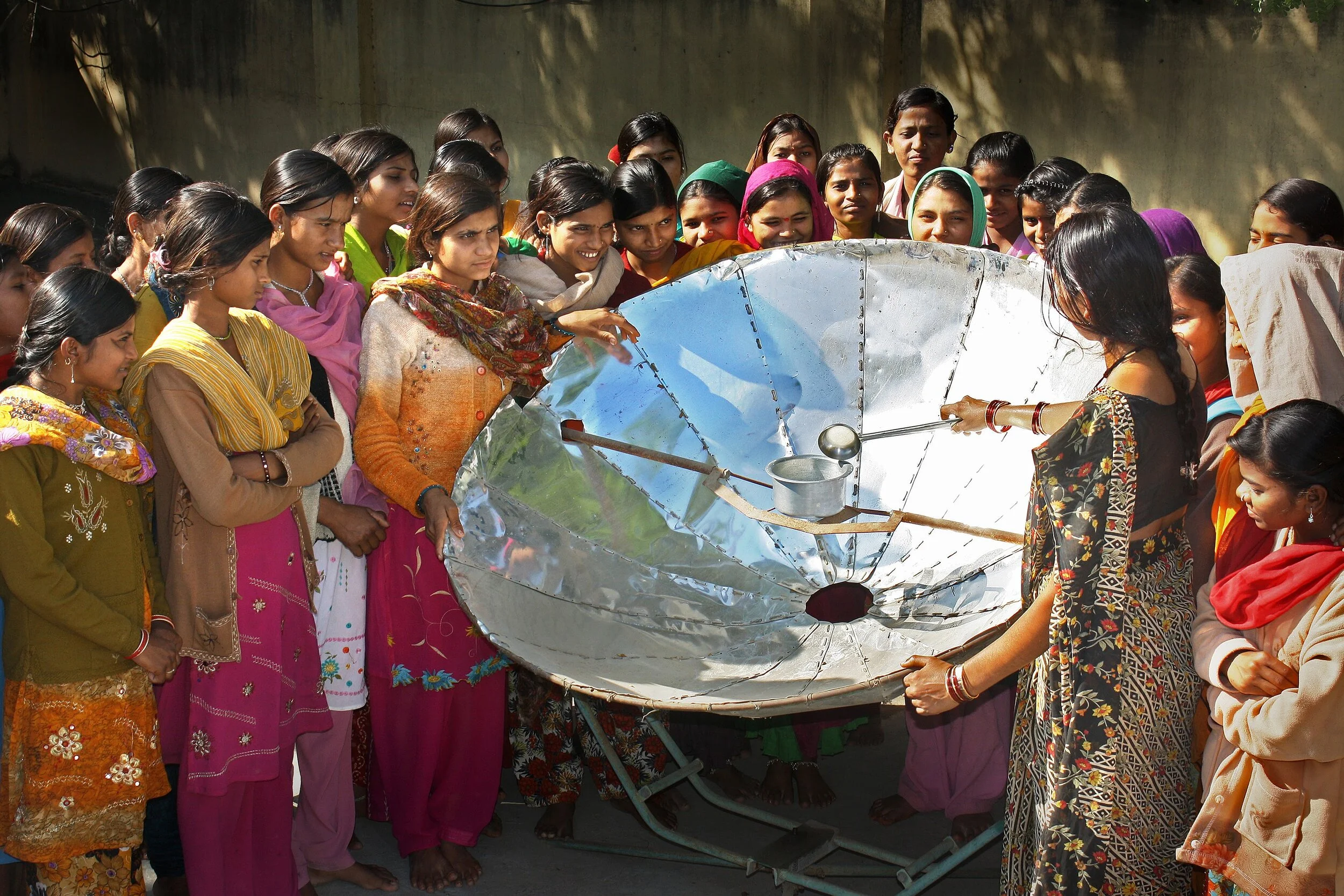
This college turns women who have never held a textbook into solar engineers who power entire villages.
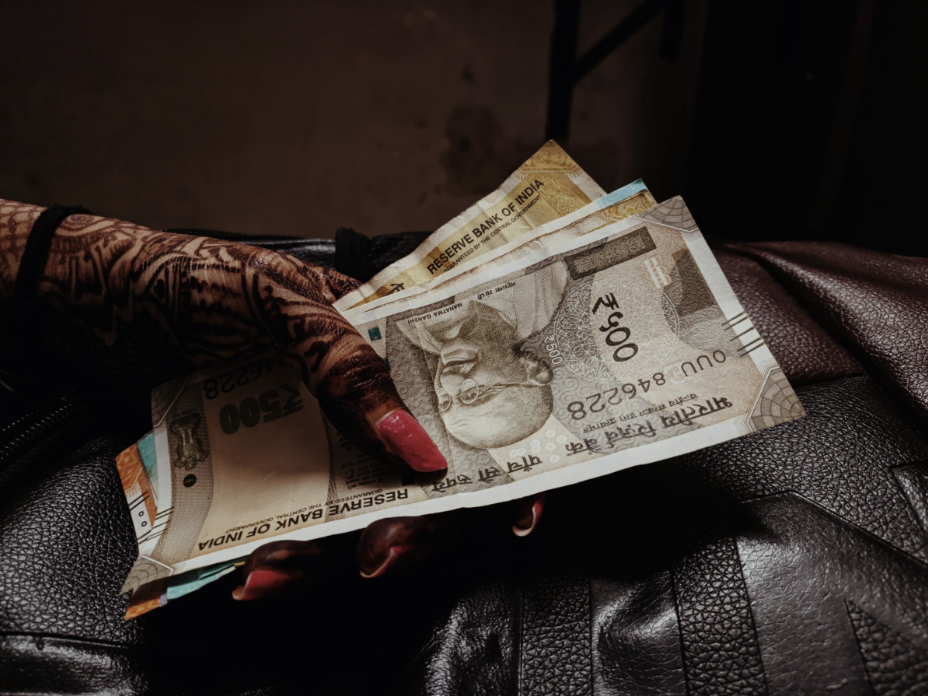
Despite continued legal action barring the practice, thousands of Indian women die each year as dowry-giving practices evolve.
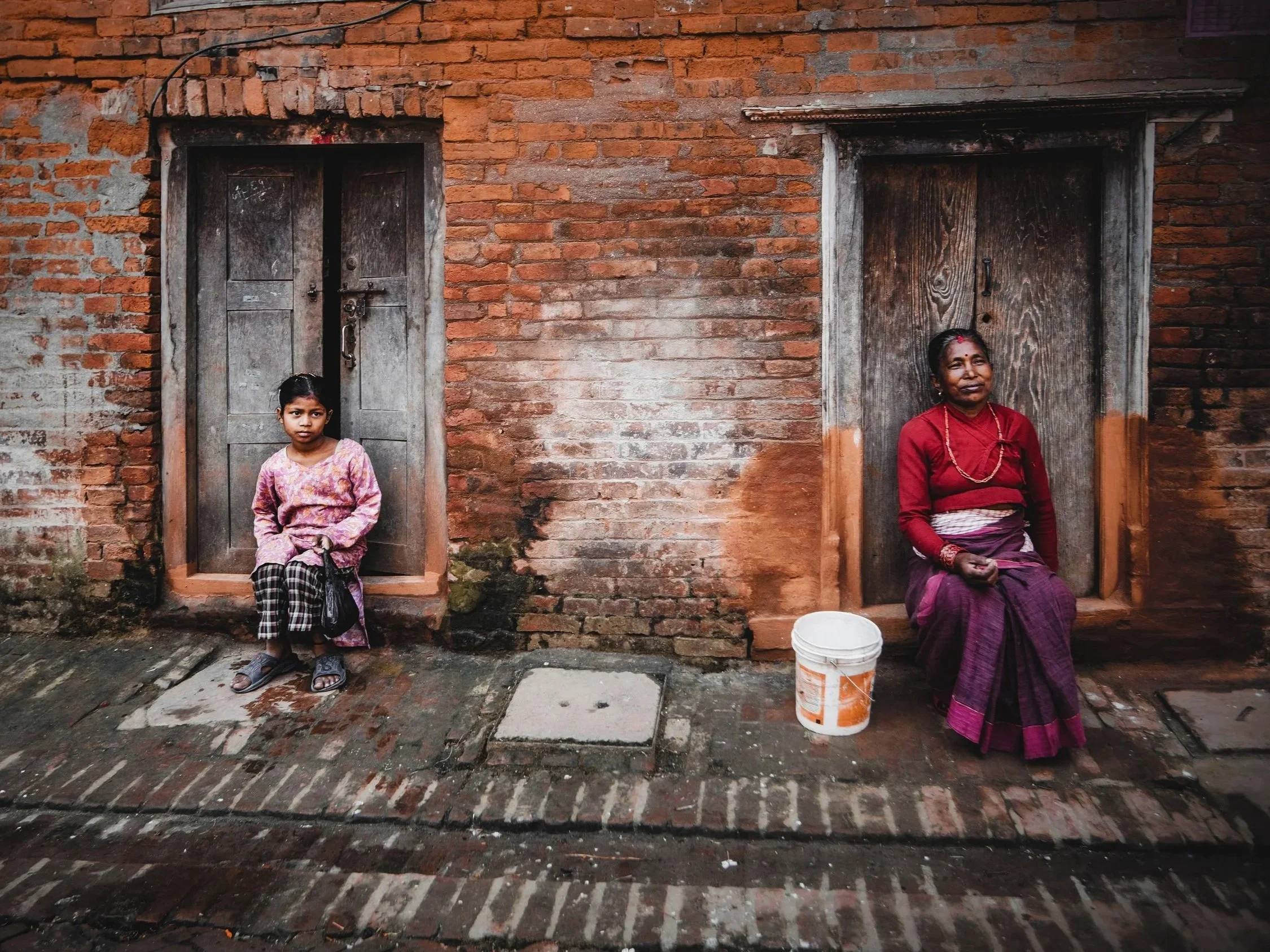
In rural western Nepal, women-led organizations are fighting intense menstrual stigma through reusable pads and education initiatives.
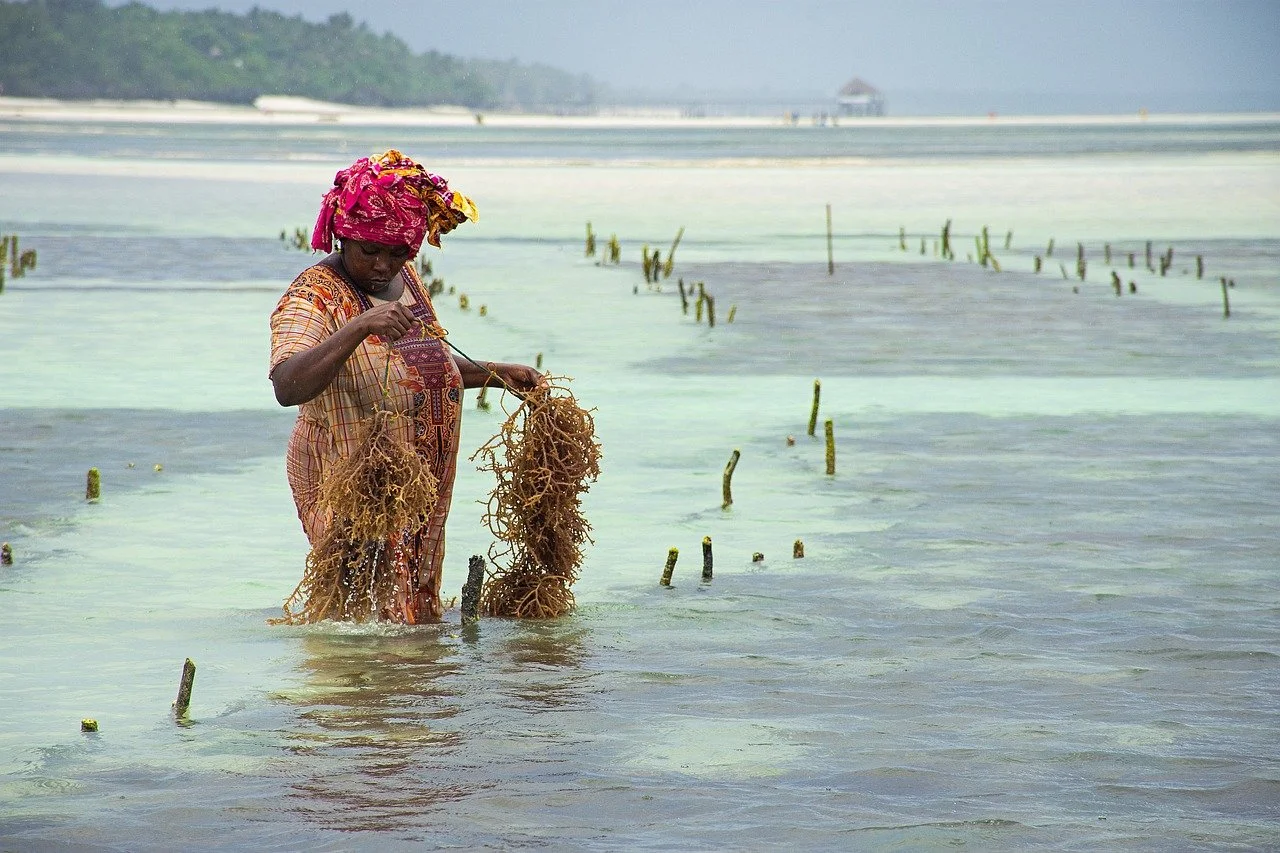
Women in Zanzibar are redefining the country’s narrative surrounding fishing and sustainability.
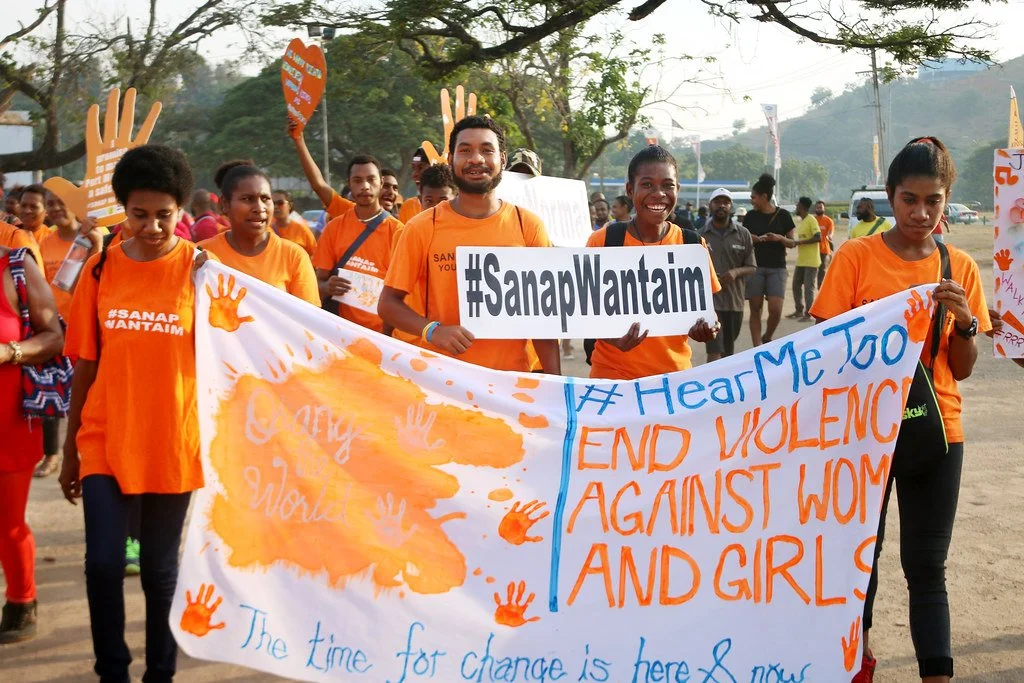
With exacerbated poverty rates post-COVID, Papua New Guinea continues to experience heightened gender-based violence and domestic abuse.
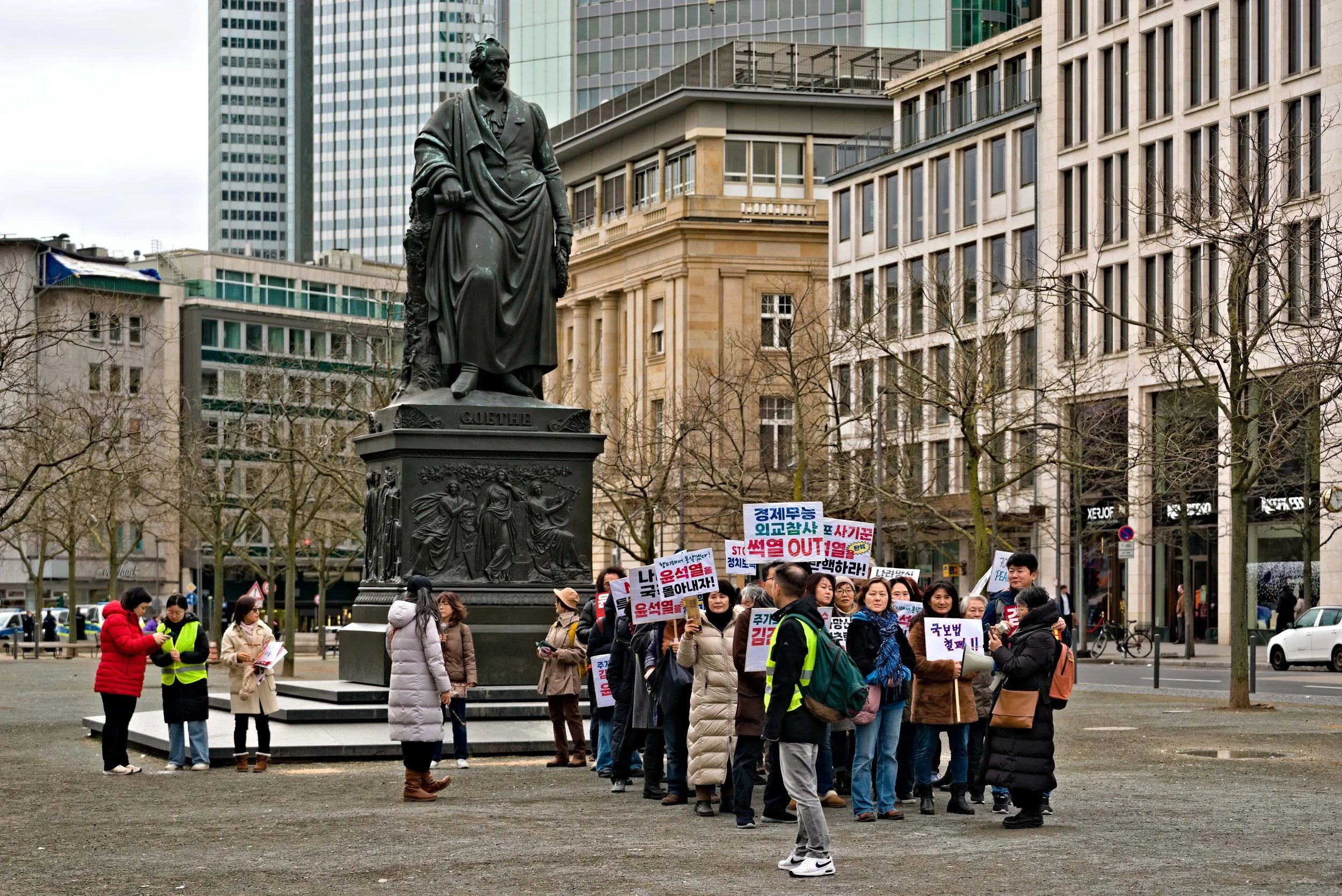
As South Korean women suffer under the inequality facilitated by traditional gender stereotypes, many call for change through feminist movements and passionate demands for political reform.
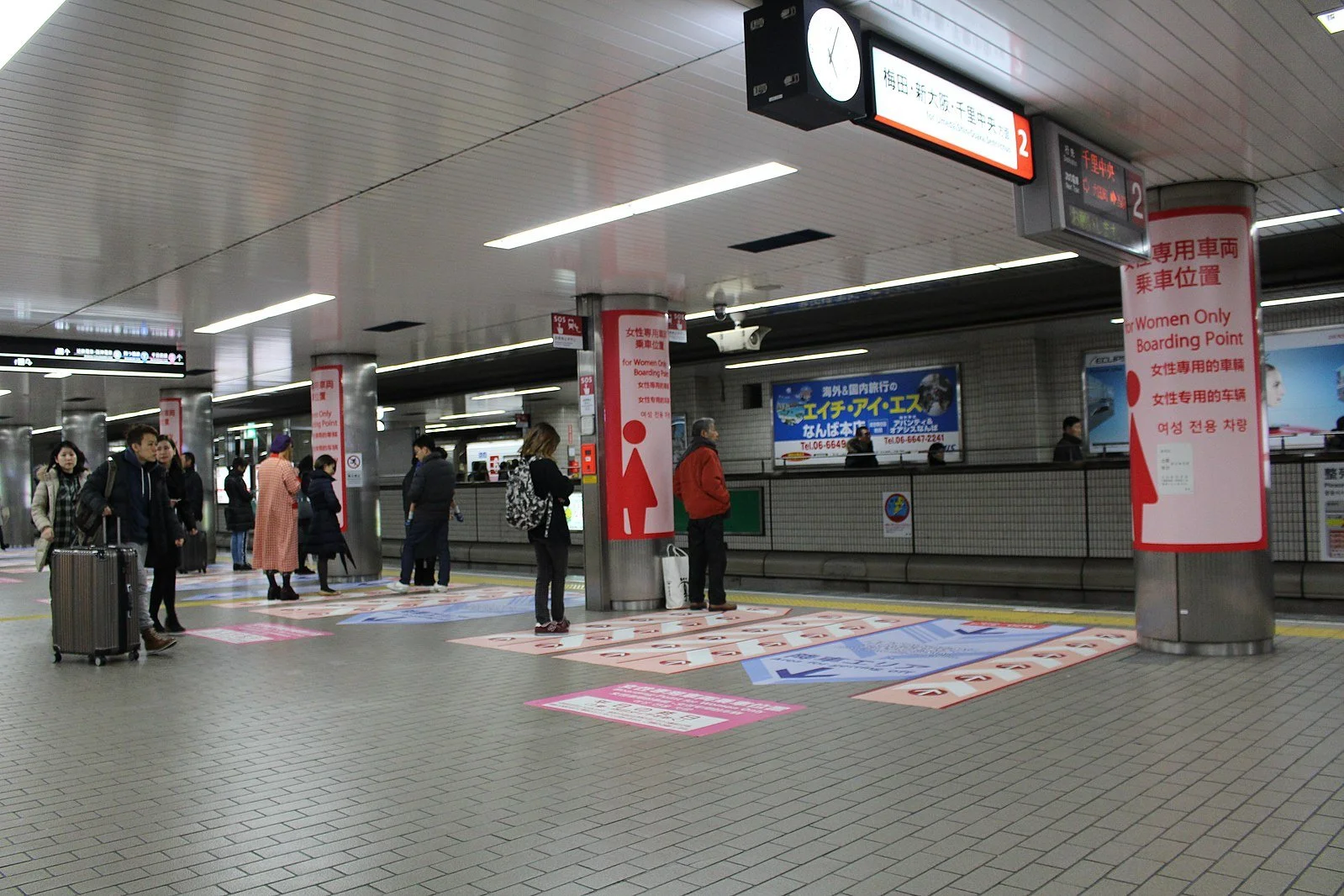
With the need to address transit safety and security, these pink-labeled train cars are Japan’s solution.
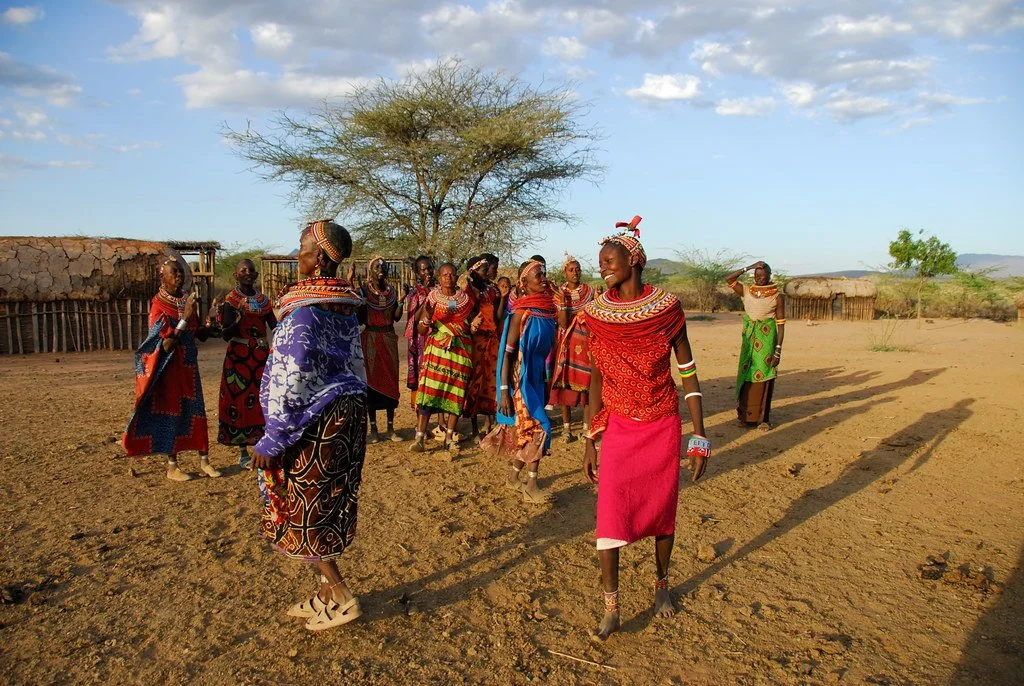
In stark contrast to male-dominated structures that found the majority of the world’s civilizations, several matriarchies continue to thrive, with women, rather than men, at the head of society.
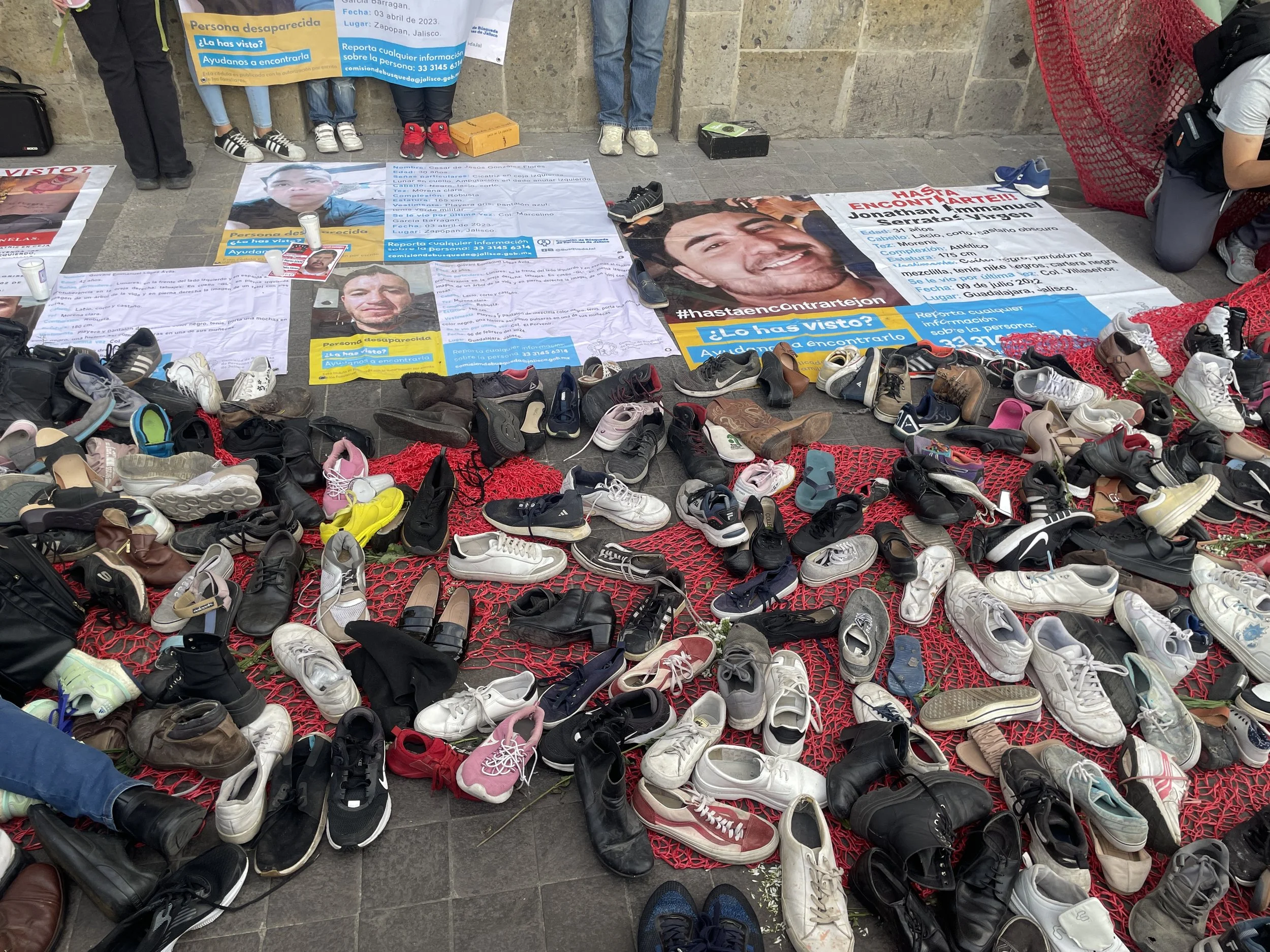
In response to drug cartel violence and lack of government action, the Madres Buscadoras, “searching mothers”, of Mexico have taken an imperative step forward in searching for their disappeared loved ones.

In the face of censorship and exile, Afghan women are creating new paths to keep their writing alive.
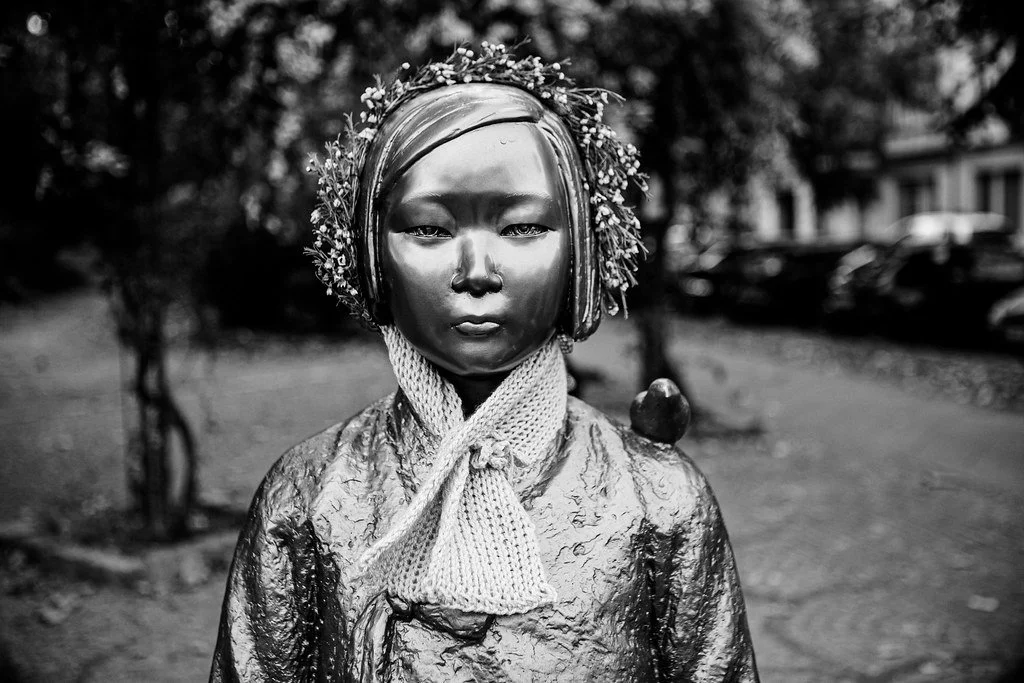
Thousands of women were forced to work in “comfort stations” during World War II and their persistent fight for justice continues today.
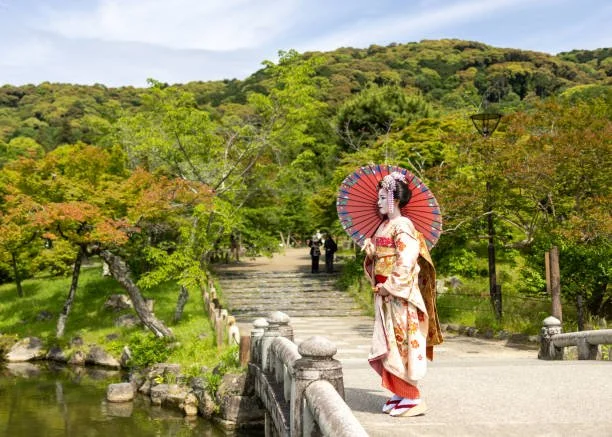
Japan’s geisha have survived war and the turn of the century — unruly travelers may be the dying art’s final blow.



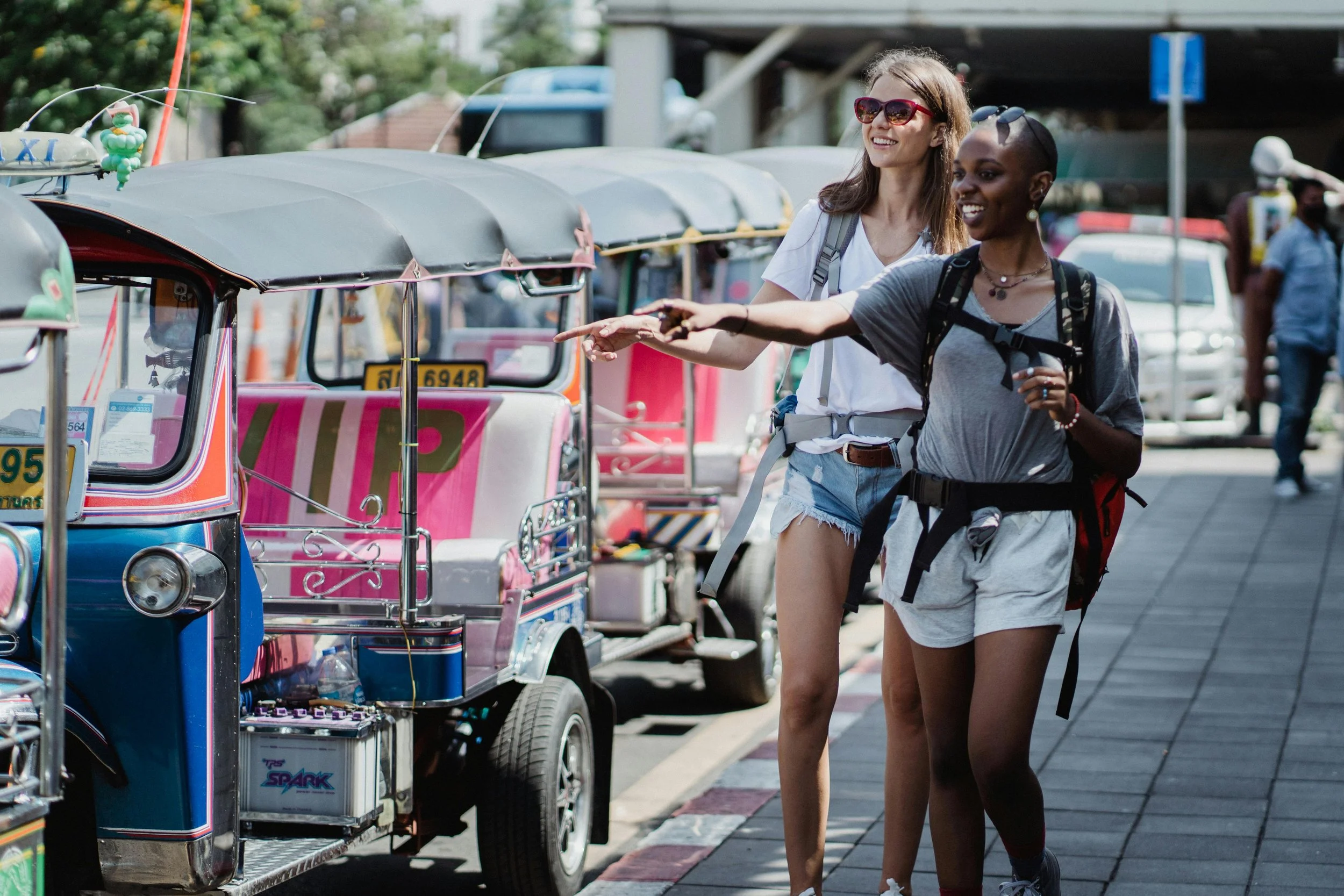
Women in Cambodia fight discrimination to become Tuk-Tuk drivers as global corporations, such as Uber and Lyft, implement initiatives to promote the safety of female and non-binary drivers and passengers.