
Julia Kelley
In stark contrast to male-dominated structures that found the majority of the world’s civilizations, several matriarchies continue to thrive, with women, rather than men, at the head of society.
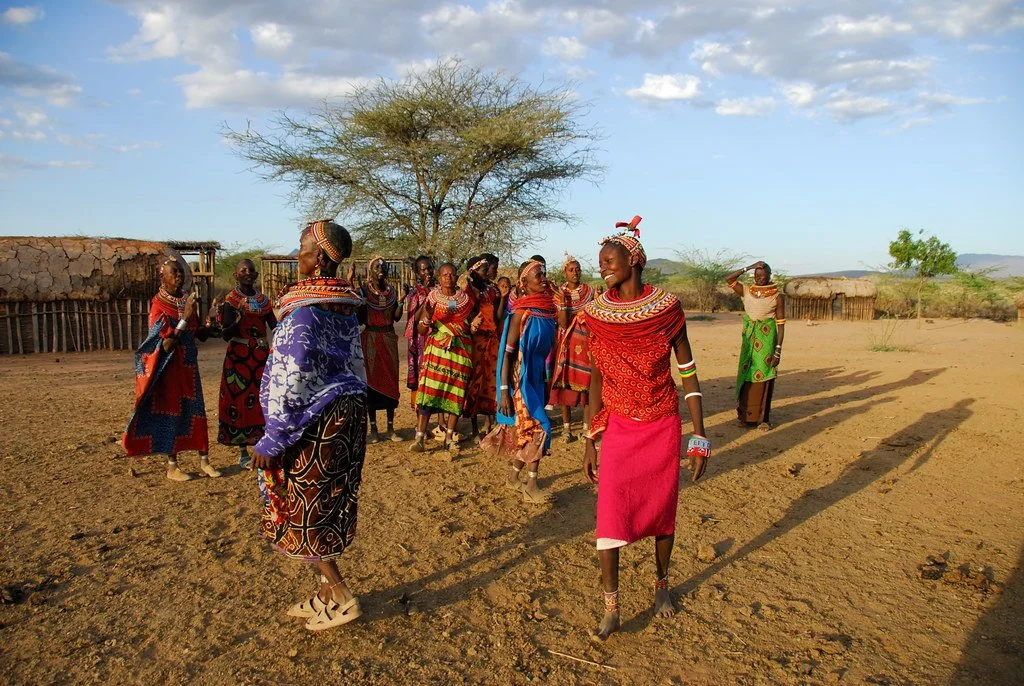
Umoja community members. Kate Cummings. CC BY-NC-SA 2.0.
Today, countries and communities around the world commonly follow patriarchal social systems, structures in which men hold the majority of control in various societal aspects, including government, economic affairs, being the heads of households and religious matters. Along with an unequal balance of power, this male-centered culture makes way for control and oppression over women, enabling gender inequality. However, throughout history, matriarchal communities have also existed worldwide, with women not only being leaders and holding power but also being worshipped and revered for their maternal characteristics. While thousands of years have led to societal reorganization and change, many matriarchal and matrilineal groups continue to prosper today. The endurance of these societies demonstrates that, in a time when inequality and oppression loom over women, their respect and power will not go away.
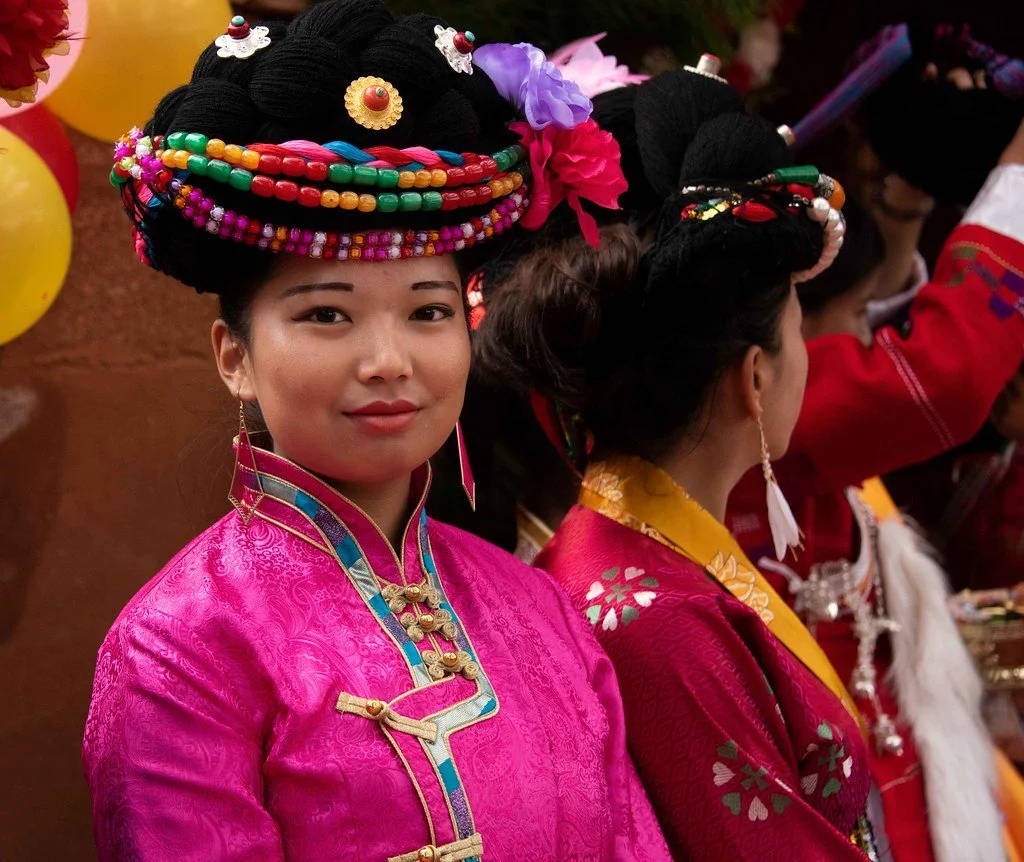
Mosuo women. Rod Waddington. CC BY-SA 2.0.
The Mosuo of China
Located in southwest China, the Mosuo people are a subgroup of the Naxi ethnic group in the Yunnan province. The community is unique for its cultural characteristics, including self-sufficient farming, a distinct oral language and belief in both Daba, a primitive animist religion native to the culture, and Tibetan Buddhism.
In this society, men and women are treated equally, with women being almost superior. In marriages, Mosuo children only belong to their mothers, as fathers live in their original matriarchal family homes. Moreover, rather than the typical version of marriage seen in the rest of the world, the Mosuo traditionally practice zouhun, also known as “walking marriages.” Following a coming-of-age ceremony, this custom entails Mosuo females choosing as many or as few lovers as they desire for their lifetime. During the “marriages”, women can invite men to their homes, where they stay the night in a “flower room” and leave at daybreak. Couples, however, do not live together, and it is common for women not to know who the father of their children is, as they are raised by the mother’s family instead. Although much of the societal power is held by women, men still play important roles, such as in economic or construction matters.
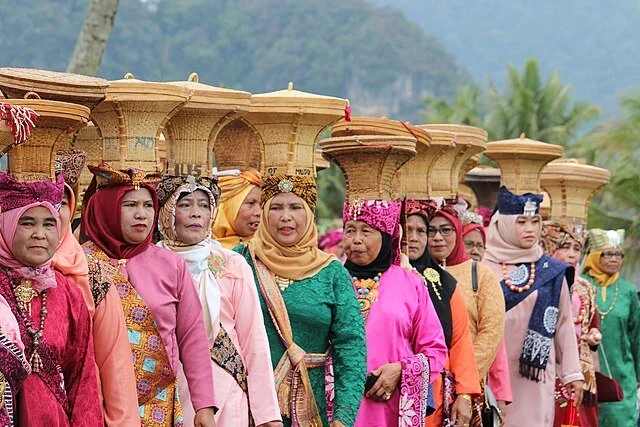
Line of Minang women. Bisma27. CC BY-SA 4.0.
2. The Minangkabau in Indonesia
In the highlands of West Sumatra, the Minangkabau people are an Indigenous ethnic group that has called Indonesia its home for centuries. They follow animistic beliefs and the Islamic religion, and the group is known as one of the world’s largest matrilineal societies. It sees children inheriting property through their mother’s lineage rather than through the male bloodline.
For the Minangkabau people, both men and women are seen as equals, and the women take part in many different areas of society, including trade, agriculture, banking and business. Moreover, women usually take on the role of breadwinners and are typically responsible for childcare, placing multiple responsibilities on them within the community. This matriarchal custom is founded on the group’s following of adat, or their nature-based philosophy. This system of beliefs emphasizes nurturing growth, particularly in practicing the maternal in daily life. As such, the Minangkabau glorify the Queen Mother, and maternal aspects are made the center and foundation of social order. For example, mothers control inheritance, men move into their wives’ households and women collect men’s belongings in marriage.
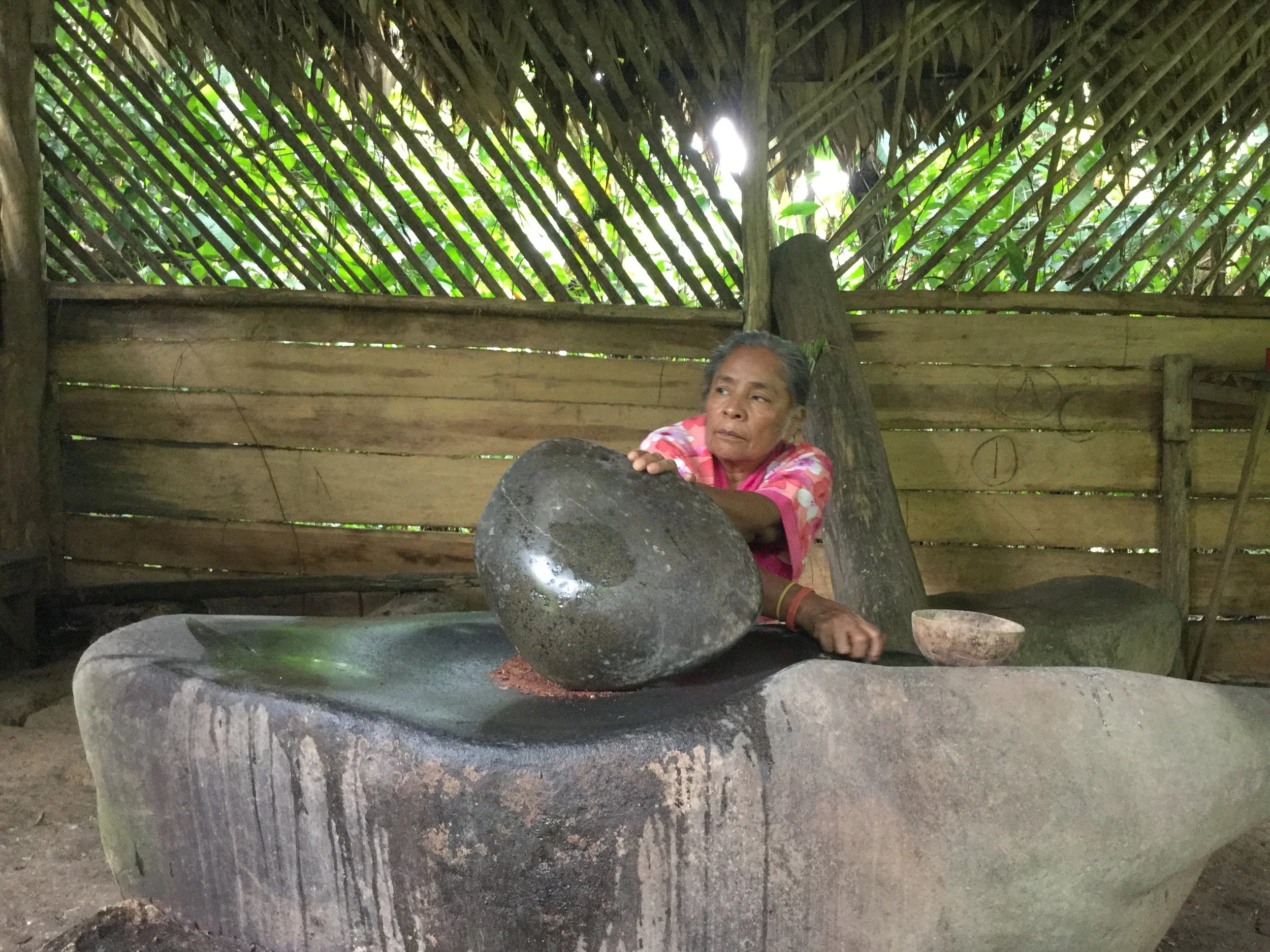
Bribri woman grinding cacao. Selva Chocolate. CC0.
3. The Bribri of Costa Rica
Home to Costa Rica along the border of Panama, the Bribri population is the largest of the country’s main eight indigenous groups. Along with their cultural emphasis on maintaining independence and self-sufficiency, the community has become known for its female empowerment and feminism.
In addition to the other groups on this list, the Bribri are a matrilineal society, and land is handed down from mother to daughter. According to ancestral practice, cacao is another integral part of this cultural practice; not only is it the center of their sacred rituals, but it also represents women in their worldview, the blood that ties life and death. Bribri women are the dominant producers of cacao in their region and are the only ones allowed to prepare sacred cacao drinks for rituals. In addition to this, marriage is optional, and women are the traditional heads of households, responsible for passing down the customs of their clan. They have also taken a primary role in ecofeminism, leading the fight against the use of any fossil fuels. For the Bribri, such natural qualities are considered living parts of Mother Earth, and to live a healthy life, it is best to be attuned to her energy, as she brings inspiration to women.
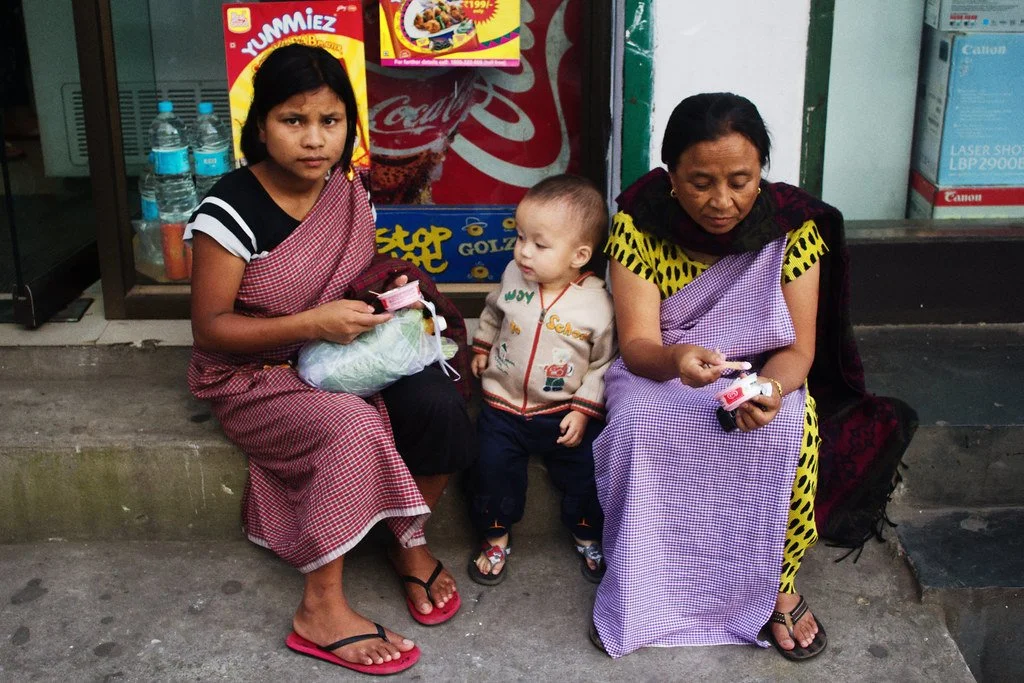
Khasi mothers. Dipayan Bhattacharjee. CC BY-NC-ND 2.0.
4. The Khasi of India
The Khasi people are an Indigenous tribe from the Khasi and Jaintia Hills region of Meghalaya, India. They are one of the earliest ethnic groups in the region and foster several culturally unique attributes, such as the Khasi language, oral tradition, matriarchal practices and their blend of Christian, Hindu and Islamic religions, which contribute to their identity.
Despite their current societal structure that sees women holding authority in many different aspects of life, the Khasi people have a history of patriarchy. In the past, as men often fought in battles over land, many died or settled in different areas, leaving women to remarry. Over time, it also became difficult to determine a child’s paternity, which marked a shift in lineage practices. Today, wealth and descent are passed through the mother’s line, and women continue to hold an immense amount of respect in the community; disrespecting a woman is akin to harming society, and daughters are often desired more than sons. Moreover, arranged marriages are not used in the Khasi tradition, and divorce, remarriage or solo-living for women are very common. Men, in turn, play a limited role in daily life.
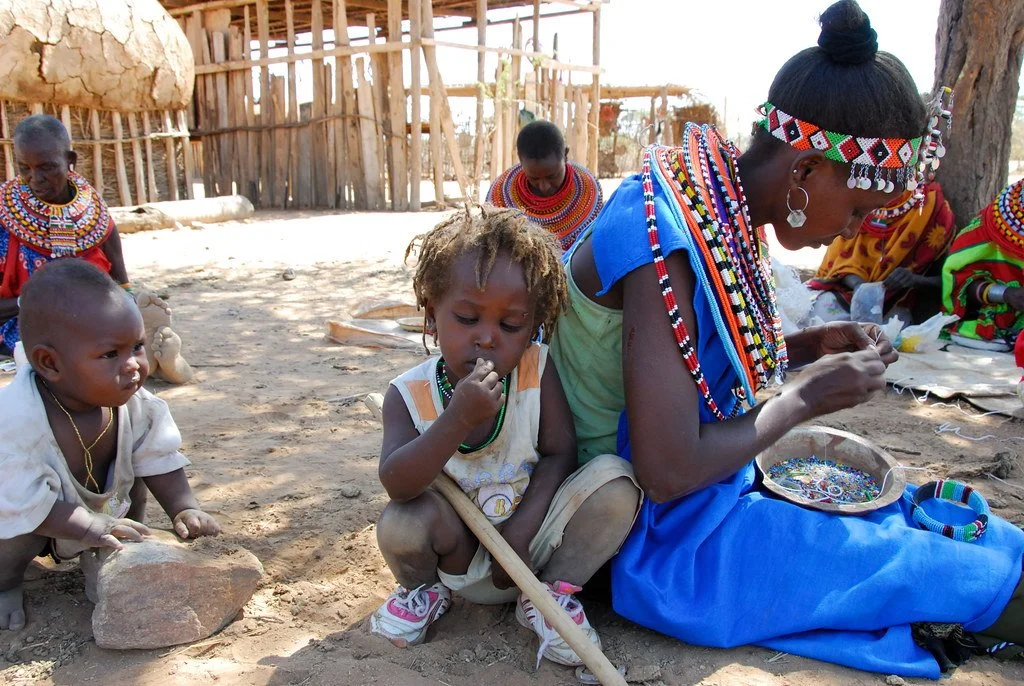
Umoja family. Kate Cummings. CC BY-NC-SA 2.0.
5. The Umoja of Kenya
Unlike the others mentioned here, the Umoja tribe describes a community inhabited exclusively by women. For centuries, Kenya has followed patriarchal systems where men have not only dominated society but also contributed to widespread brutality against women. In particular, women of the Samburu tribe have faced severe treatment, and in 1990, after being sexually assaulted by British soldiers and subsequently shamed, 15 of them created their own village. This Umoja community, Swahili for “unity”, is exclusively led by women in their roles as leaders, homeowners, entrepreneurs and caregivers.
Since its establishment, the refuge has welcomed any women and girls who wish to live and learn away from the fear of male violence and discrimination. They currently house a population of 47 women and 200 children, earning a steady income from a tourist safari campsite and allowing travelers to visit the community. This self-sufficiency is not limited to only the Umoja, however, as members train and educate women and girls from surrounding Samburu villages on common gendered issues, such as marriage or female genital mutilation. Many community members are also outspoken for women’s rights and view their home as a continual fight for equality. They place a special importance on education, teaching both girls and boys about women’s rights, and they allow sons to live in the society until they obtain a job and move to town.
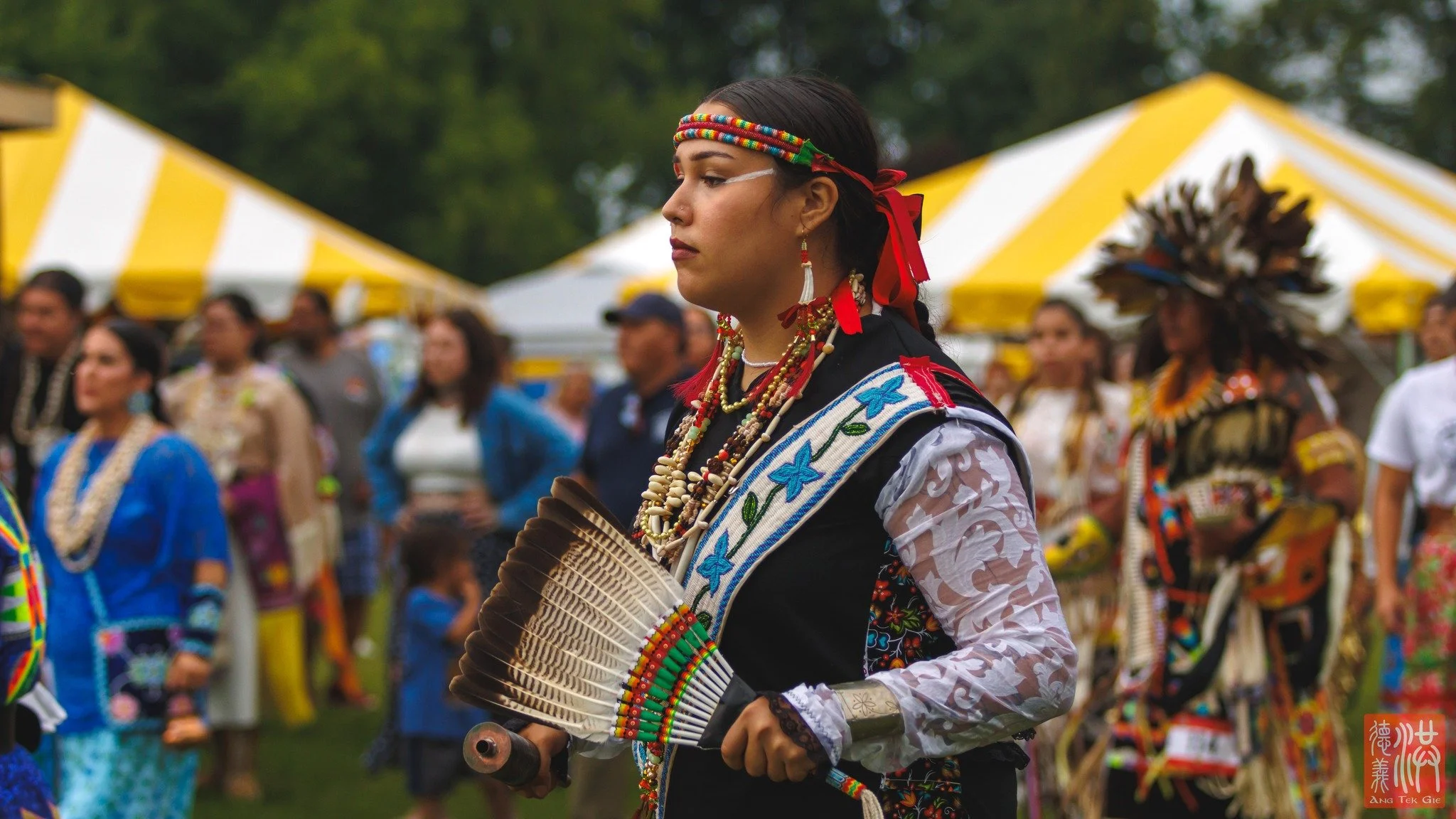
Mississaugas woman. Ang Tek Gie Photography. CC BY-NC-SA 4.0.
6. The Haudenosaunee Native Americans
The Haudenosaunee, commonly given the names of the Iroquois Confederacy or League of Five Nations by Western countries, are a confederacy of Mohawk, Oneida, Onondaga, Cayuga and Seneca Native Americans. They have historically lived in northeastern North America, with current reservations and communities across upstate New York, Wisconsin, Oklahoma and North Carolina in the U.S., as well as Ontario and Quebec in Canada. The community has a long history of participatory democracy, often described as the oldest on Earth, and is admired for its unique blend of law, society and natural values.
Women have traditionally played a significant role in their society; in a clan system, families start with a female ancestor to whom all in the home link back. Before European contact, women would bring their husbands to live in their homes after being married, and, while nuclear families have become more common over time, the Clan Mother continues to be the head of the household. Societally, this important figure handles decisions that concern her people, including governing and ceremonial matters that uphold cultural knowledge. Moreover, decisions on who fulfills prominent male roles, such as Chief, continue to be made by these women. The influence of the Haudenosaunee is widely seen throughout American society today, beginning with being the model of the U.S. Constitution and also with women’s rights movements. American society in the 19th century gave very few rights to women, and many used what they saw and read about powerful Haudenosaunee women as inspiration for change, helping pave the way to national suffrage.
Julia Kelley
Julia is a recent graduate from UC San Diego majoring in Sociocultural Anthropology with a minor in Art History. She is passionate about cultural studies and social justice, and one day hopes to obtain a postgraduate degree expanding on these subjects. In her free time, she enjoys reading, traveling, and spending time with her friends and family.