
By Charlie Costal
In rural western Nepal, women-led organizations are fighting intense menstrual stigma through reusable pads and education initiatives.
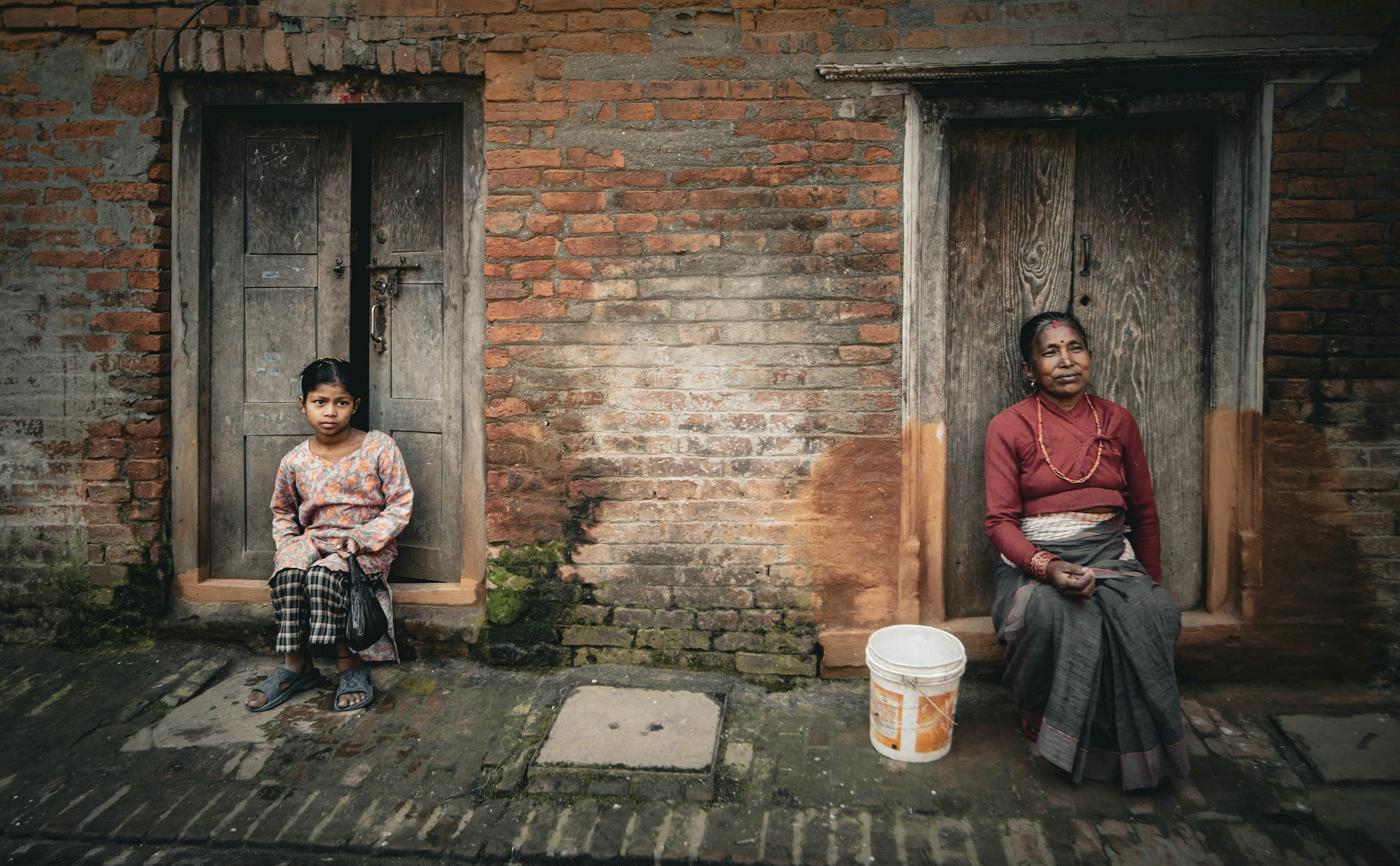
Nepalese woman and girl. Mehmet Turgut Kirkgoz. Pexels.
On paper, a period should never determine whether a girl attends class. But in some parts of rural Nepal, menstruation still shapes where they sleep, what they touch, what medical attention they seek and whether or not they feel comfortable going to school.
Chhaupadi, a deeply rooted religio-cultural tradition in rural parts of Nepal, treats women as “impure, unclean, and untouchable,” according to the National Library of Medicine. Though the Nepalese government criminalized Chhaupadi in 2017, social norms do not disappear through law alone, and Chhaupadi is still prevalent in rural western provinces.
Chhaupadi traditions banish menstruating women to livestock stables, known as Chhau huts, where they live and sleep for the duration of their period. Women are also forbidden from engaging in household or social activities and touching others during this time.
“I remember once throwing a used pad out of the toilet window because I didn’t know where else to put it,” said 17-year-old Anu, who has taken advocacy for menstrual health on the road through Nepal.
These practices stem from harmful religious and social beliefs in western Nepal, resulting in poor menstrual hygiene, education and women’s rights. About 36% of Nepalese girls in upper-secondary school (ages 9-12) struggle with their education due to menstruation. And the problems worsen as they grow older.
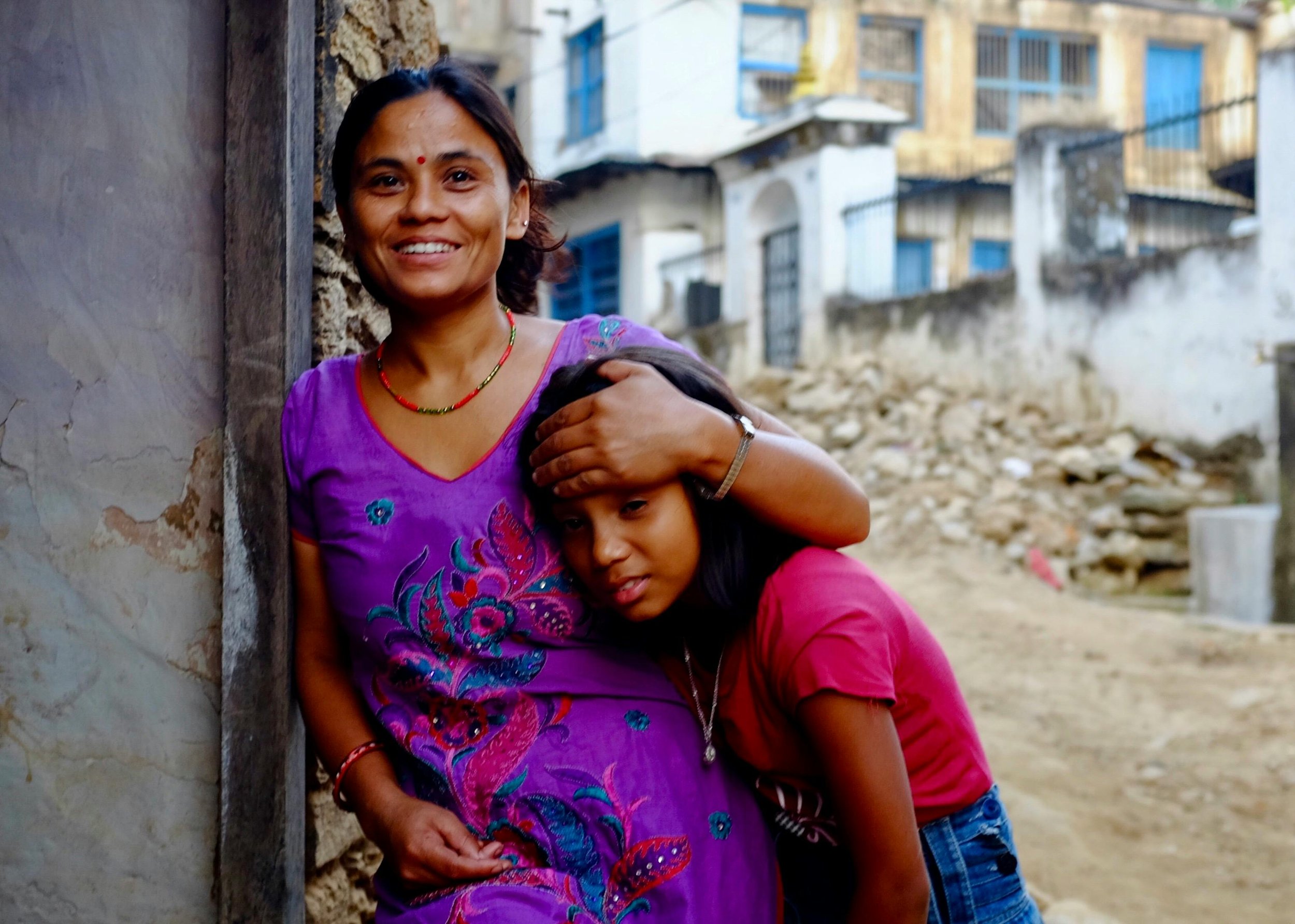
Nepalese woman and child. Steffan Wiliams. Pexels.
Over half of girls aged 15 to 19 years old are not comfortable seeking healthcare for menstrual concerns, and over a third are unable to ease menstrual pain when needed. However, the fight for women’s health is far from lost.
Days for Girls Nepal, a menstrual education group, began touring rural Nepalese communities in 2021. Their reusable pad initiative and education programming have significantly reduced menstrual stigma in rural communities. Communities that engaged with their educational support reported 60% less women experiencing Chhaupadi practices. Additionally, 41% of Days for Girls women began using menstrual pads after their time with the organization.
As is true of many Chhaupadi-participating regions, the issue is not only cultural but practical. In communities where disposable pads may be expensive, hard to find or difficult to dispose of, reusable pads offer girls a more reliable way to manage their periods. But Days for Girls’ work shows that products alone are not enough. Their model pairs reusable menstrual kits with education about anatomy, hygiene and stigma, helping girls understand menstruation as a normal biological process, not a source of shame.
Other efforts across Nepal have taken a similarly local approach. In Dailekh, one of the regions where Chhaupadi is most persistent, the Water for Women Fund works toward gender equality through local hygiene initiatives. When menstrual health work is led by women from the local communities themselves, it becomes harder to dismiss as outside intervention. Instead, it becomes part of daily life: in schools, in homes and in conversations between mothers, daughters, teachers and health workers.
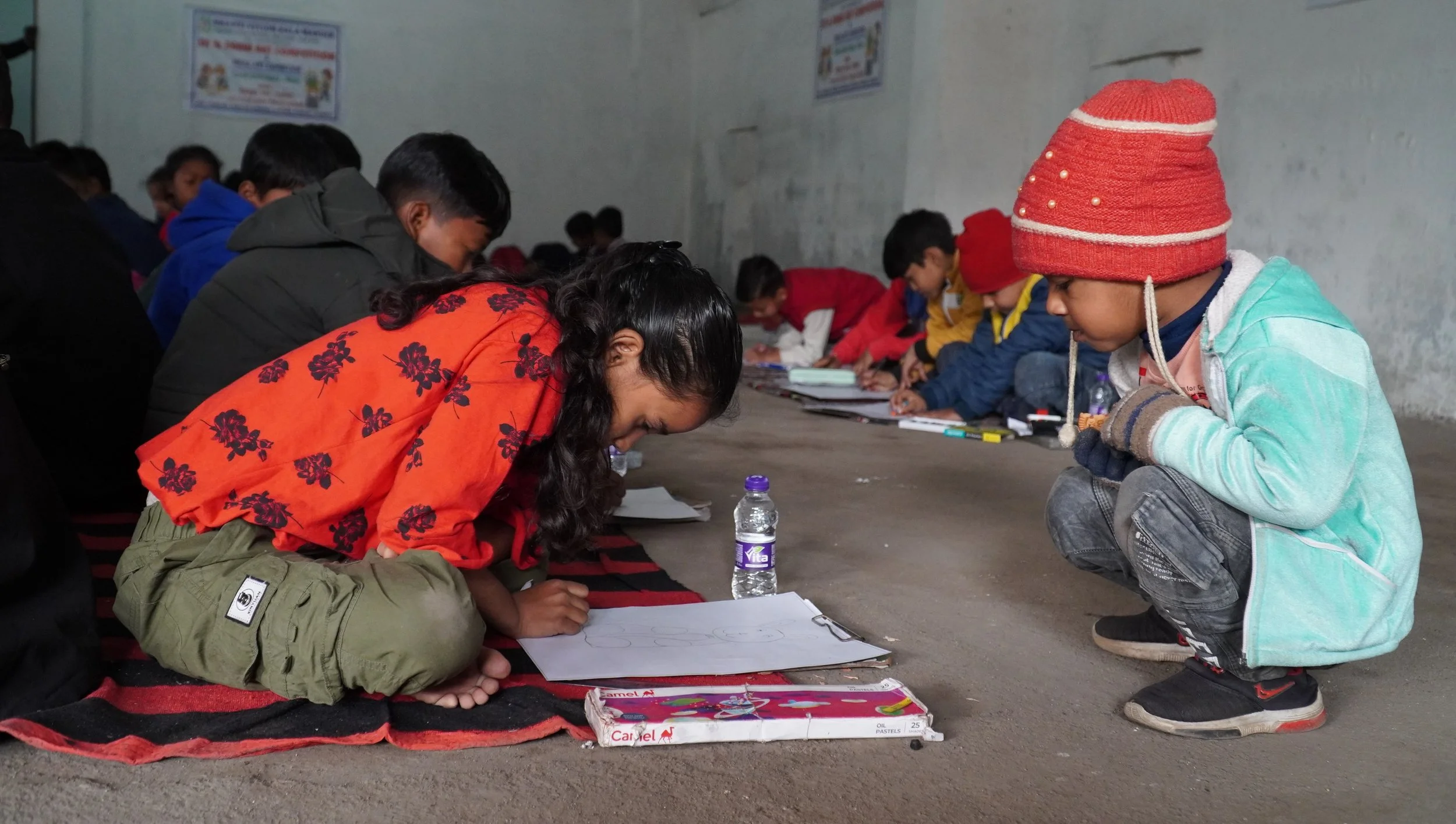
Nepalese higher secondary school. S.K. Pramanik. Pexels.
Schools are one of the most important places for that change to happen. For girls, access to pads, private bathrooms and basic menstrual education can determine whether they feel safe staying in class. For boys and teachers, menstrual health and education can also help reduce the teasing, silence and misinformation that allow stigma to continue.
Still, reusable pads and school programs cannot erase Chhaupadi on their own. The practice is tied to generations of religious belief, family pressure and fear of social punishment. Even when girls learn that menstruation is natural, they may return home to communities where restrictions remain enforced by elders or neighbors. That is why many advocates argue that menstrual health work has to move beyond distribution and into long-term community education.
For now, even small steps against Chhaupadi are steps in the right direction. Reusable pads may seem like a simple tool, but in communities where menstruation has long meant isolation, they can also represent something larger: the right to stay in class, seek care and be seen as fully human.
GET INVOLVED:
Supporting menstrual dignity in Nepal means supporting both access and education. To contribute, consider donating to organizations that provide reusable pads and foster educational discourse around menstrual health.
Days for Girls Nepal distributes washable menstrual kits, provides menstrual education and teaches local women to make and sell reusable pads in their communities. Its Nepal programming also addresses connected issues, such as child marriage, sexual abuse, human trafficking and Chhaupadi.
Save the Children Nepal has supported free sanitary pad vending machines in schools, helping girls stay in class while menstruating. In 2025, the organization reported that girls in Nepal said they were spending more time at school after pad machines were installed.
WaterAid Nepal works on school sanitation, menstrual hygiene management and inclusive WASH programs. Its projects focus on improving water, bathroom access and menstrual health awareness, especially for adolescent girls and young people with disabilities.

Charles Costal
Charlie is a senior at the University of North Carolina at Chapel Hill currently pursuing a degree in Journalism and Public Policy. He is also an avid traveler, writer, and performer. His work at CATALYST aims to spread awareness on environmental sustainability and responsible traveling.