
By Kathleen Shepard
As the Ebola outbreak circulates throughout the Democratic Republic of the Congo, Uganda’s tourism industry has taken a critical hit.
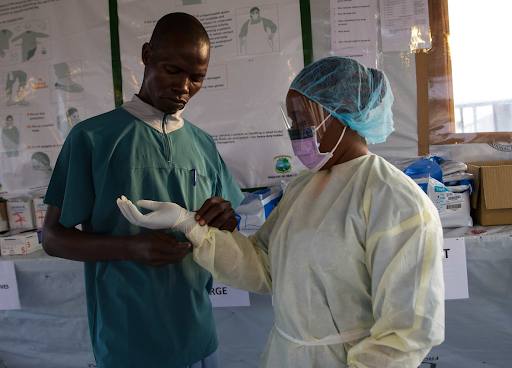
Siah Tamba, Ebola survivor and Ebola hero. UNMEER. CC BY-ND 2.0.
Amid the recent Ebola outbreak, Uganda’s tourism has taken a critical hit. Though no new cases had surfaced in Kampala as of June 21, international governments continued to discourage travel to Uganda.
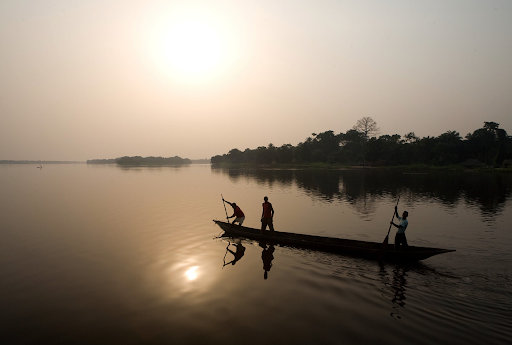
Congo River at Sunset, DRC. United Nations Photo, Marie Frechon. CC BY-NC-ND 2.0.
Assessed as having a high outbreak risk, 15 countries enforced travel restrictions to the area, severely dissuading tourists from entering the country.
The U.S. Centers for Disease Control and Prevention placed Uganda on a Level 2 advisory watch, advising travelers to practice enhanced precautions. These measures include getting travel insurance, avoiding people with symptoms and avoiding healthcare facilities for nonurgent care.
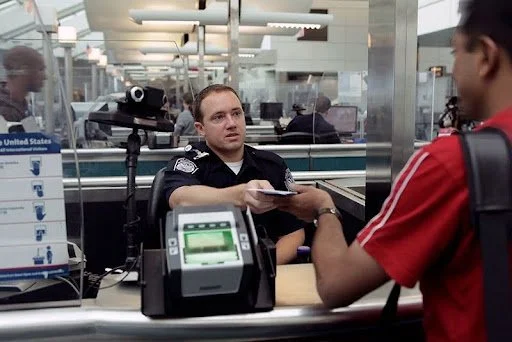
CBP Officer at Newark International Airport, NJ. U.S. Customs and Border Protection. United States Government Work.
In response, Ugandan Health Minister Chris Baryomunsi released an official statement urging countries to reconsider restrictions: “Given the progress we have made, we are engaging these countries with a view to having the restrictions lifted so that our economy is not adversely affected.”
After all, tourism contributed 5.9% of the country’s total GDP in 2025, employing over 876,000 individuals and accounting for 7.5% of Uganda’s total employment.
International tourism, specifically the sector of “leisure tourism” or “high-yield tourism,” reached $1.62 billion in the same year. Why? Gorilla permits.
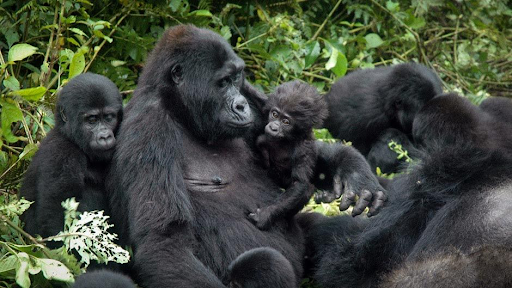
Gorillas in Bwindi Impenetrable National Park. TASHOBYA. CC BY-SA 4.0.
For $800 apiece, visitors can trek across Bwindi Impenetrable National Park in search of Uganda’s famous, critically endangered, mountain gorillas. Proceeds then go to the Uganda Wildlife Authority, supporting gorilla conservation, park management and ranger operations. The authority also shares a portion of park revenue with neighboring communities to fund local development projects.
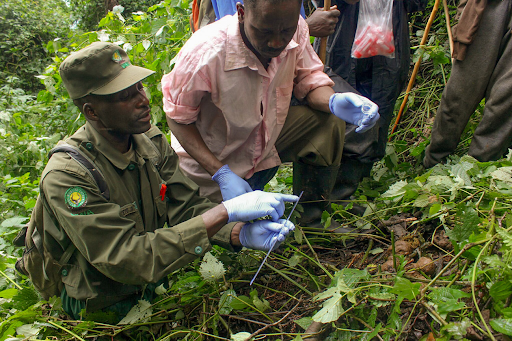
Uganda Wildlife Authority teaching volunteers. Conservation Through Public Health. CC BY 4.0.
Most notably, though, the permits fund Uganda’s success story, both within and beyond the gorilla program.
They pay for the ranger divisions across Bwindi Impenetrable and Mgahinga Gorilla national parks, employing professionals to combat gorilla poaching, remove snares and improve tracking technology.
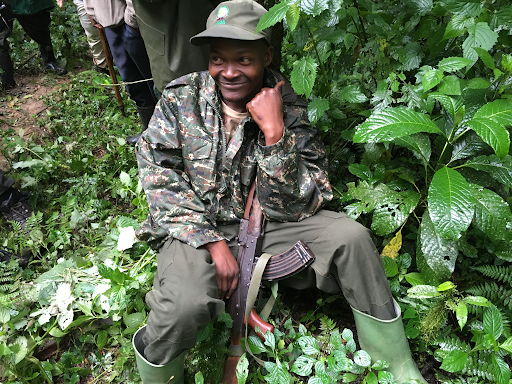
Ranger in Bwindi Impenetrable. Sal Roux. CC BY-SA 4.0.
They also fund gorilla habituation and conservation programs that support tourism, research and protection efforts. The most recent widely cited census, conducted in 2018, estimated 1,063 mountain gorillas globally, including 459 in the Bwindi-Sarambwe ecosystem.
They also employ thousands of locals throughout Bwindi and Mgahinga as porters, rangers, lodge staff, craft sellers, restaurant owners, boat drivers and cultural guides.
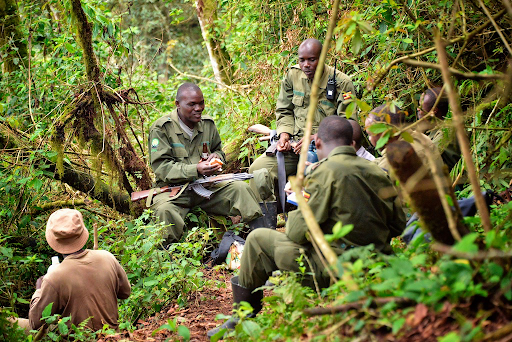
Lunch with the Scouts in Bwindi. Rod Waddington. CC BY-SA 2.0.
These efforts cannot survive without the leisure money spent on adventure travel and ecological tourism. But the countries sending most of these high-yield visitors are the same nations enforcing Ebola-related travel restrictions.
American tourists account for 18.5% of all high-yield wilderness tourism in Uganda. India accounts for 10.3% and Canada accounts for 7.9%. But traveling from these countries to Uganda is now extremely tedious. Canada advised travelers to avoid all nonessential travel to Uganda, requiring temporary suspension, quarantine and screenings upon returning to Canada. India has also advised similar precautions.
To further complicate matters, Uganda’s most popular season for wilderness tourism is during the dry season, either from December to February or from June to September. Because of most people’s work flexibility, arrivals from June to September are disproportionately higher, with July being the top month. Travel guides also recommend booking gorilla treks during the dry season, ensuring hikes with as few downpours as possible.
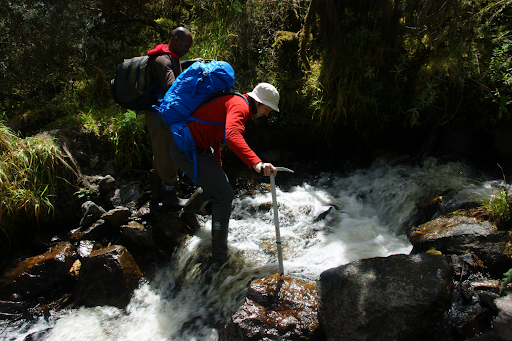
Hiking the Rwenzori Mountains, Uganda. Jorn Eriksson. CC BY 2.0.
The Ebola outbreak disrupted Uganda’s peak tourism season. Although the country completed the required 42-day monitoring period and declared the outbreak over on July 28, some international travel restrictions remained in place.
Despite reassurances from the Uganda Tourism Board that “Uganda remains safe, open, and welcoming,” the U.S. Embassy’s Uganda Travel Advisory remains at “Do not Travel,” while the CDC placed the country under a Level 2 travel health notice advising enhanced precautions, and many trips were canceled.
Travelers were deterred by international concern, stringent border controls and travel advisory messaging.
Uganda’s economy continues to weaken, funding for UWA’s gorilla conservation continues to wane and the local communities dependent on ecotourism continue to struggle.
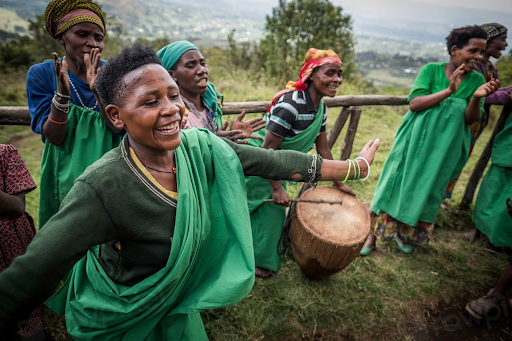
Batwa people, Mgahinga Gorilla National Park. U.S. Agency for International Development. U.S. Public Domain.
For tourism-dependent communities, recovery now depends on the removal of remaining travel restrictions and the return of international visitors.
But what will become of Bwindi in the meantime? What will become of Queen Elizabeth National Park, Kidepo Valley, Kibale and Lake Mburo national parks? It seems, international travelers, that only time will tell.
Kathleen Shepard
An English and Art History Major at Boston College, Katie loves all things writing, culture, and travel. When not canyoneering across the Swiss Alps, snorkeling in the Galápagos, or photographing wildlife throughout Botswana, you’ll find her documenting about it in her latest story. She believes that every place is uniquely, wonderfully beautiful, and she’s grateful to be a travel and social action writer for CATALYST PLANET. Whether it be promoting a new trail or advocating for what matters, she hopes to continue making her words count!