
By Jeremy Gordon
The Dakar Youth Olympic Games will be the continent’s first such event; a historic celebration of youth sports and Senegalese culture. The country’s latest crackdown on homosexuality provides a troubling backdrop.
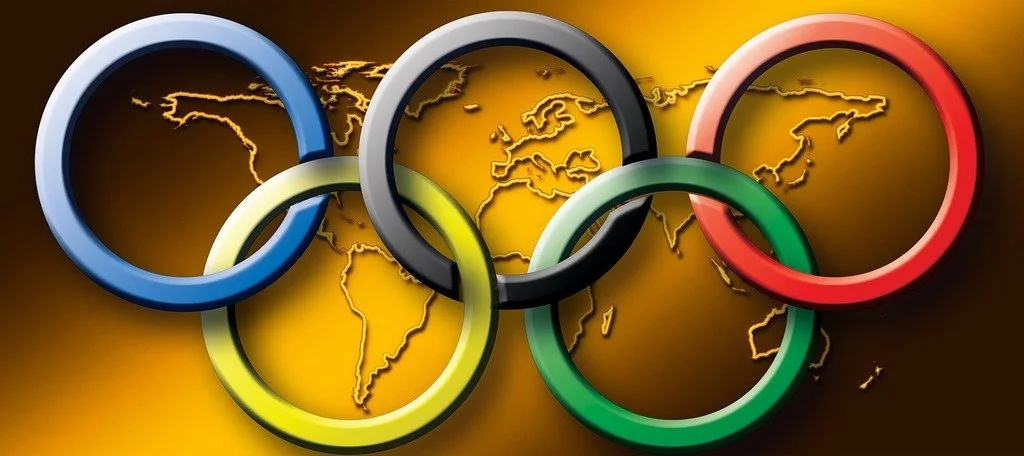
The Olympic rings on a map of the world. Pixabay. CC0.
This fall will bring the fourth-ever Youth Olympic Games, an international sporting competition for athletes from around the globe aged 17 and younger. The Games will take place in Dakar, Diamniadio and Saly, organized with pride and enthusiasm by the host country, Senegal, from Oct. 31 to Nov. 13. These will be the first Olympic Games hosted on the African continent. This is a historic event, though with the country undergoing a heightened crackdown on homosexuality, it is not free from controversy.
While the Youth Olympic Games began in 2010, the modern Olympics, the world’s most watched and cherished sporting event, have been routinely held every four years since 1896. The first Games took place in Athens, Greece. In 1924, the Winter Olympics began, taking place in France. In 1960, the first Paralympic Games, typically featuring athletes with physical, visual and intellectual impairments, were held in Rome, following the Summer Games.
Throughout the 130-year history of the Olympics, including the recent addition of the Youth Games, there have been a total of 24 host countries. Some no longer exist, like Yugoslavia, West Germany and the Soviet Union. The vast majority of Games have taken place in Europe and the United States. This year’s Youth Olympic Games will be the first to take place in Africa.
The Dakar Games will feature around 2,700 athletes competing in 153 events. There will be full gender parity, with 73 men’s events, 73 women’s events and 7 mixed events. It will be the first edition of the Youth Games to feature a Refugee Olympic Team, composed of athletes based in Africa, representing those who have been displaced by strife and global conflict. The Games will introduce the youth athletes and the world to the concept of teranga, the Wolof word that embodies Senegal’s spirit of warmth, respect and hospitality.
Despite the inclusive features, there has been criticism by human rights activists over Senegal’s recent persecution of lesbian, gay, bisexual and transgender people. On March 31, 2026, President Bassirou Diomaye Faye signed a new law doubling the maximum prison sentence for same-sex sexual acts to 10 years. The law also criminalizes the “promotion” of homosexuality. Since it passed, there has been an uptick in arrests of LGBT people throughout the country.
The Dakar Youth Olympic Games will be a spectacle to watch, for its historic nature as the first African Olympic event, the inclusion of refugee athletes and full gender parity. But the troubling LGBT crackdown looms overhead like a dark cloud.
Jeremy Gordon
Jeremy is a graduate student at Johns Hopkins University studying Creative Writing. He graduated from the University of Maryland with a bachelor's in Criminology and Criminal Justice and worked for four years as an Investigative Specialist with the Public Defender Service for DC.