
By Jeremy Gordon
In the wake of the deadly flash flood in August, Nepal asks the world’s biggest greenhouse gas emitters to contribute more to disaster relief.
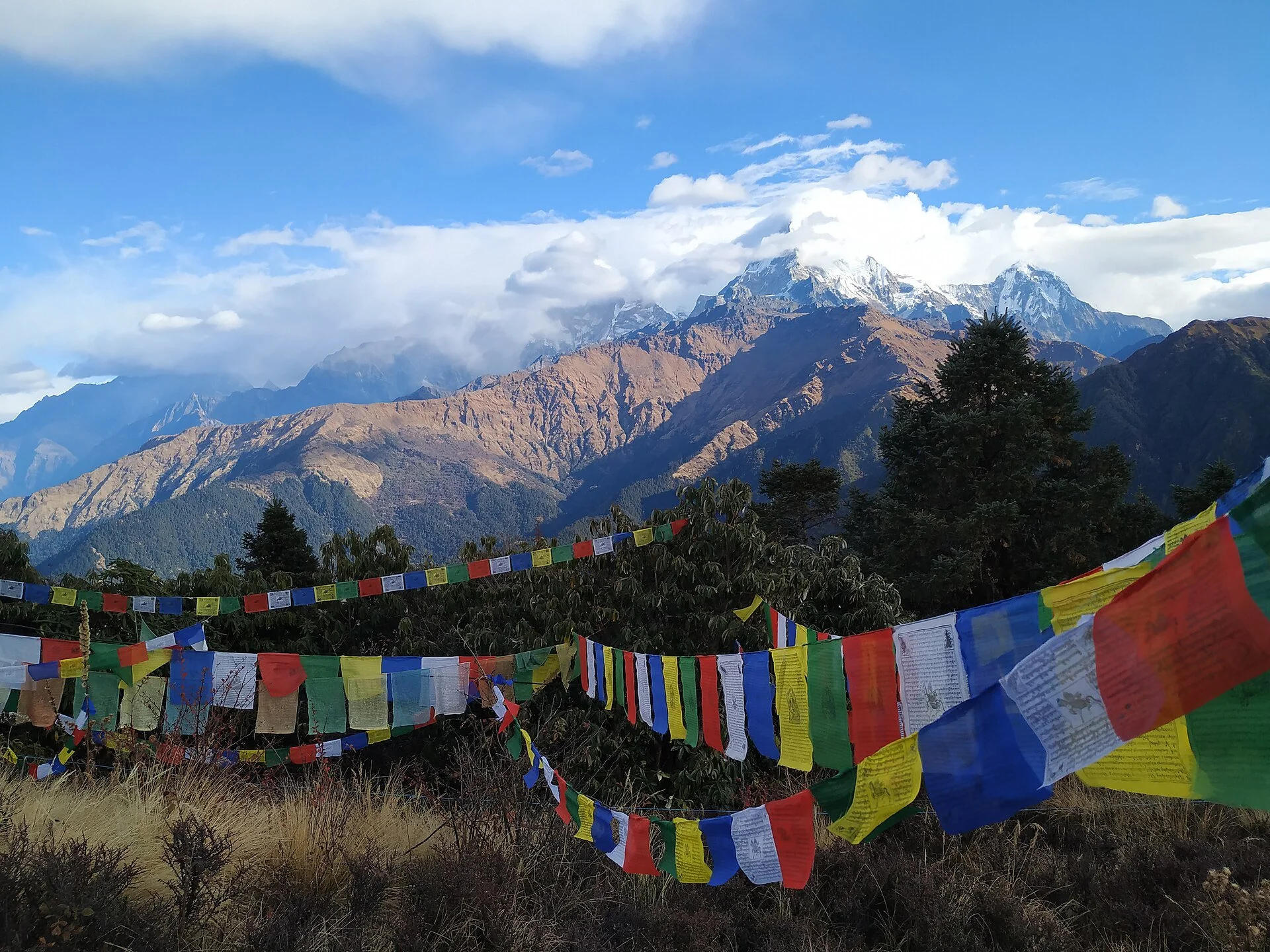
Poon Hill in Nepal. Saircraft Saurav Shrestha. CC BY-SA 4.0.
Nepal is leading a global push for climate reparations, paid by the world’s highest-polluting countries to the world’s lowest, the ones typically pummeled by increasingly extreme natural disasters. On Sept. 24, 36-year-old Prime Minister Balendra Shah addressed the United Nations General Assembly to plead his case. That case has garnered support from climate activists and young people throughout the globe, including Greta Thunberg, who has been in close contact with the Nepali government.
In August of this year, Nepal was hit with catastrophic flooding when a high-altitude glacier in the Himalayas collapsed, sending a tidal wave of water cascading into the valley below. An estimated 8,000 people are either dead or missing. Upwards of 20,000 homes will have to be rebuilt, along with the major highway. All in all, the Nepali government estimates the repair costs at $4.74 billion.
Scientists have said that the collapse of the glacier was likely the result of rising global temperatures caused by human activity. In 2025, another flash flood hit when a glacial lake burst open and sent a surge of water down the Bhote Koshi River. Scientists similarly blamed that flash flood on melting permafrost, the result of human activity. The Himalayas have been warming at a rate nearly 50% faster than the global average.
Nepal contributes less than 0.1% of global greenhouse gas emissions, which have caused disasters like these to increase in frequency and intensity. The vast majority of emissions come from highly industrialized countries. China, India and the United States are the top three culprits, emitting roughly 50% of global emissions when combined. It is the contention of the Nepali government that these should be the powers footing the bill for such costly and tragic disasters.
Nepal has already asked for $20 million in aid from a special U.N. fund designated for nations vulnerable to climate change. Their request has yet to be fulfilled. The fund was set up in 2022 in line with the Paris climate agreement, an agreement that US President Donald Trump has pulled out of twice. The fund is now underfunded and overburdened with requests. Contributing countries have pledged $822 million, whereas it has received requests totaling $2.8 billion.
It is unclear whether major emitters will provide the support Prime Minister Shah requests. The Trump administration has distanced itself from all things climate science and significantly reduced the amount of aid supplied to the world. China and India have both balked at the suggestion that they should be held responsible for climate change when Western nations with smaller populations have polluted for centuries with impunity.
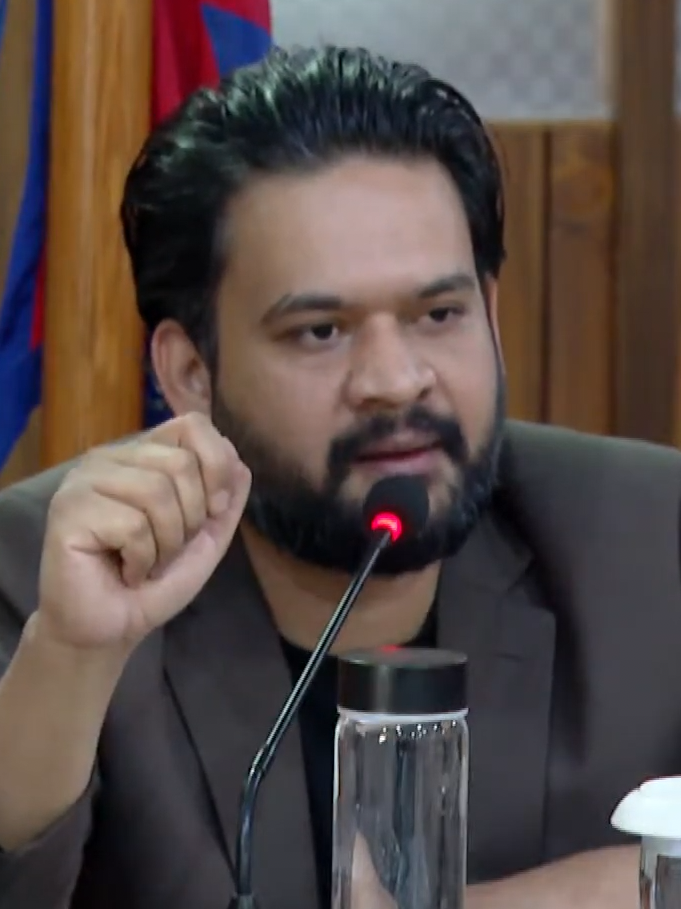
Balendra Shah as mayor in 2024. Metro News. CC BY 3.0.
Prime Minister Shah will have a difficult task getting these big polluters to pay up. But the people of his country stand behind him, particularly the younger generation. Shah came to power in 2026 after youth frustration with corrupt and ineffective leadership unseated Nepal’s old political guard. Since then, he has been popular in his country, using populist messaging and social media to his advantage. This speech to the U.N. General Assembly was his first major call to action on the world stage.

Jeremy Gordon
Jeremy is a graduate student at Johns Hopkins University studying Creative Writing. He graduated from the University of Maryland with a bachelor's in Criminology and Criminal Justice and worked for four years as an Investigative Specialist with the Public Defender Service for DC.