Amid War in Iran, the World's Rarest Big Cat Is Running Out of Time

By Kaitlin Murray 

In the face of conflict, road accidents, and other threats, scientists are working to pull the Asiatic cheetah back from the brink of extinction.
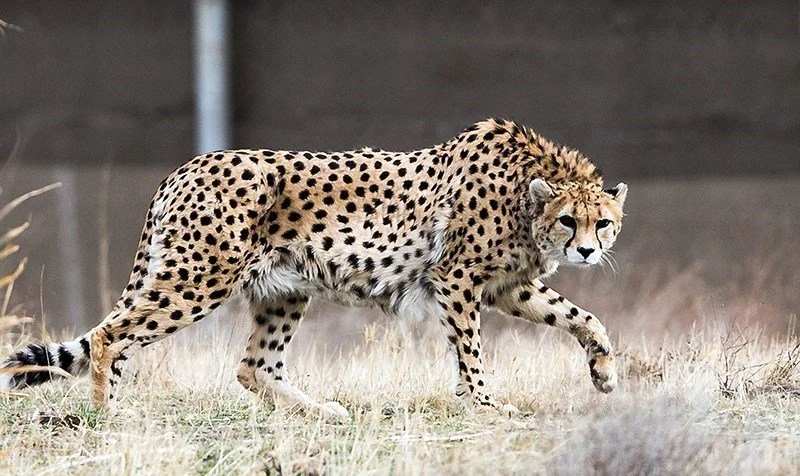
Asiatic cheetah. Erfan Kouchari. CC BY 4.0. 

In February 2026, nine days before the United States and Israel launched strikes against Iran, rangers filmed a female cheetah with five cubs in the North Khorasan province, the largest litter ever recorded for the subspecies. This comes at a time when fewer than 30 Asiatic cheetahs are believed to be left in the wild. While the subspecies once roamed vast distances spanning the Arabian Peninsula, the Middle East, and Central Asia, today they are only spotted in the rugged deserts of Iran. Given the uncertainty of the ongoing war and the Asiatic cheetah’s classification as critically endangered, it is more important than ever to ensure their future is protected. 

While a cousin of the African cheetah, the subspecies is visibly different, with smaller heads, shorter legs, thicker coats, and a more powerful neck. It is believed they diverged from the African cheetah between 32,000 and 67,000 years ago, adapting to the different terrain of the Asian continent over time. The Asiatic cheetah was known throughout history, with the Mughal emperors keeping them for hunting and Emperor Akbar reportedly keeping over 1,000 during his lifetime. 

Throughout the 20th century, the cheetah began disappearing. By the 1940s, it had gone extinct in 13 countries, including Saudi Arabia, Afghanistan, Iraq, and India. Pakistan’s final sighting was in 1997. What remains of the species now roam the desert regions of Yazd, Semnan, Kerman and Isfahan in Iran, which is only 16% of its original territory. While the country granted the species protected status in 1959, the Islamic Revolution and the Iran-Iraq War halted conservation efforts for decades. Today, the global population stands at 27 individuals that have been ID-carded, plus five in breeding sites and six more in captivity.
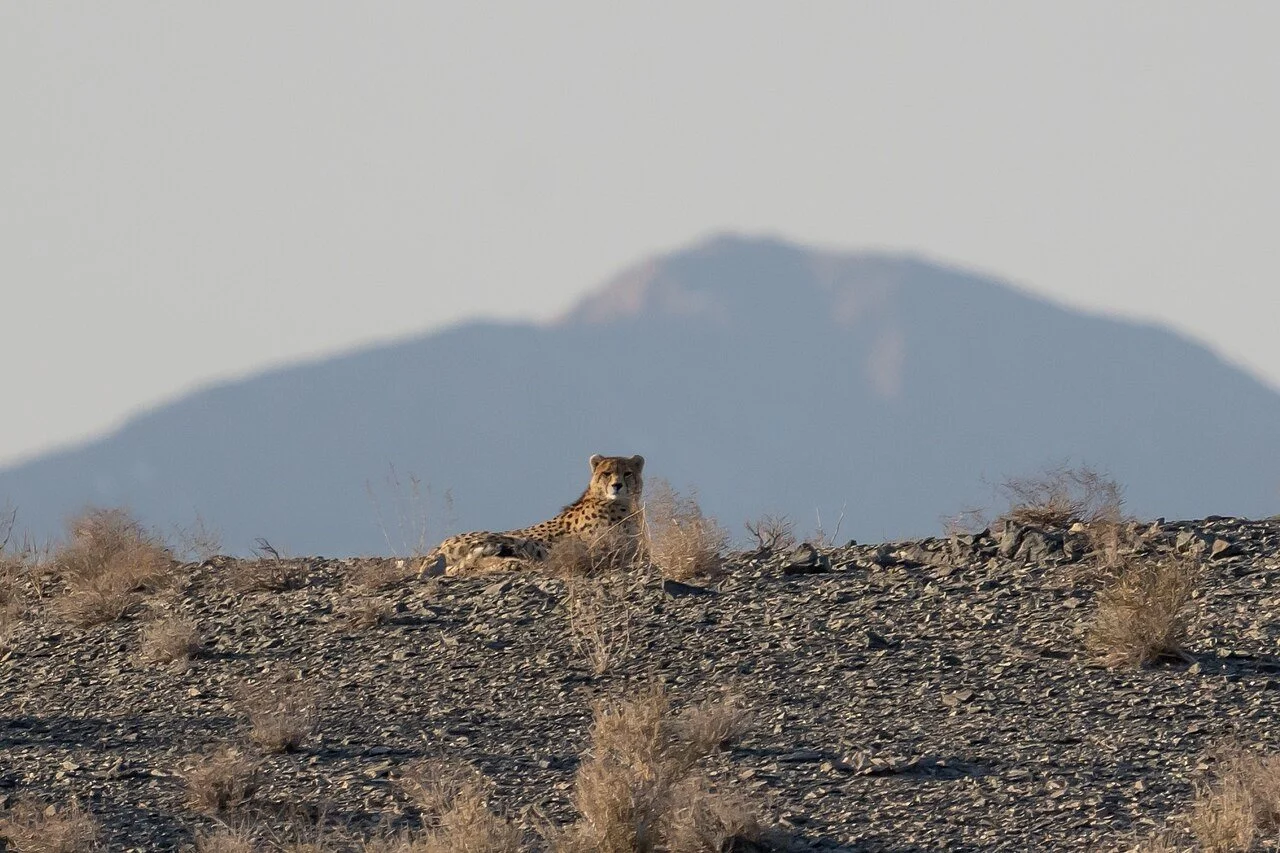
Asiatic cheetah lives in rugged terrain. Mousa Mazinanian. CC BY 4.0. 

Current Threats to Conservation

Long before the first bombs were dropped in February 2026, the Asiatic cheetah was already fighting for its survival. The number in 2026 had recovered from only 20 individuals recorded in August 2025 and from 12 at its lowest point in 2022. Every new cub recorded is a victory, given the numerous threats they face, including poaching, human-wildlife conflict, habitat fragmentation, low genetic diversity, and road accidents, all of which threaten their livelihoods.

Of all these obstacles, road accidents are the deadliest. The story of beloved Helia, the female with the cubs who made history in January 2026, illustrates the danger of road accidents. In 2024, she was spotted with two cubs in the Miandasht Wildlife Refuge after traveling more than 130 kilometers from the Turan reserve. Tragically, one of her cubs was struck and killed by a vehicle on the “Death Road” that cuts through the Semnan province. For a week after her cub's death, she stayed near the road, with volunteers on guard to block traffic in case they tried to cross again. 

The ongoing war adds another layer to an already volatile crisis. While the cheetah was given a protected status and national parks were established, the Islamic Revolution in 1979 and the subsequent Iran-Iraq War set back conservation work by decades. Recently, conservationists have been the target of questioning and even arrests by the Iranian government. 

One of the most notable organizations focused on protecting the cheetah is the Persian Wildlife Heritage Foundation, which had previous partnerships with the UN and international NGOs. The Tehran-based group used camera traps to monitor wildlife, including the Persian leopard, the Asiatic cheetah and the Asiatic black bear. Camera traps monitor wildlife without human presence and are widely used around the globe. However, in Iran, the usage was enough for nine members of the organization to be arrested for espionage in 2018. 

One member, Kavous Seyed-Emami, an Iranian-Canadian scientist and the foundation’s founder, died after two weeks in Evin Prison under “suspicious circumstances.” Though his death was ruled a suicide, his family tried to launch an investigation. Thankfully, the other seven members were freed in April 2024, more than six years after their arrest. This sent a chill throughout the international conservation community, as foreign investments and international organizations were hesitant to work in Iran again. 

While camera traps are a great start for tracking cheetah movements, experts have cited that GPS collars could be an important tool in the future. They have been used before to study Persian leopards and, according to recently published research, could “provide essential insights into habitat use, movements and survival, enabling more effective conservation strategies.”

For Iranians, the cheetah is more than just an endangered animal; it is a source of national pride and cultural identity. When Iran’s national football team took to the pitch at the 2014 World Cup in Brazil, the cheetah was printed on their kit. Meraj Airlines painted the animal across their planes. 

Looking Toward the Future

Amid the ongoing war, sanctions from Western nations and sporadic internet shutdowns, conservationists in Iran are concerned about the fate of the species. When will the conflict end? What is the current state of the cheetahs in inaccessible regions? How will new funding be accessed? These are all questions that conservationists and scientists around the world continue to ask themselves in the face of such an uncertain future. 

Jamshid Parchizadeh, a research scientist, when asked by Mongabay about the future of the war, stated, “Before the war, cheetah conservation received limited funding from the government. But after the war, I doubt that the government has any money left for the conservation of the cheetah.” 

GET INVOLVED: 

Getting involved in protecting the cheetah in Iran can be complicated, especially with the ongoing conflict. The Cheetah Conservation Fund has permits to work in Iran that allow for close partnerships with groups on the ground. Visit their site to learn more about how you can help their cause to protect cheetahs around the world. 

Other ways to get involved include learning about the Asiatic cheetah and raising awareness. You can help by sharing the cheetah's story online and spreading awareness of its protection. For updates and news on the status of the cheetah, visit Mongabay, an independent news platform focused on global and environmental challenges. The Felidae Fund also provides information and steps to raise awareness through social media platforms and community work.
Kaitlin Murray

Kaitlin Siena Murray is a travel journalist and global storyteller documenting cultures, historical places, and the people and social impact movements helping the world. Raised worldschooling across more than 129 countries with degrees in anthropology and history, her writing is driven by a commitment to global citizenship, capturing the diversity and beauty of the world through the lens of culture, history, and social change.
Albanian Backlash Threatens Trump-Linked Luxury Resort

By Jeremy Gordon

Jared Kushner’s luxury development project sparks massive backlash from citizens and environmentalists.

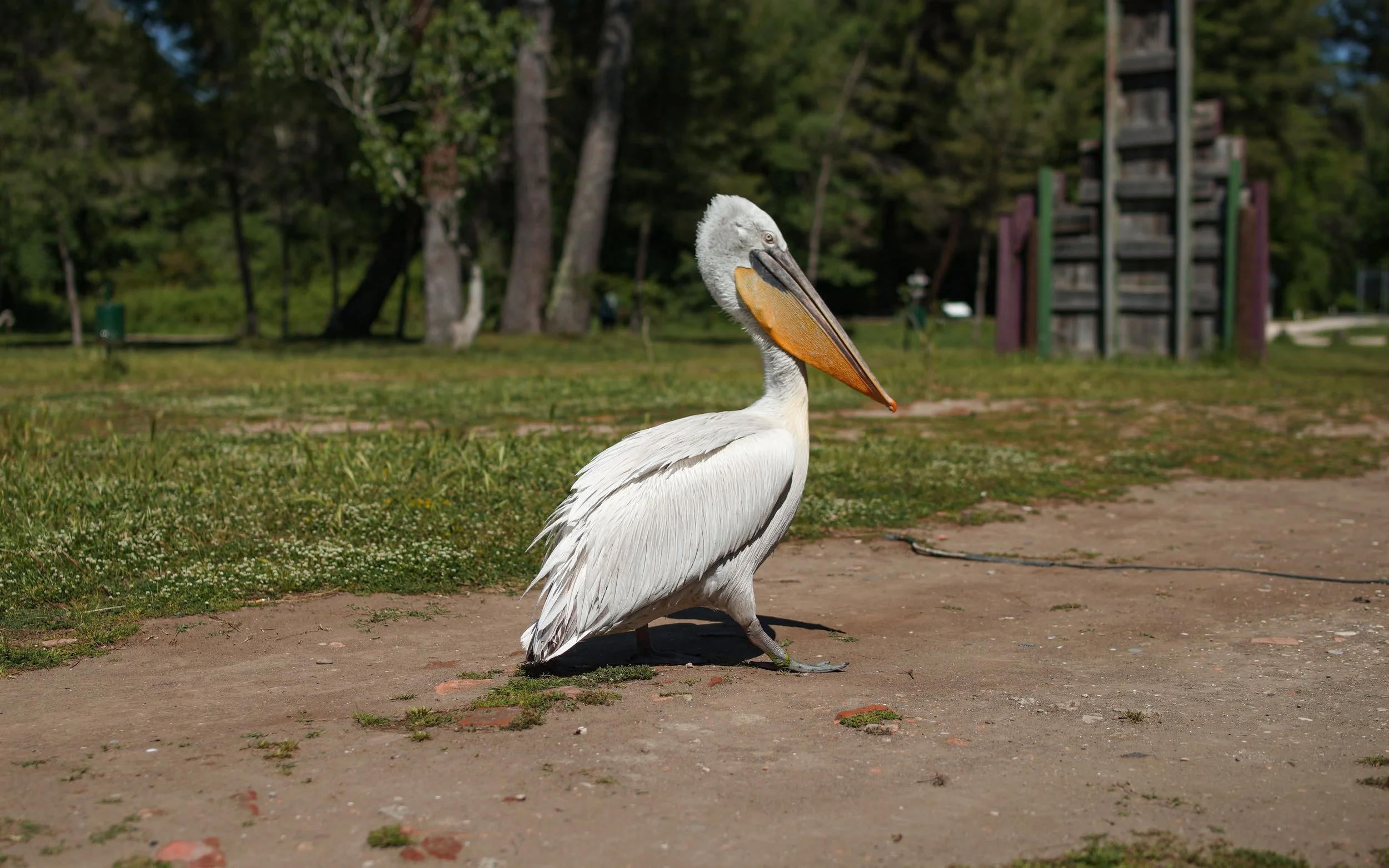
Dalmatian pelican in Albania. Kostiantyn Klymovets. Pexels.

The first week of June saw tensions flare in Albania over the construction of a new luxury resort in one of the country’s most biodiverse regions. The project, backed by Donald Trump’s son-in-law, Jared Kushner, is set to wreak havoc on the local environment and spark affordability issues for locals. Protests have spread from the barbed-wire barricades surrounding the site to the capital of Tirana, where thousands have taken to the streets carrying flamingo-shaped signs and chanting their discontent. 

The region in question is Vjosa-Narta. It is where the Vjosa River, which arises in the Pindus Mountains of northwestern Greece and stretches over 270 kilometers, empties into the Adriatic Sea. The wetland surrounding this Adriatic delta is one of the most ecologically vital habitats in Europe, home to over 200 bird species, including flamingos and Dalmatian pelicans, and over 70 endangered species, including the Mediterranean monk seal and loggerhead sea turtle. It is part of the Adriatic Flyway, a major migration corridor for millions of birds that fly between Africa and Europe each year.

The $1.2 billion development project threatens to ravage the natural habitat, destroy ancient dunes protected under Albanian law and cut off tidal exchange between the Narta Lagoon and the Adriatic, plunging the marine food chain into chaos. Concrete and barbed-wire barriers have been erected, blocking locals from entering parts of the lagoon and beach. Over 40 environmental groups called for cessation of the project in January, though those calls were ignored by the Albanian government, which has amended its laws and permitting processes to pave the way for the project. Critics have decried the lack of transparency and potential corruption surrounding the decision. Prime Minister Edi Rama has stood firm in support of the project, warning against appearing hostile to foreign investment.

The project is the brainchild of Jared Kushner through his investment firm Affinity Partners. The plans call for the wetland to be transformed into a sprawling, sparkling seaside plot of hotels, villas and high-end apartments. It is part of a larger push to transform Albania into an elite tourist destination. Tourism is the major driver of the Albanian economy, accounting for roughly 20% to 25% of the GDP. It has been the surest route to Westernization since the fall of the communist government in 1992.

At the heart of Kushner’s development project is Sazan Island, a place with a long military history. It was known to the ancient Greeks and the Romans, and it later became an important naval outpost for the Ottoman Empire. When Albania gained independence in 1912, the island’s ownership fell into dispute. It was occupied by the Italians in 1914 and became a fortified military base under Benito Mussolini.

After World War II, the island reverted to Albanian ownership and became a secret military site for Enver Hoxha, the repressive communist prime minister from 1944 to 1954. Underneath its lush pine forests sprouted a vast network of underground tunnels and bunkers, including a cinema, school and hospital. Even after the fall of communism, the island retained military relevance, becoming a joint Italian-Albanian base.

In the 2010s, as Albania was being granted EU candidate status and making itself more attractive to foreign investment, the island’s surrounding sea was designated a national marine park. It became a tranquil spot for citizens to bask and enjoy the local wildlife. And in 2024, the island came to the attention of Jared Kushner and Ivanka Trump. In an interview with podcaster David Senra earlier this June, Ivanka claimed that the couple was “on a friend’s boat” and “stopped for a swim” when they found the island and became captivated by it. That set in motion the chain of events that led to the skirting of environmental protection laws, the detrimental construction project and the subsequent fiery protests. 

The protests have borne some fruit. Albania’s anti-corruption prosecutor SPAK (Special Structure against Corruption and Organized Crime) has opened an investigation into the shadowy legal maneuvering that initiated the project. The European Commission has warned Albania that the project could be detrimental to its EU membership, conflicting with the larger body’s environmental rules. A spokesperson for Sofjan Jaupaj, Albania’s environmental minister, has downplayed progress of the development, claiming that “no final project proposal has been submitted and construction activities have not commenced as no construction permit has been approved.”

Sazan Island and its surrounding region now enter a new, uncertain era. It has been an ancient naval outpost, a communist military base, a coastal getaway and may now become a glitzy tourist attraction backed by billions in foreign investment. The transformation is emblematic of Albania’s larger race to shed its past and join the West. And it features all of the pitfalls that go along with that.

Jeremy Gordon

Jeremy is a graduate student at Johns Hopkins University studying Creative Writing. He graduated from the University of Maryland with a bachelor's in Criminology and Criminal Justice and worked for four years as an Investigative Specialist with the Public Defender Service for DC. 


As the World Cup Nears, Reboot FIFA Challenges Football’s Governing Body

By Sehr Khosla

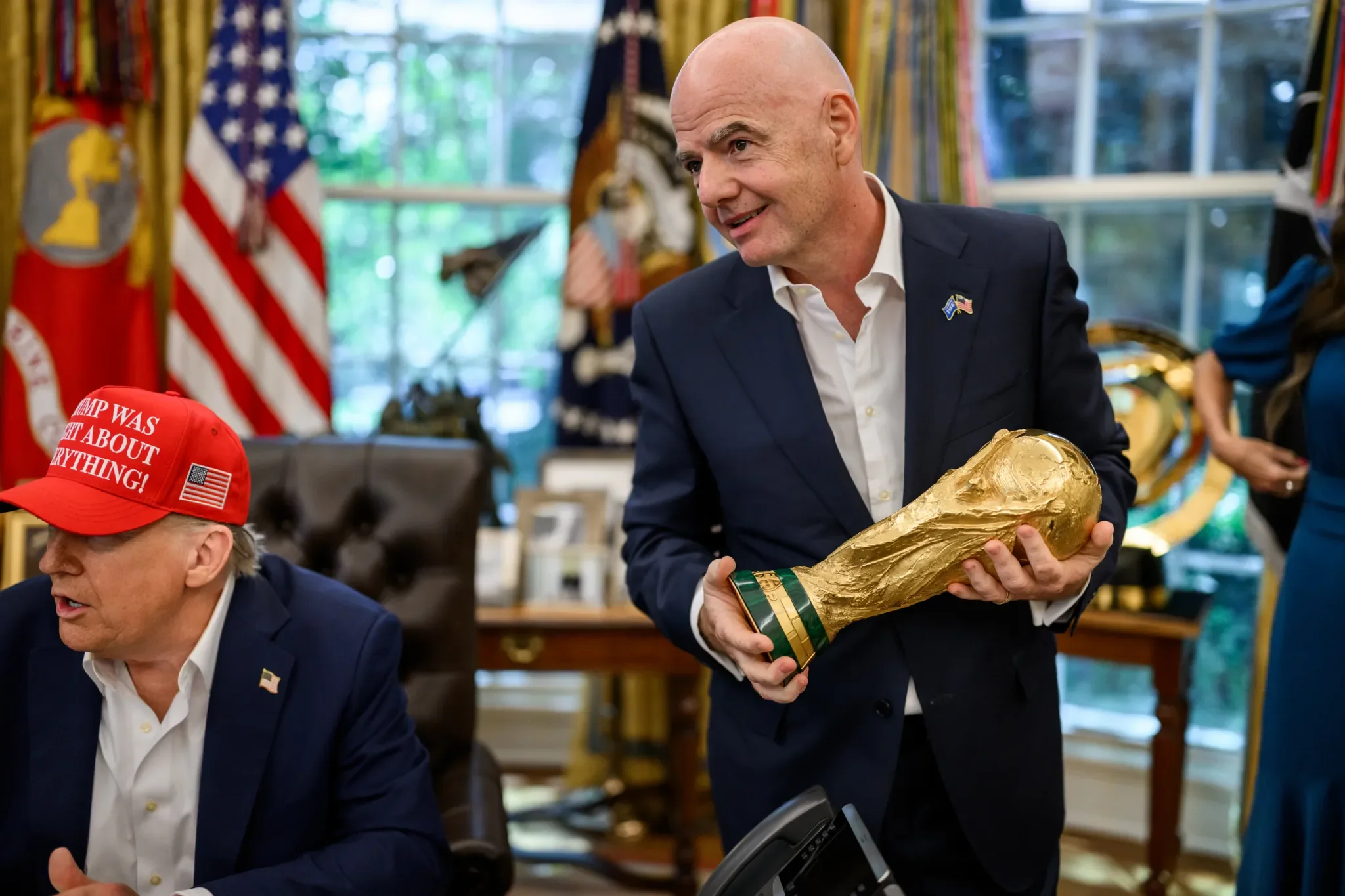
President Donald Trump and FIFA President Gianni Infantino announce Kennedy Center as FIFA World Cup 2025 draw location. The White House. CC0.

One week before the start of the 2026 FIFA World Cup, advocacy organization FairSquare launched Reboot FIFA, a public campaign urging supporters to join what it hopes will become the largest ethics complaint ever filed against the association. The complaint accuses FIFA President Gianni Infantino of repeatedly violating the organization’s political neutrality rules through his public support for U.S. President Donald Trump and argues that the allegations reflect deeper governance problems within football’s governing body.

Launched early this June, Reboot FIFA invites members of the public to add their names to an updated ethics complaint originally submitted by FairSquare in December 2025.

FairSquare argues that Infantino’s appearances alongside Trump, including his involvement with the FIFA Peace Prize awarded to the president and subsequent cooperation with Trump’s Board of Peace initiative, violated FIFA’s requirement that officials remain politically neutral. FIFA has not publicly accepted that characterization and maintains that its governance reforms have strengthened accountability and oversight.

With global attention turning toward the World Cup, the campaign highlights that the tournament provides a rare opportunity to pressure FIFA over issues of accountability and transparency.

For many supporters, the controversy recalls FIFA’s 2015 corruption scandal, when U.S. prosecutors charged dozens of football officials in a sweeping investigation into bribery, racketeering and money laundering. The scandal forced the departure of longtime FIFA President Sepp Blatter and prompted promises of far-reaching institutional reform.

Under Infantino, FIFA has repeatedly pointed to increased transparency measures, independent audits and billions of dollars invested in football development worldwide. Following “deep-rooted governance and management reforms,” as a FIFA spokesperson told The Guardian, the organization insists that it is now more accountable than ever.

For FairSquare, however, the persistence of controversy suggests otherwise. The NGO argues that FIFA’s problems are structural rather than personal.

“FairSquare has long argued that FIFA’s structural problems cannot be fixed from within and that external reform is critical,” the organization wrote in launching the campaign.

More significant to fans than the complaint itself is what it reveals about FIFA’s governance model, with FairSquare arguing that the organization simultaneously acts as football’s regulator and commercial powerhouse, creating conflicts of interest. Among the reforms proposed by the campaign are stronger auditing of FIFA’s finances, greater transparency in decision-making, and a clearer separation between its commercial operations and governance functions.

The campaign has also received support from the Norwegian Football Federation, whose president, Lise Klaveness, has called for the complaint to be properly assessed by FIFA’s ethics committee. This backing matters for fans because it suggests that concerns about governance are not limited to activists and watchdog groups but are increasingly being voiced by member associations themselves.

Whether Reboot FIFA succeeds in forcing change remains uncertain, especially considering that previous reform efforts have often struggled against an institution whose leadership is ultimately accountable to the same internal structures that elect it. Nonetheless, the campaign’s significance lies less in the fate of a single ethics complaint than in the question it raises. Years after FIFA’s most serious corruption crisis, football's governing body continues to face accusations of weak accountability and conflicts of interest. If FIFA wishes to claim it represents the global game, critics argue, it must do more than organize tournaments. Now, it must convince players, supporters and member associations that it is answerable to them as well.

Readers can learn more about the Reboot FIFA campaign and add their names to the ethics complaint through FairSquare's campaign website: https://rebootfifa.com/sign/

Sehr Khosla

Sehr is a student at Georgetown University studying Classics and Government with a minor in Journalism. In the future, she hopes to combine her passion for social justice with communications to advocate for change. Outside of writing, she enjoys travelling and reading murder mysteries.

How Conflict in Sudan Is Impacting Women and Girls

By Cove Johnson Rabidoux

Gender violence and limited access to healthcare have left Sudanese women increasingly vulnerable as war continues.

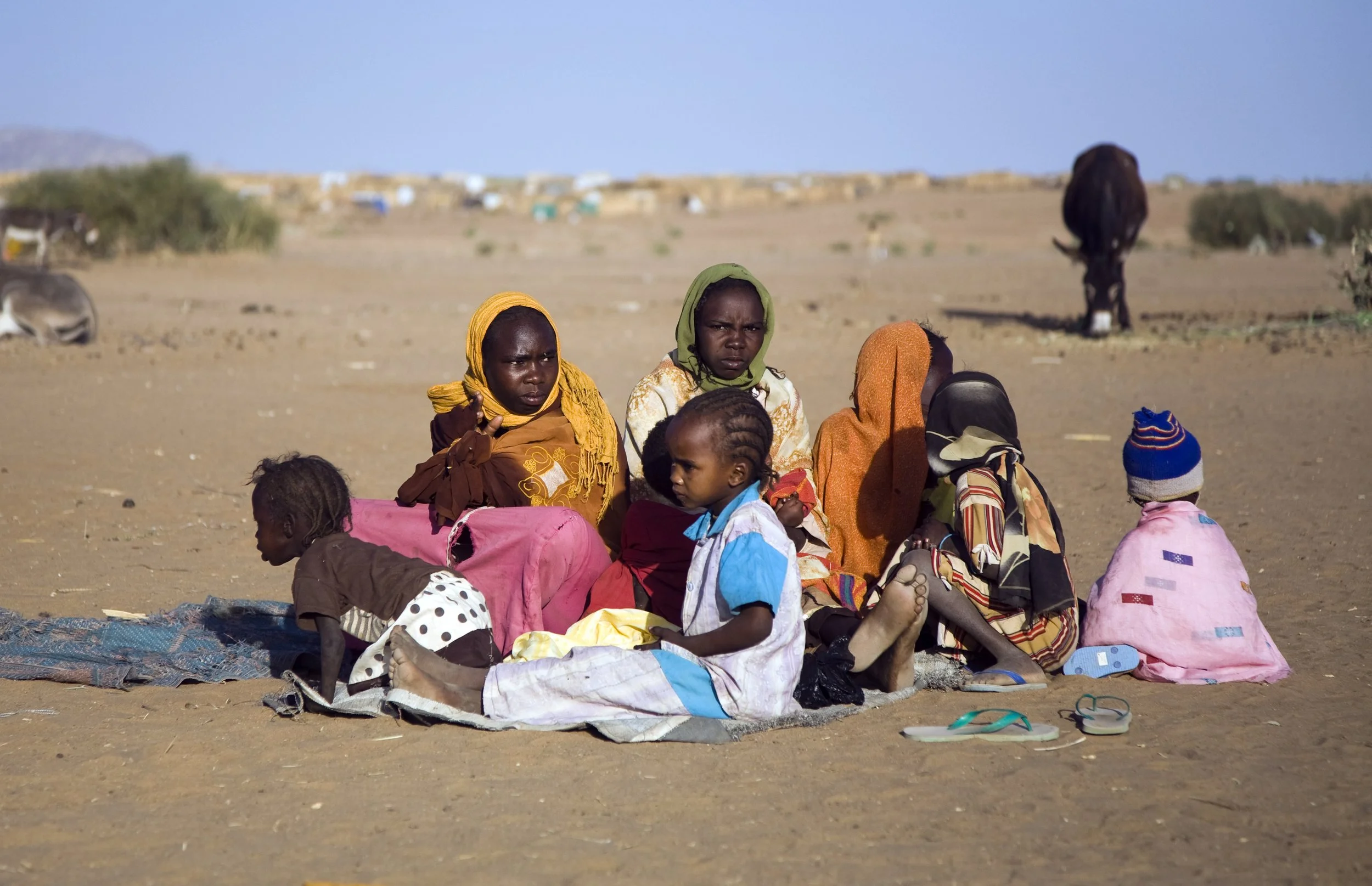
 Sudanese women and children. Albert Gonzalez Farran. CC BY-NC-ND 2.0.

Civil war in Sudan started in April 2023 following the collapse of negotiations between the Sudanese Armed Forces (SAF) and the Rapid Support Forces (RSF). Since then, the country has been decimated by violence, widespread famine and a crumbling healthcare system, all of which make it nearly impossible for humanitarian support organizations to provide aid. 

According to the United Nations, the situation in Sudan is the world’s worst humanitarian crisis, with more than 33 million people in need of support. Women and girls have been disproportionately affected, facing alarming rates of food insecurity and displacement. 

Millions of women have had to relocate to refugee and displacement camps, where they face shortages of food, clean water and medical supplies. At these camps, they experience the additional risk of gender-based violence, both by fellow civilians and members of the SAF and RSF themselves. 

The United Nations described rape, sexual slavery and violence as common war tactics used throughout the country. They report that sexual violence has not only been used to exert control over communities but to instill fear and deepen the psychological trauma of survivors and their families. One woman told Human Rights Watch, “Every time I try to sleep, I see how my parents and husband were killed, and I remember all the things they did to me. It is torturing me.”

Her experience is far from unique. Survivors of sexual violence, especially that which is war-related, often experience long-term trauma, including depression, post-traumatic stress disorder and sleep disturbances. Many also face social stigma within their communities, which can lead to further isolation. In Sudan, these challenges are compounded by the deterioration of the healthcare system and limited humanitarian access. With little international aid, survivors are left without medical care, counseling or legal assistance.

Additionally, without reliable healthcare, pregnant women and new mothers are unable to receive adequate maternal support. This often increases the likelihood of preventable complications for both mothers and infants.

Yet despite these conditions, Sudanese women are committed to protecting their communities. Across the country and within displacement camps, women-led groups have helped distribute food, protect children from violence and provide midwifery and other medical assistance. 

But as fighting persists across the country, humanitarian groups argue that greater international attention is crucial in addressing the crisis. Sudan has received comparatively limited international coverage compared to other global conflicts. Experts suggest this is partially because more “geopolitically influential countries” are often prioritized in media coverage, leaving other large-scale humanitarian crises underreported. 

In the case of Sudan, Tom Perriello, former U.S. special envoy to Sudan, said, “I don’t think I’ve ever seen as big of a disconnect between the scale of a crisis and the scale of media coverage in my life, and that is both because the scale of the suffering in Sudan is so high and because the [media] coverage is abominably low.”

The statement reflects ongoing concerns about the visibility of the crisis and its impact on its civilians. For many Sudanese women and girls, support remains uncertain as they continue to navigate the world’s worst humanitarian emergency.

GET INVOLVED:

Sign Amnesty International’s petition to demand an arms embargo in Sudan. Spread the word about the atrocities facing women in Sudan today. Support female protection and aid by donating to UN Women. For updates and additional information, follow UNICEF and ReliefWeb.

Cove Johnson Rabidoux

Cove is an English student at the University of California, Los Angeles. Her writing can be found in the Daily Bruin, The Teen Magazine, Piece of Cake Magazine, and other publications. In her free time, she enjoys reading and traveling.

Why Nigeria’s Largest Floating Village Is Being Demolished

By Julia Sassaman

Thousands of residents of Makoko, Nigeria’s largest floating village, have been displaced after the Lagos State Government carried out demolitions as part of broader redevelopment efforts.

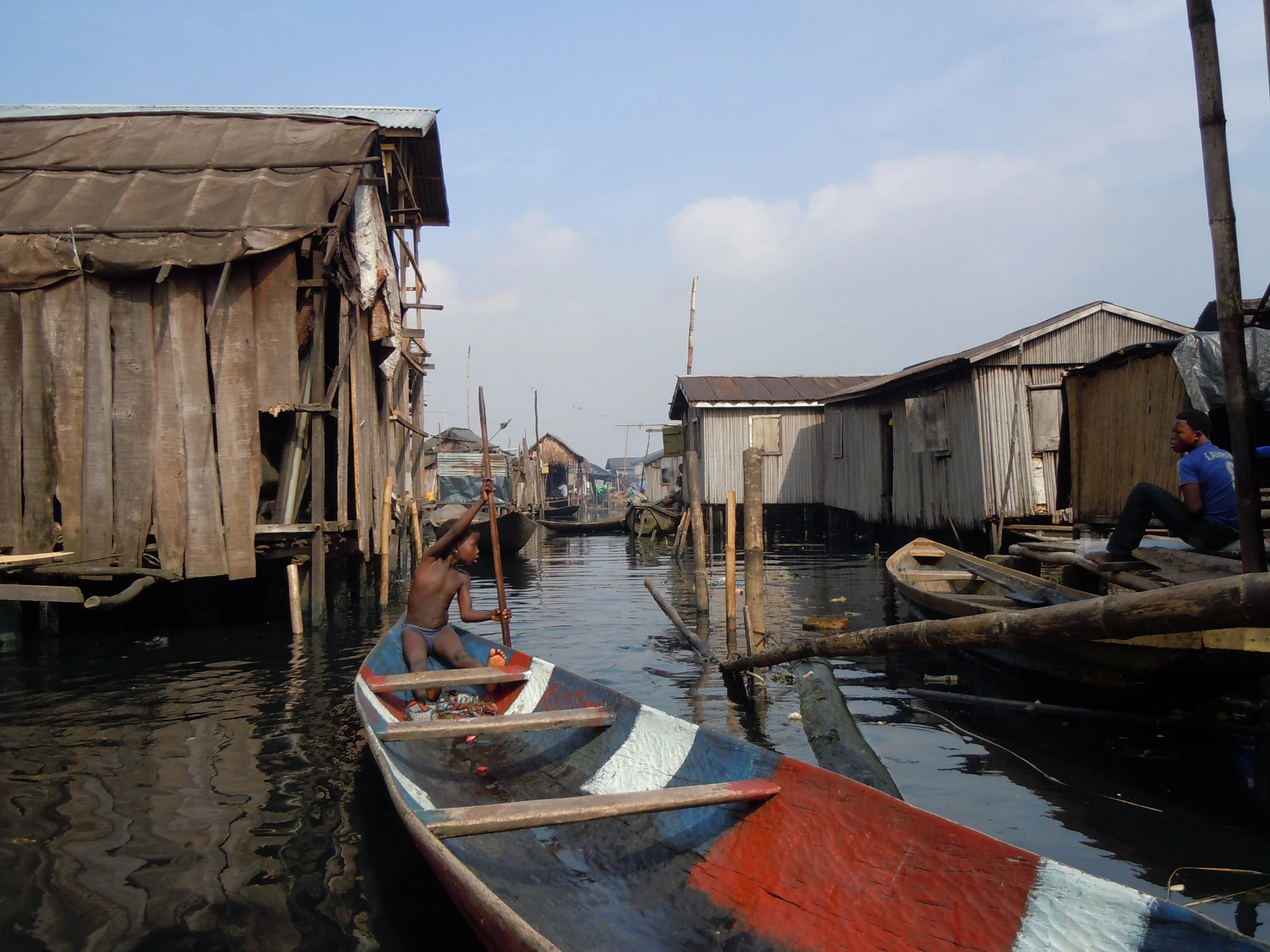
A young boy canoeing through the Makoko canals. Heinrich Boll Stiftung. CC BY-SA 2.0.

Sometimes called the “Dubai of Africa,” Lagos is a rapidly growing city on the Lagos Lagoon in southwest Nigeria, undergoing large-scale construction, tourism and housing development. As Nigeria’s largest city, Lagos is home to more than 14 million residents. Despite increasing investment in high-end developments and infrastructure on its islands, approximately 60% to 75% of residents live in informal settlements. These settlements typically consist of displaced or impoverished individuals who establish communities on state or private land without legal ownership, often lacking clean water, sanitation or basic urban services.

The city struggles to accommodate its growing population alongside high poverty rates and a shortage of affordable housing. Climate-related challenges, such as sea-level rise and coastal erosion, have also increased pressure on the Lagos State Government (LASG) to implement redevelopment projects. However, urban renewal efforts have drawn criticism from many Lagosians, who argue these developments often prioritize the wealthy over the broader population. Demolitions of informal settlement communities have further fueled controversy, prompting questions about the LASG’s redevelopment priorities. 

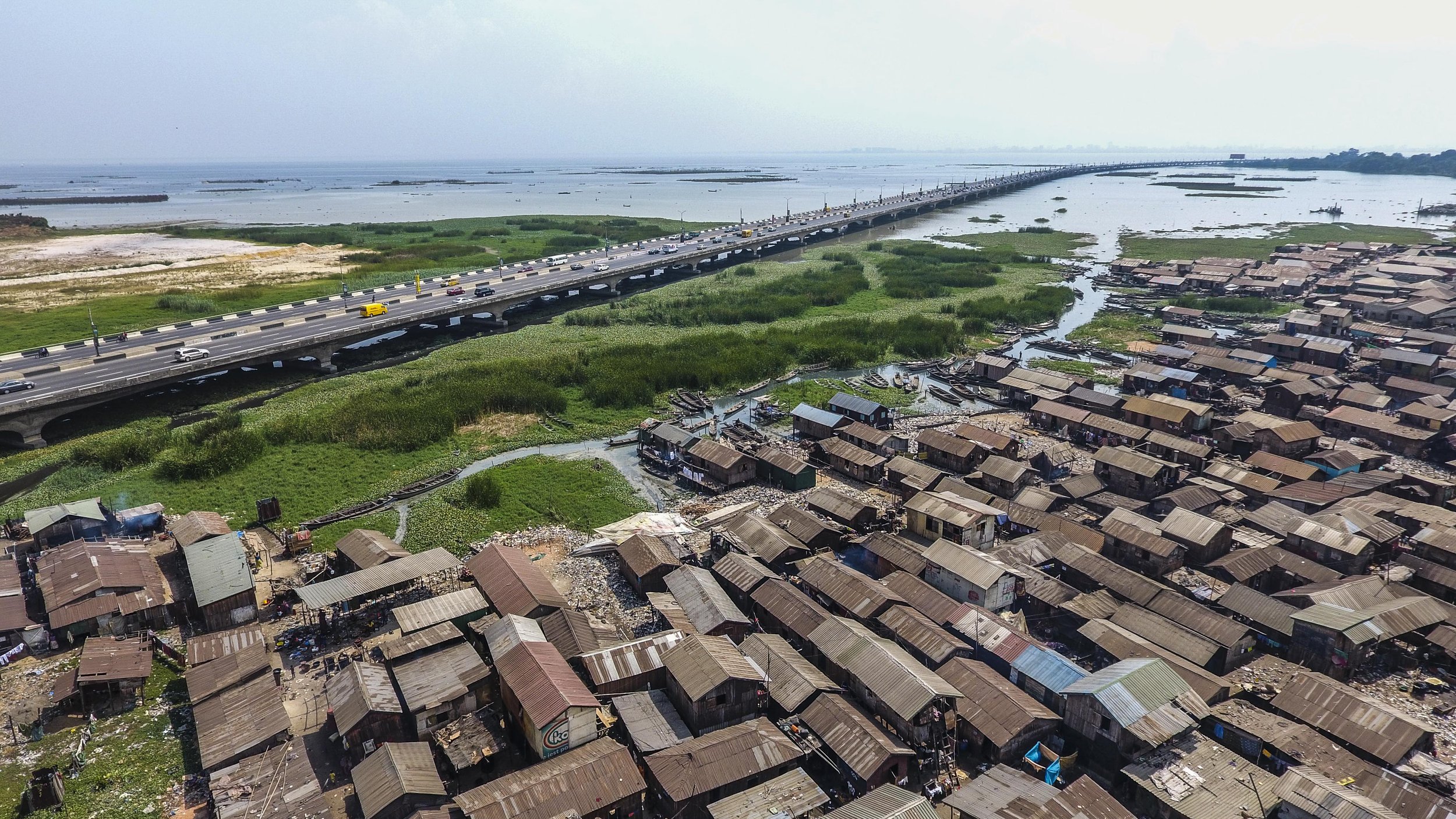
One of the most well-known informal settlements in Lagos is Makoko. Founded in the late 19th century by Egun fishing families, Makoko later became home to immigrants and residents priced out of other areas of the city. Located across land and water, the community’s economy centers on fishing and aquatic commerce. Homes, schools, businesses, churches and medical clinics rest on wooden stilted structures above the Lagos Lagoon, separated by canals and only navigable by canoe. Population estimates are approximate, ranging from 85,000 to over 1 million residents; Makoko lacks formal recognition from the LASG, making accurate census data difficult to obtain. Community members face challenges like inadequate sanitation, unreliable electricity, limited access to education and healthcare and overcrowding. 

In an interview with the BBC, Lagos real estate developer Peacemaker Afolabi states, "Everywhere in Lagos is prime land. And waterfront is always prime.” Demolitions of Makoko began in December 2025 and continued into 2026. The LASG has affirmed that the demolitions only targeted structures within a 100 to 250-meter radius of high-voltage power lines, which pose safety risks to residents, and that proper warning was provided beforehand.

Aerial view of Makoko waterfront settlements on the Lagos Lagoon. S.aderogba. CC BY-SA 4.0.

The demolitions were carried out by bulldozers and armed police, who used force and tear gas against protestors opposing the evictions. Thousands of homes, shops and community sites were destroyed. At least 40,000 people were displaced, sleeping on the demolition debris, under bridges or in canoes without personal belongings, safe shelter or the means to continue their livelihoods. As of May 2026, a resettlement plan to move displaced residents to Agbowa-Ikosi, a community built by refugees, has been proposed by the Lagos State Assembly, but the LASG and Makoko leadership have yet to reach a concrete agreement. 

The 2025-2026 demolitions are not isolated incidents. Makoko has experienced demolitions and displacement tied to private development projects dating back to 2005. Similarly, in 2012, residents only received three days' notice before thousands of homes were removed, again citing proximity to power lines. Since then, Makoko residents have proposed sustainable reconstruction plans that preserve the community’s cultural and historical ties to the waterfront, including the Makoko/Iwaya Regeneration Plan, which the LASG has not implemented.   

The city government maintains that the demolitions protect both the coastal environment and residents living near high-voltage power lines. However, residents believe that the bulldozing extended beyond the warned radius and that adequate warning was not given. The LASG also faces criticism for failing to recognize generational customary land rights and providing no financial support to displaced residents. 

The absence of community-based reconstruction plans and affordable housing options in Lagos has drawn skepticism from the UN, NGOs and Makoko residents. In a 2026 press release, experts from the UN Office of the High Commissioner for Human Rights advised Lagos state authorities to suspend demolitions, provide the necessary assistance to displaced communities and involve Makoko residents in future developments. 

GET INVOLVED:

Follow organizations such as the International Network for Economic,

Social and Cultural Rights (ESCR-Net), which frequently posts articles, resources and events focused on global housing and human rights issues. ESCR-Net also released a solidarity letter demanding an end to forced evictions in Makoko, accountability for the resulting harms caused and stronger protections for residents’ rights. 

Donate or contribute expertise to JEI, a community-based legal advocacy organization providing paralegal services to Nigerian communities, including Makoko. Additionally, support their YouTube channel, Media4Change, a partnership with storytellers from Nigerian informal settlements that regularly posts video projects documenting the experiences and challenges facing these communities.

Follow, support or volunteer with Nigeria-based organizations empowering local communities, including Home of Mother Earth Foundation, Spaces for Change and the Nigerian Slum/Informal Settlement Federation. 

Explore the Slum Dwellers International website to learn more about human rights issues facing informal settlements globally, as well as their advocacy and support in expanding access to economic opportunities and essential services.

Julia Sassaman

Julia is a fourth-year student at the University of Michigan studying political science and international studies. She recently studied abroad in Geneva, Switzerland, researching post-conflict tourism and international human rights law. After graduation, she hopes to move to Europe to pursue a career centered on global human rights. In her free time, she enjoys painting, baking, journaling, and reading.

The Green Goal: Experience the 2026 World Cup Sustainably and Affordably

By Carson Jelinek

With 16 host cities across three countries, the 2026 World Cup will encourage fans to travel more efficiently by reducing their carbon footprint, choosing lower-impact transit and saving money.

Soccer stadium. David Bayliss. Unsplash.

The 2026 World Cup is coming in hot, and it’s bringing a whole lot more than just goals and glory: It’s turning North America into one long road trip, with 16 host cities spread across three countries.  The 11 host cities in the United States are Atlanta, Boston, Dallas, Houston, Kansas City, Los Angeles, Miami, New York/New Jersey, Philadelphia, the San Francisco Bay Area and Seattle. In Mexico, the host cities are Guadalajara, Mexico City and Monterrey. Canada’s host cities are Toronto and Vancouver. When the matches start rolling, the smartest way to move between them may not be to hop on another flight but to slow things down, stick to ground travel where possible and keep both your carbon footprint and budget a little lighter. Sometimes the best way to chase something big is to travel a little smarter, a little cleaner and a whole lot more intentionally.

Scenic view of Golden Gate Bridge. Helena Lopes. Pexels.

That greener route could look a lot of different ways, depending on the cities you choose and how much ground you want to cover. In some cases, it means taking a train or bus instead of booking another short-haul flight; in others, it means carpooling, sharing rides or simply staying longer in one place instead of bouncing from host city to host city. The difference isn’t small. Short-haul flights can emit more than 250 grams of carbon dioxide per passenger per kilometer, while rail travel can drop that number into the single digits. In some cases, choosing trains over planes can reduce emissions by up to 90%, making transportation one of the most important decisions fans will make when planning their World Cup journey.

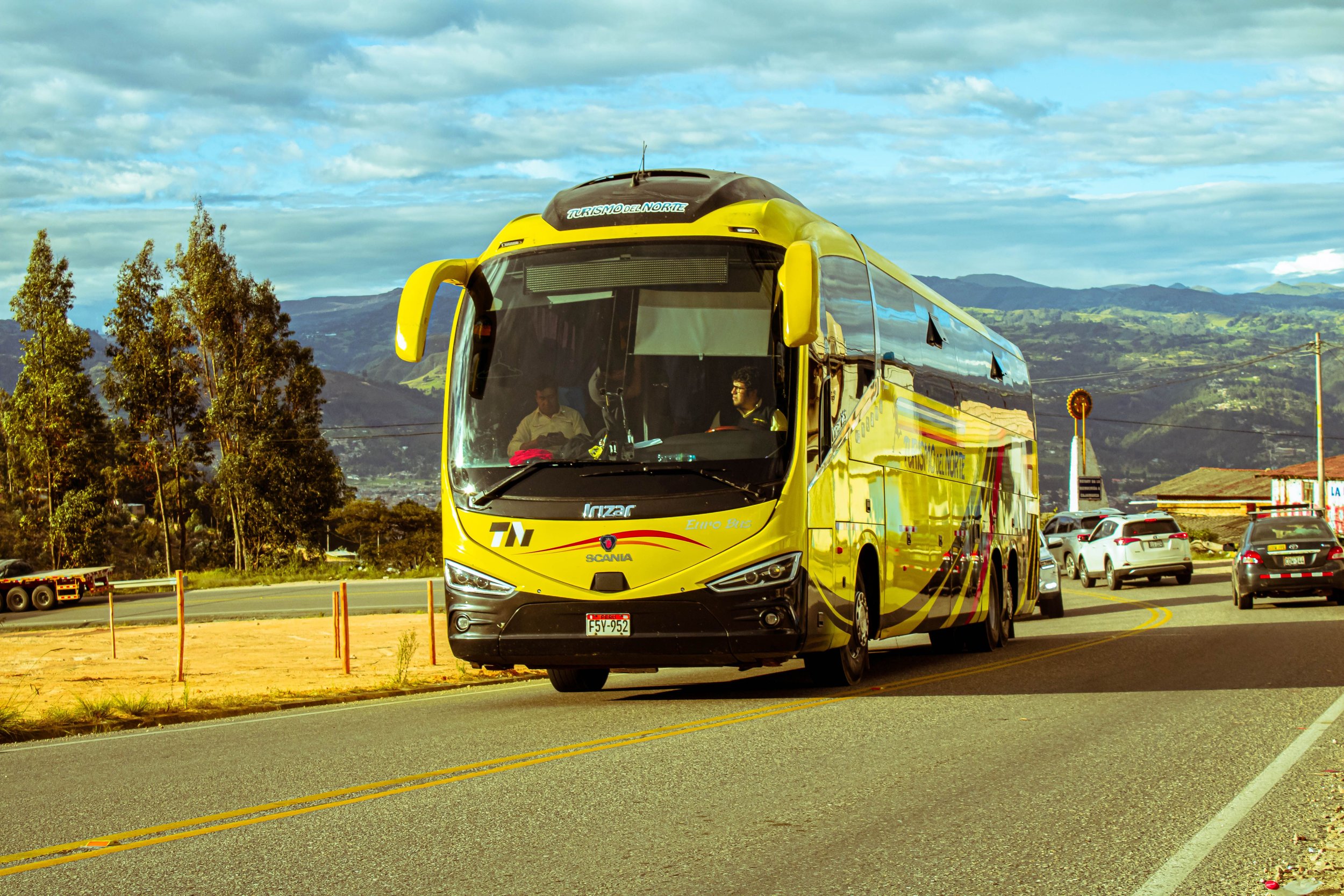
Bus traveling along a scenic mountain. Santiago Quinonez Meza. Pexels.

Once fans arrive, the same mindset applies on the ground: walking when the stadium is close, using public transit when it’s not and leaning into travel plans that cut down on emissions without cutting down on the experience. As it turns out, the most sustainable choices are often the cheapest ones too, since fewer flights, less hotel switching and more local transit can keep costs down while making the trip feel more grounded and intentional.

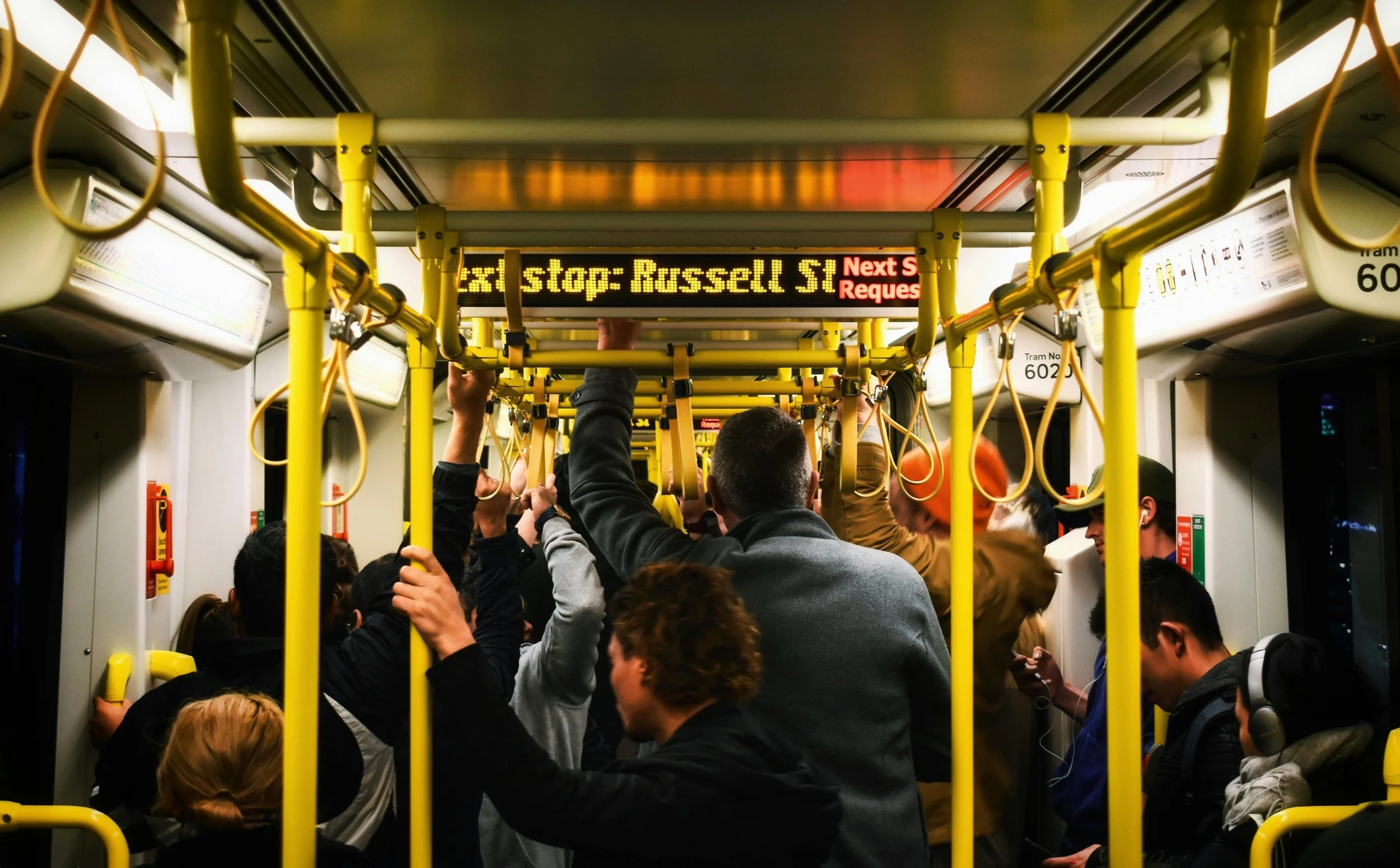
Commuters inside a tram. Rishiraj Parmar. Pexels.

With the 2026 World Cup bringing people together across North America, the way fans travel becomes part of the experience. Choosing a train over a flight or spending an extra day in one city instead of hurrying to the next might seem minor, but when millions of people make these decisions, it affects the tournament’s environmental impact. In the end, following the World Cup is not only about the places you visit but also how you travel and the mark you leave behind.

Carson Jelinek

Carson is a 22 year old writer and filmmaker studying film and media productions at Arizona State University. His work explores travel, culture, and the people behind the places, with a focus on stories that encourage curiosity and global understanding.


Solar-Powered Resistance: How Afghan Women Are Coding in Secret

By Carson Jelinek

In rural Afghanistan, where electricity supply is often unreliable and economic opportunities are limited, significant change is underway through the adoption of solar energy.

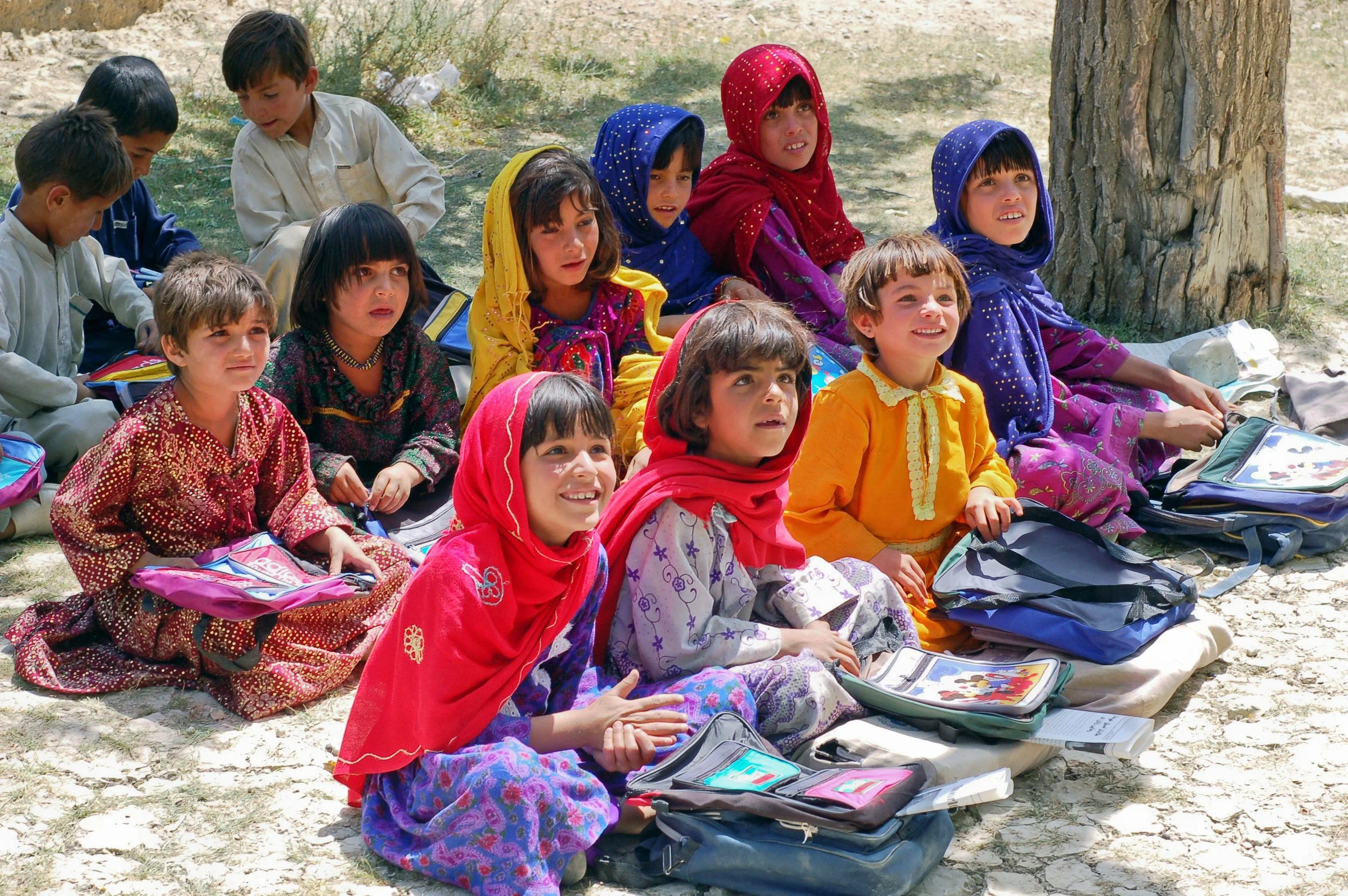
Schoolchildren in Afghanistan. WikiImages. Pixabay.

Behind closed doors and beyond the reach of Taliban restrictions, women are logging on, learning to code and building digital careers in secret. Since the return of the Taliban in 2021, women across Afghanistan have faced sweeping restrictions on education and employment. Secondary schools and universities have largely been closed to them, cutting off traditional pathways to careers and independence. But in response, a new kind of resistance has emerged, one that relies on laptops, Wi-Fi signals and solar panels.

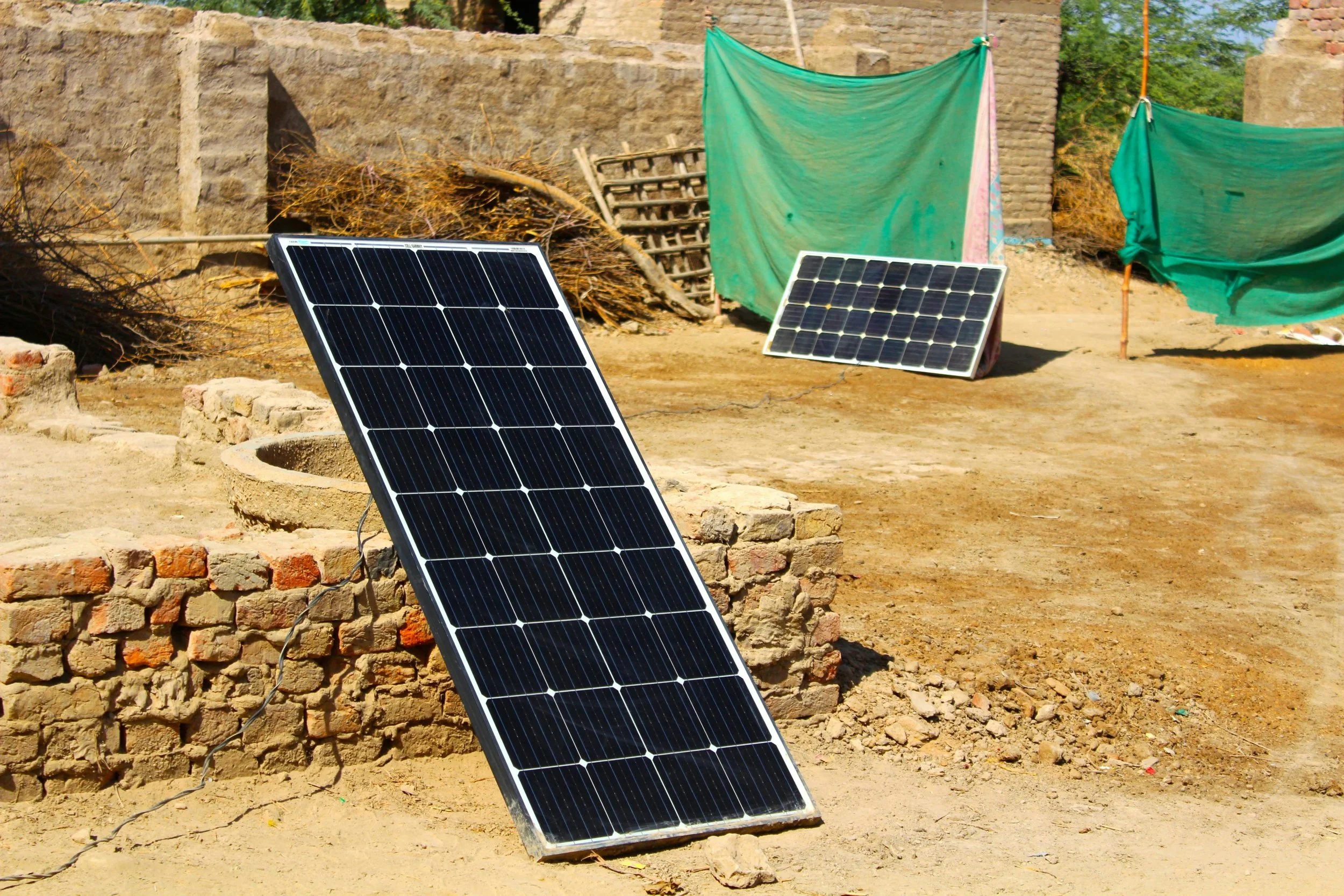
Solar panels outside. Nisar Ahmed Jamali. Pexels.

In many rural regions of Afghanistan, the central power grid is frequently unreliable or entirely absent. This limitation has, in some cases, become advantageous. With nearly 300 sunny days in the country each year, solar energy offers a reliable and low-maintenance power source. Residents increasingly utilize compact, discreet solar systems to operate internet routers and charge electronic devices. As a result, women are able to access online learning platforms from home without drawing attention.

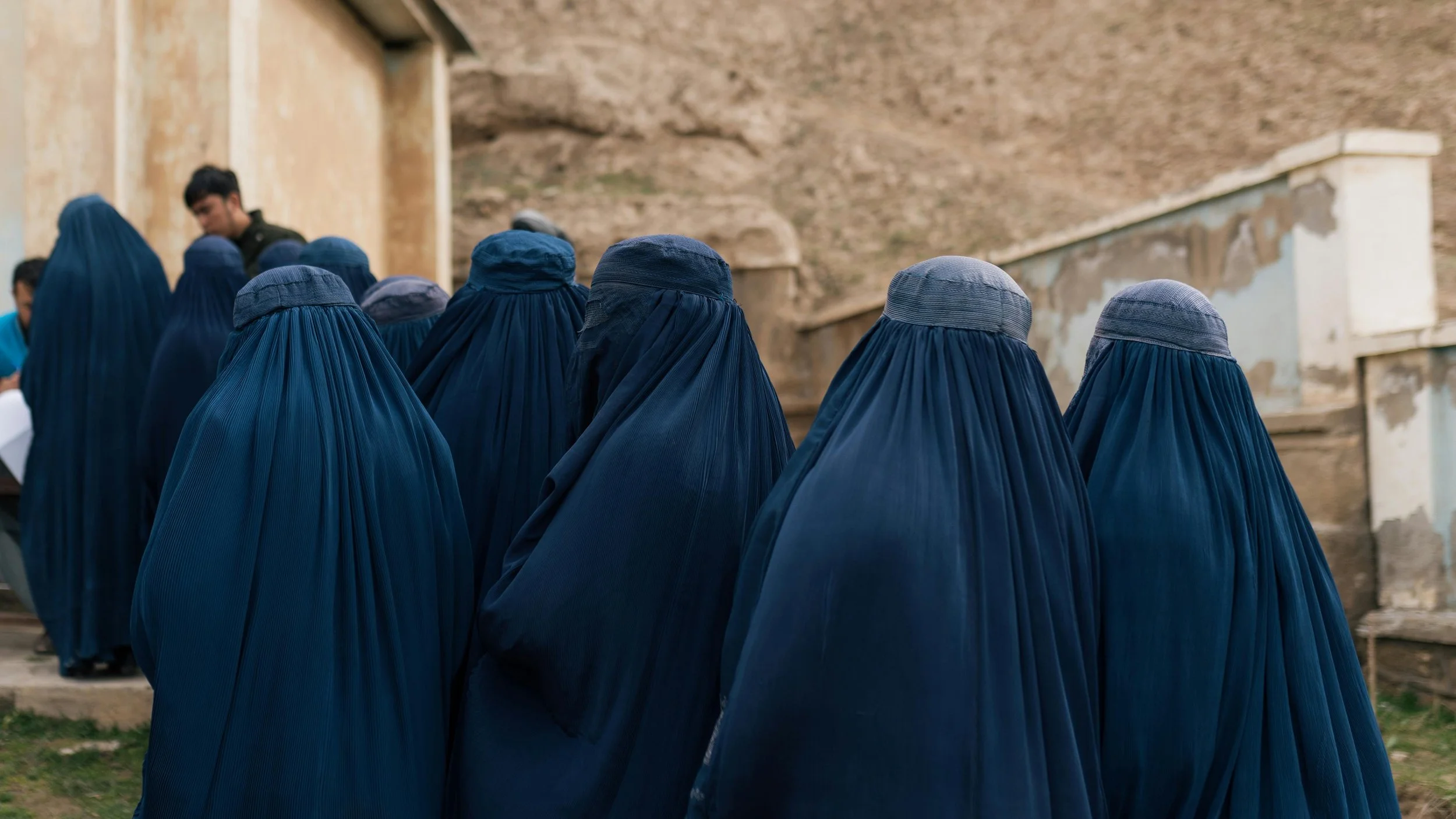
Women in blue burqas. Faruk Tokluoglu. Pexels.

These solar-powered hubs enable women to enroll in confidential coding bootcamps and digital training programs. Murtaza Jafari, an Afghan refugee in Greece, launched one such initiative last year to support his community. As part of his company, Afghan Geeks, he provides dozens of Afghan women with technical instruction and assists them in obtaining remote internships and job opportunities. For many of his students, this work represents more than education; it serves as a vital support system. A 24-year-old student, Sodaba, described the program as her sole opportunity to pursue her aspirations. Such narratives are increasingly prevalent as more women utilize digital platforms to regain agency over their futures.

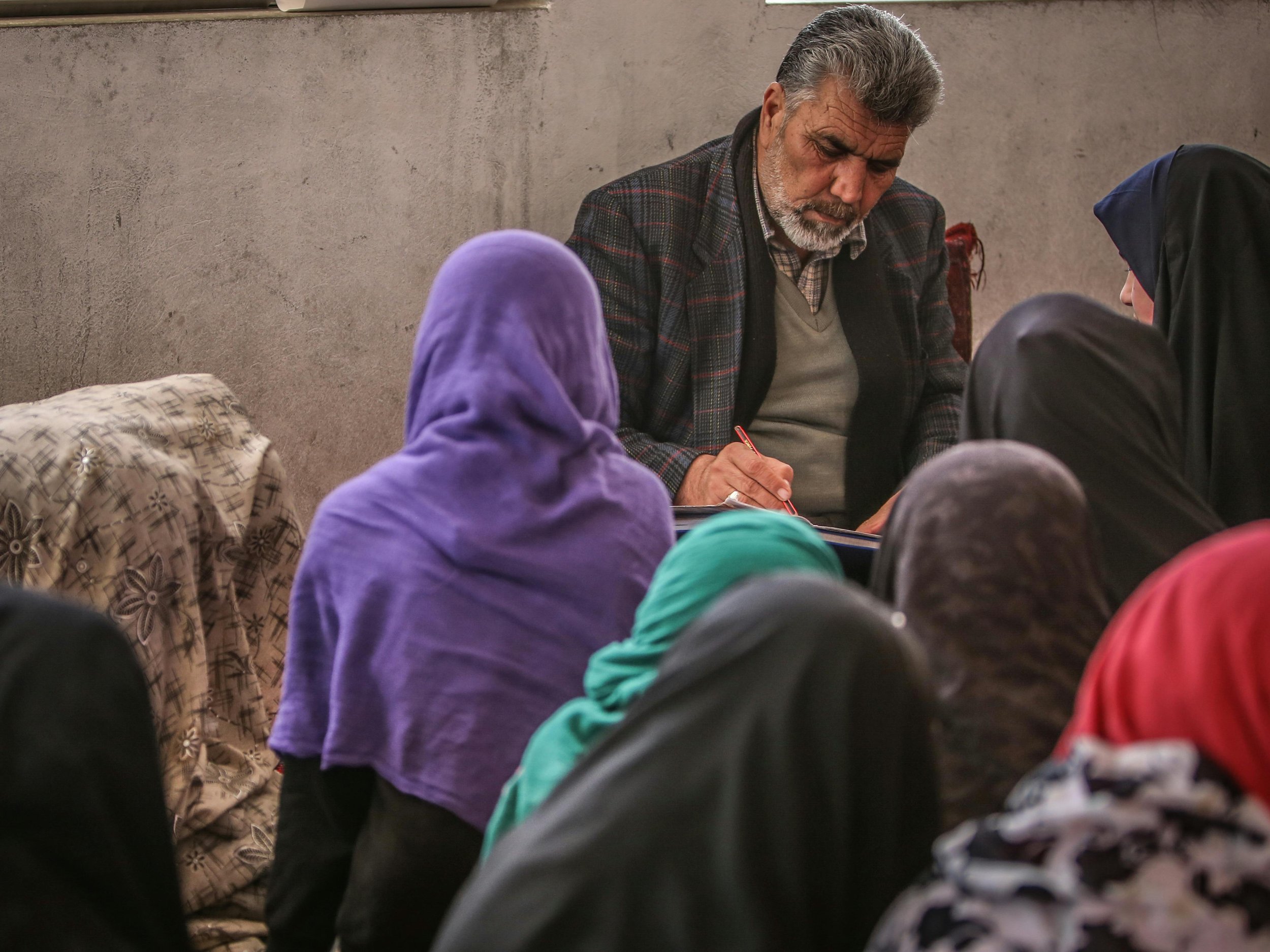
Afghan classroom. Mehdi Khoshnejad. Pexels.

This underground network of learners is part of what some are calling a “digital resistance.” Unable to gather publicly or attend formal institutions, Afghan women are developing decentralized education systems. Lessons are conducted in secrecy, often shared through encrypted messaging apps or coordinated schedules to avoid detection. What is an ordinary online class elsewhere becomes an act of defiance here.

Rural village in Afghan countryside. Burhan Azizi. Pexels.

In this context, technology is not just a tool but a means of empowerment. Coding, in particular, provides a distinct advantage. It is a skill that can be acquired remotely, practiced independently and monetized on a global scale. Freelance platforms and remote work opportunities enable women to earn income without leaving their homes, thereby circumventing many restrictions associated with physical workplaces. Multiple organizations support this movement by providing resources, funding and training. Initiatives such as the SheDreams Foundation and the Society of Women Coders Afghanistan aim to teach programming skills to thousands of Afghan women, often at no cost. Other organizations, including Sahar Education and the Digital Citizen Fund, emphasize broader digital literacy by offering STEAM education and offline-access tools for individuals with limited connectivity.

Grassroots initiatives also directly support home-based learning. Programs facilitated by platforms such as GlobalGiving provide equipment, internet access and secure learning environments for girls who otherwise lack educational opportunities. Additionally, advocacy organizations like Afghan Women Leaders Connect amplify these narratives and link global donors with women-led initiatives operating locally. Where opportunities are systematically diminished, Afghan women are developing innovative strategies to establish their own. Through coding, they are constructing careers, fostering communities and forging discreet avenues to autonomy, supported by solar energy and sustained by a strong commitment to education.

GET INVOLVED:

Code to Inspire is a nonprofit that teaches Afghan women coding, digital skills and entrepreneurship, helping them build careers and achieve financial independence through remote work opportunities.

Digital Citizen Fund expands access to technology, STEAM education and entrepreneurship training for women and girls, helping them gain digital literacy and financial independence.

Women for Afghan Women provides protection, legal support, education and advocacy for women and girls facing violence and inequality, working to promote long-term social and cultural change.

Free Press Unlimited supports journalists and media organizations around the world to ensure access to independent, reliable information, especially in regions with limited press freedom.

Access Now is a global nonprofit that defends digital rights, promotes online freedom of expression and works to ensure secure and open internet access for vulnerable communities.

Carson Jelinek

Carson is a 22 year old writer and filmmaker studying film and media productions at Arizona State University. His work explores travel, culture, and the people behind the places, with a focus on stories that encourage curiosity and global understanding.

Follow Alice: Adventure With Purpose

By Trisha Pillay | Follow Alice

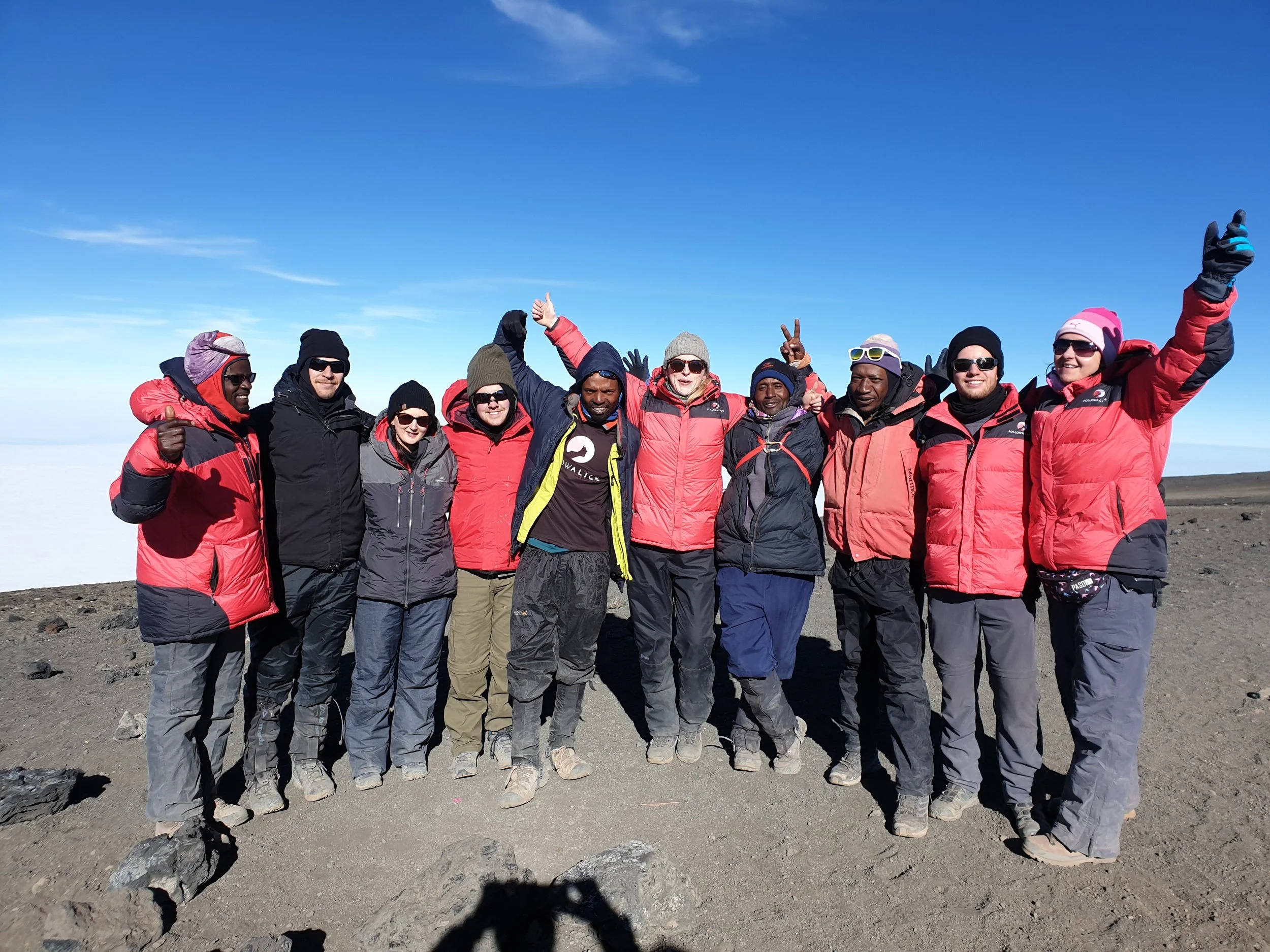
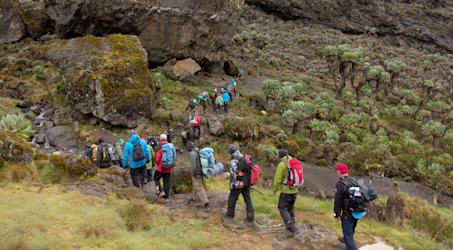
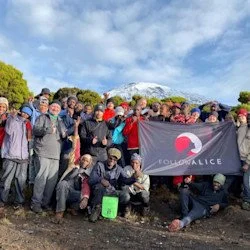
Group of trekkers on route to the summit of Mount Kilimanjaro with the Follow Alice team.

Some of the best things in the world are born from frustration: a bad meal that inspires a great chef; a long wait that sparks a better idea; and, in the case of Follow Alice, a Mount Kilimanjaro climb gone wrong that changed everything.

There’s a version of adventure travel that looks great in a brochure but feels hollow once you’re on the ground. It’s guides who don’t know the mountain, tour operators running trips they’ve never personally done and money that never makes its way back to the communities carrying your bags and cooking your food.

Follow Alice born on the side of a mountain

Follow Alice didn't start in a boardroom; it started on the slopes of Kilimanjaro. Co-founder Reto Bolliger had dreamed of climbing the mountain for years. But when he finally made it happen, the experience left him very disappointed. The company he'd booked through had outsourced everything to local operators who had little connection to the mountain and even less accountability to the people working on it. The tour felt impersonal, the logistics felt careless and most tellingly, the money wasn't going back to the people who deserved it most: the local guides, cooks and porters who made the climb possible.

Reto could see the gap clearly, and then, partway up that mountain, a porter named Chris Sichalwe started talking. Chris shared what life was really like on Kilimanjaro for the people doing the hard work behind the scenes: the inequalities, the unsafe conditions, the lack of fair pay and the sense that the people who knew the mountain best were the ones benefiting from it least. It was an honest, eye-opening conversation, the kind you only have when someone trusts that you actually care.

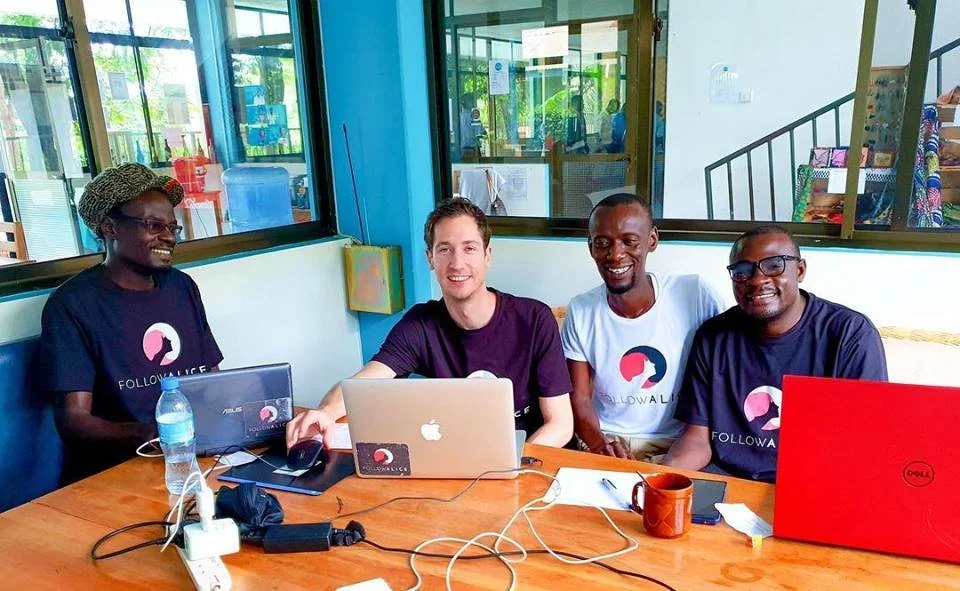
Reto, Chris and Rob Sichalwe joined another local leader to discuss operations in Tanzania.

Reto listened, and together with Daniel Louis, they decided to do something about it. That conversation became the seed of Follow Alice, a company built not just to run great adventures but to make sure the people at the heart of those adventures are respected, empowered and better off because of them.

Daniel with the Follow Alice team in Tanzania.

Fast forward to today, more than a decade later, and Chris Sichalwe is no longer a porter. He is the Director of Tanzanian Operations for Follow Alice. His journey from the trails of Kilimanjaro to the leadership of one of the company's most important operations is not a footnote in the Follow Alice story; it is the story.

Watch his story here: Chris’s Story | The Warm Soul Leading Follow Alice Tanzania

That progression says everything about the ethos of this company. Follow Alice is about sustainability and empowering local communities in every single place they operate, not as a side policy but as the entire point.

Follow Alice is now a boutique adventure travel company incorporated in both the U.K. and Tanzania, with a remote core team spread across the globe and on-the-ground crews that are 100% local. They operate across East Africa, South America, Asia and Iceland, running 50 adventures that have taken over 3,500 travelers to some of the world's most extraordinary places.

Watch Reto speak about Follow Alice: Meet Reto | The Vision And Founder Behind Follow Alice

View trips here: https://followalice.com/

What "responsible travel" actually looks like

The term responsible travel gets thrown around a lot. However, Follow Alice earns it by holding themselves to four honest questions for every trip they run:

  • Do our services offer local entrepreneurs genuine growth opportunities?

  • Does our business benefit the local community and economy?

  • Do we help protect or at least not harm the wildlife we encounter?

  • Do we help protect or at least not harm the natural environments we explore?

These aren't marketing talking points but a lens through which every itinerary, every partnership and every hire is evaluated. 70% of every trip price stays in the local economy, which is always channeled into fair wages, local empowerment and the partnerships that sustain communities long after the travelers have gone back home. Local teams don't just guide the adventures; they lead them, own businesses built around them and share in the revenue they generate.

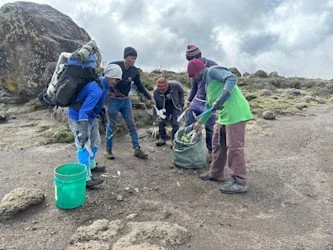
Follow Alice taking part in a Mount Kilimanjaro clean-up initiative in support of Leave No Trace principles.

Safety as the foundation

On Kilimanjaro and Mount Everest climbs, every Follow Alice guide holds a Wilderness First Responder (WFR) certification, an intensive program focused on trauma care, altitude illness, patient assessment and emergency response in remote environments. The qualifications are only part of it because the guiding philosophy matters too. Follow Alice chooses longer, safer acclimatization routes over rushed itineraries because getting people home safely matters more than getting them to the summit quickly. Every expedition carries comprehensive first-aid equipment, and guides are trained to make decisions based on client wellbeing rather than commercial pressure. Regular refresher training and emergency scenario drills help keep those skills current.

Trekkers making their way up Mount Kilimanjaro with the Follow Alice team.

In Nepal, Bhutan and Peru, guides are chosen through long-standing personal relationships and years of trust. The people leading your trek know the terrain, the weather and the realities of life on these mountains through lived experience, not just training manuals.

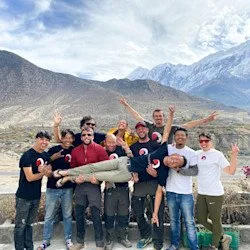
The Follow Alice team in Nepal take a picture with the Himalayas behind them.

The Follow Alice team in Nepal take a picture with the Himalayas behind them.

The same approach extends across Follow Alice’s trips in East Africa. In Kenya and Zanzibar, the company works with trusted local teams who understand the rhythms of the places they operate in, right from the logistics of remote safari camps to the practical realities of coastal travel and changing weather conditions. The emphasis is on experienced local leadership, small groups and thoughtful planning rather than moving people through destinations as quickly as possible.

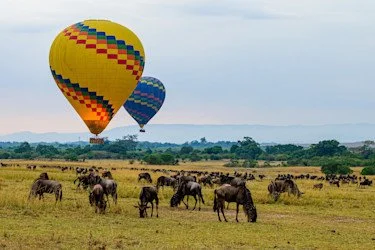
Balloon safari in Maasai Mara, Kenya, with wildebeests of the Great Migration beneath.

In Rwanda and Uganda, gorilla trekking is led in partnership with experienced local operators and park authorities who know these forests like the back of their hand and understand the responsibility that comes with taking visitors into one of the world’s most sensitive wildlife environments. Treks are paced carefully, group sizes remain small and the focus stays on respectful wildlife encounters that prioritize both traveler safety and gorilla conservation.

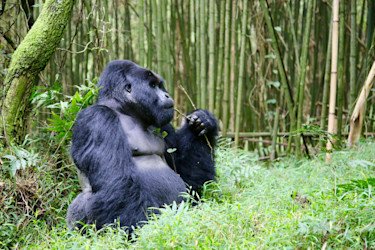
A silverback gorilla is captured chilling on a Uganda trekking experience. 

A silverback gorilla is captured chilling on a Uganda trekking experience. 

In Iceland, trips are designed around guides and itineraries that respect how quickly conditions can change in the highlands, on glaciers and along the coast. Local knowledge matters in a landscape shaped by volcanic activity, shifting weather and long distances between services. 

The people who make it happen

Follow Alice's guides are not interchangeable with service workers. They are storytellers, professionals and in many cases, business owners in their own right.

Khalfan Hamdun has guided travelers across the Serengeti for over three decades. Puru Sharma, who leads Nepal and Bhutan treks, studied law in the U.K. but kept coming back to the mountains and now personally curates every Himalayan adventure Follow Alice offers, ensuring Sherpas and local guides benefit through profit-sharing from every journey. In Uganda, guide Simon has become something of a legend among Follow Alice travelers, multiple testimonials singling him out by name.

Watch Puru in action: Everest Base Camp and the Three Passes Trek | Nepal | The Most Beautiful Trek in the World

Where Follow Alice goes

Follow Alice operates across some of the world's most iconic adventure destinations:

Africa: Kilimanjaro climbs via the Lemosho, Rongai, Machame and Northern Circuit routes; Tanzania and Kenya wildlife safaris; beach holidays in Zanzibar; and gorilla trekking in Uganda and Rwanda. 

Asia: Everest Base Camp treks, peak climbing in Nepal, Annapurna Circuit, Manaslu Circuit, Meru Peak and cultural journeys through Bhutan.

South America: Inca Trail and alternative treks to Machu Picchu in Peru, as well as exploring the country’s capital, Lima.

Iceland: Seeing the Northern Lights in regions such as the Golden Circle, Akureyri and Snaefellsnes.

Each destination is personally tested by the Follow Alice team before it goes live. They walk every route, refine the logistics, stay in the accommodations and eat the food because no trip gets offered to travelers until the people behind it have experienced it themselves.

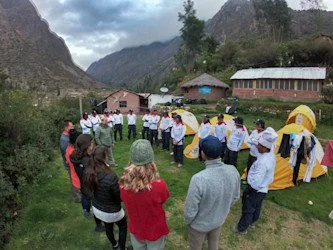
Follow Alice’s team training in Peru.

Travel that leaves things better

Follow Alice's sustainability commitments go beyond their guide partnerships. The focus is less on making broad sustainability claims and more on approaching travel thoughtfully:

  • Leave No Trace: Teams are trained to manage waste, protect wildlife corridors and tread lightly on fragile ecosystems.

  • Eco-conscious lodges: Accommodation is selected specifically for environmental responsibility.

  • Community cleanups: Local crews run trail cleanups, including a notable operation at Shira 2 Camp on Kilimanjaro.

  • Reforestation and NGO support: Travelers are given opportunities to contribute to local conservation, climb for charity and community projects.

  • Wildlife protection through tourism: The company actively supports the argument that tourism, done well, is one of the most powerful conservation tools available.

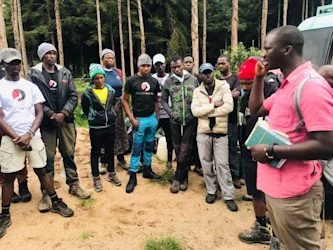
Follow Alice's team briefing for the KRTO clean-up initiative on Kilimanjaro

Why this matters in 2026

What matters now is not how often sustainability is mentioned but how it is reflected in the way trips are actually run. As more travelers look for experiences that feel responsible and meaningful, there is greater attention on who leads journeys, how local partners are involved and how tourism supports the places it moves through.

That is why platforms such as CATALYST PLANET are becoming more relevant. Their approach focuses on identifying operators built on long-term local relationships, experienced regional teams and a more grounded way of working in the destination. In a space filled with big claims, this kind of careful selection helps bring clarity to what is responsible.

Follow Alice has been included as part of this curated selection, reflecting a shared emphasis on working closely with local partners and shaping trips through established relationships on the ground rather than detached or one-size-fits-all models.

Follow Alice's team pose for a group photo.

Ready to Follow Alice?

The name Follow Alice comes from Lewis Carroll's Alice's Adventures in Wonderland, that little voice urging you to leap into the rabbit hole, to be curious, brave and open to the unexpected. The company's mantra is simple: come as a client, leave as a friend. If you're looking for an adventure that challenges you, connects you to real communities and leaves the places you visit better than you found them, Follow Alice is worth your attention.

Explore Follow Alice trips on the CATALYST PLANET Trip Finder, or visit  www.followalice.com to browse their full range of adventures.

Follow Alice Contact: info@followalice.com

Follow them: @followalice on Instagram | YouTube | Facebook

Trisha Pillay

Trisha is an award-winning journalist and Head of Written Content at Follow Alice, with over 14 years of experience in storytelling and editorial media. Her work focuses on adventure travel, culture, and thoughtful storytelling that explores the connection between travel and everyday life.


The Galápagos Drug Route

By Carol Khorramchahi

A UNESCO wildlife sanctuary is being pulled into the Pacific cocaine trade, putting conservation and community life on the same collision course.

Boats docked in Santa Cruz, Ecuador. Andres Medina. Unsplash.

The Galapagos are marketed as a place outside the modern world, featuring blue water, strict park rules and animals that seem to have missed the memo about humans. UNESCO calls the islands a “living museum and showcase of evolution.”

That is the Galapagos most travelers recognize. But there is another Galapagos, quieter and more recent, shaped by the same geography that makes the islands famous. The archipelago sits deep in the eastern Pacific, far enough from the mainland to feel remote and close enough to ride along lengthy maritime routes that move north toward Central America and beyond. Trafficking networks do not need the Galapagos to be a city; they need it to be a waypoint.

In early 2026, Al Jazeera reported that the islands are increasingly being used as a refueling and staging zone for cocaine shipments moving through the Pacific, with authorities intercepting boats and searching for hidden storage points. The story lands hard because the Galapagos economy depends on tourism and regulated fishing, not on the shadow economy of organized crime. When trafficking pressure rises, the damage is not only criminal: It is social.

Part of the pull is simple distance. Long routes require fuel and logistics, and isolated stretches of ocean provide cover. A Pacific trafficking analysis by the U.N. Office on Drugs and Crime describes expanding transnational organized crime in the region and the importance of maritime routes for moving illicit drugs.

Another part is Ecuador’s wider security crisis, which is pushing criminal networks to innovate and spread. The International Crisis Group warns that Ecuador’s organized crime surge is tied to the country’s role in global cocaine flows and violent competition among criminal groups. That shift does not stay on the mainland: It radiates outward, including into strategic maritime zones.

The consequences in the Galapagos do not always look like those in Hollywood. They can look like corruption pressure on small businesses; fishermen being approached to sell information, fuel or services; authorities trying to police an enormous marine area with limited assets while also protecting one of the most sensitive ecosystems on Earth.

Officials are taking the threat seriously. In March 2025, the U.S. Embassy in Ecuador said Ambassador Art Brown visited the Galapagos and discussed security challenges, including illicit trafficking and illegal fishing, as part of coordination with local and national authorities. The U.S. Embassy has also emphasized the scale of maritime interdictions more broadly. The country’s Ministry of Defense said Ecuador seized 135 tons of drugs at sea in 2025, a record it framed as a major blow to trafficking networks.

The larger lesson is uncomfortable: Trafficking routes shift like water. When enforcement tightens in one corridor, networks test another. The Galapagos are now part of that map, and the challenge is no longer only protecting wildlife; it is protecting a community and a global treasure from being turned into infrastructure for a drug economy.

GET INVOLVED:
Support conservation and community protection efforts through the Galapagos Conservancy and the Charles Darwin Foundation. Follow organized crime and security analysis through the International Crisis Group Ecuador page and regional trafficking research through the UNODC

Carol Khorramchahi

Carol Khorramchahi is a student at Boston University, where she studies English and Psychology and minors in Journalism. She enjoys writing and reporting on stories that bring together culture, identity, and community, and has experience in both newsroom reporting and digital media. She is especially interested in thoughtful storytelling with a global lens.

Sailing Beneath the Northern Lights on Norway’s Arctic Coast

Sophia Michelen

A journey through Arctic Norway examines the Northern Lights from scientific, geographic, and cultural perspectives, including aurora research, Sami traditions, and the landscapes of the Norwegian coast.

Images by Sophia Michelen

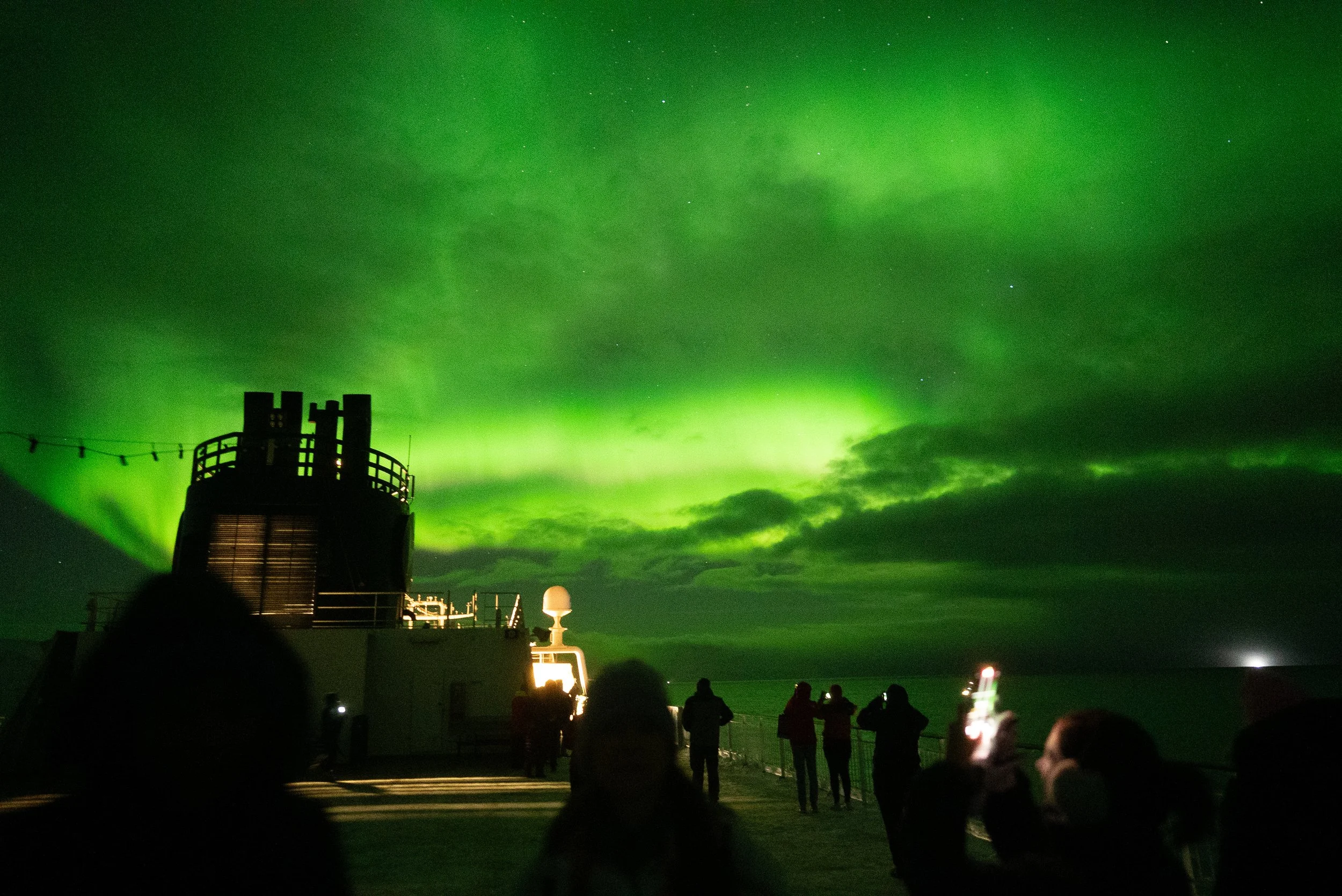
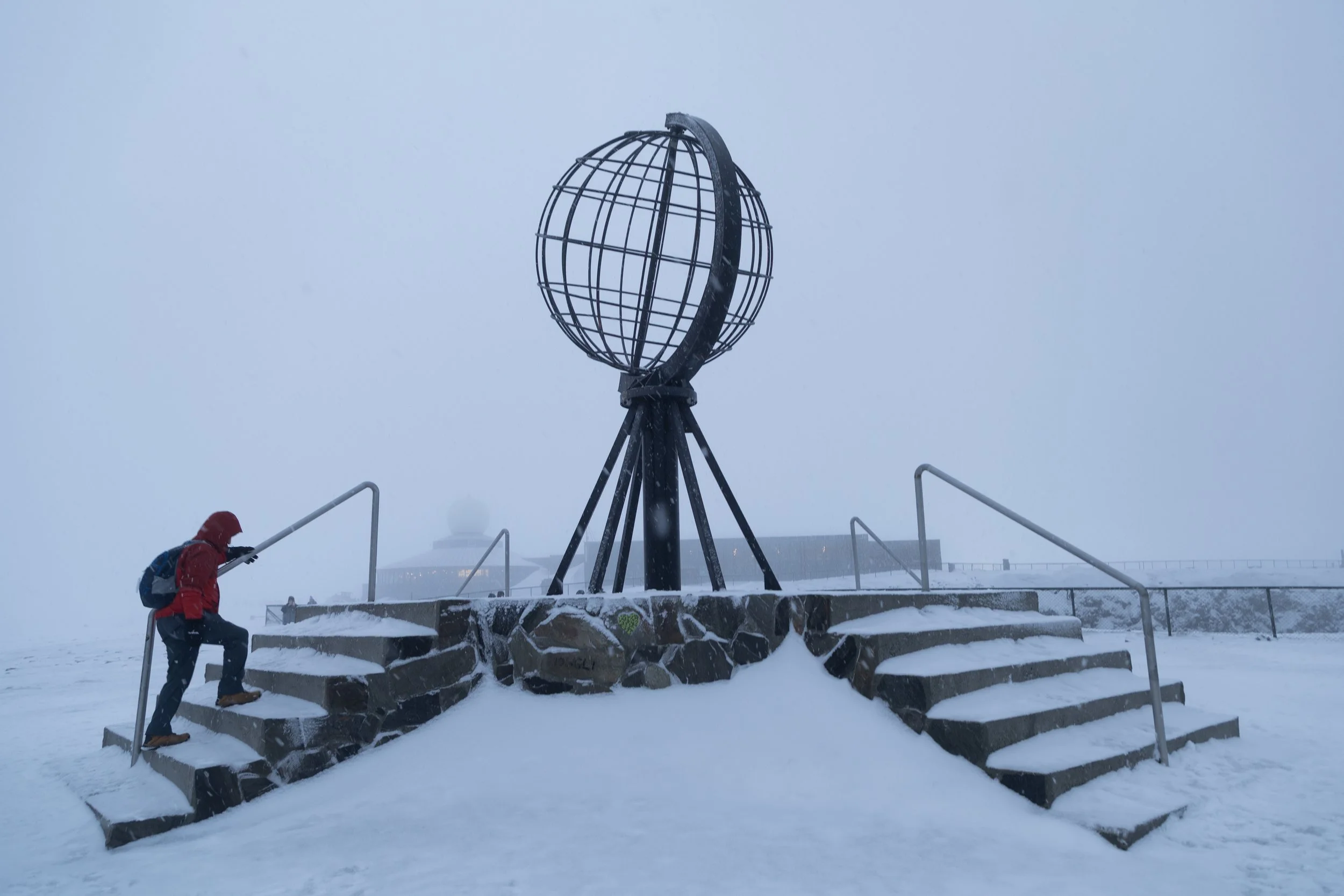
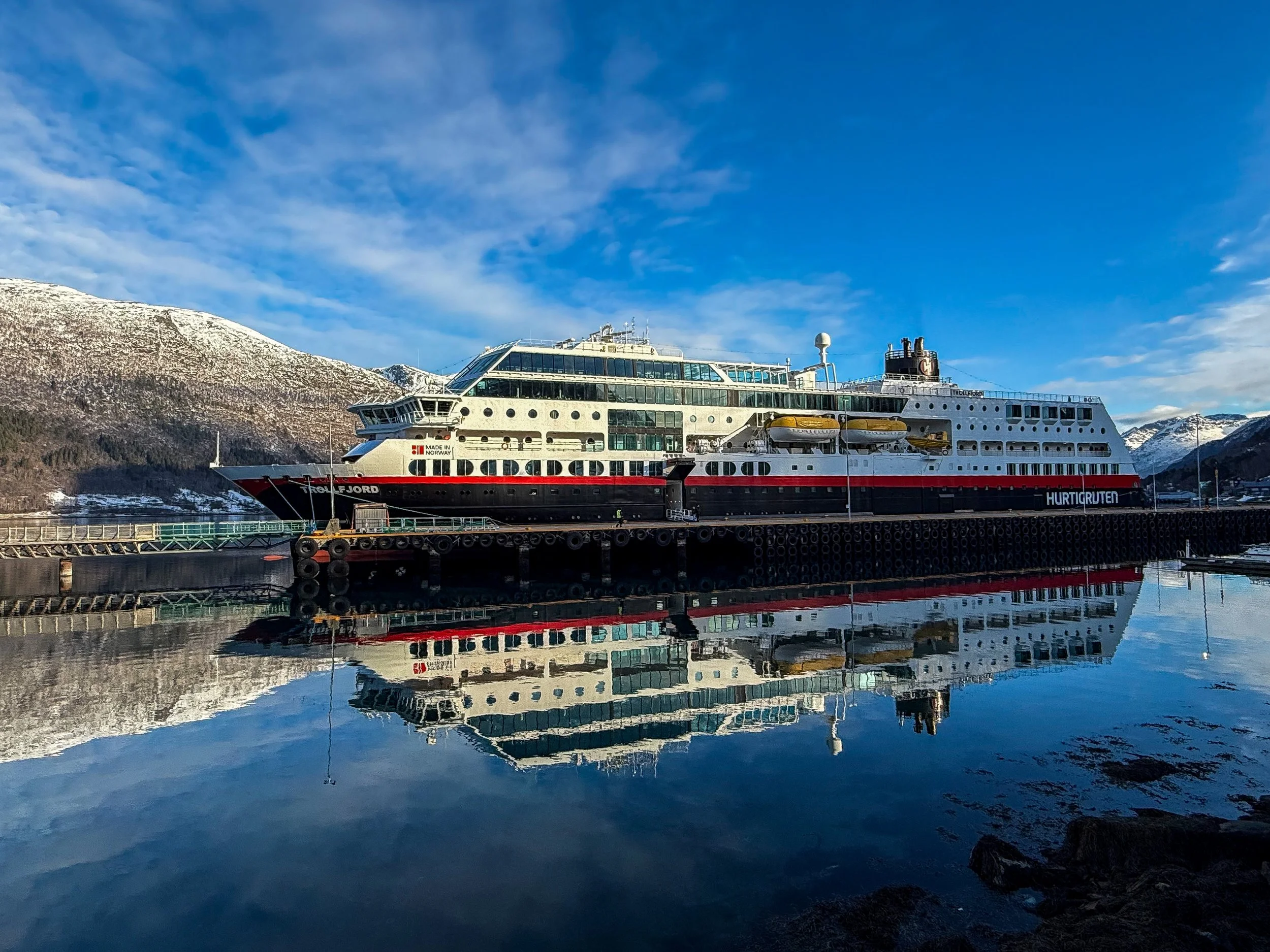
The deck lights are dimmed to red as the MS Trollfjord moves quietly through the Arctic night. Beyond the railings, the sea is black and nearly indistinguishable from the sky, and passengers stand in silence, watching. I am among them during the inaugural Hurtigruten Astronomy Voyage, sailing south from Troms along Norway’s northern coast aboard the North Cape Line. Over six winter nights, the ship travels through one of the world’s largest aurora hotspots: Troms, Finnmark, and Nordland, where long polar nights and clear Arctic skies create some of the best conditions on Earth for seeing the Northern Lights.

Above us, the first faint ribbon slowly appears. For centuries, the aurora has inspired mythology and speculation. Yet the phenomenon unfolding above the Norwegian coast begins far beyond the horizon, at the sun itself. “The aurora is the end of a chain of invisible processes,” explains astronomer Tom Kerss, Hurtigruten’s Chief Aurora Chaser, during a lecture earlier that afternoon. Charged particles carried by the solar wind collide with Earth’s magnetic field and are guided toward the poles. When those particles strike gases high in the atmosphere, they release energy in the form of light. From the deck of a ship moving through Arctic Norway, the science becomes something else entirely: a shifting curtain of green and pink rippling across the sky.

The Geography of the Lights

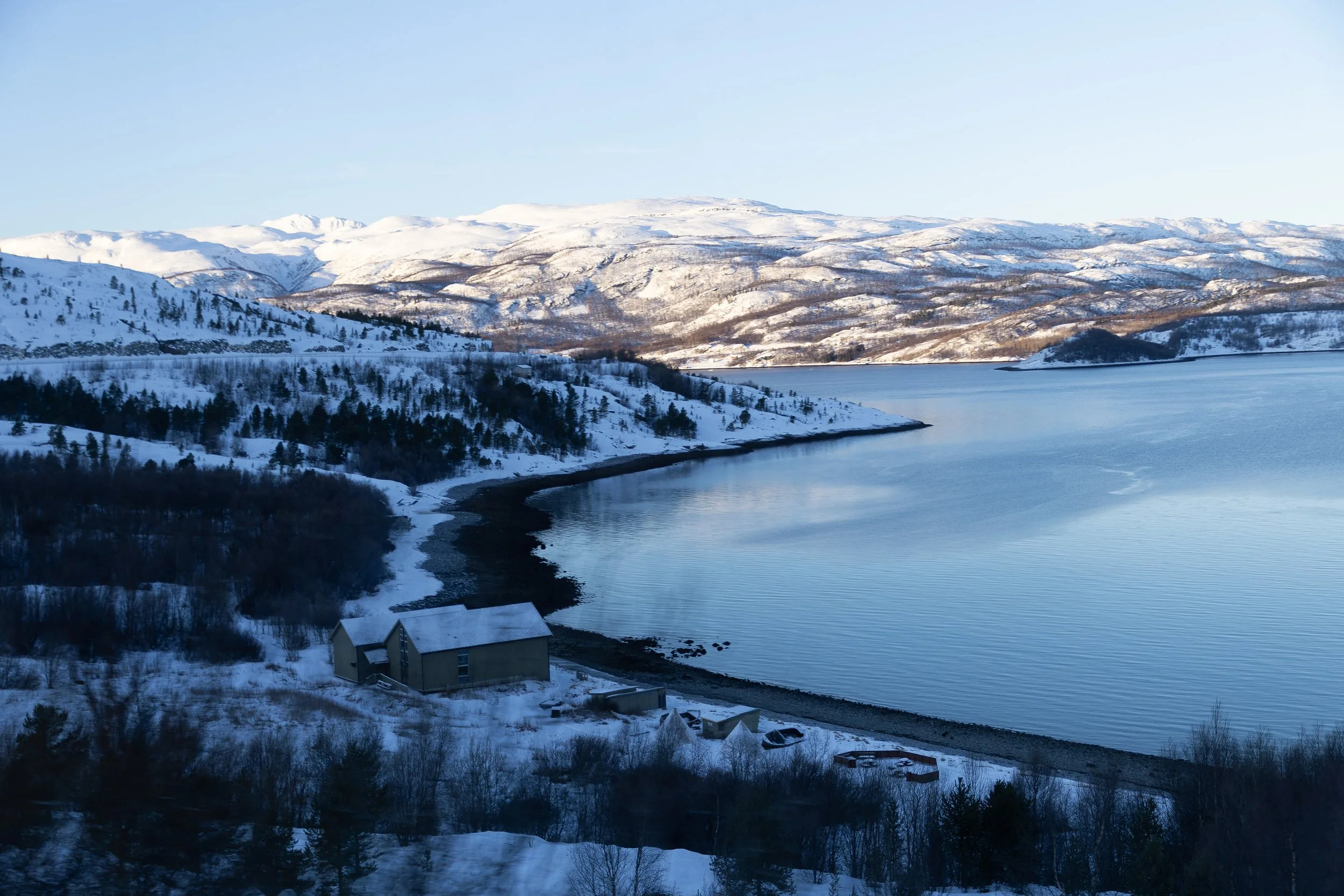
Northern Norway sits beneath the auroral oval, a ring-shaped zone around the magnetic poles where the lights appear most frequently. Long winter nights, minimal light pollution and open Arctic skies make the region one of the world’s most reliable places to witness the phenomenon.

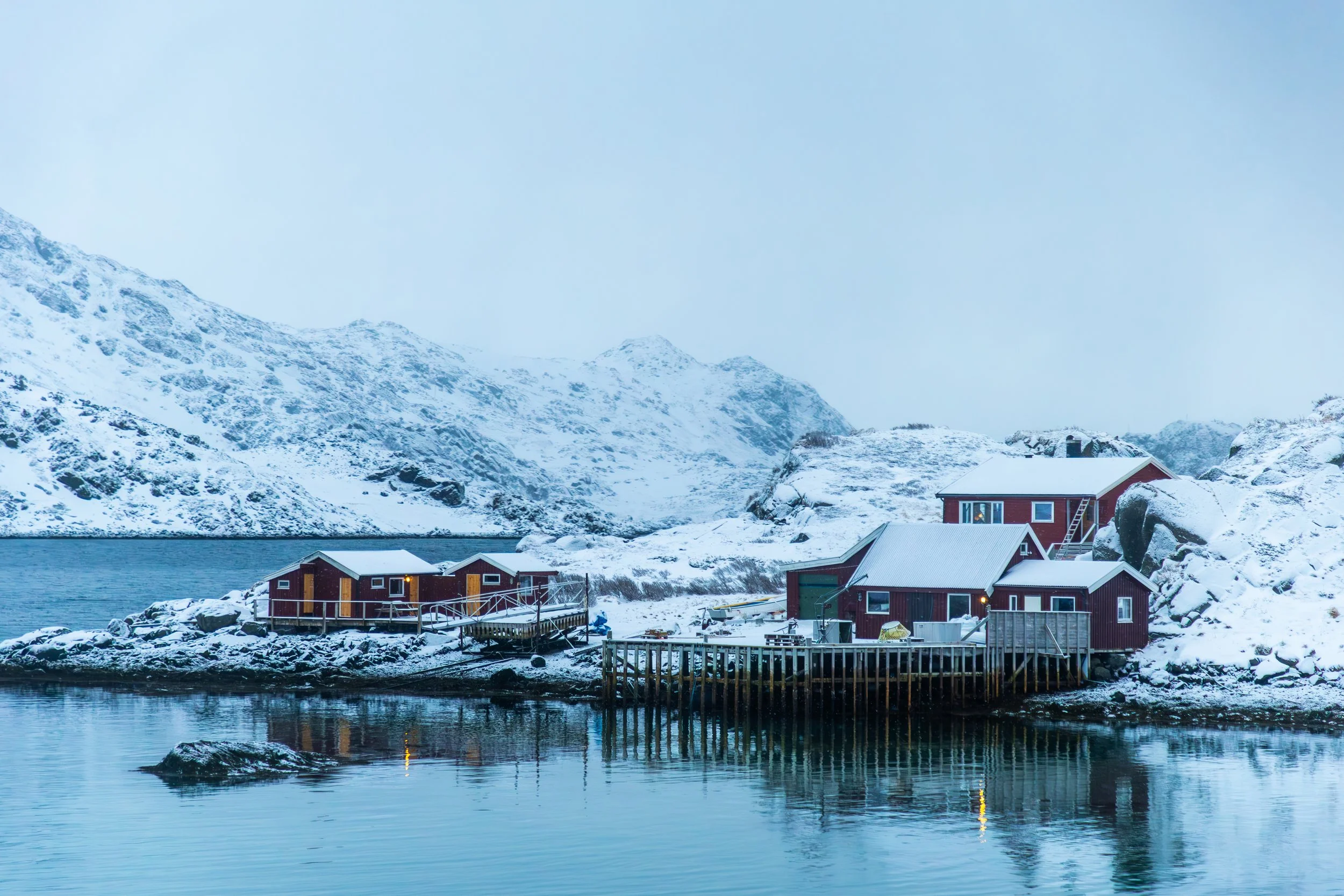
Traveling by sea also adds the advantage of mobility. Rather than waiting in a single location for the sky to clear, ships can move along hundreds of miles of coastline, navigating between weather systems and cloud cover. Along this stretch of Norway, the landscape unfolds gradually, with snow-covered mountains rising directly from the sea, small harbors tucked between fjords and villages that appear briefly along the shoreline before disappearing again behind headlands.

For Kerss, who has spent years studying and photographing auroras across the Arctic, Norway’s coast remains uniquely suited to observing the phenomenon. The lights themselves vary constantly, sometimes appearing as faint arcs barely visible against the stars and other times erupting into sweeping curtains of green stretching from horizon to horizon. On rare nights, red and violet hues ripple across the sky as oxygen and nitrogen react at different altitudes in Earth’s upper atmosphere. Even with the science explained, the moment when the sky begins to move feels almost surreal.

Life Along the Arctic Coast

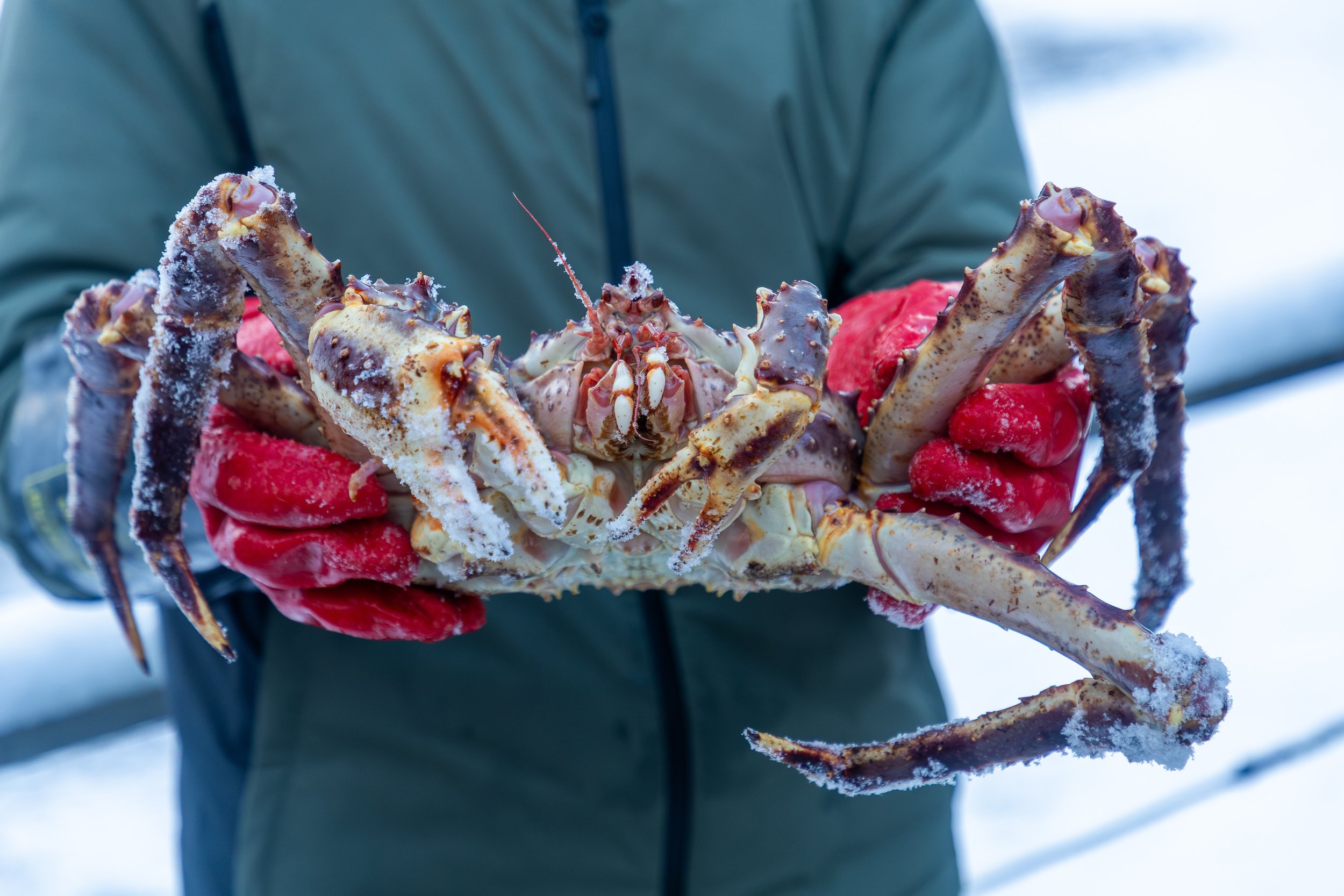
During the day, the voyage moves between small Arctic communities shaped by the sea. In Honningsvag, colorful wooden buildings cluster around a harbor where fishing boats remain central to the local economy. Offshore, the Barents Sea provides king crab, one of the region’s most recognizable delicacies. Originally introduced to these waters decades ago, the enormous crustaceans have become a defining part of northern Norway’s fishing culture. Visitors heading out onto the surrounding waters often end the excursion with a simple meal of fresh crab served with little more than bread and butter.

Further south, the landscape shifts again. Jagged mountain ranges rise sharply from the sea, their peaks dusted with snow even in early spring. The coastline twists through narrow fjords and open stretches of water, where the horizon seems to extend endlessly northward. Moving through these waters offers a sense of scale that is difficult to grasp from land alone.

Images by Sophia Michelen

Alta and the Study of the Aurora

One of the most significant stops along the route is Alta, often referred to as the city of the Northern Lights. For more than a century, scientists have traveled here to study the aurora.

In the late 1800s, Norwegian physicist Kristian Birkeland conducted pioneering research that helped explain the connection between solar activity and the lights visible in Earth’s polar regions. His work laid the foundation for modern aurora science and helped transform what had long been considered a mysterious phenomenon into a subject of scientific investigation.

Today, Alta remains one of the best places in the world to see the aurora. Its inland location, wide skies and relatively dry climate create ideal viewing conditions during the long winter months. Yet even here, scientific explanation has never entirely replaced the sense of wonder that accompanies the lights.

Indigenous Perspectives

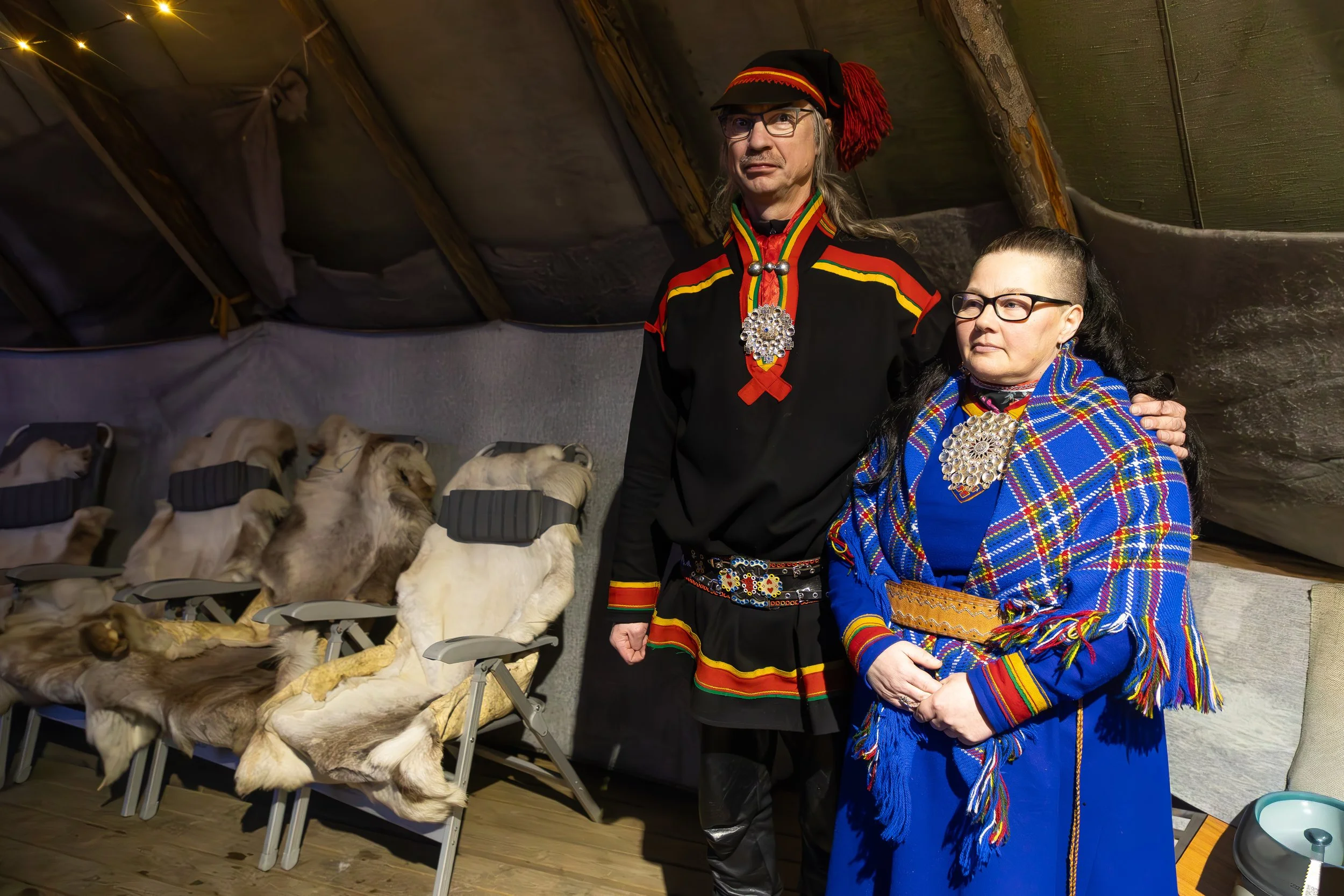
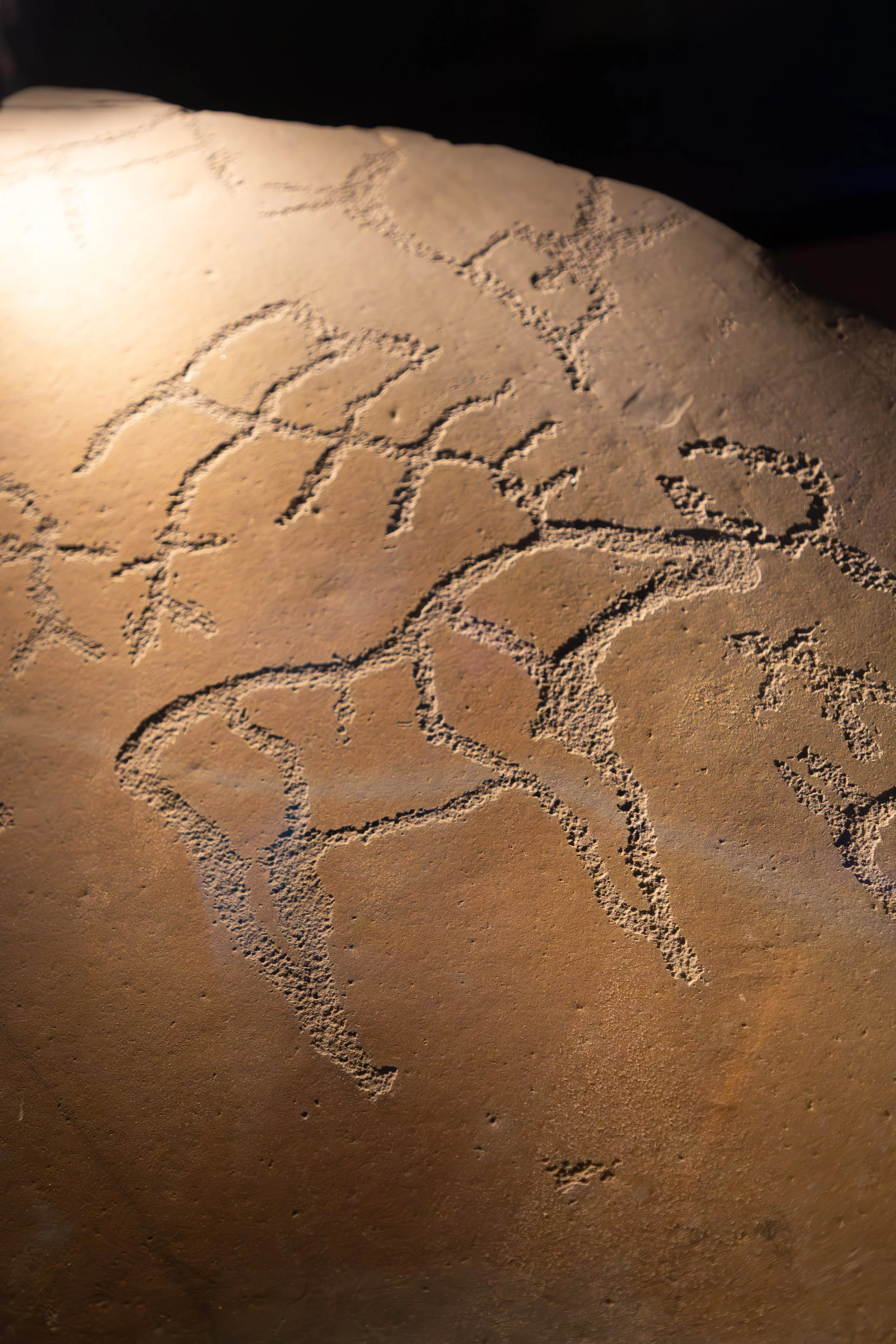
Long before scientists attempted to measure or photograph the aurora, the lights already held meaning for the Indigenous Sami people of northern Scandinavia. Their relationship with the Arctic landscape runs deep, shaped by centuries of reindeer herding, fishing and seasonal migration across tundra and forest. Their traditions reflect a worldview in which humans exist as part of a broader ecological system rather than separate from it.

That connection is increasingly visible in the region’s culinary traditions. Sami food culture emphasizes careful use of local resources, from reindeer meat to wild berries and Arctic fish, and reflects a deep respect for the natural environment. On Hurtigruten voyages, Sami culinary ambassador Maret Ravdna Buljo introduces travelers to these traditions and the cultural values behind them, offering a glimpse into a way of life rooted in balance with the surrounding landscape. For many visitors, the experience provides a deeper understanding of how people have lived within this demanding environment for generations.

Images by Sophia Michelen

When the Sky Comes Alive

Late one evening, the ship slows as passengers gather again on the outer decks. The sky is clear, the stars unusually sharp in the cold Arctic air. At first, nothing happens. Then a pale band appears above the horizon. The light brightens gradually, stretching upward before folding into waves of luminous green. Within minutes, the entire sky seems to move. Curtains of color ripple and drift overhead, sometimes slow and graceful, other times flickering rapidly as if responding to an unseen current. The dark water below reflects faint streaks of color, doubling the spectacle.

Even with a scientific explanation in mind, the experience resists easy description. The aurora remains both predictable and mysterious, governed by solar physics yet endlessly varied in appearance. Standing on deck as the lights sweep overhead, it becomes clear to me why people have traveled north for centuries in search of this moment. Along Norway’s Arctic coast, the Northern Lights are more than a destination. They are a reminder that some of the most powerful natural phenomena unfold quietly, high above the horizon, waiting for those willing to look up.


Sophia Michelen

Sophia Michelen is a New York City–based photojournalist, travel writer and documentary producer whose work explores culture, environment and place through visual storytelling. She has reported from more than half of the world’s countries, with work appearing in publications including National Geographic Traveller India, Teen Vogue and Ms. Magazine. She is also a co-host of the PBS travel series America: The Land We Live In.

Opening the World to Deaf Travelers with Lily Yu

Zoe Lodge

The creator of Deaf Journey strives to make travel more accessible, one destination at a time. 

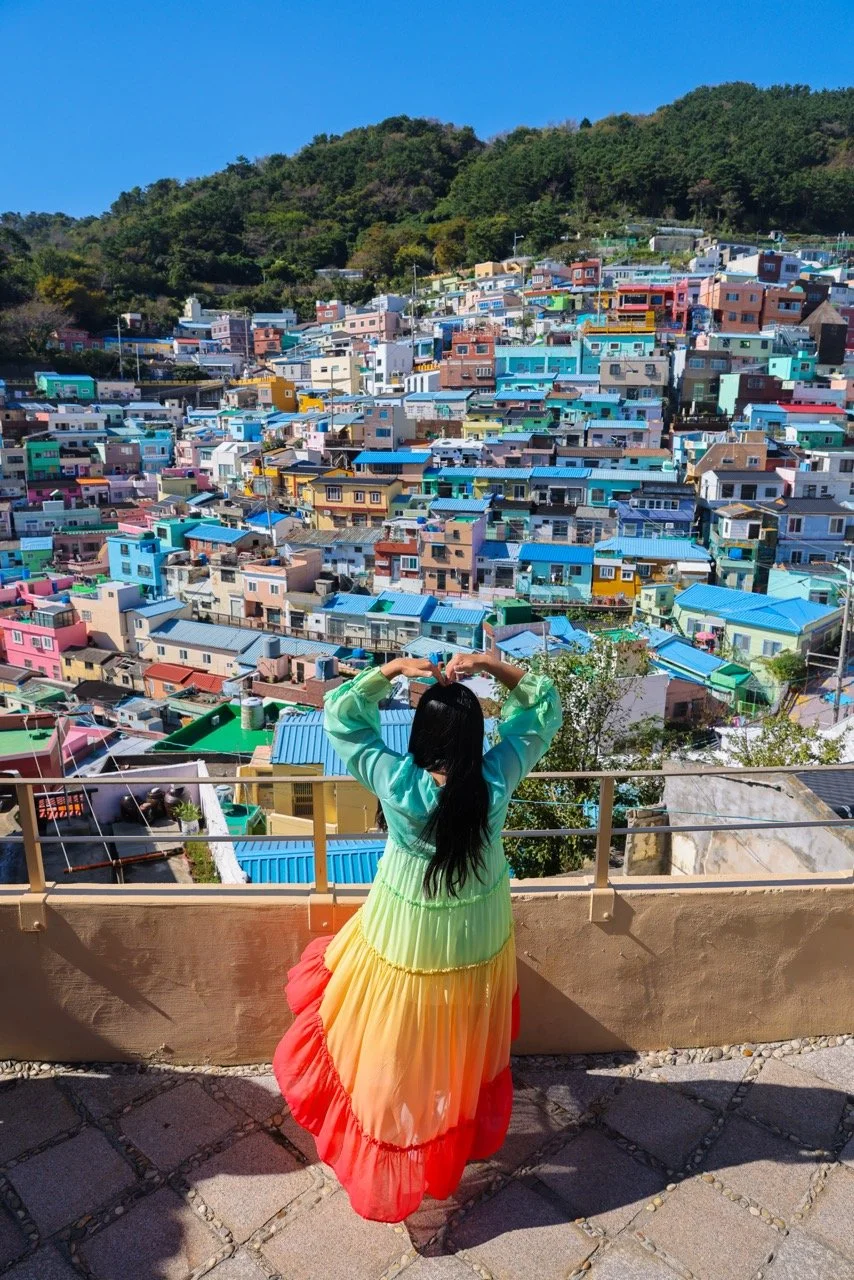
Gamcheon Culture Village in Busan, Korea.

When Lily Yu and her husband, Daniel Heidemeyer, both deaf individuals, began sharing travel photos on social media in 2018, she didn’t expect it to grow into a viral movement and a new career opportunity. What began as a private account for friends and family soon evolved into Deaf Journey, a travel media brand focused on sharing accessible guides, amassing over 100,000 followers across Instagram, Facebook, TikTok, YouTube and her blog.

Yu’s mission goes far beyond that of a typical content creator focused on travel. As a deaf traveler, she’s become a leading advocate for accessible travel, working to ensure that deaf and other disabled individuals are considered and included in every part of the travel experience, from hotel rooms to museum tours. “I want to make sure traveling is accessible for the deaf community,” Yu says. “That means having interpreters, flashing light fire alarms and visual doorbells in hotels, and captions or transcripts in museums and tours.”

Yu was raised on the East Coast and is a graduate of Gallaudet University, America’s only liberal arts university for the deaf. She began her travel content journey by posting photos from her trips for close friends. “People would ask, ‘How did you find that place?’” she said. “So I kept sharing, and then my husband and I created a public account. That’s when Deaf Journey really began.” Since then, the couple has traveled across all 50 U.S. states, partnered with nearly 40 tourism boards and visited 54 countries. Her husband often handles videography, while Yu takes the lead on editing and blogging. “I love writing and sharing stories that not only inspire but also educate,” she said.

Traveling while deaf presents unique challenges. Yu pointed out that travel accessibility tends to focus on mobility, including ramps, elevators and wheelchair access, but often allowing deaf-specific needs to fade into the background. “Hotels might have accessible rooms for wheelchairs, but nothing for deaf people. When we’re showering, we can’t hear someone knocking or a fire alarm going off,” she said. “I give advice to hotels about things like flashing light signals, visual doorbells or providing video relay services with interpreters.”

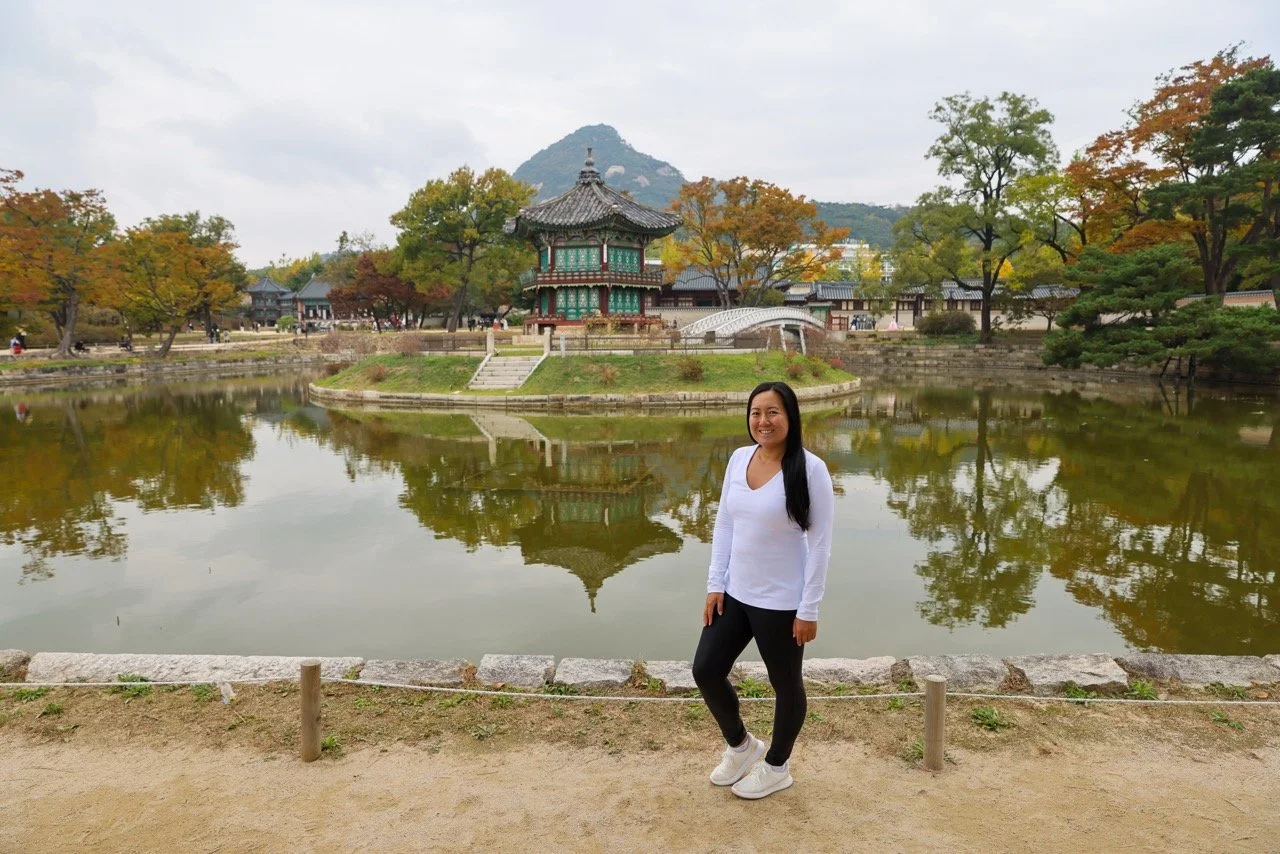
Gyeongbokgung Palace in Seoul, Korea.. Courtesy of Lily Yu.

From the sweeping beauty of national parks to hidden small-town charm, Yu's adventures have offered a broad view of the diverse travel landscape available within the United States. She described the natural beauty of Hawaii, noting the islands as one of her favorite destinations within the U.S. However, Yu was also surprised by smaller cities like Boise, Idaho, and Bentonville, Arkansas. “Boise had amazing food and outdoor activities. Bentonville really impressed me with its modern art museums and bike trails,” she said. “Every place is different, and that’s what makes traveling here so special.”

While visiting every corner of the U.S. was her first major travel goal, Yu is now setting her sights globally. She’s already visited 54 countries and has noted Japan as a particular champion of accessibility. “In Japan, even the soda cans have braille,” she says. “Crosswalks have both visual lights and floor indicators, which are helpful for blind travelers too. And in hotels, you can select your language on digital screens to communicate. I’ve never seen that level of accessibility before.” Yu also shared how museums in places like Ireland and Boston have become exemplary leaders in the world of accessibility. “During our trip to Ireland, the Guinness Storehouse provided us with an iPad featuring an International Sign interpreter. I’m also fluent in International Sign, which is different from American Sign Language (ASL). In Boston, there was a deaf guide giving an ASL tour. That kind of access makes a big difference.”

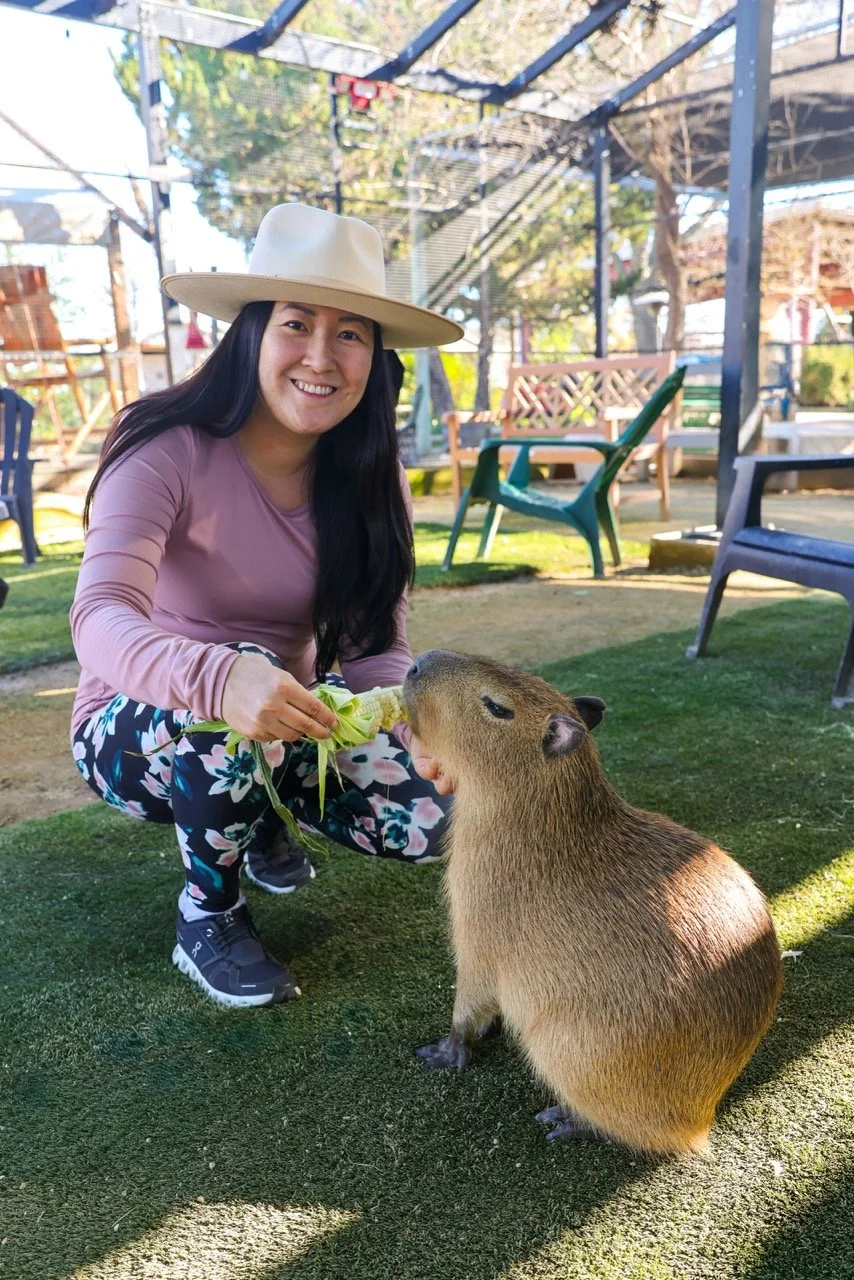
Yu with a capybara at Zoo to You in Paso Robles, California. Courtesy of Lily Yu.

Yu’s vision for Deaf Journey is not just to document her own experiences as a deaf traveler and content creator, but also to provide ease for future travelers. She’s passionate about providing accessibility tips, raising awareness on social media and consulting directly with businesses. “I think spreading awareness is key,” she says. “We need to educate hotels, airlines, museums and tourism boards on how to be more inclusive. And we need to share both the positives and the gaps, what works and what doesn’t, so we can keep improving.” Yu also emphasized the importance of using respectful and inclusive language. “We prefer to be called ‘deaf,’ not ‘hearing impaired,’” she said. “That term feels outdated and even offensive within our community.”

After conquering all 50 states, Yu’s next challenge is tackling the rest of the world, one accessible destination at a time. “I haven’t made a full plan yet,” she said. “TBut I’m hoping to partner with more tourism boards internationally. There’s still so much work to do.” With every post, blog and video, Lily Yu is proving that travel doesn’t have to be outside of the realm of possibility for disabled adventurers. It can, and should, be made accessible for everyone.


Zoe Lodge

Zoe is a student at the University of California, Berkeley, where she is studying English and Politics, Philosophy, & Law. She combines her passion for writing with her love for travel, interest in combatting climate change, and concern for social justice issues.

A Day on the Amazon River

Kaitlin Murray

Explore the Indigenous villages, wildlife, and waterways along the Amazon River in Brazil as they adapt to tourism. 

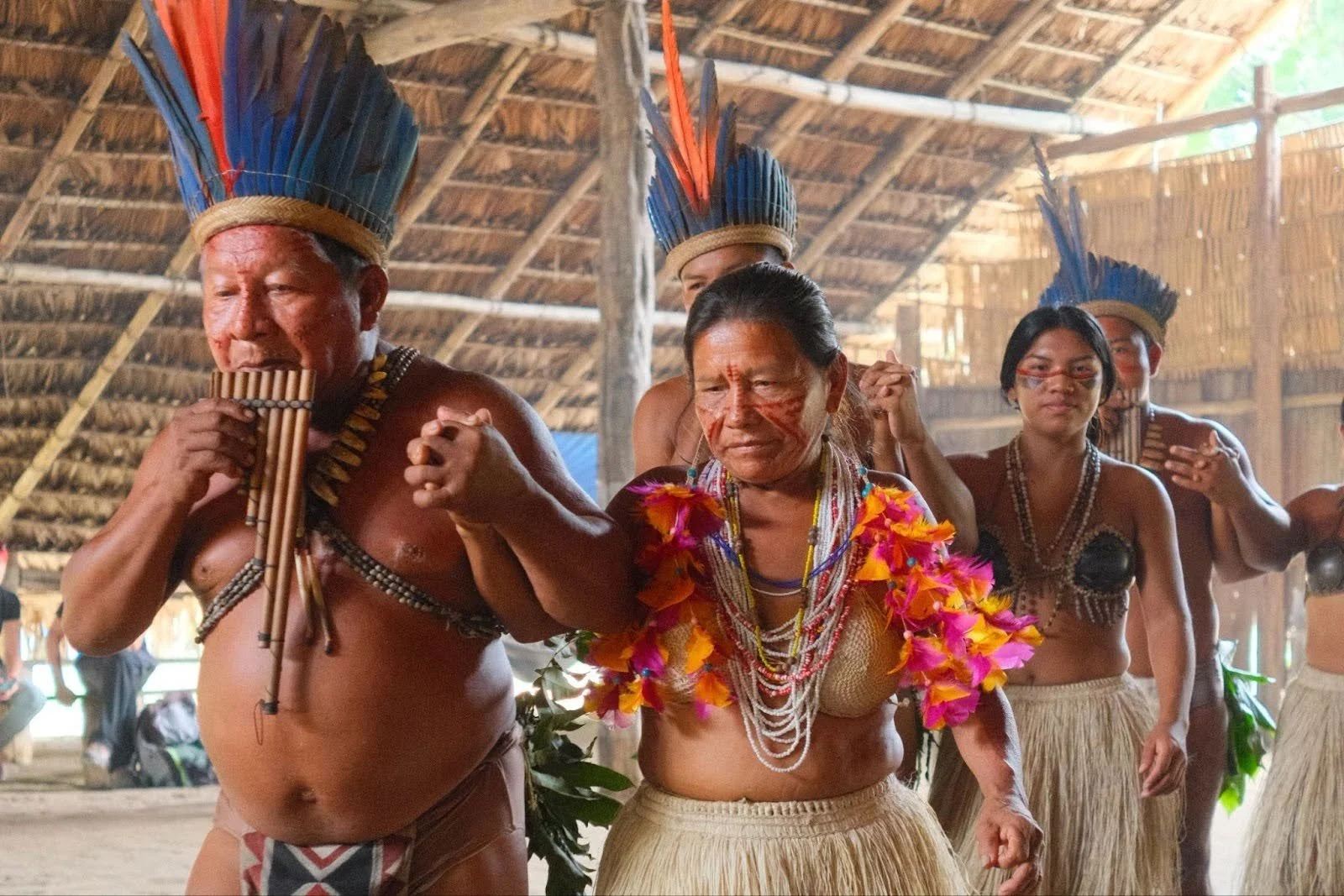
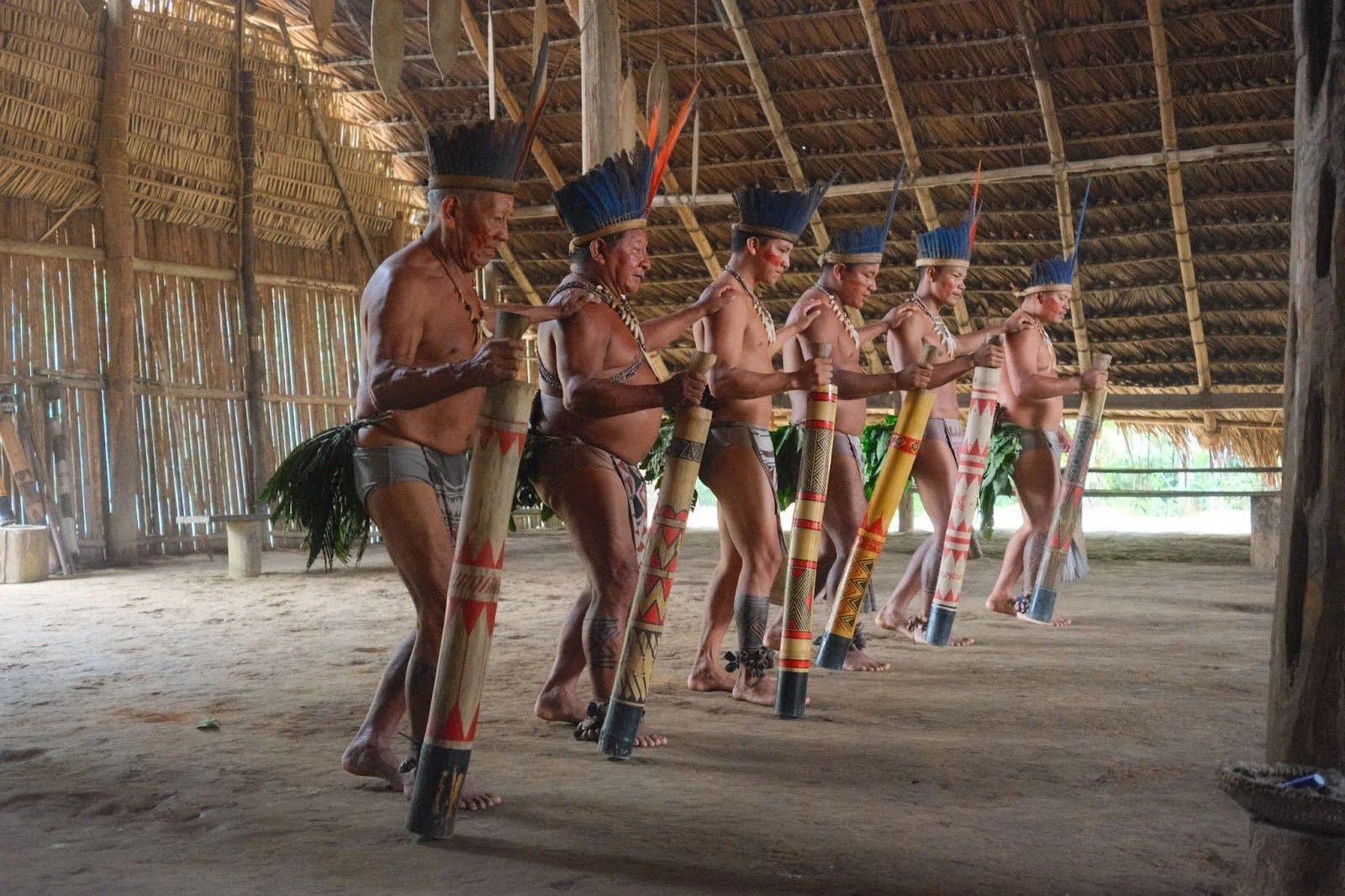
The Indigenous Desana people welcome visitors with a traditional dance. Kaitlin Murray. 

Bouncing in a speed boat along the Rio Negro, the largest tributary of the Amazon River, I see the opaque dark waters extend in every direction. Leaving the busy port of Manaus, the capital city of the northwestern state of Amazonas, I look back at the skyline rising above the forest. Skyscrapers, freeways and shopping malls are the last things I expect to see in the middle of the Amazon rainforest. Before arriving in Brazil, most of what I had heard about the Amazon came from media coverage of illegal logging, deforestation or wildlife protection, not from stories about a bustling metropolis of more than two million people. Yet Manaus has existed for centuries, having been founded in the 17th century as a Portuguese fort and expanding rapidly during the rubber boom of the 19th century. 

Despite its size, Manaus remains accessible only by air or river, with few roads connecting it, as the rainforest extends for long distances in every direction. Urban expansion in one of the most biodiverse regions on Earth carries far higher stakes, raising urgent concerns about deforestation, farmland expansion and river pollution from informal housing. While it may seem as though the city coexists with nature because of its location in the forest, the reality is quite the opposite. As our boat continues deeper into the trees along the river, I find myself contemplating this paradox: How can the traditional ways of life in the Amazon and urban expansion coexist, and what role is tourism playing in all of it? 

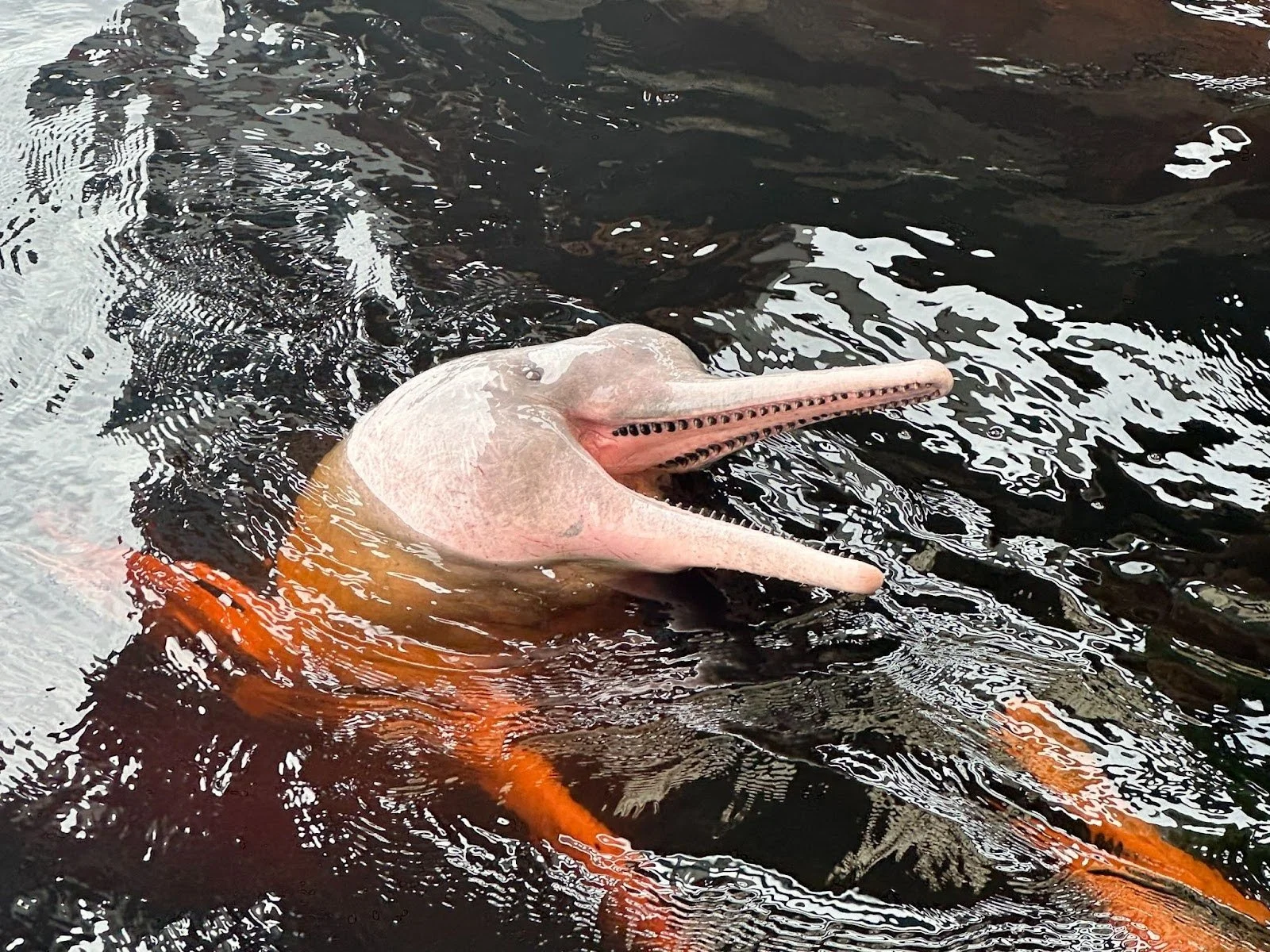
As part of a river day tour, we participate in numerous activities that offer tourists a glimpse of the rainforest without trekking deep into the wilderness or traveling long distances. Our first stop is a visit with one of the river's most famous inhabitants, the pink river dolphin, commonly known as the boto. Listed as endangered, these dolphins are currently facing threats from river pollution and habitat destruction. I notice this reality as soon as we leave the main port, witnessing the extent of container ships, factories and speedboats on the water.

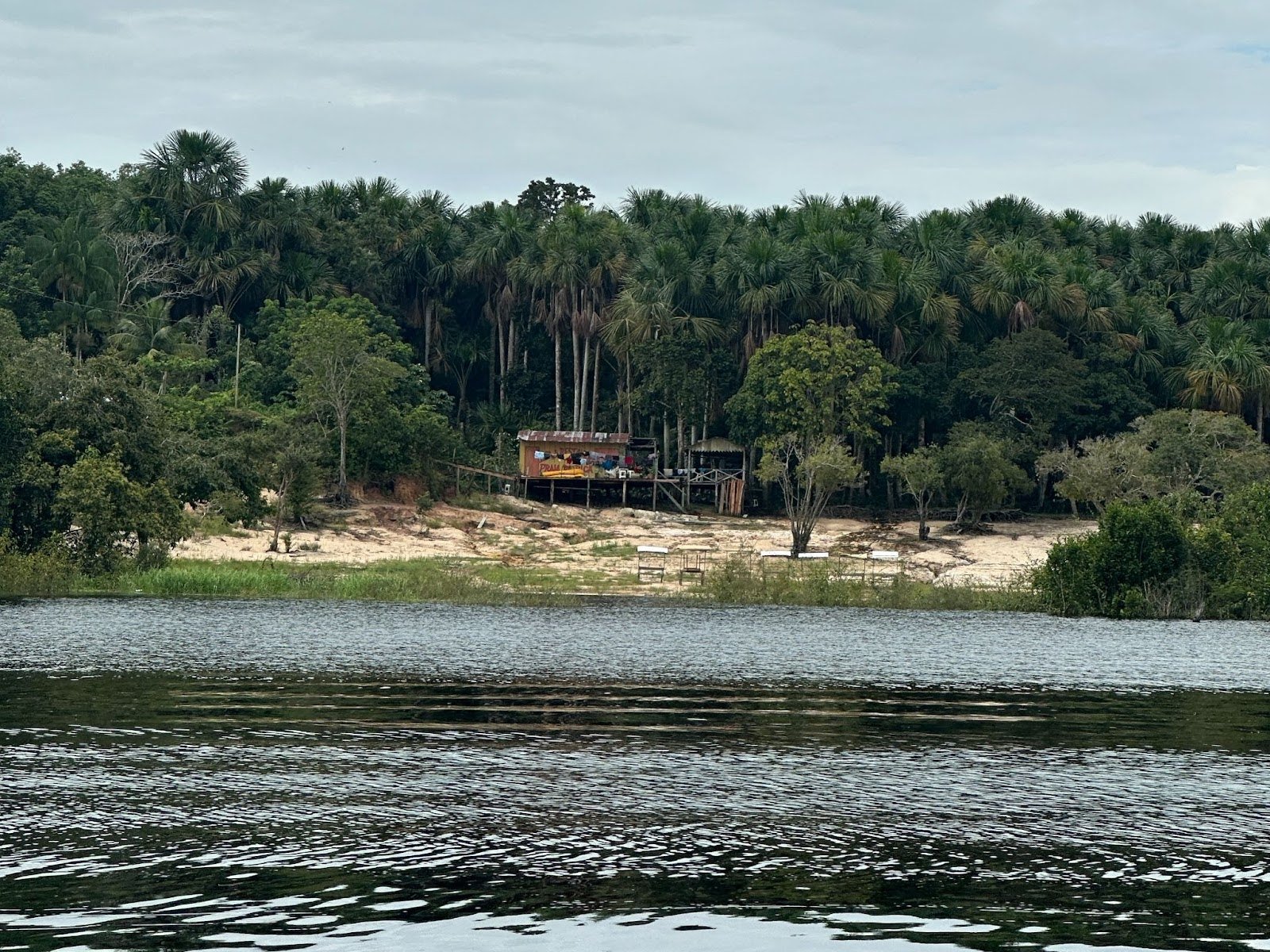
Stilt houses along the Rio Negro. Kaitlin Murray. 

In the dark waters of the Rio Negro, their pink bodies appear almost orange-tinted as they rise to the surface to take fish offered by local fishermen. While these dolphins are considered wild and free to come and go from the shore, they have grown accustomed to being fed by the fishermen, who encourage visitors to jump into the water and swim alongside them. Floating in the dark waters, I feel a sense of awe, finding myself in the same river as numerous animals, including snakes, piranhas, pirarucus, manatees and otters. Looking into their eyes, I remember the Indigenous stories that our guide had recounted earlier: The dolphin is believed to transform into a man at night, walking into villages and seducing young women before returning to the river by dawn. It is also said that looking into their eyes will bring you nightmares for the rest of your life. These stories remain prevalent even amid growth and urbanization, as Indigenous communities continue to share them with younger generations and foreigners. 

Pink dolphins in the Rio Negro. Kaitlin Murray. 

Further along the river, the boat docks at an Indigenous village that now incorporates tourism into its economic model. Visitors are welcomed with performances and cultural demonstrations, and, in return, they are asked to purchase a handicraft or make a donation. As soon as we enter, the welcome performance takes place, held in a large wooden structure marking the communal space and the village boundary. Beneath it, men and women perform ritual dances in circles, accompanied by handmade musical instruments. Following the performance, the chief, in an elaborate feather headdress customary of the Desana people, shares stories about their cosmology and social structure. Afterward, we are taken to the kitchen, where we learn about local fruits and forest foods, such as Brazil nuts, tapioca, cassava, avocados and maniuara ants. 

Speaking with the tribe's chief through our guide's translation, I learn that the community came from northern Brazil, nearly 600 miles away, and settled here for the city's economic prospects. Today, they benefit from tourism-related opportunities while maintaining their way of life, living in a traditional village hidden by trees to keep visitors out, yet still enjoying modern amenities, such as Wi-Fi, mobile phones and payment terminals. However, some families in the tribe have already moved elsewhere, unhappy with how tourism is exploiting their culture for profit.

The Desana tribe welcomes visitors with a traditional dance. Kaitlin Murray. 

Witnessing the adaptation of Indigenous communities to the world of cultural tourism is a double-edged sword. As an anthropology student, I have learned about the current dilemmas facing Indigenous communities around the globe, who struggle against being exoticized or profited from by international tourism companies. On the other hand, economic opportunities such as this can benefit communities in the long run, provided they generate sufficient revenue relative to the profits of tourism companies. 

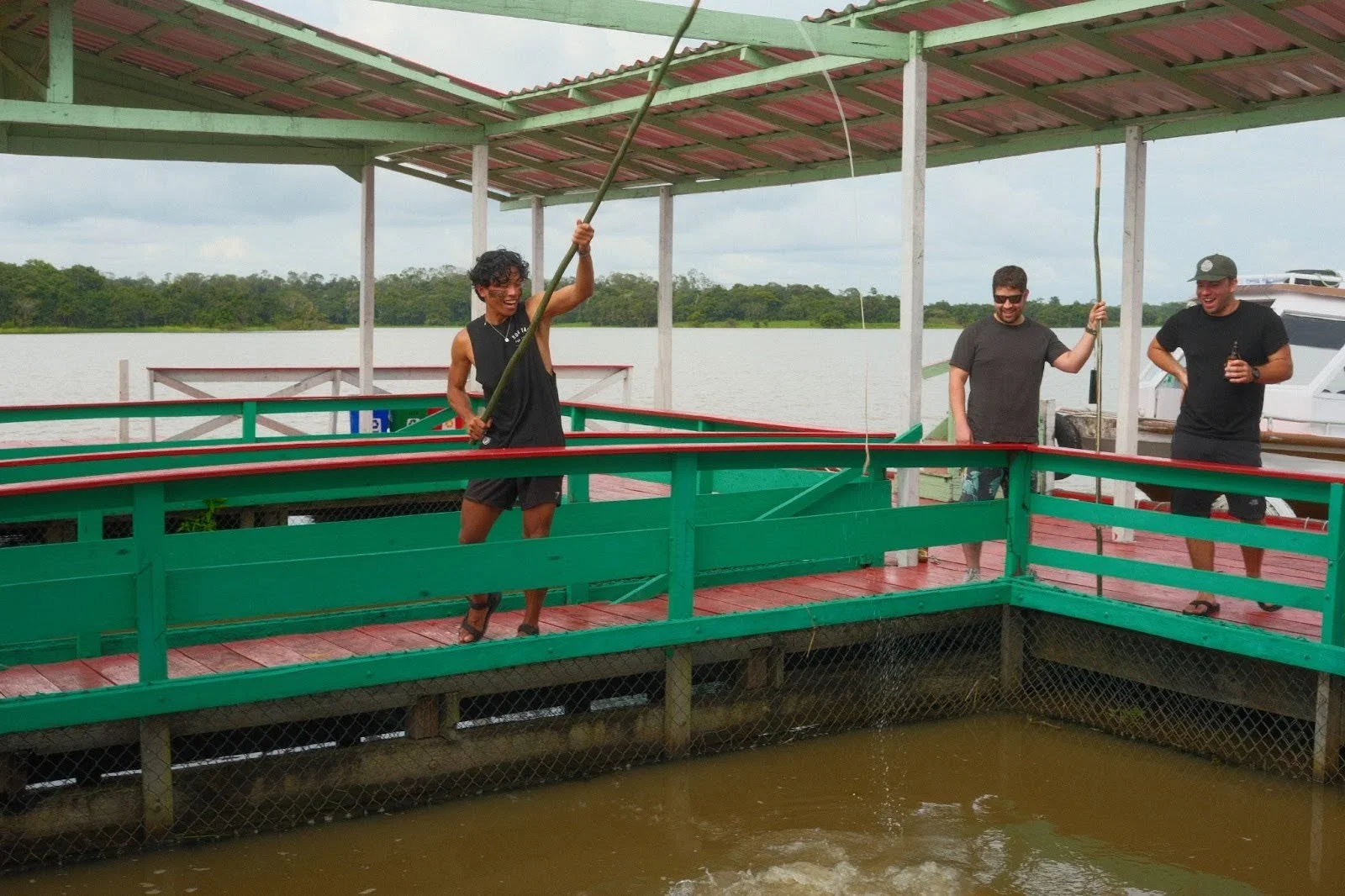
A short distance away, another floating barge on the water is the breeding ground of the pirarucu fish, which fishermen are raising to make money through river aquaculture. These are among the world’s largest freshwater fish, weighing up to 440 pounds and growing up to 10 feet.  From the edge of the platform, their massive bodies glisten in the sun, the light reflecting off their red and green scales. The fish surface when fishing poles are dropped, as the local fishermen make a living off tourists playing a game of tug-of-war with them. It is fascinating to see how the fishermen's ingenuity has enabled them to earn extra income, living and working along the river in small villages with limited access to other opportunities.

Fishing for pirarucu fish on the Rio Negro. Kaitlin Murray. 

The final stop is one of the region’s most striking natural phenomena: the Meeting of the Waters. This is where the Rio Negro and the Solimoes River converge to begin the Amazon River. As the boat approaches, the contrast of the two rivers becomes immediately clear. The Rio Negro’s dark, tea-colored water hits the Solimoes’ light brown, milky water, creating what looks like milk pouring over black coffee. From above, the boundary of the two rivers is almost clear, as they don’t immediately mix due to differences in temperature, density and current. 

Throughout my time in Manaus, I witness the ingenuity and changes that local people are creating in response to tourism and expansion, as they seek to balance the city with the natural world. Fishermen are supplementing their income by capitalizing on visitors’ encounters with the fish they raise. Indigenous communities are incorporating tourism without fully abandoning their way of life. Visitors can see pink dolphins while still allowing them to be wild. 

Whether these shifts will ultimately protect the natural world and improve people’s livelihoods at no expense to another remains uncertain. As of now, it all appears to be balancing on a very fine line, with the potential to go either way. How will development and tourism threaten the rainforest and river ecosystems? Can the two co-exist together? At a time when an expanding metropolis sits in the heart of the most biodiverse place on Earth, the future of the city, the surrounding forest and the traditional ways of life may depend on whether urban development, tourism and Indigenous cultures can work together for the common good. 

GETTING THERE: 

Located deep within the Amazon rainforest in the northwest of Brazil, Manaus feels entirely cut off from the rest of the country. There are few roads leading out of the city, and distances between towns are vast. There are no trains or overland transport for visitors, as most local people use the river to get around. For travelers, the easiest way to reach Manaus is by flying into Eduardo Gomes International Airport, which connects the city to major hubs, such as Rio de Janeiro and Sao Paolo, as well as destinations across South and North America. 

For those seeking a more local, budget-friendly adventure, river travel is an alternative. Ferry boats connect Manaus to other villages along the Amazon River, but the journey can take days. While it is an incredible way to experience the river, it is not recommended for first-time visitors or travelers seeking a comfort-oriented experience. 

I journeyed with I’m Here Travels, a group tour company based in the Philippines that creates immersive, community-driven global experiences. They focus on crafting curated itineraries and authentic local experiences in more than 10 countries. In partnership with Compass Brazil, they designed a unique itinerary for us in Manaus to experience the best of the Amazon River and rainforest. Compass Brazil is a leading tour operator active across Brazil, helping travelers explore the country and make a positive impact on their destinations. They prioritize sustainable travel, ensuring that every experience is rooted in ethical principles and adheres to responsible travel guidelines.


Kaitlin Murray

Kaitlin Siena Murray is a travel journalist and global storyteller documenting cultures, historical places, and the people and social impact movements helping the world. Raised worldschooling across more than 129 countries with degrees in anthropology and history, her writing is driven by a commitment to global citizenship, capturing the diversity and beauty of the world through the lens of culture, history, and social change. 
Extreme Adventure for Everybody: How Moab Is Redefining the Outdoors for Disabled Travelers

Carson Jelinek

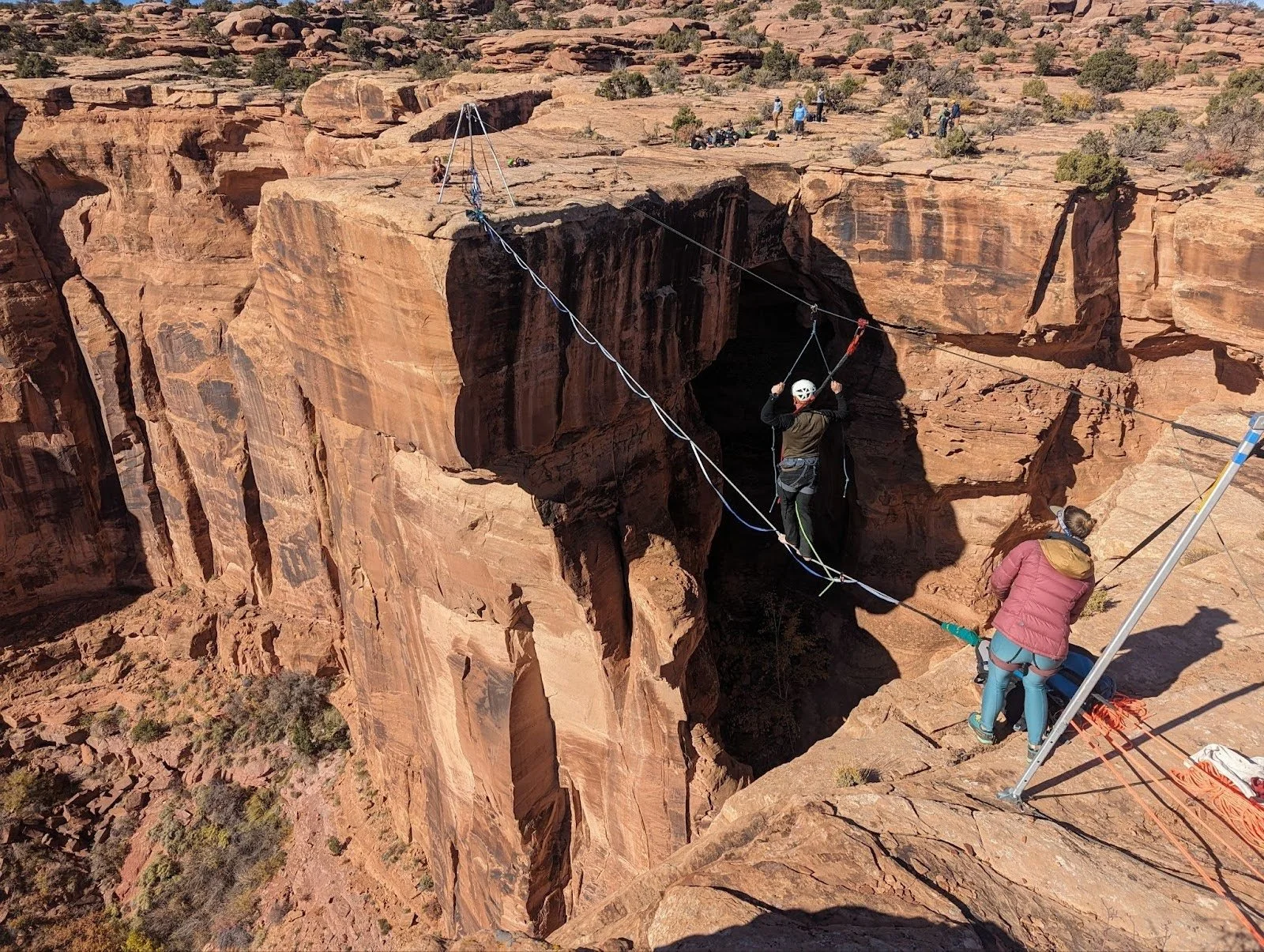
By adapting rope swings, rock climbs, 4x4 tours and e-bike trails, Moab demonstrates that extreme adventure can be inclusive of disabled travelers, young children and all visitors.

Elevate Outdoors Tour photo. Courtesy of Faith Dickey.

In the United States, millions of individuals with disabilities enjoy traveling, with over 25 million taking trips in recent years and contributing more than $50 billion annually to the travel economy. However, participation across abilities remains uneven. Research indicates that seven out of 10 individuals with disabilities reduce their travel due to accessibility challenges, and millions rarely leave home. Persistent barriers in transportation, lodging and infrastructure result in a majority of families with disabled members avoiding certain trips entirely. These obstacles are further intensified in adventure travel, where rugged landscapes and limited infrastructure frequently exclude those lacking conventional mobility.
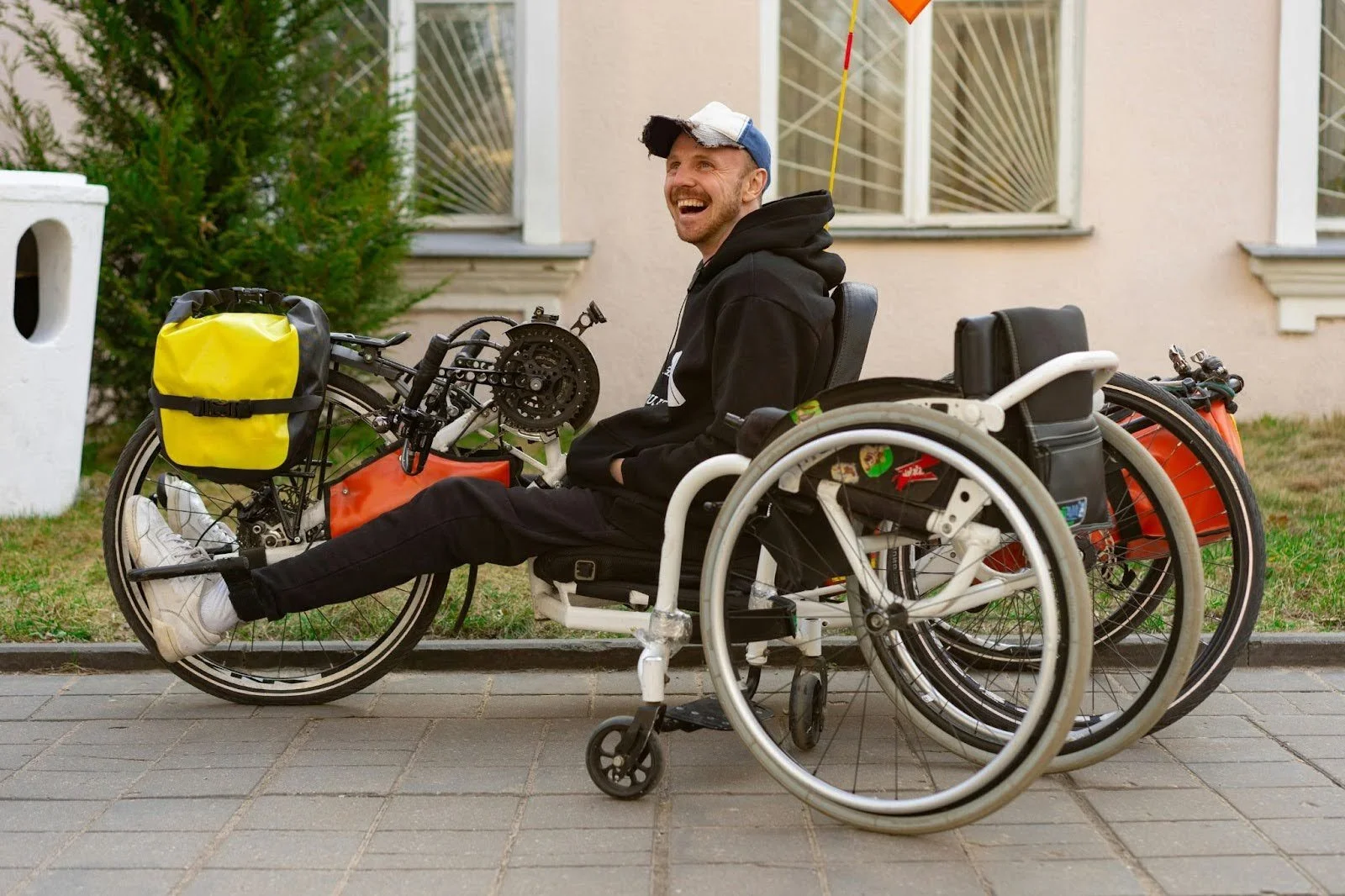
Man riding electric wheelchair. Mikhail Nilov. Pexels.

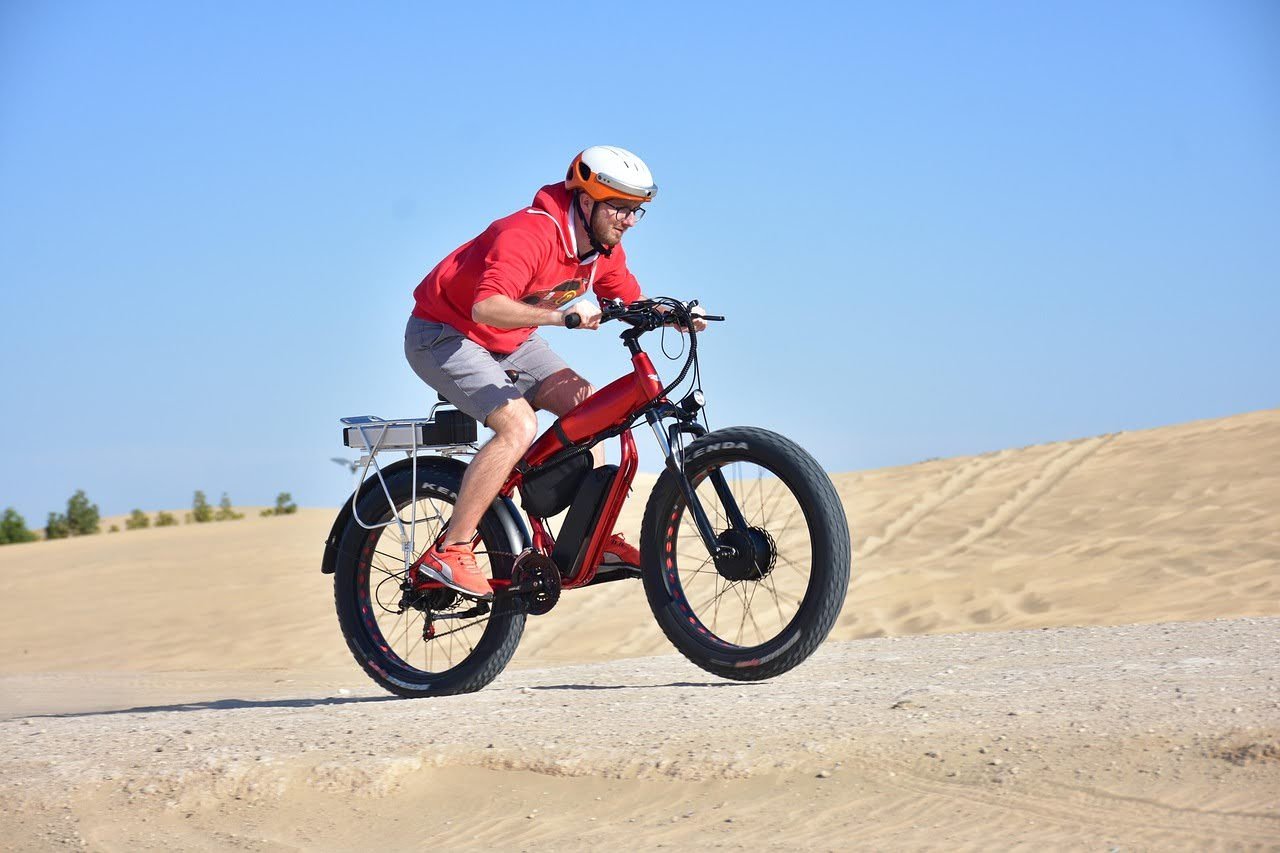
 Moab, Utah, is one city advancing accessibility through policy initiatives. Starting March 1, the region will officially permit class 1 e-bikes on more than 200 miles of singletrack, including well-known routes such as Amasa Back and Klondike Bluffs. This decision positions Moab among the first major U.S. destinations to allow pedal-assist riders on its trails. Following an environmental assessment by the Bureau of Land Management, this policy represents a significant development in the cycling community. It not only serves experienced riders but also increases access to technical terrain for older visitors, individuals recovering from injuries and some disabled riders who depend on pedal assist to reach trails that would otherwise be inaccessible.

Electric bike in desert. Iztok Franko. Pixabay.

If you're looking for a thrilling off-road adventure that takes you to breathtaking sights across Moab, you can book with Mike Ballard and his company, Big Iron Tour Co. This off-road adventure company is veteran-owned and operated, and they recently installed wheelchair lifts on their 4x4 off-road vehicles so everyone can have fun. The vehicles range from 16-seat off-roaders, called “Man-O-War” and “Dreadnouight” to new-era Jeep Gladiators. Big Iron offers three tour packages: a two-hour tour, a four-hour tour and the most popular, the Sunset Tour. With the Sunset Tour, you scale the red rocks of the Moab and go on trails with several advanced obstacles, ending at a high vantage point to soak in the beautiful sunset. 

Desert road in Moab. J. Pexels.

The Moab Swingers tour offers the longest rope swing in the United States, spanning 500 feet. The attraction has appealed to families and younger visitors, as it is guided by experts, allowing activities previously limited to extreme athletes to be accessible to a wider demographic. The tour is led by cofounders Andy Lewis and Jimmy Peterson, lifelong friends and seasoned extreme-sports professionals. It includes an off-road excursion behind the prominent Moab rock formations, followed by a brief nature hike to the swing, culminating in an unforgettable experience as participants jump from the summit.

Sunset in Moab. Ken Cheung. Unsplash.

Red River Adventures, another tour company located in Moab, is known for its guided rafting, climbing, canyoneering and backcountry trips throughout Utah. To make experiences more accessible for people with disabilities, its guides have adapted rafting launches for wheelchair users and teamed up with groups that support blind, visually impaired and deaf participants. These adaptations demonstrate the Moab outdoor industry’s commitment to making high-risk recreation more accessible while preserving the core experience. Although not every canyon or climb can be changed, the company’s efforts are part of a larger trend in Moab of extreme adventure becoming more inclusive to a wider range of visitors.

Rafting in Utah. Liz Hoffmaster. Pixabay.

Elevate Outdoors, started by professional highliner and guide Faith Dickey, is another company helping make Moab’s outdoor scene more inclusive. The company is known for advanced instruction in slacklining, climbing and canyoneering. Elevate Outdoors focuses on accessibility by offering personalized guiding and adjusting the pace of activities to each person’s needs. Instead of one-size-fits-all trips, they work closely with participants to customize routes, change technical systems and help people build confidence step by step. For disabled travelers or those recovering from injuries, this kind of attention can make challenging terrain feel possible. By combining strong safety standards with a focus on empowerment and helping people manage fear, Elevate Outdoors proves that even Moab’s toughest adventures can be made accessible with the right approach.

TRAVELING THERE:

  • Elevate Outdoors is a locally owned guiding service specializing in rock climbing, canyoneering and highlining, led by experienced outdoor professionals who focus on skill-building and personalized trips. Their team emphasizes inclusivity and works closely with clients to adapt experiences to different ability levels.

  • Big Iron Tours is a veteran-owned company offering guided off-road tours through Moab’s red rock landscapes. It offers knowledgeable local guides who share both the terrain and history of the area, and tours range from short scenic rides to more immersive backcountry experiences.

  • Red River Adventures is one of Moab’s more established outfitters, offering rafting, rock climbing and canyoneering trips guided by seasoned professionals with deep knowledge of the region. Their guides are a central part of the experience, focusing on safety while creating a more personal, small-group environment.

  • Moab Swingers is a niche adventure outfitter offering guided rope-swinging excursions, typically operated by a small team that facilitates group-friendly experiences in a more unconventional outdoor setting. The experience is less about technical skill and more about shared thrill and group energy.

The Bureau of Land Management Moab Field Office is staffed by land managers and public servants who oversee recreation in the area, providing essential guidance on trail access, e-bike use and responsible travel across Moab’s public lands.


Carson Jelinek

Carson is a 22-year-old writer and filmmaker studying film and media productions at Arizona State University. His work explores travel, culture, and the people behind the places, with a focus on stories that encourage curiosity and global understanding.