TALES OF A FEMALE SOLO ADVENTURER: Getting Off the Beaten Path

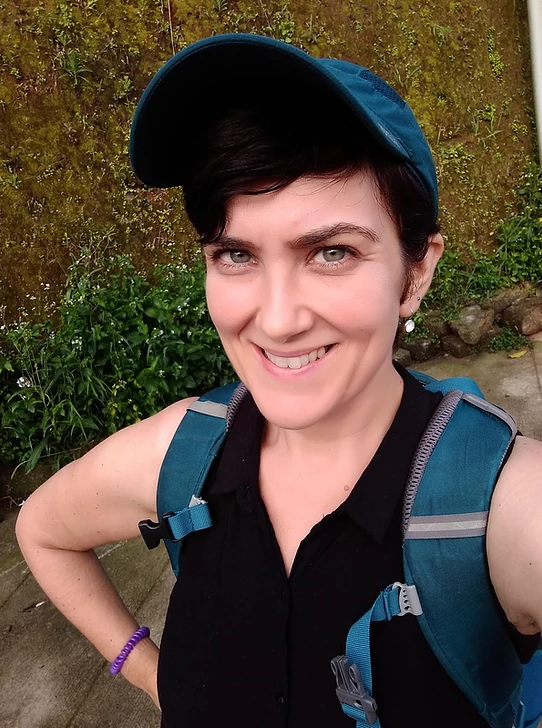
I grew up in a loving and somewhat free-spirited Canadian family. Our nomadic wanderings throughout western and northern Canada set the foundation for a life of global adventure, with my first flight from the nest being to the Central African Republic when I was 17. I spent a year there learning the local language and traveling to some of the most remote areas of that beautiful country. That was it. I was hooked on travel. I’m still going strong almost 30 years and four continents later. I relish the freedom of backpacking, but also love really living in another country and planting roots for several years. I enjoy the uniqueness of each place I visit yet what I love even more are the connections that prove the undeniable unity of the human race.

After raising three amazing children across several countries, they have all moved out and I’m solo once again. I’m currently based out of India’s Tamil Nadu state, where I focus my free time on the “3 Ts”: Travel, Trekking and Trail-running. I find solo adventuring so empowering because it allows me to test my limits and see how far I can go. Being a woman on my own I definitely take precautions, but I chose not to live in fear of what might happen. Instead, I focus on the positive and so far it's been a great journey. Photography is a recent hobby. I’m a nature lover who seeks out those “holy shit” moments of beauty that come from getting off the beaten path. 

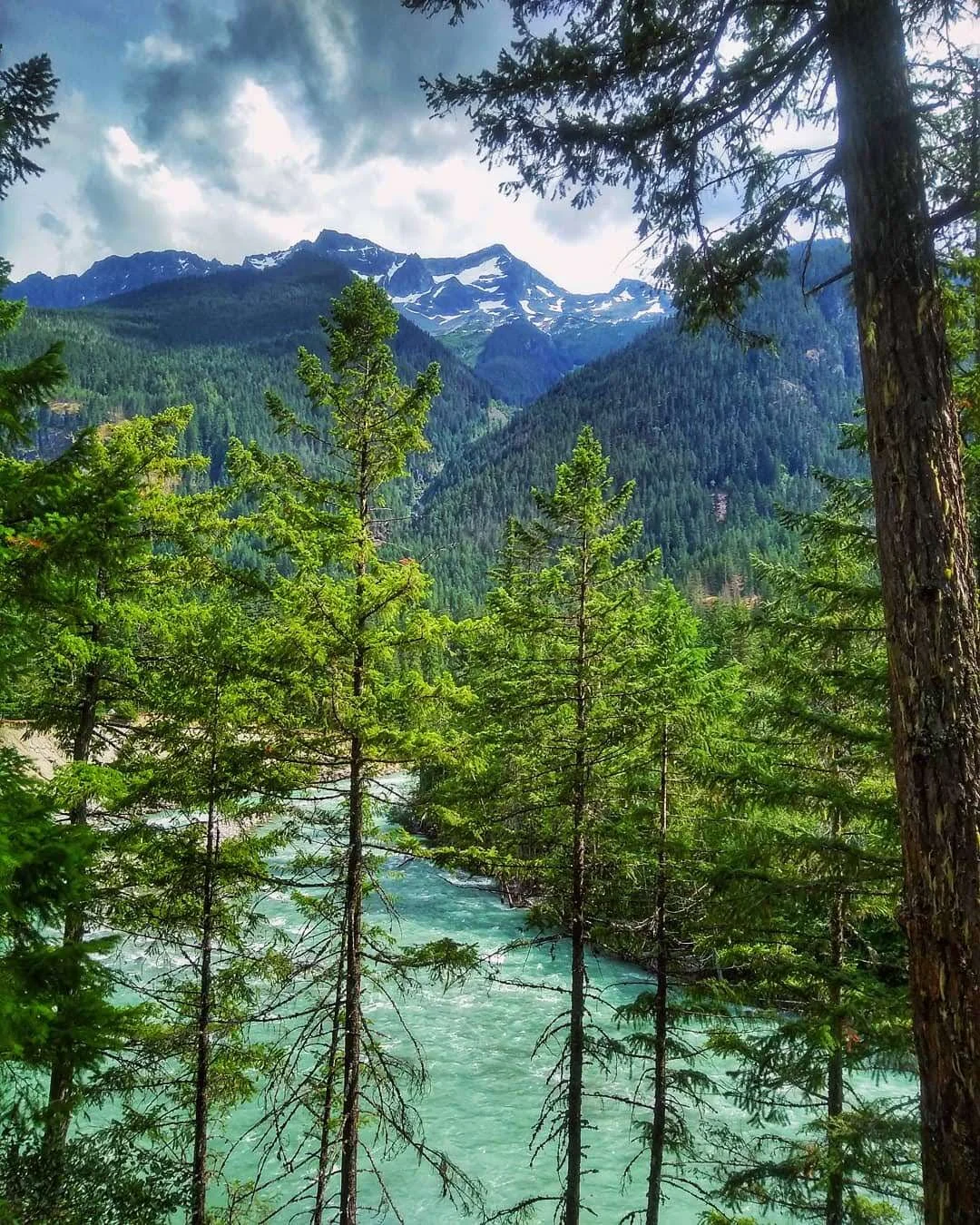
“Home” in western Canada. During my last visit I enjoyed camping and running the trails along the Green River. This area is just a couple hours outside of Vancouver but you couldn’t feel farther from the city. And yes, that water is cold!

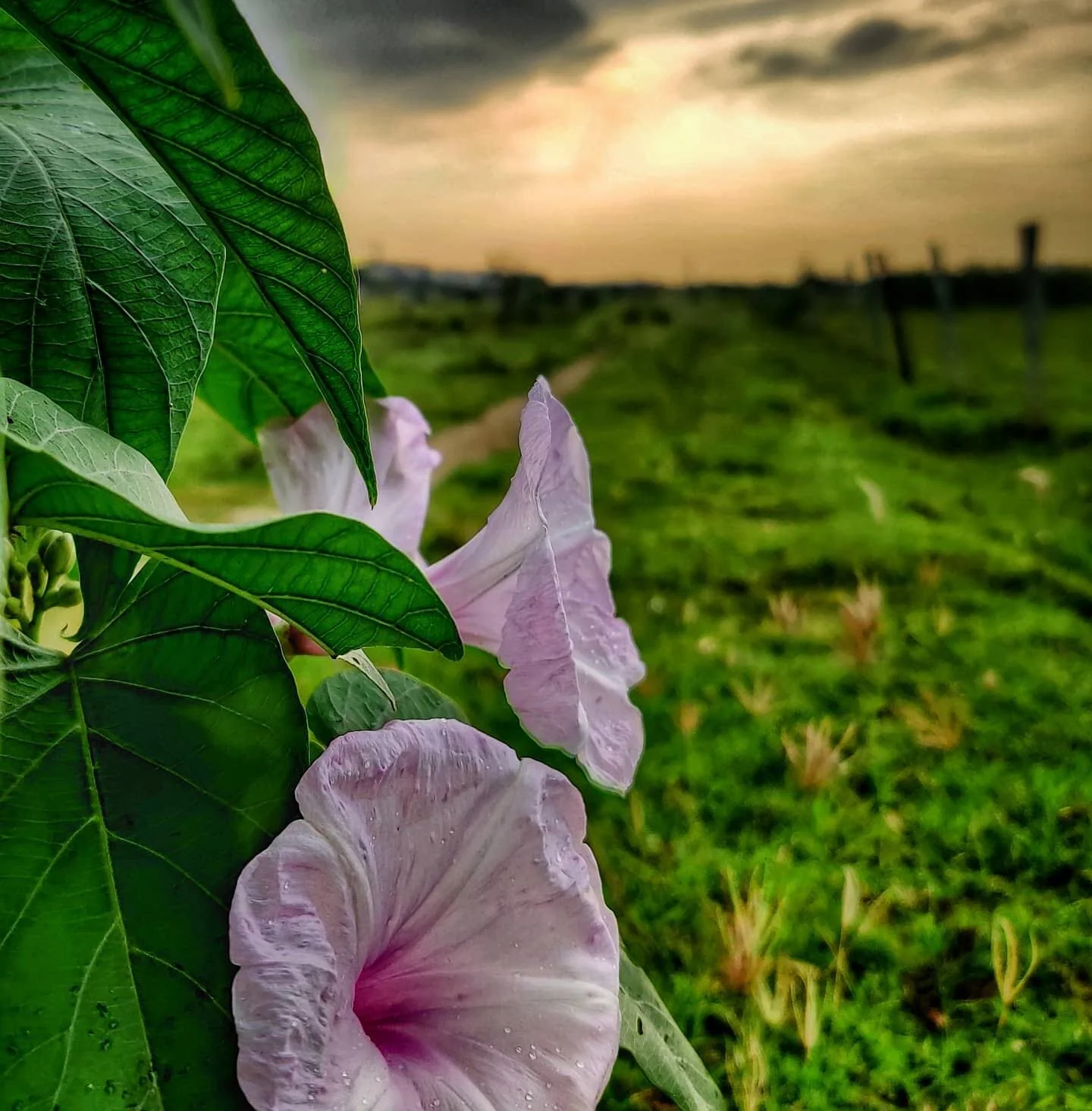
I’m always looking for new trails. I scan Google Maps, throw on my hydration vest and go explore. This is a small track running through rural farmland in Tamil Nadu. When I’m not traveling I’m out there seeing how far my legs will take me.

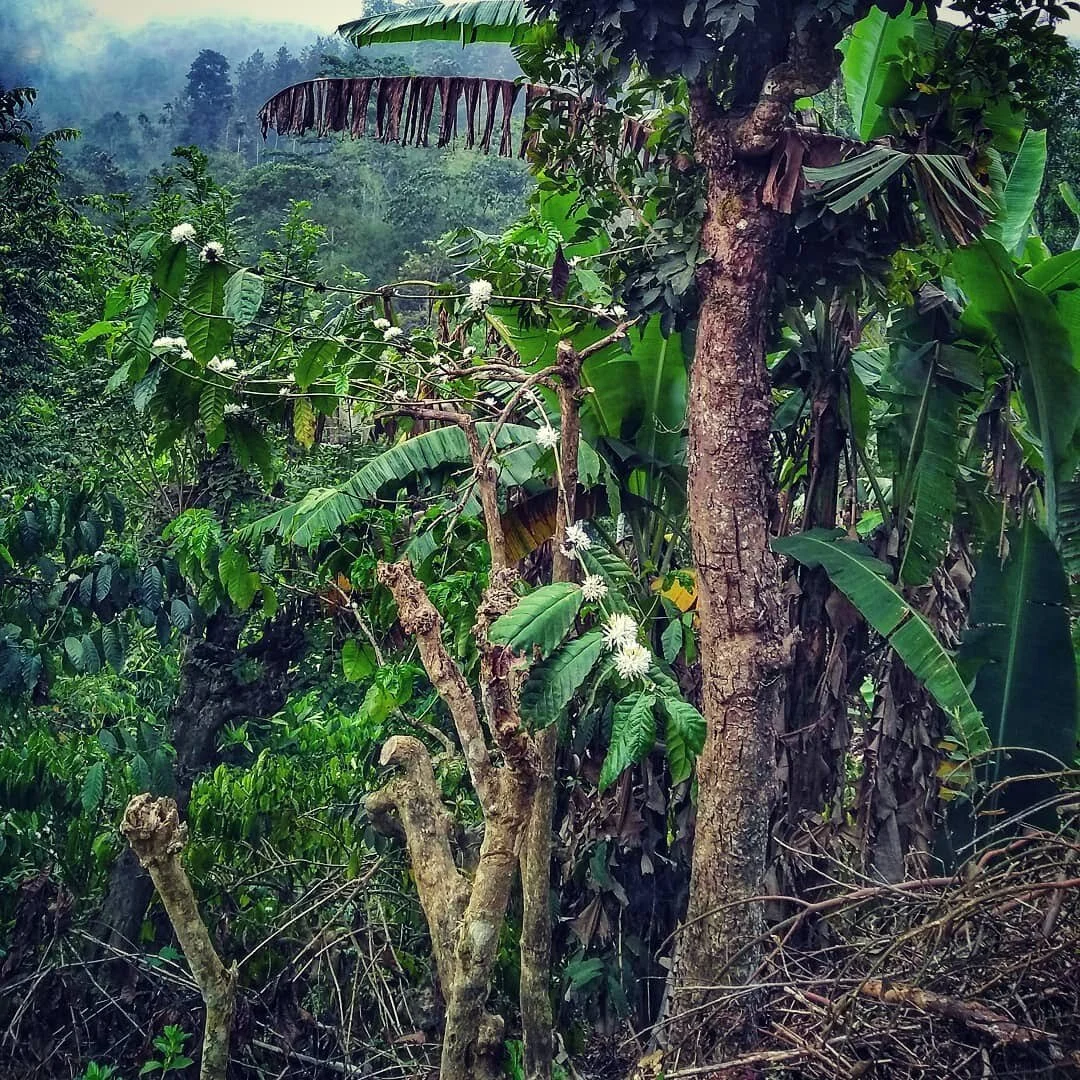
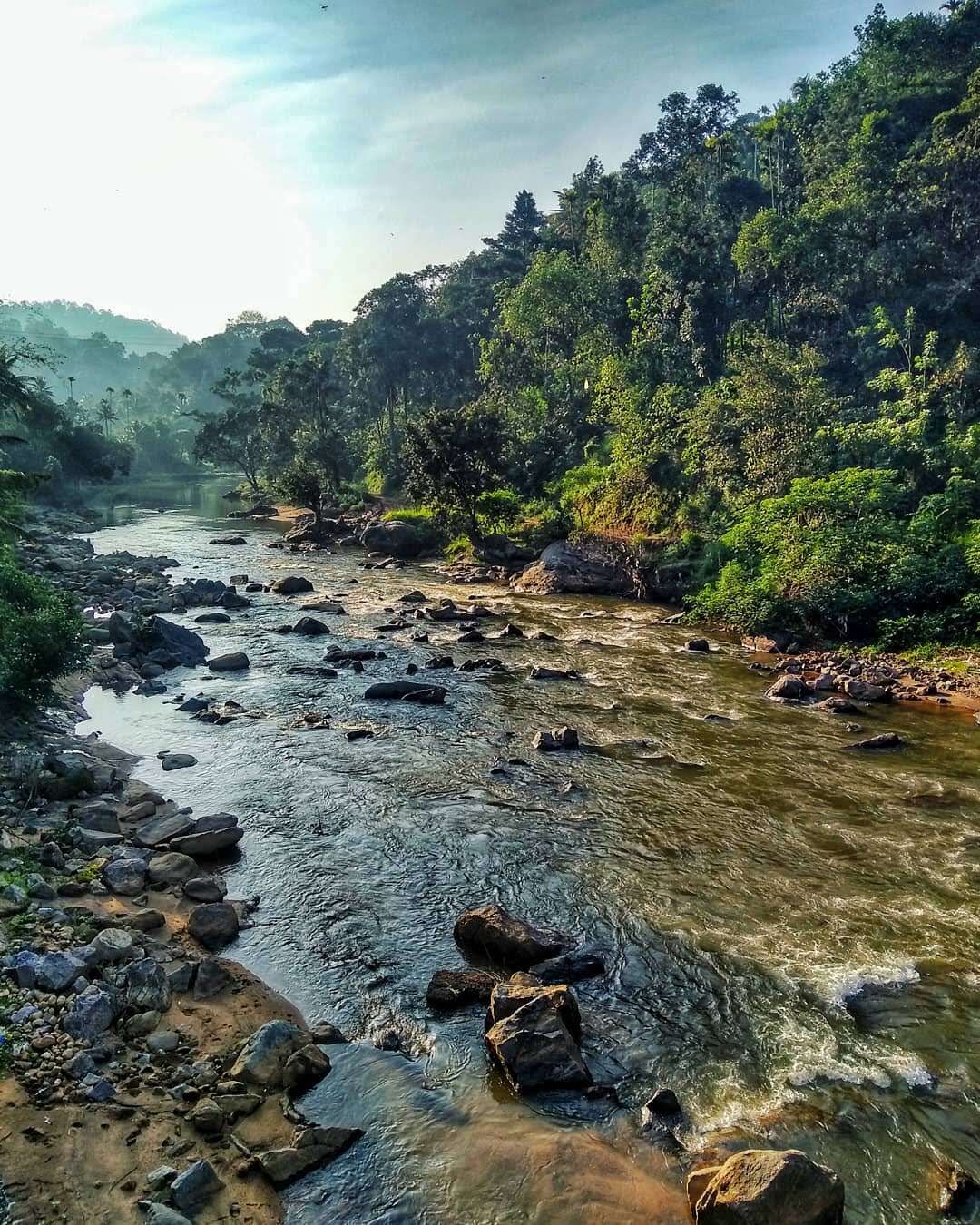
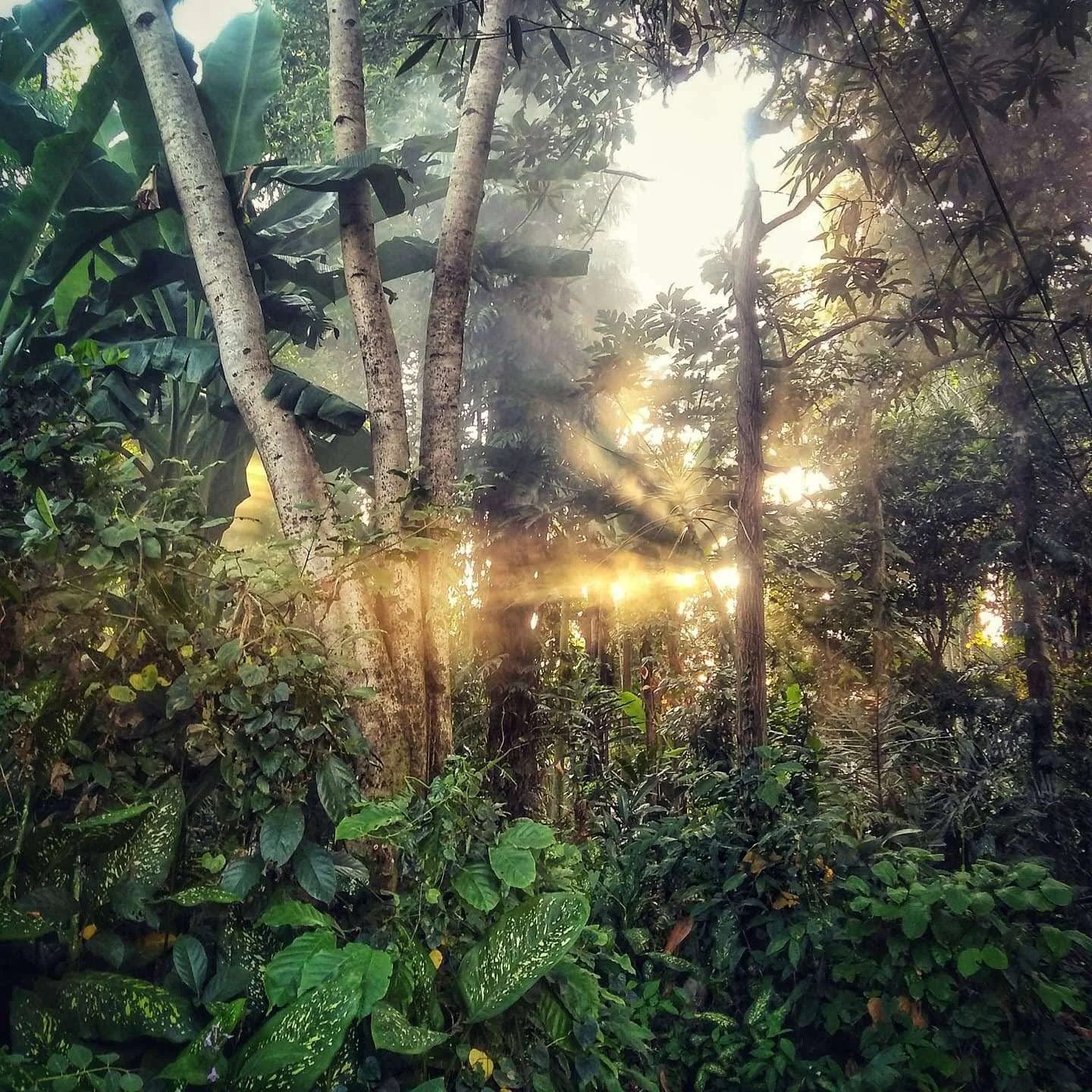
Wayanad in India’s Kerala state is an amazing place to just wander. It is so wild and lush. Every day I was there I would take a local bus and jump out when it looked interesting. Then I would take the trails up to the tea plantations and down into steamy, forested valleys. The great thing about India is that it has a good public transport system. It doesn’t matter how far or which direction my feet carry me; I will eventually find another bus to take me back to where I started.


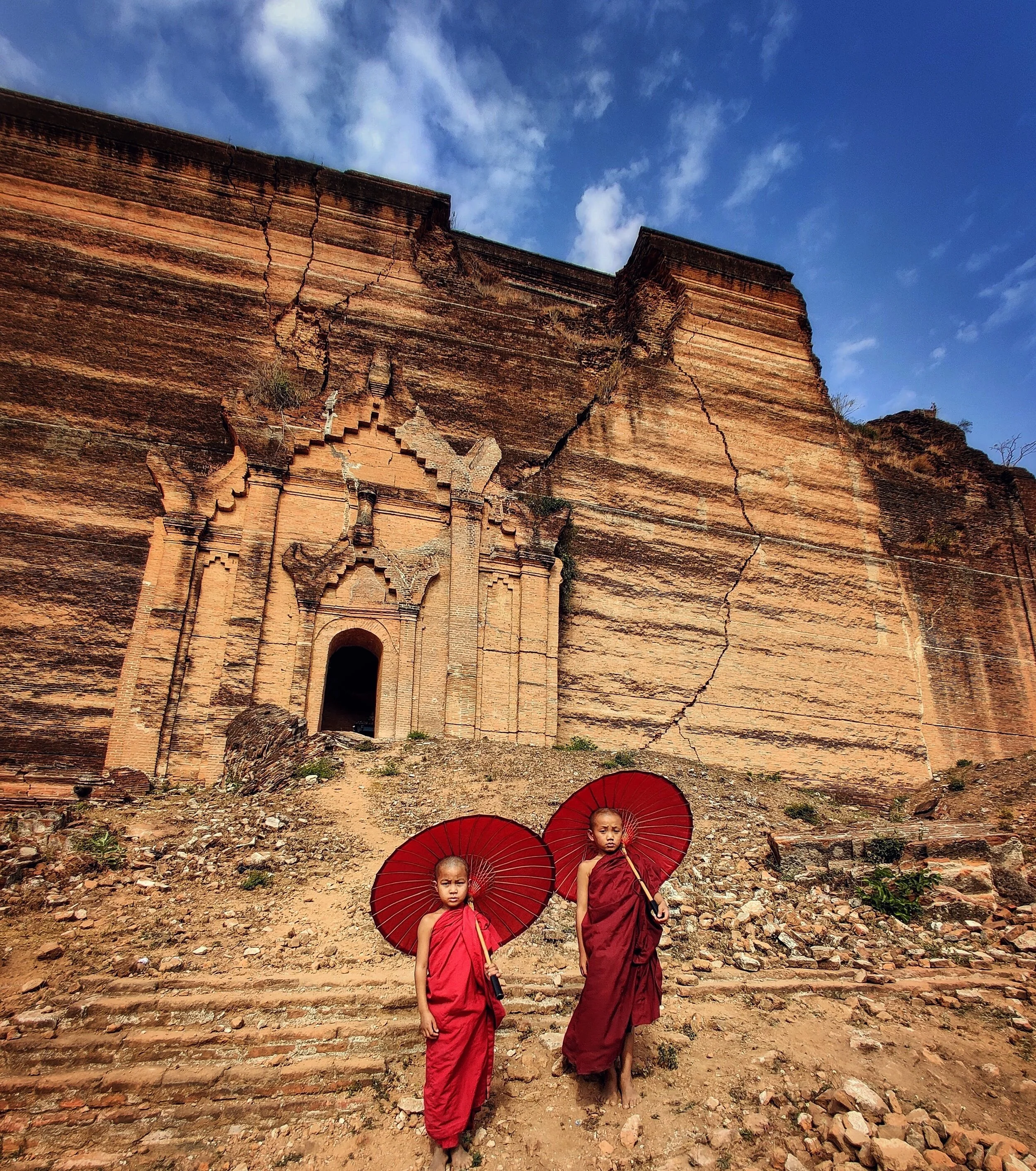
Sometimes when you travel you stumble across the perfect moment. This was one in Mingun, Myanmar.

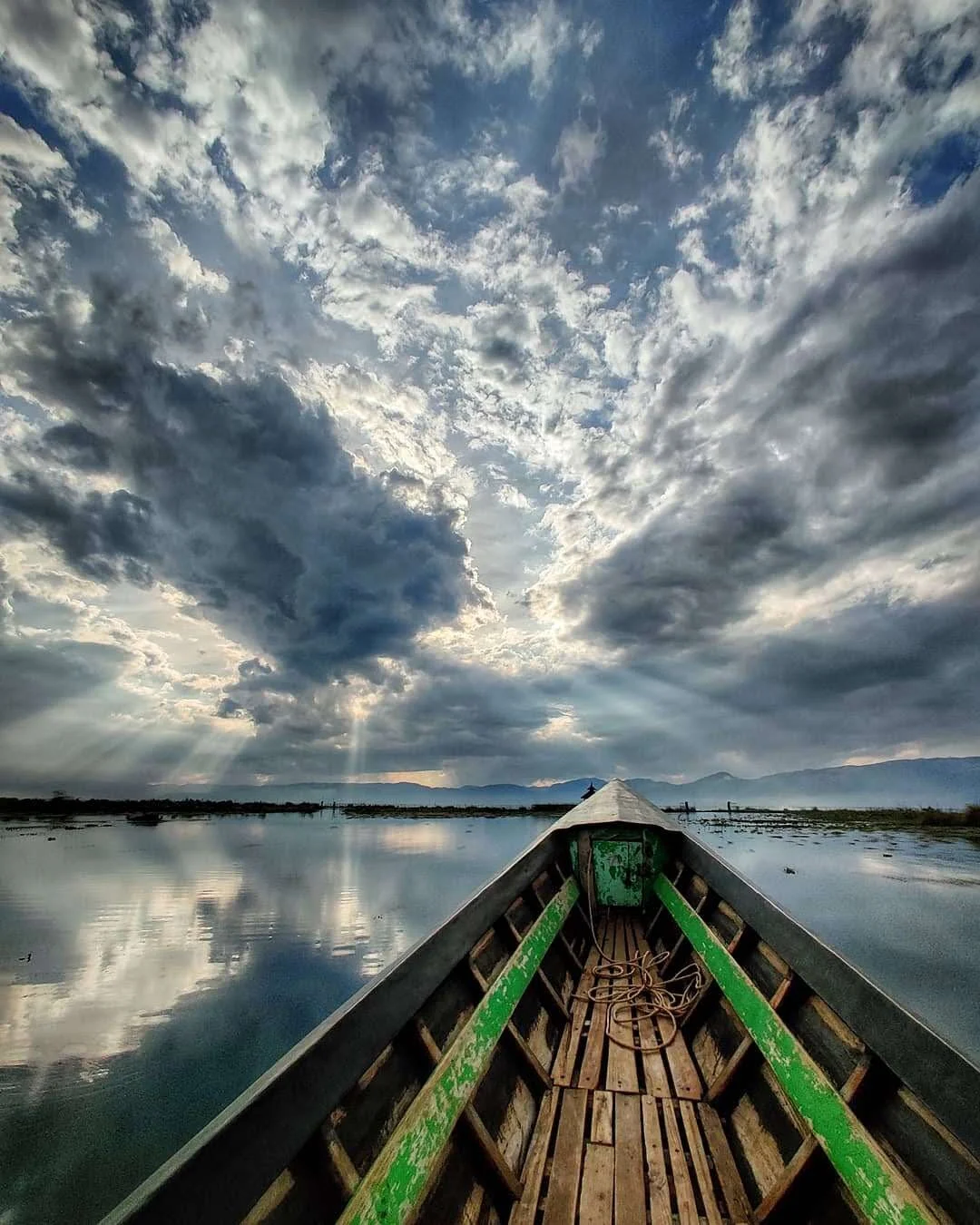
In January 2020 I spent a month exploring Myanmar. This photo was taken at the end of an epic section of trail. I spent three days walking from Kalaw to Inle Lake. Here, I’m taking a longboat across Inle Lake to get from the end of the trail to the nearest town where the luxury of a hot shower awaited me.

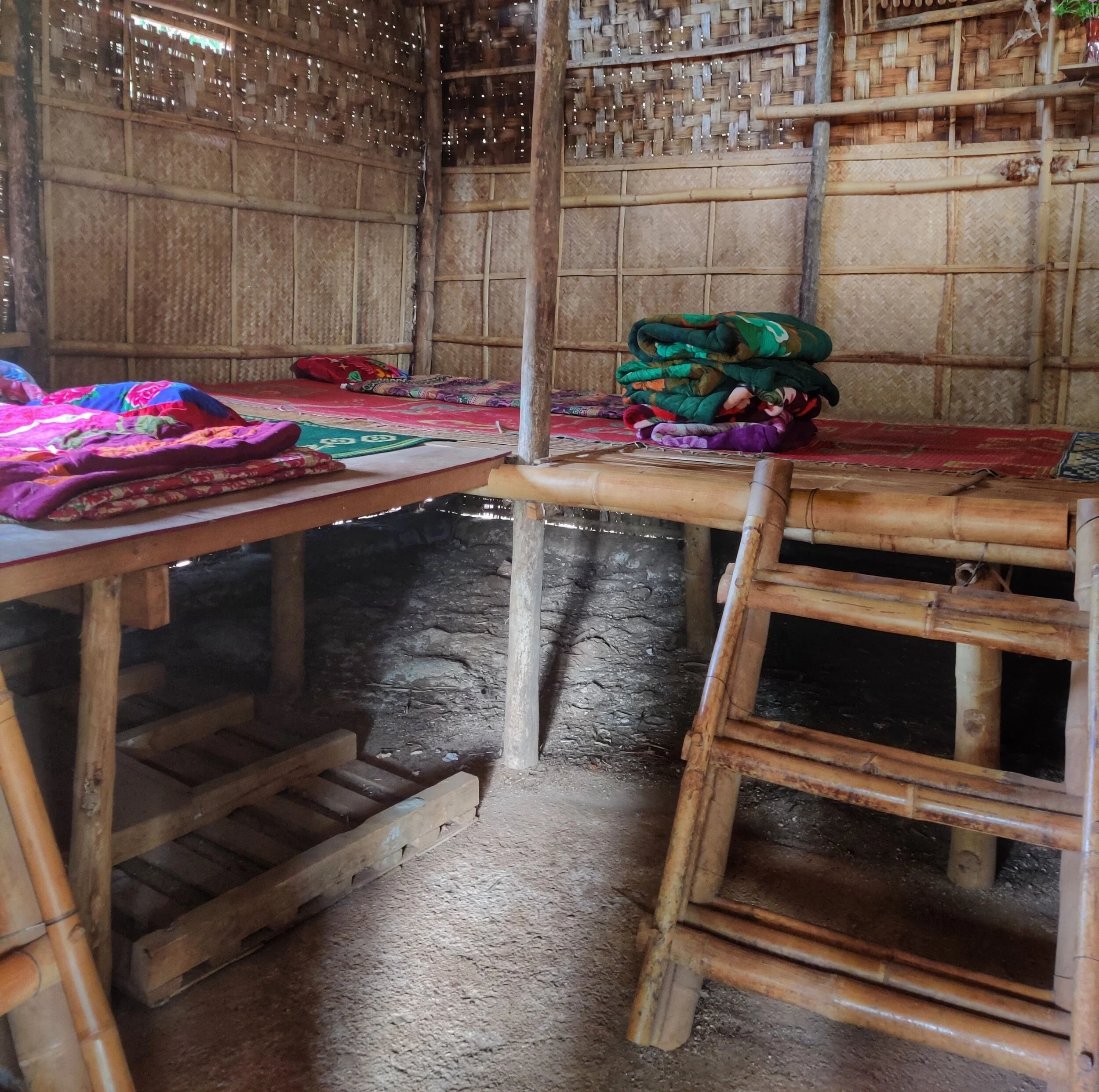
No hotels, no restaurants. I slept in small villages with local families who offered food and shelter. These are communal sleeping quarters up in the mountains of central Myanmar. When you are climbing up and down mountains all day, I can’t tell you how good it feels to be given a hot meal and a place to rest your weary bones. 

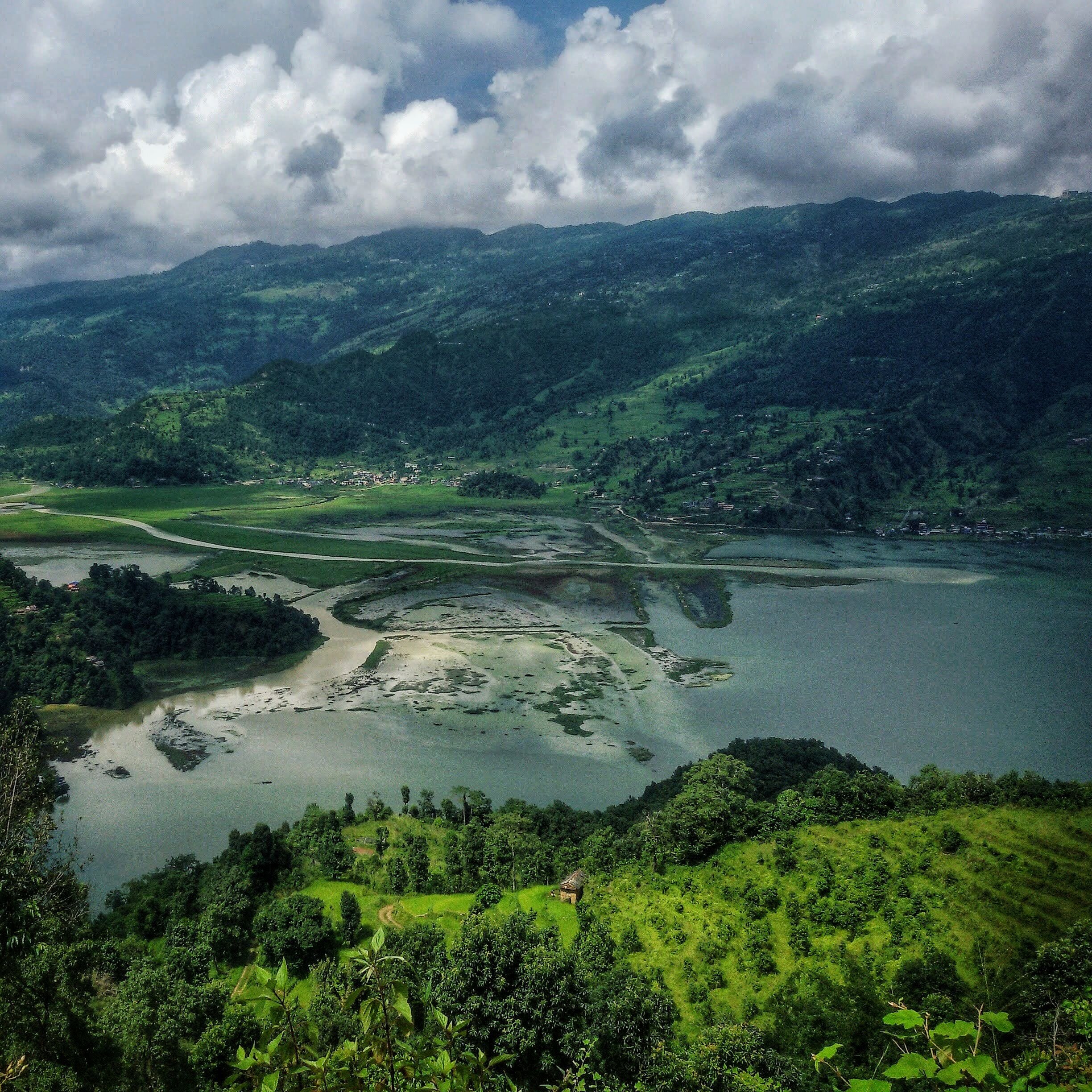
Pokhara, Nepal, is an awesome place to explore even if you opt not to do the big overnight treks in the mountains. I asked many locals and they all told me that you could not circumnavigate Phewa Lake. I kept staring at Google Maps and thinking, “I’m sure I can!” The issue was getting across the valley floor. There is a section where there is no track at all. One day I saw a farmer wade through the rice paddies and I did the same, mud up to my knees in places. Once I got across the valley, as I had seen on Google Maps, there was “trail” all the way around. I arrived back in Pokhara nine hours later, feet full of leeches but with a happy heart. 

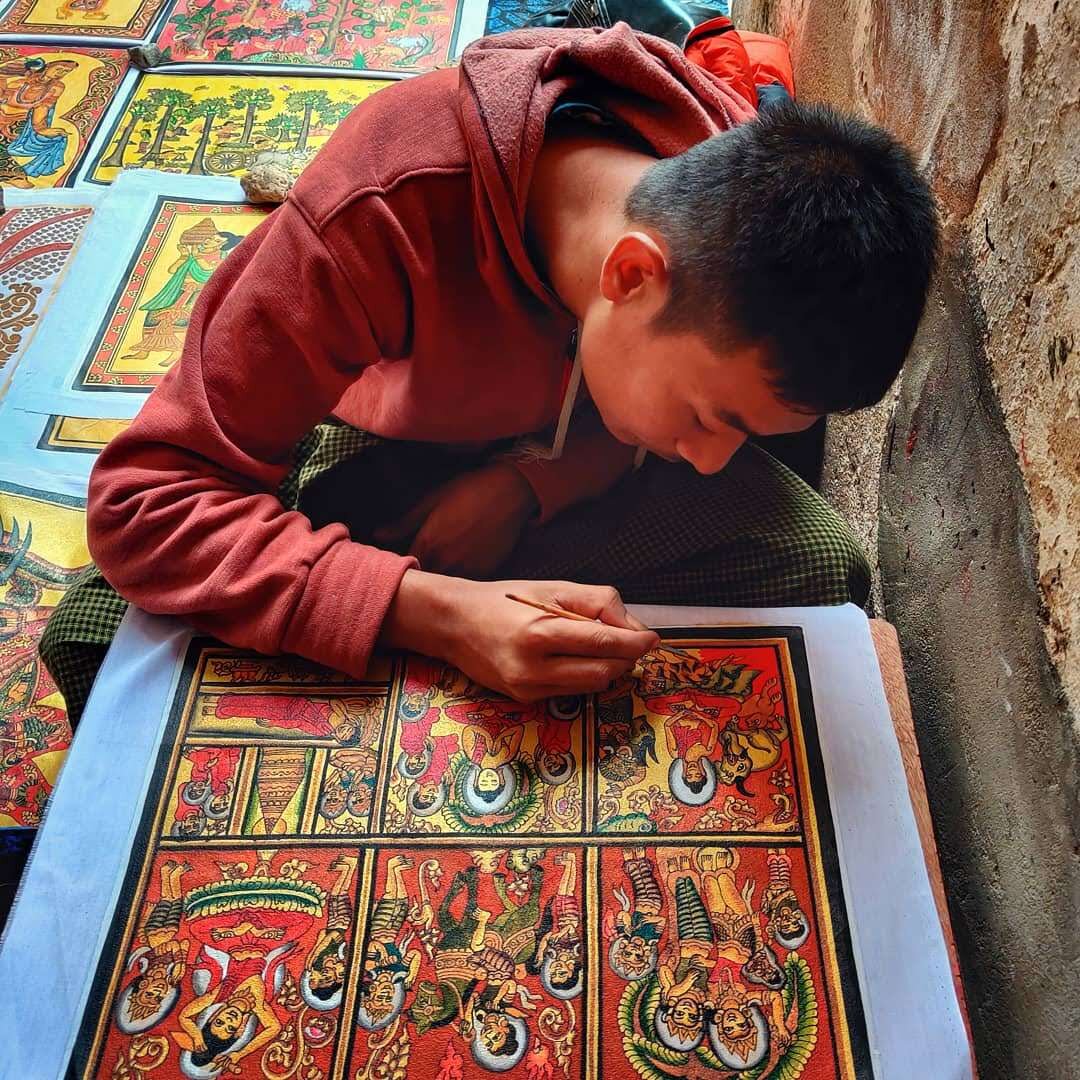
The artist in me gets very excited about local handicrafts. I love seeing creative expression around the world. This teenage boy was oblivious of me as he patiently labored away at this masterpiece in Bagan, Myanmar.

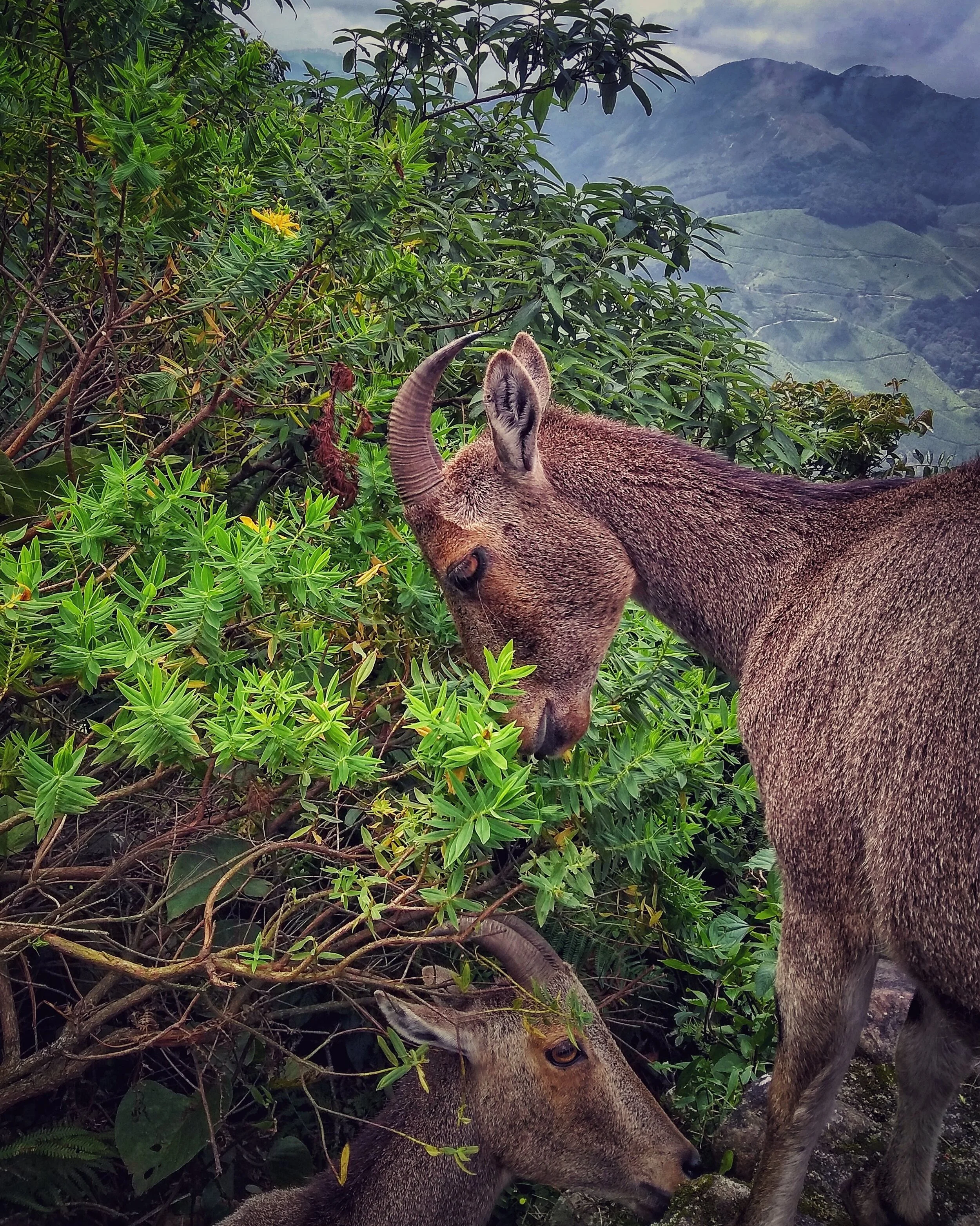
I have been blessed with close encounters with many amazing animals. I never chase after them but enjoy when they approach me. These are Nilgiri tahr, an endangered species that inhabits the Eravikulam National Park in southern India. I was sitting on a rock and they stepped right over me and decided to hang out. I was all by myself up in the hills and it was such a magical moment.

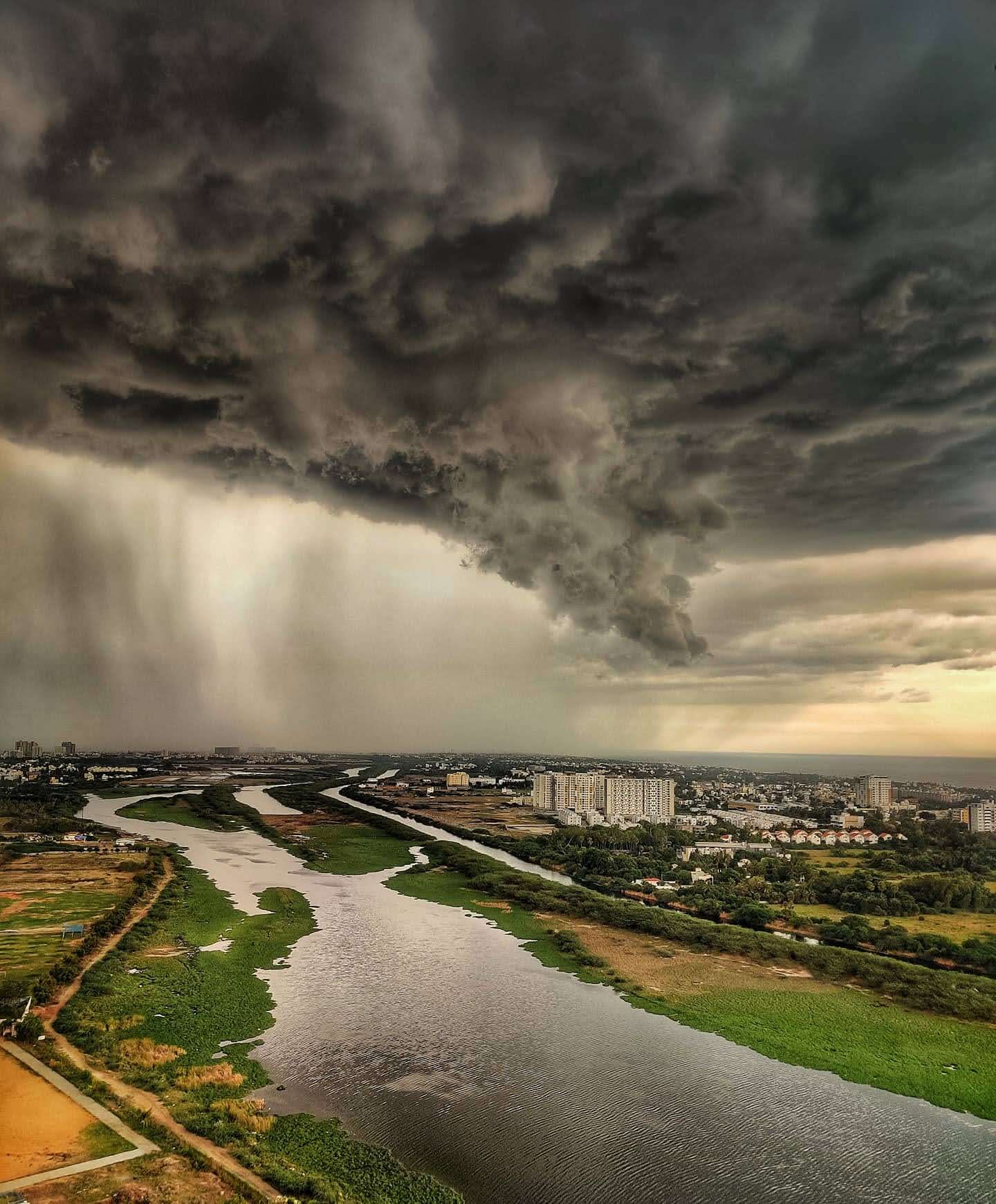
I love a good storm! Something about the energy of the shifting skies is so invigorating. This is on the backwaters just south of Chennai, India, overlooking the Bay of Bengal.

Just outside of Kunchithanny in Kerala, India, I spent a week wandering in the mountains. I talked to locals to scope out good trails and, armed with screenshots from my trusty Google Maps, I headed out early each morning. This is one of my favorite places to trek. I can cover 15 miles by noon. The climbs are steep but well worth it. I met families at my guesthouse who spent three hours in traffic jams to catch a glimpse of the popular waterfalls outside of Munnar; meanwhile, I saw at least 20 falls and had them all to myself. This area is so welcoming. Several families brought me into their homes for food and rest. I can’t wait to go back.

Monks feeding carp in Hpa-An, southern Myanmar. This was such a magical day. First I offered a prayer to all my loved ones atop the rock tower at the pagoda in the middle of this pond. Later that day I did my hardest climb in Myanmar. I climbed to the highest point in the mountains seen in the background. It was an extremely steep vertical climb. Rough steps had been carved out of the rock but they were narrow. In places, I had to lift my leg up higher than my knees to reach the next step. It is typically a three to four hour hike. I wanted to catch the sunset so I powered up it in an hour and 20 minutes. I made it just in time and then descended in 45 minutes. When I finished, my legs were shaking and spasming uncontrollably. It actually felt great having pushed past what I thought my body was capable of.

In Ubud on the Indonesian island of Bali I would wake up at 4 a.m. and run up the mountain peaks in the dark to catch the sunrise from the mountaintops. This is where I started really building my confidence running solo in the wilderness. I wish this photo could convey the incredible birdsong that accompanied each daybreak.

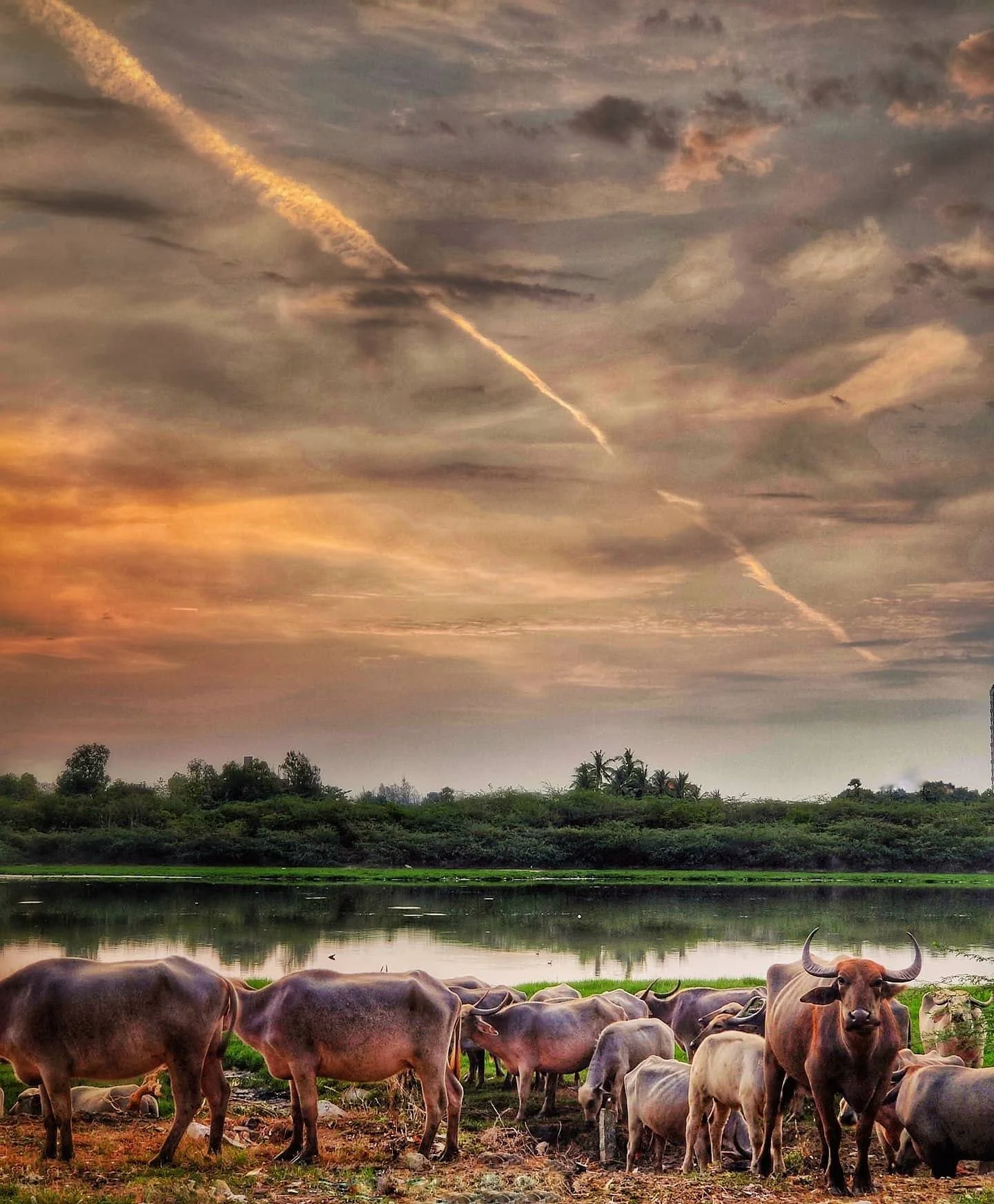
My daily runs here in Tamil Nadu often involve weaving through crowds of these guys. I’m up early to catch the sunrise and enjoy South India in all her beauty.

I have learned to read the landscape, tune into my surroundings and listen to my own body. All of this has given me the freedom to keep living my best life. No regrets.

If you want to keep up to date with my adventures, follow me on Instagram @dawned_onme or check out my blog, bigbeautiful.world, to see more of my past wanderings.

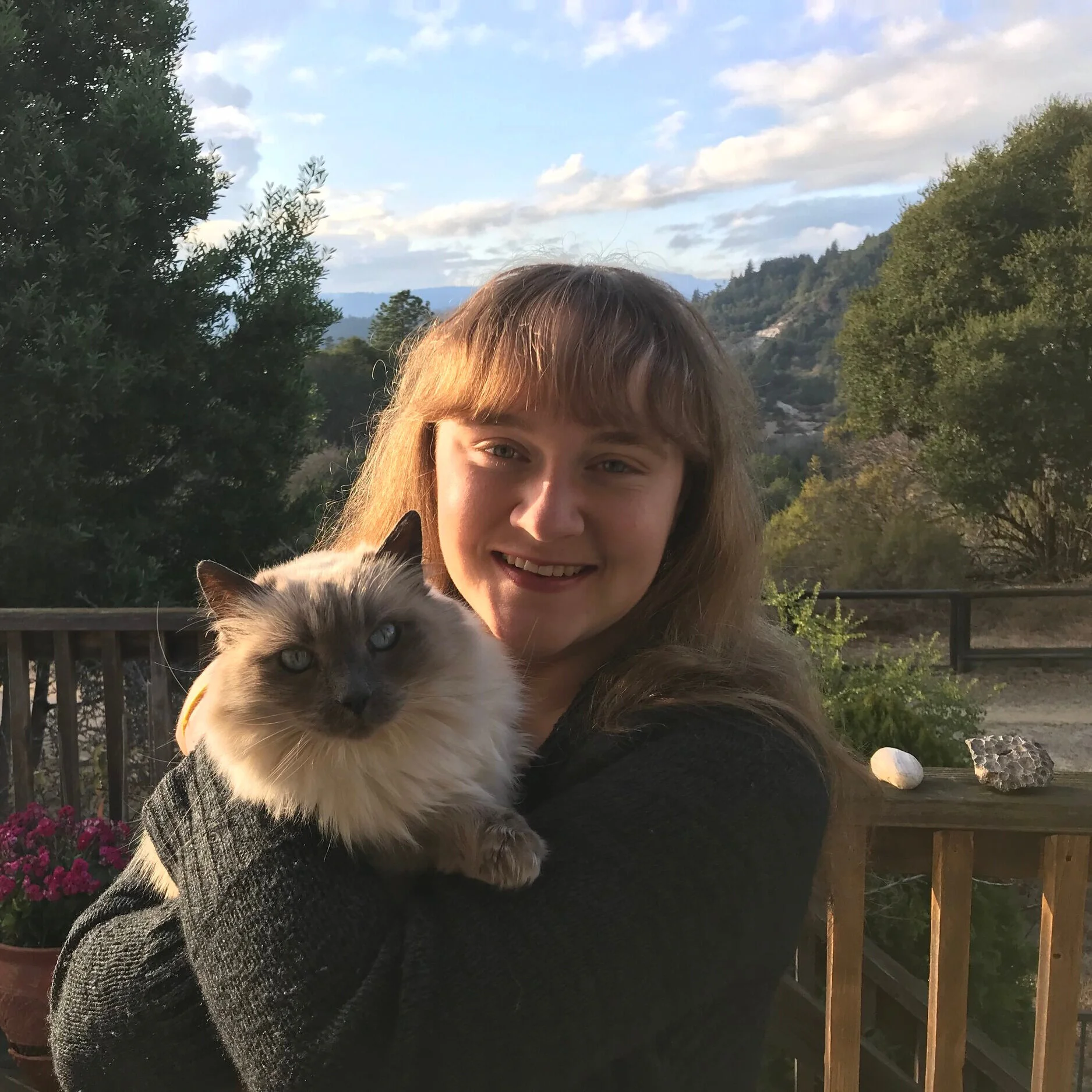
Dawn Lwakila

continually takes the path less trodden, both figuratively and literally. She loves to really live in a place and grow some roots there — as well as a good wander and the freedom to explore. Canada is her homeland, but her heart and soul is scattered across the globe. She has journeyed through over 30 countries and still has an ever-growing bucket list of new places to experience.

Sri Lanka Strives Toward Gender Equality Through Economic Empowerment

Sri Lanka’s efforts to combat the gender gap allow women to support themselves and their communities. 

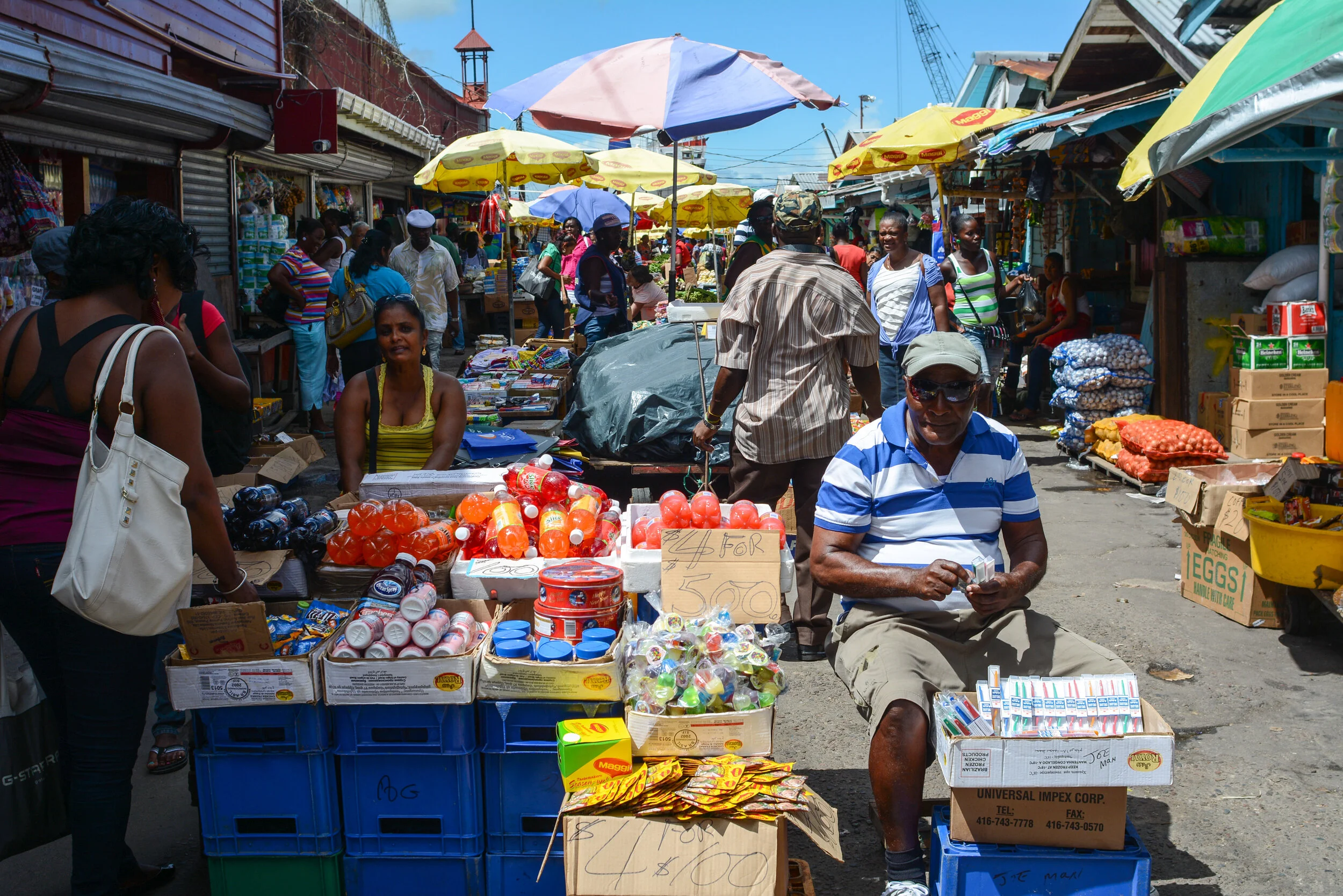
Women selling produce at a market in Sri Lanka. imke.sta. CC2.0

Nicknamed the “pearl of the Indian Ocean” and famous for its spices, unique culture and lush ecosystems, Sri Lanka is also known for its advances in gender equality. The island nation became in 1960 the first country in the world to elect a female prime minister, Sirimavo Bandaranaike. Sri Lanka has also long provided free and compulsory education for men and women up to the university level.

Even so, high levels of gender-based violence are present throughout the country and the unemployment rate of women is twice that of men. Most women occupy low-paying positions in agriculture and the garment industry with little chance of economic mobility. Although well-respected in the Asia-Pacific region, Sri Lanka’s educational system often enforces traditional ideological and cultural beliefs, which can perpetuate negative stereotypes about women.  A university-level education does not guarantee women positions of power, with large disparities between men and women in science, technology and political positions throughout the country. Additionally, a 26-year-long civil war (1983-2009) isolated Sri Lanka from the modern world, allowing traditional gender roles to thrive in war-affected areas.

Developing economic opportunities for women has the potential to overcome barriers to gender equality. Here are two organizations working to do just that:

Women receiving medical training provided by the Women’s Development Centre. Rajapaksa. CC2.0

The Women’s Development Center

This Sri Lanka-based nongovernmental organization has made incredible strides in supporting at-risk women, children and people with disabilities since its founding in 1986. With the goal of creating opportunities for marginalized groups, the group is on its way to “creating a just and secure society for women and children.” Although the organization has a multifaceted approach, social enterprises and economic empowerment remain its key goals. The social enterprise “Sthree”, meaning “woman” in Tamil and Sinhala, was founded in 2011 with the goal of empowering women and their local communities. The platform provides a market in Kandy for Sri Lankan women and disabled people to sell handmade products, such as saris, jewelry, decor, snacks and chutneys, recycled paper products and eco-friendly purses and handbags. Sthree also provides training and skill-building workshops for women and disabled individuals. Sthree is beginning to expand to an international clientele, even hosting an international exhibition and sale in Sweden in 2016.

A woman making brooms for a woman’s cooperative in Sri Lanka. Foley. CC2.0

Puthukkudiyiruppu Women Entrepreneurs’ Cooperative Society

The PTK Cooperative, initially founded by Krishnakumar Jeyaranjini and 14 other women in 2012, provides a platform for war-affected women to support themselves and their families economically. The business has expanded over the years, producing detergent, chili powder and rice flour. The organization has the backing of the International Labour Organization (ILO), which helps link it to buyers, markets and social enterprises. The organization enables collaboration between women from different ethnic groups and communities in Sri Lanka, helping to create social cohesion and tolerance. The organization continues to defy gender norms and stereotypes.  “Often the words ‘woman’ and ‘detergent’ bring out gendered images of a woman washing clothes at home, not of a woman owning or running a successful detergent-producing enterprise,” said Simrin Singh, director of the ILO country office for Sri Lanka. “It is stories of our work empowering women like Jeyaranjini, building block by block, that are the essential inspiration so many other women in this country could use to break the barriers to their empowerment.”

Although Sri Lanka has made considerable progress toward gender equality in the last 50 years, many obstacles remain. Empowering women at a grassroots level helps provide women more economic agency while ensuring the well-being of generations to come. 


Megan Gürer

Megan is a Turkish-American student at Wellesley College in Massachusetts studying Biological Sciences. Passionate about environmental issues and learning about other cultures, she dreams of exploring the globe. In her free time, she enjoys cooking, singing, and composing music.

Myanmar Government Blocks Website Exposing Military Corruption 

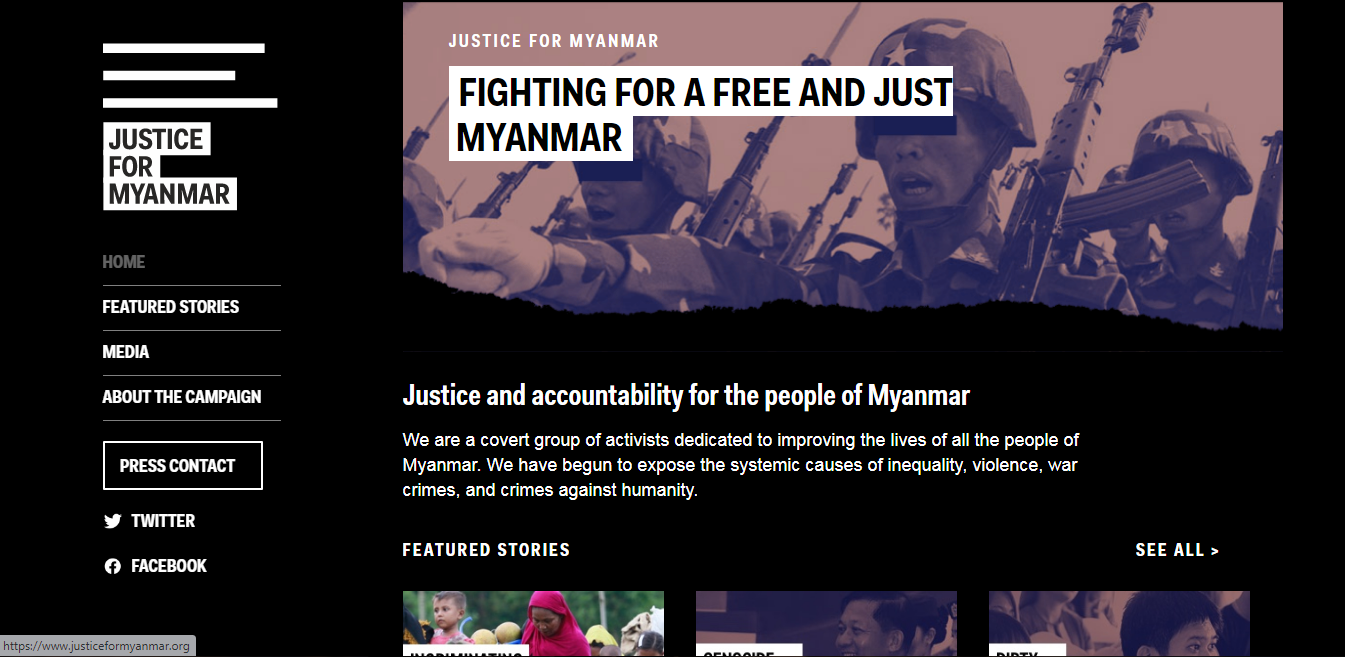
The website for Justice for Myanmar, which is dedicated to exposing military corruption, was blocked by the country’s government for spreading fake news. Over 200 websites have been blocked in the past year.

Screenshot of the Justice for Myanmar homepage.

On Aug. 27, all mobile operators and service providers in Myanmar received a directive from the government to block the Justice for Myanmar website for purportedly spreading fake news. Justice for Myanmar was launched on April 28 by an anonymous group of activists aiming to expose military corruption and advocate for federal democracy and peace. Campaigning for Myanmar’s Nov. 8 general elections began a week after the shutdown, raising concerns that the government was attempting to silence scrutiny and criticism of the elections. 

In May, Justice for Myanmar exposed that two top government officials were also directors of Myanmar Economic Holdings Company Limited, a military-owned company, leading to both officials’ resignations from its board. More recently, Justice for Myanmar revealed that a construction company under contract for the government has ties to Lt. Gen. Soe Htut. The site also published allegations that a medical company offering Food and Drug Administration approvals is owned by the family of Sr. Gen. Min Aung Hlaing. 

The military controlled Myanmar for decades, until it was replaced by a civilian government in 2011. The current government is headed by Aung San Suu Kyi of the National League for Democracy (NLD), who serves as State Counsellor. She led the NLD to victory in 2015 during Myanmar’s first openly contested election in 25 years. Despite having a democratic ruler, Myanmar is not free from military rule. A 2008 constitutional provision still guarantees the military seats in parliament. One-quarter of parliamentary seats are held by the military, which also controls the country’s defense, border affairs and home affairs ministries.

Aung San Suu Kyi, once regarded as a prime example of a democratic leader, has been the target of international criticism in recent years for her handling of the Rohingya crisis and her persecution of media and activist groups. 

In the past year, Aung San Suu Kyi’s government has blocked over 200 websites for allegedly spreading fake news, using Section 77 of the Telecommunications Law. The section allows action to stop the spread of misinformation. Myanmar’s government received criticism earlier this year for limiting press freedom and the flow of information during the pandemic by blocking news sites. The government also imposed an internet blackout in nine townships in the Rakhine and Chin states and in April 2020 ordered a mass blocking of the websites of ethnic media organizations. These actions, as well as the shutdown of the Justice for Myanmar website just a week before campaigning for the general elections began, have been causes for concern from the media, community organizations and rights groups. 

Yadanar Maung, a Justice for Myanmar spokesperson, said in a recent press release that the group condemns “the Myanmar government’s attack on our right to freedom of expression and the people of Myanmar's right to information.” Telenor Myanmar, one of the service providers that received the directive to block the Justice for Myanmar site, has opened communication with the government to protest the blocking. A statement on Telenor Myanmar’s website urges the government “to increase transparency for the public” and asserts that the government’s directive does not respect the rights to freedom of expression or access to information. 

Many groups and individuals, including James Rodehaver of the U.N. Human Rights Office, have called for reform of the Telecommunications Law.

Rachel Lynch

is a student at Sarah Lawrence College in Bronxville, NY currently taking a semester off. She plans to study Writing and Child Development. Rachel loves to travel and is inspired by the places she’s been and everywhere she wants to go. She hopes to educate people on social justice issues and the history and culture of travel destinations through her writing.

Beyond the Wall, Berlin’s Multicultural Roots Shine Through

When Germany’s capital is mentioned, people often think of Berlin’s turbulent history, thriving arts scene and hipster culture. However, multiculturalism ought to also come to mind. With 21% of its population hailing from non-German backgrounds representing 190 countries, Berlin is becoming a true melting pot. Often nicknamed “Multikulti,” Berlin portrays itself as a tolerant city aiming to attract talent from abroad while celebrating its diversity within.  

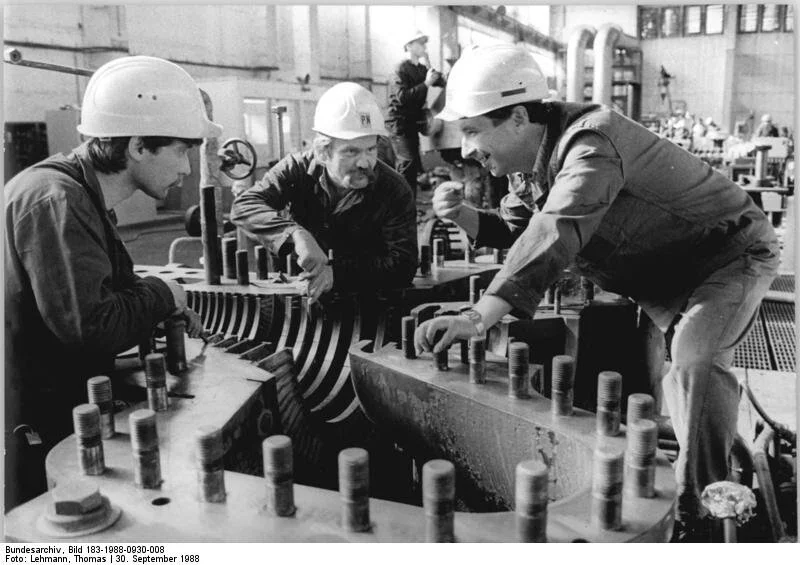
Guest-workers from Hungary in East Germany. Lehmann. 30 Sept. 1988. CC3.0

A History of Migration 

After World War II, the Allied Powers divided Berlin into four regions. The American, British and French regions made up West Berlin and the region occupied by the Soviet Union made up East Berlin. Immigration to Berlin was largely influenced by the dynamics of the divided city’s various zones. After the war, there was a strong need for labor to help rebuild Germany. West Germany recruited “guest-workers” to fill this need from nearby areas such as Turkey and southeastern Europe. The East German government recruited guest-workers from other socialist countries, such as North Vietnam and North Korea. More recently, many immigrants escaping conflicts in the Middle East and North Africa have sought refuge in Berlin.

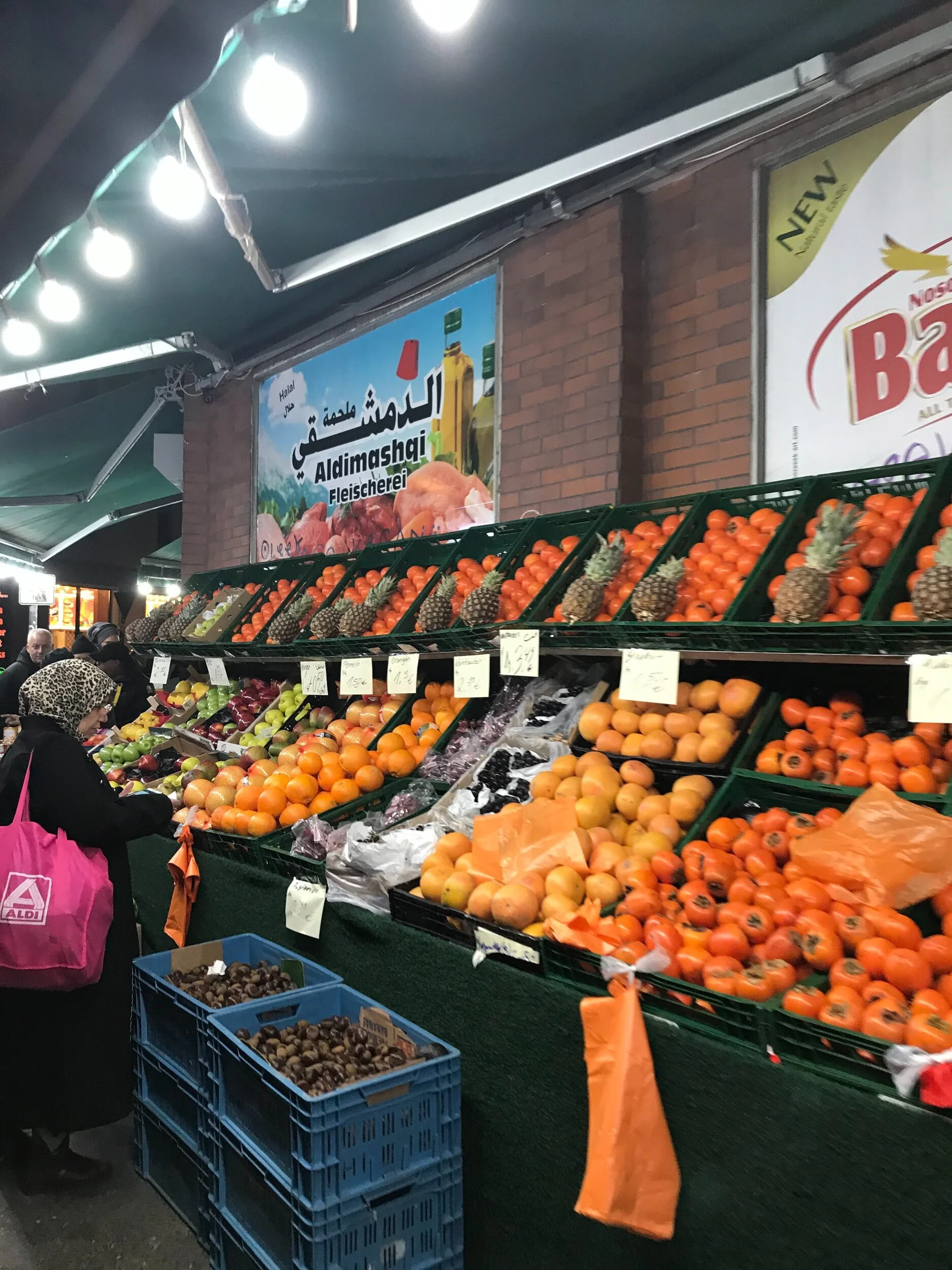
An Arabic market in Neukolln Gürer CC2.0

Multicultural Districts in Berlin

Although Berlin has a sizable international population, being an immigrant in the city is not without its problems. Areas of Berlin with high immigrant populations tend to be weaker economically and are known for social problems including high unemployment, increased crime rates, drug trafficking and gentrification. Ethnic minorities are usually present only in certain neighborhoods and are underrepresented in German popular culture and politics. Immigrants are also subjected to acts of hatred and violence due to strongholds of White nationalism in areas of East Berlin. Additionally, previous immigration policies in Berlin have focused on tolerating, rather than accepting, immigrants in the city. The term “Auslander” or foreigner negatively refers to immigrants in Germany, speaking to the difficulties they face with integrating into German society.

However, things are slowly changing. Immigrant communities in Berlin are proudly showcasing their cultures for others to see. Travelers who visit Berlin’s multicultural hubs can help change the narrative of immigration in Germany. 

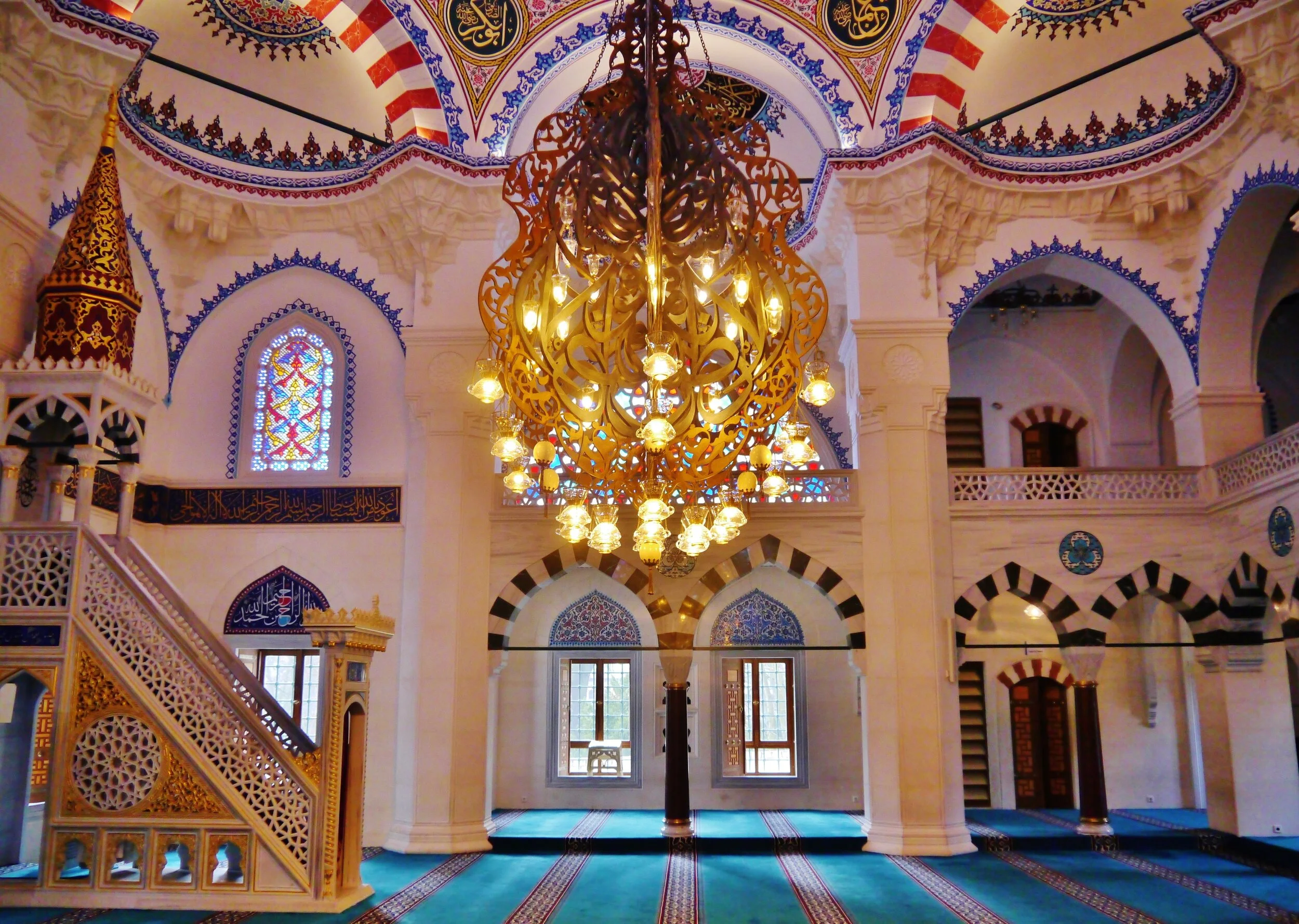
Sehitlik Mosque in Berlin’s Neukolln district. Zairon CC International 4.0

Neukolln

Today, the majority of Berlin’s immigrant population resides in the center of the city in the districts of Neukolln and Kreuzberg. Although previously known for its unemployment and drug problems, Neukolln is reinventing itself as a hip and multicultural center. One of Neukolln’s iconic areas is Sonnenallee, often nicknamed “Arab Street,” which is home to many Middle Eastern restaurants, grocery stores and baklava shops. Walking through Sonnenallee, one is nearly as likely to hear various Arabic dialects and Turkish as German. Neukolln is also home to the Sehitlik Mosque, which is the most visited mosque in Berlin. The mosque participates in the Long Night of Religions, an annual event where houses of worship all over the city open their doors to the public to promote tolerance and interreligious dialogue. 

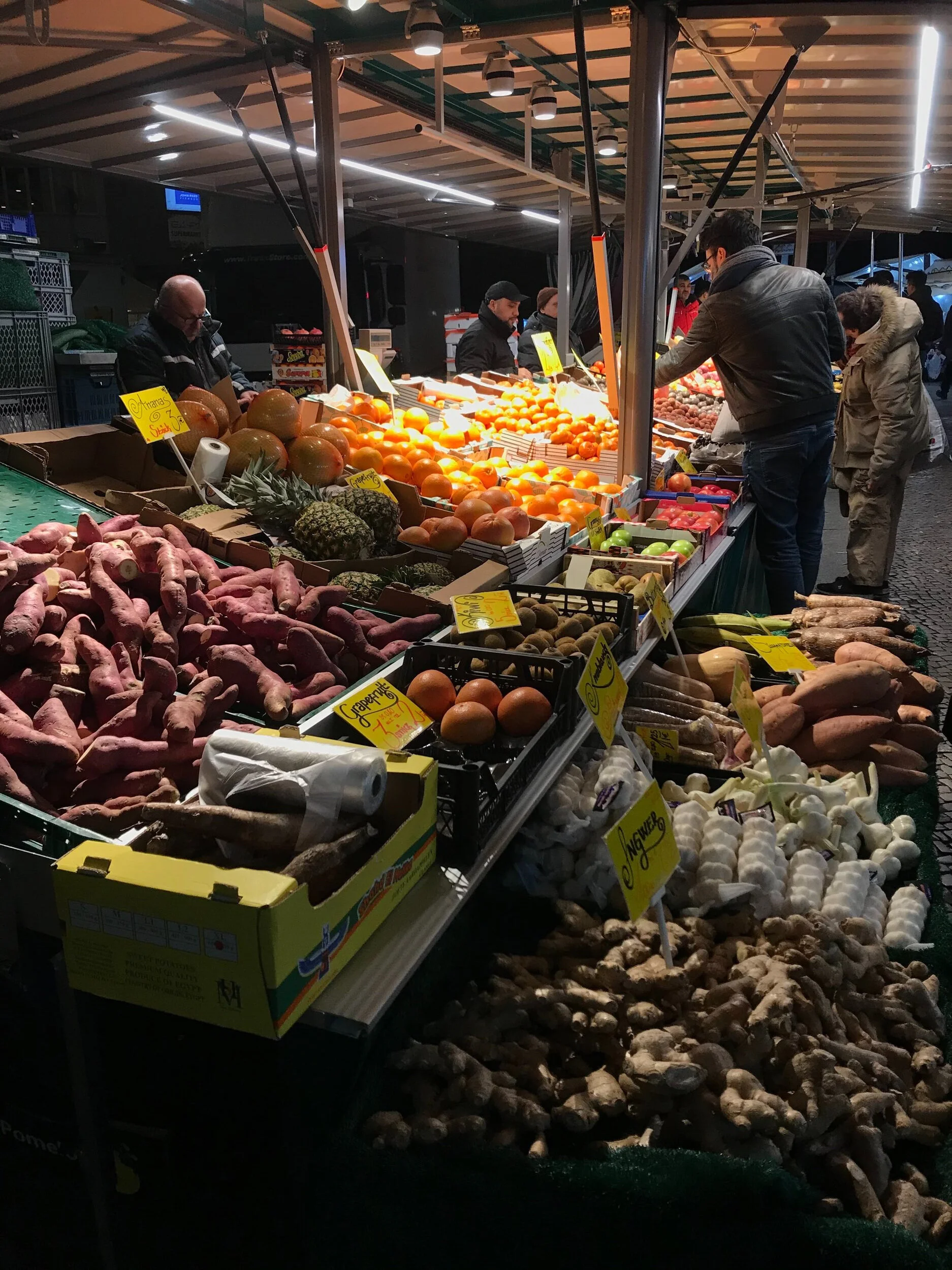
Turkish market in Kreuzberg. Gürer. CC2.0

Kreuzberg

Berlin’s Kreuzberg district is often nicknamed “Little Istanbul” for good reason; the neighborhood is home to the largest Turkish population outside of Turkey. On Tuesdays and Fridays, Kreuzberg hosts an expansive Turkish Market, selling everything from fresh produce and spices to fabrics and street food. Kreuzberg is an excellent place to try Turkish staples such as doner kebab and gozleme. Markthalle Neun is another acclaimed international market in Berlin. On Thursday evenings, it hosts “Street Food Thursday” with seemingly endless vendors serving diverse culinary options. Berlin’s Jewish Museum, also located in Kreuzberg, is the largest museum in Europe focusing on Jewish history and culture. Known for its nightlife and hip culture, Kreuzburg is rising in popularity. At the same time, this has given rise to gentrification which makes it difficult for migrant families to afford life there. 

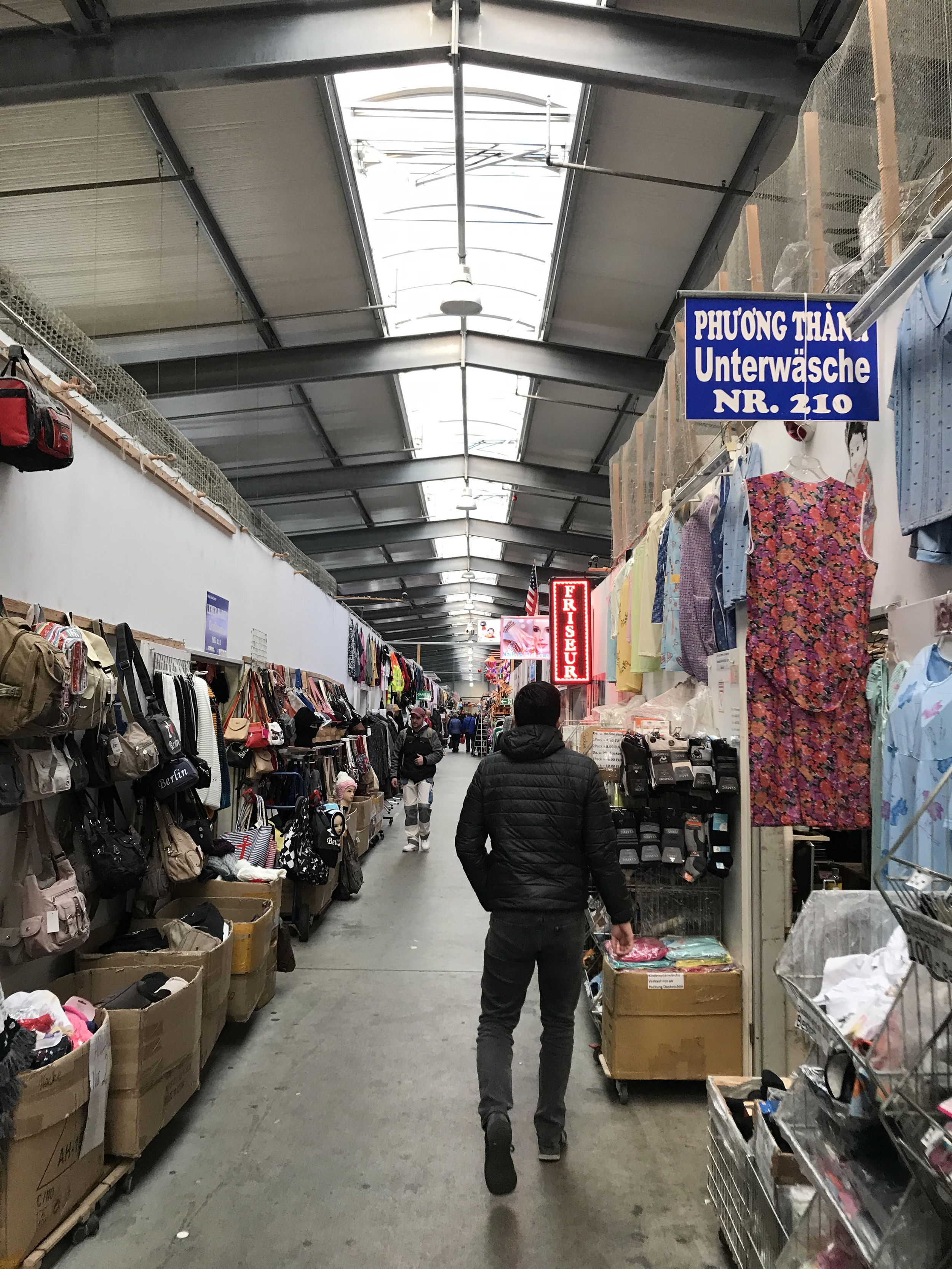
One of the many warehouses in the Dong Xuan Center in East Berlin. Gürer. CC2.0

East Berlin’s Vietnamese Population 

Vietnamese make up the largest Southeast Asian population in Berlin, most of whom reside in the eastern part of the city. The Dong Xuan Center in Lichtenberg is home to Berlin’s hub of Vietnamese culture: a warehouse-like market that contains vegetable shops, clothing stores, beauty salons and authentic restaurants. 

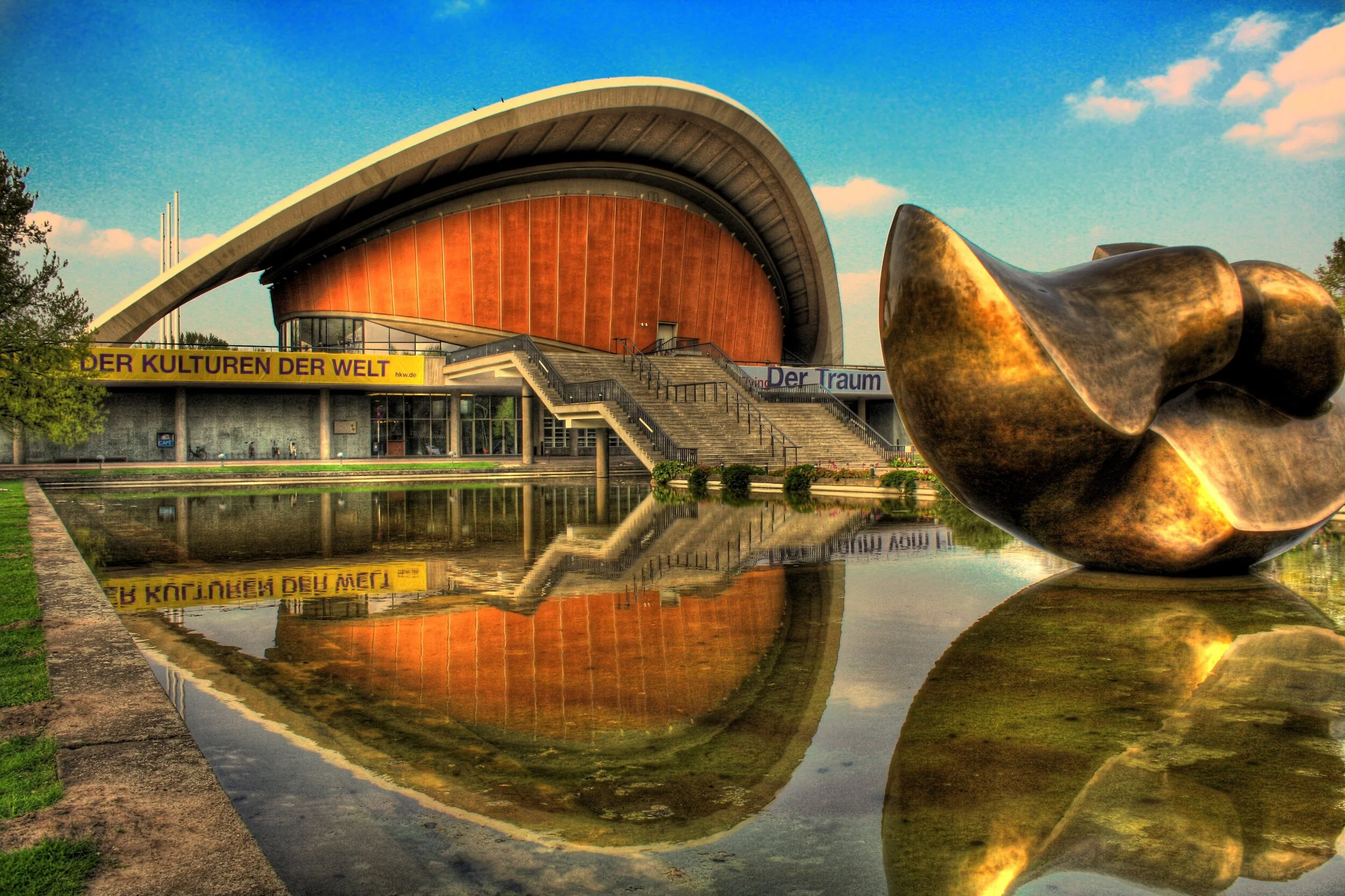
The House of World Cultures in Berlin. Mennerich. CC 2.0

House of World Cultures 

Founded in 1989, the House of World Cultures is an arts and cultural center that hosts exhibitions, conferences and themes focused predominantly on non-Western cultures and societies. Located in the Tiergarten area near the Spree River, the center’s primary focus is to provide Berliners with an authentic view of contemporary art and culture from around the world. Past events include a Korean film festival and various world music events. 

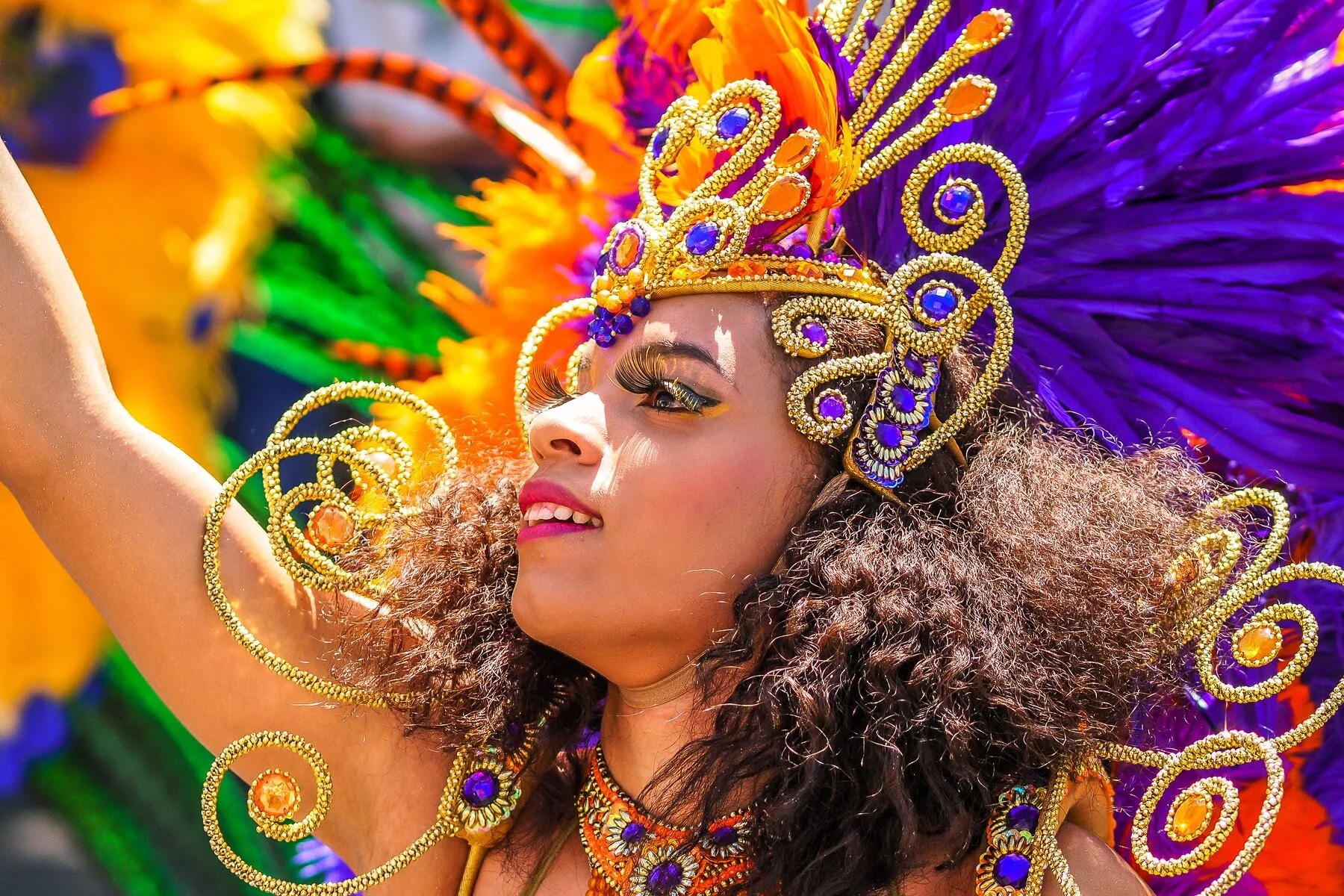
Performer at the annual Carnival of Cultures. Reichert. CC 2.0

Carnival of Cultures

The Carnival of Cultures is a four-day celebration of Berlin’s cultural diversity that occurs every spring. Festivities include music, dance, street performances, street food and crafts. On Pentecost Sunday, the last day of the celebration, a procession of floats travels through Kreuzberg.

Immigration has shaped Berlin’s culture and history for decades, providing a fascinating framework for travelers to explore. Despite the contested status of refugees in Germany today, migration into Berlin is nothing new. Visiting these multicultural spaces is a step toward tolerance and appreciation of the beauty and diversity so often brought about by means of immigration.

Megan Gürer

is a Turkish-American student at Wellesley College in Massachusetts studying Biological Sciences. Passionate about environmental issues and learning about other cultures, she dreams of exploring the globe. In her free time, she enjoys cooking, singing, and composing music.

Zimbabwe’s Mining Ban: A Potential Empty Promise?

The government of Zimbabwe now bans mining in its national parks, but environmentalists argue that the prohibition is hardly adequate. 

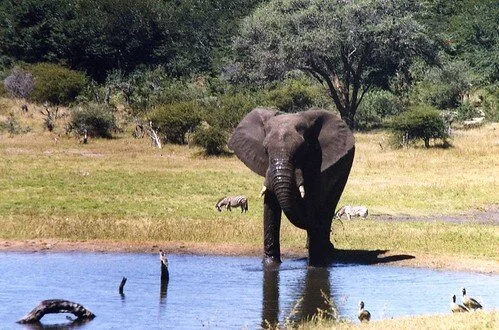
An elephant at a watering hole in Zimbabwe’s Hwange National Park. BARMCD. CC BY-NC 2.0.
After mounting pressure from conservationists, Zimbabwe’s government has declared a mining ban in the country’s national parks. Reports have circulated that Chinese companies are scouting out coal mining sites in Hwange National Park, Zimbabwe’s largest national reserve. The park stretches over nearly 6,000 square miles and is home to about 50,000 of Zimbabwe’s estimated 86,000 elephants. Extensive conservation projects are conducted in the region to preserve its plethora of wildlife species, but the call to protect the elephant population has drawn the most intense focus.

The government’s new ban is the result of a case brought to the country’s High Court by the Zimbabwe Environmental Lawyers Association. The group argues that mining would destabilize the park’s biodiversity while injuring the fragile ecotourism sector. This case was first brought to the High Court after officials of Afrochine Energy and Zimbabwe Zhongxin Coal Mining Group were arrested for conducting illegal mining projects only to be released with special permission by Zimbabwe’s President. Outrage immediately ensued, and conservationists rode the wave of anger to action. 

The immense pressure on the government to implement change follows months of anger by environmentalists claiming that Chinese mining companies have already caused catastrophic damage in other regions of Zimbabwe. Environmentalists explain that the companies dump toxic waste, clogging precious dams and resulting in substantial drops in local wildlife populations. Locals also resent the presence of Chinese mining companies due to diminishing livestock populations and disrupted irrigation routes. 

Environmental groups also argue that mining will perpetuate the drought and overcrowding problems that have already killed hundreds of elephants. Local residents deal with regular poaching disputes and rely heavily on income from ecotourism; so, many fear that failure to hold off Chinese mining companies could cause  economic damage and increased levels of conflict. Furthermore, many Zimbabweans believe that mining in Hwange is only one piece of the bigger picture. Gold and diamond mining sites pepper other parts of the nation, causing equal degrees of environmental destruction to the over 1,000 species of animals that roam the country.

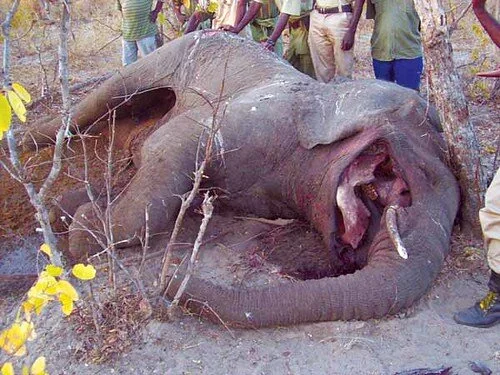
Tusks removed from a poached elephant. Sokwanele. CC BY-NC-SA 2.0.

For now, it seems that the government of Zimbabwe has yielded to the demands of conservation groups, but environmentalists appear far from satisfied. The government says that it is canceling current mining titles, but conservationists are doubtful that this is enough. Shamiso Mtisi, deputy director of the Zimbabwe Environmental Lawyers Association, states that the group is demanding an interdict, which is a legally binding prohibition. Pressure on the government to act quickly increased significantly in the past week as 11 young elephants died due to an unknown bacterial infection. Investigations are now proceeding to determine the cause of the elephants’ deaths, and whether poisoning may be linked to nearby mining activity. 

Although the High Court’s verdict is already known, but whether or not Zimbabwe’s government will take the necessary steps to save the country’s natural and economic resources remains a mystery.

Ella Nguyen

is an undergraduate student at Vassar College pursuing a degree in Hispanic Studies. She wants to assist in the field of immigration law and hopes to utilize Spanish in her future projects. In her free time she enjoys cooking, writing poetry, and learning about cosmetics.

Algeria’s Relationship with the Media Grows Tense Amid Political Woes

On Aug. 10, Algerian officials sentenced journalist Khaled Drareni to three years in prison for reporting on the 2019 Hirak protests. Calling for the removal of Algerian President Abdelaziz Bouteflika, the Hirak pro-democracy protests were some of the largest anti-government demonstrations since the Algerian civil war in the 1990s. While the protests were successful in removing Bouteflika from power, Algerian activists are unsatisfied with the corruption that still drives the Algerian government. Drareni’s sentencing has amplified the divide between independent publications and state-run media, drawing attention to the censorship that Algerian journalists face.

Hirak protests in Algiers. Becker. CC BY 2.0.

From 1991 to 2002, Algeria was engaged in a civil war between the government and Islamist political groups. Throughout this unrest, journalists in Algeria explored the many human rights abuses present in the country. As the war began to resolve in 1999, Abdelaziz Bouteflika was elected president of Algeria. With his 2005 Charter for Peace and National Reconciliation, he offered amnesty to groups that committed violence between 1992 and 2006. While this charter protected many Algerians from prosecution, Bouteflika also used it to restrict the press from investigating human rights violations. 

Following the enactment of this charter, independent publications were allowed a modicum of freedom as they operated independently of the state. However, the divide between independent publications and the Algerian state-run media only grew as Bouteflika consolidated his power.

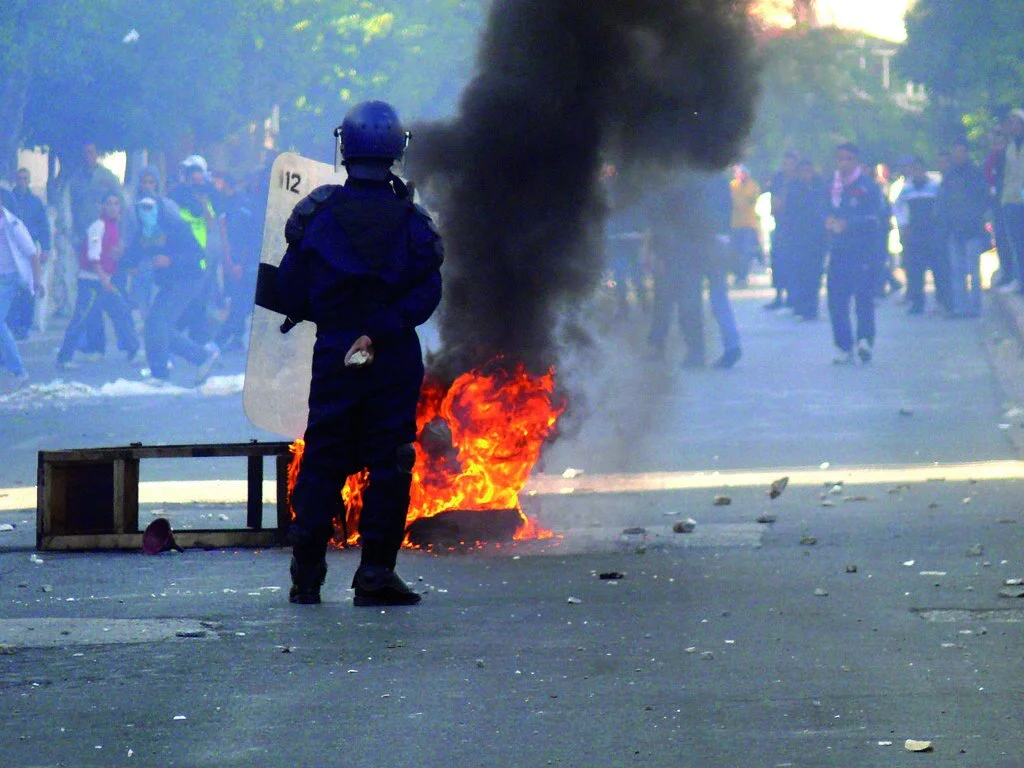
An Algerian soldier barricades a street. Magha Rebia. CC BY 2.0.

In recent years, as pro-democracy movements gain traction in Algeria, independent publications have generally been the only media covering the protests. With tensions between Algerian citizens and the government mounting over the past decade, independent publications have been increasingly villainized by the state. Using state-owned companies as leverage, the Algerian government has stripped most independent publications of their primary source of income—advertisements. 

Within the past year, multiple independent media outlets critical of the regime have been blocked, including Maghreb Emergent and Radio M. Reporters Without Borders, an international organization that works to protect freedom of the press globally, now ranks Algeria 146th out of 180 countries in the 2020 World Press Freedom Index, which evaluates the degree of freedom awarded to journalists. Algeria’s ranking in this index has dropped drastically in the past five years -- in 2015, Algeria was ranked 27 places higher. 


The imprisonment of Khaled Drareni only amplifies the harsh restrictions being gradually imposed on the Algerian media. In April 2020, Algeria passed a law criminalizing “fake news” to maintain “public order and state security.” This law increases the repression of journalists in an already corrupt state. With privately-owned media facing severe blockades, social media has become a driving force in disseminating information to young people across the country. Social media platforms have become a pivotal tool for activists, allowing them to coordinate nonviolent protests and spread news that is not aired on radio or television. This movement has encouraged reporters at state-backed media companies to resign and actively fight for marginalized voices to be heard. Algeria remains in a state of flux as reporters stripped of their formal platforms are actively working toward freedom of the press through alternative means of communication.

Sarah Leidich

is currently an English and Film major at Barnard College of Columbia University. Sarah is inspired by global art in every form, and hopes to explore the intersection of activism, art, and storytelling through her writing.

Homophobia Rises in South Korea Following COVID-19 Outbreak

There has been a resurgence of discriminatory acts against South Korean LGBTQ+ individuals following a COVID-19 outbreak in May.

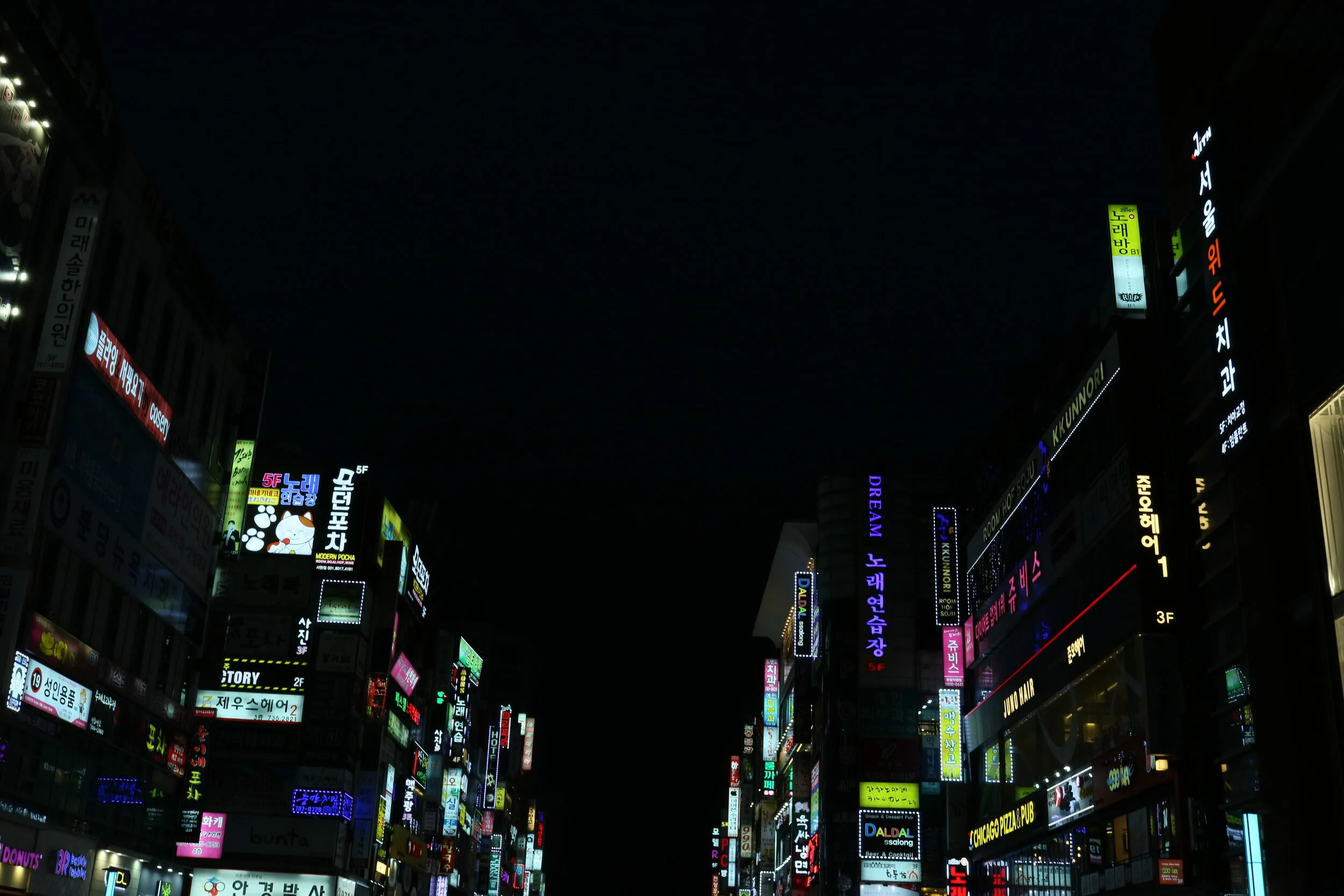
Itaewon, the district where the outbreak occurred, comes to life at night. Heather Lim.

South Korea has been globally recognized for its disease control and prevention protocol, revealing an impressively low number of COVID-19 cases. American journalists lauded this quick response as a prime example of liberal democracy’s success. South Korea’s new reputation as a world power was further cemented by its efficient system for COVID-19 prevention. 

Although South Korea’s curve has been flattened, a particular outbreak ignited political and social retaliation against one of the country’s most marginalized groups.

In May, South Korea’s surveillance system for tracing the coronavirus showed that an outbreak occurred at a nightclub frequented by members of the LGBTQ+ community in Seoul’s Itaewon district. Over 100 cases were linked to this particular outbreak, in which an infected 29-year-old man visited various gay nightclubs in one night. The tracking system used by the South Korean government quickly notified possible carriers of COVID-19 from that evening. Up to 6,000 individuals were followed and notified through the use of cell tower signals, rather than through voluntarily shared information. This particular method of tracking, along with an ample number of testing sites, helped the country to stop the spread of the virus. 

The LGBTQ+ community in South Korea soon faced a resurgence in discriminatory acts, from being profiled to losing jobs. Jong Geol Lee, a Korean gay rights activist, told CBS News in May that there had been an influx of calls to his support group from members of the LGBTQ+ community in fear of losing their jobs. Lee Youngwu, a gay man in his 30s, expressed his anguish to The Guardian, saying, “I felt so trapped and hunted down. If I get tested, my company will most likely find out I’m gay. I’ll lose my job and face a public humiliation. I feel as if my whole life is about to collapse. I have never l felt suicidal before and never thought I would, but I am feeling suicidal now.” 

South Korean news outlets exacerbated the wave of homophobia plaguing the country. Kukmin Ilbo, a newspaper closely aligned with Korean Protestant churches, released the names of the clubs visited by the 29-year-old man. The Washington Post shared that “gay club” and “gay coronavirus” were South Korea’s top search items following the outbreak, filling the internet with hate speech and derogatory slurs toward gay individuals. 

Although non-heterosexual relationships aren’t outlawed in South Korea, they are often stigmatized by hospitals and the government. Many hospitals have even refused to treat patients with AIDS. The many cases of violence against gay troops in the South Korean military have been often brushed aside and dismissed, leaving the victims unprotected and traumatized

Since May, the negative attention on the LGBTQ+ community has decreased somewhat. However, members of the group remain quiet about their identities in fear of being alienated from society. 

To combat rising levels of discrimination, LGBTQ+ rights group Chingusai has been offering support to gay men through telephone counseling. The Korean Sexual Minority Culture and Rights Center has also been fighting for the rights of Korean LGBTQ+ individuals.

Heather Lim

recently earned her B.A. in Literature in English from University of California, San Diego. She was editor of the Arts and Culture section of The Triton, a student-run newspaper. She plans on working in art criticism, which combines her love of visual art with her passion for journalism.

Mauritius Faces Ripple Effects From the Largest Oil Spill in its History


The recent oil spill in Mauritius threatens the island’s ecosystems and its people. More than 1,000 tons of oil spilled into the Indian Ocean, and the ocean’s biodiversity is at risk, fishing is no longer possible in contaminated areas and the local population has been hurt by pollution. Not to mention shattered tourism industry.

Read More