
• Travel Features
  • Global Action
  • Take A Trip
  • Travel Guides
    • Podcast
    • Courses
    • Bookshop
  • About
  • Sign Up
Menu

CATALYST PLANET

  • Travel Features
  • Global Action
  • Take A Trip
  • Travel Guides
  • Discover
    • Podcast
    • Courses
    • Bookshop
  • About
  • Sign Up

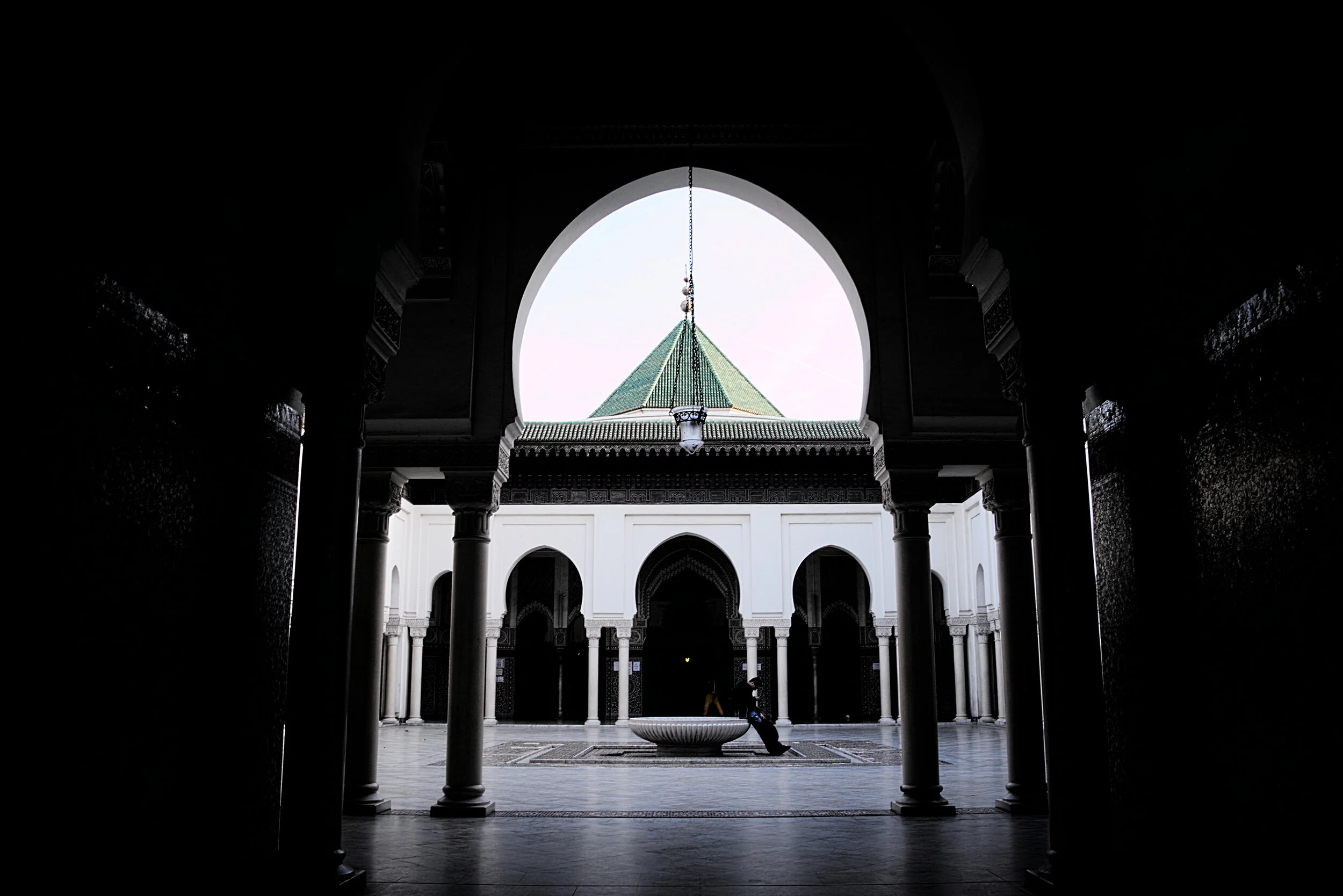
Looking out at a courtyard in the Grand Mosque of Paris. Gwenael Piaser. CC BY-NC-SA 2.0.

Countries Around the Globe Continue to Legalize Islamophobia

April 30, 2021

At the beginning of March, independent rights expert Ahmed Shaheed addressed the United Nations Human Rights Council, underscoring the rise in anti-Muslim hate globally and urging member-states to take action immediately. Shaheed noted that in 2018 and 2019, four in 10 Europeans held a negative view of Muslims, and in 2017 30% of Americans held the same negative view.

But in the following weeks, Islamophobic legislation—laws which seek to discriminate against Muslims—were proposed or enacted in countries like France and Sri Lanka, showing just how widespread the situation remains. 

France has a long-standing history of Islamophobia. The country, with a Muslim community of 4.4 million, or 8.8% of the country’s population, maintains the largest Muslim community of any Western nation. Over the past decade, the country banned the wearing of niqabs, veils which cover one’s face, in public, several coastal cities banned burkinis, a form of swimwear, and more recently, the French Senate voted to ban anyone under the age of 18 from wearing a hijab.

While protests have met each of these pieces of legislation, with the recently proposed hijab ban seeing demonstrators take to the streets around the country, Islamophobia has been disturbingly commonplace. The number of Islamophobic attacks in France increased by 53% in 2020.

Sri Lanka, a South Asian country whose Muslim community constitutes 9.7% of its population, has had a more recent problem with Islamophobia. While several one-off Islamophobic attacks took place throughout the 2010s, the government only recently began to write Islamophobia into law. In March, the country banned the wearing of the burqa and closed over 1,000 Islamic schools.

The United States is also no stranger to Islamophobia. Throughout the 2010s, states ranging from Arizona to Florida to South Dakota passed 22 anti-Muslim laws. At the federal level, the Trump administration authorized several Muslim travel bans and used Twitter to perpetuate an equivalency between Islam and terrorism.

While bigotry against any religion has existed since the beginning of religion itself, Islam has increasingly been the target of xenophobia globally due to the Sept. 11 attacks, the rise of the Islamic State group in the Middle East and other terror attacks in the West carried out by Islamic extremists.

Regardless of its origins, Islamophobia remains one of the most pressing social justice issues to address in the 21st century. As U.N. Secretary-General Antonio Guterres said in a March 2021 video commemorating the International Day to Combat Islamophobia: “We must continue to push for policies that fully respect human rights and religious, cultural and unique human identity … As the Holy Quran reminds us: nations and tribes were created to know one another.”

To Get Involved:

To raise awareness about the recently proposed French hijab ban, sign “Hijab Ban France,” a petition urging the French government to revoke the ban, by clicking here.


To find out about more opportunities globally and locally to get involved in the fight against Islamophobia, check out the Council on American-Islamic Relations and the European Network Against Racism, both organizations taking intersectional approaches to combat Islamophobia through legislative and social means.


RELATED CONTENT:

Swiss Voters Support Burqa Ban Ahead of Nationwide Vote

Delhi Muslims Still Rebuilding Their Lives After Days of Deadly Riots

China Weaponizes Tourism to Erase Uyghur Culture


Jacob Sutherland

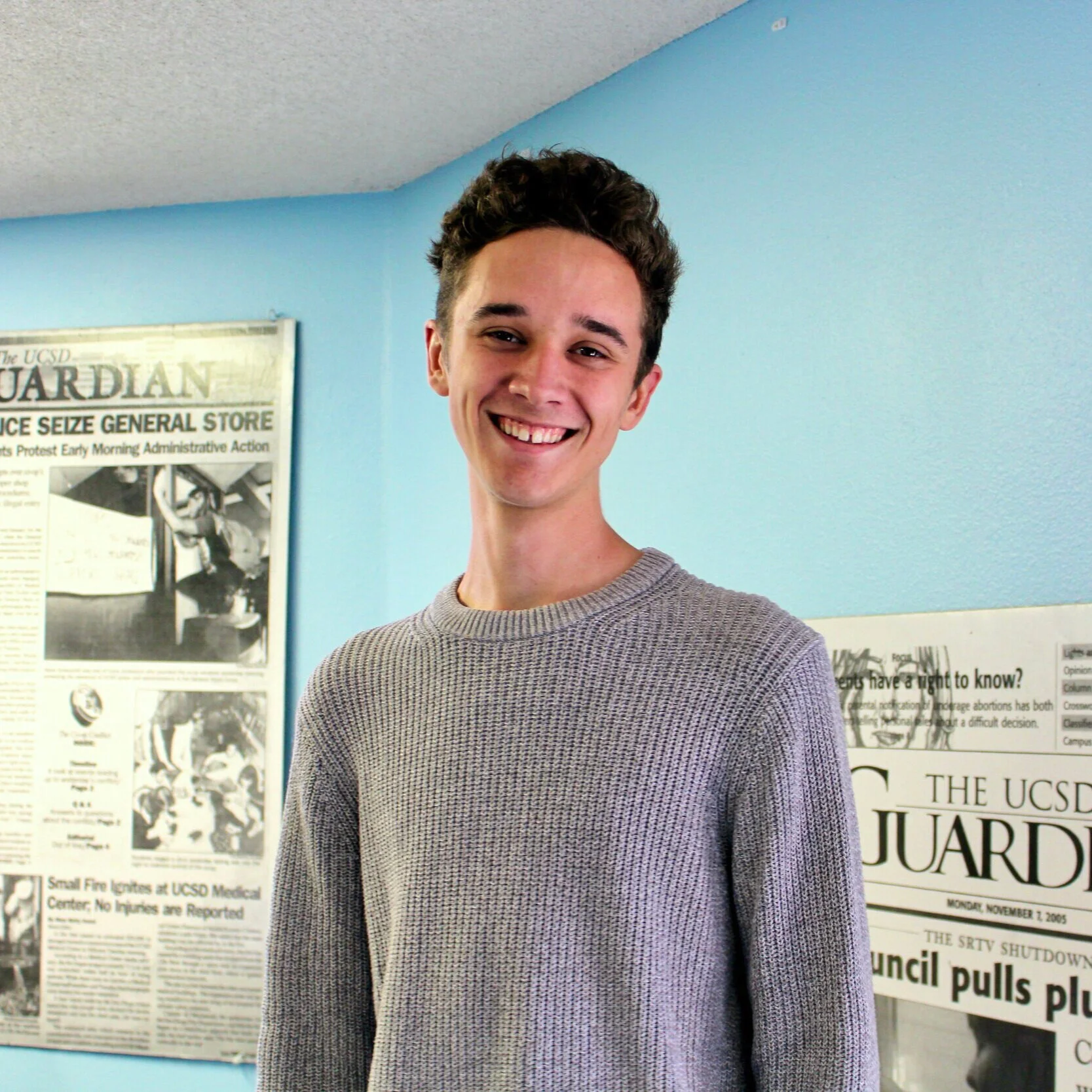
Jacob is a recent graduate from the University of California San Diego where he majored in Political Science and minored in Spanish Language Studies. He previously served as the News Editor for The UCSD Guardian, and hopes to shed light on social justice issues in his work.
In News and Social Action Tags Islam, Islamophobia, legalization, legalize, Human Rights, United Nations, U.N., discrimination, religious freedom, intolerance, portest, hijab, ban, burqa ban, anti-Muslim, social justice, Quran, petition, CheckOut
Comment

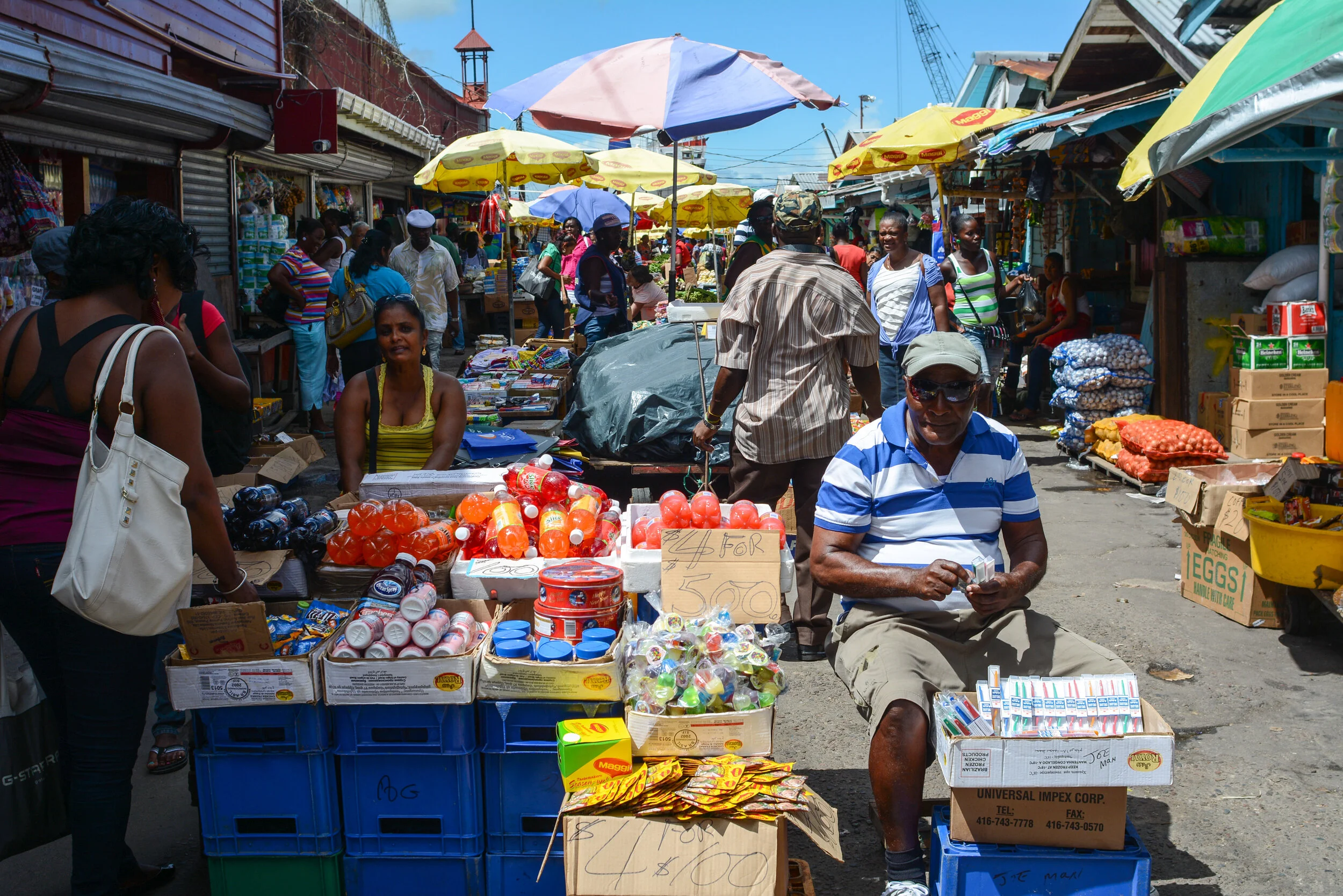
People at a market in Georgetown, Guyana, before the COVID-19 pandemic. M M from Switzerland. CC BY-SA.

Tensions Soar Following Racially Motivated Murders of Three Guyanese Teenagers

September 17, 2020

Following a hotly contested election, the murders of three Guyanese teenagers have sparked renewed racial tensions in Guyana between the country’s two main ethnic groups, Afro-Guyanese and Indo-Guyanese. This comes as the world is having a broader conversation on racial justice, which was sparked by the resurgence of the Black Lives Matter movement in May.

The bodies of Afro-Guyanese teenagers Isaiah and Joel Henry were found mutilated in coconut fields in the Mahaica-Berbice region on Sept. 6. Haresh Singh, an Indo-Guyanese teenager, was killed three days later while trying to pass through a protest that had started in response to the initial murders.

“I will work day and night to get to the bottom of what happened to those teens,” President Irfaan Ali said in a press release. “Safety and security in all of the communities remain a top priority. As you can see, there is more visibility on the ground, more resources on the ground … We cannot tolerate lawlessness and criminality. We have to fix what went wrong and move forward.”

Volda Lawrence, chairperson of the political party People’s National Congress Reform, released a statement condemning the racist murders and stating that racism cannot be combated with more racism.

“My brothers and sisters, our protest must not end until justice is served,” Lawrence said. “I am resolute in my stance to go the full mile with you, until we achieve our desired outcome, justice. But we must protest in a peaceful and civil manner, doing so with respect for human life, dignity and property. Our protest must be solution-oriented and not driven by chaos, violence and destruction. For those that have utilized violence or caused destruction, please refrain from such acts as we seek justice for those who were taken from us.”

In response to the three racially motivated murders, the Guyana Human Rights Association plans to submit a formal request for the United Nations to investigate the killings with forensic pathology.

“This call is not intended to cast doubt on the capacity or impartiality of local investigators, so much as a response to the deep distrust accompanying the political polarization of the society,” the organization said in a statement on Sept. 8. “These callous murders are not seen as isolated. Both sides are quick to see them as a continuation of earlier ethnic upheavals … Both sides feel accumulated bitterness towards a system that has accommodated such turmoil.”

The protests surrounding the murders parallel those around the world in support of racial equality. Hundreds of thousands of people globally have continued to protest in support of the Black Lives Matter movement following the murders of George Floyd, Breonna Taylor and Ahmaud Arbery earlier this year. This has since inspired activists to broaden the movement, highlighting other instances of racial injustice in their own communities including police brutality against Indigenous Australians.

What differs in the case of Guyana is that while racism has been an issue in the country since its inception, tensions have increased following massive oil discoveries and the election of President Ali in March.

The discovery of oil off the coast of Guyana has set the country on course to expand its economy by 50% by the end of 2020, which would give it the fastest-growing economy in the world in a time when a global recession looms due to the ongoing COVID-19 pandemic.

The presidential race, which was between then-incumbent David Granger, who was backed by Afro-Guyanese supporters, and Ali, who is now South America’s first Muslim head of state and was backed by Indo-Guyanese supporters, centered around racializing the oil discoveries by both candidates claiming that their supporters would lose out on profits if the other candidate was elected.

Deodat Persaud, a member of Guyana’s Ethnic Relations Committee, told The New York Times that “racism is connected to political power in Guyana.”

In the week that has followed since the initial murders, President Ali has visited with the families of all three slain teenagers and has ordered the government to begin enforcing the Racial Hostility Act and the Cybercrime Act in an effort to crack down on virtual hate speech.


Jacob Sutherland

Jacob is a recent graduate from the University of California San Diego where he majored in Political Science and minored in Spanish Language Studies. He previously served as the News Editor for The UCSD Guardian, and hopes to shed light on social justice issues in his work.

In News and Social Action, South America, Guyana, Human Rights Tags Guyana, crime, murder, Ahmaud Arbery, police brutality, hate crime, portest, oil, economics, Racial Hostility Act, cybercrime, racism, Human Rights, South America, International Affairs
Comment

Also check out...

Featured
Vietnam’s Floating Markets Are Disappearing
The Supernatural Role of Masks in Nigeria’s Yoruba Tribal Culture
Opening the World to Deaf Travelers with Lily Yu

Featured trips

Featured
Offer NGO Support While Visiting Quito
Experience Life as a Mongolian Nomad
Help Grow Organic Costa Rican Coffee

Sign up for the CATALYST newsletter

Sign up for our newsletter to get the scoop on international travel, global social impact insights, our latest podcast releases, and more from around the world, all delivered right to your inbox!

We respect your privacy.

Thank you!
Newsletter Sign Up | Advertise | Careers + Internships | Privacy Policy | Submissions | Contact Us

Copyright © 2025, MISSION MEDIA LLC. All rights reserved.