
• Travel Features
  • Global Action
  • Take A Trip
  • Travel Guides
    • Podcast
    • Courses
    • Bookshop
  • About
  • Sign Up
Menu

CATALYST PLANET

  • Travel Features
  • Global Action
  • Take A Trip
  • Travel Guides
  • Discover
    • Podcast
    • Courses
    • Bookshop
  • About
  • Sign Up

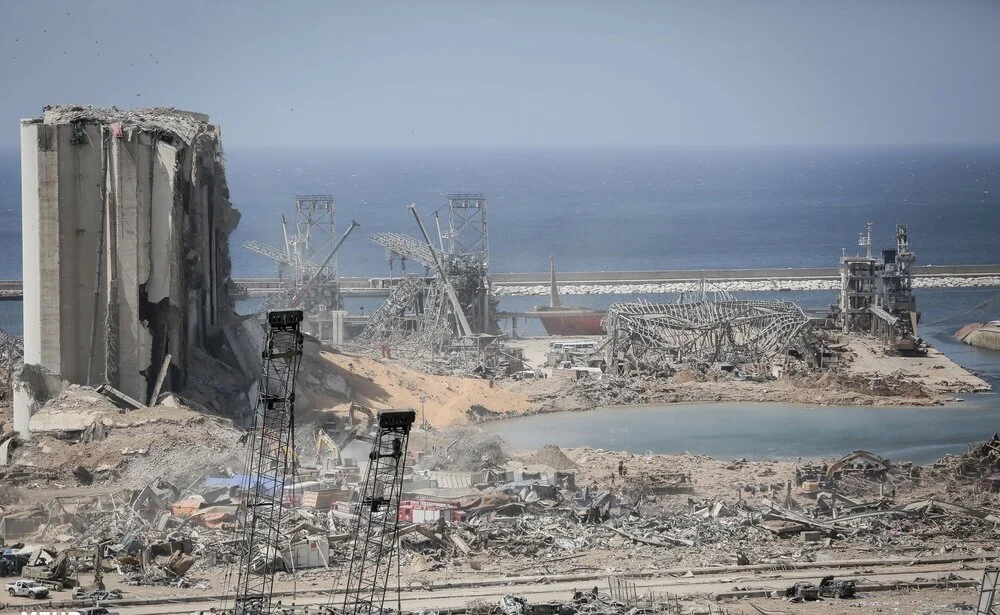
The port of Beirut after the blast. Mahdi Shojaeian. CC BY 4.0.

Following the Blast in Beirut, How Ready is Lebanon for Visitors?

September 9, 2020

The Aug. 4 blast in Beirut’s port devastated the city but also affected the entire country. Shock waves reverberated throughout the region, being felt as far away as Cyprus and Jordan. The cause was obscene negligence in the storage of ammonium nitrate, a component of many explosives, and the effect is 300,000 people left homeless, up to 220 dead, and parts of the city center in ruins. The scene harkens back to Lebanon’s tumultuous history of war and civil strife and effectively takes Beirut off the map in terms of international tourism.

This is all the more saddening given Lebanon’s storied history, vibrant culture and natural beauty. Lebanon has earned an unfortunate reputation as an unsafe travel destination due to its fraught political history and geographical proximity to war-torn nations such as Syria. Though a history of war still lives in the nation’s collective memory, most people view it as a piece of the past. Before the blast, Lebanon reported a record number of visitors, with just under 2 million travelers passing through in 2018 alone.

A cursory glance at the country reveals why. Though small, Lebanon’s landscape is astonishingly diverse. Its coastline holds balmy beaches and resorts, many started in the 1950s during the country’s first tourism boom. Farther inland, the Lebanon Mountains offer slopes for skiers of every skill level for a fraction of the cost compared to the Swiss Alps.
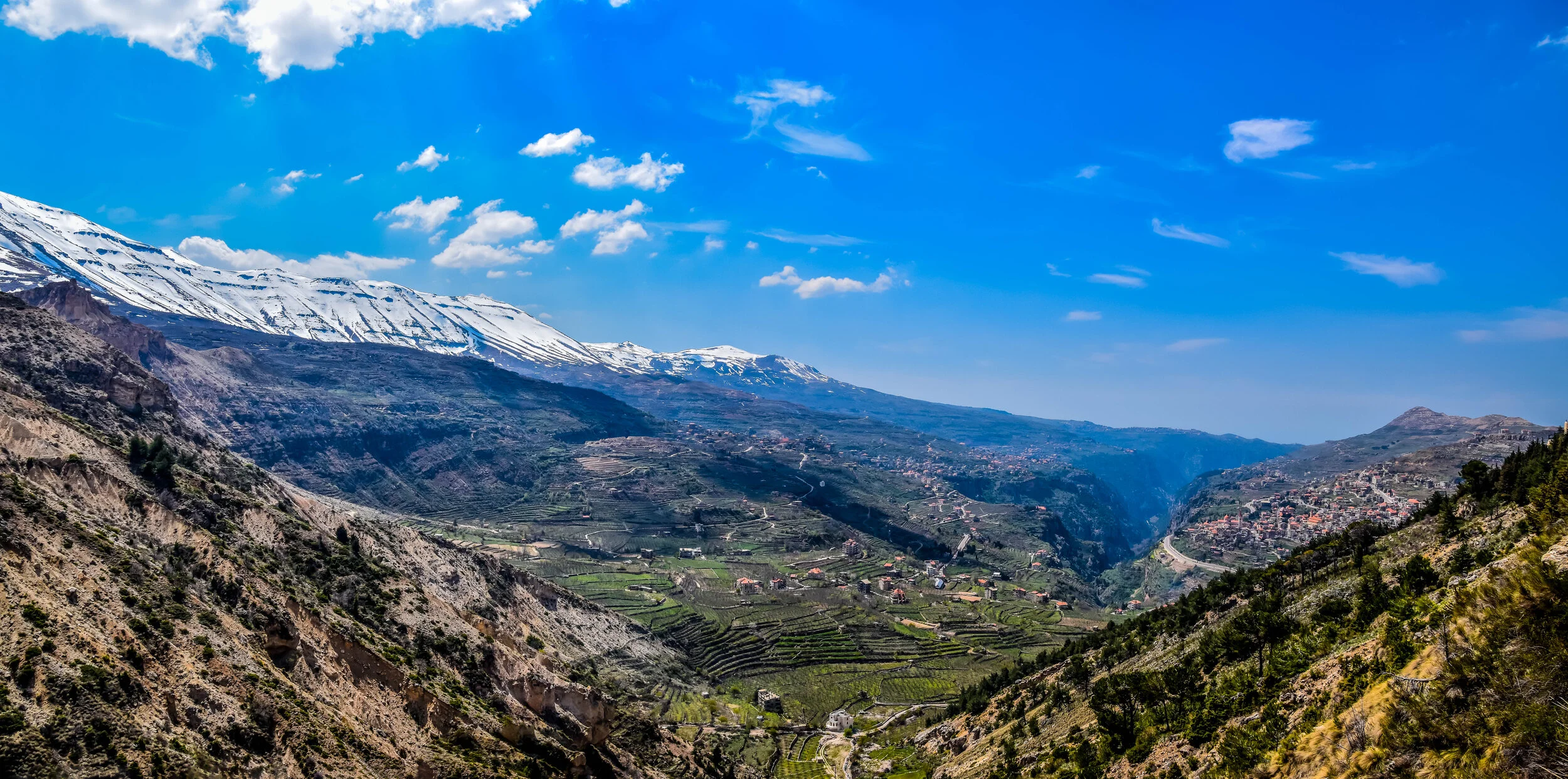
Hasroun, a village in northern Lebanon. Paul Saad. CC BY-NC-ND 2.0

Natural beauty is not the only wonder found in Lebanon. The Temple of Bacchus, one of the best preserved Roman ruins in the world, displays the full glory of Lebanon’s past, demonstrating the variety of influences it enjoyed due to its historical role as a Mediterranean trade hub. Arts events like the Cedars International Festival have drawn artists from around the world, including Shakira and Andrea Bocelli, with massive crowds in tow. Beirut’s nightlife alone was enough to draw thousands to its late-night parties with strobe lights, pulsing music and freely flowing liquor.

A concert in Byblos. Hisham Assaad. CC BY-NC-ND 2.0.

No longer. The blast damaged 2,000 venues in Beirut, many of them deciding not to rebuild. Months prior to the blast, the COVID-19 pandemic decimated the service industry, and a prolonged economic crisis which has endangered the lower and middle classes strained the balance sheets of nightclub owners. The explosion further compounds their plight. 

Equally bleak are the prospects for recovery. Rebuilding the city is estimated to cost $15 billion, a quarter of Lebanon’s GDP in 2019, and talks with the International Monetary Fund for a $10 billion bailout have led nowhere. The prime minister, along with most of his cabinet, resigned shortly after the explosion, leaving Lebanon in both physical and economic ruin with no leadership. The Lebanese dollar has lost 80% of its value while inflation has reached 112%. This has left thousands of people struggling or unable to buy food. The situation, by any metric, is abysmal. 

Lebanon’s tourism prospects are about as dire as those for its economy. Clearly, it is unwise to travel in the midst of a global pandemic to a country whose hospitals are already full. While tourism would pump much-needed dollars into the economy, it would be difficult to find food and lodging in a country not far removed from famine. Before travelers begin to think of visiting Lebanon, the country must rebuild. Only time will tell how long that process will take.


Michael McCarthy

Michael is an undergraduate student at Haverford College, dodging the pandemic by taking a gap year. He writes in a variety of genres, and his time in high school debate renders political writing an inevitable fascination. Writing at CATALYST and the Bi-Co News, a student-run newspaper, provides an outlet for this passion. In the future, he intends to keep writing in mediums both informative and creative.
In News and Social Action, Asia, Lebanon, Beirut, Global Politics Tags Lebanon, Beirut, explosion, tourism, history, landscape, Swiss Alps, nature, trade, nightlife, middle class, GDP, economics, Arts and Culture, War and Conflict, Travel, Asia
Comment

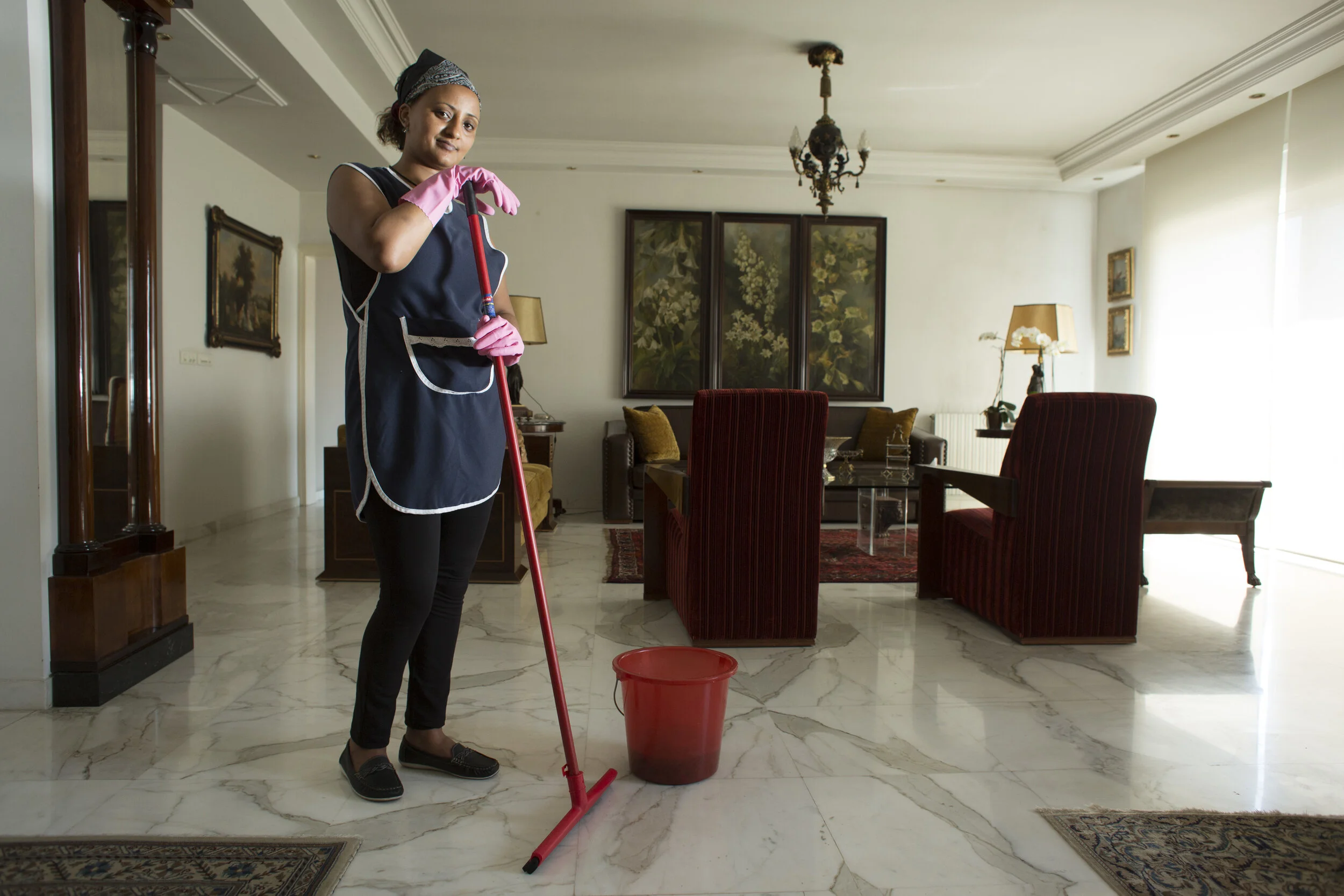
Domestic worker Hellina Desta migrated from Ethiopia to work in Beirut in 2008. UN Women/ Joe Saade. CC BY-NC-ND 2.0.

Ethiopian Migrant Workers Left More Vulnerable After Devastating Explosion in Beirut

August 13, 2020

On Aug. 4, two massive explosions in Beirut, the capital of Lebanon, sent a shock wave that destroyed many neighborhoods, killed more than 200 people, injured 6,000 and left approximately 250,000 homeless. The tragedy struck a country that is already suffering from a major economic crisis, an increase in COVID-19 cases, and the corruption and negligence of the Lebanese government—corruption which led to the deadly explosion. Reports emerged that the government knew about the over 3,000 tons of ammonium nitrate, which is used to build bombs, and left it unattended and unsecured for six years.

As the Lebanese people’s anger boiled over, protests calling for an end to the political elite erupted, leading to the resignation of the majority of the Lebanese government. According to The Wall Street Journal, on Aug. 10 Prime Minister Hassan Diab addressed the nation in a televised address: “I set out to combat corruption, but I discovered that corruption is bigger than the state. I declare today the resignation of this government. God bless Lebanon.”

But according to Foreign Policy, “the public is unlikely to be appeased by the resignation of Diab’s government” as “the rest of the country’s political elites, the sectarian warlords of the civil war era and their descendants, clinging to positions of privilege, are still busy looking for scapegoats.” As the public continues to fight for the fall of the regime, it is hoped that not only will the Lebanese benefit, but so too will the migrant workers whose plight worsens as crises continue to befall the country.

According to The New Arab, “around 250,000 migrants work as housekeepers, nannies and carers in Lebanese homes.” Most of the workers are women, many of whom immigrated from Ethiopia and the Philippines, according to The Associated Press. The migrant workers do not have labor law protections as they were brought in through the kafala system, an exploitative and abusive sponsorship system used in Bahrain, Kuwait, Lebanon, Qatar, Oman, Saudi Arabia and the United Arab Emirates. The migrant workers are vulnerable to exploitation as the countries that practice the kafala system offer little to no protection for migrant workers—their right to work and legal presence is entirely dependent on their employer. The migration sponsorship system “increases their risk of suffering labor exploitation, forced labor and trafficking, and leaves them with little prospect of obtaining redress,” according to Amnesty International.

The ongoing economic crisis in Lebanon, along with the spike in COVID-19 cases, has made an already dire situation worse for migrant workers. According to Amnesty International, “many have reported that the value of their salaries has decreased by around a third because of the currency crash.” Their salaries were already as little as $150 per month before the severe economic crisis and pandemic, according to France 24. In June, BBC reported that more than 100 Ethiopian migrant domestic workers were fired and left homeless outside their country’s consulate in Beirut after their employers claimed they could no longer afford to pay their maids.

Now, the explosions have left the domestic workers even more vulnerable. CNN reported, “In the aftermath, rights groups are warning that this vulnerable group is facing dire situations as many of them are stranded in the country and unable to go home.” Activists like Farah Salka of Lebanon’s Anti-Racism Movement are fighting for the migrant workers’ rights. Salka told CNN, “They are running from one escalating situation to the other and it is an endless stream of trauma. They have faced COVID, economic crisis, airport closure, quarantine restrictions in often hostile conditions and they want to go home.”

Finding a way home is proving difficult for the Ethiopian migrants. According to Middle East Eye, “Ethiopia has tripled the price of repatriation for its citizens in Lebanon to $1,450, including flights and mandatory quarantine, further prohibiting the return of dozens of women stranded and destitute outside its Beirut consulate.” This is approximately a $900 increase from a May 21 article from Quartz Africa which reported, “Ethiopia’s consulate had collected $550 registration fees for the repatriation flights.”

People on social media are calling for better treatment of migrant workers in Lebanon after footage showed an Ethiopian migrant worker saving a young child from shattered glass as the second explosion erupted in the capital. Lebanese journalist Luna Safwan tweeted, “Migrant worker grabs toddler and saves her from shattered glass and windows as the second big explosion erupted in Beirut earlier today. She did not even think. Migrant workers deserve better in #Lebanon – this woman is a hero.”

Asiya Haouchine

is an Algerian-American writer who graduated from the University of Connecticut in May 2016, earning a BA in journalism and English. She was an editorial intern and contributing writer for Warscapes magazine and the online/blog editor for Long River Review. She is currently studying for her Master’s in Library and Information Science. @AsiyaHaou

Tags Ethiopia, Beirut, explosion, Lebanon, homelessness, ammonium nitrate, bombs, protests, government, labor laws, trafficking, exploitation, domestic labor, trauma, COVID-19
Comment

Also check out...

Featured
Vietnam’s Floating Markets Are Disappearing
The Supernatural Role of Masks in Nigeria’s Yoruba Tribal Culture
Opening the World to Deaf Travelers with Lily Yu

Featured trips

Featured
Offer NGO Support While Visiting Quito
Experience Life as a Mongolian Nomad
Help Grow Organic Costa Rican Coffee

Sign up for the CATALYST newsletter

Sign up for our newsletter to get the scoop on international travel, global social impact insights, our latest podcast releases, and more from around the world, all delivered right to your inbox!

We respect your privacy.

Thank you!
Newsletter Sign Up | Advertise | Careers + Internships | Privacy Policy | Submissions | Contact Us

Copyright © 2025, MISSION MEDIA LLC. All rights reserved.