
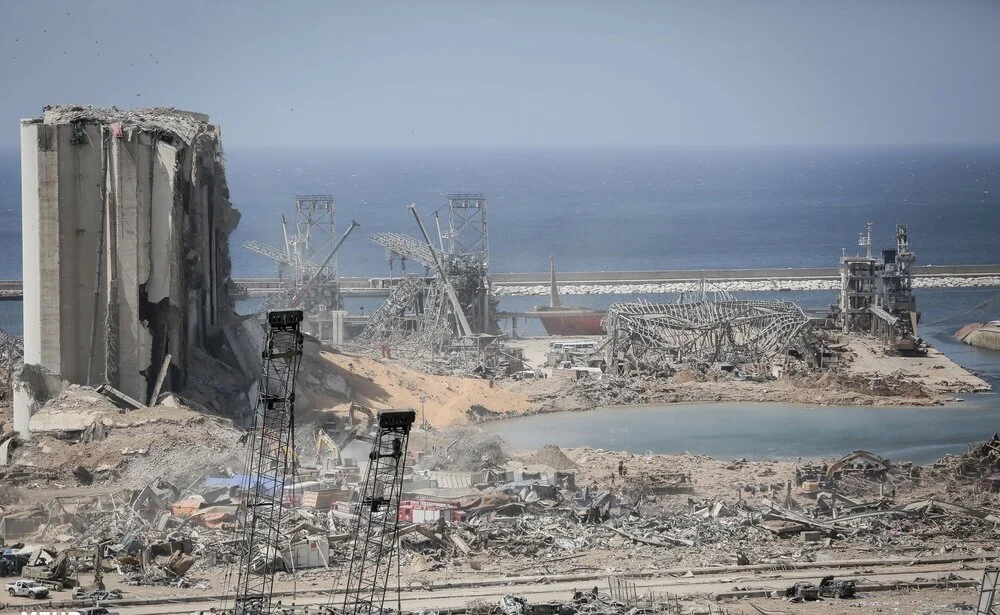
The Aug. 4 blast in Beirut’s port devastated the city but also affected the entire country. Shock waves reverberated throughout the region, being felt as far away as Cyprus and Jordan. The cause was obscene negligence in the storage of ammonium nitrate, a component of many explosives, and the effect is 300,000 people left homeless, up to 220 dead, and parts of the city center in ruins. The scene harkens back to Lebanon’s tumultuous history of war and civil strife and effectively takes Beirut off the map in terms of international tourism.
This is all the more saddening given Lebanon’s storied history, vibrant culture and natural beauty. Lebanon has earned an unfortunate reputation as an unsafe travel destination due to its fraught political history and geographical proximity to war-torn nations such as Syria. Though a history of war still lives in the nation’s collective memory, most people view it as a piece of the past. Before the blast, Lebanon reported a record number of visitors, with just under 2 million travelers passing through in 2018 alone.
A cursory glance at the country reveals why. Though small, Lebanon’s landscape is astonishingly diverse. Its coastline holds balmy beaches and resorts, many started in the 1950s during the country’s first tourism boom. Farther inland, the Lebanon Mountains offer slopes for skiers of every skill level for a fraction of the cost compared to the Swiss Alps.
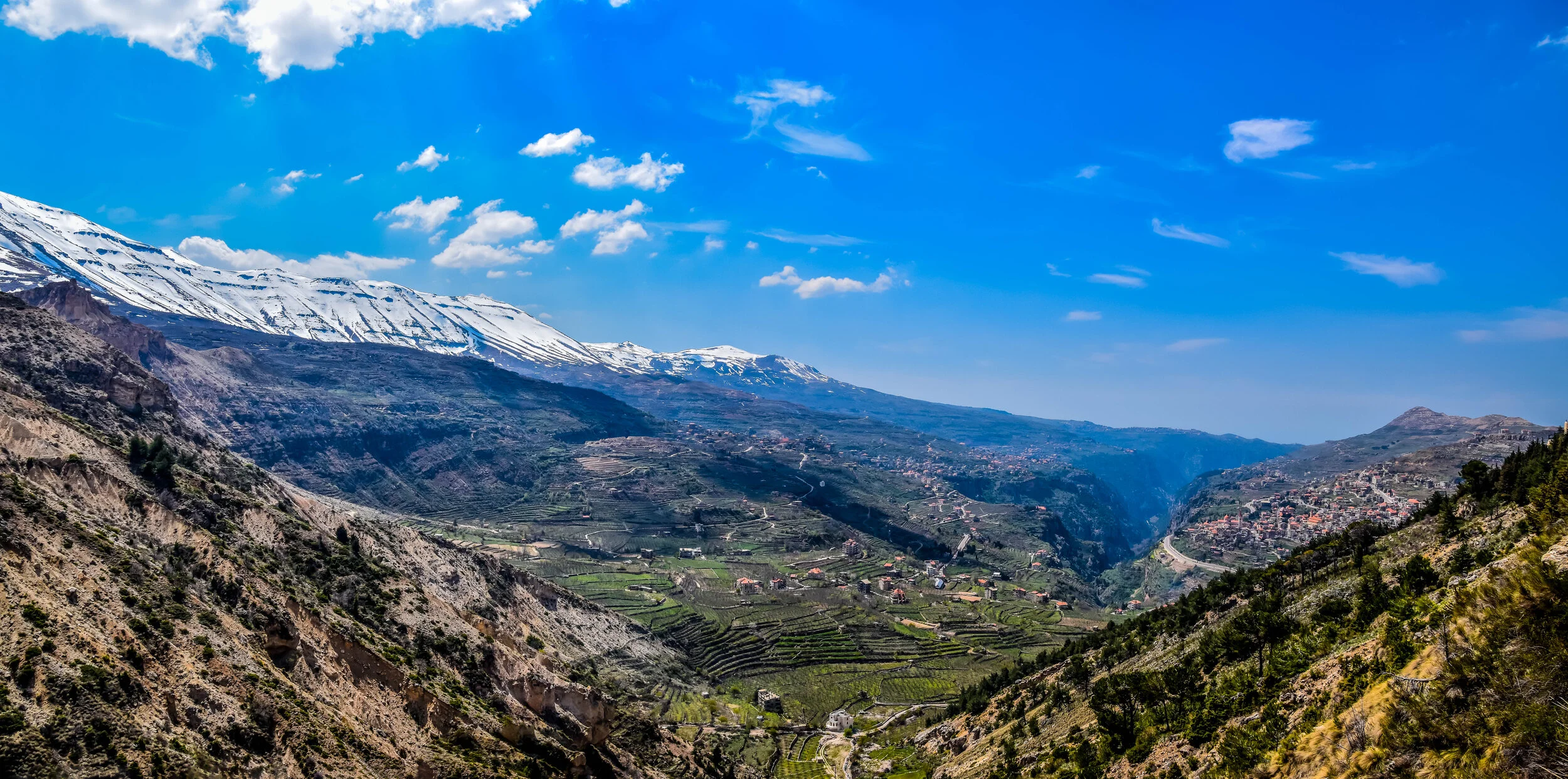
Hasroun, a village in northern Lebanon. Paul Saad. CC BY-NC-ND 2.0
Natural beauty is not the only wonder found in Lebanon. The Temple of Bacchus, one of the best preserved Roman ruins in the world, displays the full glory of Lebanon’s past, demonstrating the variety of influences it enjoyed due to its historical role as a Mediterranean trade hub. Arts events like the Cedars International Festival have drawn artists from around the world, including Shakira and Andrea Bocelli, with massive crowds in tow. Beirut’s nightlife alone was enough to draw thousands to its late-night parties with strobe lights, pulsing music and freely flowing liquor.
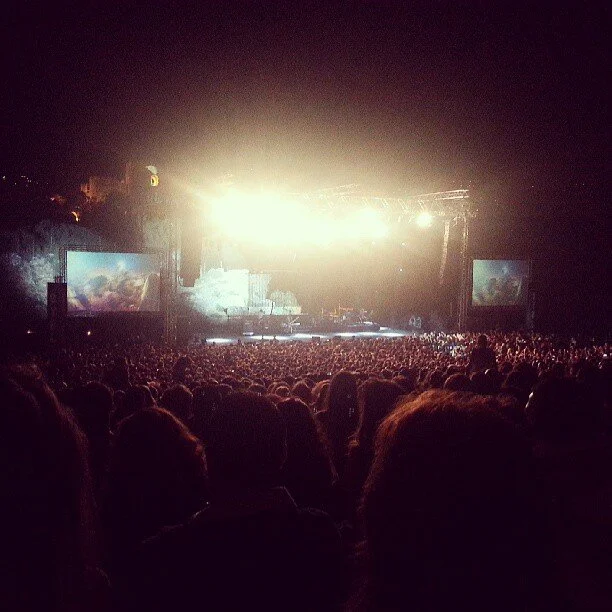
A concert in Byblos. Hisham Assaad. CC BY-NC-ND 2.0.
No longer. The blast damaged 2,000 venues in Beirut, many of them deciding not to rebuild. Months prior to the blast, the COVID-19 pandemic decimated the service industry, and a prolonged economic crisis which has endangered the lower and middle classes strained the balance sheets of nightclub owners. The explosion further compounds their plight.
Equally bleak are the prospects for recovery. Rebuilding the city is estimated to cost $15 billion, a quarter of Lebanon’s GDP in 2019, and talks with the International Monetary Fund for a $10 billion bailout have led nowhere. The prime minister, along with most of his cabinet, resigned shortly after the explosion, leaving Lebanon in both physical and economic ruin with no leadership. The Lebanese dollar has lost 80% of its value while inflation has reached 112%. This has left thousands of people struggling or unable to buy food. The situation, by any metric, is abysmal.
Lebanon’s tourism prospects are about as dire as those for its economy. Clearly, it is unwise to travel in the midst of a global pandemic to a country whose hospitals are already full. While tourism would pump much-needed dollars into the economy, it would be difficult to find food and lodging in a country not far removed from famine. Before travelers begin to think of visiting Lebanon, the country must rebuild. Only time will tell how long that process will take.

Michael McCarthy
Michael is an undergraduate student at Haverford College, dodging the pandemic by taking a gap year. He writes in a variety of genres, and his time in high school debate renders political writing an inevitable fascination. Writing at CATALYST and the Bi-Co News, a student-run newspaper, provides an outlet for this passion. In the future, he intends to keep writing in mediums both informative and creative.