Unpacking the Nagorno-Karabakh Conflict and the Armenian Diaspora

The renewed conflict in the South Caucasus region has its roots in long-standing historical divisions between Turkey and Armenia. 
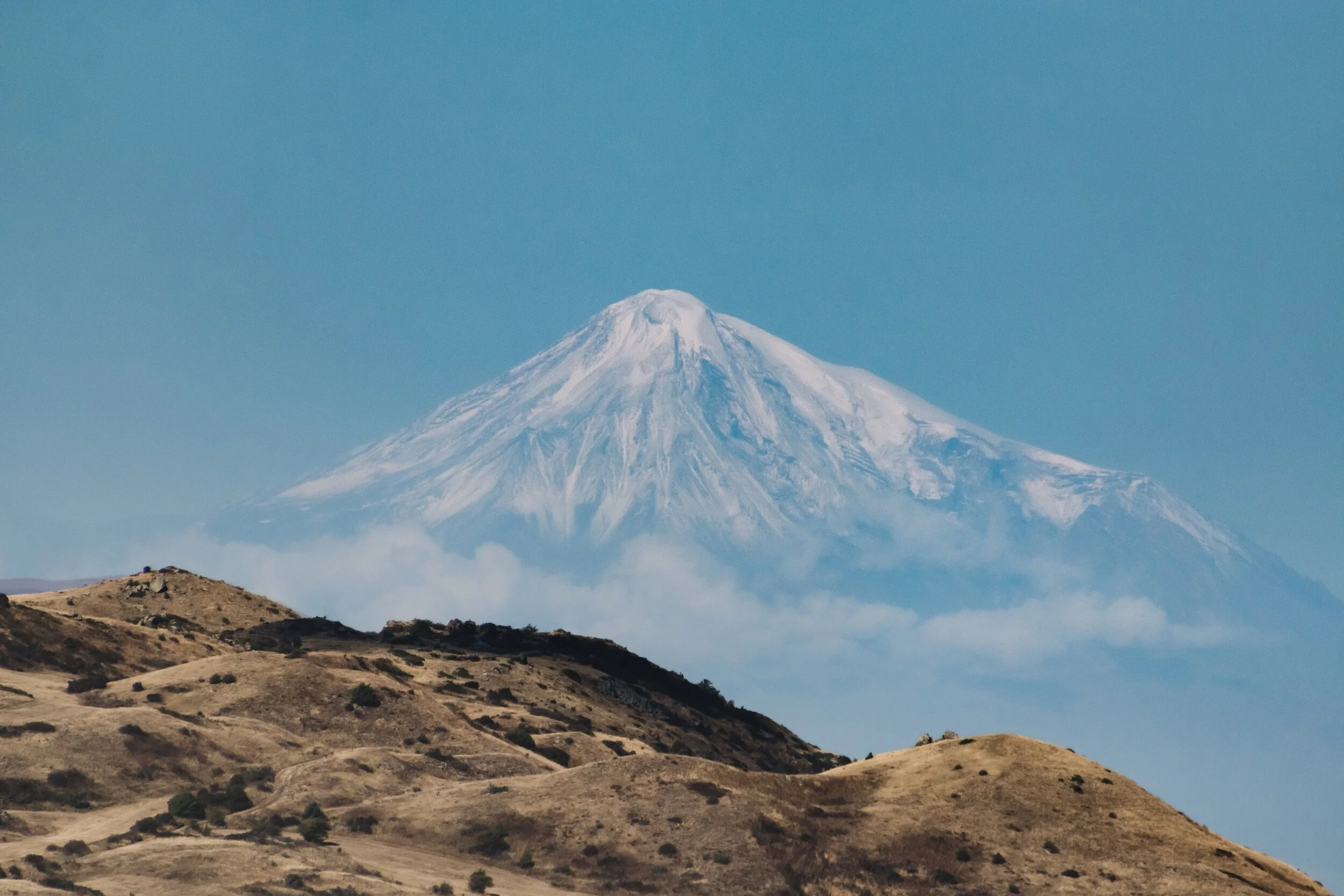
A view of Mount Ararat. West. CC2.0

Tensions between Azerbaijan and Armenia have been renewed due to the ongoing territorial dispute over Nagorno-Karabakh. Fighting started up again on Sept. 27 and has caused massive upheaval and casualties on both sides. Backed by Turkey, the Azerbaijani military bombed Nagorno-Karabakh’s regional capital of Stepanakert with intense artillery fire, while Armenia launched missiles at Ganja (Azerbaijan’s second-largest city), putting citizens in grave danger. Officials speculate that the last two weeks of fighting have proven to be the worst since a cease-fire was brokered by Russia in 1994. Although another cease-fire is a possibility, there is no prediction of what will come next. “Don’t discount the possibility of this turning into something much larger,” said Kevork Oskanian from the University of Birmingham in England. “Once a conflict like this kicks off, it has a dynamic of its own and you don’t know where it will go.”

A Brief History of the Nagorno-Karabakh Dispute
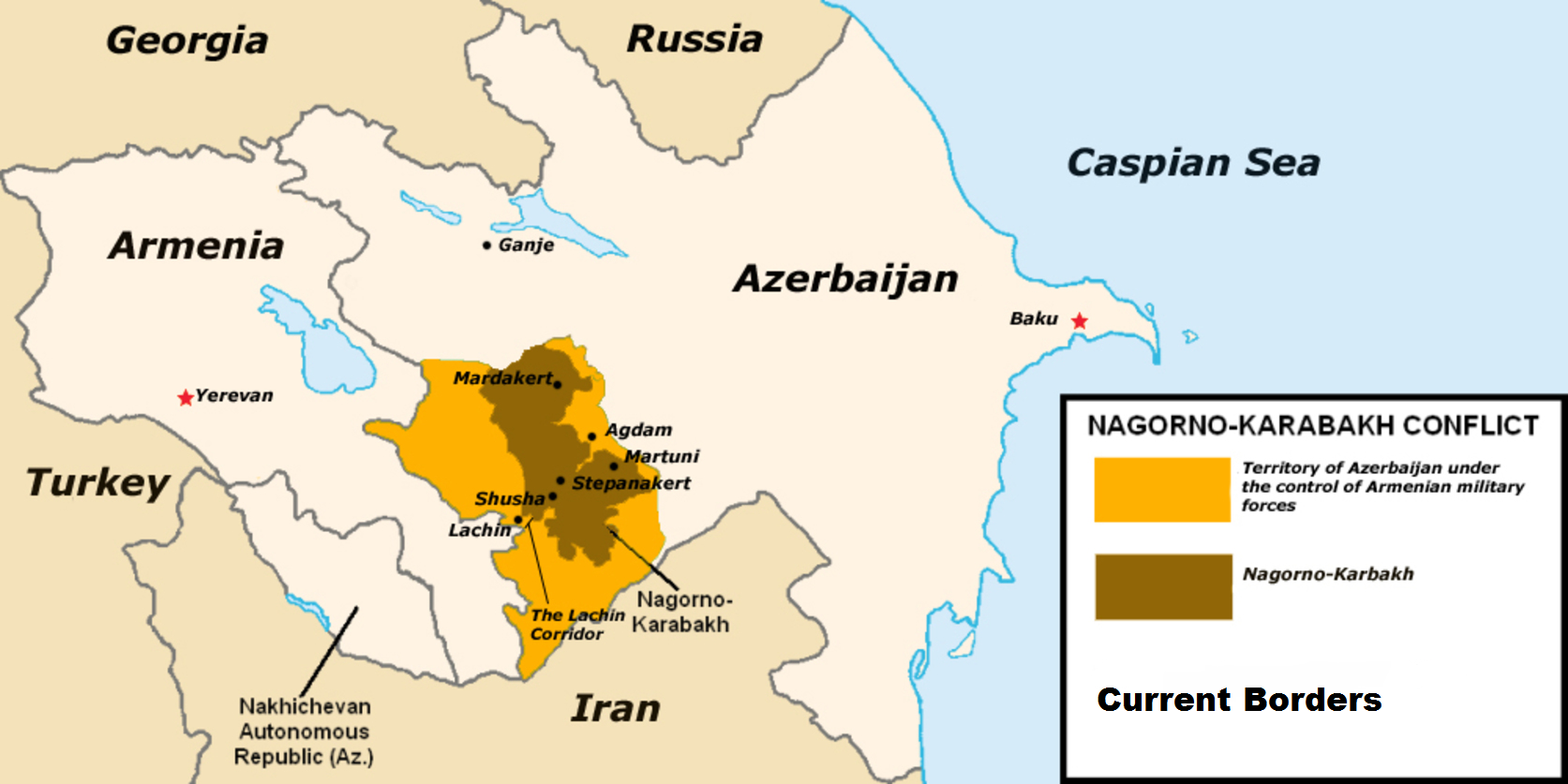
A map of the Nagorno-Karabakh region. Achemish. Wikimedia Commons. CC4.0

The recent fighting is a result of a renewed 32-year-long military conflict between Azerbaijan and Armenia. The territory of Nagorno-Karabakh, also known as Artsakh to Armenians, contains a population of about 150,000. Although completely surrounded by Muslim-majority Azerbaijan, it is governed and claimed by Christian Armenians. Josef Stalin gave the territory to Azerbaijan in 1921 and made it an autonomous region two years later. Initially, the territorial dispute was not violent, as both Armenia and Azerbaijan were under the stronghold of the Soviet Union. However, nationalistic and militaristic tensions increased between the two nations when the USSR began to dissolve. The fighting began in 1991, which resulted in 30,000 casualties and over one million displaced. Although a cease-fire was agreed to in 1994, no official peace deal has been reached. Armenia is happier with the status quo than Azerbaijan, as it was able to reclaim 20% of surrounding land during the fighting in the ‘90s (shown in yellow on the map above). However, Azerbaijan still has a large population of people displaced by the fighting who want to return to their homes. 

Why Turkey is Supporting Azerbaijan
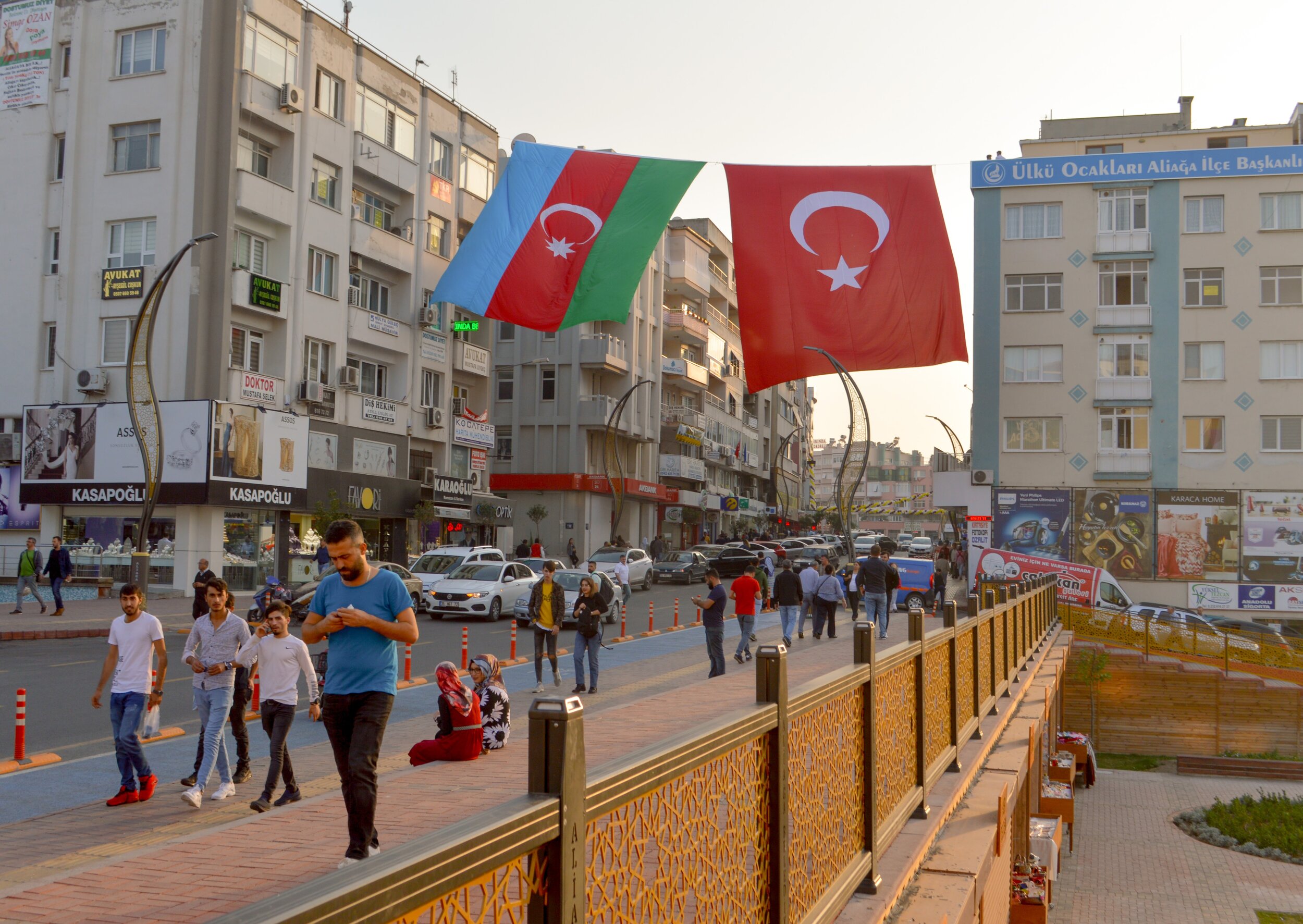
Azerbaijani and Turkish flags in Izmir, Turkey. Anzola. CC 2.0

Azerbaijan is often referred to as a little brother to Turkey, due to the two nations’ connections through cultural, linguistic and religious ties.The two have a relationship built on trade and mutual exchange. Azerbaijan provides a large portion of Turkey’s gas and oil, where the money in return is used to buy weapons from Turkey. Azerbaijan is currently using military weapons provided by Turkey to strike Nagorno-Karabakh, allowing Turkey to increase its political presence in the region. Underpinning Turkey’s involvement in the conflict are the events of 1915, where 1.5 million Armenians were killed under the direction of the Ottoman Empire (present-day Turkey), which many consider a genocide but Turkey denies. Many Armenians see Azerbaijan’s alliance with Turkey as a resurfacing of these events, providing an ultimate threat to their existence and statehood. 

The Conflict Reaches the Armenian Diaspora
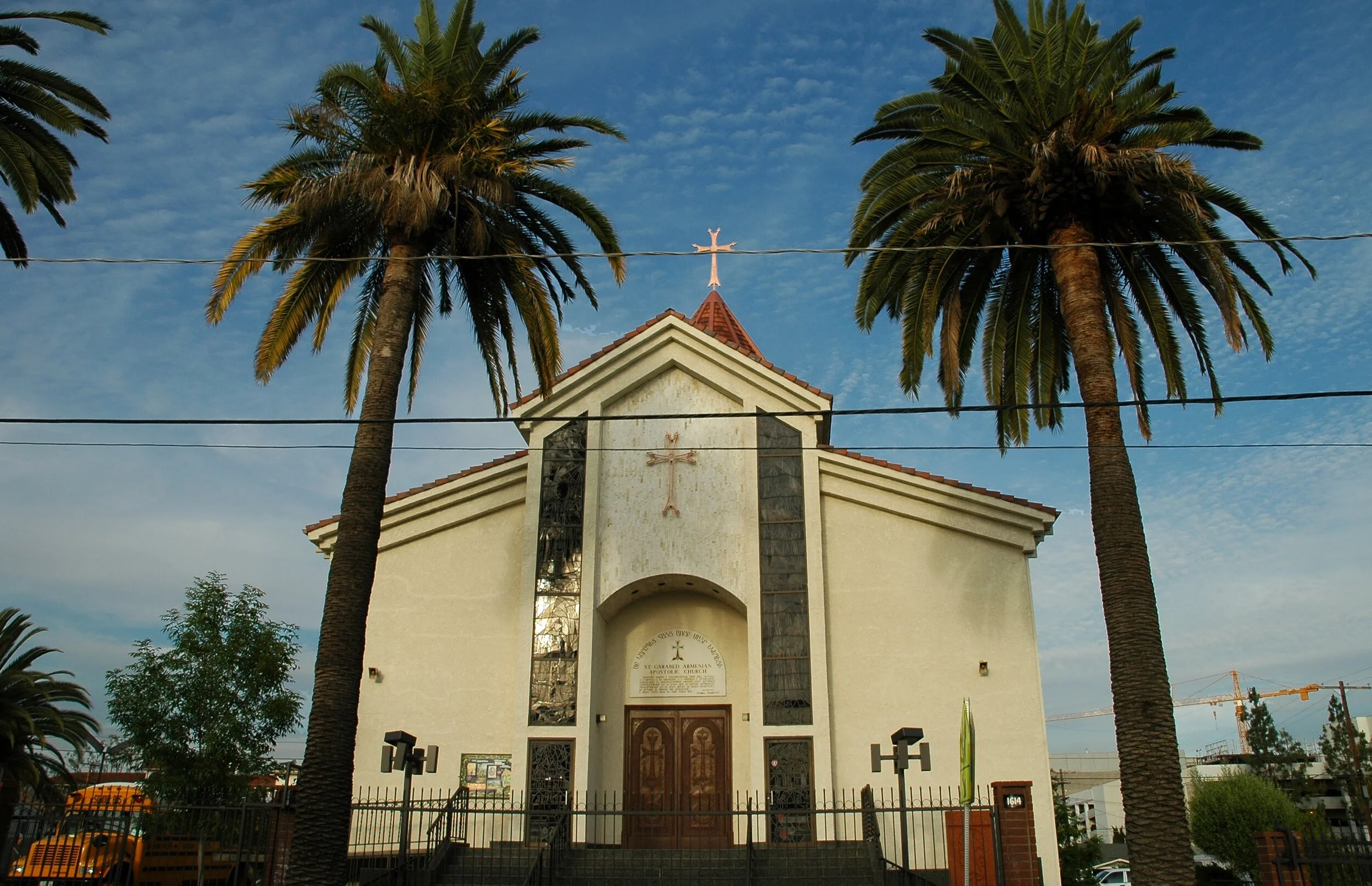
An Armenian church in Los Angeles. Steeds. CC2.0

Although Armenia has a population of 3 million, the diaspora population is estimated to be much larger, with notable communities in Australia, Russia, Lebanon, France and Southern California. Although the events of 1915 resulted in mass migrations of Armenians around the world, the diaspora goes as far back as the Middle Ages. Throughout history, many Armenians migrated to new corners of the world due to political upheaval. Armenian merchants often traveled to trade and sell wares, playing a key role in the economies of China, India and Persia. Armenia’s long history of migration and displacement has resulted in a strengthened cultural identity in diaspora communities. Many notable Armenian celebrities, including Kim Kardashian and Serj Tankian, are strong proponents of the Armenian cause, posting on social media to raise awareness of the Nagorno-Karabakh dispute. Armenian lobby groups have held protests in Southern California, as well as asking Armenian-Americans to bring awareness of the conflict to representatives and congresspeople. Some Armenians even contemplate returning to their country to fight Azerbaijan. According to Alex Galitsky, part of the Armenian National Committee of America’s western region, “I think a lot of people see themselves as bearing some responsibility for the defense of our nation.” 

The conflict in Nagorno-Karabakh continues to escalate as nationalistic and militaristic tendencies fuel both sides. True peace will only be reached if Turkey, Armenia and Azerbaijan are willing to begin the difficult work of listening and embracing each other’s conflicting histories and narratives.


Megan Gürer

Megan is a Turkish-American student at Wellesley College in Massachusetts studying Biological Sciences. Passionate about environmental issues and learning about other cultures, she dreams of exploring the globe. In her free time, she enjoys cooking, singing, and composing music.
Sri Lanka Strives Toward Gender Equality Through Economic Empowerment

Sri Lanka’s efforts to combat the gender gap allow women to support themselves and their communities. 

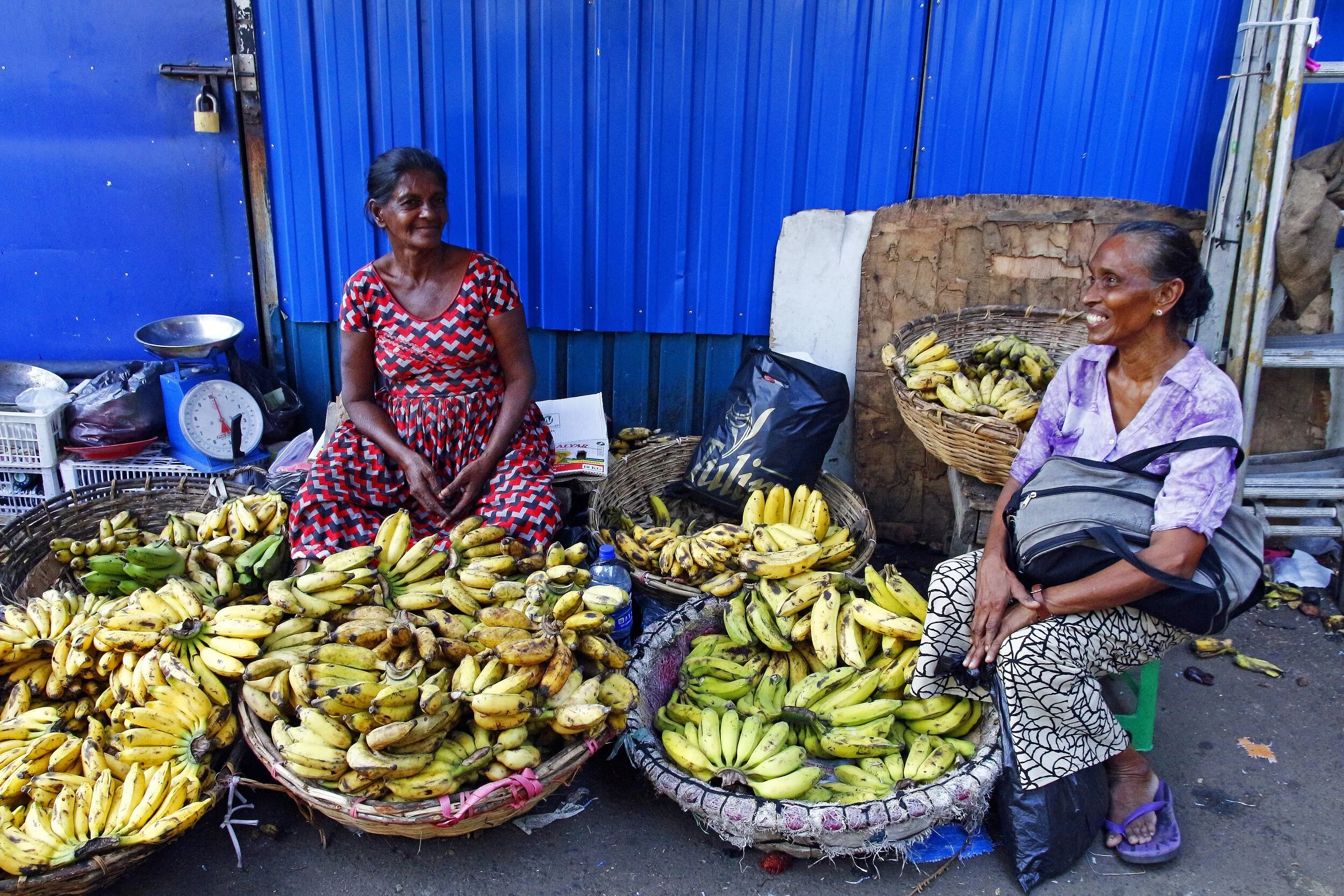
Women selling produce at a market in Sri Lanka. imke.sta. CC2.0

Nicknamed the “pearl of the Indian Ocean” and famous for its spices, unique culture and lush ecosystems, Sri Lanka is also known for its advances in gender equality. The island nation became in 1960 the first country in the world to elect a female prime minister, Sirimavo Bandaranaike. Sri Lanka has also long provided free and compulsory education for men and women up to the university level.

Even so, high levels of gender-based violence are present throughout the country and the unemployment rate of women is twice that of men. Most women occupy low-paying positions in agriculture and the garment industry with little chance of economic mobility. Although well-respected in the Asia-Pacific region, Sri Lanka’s educational system often enforces traditional ideological and cultural beliefs, which can perpetuate negative stereotypes about women.  A university-level education does not guarantee women positions of power, with large disparities between men and women in science, technology and political positions throughout the country. Additionally, a 26-year-long civil war (1983-2009) isolated Sri Lanka from the modern world, allowing traditional gender roles to thrive in war-affected areas.

Developing economic opportunities for women has the potential to overcome barriers to gender equality. Here are two organizations working to do just that:

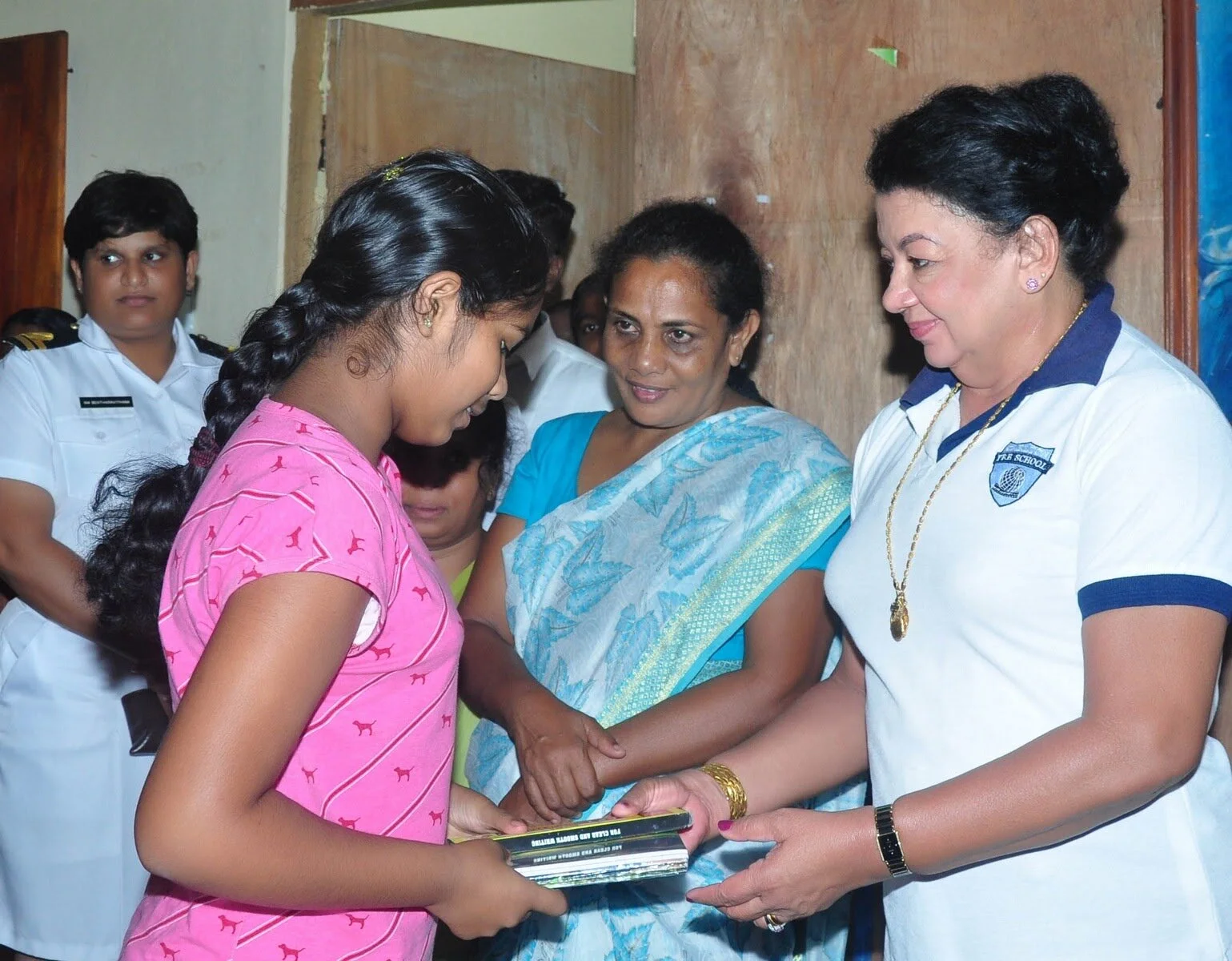
Women receiving medical training provided by the Women’s Development Centre. Rajapaksa. CC2.0

The Women’s Development Center

This Sri Lanka-based nongovernmental organization has made incredible strides in supporting at-risk women, children and people with disabilities since its founding in 1986. With the goal of creating opportunities for marginalized groups, the group is on its way to “creating a just and secure society for women and children.” Although the organization has a multifaceted approach, social enterprises and economic empowerment remain its key goals. The social enterprise “Sthree”, meaning “woman” in Tamil and Sinhala, was founded in 2011 with the goal of empowering women and their local communities. The platform provides a market in Kandy for Sri Lankan women and disabled people to sell handmade products, such as saris, jewelry, decor, snacks and chutneys, recycled paper products and eco-friendly purses and handbags. Sthree also provides training and skill-building workshops for women and disabled individuals. Sthree is beginning to expand to an international clientele, even hosting an international exhibition and sale in Sweden in 2016.

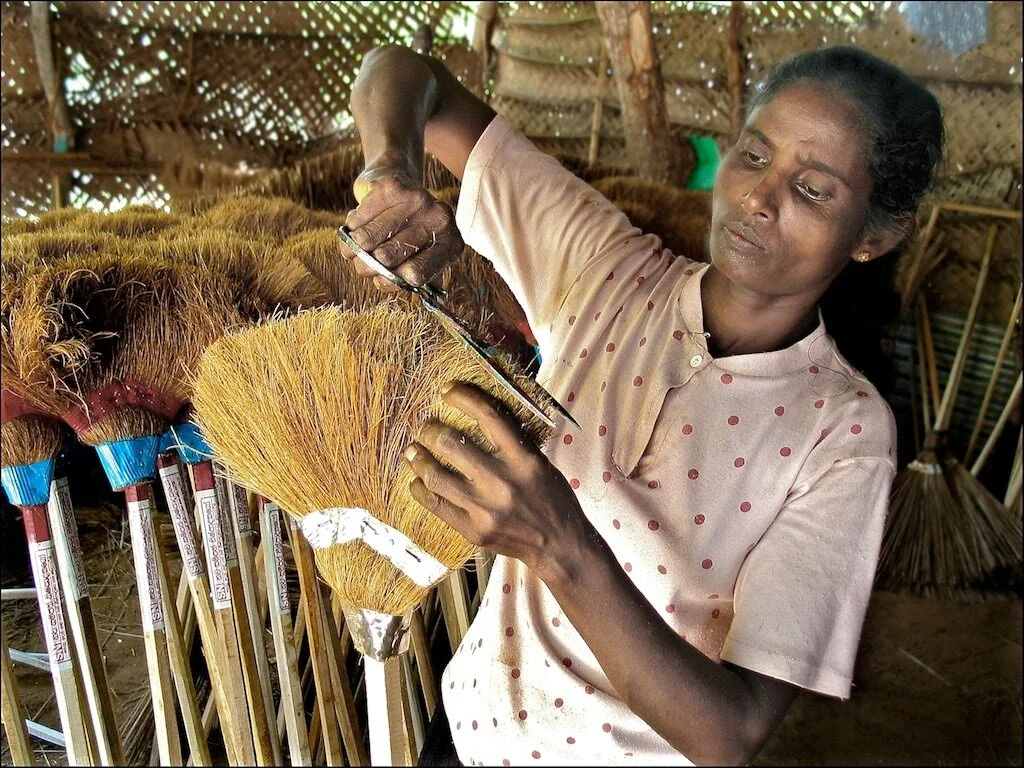
A woman making brooms for a woman’s cooperative in Sri Lanka. Foley. CC2.0

Puthukkudiyiruppu Women Entrepreneurs’ Cooperative Society

The PTK Cooperative, initially founded by Krishnakumar Jeyaranjini and 14 other women in 2012, provides a platform for war-affected women to support themselves and their families economically. The business has expanded over the years, producing detergent, chili powder and rice flour. The organization has the backing of the International Labour Organization (ILO), which helps link it to buyers, markets and social enterprises. The organization enables collaboration between women from different ethnic groups and communities in Sri Lanka, helping to create social cohesion and tolerance. The organization continues to defy gender norms and stereotypes.  “Often the words ‘woman’ and ‘detergent’ bring out gendered images of a woman washing clothes at home, not of a woman owning or running a successful detergent-producing enterprise,” said Simrin Singh, director of the ILO country office for Sri Lanka. “It is stories of our work empowering women like Jeyaranjini, building block by block, that are the essential inspiration so many other women in this country could use to break the barriers to their empowerment.”

Although Sri Lanka has made considerable progress toward gender equality in the last 50 years, many obstacles remain. Empowering women at a grassroots level helps provide women more economic agency while ensuring the well-being of generations to come. 


Megan Gürer

Megan is a Turkish-American student at Wellesley College in Massachusetts studying Biological Sciences. Passionate about environmental issues and learning about other cultures, she dreams of exploring the globe. In her free time, she enjoys cooking, singing, and composing music.
Algeria’s Relationship with the Media Grows Tense Amid Political Woes

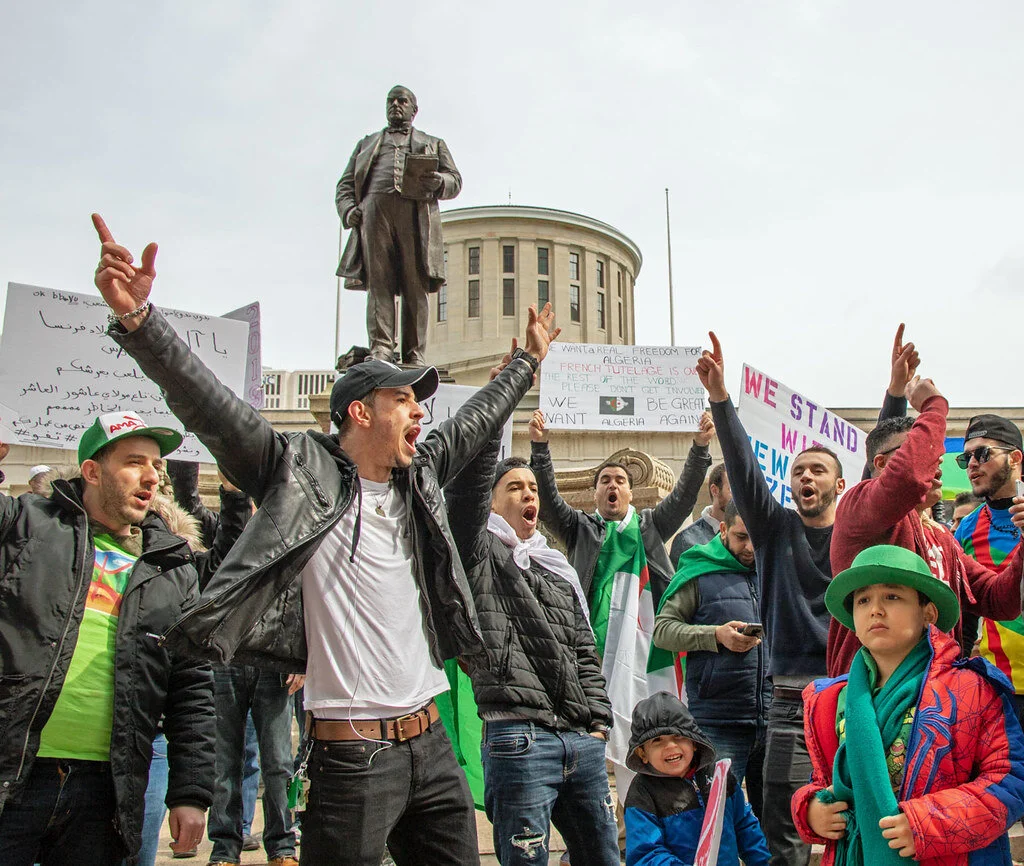
On Aug. 10, Algerian officials sentenced journalist Khaled Drareni to three years in prison for reporting on the 2019 Hirak protests. Calling for the removal of Algerian President Abdelaziz Bouteflika, the Hirak pro-democracy protests were some of the largest anti-government demonstrations since the Algerian civil war in the 1990s. While the protests were successful in removing Bouteflika from power, Algerian activists are unsatisfied with the corruption that still drives the Algerian government. Drareni’s sentencing has amplified the divide between independent publications and state-run media, drawing attention to the censorship that Algerian journalists face.
Hirak protests in Algiers. Becker. CC BY 2.0.

From 1991 to 2002, Algeria was engaged in a civil war between the government and Islamist political groups. Throughout this unrest, journalists in Algeria explored the many human rights abuses present in the country. As the war began to resolve in 1999, Abdelaziz Bouteflika was elected president of Algeria. With his 2005 Charter for Peace and National Reconciliation, he offered amnesty to groups that committed violence between 1992 and 2006. While this charter protected many Algerians from prosecution, Bouteflika also used it to restrict the press from investigating human rights violations. 

Following the enactment of this charter, independent publications were allowed a modicum of freedom as they operated independently of the state. However, the divide between independent publications and the Algerian state-run media only grew as Bouteflika consolidated his power.

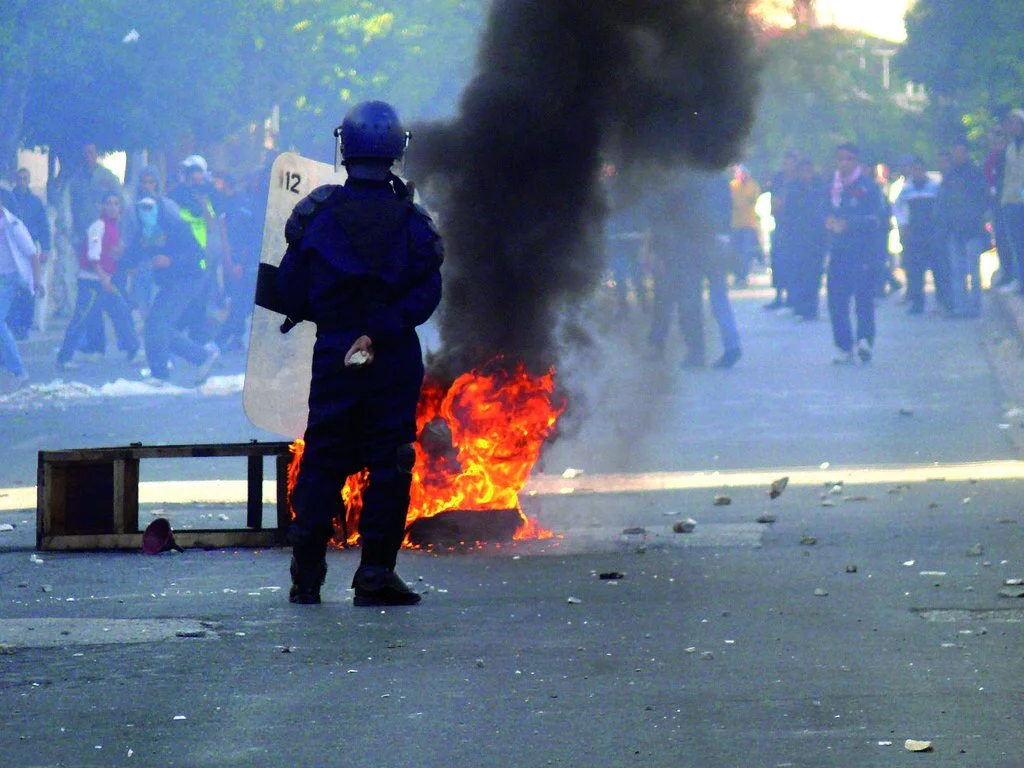
An Algerian soldier barricades a street. Magha Rebia. CC BY 2.0.

In recent years, as pro-democracy movements gain traction in Algeria, independent publications have generally been the only media covering the protests. With tensions between Algerian citizens and the government mounting over the past decade, independent publications have been increasingly villainized by the state. Using state-owned companies as leverage, the Algerian government has stripped most independent publications of their primary source of income—advertisements. 

Within the past year, multiple independent media outlets critical of the regime have been blocked, including Maghreb Emergent and Radio M. Reporters Without Borders, an international organization that works to protect freedom of the press globally, now ranks Algeria 146th out of 180 countries in the 2020 World Press Freedom Index, which evaluates the degree of freedom awarded to journalists. Algeria’s ranking in this index has dropped drastically in the past five years -- in 2015, Algeria was ranked 27 places higher. 


The imprisonment of Khaled Drareni only amplifies the harsh restrictions being gradually imposed on the Algerian media. In April 2020, Algeria passed a law criminalizing “fake news” to maintain “public order and state security.” This law increases the repression of journalists in an already corrupt state. With privately-owned media facing severe blockades, social media has become a driving force in disseminating information to young people across the country. Social media platforms have become a pivotal tool for activists, allowing them to coordinate nonviolent protests and spread news that is not aired on radio or television. This movement has encouraged reporters at state-backed media companies to resign and actively fight for marginalized voices to be heard. Algeria remains in a state of flux as reporters stripped of their formal platforms are actively working toward freedom of the press through alternative means of communication.

Sarah Leidich

is currently an English and Film major at Barnard College of Columbia University. Sarah is inspired by global art in every form, and hopes to explore the intersection of activism, art, and storytelling through her writing.

Locked Up: Unmasking Australia’s Aboriginal Youth Prison Crisis

The Aboriginal people have been severely marginalized by Australia’s government, but among the most impacted are the group’s children.

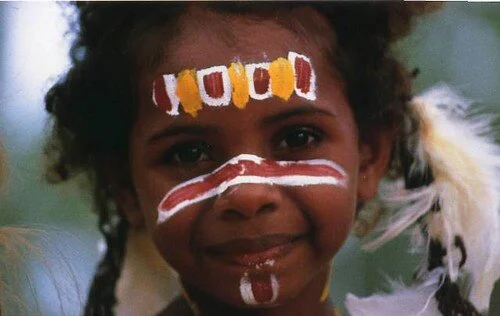
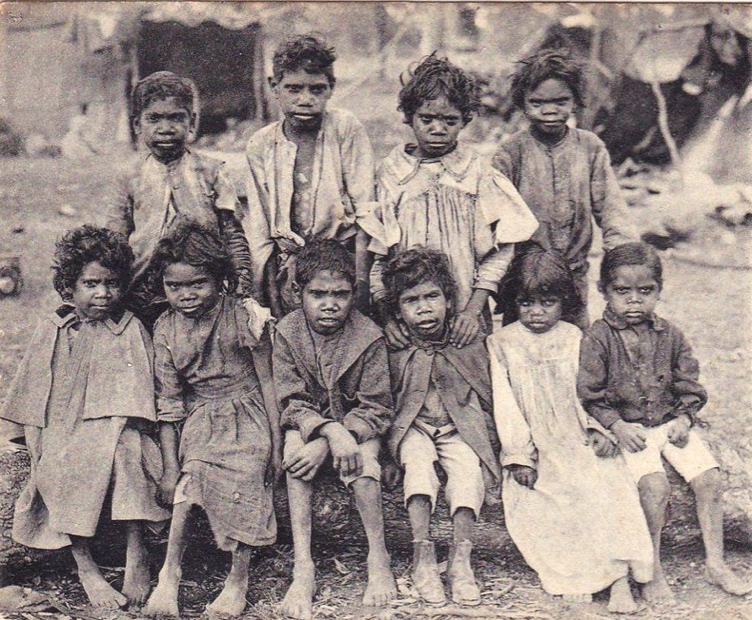
A young Aboriginal girl. mingzhuxia. CC BY-NC-SA 2.0

Indigenous people make up approximately 3% of Australia’s overall population and are considered the country’s most disadvantaged group. It is believed that the Aboriginal people lived in Australia for over 47,000 years prior to European colonization. Even today, the Aboriginal people continue to suffer some of the consequences of violent colonization such as low literacy rates, low life expectancy and a high unemployment rate.

Aboriginal children in particular are 30 times more likely to be stopped and prosecuted than other Australian youths. This reveals a pattern of racial profiling and stereotyping that has been called out by protests affiliating with the U.S.’s Black Lives Matter movement. 

Progress was made in 2018, when police in Western Australia apologized for practicing “forceful removal,” the separation of Indigenous children from their families. Forceful removal was popular throughout the late 19th century and was legal until 1969. Many refer to those impacted by forceful removal as the “Stolen Generation.” 

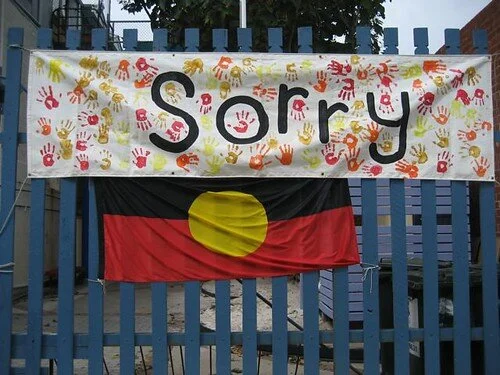
Since May 26, 1998, Australians have observed “National Sorry Day” as a way to apologize to the Aboriginal people for the harmful practice. It is a nationwide campaign committed to paying homage to affected groups while teaching youth of Australia’s harmful past actions. In 2008, former Prime Minister Kevin Rudd made a proposal in front of Parliament to help bridge the gap between Indigenous and non-Indigenous people. 

Australia’s National Sorry Day in 2015. butupa. CC BY-NC-ND 2.0

Yet, the gap between the Aboriginal community and other Australians remains as wide as ever. In February, the police of New South Wales revealed details about the Suspect Targeting Management Plan, which is intended to prevent future crimes by targeting likely or repeat offenders. Reports from 2016 to 2018 show that up to 72% of targeted children were likely from Indigenous descent. The youngest child identified was 9 years old. 

The minimum age of criminal responsibility in Australia is one of the lowest in the world, allowing children as young as 10 to be sentenced to jail. Additionally, Aboriginal children are 17 times  more likely to be jailed than non-Indigenous youth. Statistics from Western Australia say that 60 to 70% of children currently being held in the state’s detention centers are of an Aboriginal background. 

As of now, very little research proves that locking up children reduces criminal activity in the future. In fact, youth already in the criminal justice system are far more likely to be repeat offenders, challenging the original intent of New South Wales’ Suspect Target Management Plan. 

There is a push by lawyers and advocacy groups to raise the age of criminal responsibility in Australia to at least 14. Others believe that an alternative is to provide better health care and other social services in an attempt to elevate Aboriginal children’s socioeconomic standing. The end goal would be to improve their overall quality of life, allowing for better employment opportunities and an end to the societal obstacles currently facing the group.


Eva Ashbaugh

Eva is a Political Science and Gender, Sexuality, and Women's Studies double major at the University of Pittsburgh. As a political science major concentrating on International Relations, she is passionate about human rights, foreign policy, and fighting for equality. She hopes to one day travel and help educate people to make the world a better place.

As Acai Demand Rises, Amazonian Communities Seek Out their Role

The acai palm is one of the many native plants that has been commodified for Western consumption. This has shifted acai consumption and production practices within Indigenous Amazonian communities. 

Acai bowls are the most common form of Western acai consumption. Ella O, CC BY 2.0

Prior to 2000, Indigenous Amazonian communities utilized the acai palm plant on a local scale. The purple berry then found its way to the U.S., appealing to surfers in Hawaii and Southern California. It has since been in the spotlight, spurring new industries and finding its way into the global marketplace. The acai palm plant is one of many Indigenous plant foods that has been commodified for foreign consumption, shifting acai usage and production practices among Brazil’s Amazonian tribes. Indigenous Amazonian communities, who have utilized acai as a diet staple for centuries, are now exporting it  for profit, hoping not to forfeit their land to multinational corporations. 

Companies that sell acai heavily market its health benefits, calling it a superfood that allows individuals to reach maximum health. Acai specifically offers anti-aging benefits, improved digestive health, increased energy levels and a strengthened immune system. The berry contains high amounts of antioxidants, omega-6 and omega-9 fatty acids, fiber, protein, vitamins and minerals. When globally transported, the acai berry is processed and packaged into various forms. When reduced to powders, capsules and liquids, the acai berry becomes a watered-down entity detached from Amazonian food culture. While many understand acai’s countless health benefits, few consumers know the context from which it comes. 

Grown on tall acai palm trees, the acai berry sprouts in large, clustered bunches. The trees grow to between 50 and 100 feet tall, bearing the fruit from their extended branches. In the village of Acaizal on the Uaca Indigenous reserve, villagers loop a palm leaf tied around their feet and scale the tree, knife gripped firmly between their teeth. Children, some as young as seven, learn this harvesting method. Once collected, acai pulp is served chilled and often mixed with sugar and tapioca. 

Increased demand for acai pushes Indigenous groups to formalize and industrialize this cultivation process. Amazonian tribes subsequently alter their traditional production to accommodate increased consumption. In the state of Amapa, Indigenous communities want to explore potential business arrangements and have identified acai production as a top priority for natural resource management. In a workshop hosted by local government agency Secretary Extraordinary of Indigenous People, Acaizal village chief Jose Damasceno Karipuna learned how to capitalize on acai harvesting processes. The increase in acai demand creates a flourishing job market for large-scale Amazonian farmers; however, it harms farmers who rely on small-scale production. With an ever-increasing demand for acai, protection of natural areas is crucial to preservation. For the villagers in Acaizal, proper environmental management will increase productivity while ensuring sustainability. Acai companies emphasize this business exchange as mutually beneficial, bettering individuals’ health and the Brazilian economy alike. However, the mass consumption and commodification of acai is ultimately a gray area, creating an uncertain future for Indigenous communities.


Anna Wood

Anna is an Anthropology major and Global Health/Spanish double minor at Middlebury College. As an anthropology major with a focus in public health, she studies the intersection of health and sociocultural elements. She is also passionate about food systems and endurance sports.

COVID-19 Further Complicates Kenya’s Health Care System

Kenya is facing a double burden of communicable and noncommunicable diseases. Clustering of infections, such as HIV and tuberculosis, and noncommunicable diseases, such as diabetes and high blood pressure, renders Kenyans vulnerable to COVID-19. This has pressured an already overstretched health care system.

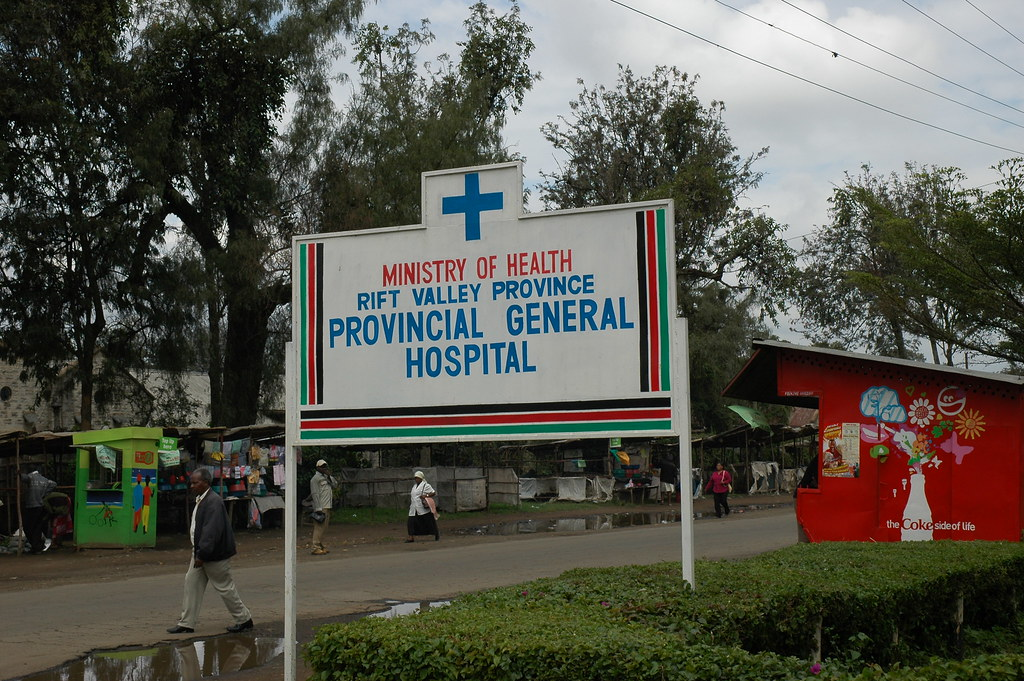
Hospital entrance sign in Kenya’s Rift Valley province. Melanie K Reed. CC BY-NC-ND 2.0

In mid-March, shortly after Kenya’s first confirmed COVID-19 case, the word “corona” began circulating around western Kenya’s villages. Young people used the word as a novelty, and the overall population remained preoccupied with existing illnesses. “This is a disease for whites,” said Sylvanus, a local father of seven. When calling after white people on the street, children replaced their traditional “mzungu!” (white person) with “coronavirus!” At this point, Europe was the pandemic’s epicenter. Kenyans felt that this foreign virus was removed from their world. 

However, Kenya’s high prevalence of preexisting health conditions renders a significant portion of the population immunocompromised and therefore vulnerable to the coronavirus. In a country experiencing health issues such as HIV, tuberculosis, diabetes and malaria, the pandemic has posed a threat to an already fragmented health care system. Although less than 4% of Africa’s population is over the age of 65, countries such as Kenya have seen high coronavirus mortality rates. 

Global evidence shows that people with underlying medical conditions are at a greater risk from COVID-19. In 2019, half a million Kenyans were living with diabetes, and over half of accounted deaths were associated with noncommunicable diseases. Currently, Kenya’s health care system is structured to manage individual diseases, rather than multiple ones. Because patients frequently carry more than one health condition, the health care system has been overstretched and inadequate. HIV, tuberculosis and malaria treatments are easily accessible, but noncommunicable diseases such as diabetes and cancer often go undiagnosed, and care is costly. The COVID-19 pandemic has exacerbated these shortcomings, as social distancing restrictions prevent Kenyans from accessing medical resources, and a surge of coronavirus cases imposes a double burden of disease. Additionally, front-line workers with undiagnosed, chronic illnesses have critically compromised their health, and hospitals have dealt with equipment shortages. 

Transcontinental travel has heavily contributed to the increase in COVID-19 cases across Africa. In order to minimize Kenya’s number of infections, President Uhuru Kenyatta stopped all flights from Europe. Kenyatta also imposed a national curfew and restricted movement between populated areas. Domestically, middle-class, urban dwellers have carried the virus into rural areas. On Kenyan television, villagers have urged educated, urban residents to remain in the city, instead of threatening the lives of others. 

In African countries, lockdowns are nearly impossible to implement because they would spur social and economic crises. Many people rely on cash earned daily to sustain themselves and their families. A strict lockdown would result in poverty and starvation. Kinship systems also play a crucial role in social welfare, as relatives care for one another. For people already barely getting by, cutting these social ties would be dangerous. Finally, a lockdown would interrupt the supply chains of essential drugs, preventing access to tuberculosis, HIV and malaria treatments. 

According to several African presidents, developed countries are failing to fulfill their pledges of financial support and debt relief. Throughout the pandemic, outside aid has not met the continent’s needs. While wealthy countries in the global north have funneled trillions of dollars into their own stimulus packages and health initiatives, the global south cannot afford such measures. With limited testing capacity, Africa has not confirmed many of the world’s COVID-19 cases, but the continent has been grossly affected by the economic crisis and global trade disruptions. Furthermore, the global shortage of testing kits, hygienic material and personal protective equipment has left developed countries vying for their own supplies, without consideration for underdeveloped nations. 

Anna Wood

is an Anthropology major and Global Health/Spanish double minor at Middlebury College. As an anthropology major with a focus in public health, she studies the intersection of health and sociocultural elements. She is also passionate about food systems and endurance sports.

U.N. Drops Saudi Arabia-Led Coalition From Blacklist Despite Recent Killings of Children 

With no evidence that children are safe, the U.N. decided to remove the Saudi Arabia-led coalition in Yemen off a blacklist for violations of children’s rights. 

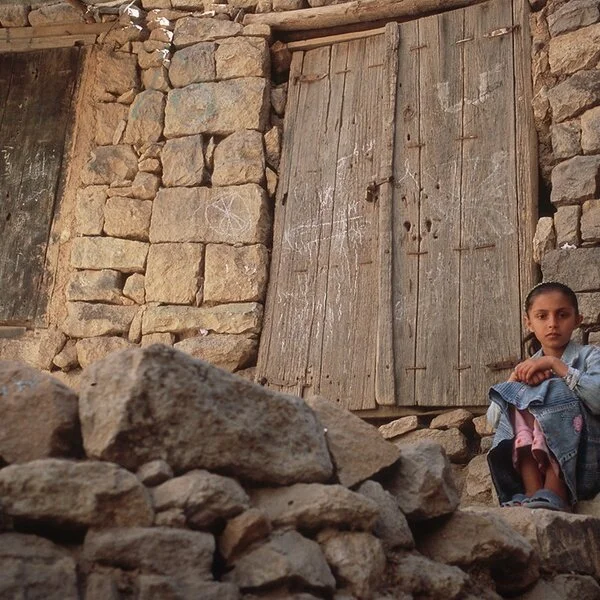
Child in Yemen among the rubble. Carl’s eye. CC BY-NC-ND 2.0

On June 17, the U.N. made the decision to remove the military coalition led by Saudi Arabia from one of its blacklists. The significance of this specific list, which focuses on children in armed conflict, is to shame groups that are guilty of violating the rights of children. Anyone can be placed on the list for a multitude of violations ranging from killing children to the recruitment of children for war. U.N. Secretary-General Antonio Guterres stated that the coalition’s removal was decided by efforts made to reduce the number of deaths and decrease the airstrikes that caused the killings over the previous three years.

However, there is a discrepancy in the decision. According to data released by the U.N., 222 children were hospitalized or killed as a result of these attacks last year. In addition, several hours after the U.N. announced its decision to remove the coalition, four children were killed in an attack in northwest Yemen.           

The war in Yemen can be traced back to 2011. Following the Arab Spring, there has been unrest due to a failed political transition that led to terrorist attacks, a separatist movement and corruption. However, in 2014 a rebel group known as the Houthis, backed by Iran, ousted the government. What started out as a civil war transitioned into a conflict with neighboring countries as the Saudi Arabia-led coalition stepped in, attempting to help restore the government and defeat the Houthis.  

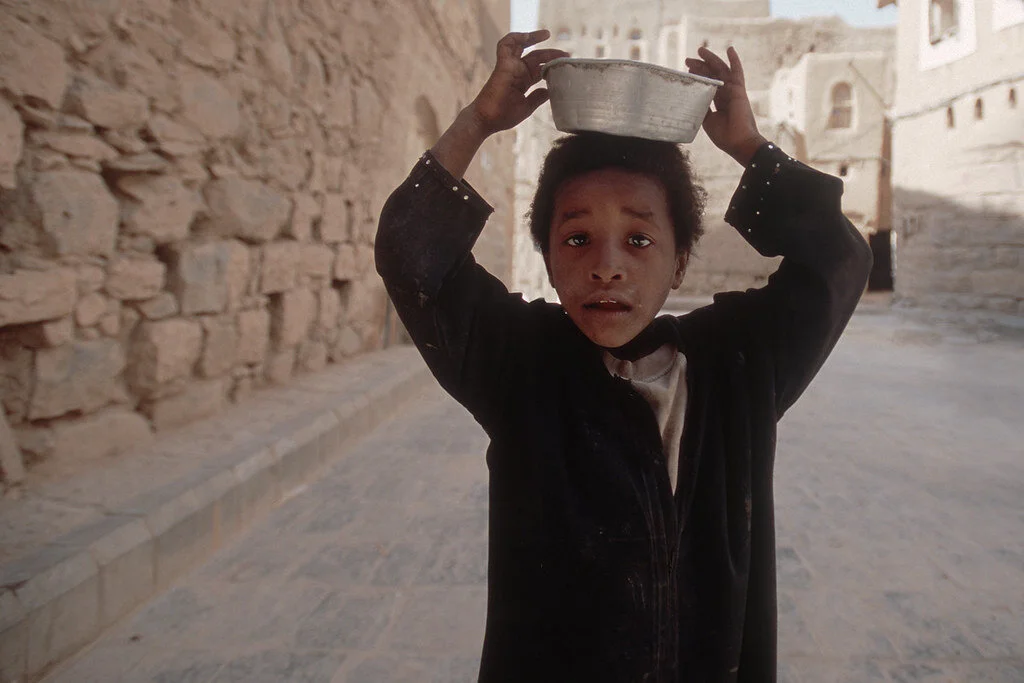
Child of Yemen. Carl’s eye. CC BY-NC-ND 2.0

As of March 2020, it is estimated that 7,700 civilians have died in the war, largely due to airstrikes from the coalition. However, these are only verified deaths. Some statistics estimate it to be as high as 100,000 fatalities. On top of the conflict, Yemen has been experiencing one of the worst famines it has seen in over 100 years. The country is considered the poorest Arab nation, and the war has ruined the economy to the extent that many people, especially children, are considered malnourished.                                                            

There has been backlash over the U.N.’s decision to remove the coalition from the blacklist. From a video posted by Al Jazeera, protests have taken to the streets outside of the U.N. headquarters in Yemen to speak of their disapproval. The main concern is that the removal could leave children vulnerable to future attacks, as voiced by groups like Save the Children. Observers are also questioning the integrity of the blacklist itself, including Iran which said that “the U.N. is giving a free pass.” Iran claims that the Houthis and the Yemeni government have been responsible for the same number of deaths yet only the Houthis remain on the list.

Guterres has said that U.N. would monitor the coalition’s activity over the next year. If there is an increase in children’s casualties, the coalition would be placed back on the list.


Eva Ashbaugh

Eva is a Political Science and Gender, Sexuality, and Women's Studies double major at the University of Pittsburgh. As a political science major concentrating on International Relations, she is passionate about human rights, foreign policy, and fighting for equality. She hopes to one day travel and help educate people to make the world a better place.