As Acai Demand Rises, Amazonian Communities Seek Out their Role

The acai palm is one of the many native plants that has been commodified for Western consumption. This has shifted acai consumption and production practices within Indigenous Amazonian communities. 

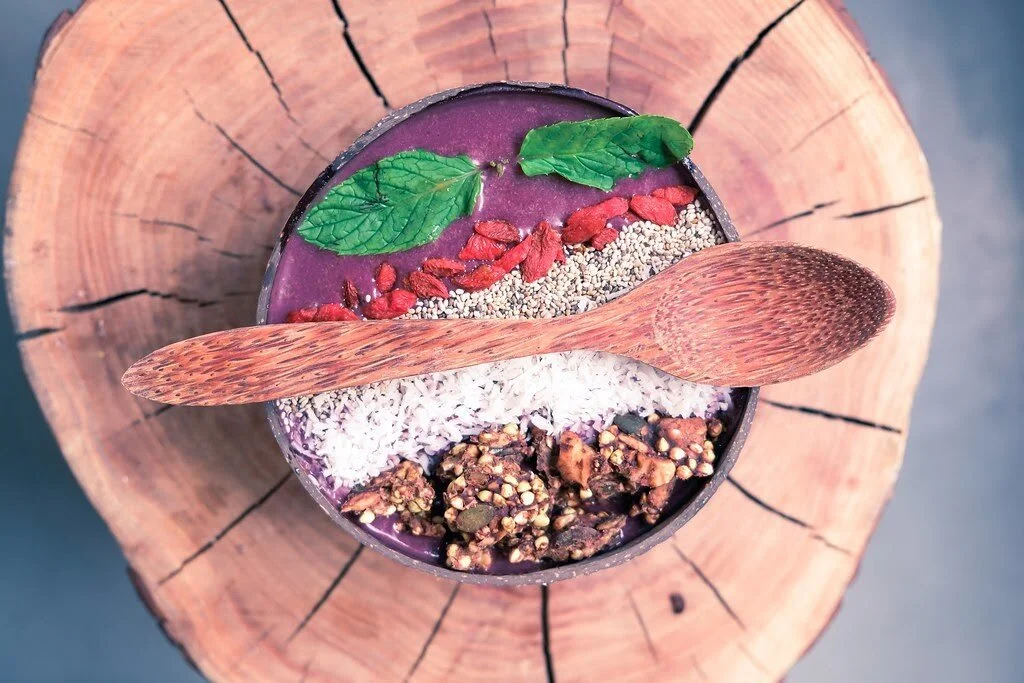
Acai bowls are the most common form of Western acai consumption. Ella O, CC BY 2.0

Prior to 2000, Indigenous Amazonian communities utilized the acai palm plant on a local scale. The purple berry then found its way to the U.S., appealing to surfers in Hawaii and Southern California. It has since been in the spotlight, spurring new industries and finding its way into the global marketplace. The acai palm plant is one of many Indigenous plant foods that has been commodified for foreign consumption, shifting acai usage and production practices among Brazil’s Amazonian tribes. Indigenous Amazonian communities, who have utilized acai as a diet staple for centuries, are now exporting it  for profit, hoping not to forfeit their land to multinational corporations. 

Companies that sell acai heavily market its health benefits, calling it a superfood that allows individuals to reach maximum health. Acai specifically offers anti-aging benefits, improved digestive health, increased energy levels and a strengthened immune system. The berry contains high amounts of antioxidants, omega-6 and omega-9 fatty acids, fiber, protein, vitamins and minerals. When globally transported, the acai berry is processed and packaged into various forms. When reduced to powders, capsules and liquids, the acai berry becomes a watered-down entity detached from Amazonian food culture. While many understand acai’s countless health benefits, few consumers know the context from which it comes. 

Grown on tall acai palm trees, the acai berry sprouts in large, clustered bunches. The trees grow to between 50 and 100 feet tall, bearing the fruit from their extended branches. In the village of Acaizal on the Uaca Indigenous reserve, villagers loop a palm leaf tied around their feet and scale the tree, knife gripped firmly between their teeth. Children, some as young as seven, learn this harvesting method. Once collected, acai pulp is served chilled and often mixed with sugar and tapioca. 

Increased demand for acai pushes Indigenous groups to formalize and industrialize this cultivation process. Amazonian tribes subsequently alter their traditional production to accommodate increased consumption. In the state of Amapa, Indigenous communities want to explore potential business arrangements and have identified acai production as a top priority for natural resource management. In a workshop hosted by local government agency Secretary Extraordinary of Indigenous People, Acaizal village chief Jose Damasceno Karipuna learned how to capitalize on acai harvesting processes. The increase in acai demand creates a flourishing job market for large-scale Amazonian farmers; however, it harms farmers who rely on small-scale production. With an ever-increasing demand for acai, protection of natural areas is crucial to preservation. For the villagers in Acaizal, proper environmental management will increase productivity while ensuring sustainability. Acai companies emphasize this business exchange as mutually beneficial, bettering individuals’ health and the Brazilian economy alike. However, the mass consumption and commodification of acai is ultimately a gray area, creating an uncertain future for Indigenous communities.


Anna Wood

Anna is an Anthropology major and Global Health/Spanish double minor at Middlebury College. As an anthropology major with a focus in public health, she studies the intersection of health and sociocultural elements. She is also passionate about food systems and endurance sports.

10 Isolated Travel Destinations in the US 

Thinking about your next trip once the pandemic eases? This year, try one of these remote spots where isolation will be the theme. From Maine to Montana, explore nature free from crowds.

Read More

The Amazon Rainforest Was and Still Is On Fire

The COVID-19 pandemic has increased the dangers that threaten the Amazon rainforest

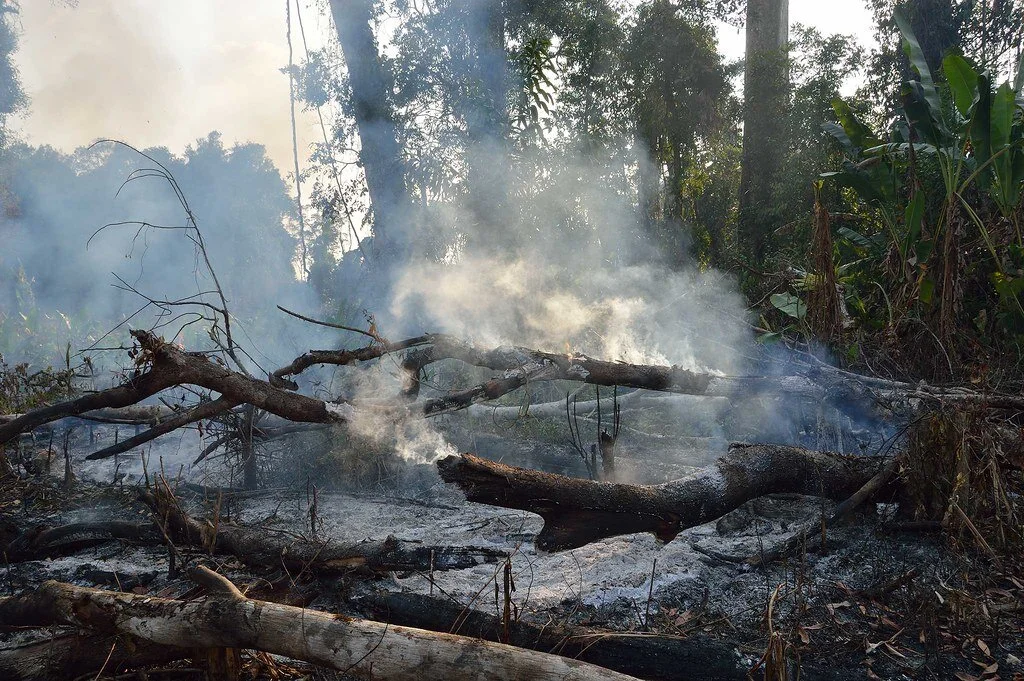
The Amazon rainforest during “fire season.” diversityphotos. CC BY-NC-ND 2.0

There are a multitude of dangers ranging from climate change to human destruction that threaten the fragility of the Amazon rainforest. The destruction of the Amazon is largely attributed to consumerism and the extraction of natural resources. Without the existence of the Amazon, the world loses a crucial contender in the fight against climate change along with the likely deaths of many Indignenous people and already endangered species.

Reports from Brazil’s National Institute for Space Research recorded 2,248 fires last month, a 13-year high and a 20% increase over the norm. Last year around this time, there were about 1,880 fires. However, the worst is likely yet to come as burnings in the Amazon tend to increase until September, the end of “fire season.” 

In 2019, the greatest destruction of the fires correlated with the peak of fire season. The increase in the number of fires was likely fueled by President Jair Bolsonaro’s decision to decrease the fines for environmental violations. It gave more leeway for commercial groups and loggers to disregard regulations that help preserve the Amazon. Bolsonaro has been nicknamed “Captain Chainsaw” for his policies that prioritize development over conservation. In an interview, Bolsonaro stated that “the Amazon belongs to Brazil,” so it can do as it wishes with it. As a result, it was estimated last year that every minute, a portion of the Amazon equal to the size of a soccer field was lost due to deforestation

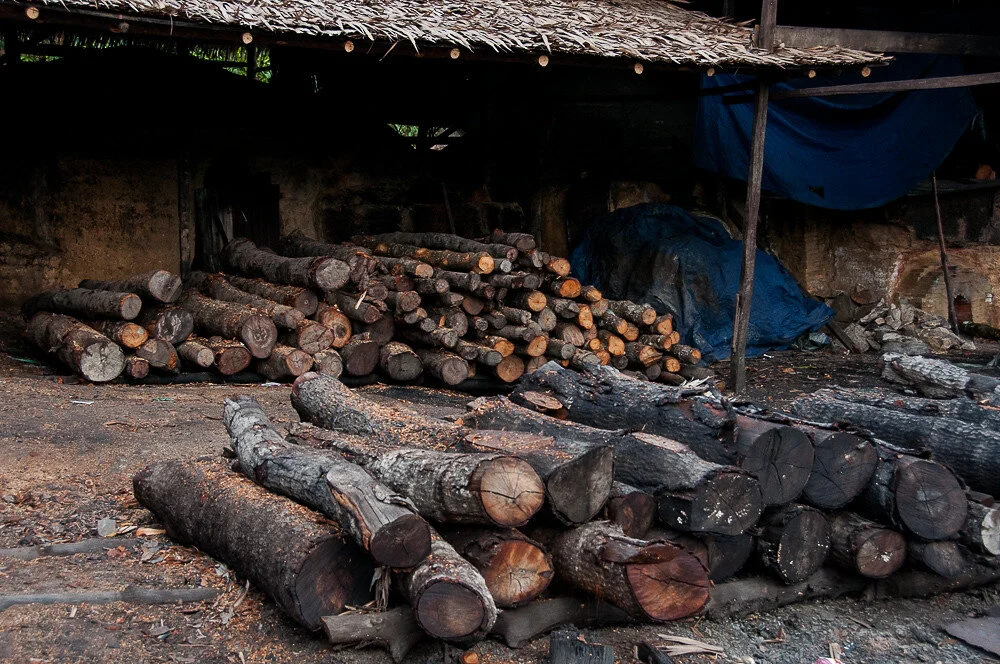
The process of deforestation results from loggers trying to clear land as quickly as possible. That includes the use of chainsaws to cut down lumber for manufacturing and development. Then, farmers burn the downed trees that remain to make room for crops and pastures. Fire season, then,is the mark of when farmers begin to set these fires. It is important to acknowledge this is not a new practice, but an unending cycle of extracting from the land without replenishing it. 

Another sign of deforestation in the Amazon. rosamariavidal. CC BY-NC-ND 2.0

A similar phenomenon is occurring this year due to the lack of authority in the Amazon. Just as with last year, many of the fires started so far have been due to illegal loggers. For instance, in the first four months of 2020, deforestation rose by 55% due to a lack of governmental enforcement as Brazil’s attention focused on combating COVID-19.

The spread of COVID-19 also caused many activists and field agents to pull out of the region. As a consequence of the lack of protection by field agents and thin numbers of police, loggers and miners have been able to overtake the Amazon. To show the magnitude of this problem, April’s extent of deforestation was 64% higher than that in April 2019

Due to international outcry last year over the fires, President Bolsonaro was forced to deploy enforcement to help monitor the fires and enforce regulations. Most new enforcement agents were unable to be deployed for this year’s fire season, though, due to COVID-19. And to make matters worse, the authority of troops currently in the Amazon expired on June 10, so there is currently no one monitoring fire conditions. 

Eva Ashbaugh

is a Political Science and Gender, Sexuality, and Women's Studies double major at the University of Pittsburgh. As a political science major concentrating on International Relations, she is passionate about human rights, foreign policy, and fighting for equality. She hopes to one day travel and help educate people to make the world a better place.


10 Places to Honor Black History and Culture

Through artwork, literature, music and history, these institutions amplify Black voices and address race relations in America.  

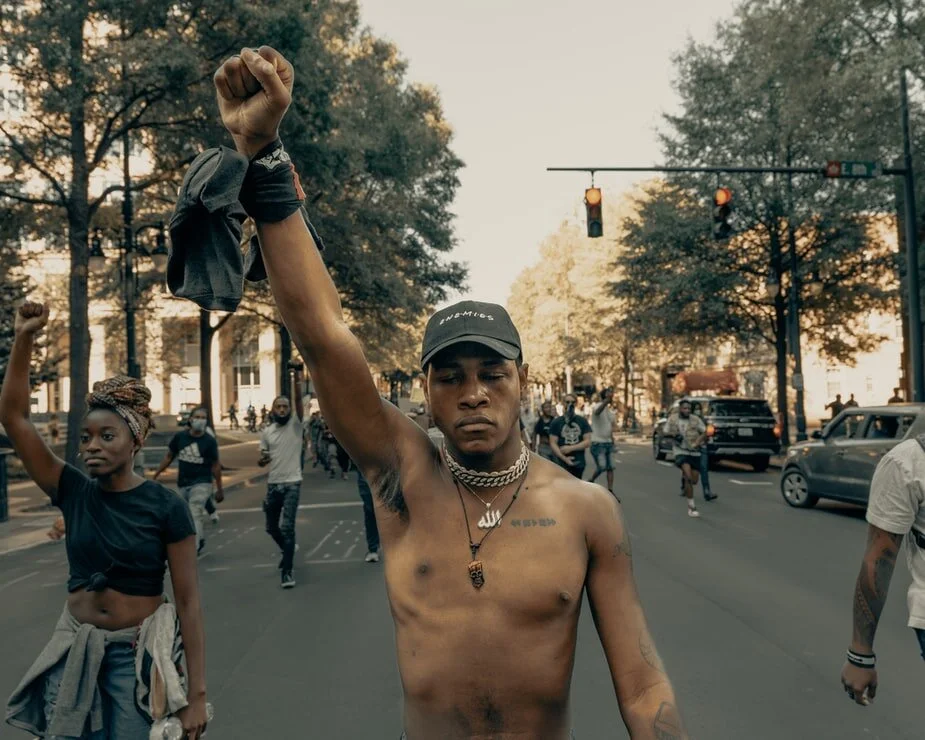
George Floyd protests in Charlotte, North Carolina. Clay Banks. Unsplash.

Amid global protests against racial injustice, a growing number of people are educating themselves on systemic racism and white privilege.

1. Martin Luther King Jr. National Historical Park - Atlanta, Georgia

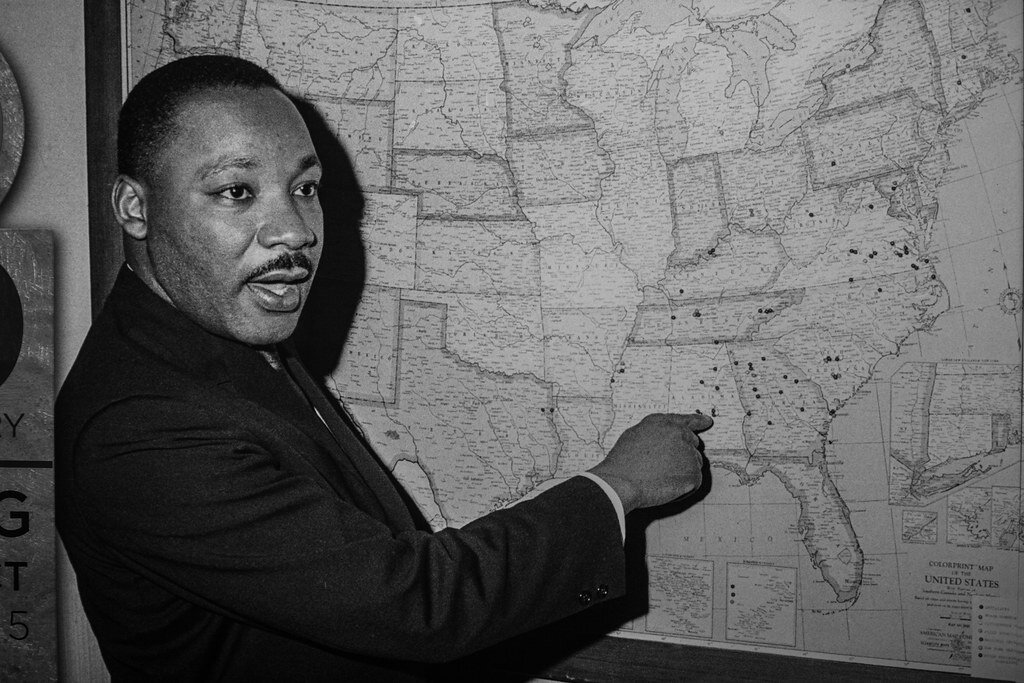
Martin Luther King Jr. locating civil rights protests. Thomas Hawk. CC BY-NC 2.0

Located in one of Atlanta’s historic districts, the Martin Luther King Jr. National Historical Park honors the activist who strove for racial equality. The site includes a museum chronicling the American civil rights movement, as well as Dr. King’s childhood home, garden and gravesite. With 185 varieties of roses, the “I Have a Dream” World Peace Rose Garden promotes peace between diverse world communities. Each year, students from the greater Atlanta area write poems that express the ideals of MLK, such as using civil disobedience to reach seemingly impossible goals. These “Inspirational Messages of Peace” are exhibited among the flowers and are read by thousands of visitors each year. Directly across the street is the final resting place of Dr. King and Coretta Scott King, his wife, surrounded by a reflection pool. 

Until his assassination in 1968, King preached at Ebenezer Baptist Church, known as “America’s Freedom Church.” The church has continued to serve the Atlanta community since his death, vowing to “feed the poor, liberate the oppressed, welcome the stranger, clothe the naked and visit those who are sick or imprisoned.” While sitting in the pews, visitors hear prerecorded sermons and speeches from Martin Luther King Jr. Most recently, the funeral of Rayshard Brooks, a Black man fatally shot by police, was held at the church, with hundreds of prominent pastors, elected officials and activists in attendance. 

2. National Museum of African American History and Culture - Washington, D.C.

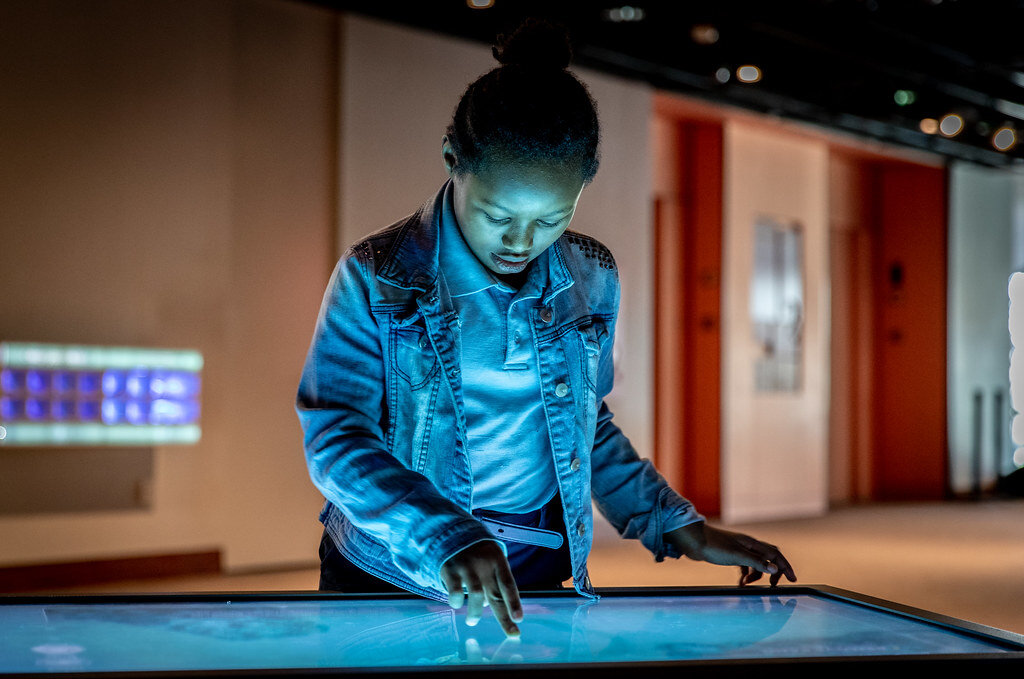
A student at the NMAAHC uses an interactive learning tool. U.S. Department of Education. CC BY 2.0

The National Museum of African American History and Culture (NMAAHC) is the only museum devoted exclusively to African American life, history and culture. In the words of Lonnie Bunch III, founding director of the NMAAHC, “The African American experience is the lens through which we understand what it is to be an American.” From slavery to the civil rights movement, the museum aims to preserve and document Black experiences in America. With the launch of the Many Lenses initiative, students will gain a greater understanding of African American history by studying museum artifacts and discussing cultural perspectives alongside scholars, curators and community educators. Through the Talking About Race program, the museum provides tools and guidance to empower people of color and inspire conversations about racial injustice. 

3. Black Writers Museum - Philadelphia, Pennsylvania

Langston Hughes, a famous writer featured at the BWM, signs autographs. Washington Area Spark. CC BY-NC 2.0

Built in 1803, the historic Vernon House includes the Black Writers Museum (BWM), the first museum in the country to exhibit classic and contemporary Black literature. The BWM celebrates Black authors, like Langston Hughes and Zora Neale Hurston, who documented the resilience and resistance of African Americans throughout history. Supreme D. Dow, founder and executive director of the Black Writers Museum, noted, “There was a time in American history when Black people were denied the human right to read or write. But, because of the innate drive to satisfy the unquenchable thirst for self determination, our ancestors taught themselves how to read and write in righteous defiance of the law, and in the face of fatal repercussions.” Through books, newspapers, journals and magazines, the museum honors the Black narrators of history. The BWM also strives to inspire future African American authors with community activities like poetry readings, cultural arts festivals and book signings. 

4. Tubman Museum - Macon, Georgia

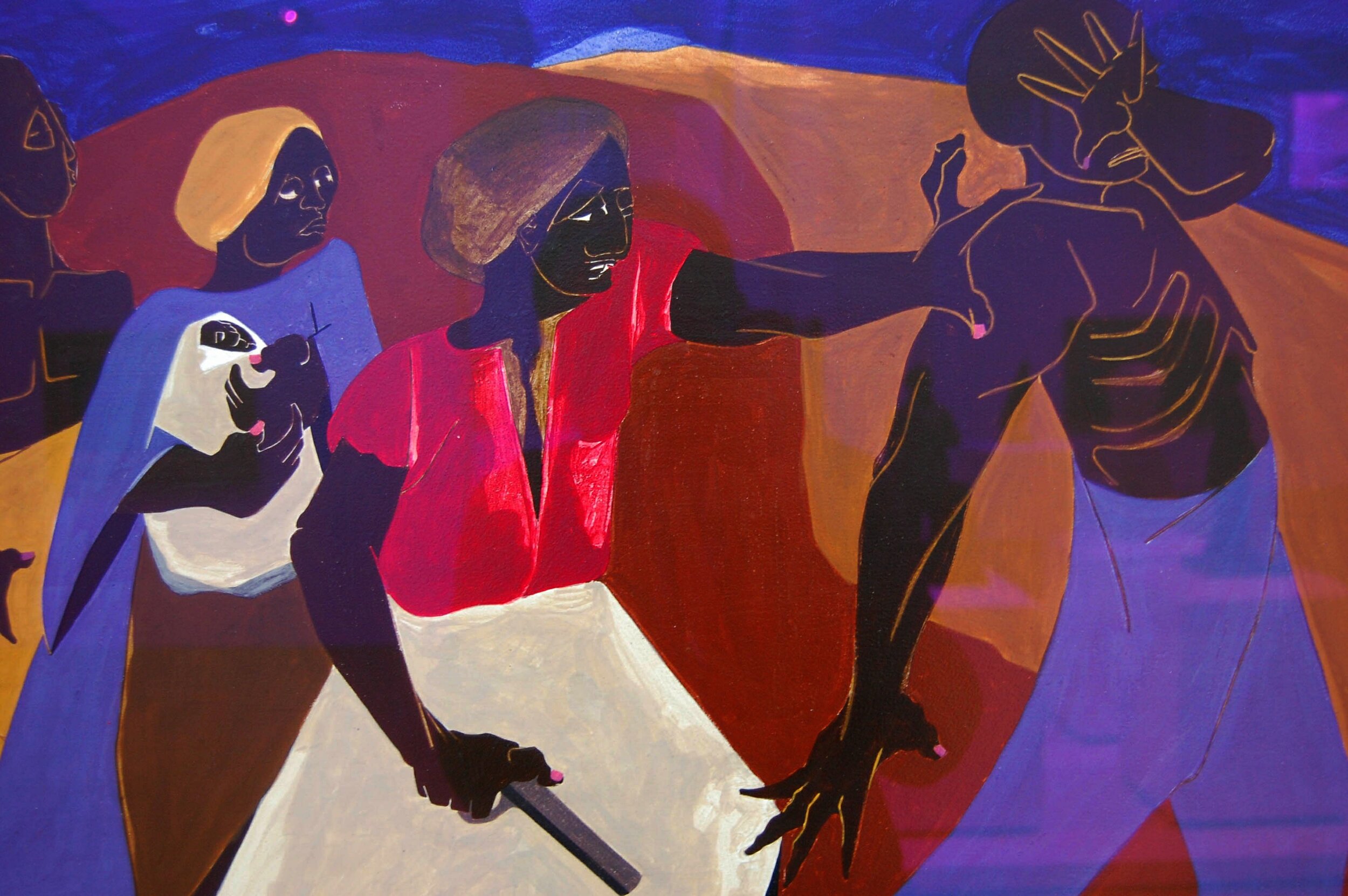
Artwork depicting Harriet Tubman on the Underground Railroad. UGArdener. CC BY-NC 2.0

Named after Harriet Tubman, the “Black Moses” who led hundreds of slaves to freedom, the Tubman Museum has become a key educational and cultural center for the entire American Southeast. Through artwork and artifacts, the main exhibits recount the struggles and triumphs of Tubman, a former slave, abolitionist and spy. The “From the Minds of African Americans” Gallery displays inventions from Black inventors, scientists and entrepreneurs, such as Madam C.J. Walker and George Washington Carver. The Tubman Museum also actively contributes to the Macon, Georgia, community. The Arts & History Outreach program takes Black history beyond museum walls. Local African American artists and teachers bring museum resources into the classroom, promoting hands-on learning. Due to COVID-19, the museum recently launched a distance learning program to provide people at home with a deeper understanding of the African American experience. 

5. Museum of the African Diaspora - San Francisco, California

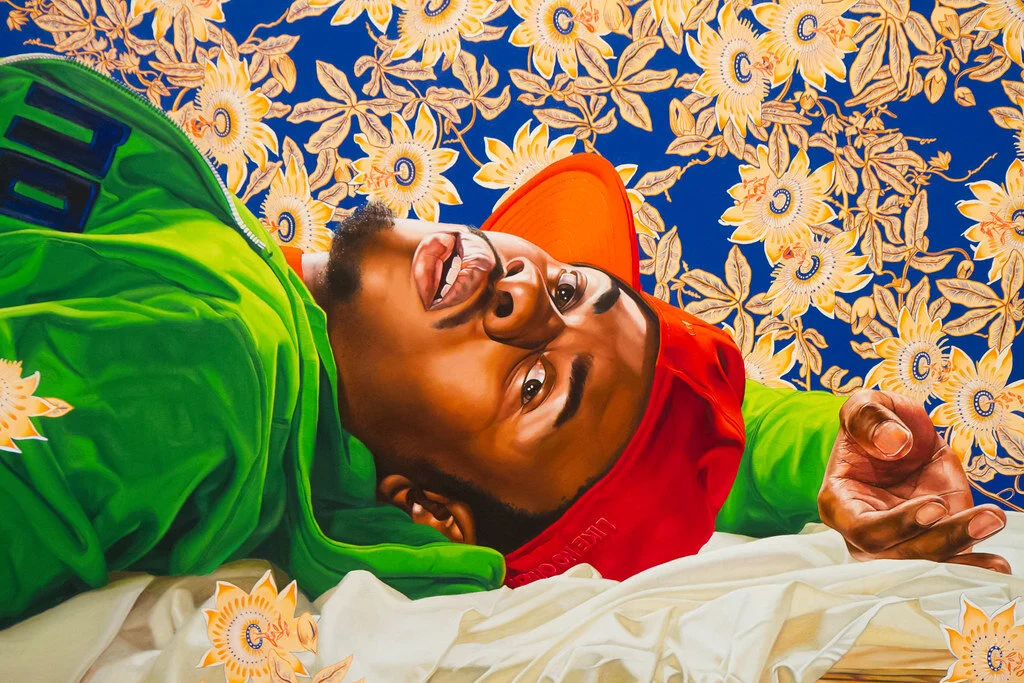
Contemporary art by Kehinde Wiley exhibited at the MoAD. Garret Ziegler. CC BY-NC-ND 2.0

The Museum of the African Diaspora (MoAD), a contemporary art museum, celebrates Black culture from the perspective of African diaspora. Focused exclusively on African migration throughout history, the museum presents artwork, photography and artifacts related to the themes of origin, movement, adaptation and transformation. Currently, MoAD is featuring various exhibitions from emerging artists that explore ancestral memory and Black visibility. As active members of the San Francisco community, museum curators offer various programs like public film screenings, artist talks and musical performances. In response to worldwide protests, the museum created a guide with resources to support Black Americans, as well as a video series that promotes community resilience. Monetta White, MoAD’s executive director, announced, “Now more than ever, we affirm that Museums are Not Neutral. As humanitarian educators and forums for conversation, museums are a space to confront some of the most uncomfortable conversations in human history.”

6. National Museum of African American Music - Nashville, Tennessee

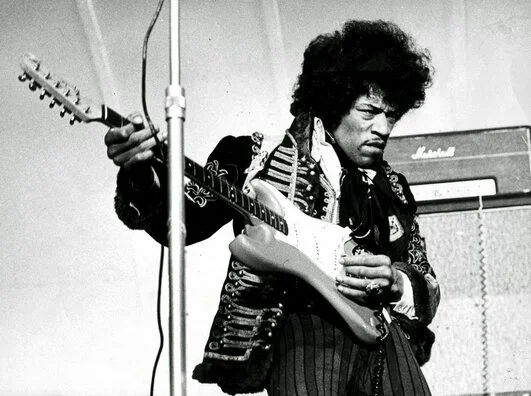
Jimi Hendrix, a featured musician at the NMAAM. Clausule. Public Domain.

Scheduled to open its doors for the first time on Sept. 5, the National Museum of African American Music (NMAAM) will be the first museum in the world to showcase African American influence on various genres of music, such as classical, country, jazz and hip-hop. NMAAM will integrate history and interactive technology to share music through the lens of Black Americans. “African American music has long been a reflection of American culture. Additionally, African American musicians often used their art as a ‘safe’ way to express the way they felt about the turbulent times our country faced,” said Kim Johnson, director of programs at the museum. NMAAM will also support the Nashville community through various outreach programs. From Nothing to Something explores the music that early African Americans created using tools like spoons, banjos, cigar box guitars and washtub basins. Children receive their own instruments, learning how simple resources influenced future music genres. Another program, Music Legends and Heroes, promotes leadership, teamwork and creativity in young adults. Students work together to produce a musical showcase in honor of Black musicians. In 2015, student guitarists paid tribute to Jimi Hendrix, the rock icon. “This opportunity gave them a real-life connection to an artist they had only seen in their textbooks or online,” said Hope Hall, librarian at the Nashville School of the Arts.

7. The Legacy Museum: From Enslavement to Mass Incarceration - Montgomery, Alabama

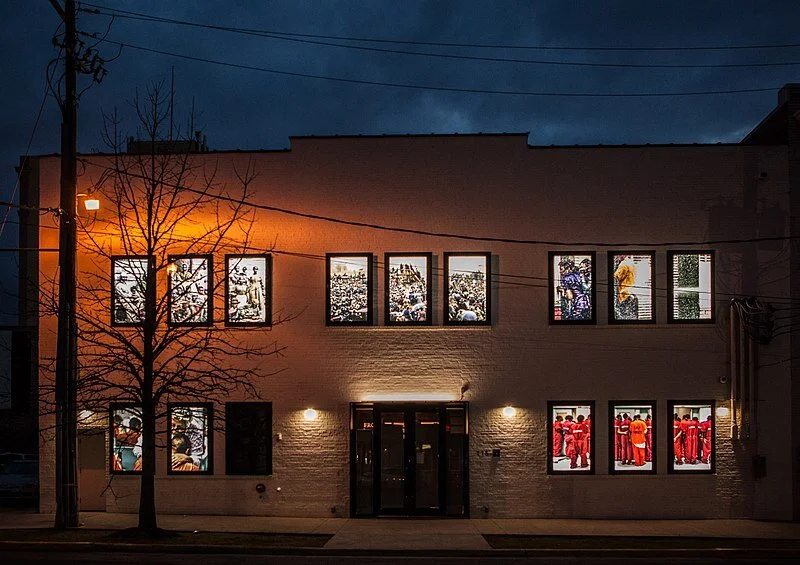
Exterior of the Legacy Museum. Sonia Kapadia. CC BY-SA 4.0

The Legacy Museum is located in a former slave auction warehouse, where thousands of Black people were trafficked during the domestic slave trade. The museum employs unique technology to portray the enslavement of African Americans, the evolution of racial terror lynchings, legalized racial segregation and racial hierarchy in America. Visitors encounter replicas of slave pens and hear first-person accounts of enslaved people, along with looking at photographs and videos from the Jim Crow laws, which segregated Black Americans until 1965. The Legacy Museum also explores contemporary issues of inequality, like mass incarceration and police violence. As part of the Equal Justice Initiative (EJI), the museum is committed to ending mass incarceration and excessive punishment in the United States, with proceeds going toward marginalized communities. “Our hope is that by telling the history of the African American experience in this country, we expose the narratives that have allowed us to tolerate suffering and injustice among people of color,” says Sia Sanneh, member of EJI. 

8. African American Military History Museum - Hattiesburg, Mississippi 

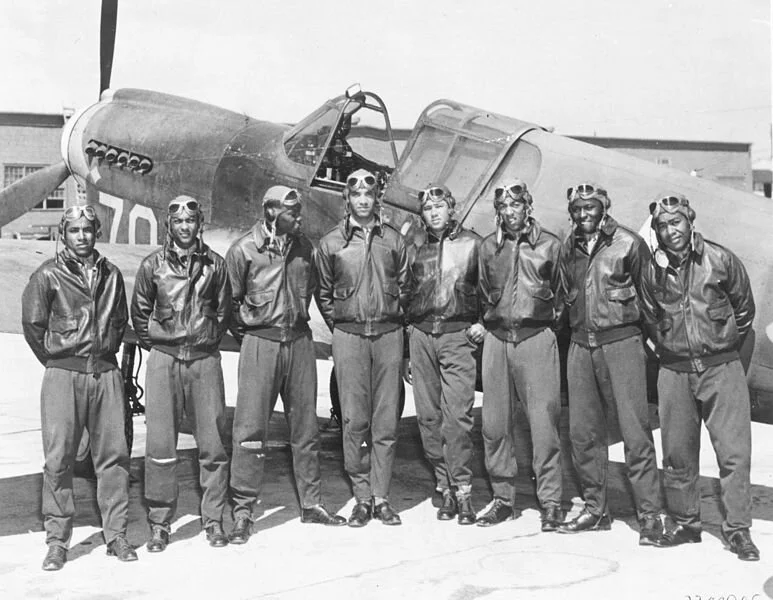
Circa 1942, the Tuskegee Airmen pose in front of their aircraft. Signaleer. Public Domain.

The African American Military History Museum educates the public about African American contributions to the United States’ military. During World War II, the building functioned as a segregated club for African American soldiers. Transformed in 2009, the museum now commemorates the courage and patriotism of Black soldiers, who have served in every American conflict since the Revolutionary War. Artifacts, photographs and medals tell the story of how African Americans overcame racial boundaries to serve their country. For instance, the World War II exhibit features the Tuskegee Airmen, the first African American soldiers to successfully enter the Army Air Corps. 

9. National Voting Rights Museum and Institute - Selma, Alabama 

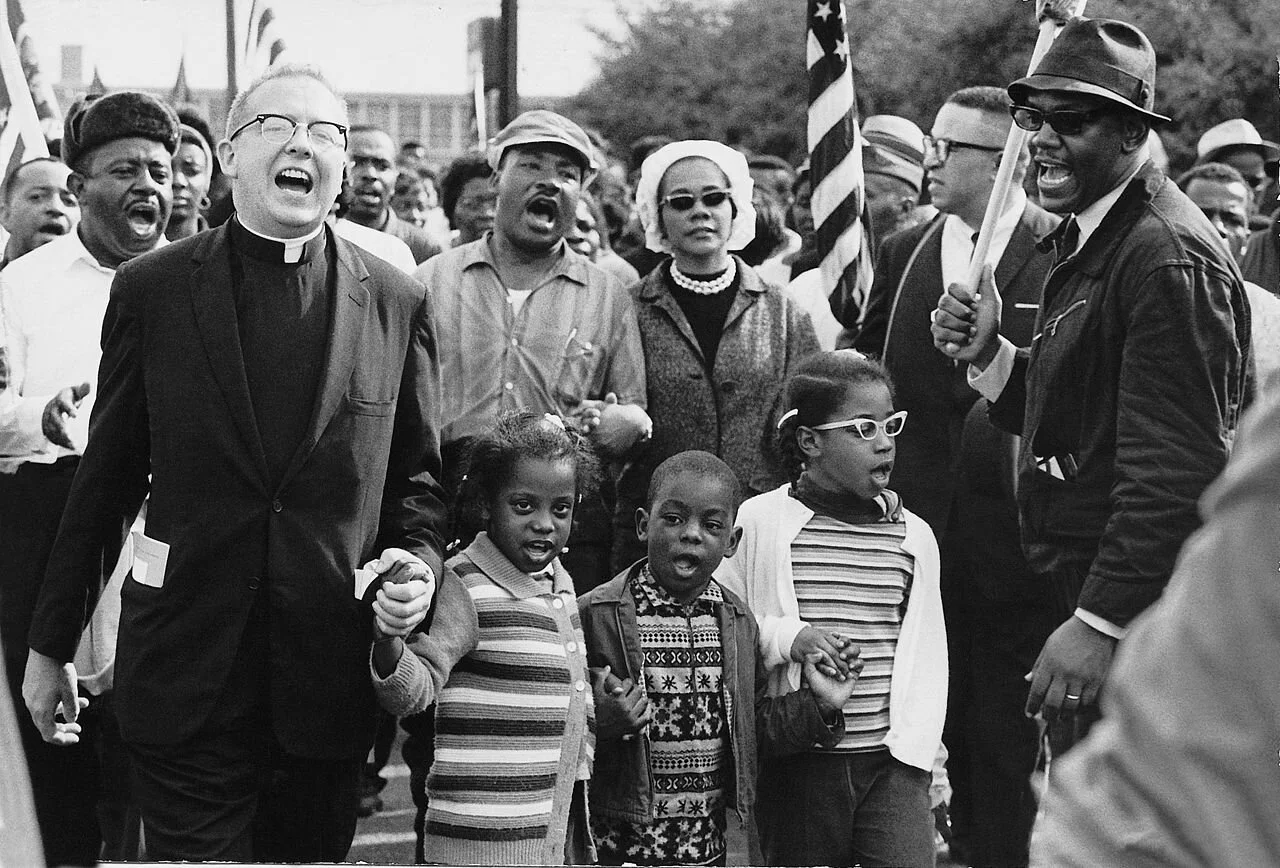
The 1965 march from Selma to Montgomery for the right to vote. Abernathy Family. Public Domain.

In the historic district of Selma, Alabama, the National Voting Rights Museum and Institute honors the movement to end voter discrimination. With memorabilia and documentation, the museum illustrates the struggle of Black Americans to obtain voting rights. In 1965, nearly 600 civil rights marchers crossed the Edmund Pettus Bridge, hoping to reach Montgomery. However, the day became known as “Bloody Sunday” as local law enforcement attacked peaceful protesters with clubs and tear gas. While the Voting Rights Act of 1965 outlawed voting practices that disenfranchised African Americans, many believe voter suppression still exists through strict photo ID laws for voters, a failure to provide bilingual ballots, and ex-felon disenfranchisement laws. By educating the public, the museum hopes to forever dismantle the barriers of voting in the United States. 

10. National Underground Railroad Freedom Center - Cincinnati, Ohio

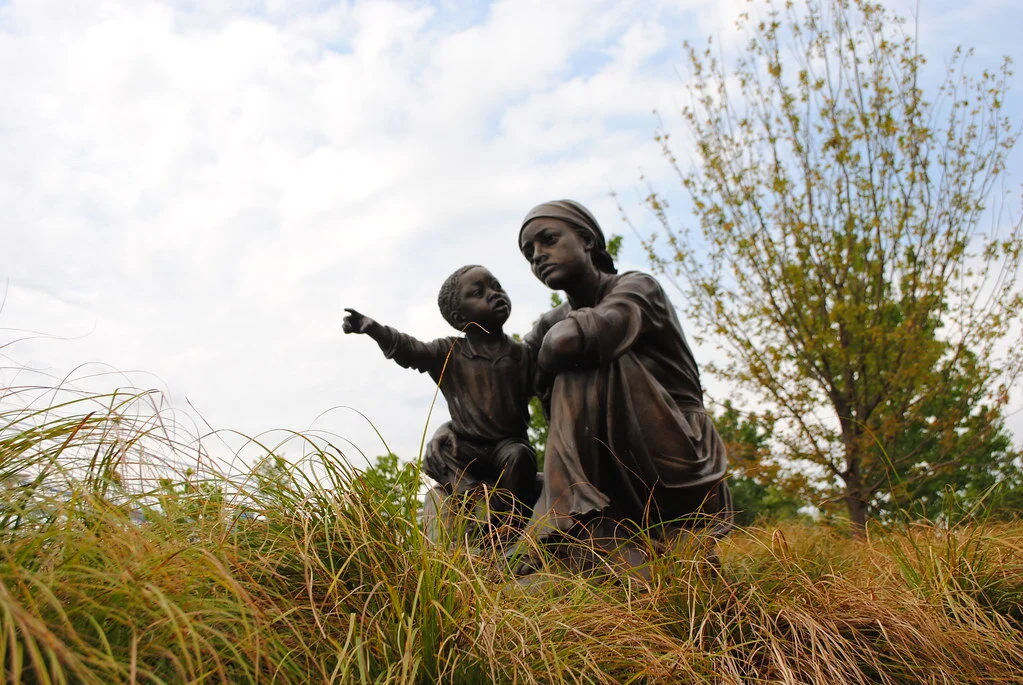
On the banks of the Ohio River, a statue depicts a mother and her child escaping slavery. Living-Learning Programs. CC BY-NC-ND 2.0

Near the Ohio River, where thousands of slaves traveled in search of freedom, the National Underground Railroad Freedom Center reveals the ongoing struggle for autonomy. From the historical vantage point of the Underground Railroad, the museum promotes the modern abolition of slavery. Due to widespread human trafficking, nearly 40 million people are currently enslaved around the world. As stated on the museum’s website, “Despite the triumphant prose of our American history books, slavery didn’t fully end 150 years ago. Today and throughout time, people around the world have struggled for their freedom. Yet, as forms of slavery evolve, so do the imaginations of those fighting for freedom.” Through artifacts, photographs and first-person accounts, the museum introduces the men and women who have resisted slavery. “Invisible: Slavery Today” is the world's first permanent exhibition on the subjects of modern-day slavery and human trafficking, challenging and inspiring visitors to promote freedom today. 


Shannon Moran

is a Journalism major at the University of Georgia, minoring in English and Spanish. As a fluent Spanish speaker, she is passionate about languages, cultural immersion, and human rights activism. She has visited seven countries and thirty states and hopes to continue traveling the world in pursuit of compelling stories.

COVID-19 Further Complicates Kenya’s Health Care System

Kenya is facing a double burden of communicable and noncommunicable diseases. Clustering of infections, such as HIV and tuberculosis, and noncommunicable diseases, such as diabetes and high blood pressure, renders Kenyans vulnerable to COVID-19. This has pressured an already overstretched health care system.

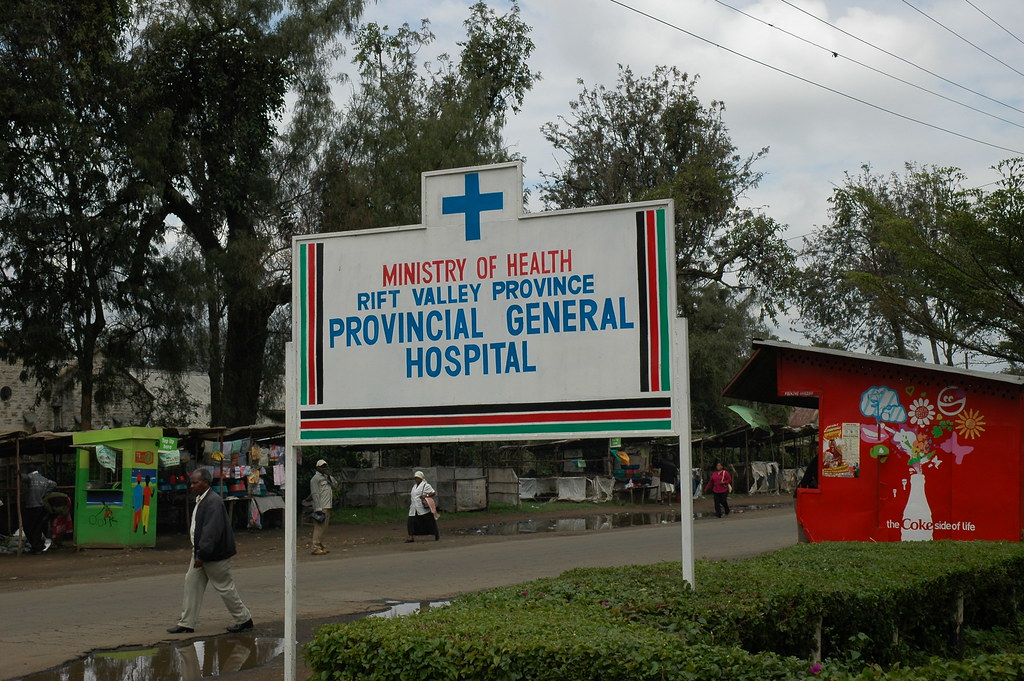
Hospital entrance sign in Kenya’s Rift Valley province. Melanie K Reed. CC BY-NC-ND 2.0

In mid-March, shortly after Kenya’s first confirmed COVID-19 case, the word “corona” began circulating around western Kenya’s villages. Young people used the word as a novelty, and the overall population remained preoccupied with existing illnesses. “This is a disease for whites,” said Sylvanus, a local father of seven. When calling after white people on the street, children replaced their traditional “mzungu!” (white person) with “coronavirus!” At this point, Europe was the pandemic’s epicenter. Kenyans felt that this foreign virus was removed from their world. 

However, Kenya’s high prevalence of preexisting health conditions renders a significant portion of the population immunocompromised and therefore vulnerable to the coronavirus. In a country experiencing health issues such as HIV, tuberculosis, diabetes and malaria, the pandemic has posed a threat to an already fragmented health care system. Although less than 4% of Africa’s population is over the age of 65, countries such as Kenya have seen high coronavirus mortality rates. 

Global evidence shows that people with underlying medical conditions are at a greater risk from COVID-19. In 2019, half a million Kenyans were living with diabetes, and over half of accounted deaths were associated with noncommunicable diseases. Currently, Kenya’s health care system is structured to manage individual diseases, rather than multiple ones. Because patients frequently carry more than one health condition, the health care system has been overstretched and inadequate. HIV, tuberculosis and malaria treatments are easily accessible, but noncommunicable diseases such as diabetes and cancer often go undiagnosed, and care is costly. The COVID-19 pandemic has exacerbated these shortcomings, as social distancing restrictions prevent Kenyans from accessing medical resources, and a surge of coronavirus cases imposes a double burden of disease. Additionally, front-line workers with undiagnosed, chronic illnesses have critically compromised their health, and hospitals have dealt with equipment shortages. 

Transcontinental travel has heavily contributed to the increase in COVID-19 cases across Africa. In order to minimize Kenya’s number of infections, President Uhuru Kenyatta stopped all flights from Europe. Kenyatta also imposed a national curfew and restricted movement between populated areas. Domestically, middle-class, urban dwellers have carried the virus into rural areas. On Kenyan television, villagers have urged educated, urban residents to remain in the city, instead of threatening the lives of others. 

In African countries, lockdowns are nearly impossible to implement because they would spur social and economic crises. Many people rely on cash earned daily to sustain themselves and their families. A strict lockdown would result in poverty and starvation. Kinship systems also play a crucial role in social welfare, as relatives care for one another. For people already barely getting by, cutting these social ties would be dangerous. Finally, a lockdown would interrupt the supply chains of essential drugs, preventing access to tuberculosis, HIV and malaria treatments. 

According to several African presidents, developed countries are failing to fulfill their pledges of financial support and debt relief. Throughout the pandemic, outside aid has not met the continent’s needs. While wealthy countries in the global north have funneled trillions of dollars into their own stimulus packages and health initiatives, the global south cannot afford such measures. With limited testing capacity, Africa has not confirmed many of the world’s COVID-19 cases, but the continent has been grossly affected by the economic crisis and global trade disruptions. Furthermore, the global shortage of testing kits, hygienic material and personal protective equipment has left developed countries vying for their own supplies, without consideration for underdeveloped nations. 

Anna Wood

is an Anthropology major and Global Health/Spanish double minor at Middlebury College. As an anthropology major with a focus in public health, she studies the intersection of health and sociocultural elements. She is also passionate about food systems and endurance sports.