

What is Ableism?
“Ableism is the discrimination of and social prejudice against people with disabilities based on the belief that typical abilities are superior.” Ableism rears its ugly head in our society every day through large discriminatory practices such as the eugenics movement as well as minor ableism that is utilized when assuming someone’s disability must be visible for it to be a disability. On a day-to-day basis people with disabilities (or disabled people as some in the community prefer to use identity-first language) endure ableism and now during the COVID-19 pandemic they are facing ableist rationing practices.
Triage and It’s Ableist Undercurrents
Disability activists have been speaking up about how many of the guidelines and criteria for triage during the COVID-19 pandemic are proving to be ableist. As Elliot Kukla puts it, “This is not an unusual triage decision to make in wartime or pandemics; our lives are considered, quite literally, more disposable.” Various states are under fire for their ableist triaging policies, with many of them receiving federal complaints from a coalition of national disability advocates including the Center for Public Representation, The Arc of the United States, Bazelon Center for Mental Health Law, Autistic Self Advocacy Network, Disability Rights Education and Defense Fund, and University of Michigan law professor Samuel Bagenstos. In Alabama, the state’s policy (which has since been retracted following retaliation from disability advocates) conceded that “individuals may be excluded under Tier 1 with … functional domains include cognitive, neurological, and psychosocial. For example, persons with severe mental retardation, advanced dementia or severe traumatic brain injury may be poor candidates for ventilator support.” In New York, where the virus hit the hardest in the U.S., a doctor made the decision to take a non-COVID and terminally ill patient off a ventilator to save another patient with COVID. This disregards the fact that many disabled people are already living with the use of a ventilator.
Statements and Solutions from the Disability Community
In an op-ed from The New York Times, disability rights activist and author Ari Ne’eman says that, “While many disabled people need ongoing medical care, many doctors view life with certain disabilities as unworthy of living. Disabled people who require ongoing ventilator care and other forms of expensive lifelong assistance are used to being asked by medical professionals if they would rather abandon life-sustaining treatment — often with the clear implication that ‘yes’ is the right answer.” These experiences are not an anomaly among the disabled community, as disability activist Alice Wong argues that, “Eugenics isn’t a relic from World War II; it’s alive today, embedded in our culture, policies, and practices. It is imperative that experts and decision-makers include and collaborate with communities disproportionately impacted by systemic medical racism, ageism and ableism, among other biases.”
Others such as Joseph Stramondo, a philosophy professor at San Diego State University, are focusing on creating a paradigm shift in the way professional bioethicists respond to the coronavirus pandemic. He advises against using deeply biased quality of life judgment due to there being “a significant body of empirical evidence showing that there is a substantial gap between a disabled person’s self-assessment and how their quality of life is judged by folks that have never experienced their disability.” He furthers the discourse by highlighting Shelley Tremain, a feminist philosopher who studies disabilities and hopes to push the conversation away from just fixing triaging protocols. “The primary object of our analysis seems to sanction the idea that these hard choices are inevitabilities,” Tremain writes of triage practices. Instead, bioethicists “should be putting our energy behind efforts to reduce the need to make such choices at all.”
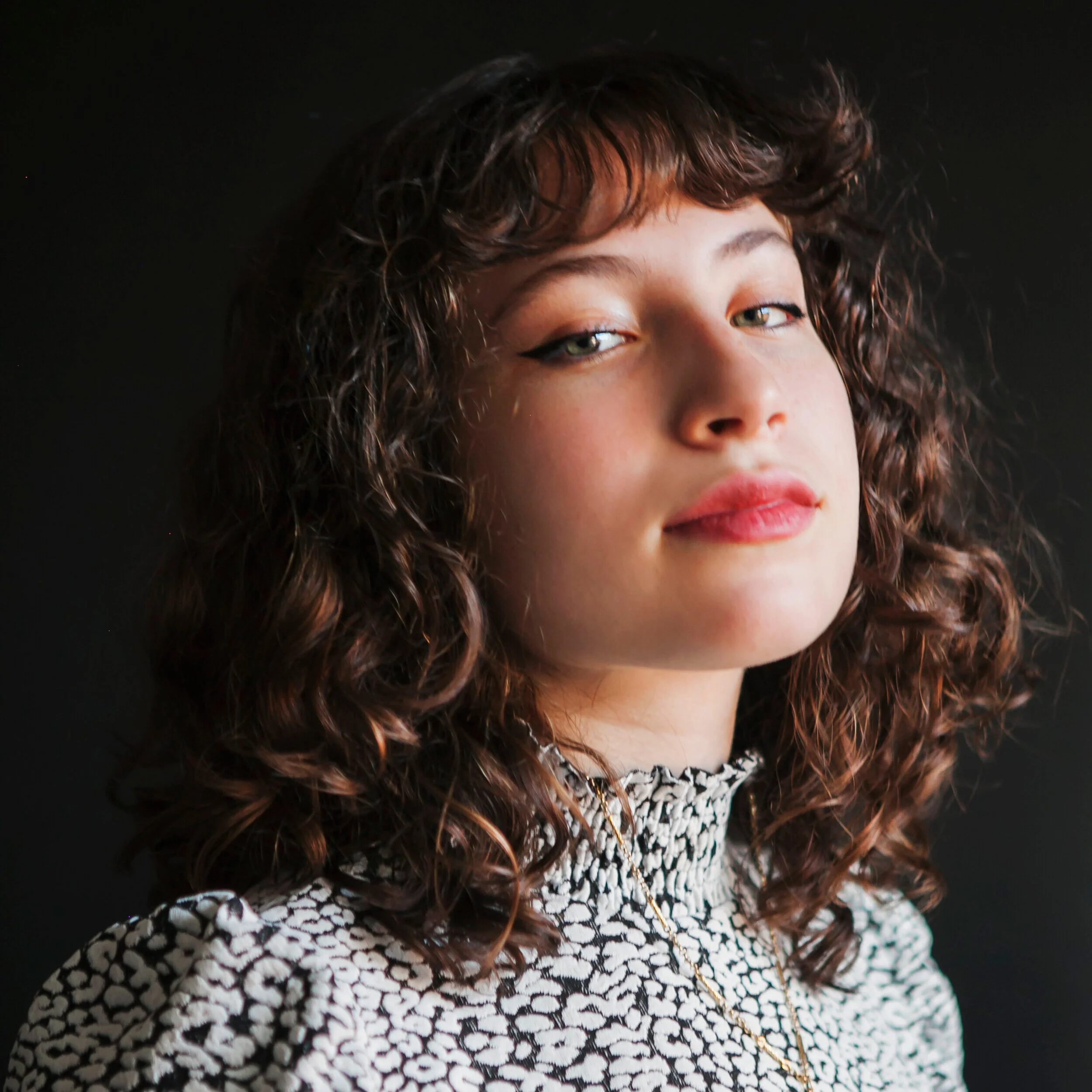
Hanna Ditinsky
is a sophomore at the University of Massachusetts Amherst and is majoring in English and minoring in Economics. She was born and raised in New York City and is passionate about human rights and the future of progressivism.