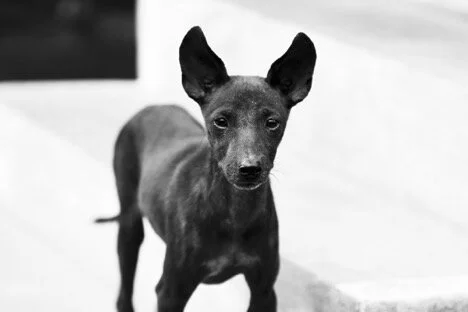
Selective breeding has produced many of the dog breeds we know and love today, but also poses a serious threat to their safety.

Great Danes are selectively bred in order to maintain their large size. Paul Brennan. CC0.
Out of the over 300 dog breeds alive today, many are the result of a process called selective breeding. Dating back almost 200 years, the practice has resulted in many of these breeds developing significant health problems as a result of their breeding. Breeders bred dogs to create or accentuate physical characteristics that were considered aesthetically pleasing to their customers, like the tiny physiques of toy and teacup poodles or the flat faces of French bulldogs.
Selective breeding describes the specific selection of dogs to mate in order to produce a litter with specific traits. In theory, this will allow breeders to add, remove or change various characteristics of the offspring depending on what their clients are looking for. This, of course, takes place in contrast to natural breeding which is when the mating process between the dogs is left up to them.
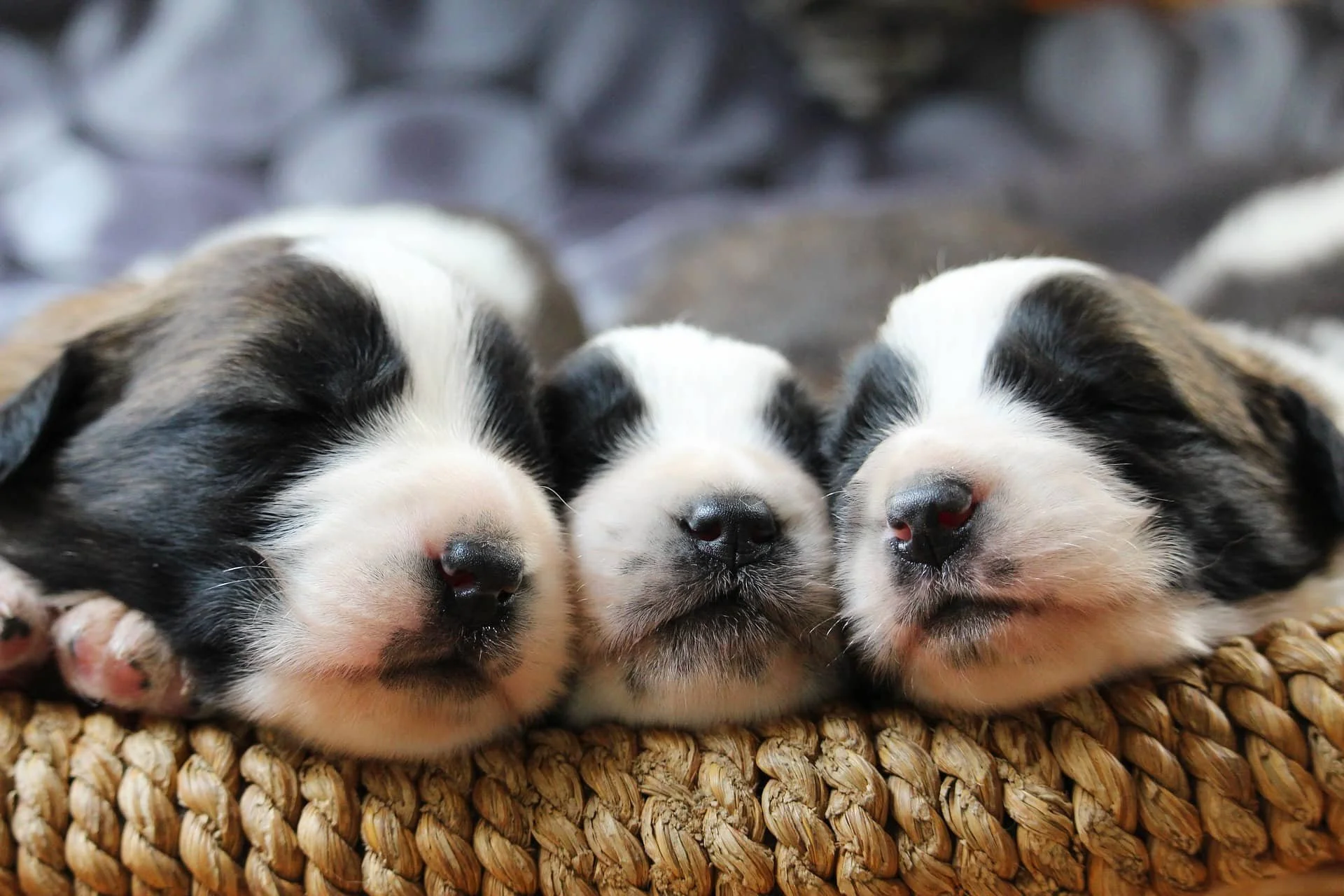
A newborn litter of purebred St Bernard puppies at a breeding center. Royvon. CC BY-NC 2.0.
The motivations behind selective breeding fall broadly into two categories, the first being the desire to breed purebred dogs. In order to have a litter of purebred puppies, breeders must ensure that both parents come from pure lineages of the breed in question. This type of breeding largely occurs when buyers are looking to show their dogs at competitions, although some may simply have a preference for purebreds.
The second main cause of selective breeding has to do with the addition, removal or reinforcement of certain traits. By mating a dog that displays a certain dominant trait with one that doesn’t, breeders can introduce the trait into the lineage. Similarly, if breeders are trying to produce dogs that are specifically skilled in certain areas -- hunting, trainability or strength, for example -- they will likely choose to mate dogs that display these traits in order for the offspring to receive them as well. Conversely, by mating a dog with an undesirable trait with a dog that doesn’t, it will be much less likely for the offspring to display the trait. This last technique is often done when breeders are trying to remove traits for certain heritable diseases.

Teacup poodles are the product of selective breeding and are also at risk of a large variety of health problems because of their miniature size. Animal Corner. CC BY-NC-ND 2.0.
While there can be benefits to selective breeding like preventing the inheritance of certain disease-causing genetic traits, the process is still a very controversial one because of the many dangers associated with it. Most prominently among these are the many unethical breeders who treat their dogs very badly in order to maximize the production of offspring. Because selective breeding can be a very lucrative business, especially when producing purebred puppies that will go on to compete, it is extremely important to choose a breeder who prioritizes the health and safety of the dogs over their profit. It is also very important to find breeders who don’t engage in inbreeding (forcing dogs who are related to one another to mate), as this can cause a variety of health problems ranging from decreased immunity to genetic disorders.
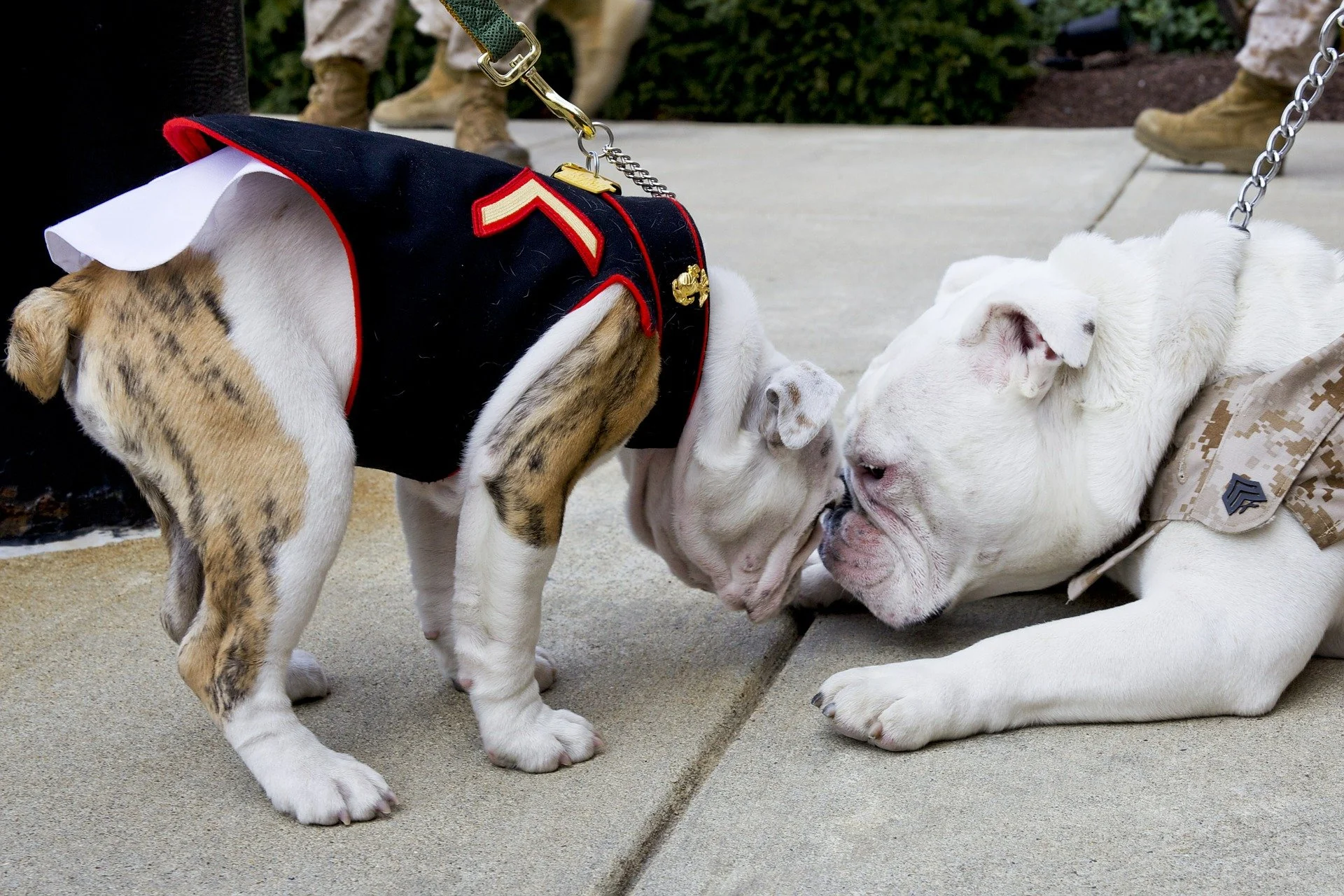
Bulldogs are one of the many breeds of dog that have arisen from selective breeding. Stockvault. CC0.
Breeding dogs that are too genetically similar can also worsen pre-existing health conditions in the parent dogs. A very common example of this occurs in bulldogs which were selectively bred in order to accentuate their stout physiques. Their skulls were enlarged, snouts and legs shortened and underbite exaggerated, all to produce a dog that looked appealing to customers. The breeding is so extreme that almost 95% of bulldog births must be achieved by Cesarean section because the puppies’ heads are too large for the mother to give birth naturally. Their flattened faces tend to cause respiratory problems, while their excessive folds of skin can result in skin infections and eyelid problems. Their forcibly shortened limbs and tails often develop joint problems, and their eyesight may also be compromised due to the weight of the excessive skin around their faces.
All of these health issues can be directly traced back to the selective breeding that created the breed in the first place, and bulldogs are just one of many such examples. Until money stops flowing into the industry however, putting a complete end to selective breeding will prove extremely difficult.
TO GET INVOLVED
Many animal rights groups have long been advocating for the end of selective breeding given the potential risk to the dogs. Prominent among these are People for the Ethical Treatment of Animals (PETA), a group which has long demonstrated against animal abuse and the wrongful breeding practices. The Dog Breeding Reform Group (DBRG) has published a number of welfare reports on the state of dog breeding in the UK. The Universities Federation for Animal Welfare (UFAW) also provides a number of resources to prospective pet owners about the dangers of selective breeding and better alternatives.
To discover more about PETA’s position, click here.
To read the DBRG’s welfare reports, click here.
To explore the UFAW’s resources, click here.