
Sudan is facing what the U.N. has called the world’s largest humanitarian crisis as a result of its ongoing civil war.
Read MoreUAE Denies Sudan’s Claim of Destroyed Arms-Laden Aircrafts
The August plane strike reveals a silent Emirati push for regional dominance, leaving Sudan’s starving civilians and “forgotten war” in the hands of external powers.
Read MoreCameroon: A Neglected Refugee Crisis
As both external and internal conflicts rage across Cameroon, the country’s refugee struggle has been overlooked, worsening without adequate aid or media attention.
Read MoreTrump Pushes for Deportation to an Active War Zone
The recent Supreme Court-approved U.S. deportation of eight men to war-torn South Sudan led to legal, ethical and human rights debates.
Read MoreKenya Protests: The Cost of Dissent
The roots of Kenya’s political crisis are echoed as protests shake the nation.
Read MoreFrom Chalkboards to Changes: My Experience Teaching in Rwanda
Inside a Rwandan village school where students, teachers and volunteers are reshaping education — together.
Read MoreIbrahim Traoré: The Making of a Modern Anti-Colonial Icon in Africa
At age 37, Ibrahim Traoré, Burkina Faso’s young leader, is going viral for his pan-African speeches and anti-Western stance. Still, his ties to Russia raise difficult questions about sovereignty and influence in West Africa.
Read MoreReclaiming the Chagos Islands: Unraveling the Colonial Legacy of Mauritius
The significant return of the Chagos Islands, after centuries of British control, serves as a poignant reminder of the legacy of colonialism and the ongoing hurdles that must be overcome.
Read MoreHow IVF Could Get Rhinos Off the Endangered Animal List
Before Sudan died in 2018, scientists collected his sperm in hopes of developing an embryo that would carry on the species. In December 2019, eggs from Najin and Fatu were harvested and sent to the same lab as Sudan’s sperm. It is here that scientists toyed with the idea of in vitro fertilization (IVF) for rhinos.
Read MoreGeneration Z Quits Vaping for the Congo
Rampant child labor in the Congo has ignited an ethical social movement among Generation Z.
Read MoreThe Hidden Climate Cost of Namibia and Botswana’s Oil Refinery
Energy independence for southern Africa could boost local economies, but oil refinery aspirations hold a hidden cost, contributing to greater climate issues.
Read MoreThe Impact of Authoritarianism on Food Insecurity in Chad
Food insecurity and the authoritarian regime in Chad have denied many individuals and communities access to fundamental human rights.
Read MoreTrash to Treasure: A Tour Through Cairo’s Garbage City
Take a guided walk through Cairo’s Garbage City and discover how one community is turning waste into a way of life.
Read MoreMorocco: A Colorful Tapestry of Heritage and Natural Beauty
Morocco is a land of contrasts, from the vastness of the Sahara to the intricate mazes of its ancient medinas. Each moment spent here is like stepping through the pages of a vividly illustrated storybook, where every corner promises a new adventure
Read MoreThe Supernatural Role of Masks in Nigeria’s Yoruba Tribal Culture
Julia Kelley
Whether the feminine celebration of the Gelede mask or the spiritual transformation through the Egungun mask, these cultural objects perform an imperative role in the Yoruba people’s religious culture.

Egungun Festival Masks. Fermi12. CC BY-SA 4.0.
African masks have been functionally used for thousands of years. Recognized for their supernatural qualities, they transform wearers into new entities, symbolize animal or ancestor spirits, mythological heroes, or moral values, and can even be a way of honoring specific individuals. Moreover, specific ceremonies and masks act as visual representations of local customs. With a vibrant music and dance tradition, the Yoruba people are known for their notable mask culture. The Yoruba are one of Nigeria’s largest ethnic groups, mainly concentrated in the southwestern part of the country but also found in smaller groups throughout Benin and Togo. For over 1,500 years, they have also been defined by their advanced urban kingdoms, strong economy and unique artistic tradition. Ceremonies are imperative to their way of life; vibrant festivals, rituals and weddings display cultural pride, celebrate history and connect the physical realm to the spiritual. Beyond the symbolic instruments and costumes used during these occasions, masks are also extremely vital due to their mystic transformative qualities.
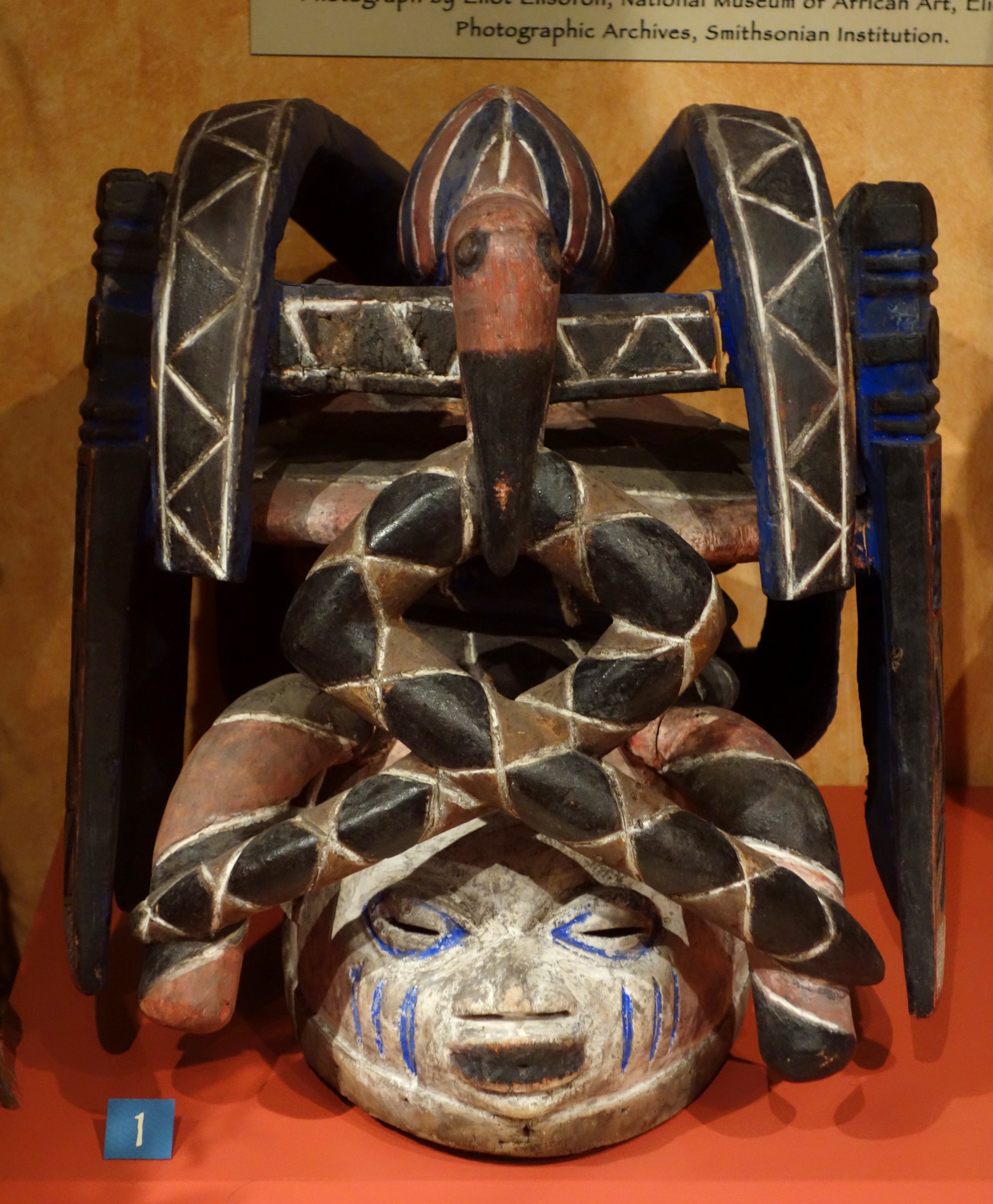
Gelede Mask With Animal Figure. Daderot. CC0 1.0.
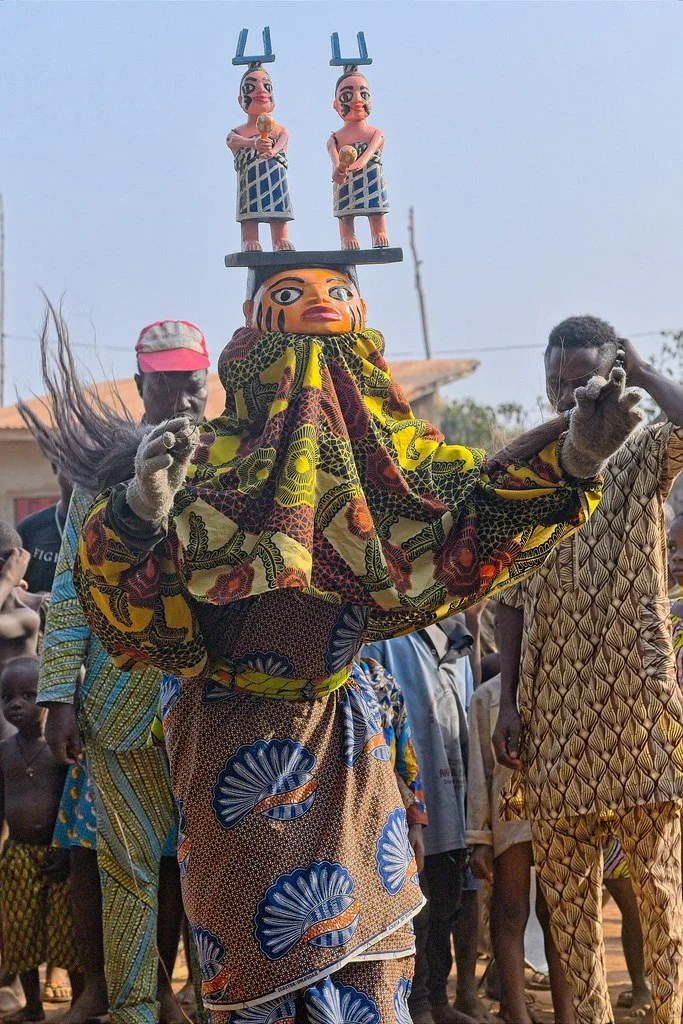
Gelede Dance. dave massie. CC BY 2.0.
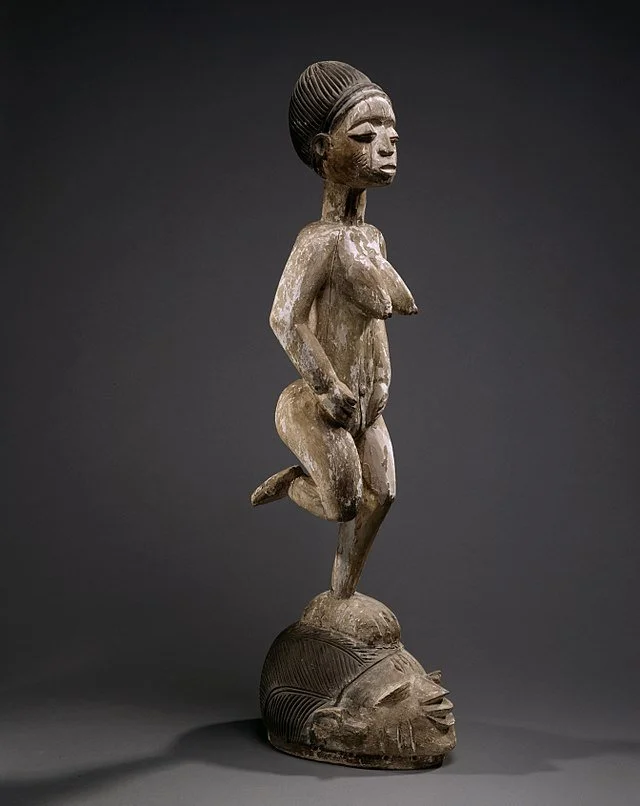
Gelede Mask With Woman Figure. Kugbenu (Vervaardiging). CC0.
However, when and how masks are used depends on their corresponding festivals. The Gelede mask, for example, is used during the Gelede dance. This ceremony is performed as a way to pay tribute to the primordial mother Iyà Nlà and recognize women’s role in social organization and development. Retracing the history and myths of the people, the Gelede takes place annually after harvests and during times of drought and epidemics. The masks, adorned with intricate motifs and vibrant colors, are worn as a way to honor “mothers,” or good witches who have power over bad ones, in their efforts to protect the community from negative forces. Individual masks reflect local traditions, such as through unique facial markings or figures included on the masks.
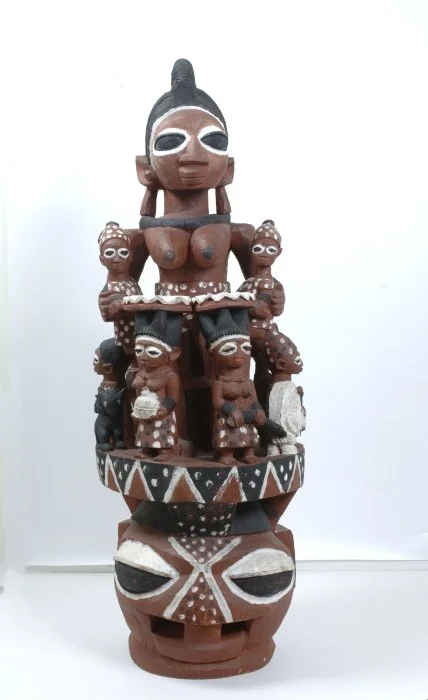
Epa Festival Mask. Beeldhouwer / sculptor: Jospeph Agbana. CC BY-SA 3.0.
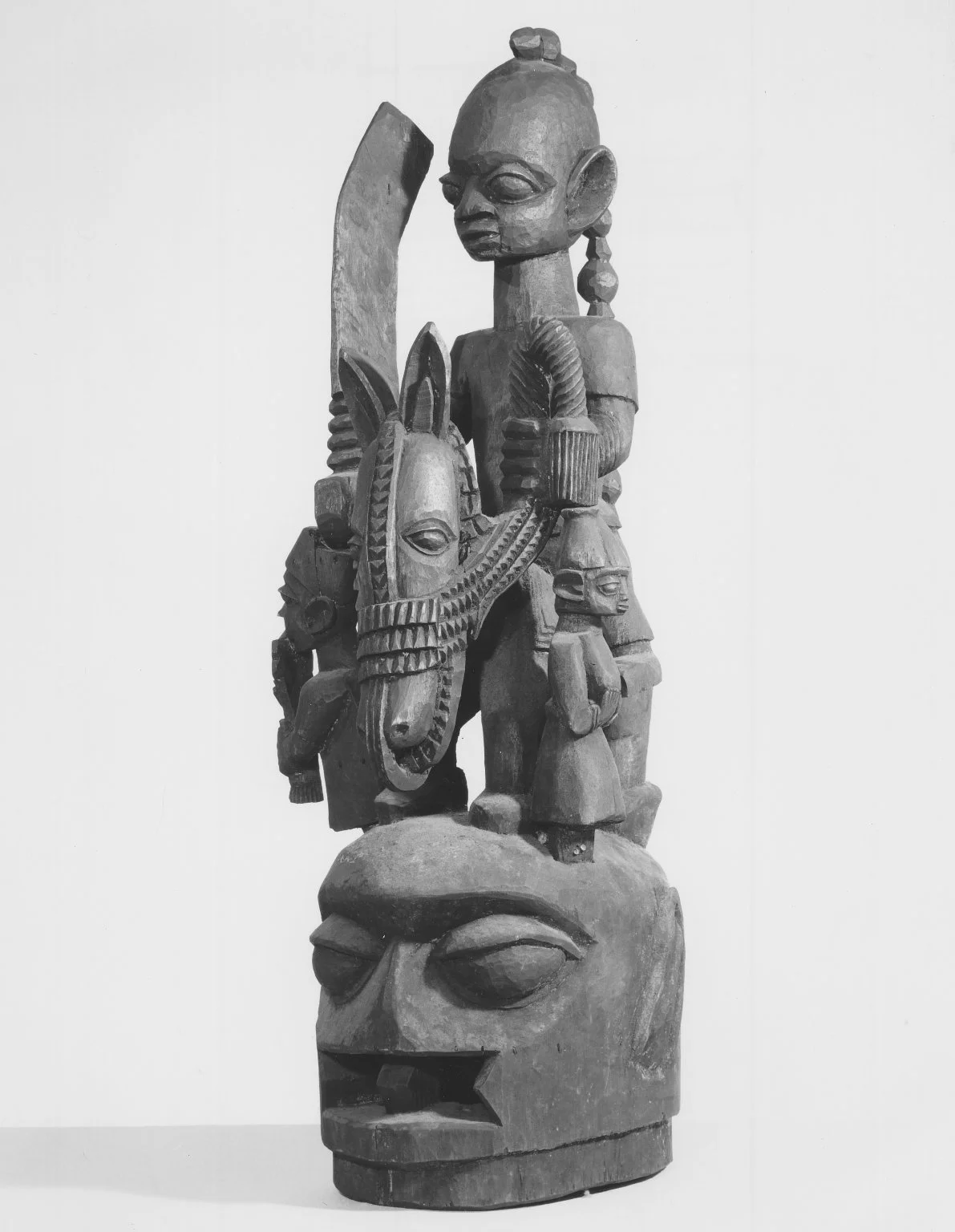
Epa Mask With Warrior Figure. Unknown author. CC BY 3.0.
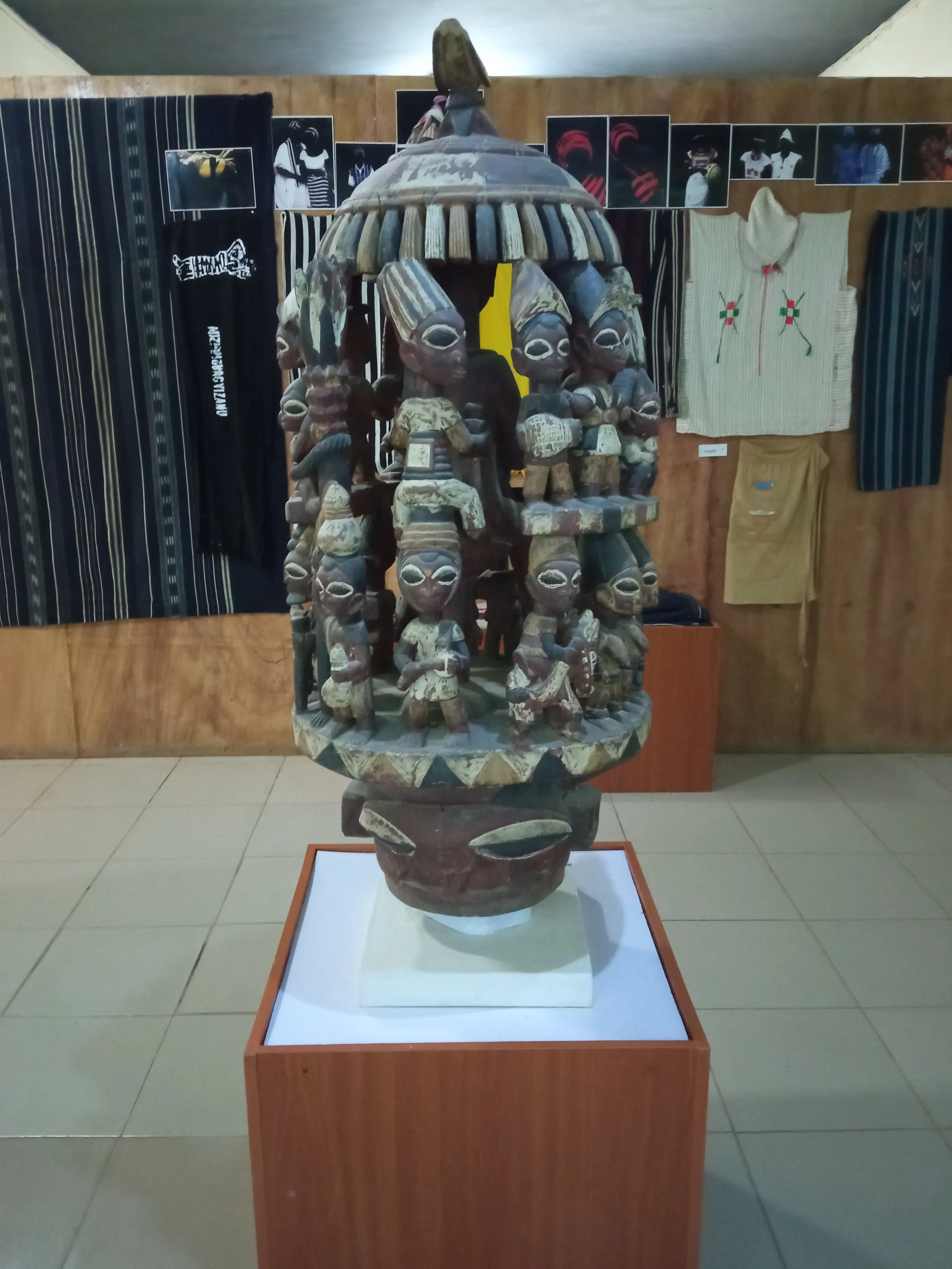
Large Epa Helmet Mask. Em-mustapha. CC BY-SA 4.0.
Epa masks are worn during yam harvest festivals by young male dancers as they leap onto mounds. The rigorous movements of this dance indicate the community’s fate over the next year; if the dancer successfully leaps, then all is well, but if not, sacrifices are made to the forces that made him fail. Leading up to these ceremonies, the masks are kept in shrines, where they are fed to increase their power and efficacy. Since they are believed to contribute to the wearer’s success, heavy weight and symbols associated with war are characteristic of these masks.
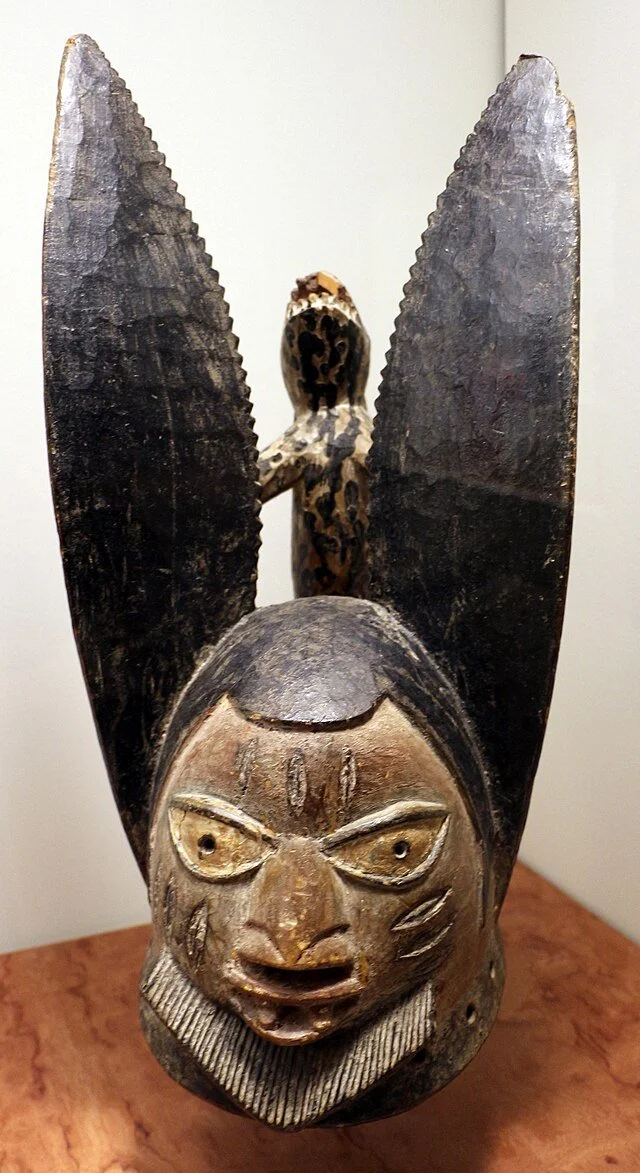
Ancestor Egungun Mask. Sailko. CC BY 3.0.

Egungun Festival. Fermi12. CC BY-SA 4.0.
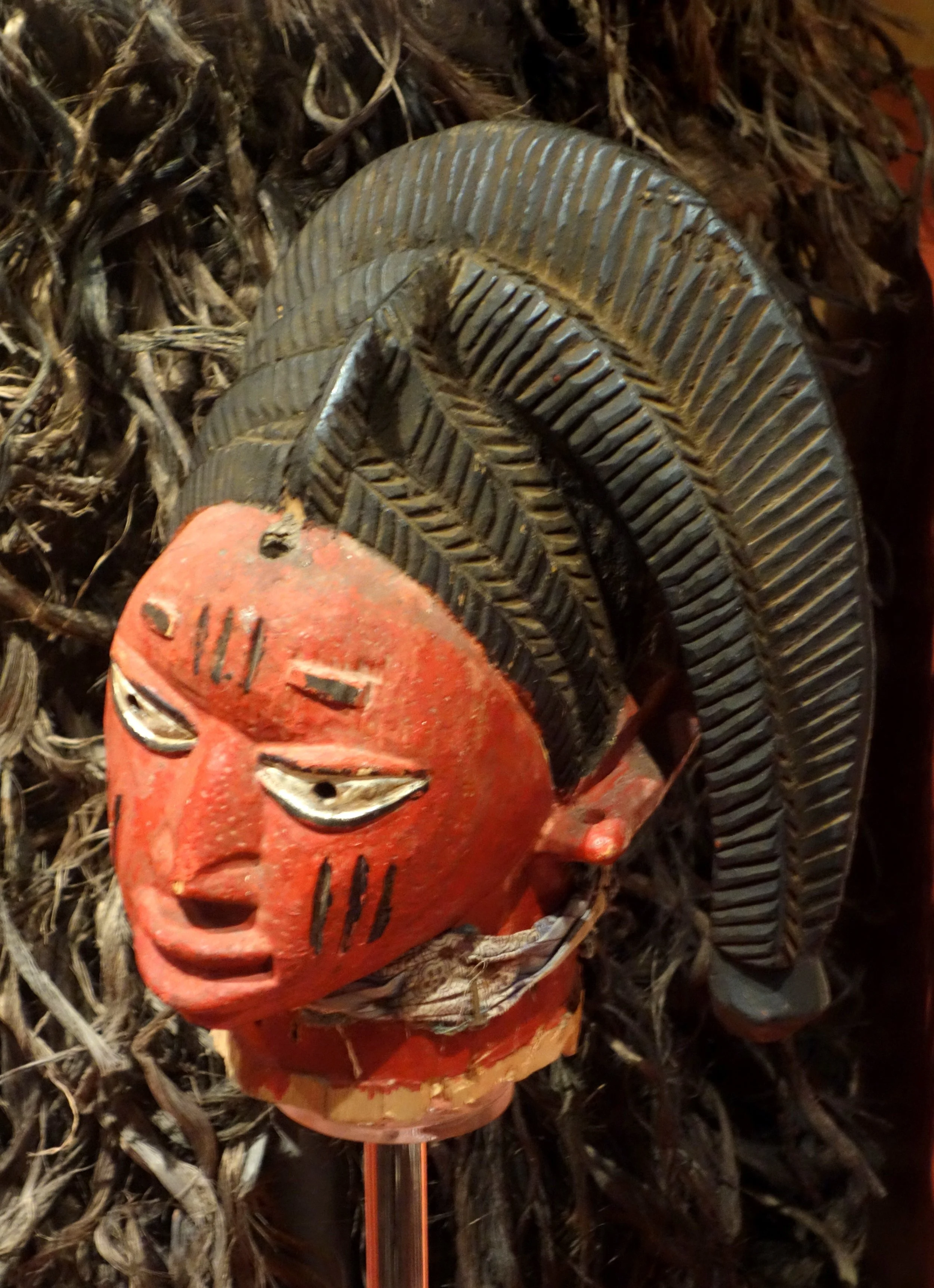
Yoruba Egungun Mask. Daderot. CC0 1.0.
One of the most important masks in their ritual culture, the Yoruban Egungun masks are worn to worship ancestors. These are used during Odun Egungun or “masquerade” festivals, during which men move through town wearing masks as they embody their ancestors. These masks act as a visual manifestation of those being depicted, offering members of the community the opportunity to strengthen their familial bonds and ask for protection or blessings.
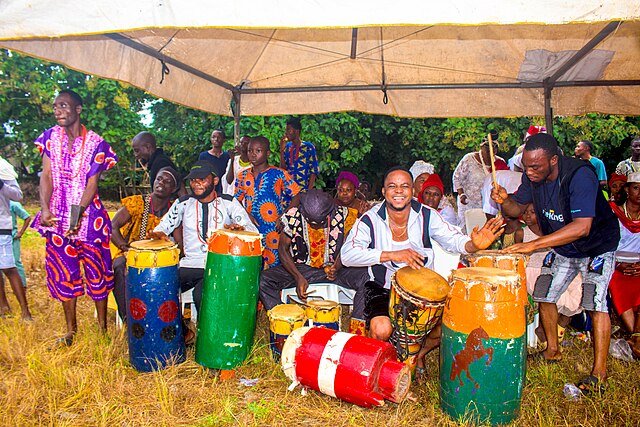
Yoruba Festival Music and Dance. Tunde Akangbe. CC BY-SA 4.0.
Developed over centuries, ceremonial masks remain a significant part of Yoruban culture. African masks have also become admired in museums worldwide for their intricate designs, but contemporary artists and historians have noted that they are exhibited mostly as ethnography. Moreover, African masks have inspired many well-known European artworks, most notably in Picasso’s 20th-century modernist paintings. This Westernization has helped shape stereotypes around African communities, decontextualizing their current cultural significance. However, as the Yoruba masks demonstrate, festivals recommence every year, and the masks continue to visually represent the community’s rich history and religious tradition.

Julia Kelley
Julia is a recent graduate from UC San Diego majoring in Sociocultural Anthropology with a minor in Art History. She is passionate about cultural studies and social justice, and one day hopes to obtain a postgraduate degree expanding on these subjects. In her free time, she enjoys reading, traveling, and spending time with her friends and family.
Cholera Outbreaks: Nigeria’s Struggle with a Reoccurring Epidemic
Julia Kelley
Poor access to clean water and underdeveloped facilities has led Nigeria to face a decades-long, deadly battle against cholera.
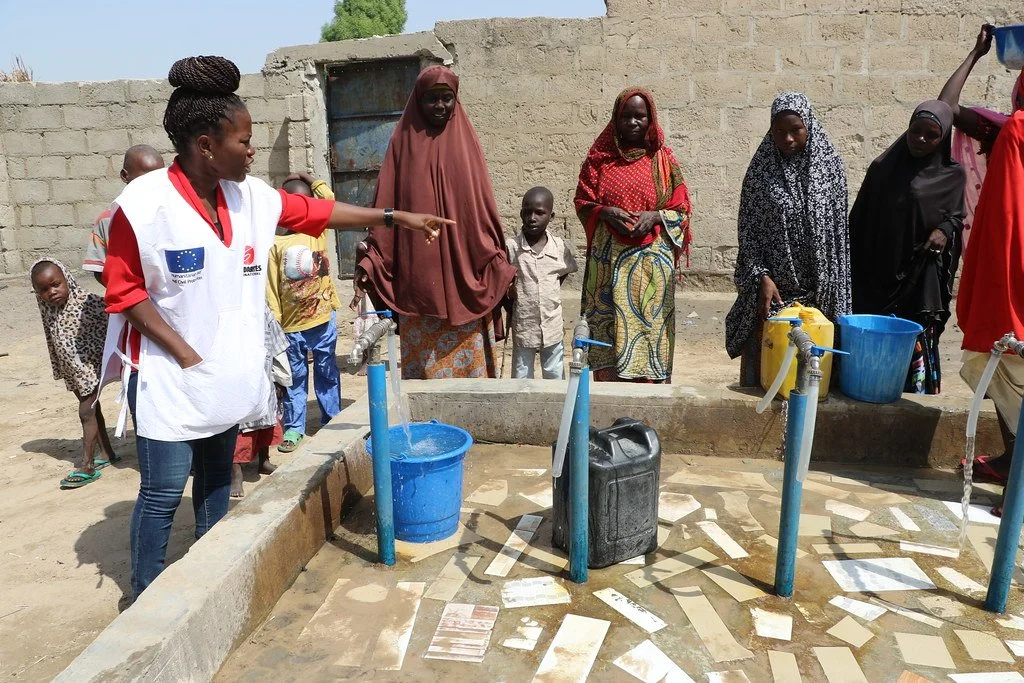
Access to Safe Water in Nigeria. EU Civil Protection and Humanitarian Aid. CC BY-NC-ND 2.0.
For decades, Nigeria has faced major cholera outbreaks throughout the country, posing a serious threat to public health. The disease, an acute diarrheal infection caused by ingesting food or water contaminated with the bacterium Vibrio cholerae, is a major indication of inequity, as well as a lack of social and economic development in the areas where it forms. Since 1972, cholera has plagued Nigeria in intermittent outbreaks that have claimed thousands of lives, the worst being in 1991, with a high of 59,478 reported cases and 7,654 deaths. Despite numerous attempts by the World Health Organization, the Nigeria Center for Disease Control and the Borno State Ministry of Health to provide support through free cholera vaccines and implement prevention and preparedness, the country continues to fight against large, destructive outbreaks.
Many factors make Nigeria especially prone to these widespread epidemics, including a lack of access to safe drinking water, a lack of infrastructure necessary for water supply and waste disposal and a lack of health facilities. Particularly in smaller communities and remote villages, sourcing clean water is a challenge that leads residents to dig their own wells. Moreover, during the dry season, these wells dry up and leave individuals only with the more hazardous alternative of shallow streams. Poor weather conditions worsen this significant obstacle to clean water and sanitation. Flooding, for example, increases food insecurity by destroying farmland, creating economic loss, demolishing sanitation facilities and contaminating sources of clean water. Several financial issues, including poor investment, funding allocation and low human capital, in conjunction with already deficient infrastructure and low community participation, also contribute to a lack of secure water infrastructure. Not only does this make for a higher potential of infection, but Nigera’s healthcare infrastructure is also underdeveloped, lacking the medical facilities and supplies necessary to treat those infected with cholera. Limited medical equipment and supplies, as well as a lack of internet connectivity, make it extremely difficult to heal patients and facilitate important reporting of cholera data.
These issues remain significant and continue to threaten the lives of Nigeria’s citizens. This is exemplified by the country’s most recent outbreak in 2024, which saw about 11,000 recorded cases and 359 deaths in October that year. Intense rains throughout the year led to widespread floods and dam breaks across Nigeria, weakening water infrastructure, destroying farmland and leaving many homeless in damaged areas, overall causing a large part of the country to be vulnerable to diseases like cholera. This most recent epidemic was met with policy and prevention program recommendations in the hope of impeding future spreads, the most critical of which being Water, Sanitation and Hygiene services. These accelerate and sustain access to safe water, sanitation services and good hygiene practices, all of which are the main deterrents of cholera spread. While this strategy proved effective when instituted by the Nigerian government during the 2018 outbreak, it still requires increased government funding and outside investment to remain effective. Public health and safety continue to endure disadvantages, as the threat of cholera looms over the country.
GET INVOLVED:
For those looking to get involved in supporting the fight against cholera outbreaks in Nigeria, check out organizations such as WaterAid, Bread and Water for Africa, Save the Children and The Water Project, groups focused on supplying safe drinking water and sanitation to Nigeria, as well as many other countries in Africa. In addition, organizations like Doctors Without Borders, the World Health Organization, ICAP Global Health and Gavi, The Vaccine Alliance provide medical support to cholera patients in Nigeria and contribute to the development of disease control and prevention.
Julia Kelley
Julia is a recent graduate from UC San Diego majoring in Sociocultural Anthropology with a minor in Art History. She is passionate about cultural studies and social justice, and one day hopes to obtain a postgraduate degree expanding on these subjects. In her free time, she enjoys reading, traveling, and spending time with her friends and family.
How Congo and Rwanda Arrived at the Brink of War
In their fight over marginalized peoples and access to rare minerals, the Congolese military and Rwanda-backed rebels risk triggering a broader regional war in southeast Africa.
Read MoreGhanaians Knee Deep in Clothing Waste
Ghana is struggling with the overwhelming influx of textile waste from the fast fashion industry, with millions of garments dumped each week, much of it unfit for resale
Read MoreChild Slavery in Congo’s Cobalt Mines
The world’s high demand for cobalt mining has led to the exploitation of child labor in the Congo.
Read MoreUS Declares Genocide in Sudan
After two years of famine, disease, and misery, the U.S. has given an official deemed the ongoing conflict in Sudan as genocide.
Read More