
Alex Jung
Food insecurity and the authoritarian regime in Chad have denied many individuals and communities access to fundamental human rights.
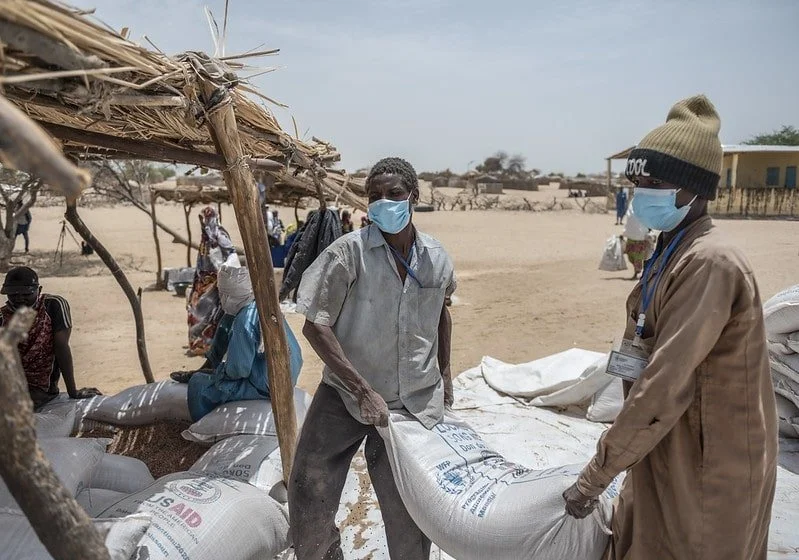
Food Insecurity in Chad. Andrew Caballero-Reynolds. CC BY 2.0
According to the United Nations’ Article 25 of the Universal Declaration of Human Rights, “everyone has the right to a standard of living adequate for the health and well-being,” including the right to food. However, malnutrition, famine and hunger have been prominent issues in many developing nations worldwide. Chad, a country in north central Africa, is a nation that has suffered greatly for many years due to a lack of food availability and droughts. Additionally, the issue of food insecurity has received little attention and action from the state government. Chad scored only 1/40 in terms of political rights and 14/60 in civil liberties in the 2024 Freedom in the World report, showing the restrictions on citizens in the fight for their fundamental human rights.
Famine is a serious global issue. One person dies of hunger every four seconds. Experts from the World Food Programme claim 1.9 million children are malnourished in Chad. 44.8% of citizens also live below the poverty line. Chad relies heavily upon agriculture, and many citizens rely on subsistence farming and raising livestock as a way to live. The severity of the issue is also reinforced by global data, including the Global Hunger Index, which ranked Chad 125th out of 127 nations studied in terms of undernourishment, child stunting, child wasting and child mortality. A significant factor in the increase in food insecurity is climate change. Lake Chad shrank by 90% between the 1960s and 1990s, highlighting the devastating loss of freshwater availability. Additionally, Chad has experienced severe flooding as well. In 2024, 3.5 million people were affected by flooding, with 265,000 hectares of land flooded.
Food insecurity within the state has not improved significantly in recent years. Since 1996, Chad has been ruled by a dynastic, authoritarian regime. Mahamat Idriss Deby became the president of Chad on May 24, 2024, following his father, Idriss Deby Itno, who had ruled the nation from 1996 to 2021. In 2022, Deby declared a food emergency within Chad. However, due to the political instability within the nation, the issue of food insecurity has often been overlooked. The opposition leader was assassinated in the election leading up to Mahamat Idriss Deby's transition into power. The priorities from the Chad government have been more greatly focused on security, including military operations against rebels. With a lack of civil liberties and political freedom, the nation has required support from external organizations.
Non-governmental organizations and Intergovernmental Organizations have been critical in combating the food security issue in Chad. For example, the World Food Programme has assisted 2.5 million people by providing people with food and nutrition support. Action Against Hunger has been supporting over 700,000 people since 1981 by providing citizens with water and sanitation. HIAS has been supporting refugees affected by floods with necessities and has also partnered with local Chad organizations. Besides the organizations listed, there have been great efforts from many apolitical organizations supporting citizens of Chad. However, ongoing efforts are still required as the number of refugees and malnourished continues to rise.
GET INVOLVED:
For anyone looking to support those affected by malnourishment, flooding, and droughts in Chad can do so by checking out the following organisations: Action Against Hunger, Concern Worldwide, The World Food Programme, CARE and Solidarite International. All of these organizations have been actively involved in providing resources, including food, water and sanitation for those affected.
Alex Jung
Alex is from New Zealand and South Korea, and is currently a student at the University of Chicago. He is majoring in Political Science and International Relations, and minoring in Middle Eastern Studies. He is passionate about social justice for minorities and indigenous communities. In his free time, he enjoys learning languages (Korean, English, Mandarin, and Persian) and writing novels and short stories.