
Julia Kelley
Across the arid regions that define the Australian Outback, Aboriginal groups’ deep connection with the land has led to enduring protection against species loss and environmental decay.
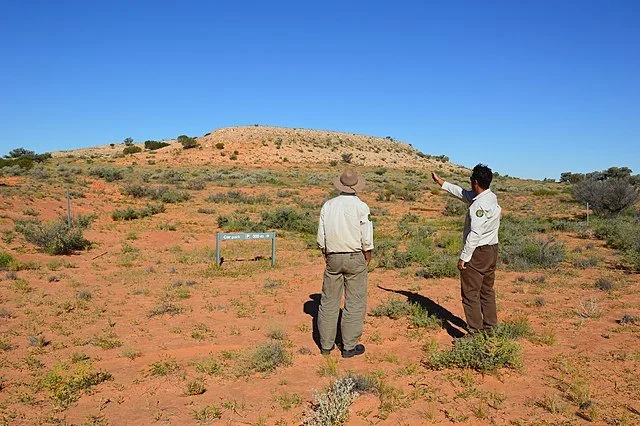
Indigenous Rangers in a Conservation Park. Tandrew22. CC BY-SA 4.0.
The Outback, the remote inland area of Australia, makes up the majority of the continent. This region covers 2.2 million square miles of the country, just over half the size of the contiguous United States in comparison, but only about 650,000 to 800,000 people live there. Despite such a sparse population, the Outback’s mountain ranges, deserts and plateaus are home to abundant plant and animal life, imbuing the area with cultural and ecological significance. Unlike many other areas in the world that have been used for agricultural and urban or industrial centers, the Australian Outback is one of the few places that remains a large wildland for biodiversity.

Aftermath of Wildfire in Australia. U.S. Department of the Interior. CC0.
However, over the past two centuries, the native species have declined at a rate higher than on any other continent. Since the beginning of Australia’s colonization, much of the species extinction has resulted from the introduction of new species and habitat clearing, with recent sea level rise, new diseases and introduced reptiles and fish also contributing. Additionally, climate change has led to an increase in drought, extreme weather events, fires and habitat modification that have drastically impacted the environment and biodiversity. In the face of these ecological threats, Indigenous land management has played an important role in helping environmental regeneration.
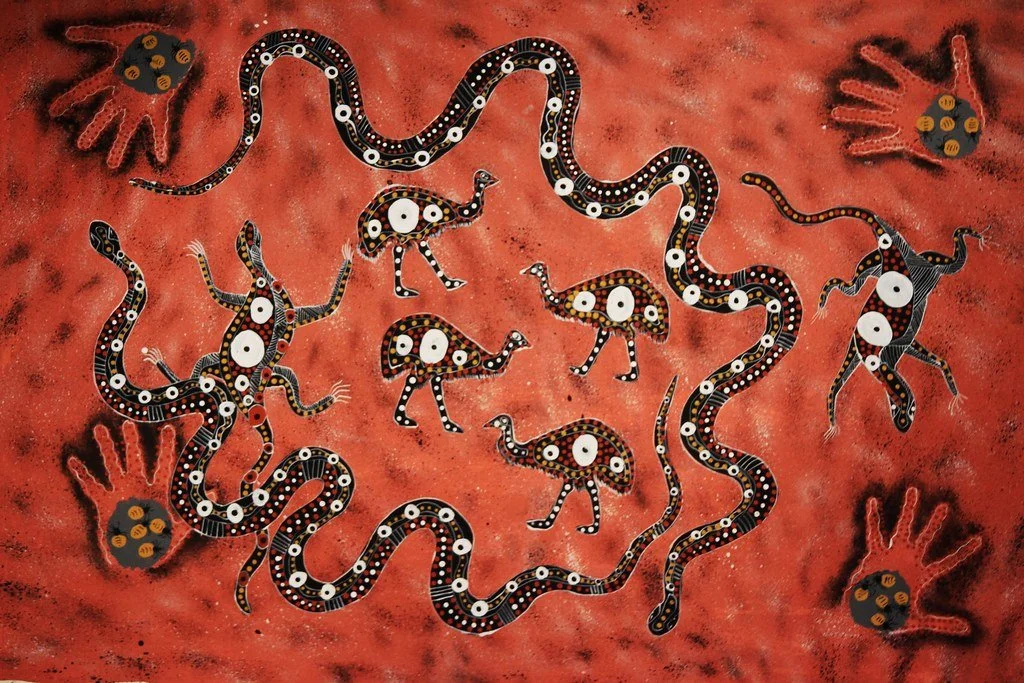
Aboriginal Australian Wildlife Artwork. Alejandro Ortiz Pellicer. CC BY-NC-ND 2.0.
The Aboriginal population of Australia has occupied the land for at least 65,000 years, predating the earliest settlements of Europe or the Americas. These communities are characterized by a rich ritual culture, demonstrated by their language, customs, spirituality and law, all of which were built on a connection to the land. Kinship with the environment, including a perfect balance between daily acts like killing animals for food or building shelters, with spirituality, is imperative to Aboriginal life. These traditions are encapsulated by the Dreaming, a cultural philosophy that provides native communities with a framework for interpreting the world, including creation explanations and sets of rules for living, such as relationships, religious and economic activities. Part of this worldview is founded on the idea that ancestral Dreaming spirits created the natural environment, populated it with humans and animals and established moral systems for Indigenous populations. After the spirits’ work was done, they transformed themselves into physical land features to leave evidence of their presence. These stories continue not only to provide communities with survival information, as they describe locations of water and food sources, but they also establish Indigenous communities’ care for the land.
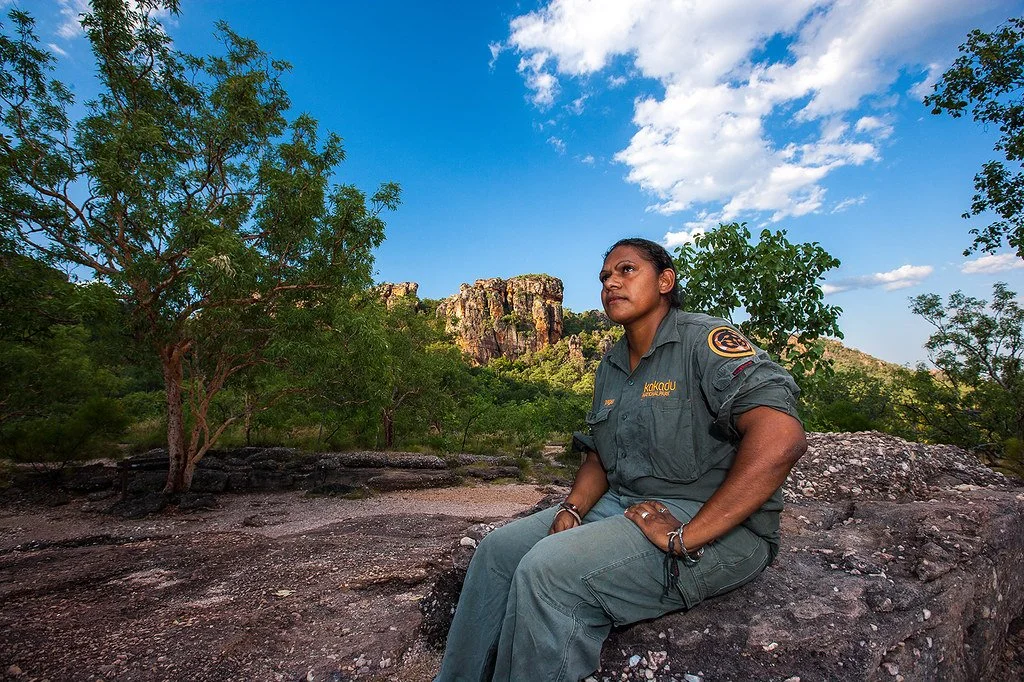
Indigenous Ranger. Parks Australia. CC BY-NC-SA 2.0.
Holding a sense of longstanding responsibility for the environment, the Aboriginal Australians have contributed to an ongoing transformation of the Outback. In the Indigenous Protected Areas, voluntary agreements that see native populations managing areas of land and sea for biodiversity conservation, represent over 54% of the country’s National Reserve System, a network of Australia’s protected areas. The Indigenous ranger groups that work on these extensive regions have played a crucial role in managing pests, weeds and fires in strategic ways, built on traditional and modern knowledge. Moreover, these programs have benefited remote communities’ health, employment, economy, education and governance, while also keeping the Aboriginal history, expertise and culture alive. These methods of conservation have proven to be an overall success throughout the country; with currently about 700 Indigenous Rangers across the Outback, over 124 million acres of land, including threatened plant and animal species, have been protected, bringing together necessary land management with Indigenous knowledge preservation.
GET INVOLVED:
Those interested in supporting the protection of Indigenous lands in Australia can take a look at organizations like The Nature Conservancy, which works with Indigenous Australians to manage land for conservation; the Aboriginal Carbon Foundation, a non-profit that supports Indigenous ranger-led carbon farming projects; or Country Needs People, a non-profit that supports Indigenous communities in managing land and sea conservation as well. You can also check out organizations focused on combating climate change in Australia, such as the Foundation for National Parks and Wildlife, Greenpeace, the Australian Marine Conservation Society or the Australian Conservation Foundation.

Julia Kelley
Julia is a recent graduate from UC San Diego majoring in Sociocultural Anthropology with a minor in Art History. She is passionate about cultural studies and social justice, and one day hopes to obtain a postgraduate degree expanding on these subjects. In her free time, she enjoys reading, traveling, and spending time with her friends and family.